Top 13 Natural Monuments around Biel
Natural monuments around Biel offer a diverse landscape for exploration. The region is characterized by its geological formations and natural features. Visitors can find a variety of natural attractions, from towering rock formations to scenic viewpoints. This area provides opportunities to observe unique geological history and local wildlife.
Best natural monuments around Biel
- The most popular natural monuments is Peñas de Riglos, a natural monument that features spectacular rock formations. These towering rocks are popular with climbers and provide…
Last updated: July 1, 2026
Peñas de Riglos
Highlight • Natural Monument
Translated by Google •
Tip by

Mallos de Agüero
Highlight • Natural Monument
Translated by Google •
Tip by

Sign up now to discover places like this
Get recommendations on the best single tracks, peaks, & plenty of other exciting outdoor places.
Sign up for free
Mallos de Agüero and Agüero Village
Highlight • Natural Monument
Translated by Google •
Tip by
Sibirana Castle
Highlight • Castle
Translated by Google •
Tip by

Pígalo Pools
Highlight • River
Translated by Google •
Tip by
Sign up for free to discover even more natural monuments around Biel.
Sign up for free
Already have an account?
Start today with a free account
Your next adventure awaits.
Login or Signup
Popular around Biel
Hiking between geology and history – GR1 in Aragón
Medieval and natural treasures — Cycling in the Pre-Pyrenees
Treasures of the Pre-Pyrenees – King Ferdinand Mountain Bike Route
Land of rock and water – Sendero Histórico en Aragón
Hiking around Biel
Cycling around Biel
Running Trails around Biel
MTB Trails around Biel
Road Cycling Routes around Biel

Gravel biking around Biel
Other adventures around Biel


Tips from the Community

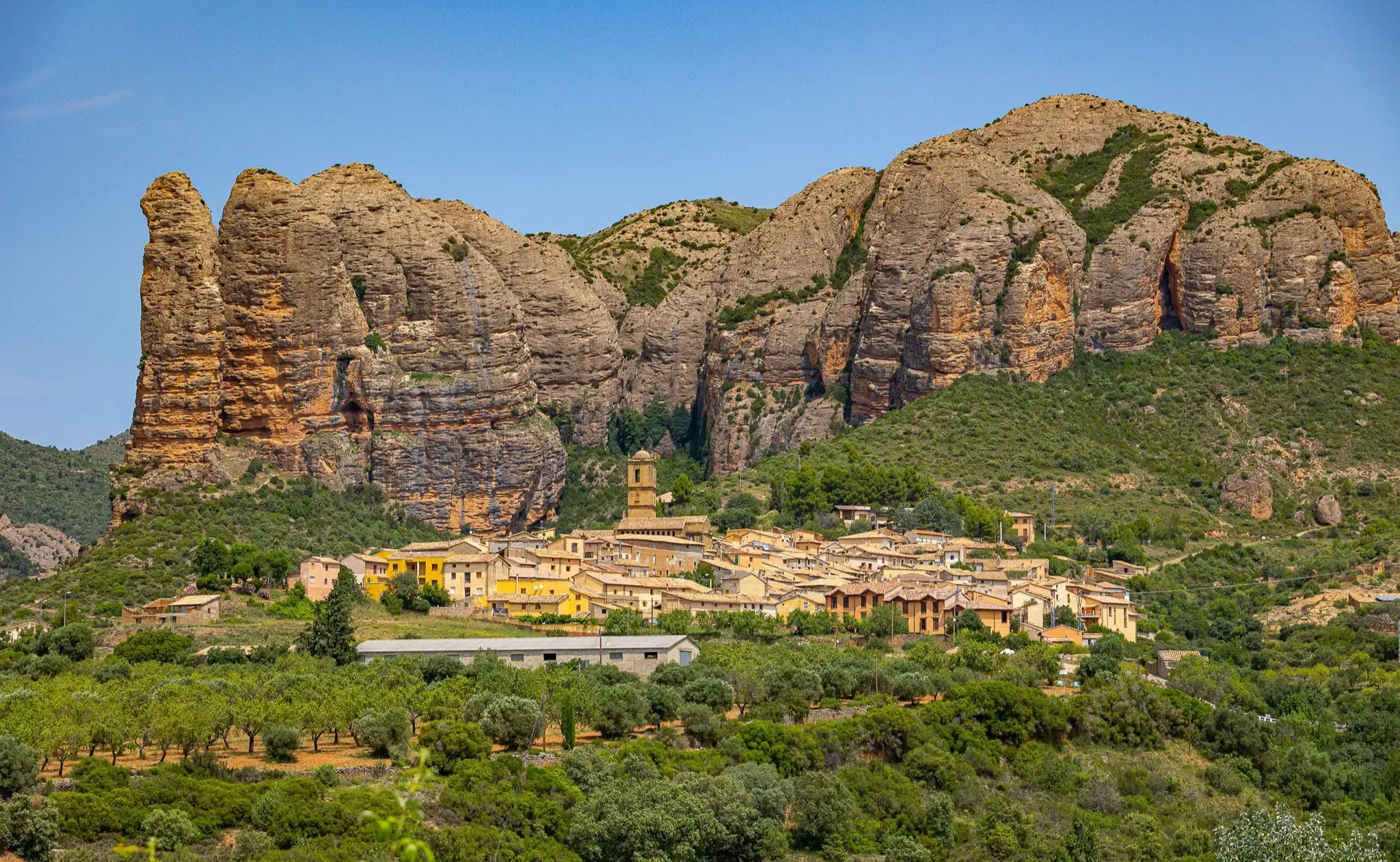
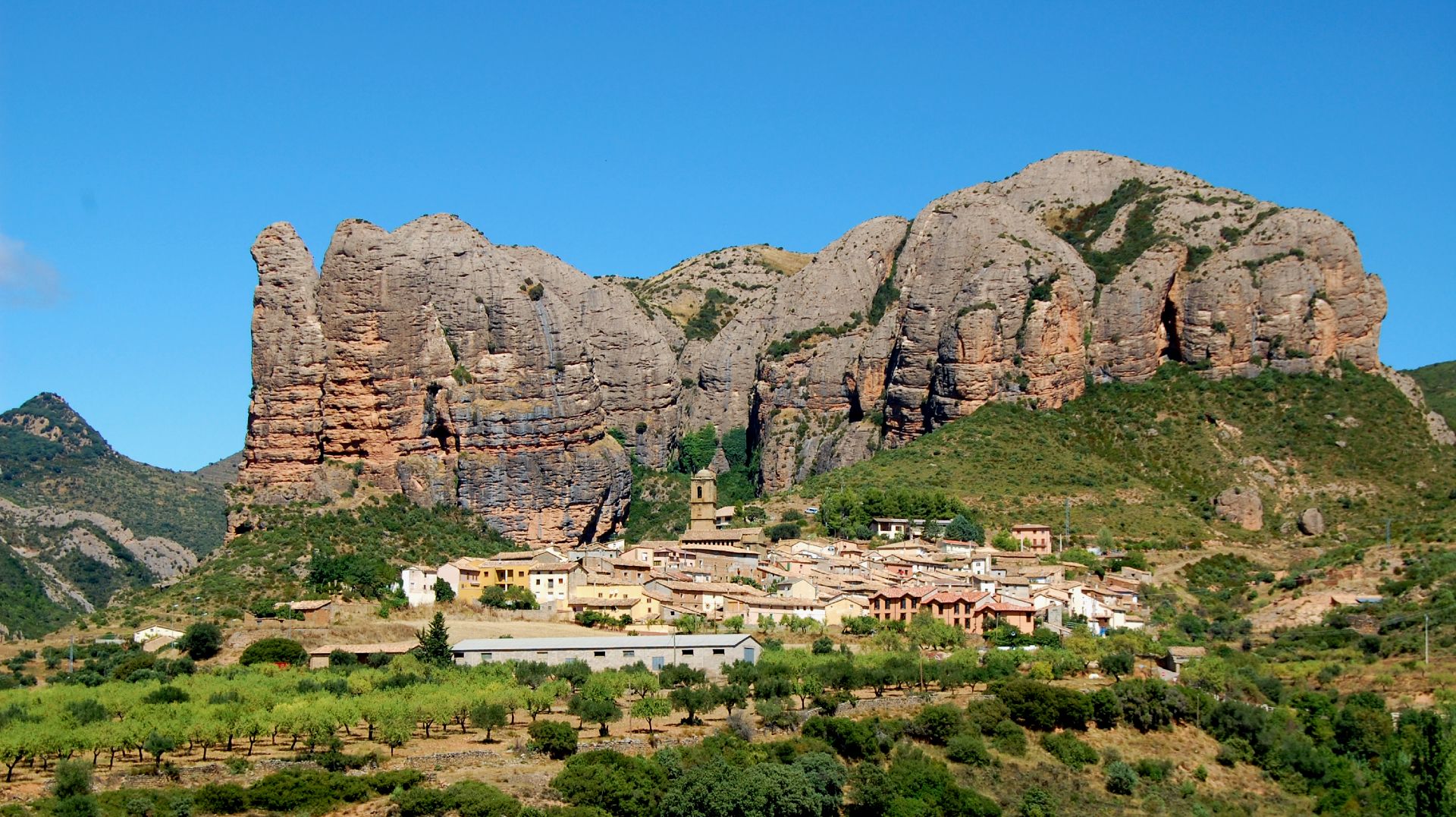
You must walk around the alleys of Agüero, and there is a magnificent view of the Mallos de Agüero.
0
0

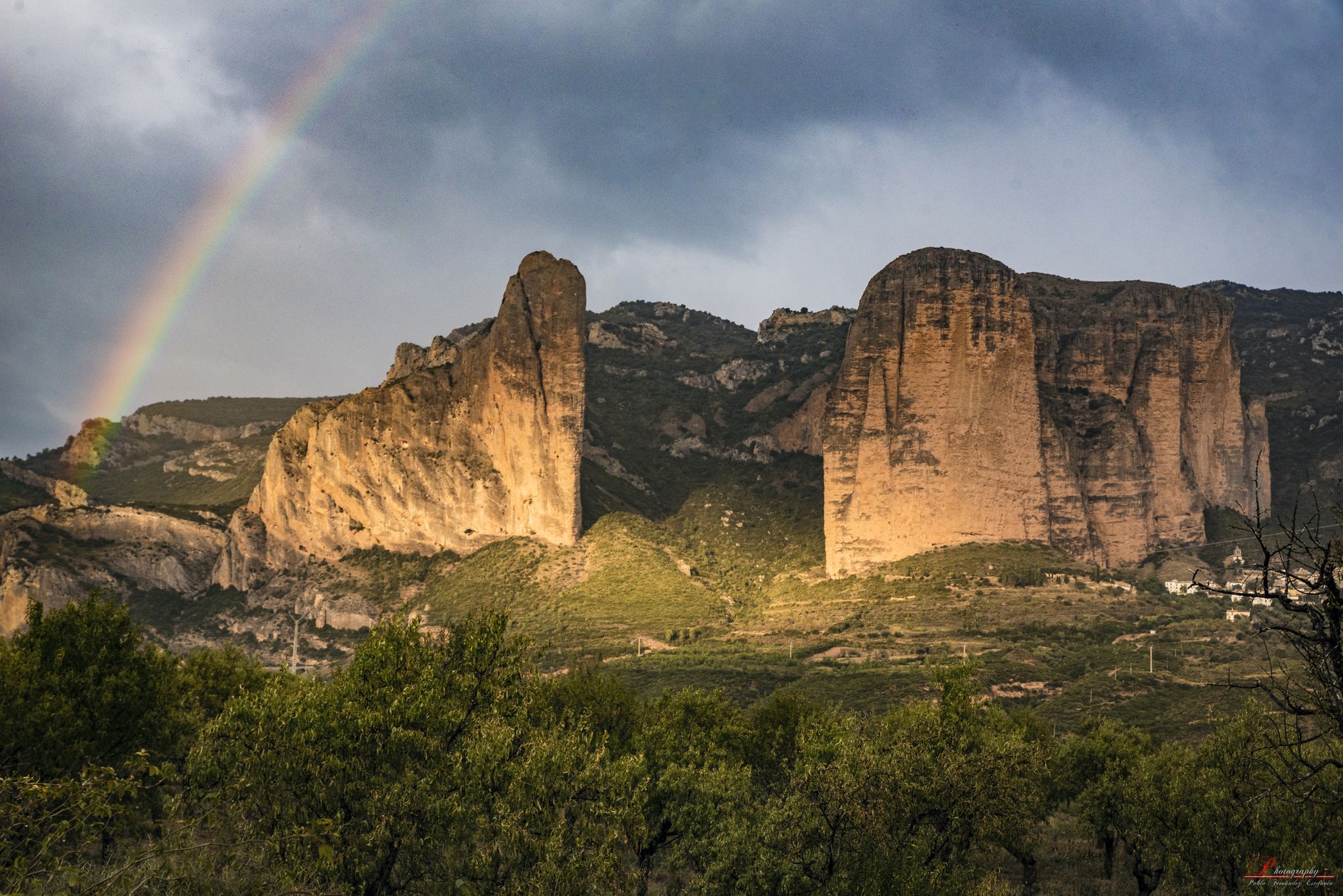
Spectacular reddish colored rock formations.
2
0
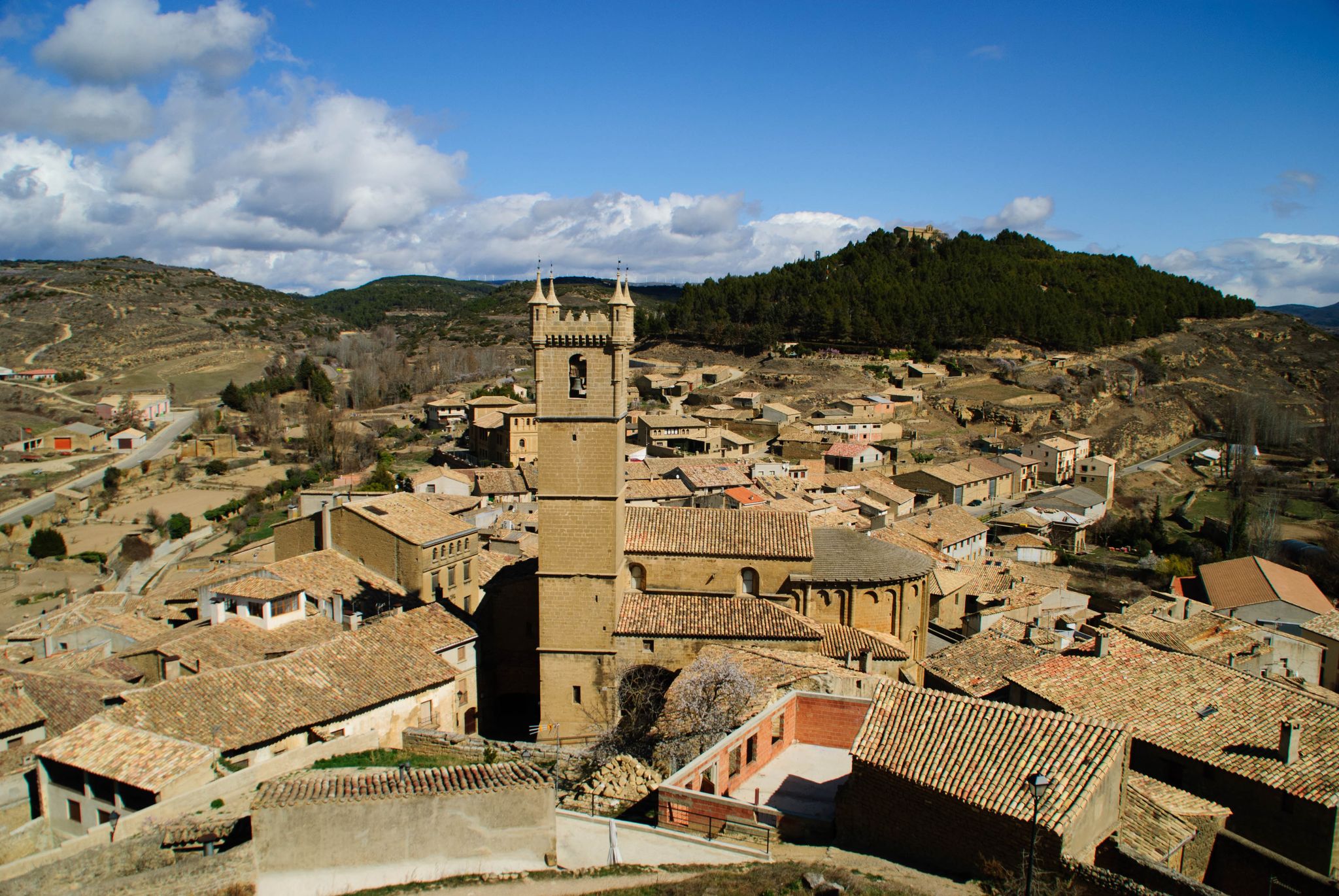
The city is home to artistic treasures such as the Romanesque Church of El Salvador and the 12th-century Church of Santiago. The latter, located one kilometer from the city, has been declared a National Monument and is one of the most beautiful Romanesque temples in Aragon.
2
0
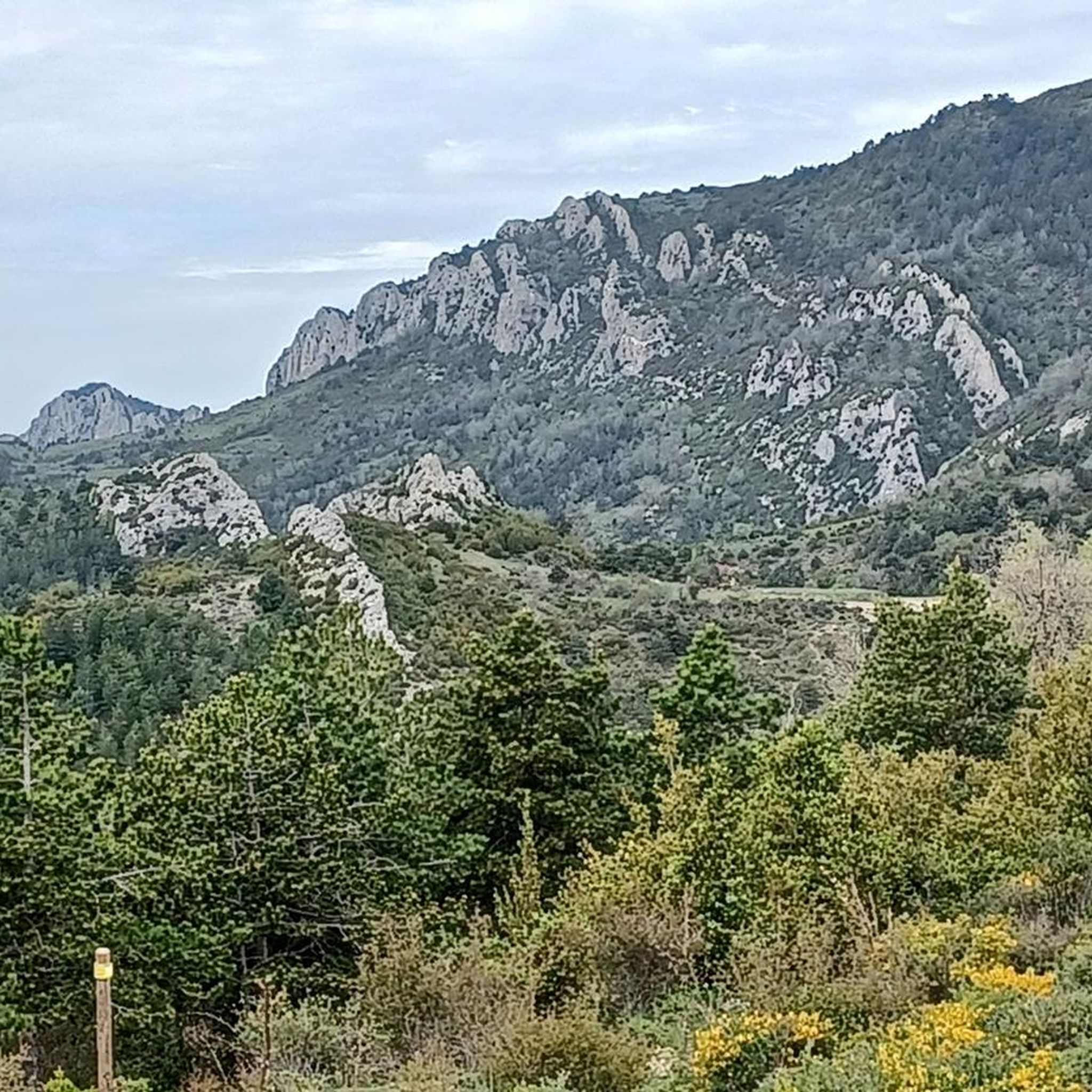
The Mallos of the Aragonese Pre-Pyrenees were formed 65 million years ago after eroded material from the Pyrenees washed away.
1
0

Agüero's mallos are a little less tall than those of Riglos, but even so, they are charming whims of erosion. Its contrast with the blue sky on a sunny day is simply spectacular.
1
0
The ruins found on the track that connects Luesia with the Pígalo pools are known as the castle of Sibirana. The ruins of the hermitage of Santa Quiteria also remain from this deserted area. This nucleus is part of a defensive line ordered to be built in the 10th century by King Sancho Garcés I of Pamplona. The sight of the towers erected on two stone masses gives an idea of the magnitude and engineering of these structures.
1
0

On our way along the track from Luesia to the Pígalo pools, we come across the castle of Sibirana built to control the passage from Uncastillo and from Luesia through the Onsella river valley. In addition to the castle, there are remains of the hermitage of Santa Quiteria, both in the Aragonese Romanesque style and of a dozen houses at the foot of the castle on its south face.
1
0
We are in the Pígalo pools, ideal for warm summer days where we can take a dip. If we go upstream, we will find more less crowded pools, since this one is quite popular and soon fills up with people. If we want to leave the car in the car park, we must book on the Luesia town hall website as they control access. There are picnic areas to eat and a bar at the campsite.
2
0
Frequently Asked Questions
What are the most popular natural monuments around Biel?
The Biel region offers a variety of impressive natural monuments. Among the most popular are the Taubenloch Gorge, known for its wild romantic scenery and geological history, and the picturesque Twannbach Gorge with its cascades and waterfalls. Additionally, the majestic Chasseral mountain provides breathtaking panoramic views, and Lake Biel with St. Peter's Island offers serene natural beauty.
Are there family-friendly natural monuments to visit near Biel?
Yes, several natural monuments around Biel are well-suited for families. The Taubenloch Gorge is considered family-friendly with its accessible walkways and refreshing environment. The Twannbach Gorge also offers a lovely hiking experience for families, though some sections can be steep. For a relaxing day, the Pígalo Pools are ideal for warm summer days, offering clean water for swimming and picnic areas.
What kind of geological formations can I expect to see?
The natural monuments around Biel showcase diverse geological features. The Taubenloch Gorge provides a unique 'free geography lesson,' revealing 150 million years of history with ancient rock formations. The Twannbach Gorge features vertical limestone cliffs, cascades, and pools. Further afield, you can find spectacular rock formations like Peñas de Riglos and the reddish-colored Mallos de Agüero, which are results of erosion.
Are there good viewpoints among the natural monuments?
Absolutely. Chasseral, as the highest summit in the canton of Bern outside the Alps, offers breathtaking 360-degree panoramic views of Lake Biel, the three lakes, and the majestic Alps. Another notable spot is the Colorado Viewpoint, which provides splendid vistas and is part of the Camino del Cielo route.
What outdoor activities can I do near these natural monuments?
The region around Biel is excellent for various outdoor activities. You can find numerous hiking trails, mountain bike routes, and bridleways, especially around Chasseral. For cycling enthusiasts, there are routes like the 'Pozas Pígalo by the Castillo de Sibirana' or the 'Asín and Luesia Castles Route.' Mountain biking options include the 'Mountainbike loop from Villalangua' and the 'Biel Castle – Biel Castle loop.' Runners can explore trails such as the 'Luesia - Puy Moné Loop' or the 'Mallos de Agüero loop.' You can find more details on these activities in the MTB Trails around Biel, Running Trails around Biel, and Cycling around Biel guides.
Can I find historical or cultural sites near the natural monuments?
Yes, St. Peter's Island in Lake Biel is a protected natural zone with historical significance, known for its former monastery. Additionally, the area around Mallos de Agüero and Agüero Village features artistic treasures like the Romanesque Church of El Salvador and the 12th-century Church of Santiago, which is a declared National Monument.
Are there any natural pools or swimming spots?
Yes, the Pígalo Pools are an excellent spot for swimming on warm summer days. These large natural pools of clean water are located in the Arba de Luesia river and offer picnic areas. Lake Biel itself is also a popular spot for swimming and other water activities.
What is the best time to visit the natural monuments around Biel?
Many natural monuments, like the Taubenloch Gorge, are particularly appealing in summer due to their cool environment. The Twannbach Gorge is also a refreshing summer hike. Chasseral is a year-round destination; in winter, it transforms into a cross-country skiing and snowshoeing paradise, while other seasons are ideal for hiking and mountain biking.
Are there any natural monuments suitable for dog walking?
While specific dog-friendly designations vary, many natural trails and open areas around monuments like Chasseral and Lake Biel are generally suitable for dogs on a leash. Always check local regulations for specific gorges or protected areas, as some may have restrictions to protect wildlife or ensure visitor safety.
What do visitors enjoy most about the natural monuments in the Biel region?
Visitors frequently praise the spectacular rock formations and the opportunities for climbing, as seen at Peñas de Riglos and Mallos de Agüero. The breathtaking panoramic views from spots like Chasseral and Colorado Viewpoint are also highly appreciated. The refreshing hikes through gorges like Taubenloch and Twannbach, and the serene beauty of Lake Biel and St. Peter's Island, are also popular highlights.
Is there an entrance fee for any of the natural monuments?
Yes, there is a small entrance fee for the Twannbach Gorge. It costs CHF 2 for adults and CHF 1 for children, which contributes to the maintenance of the path. Most other natural areas, like the Taubenloch Gorge and Chasseral, are generally free to access, though parking fees might apply in some locations.
How accessible are the natural monuments by public transport?
The Taubenloch Gorge is notably easy to reach by public transport due to its proximity to Biel. Other locations may require a combination of public transport and a short walk or a car. St. Peter's Island can be reached via a three-lake cruise or from Erlach.
Most popular attractions around Biel

Get inspired with the komoot mobile app


Explore more
Extend your search for the best caves by checking out these guides of the top ones around Biel:
