Top 7 Natural Monuments around Almansa
Best natural monuments around Almansa are found within a region recognized for its diverse natural features and significant ecological areas in the province of Albacete, Spain. The terrain includes varied natural landscapes, from riverside forests to mountain ranges. These areas are valued for their ecological, scenic, and historical importance, offering opportunities to explore natural landmarks and features.
Best natural monuments around Almansa
- The most popular natural monuments is Viewpoint of the Museum Trail, a viewpoint that is part of…
Last updated: July 1, 2026
Viewpoint of the Museum Trail
Highlight • Viewpoint
From this viewpoint you can see a large part of the …
Translated by Google •
Tip by

Fuente de la Mearrera
Highlight • Natural Monument
Translated by Google •
Tip by

Sign up now to discover places like this
Get recommendations on the best single tracks, peaks, & plenty of other exciting outdoor places.
Sign up for free
Arco de San Pascual
Highlight • Natural Monument
Translated by Google •
Tip by
Trail with views
Highlight • Trail
Translated by Google •
Tip by

Mugrón Ridge Trail
Highlight • Trail
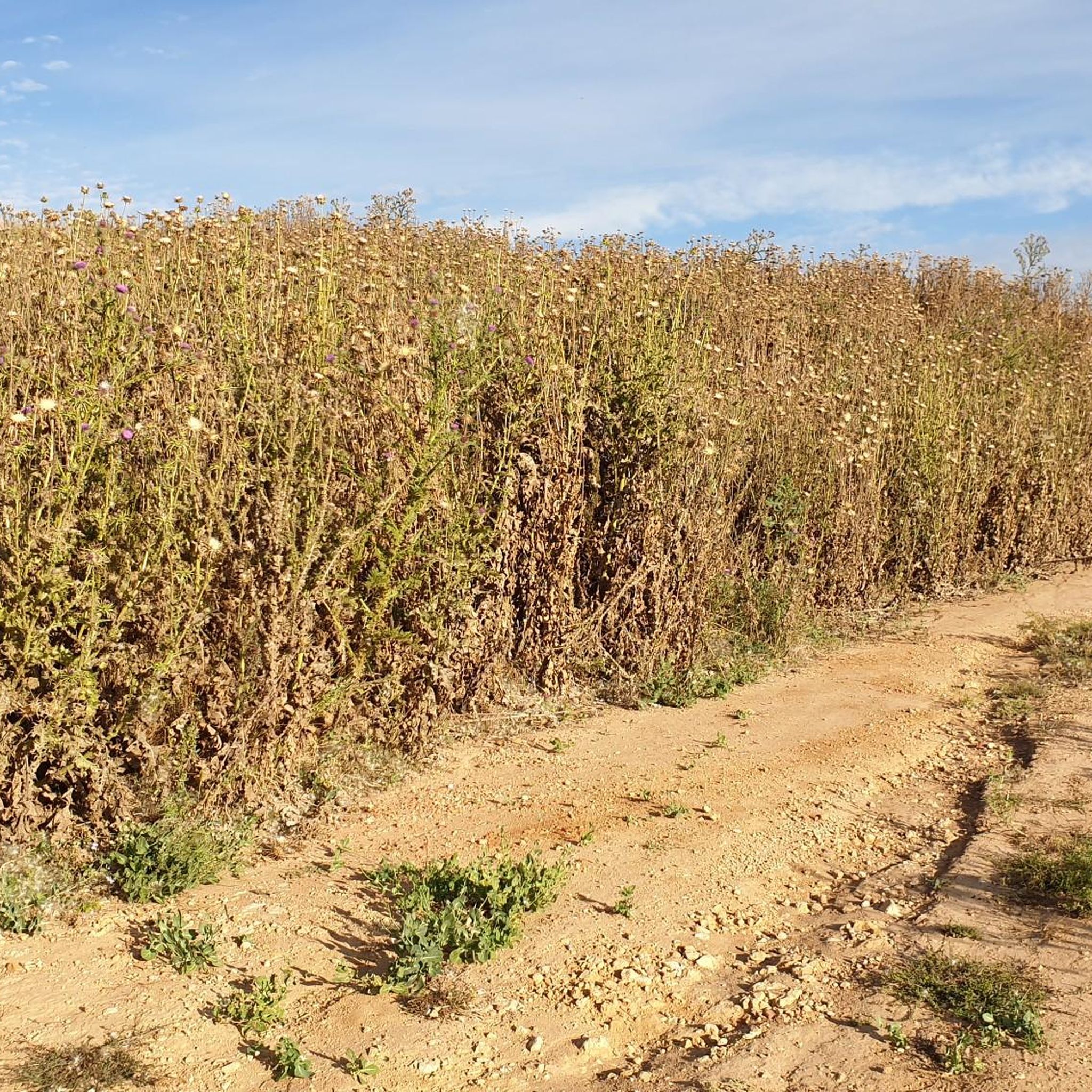
Long pants are recommended, even in the summer. Scrubs can scratch your legs.
Translated by Google •
Tip by

Sign up for free to discover even more natural monuments around Almansa.
Sign up for free
Already have an account?
Start today with a free account
Your next adventure awaits.
Login or Signup
Popular around Almansa

Tips from the Community

The Mirador de la Senda del Museo in the Pantano de Almansa is an ideal place to enjoy panoramic views of the swamp and its natural surroundings. This viewing point is part of the Agua Viva project and serves as a resting point for migratory waterfowl. From the viewing point, you can observe a large part of the swamp and enjoy the tranquility of the place. In addition, it has benches to sit on and an explanatory panel that provides information about the fauna and flora of the area.
3
0

It is a natural water source, easily accessible from the road and ideal for cooling off on hot days. The source becomes a stream that runs through the natural landscape, creating life in its wake.
1
0

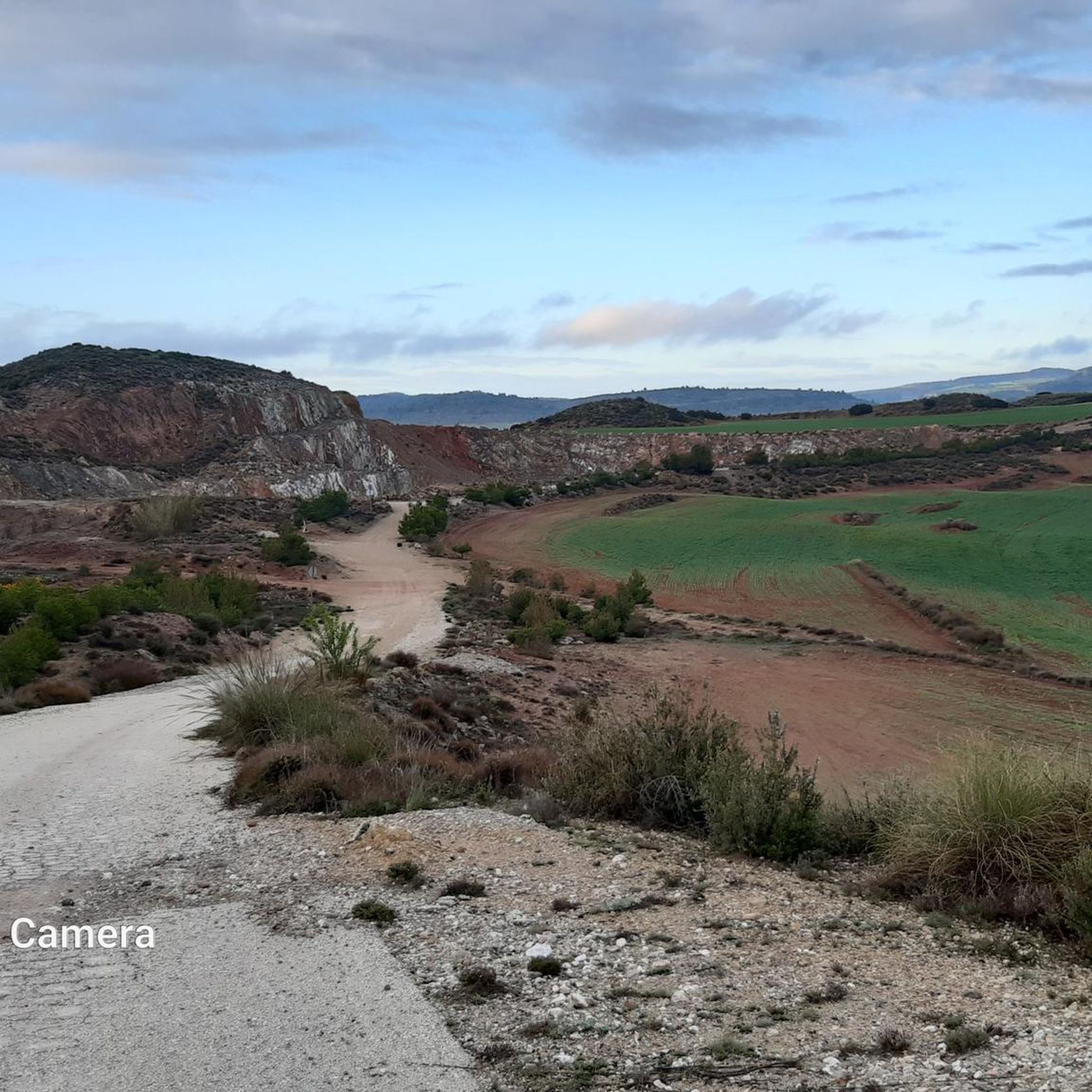
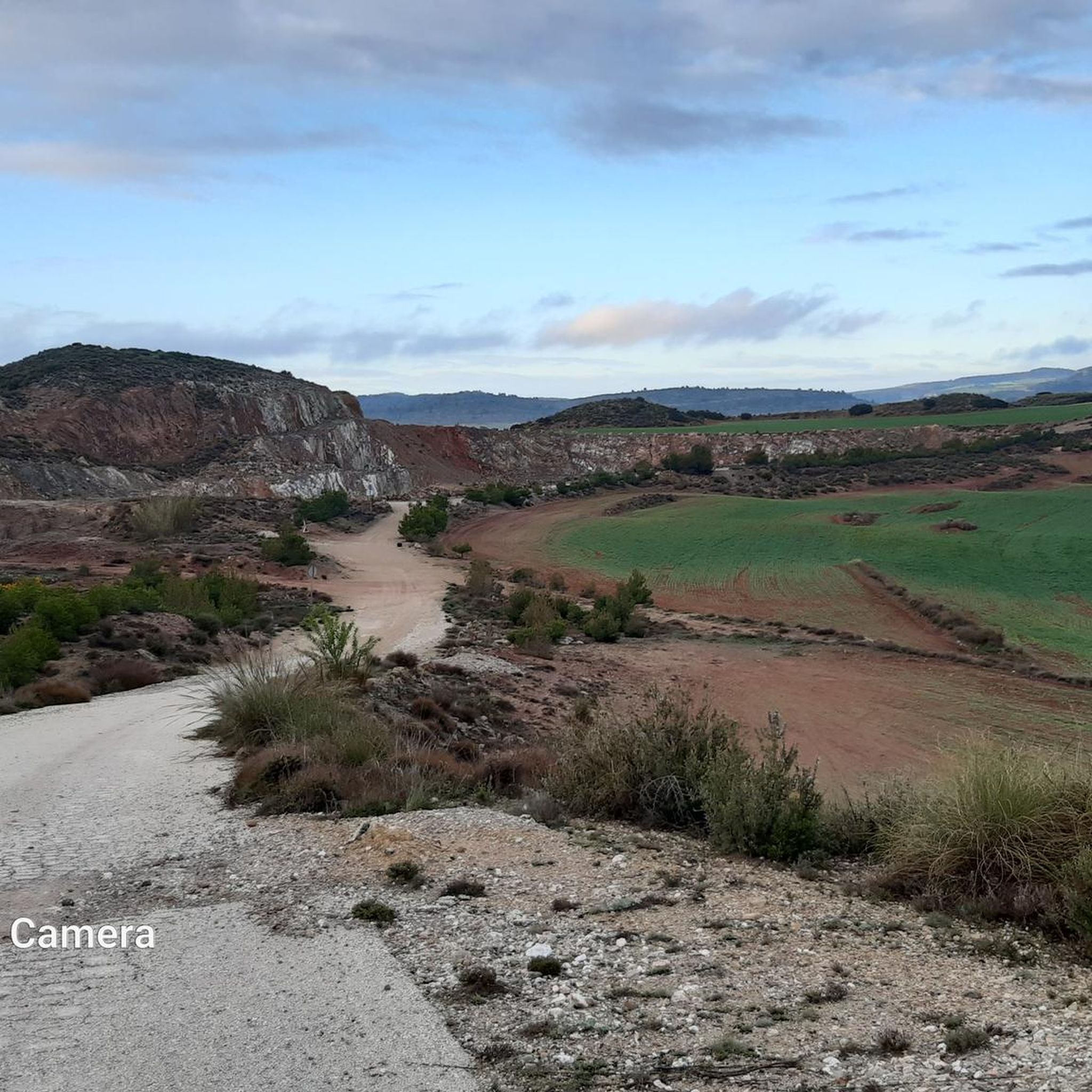
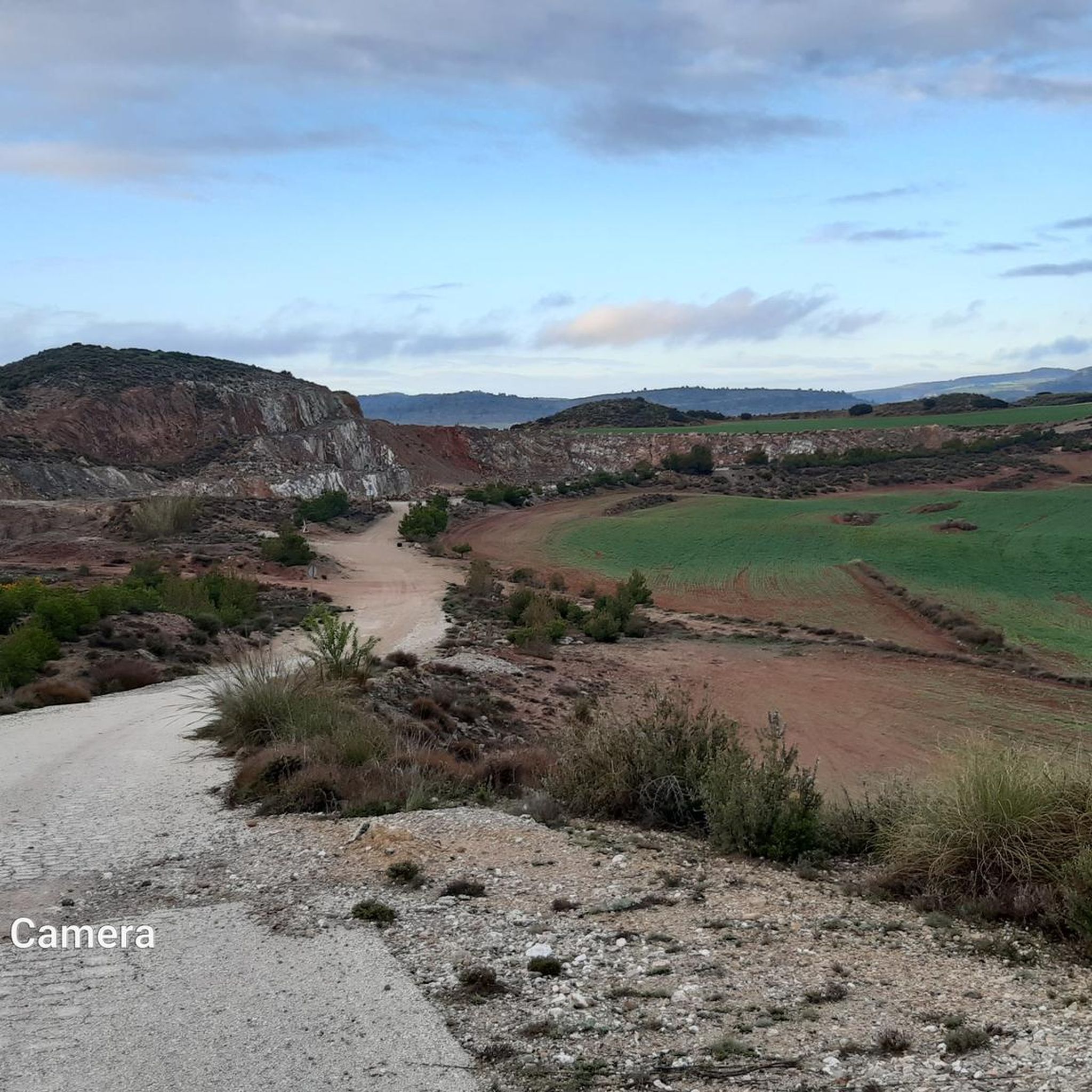
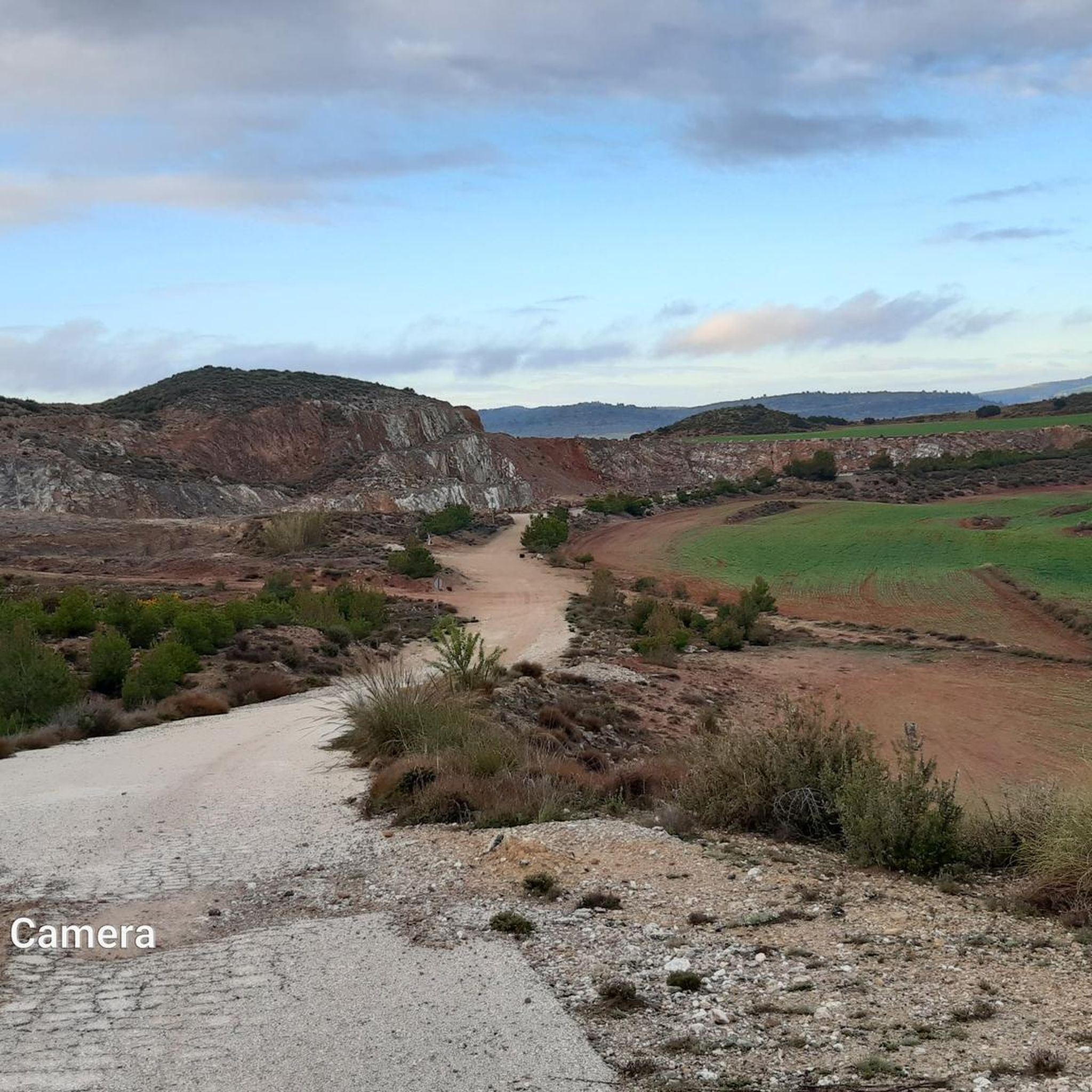
Between Almansa and Alpera, the Camino de Santiago de la Lana runs along a gravel track that has magnificent views of some limestone cliffs.
0
1

Good place with very well marked trails. Sometimes there is little water due to little rain. Recommended to visit in spring.
1
0
From the viewpoint you can see a large part of the swamp that serves as a resting place for migratory waterfowl.
2
0
The Arch of San Pascual is one of those whims of nature that we love. This huge natural monument that is located in the Sierra del Mugrón.
6
0
Currently the swamp is part of the "Agua Viva" project, and serves as a resting place for migratory waterfowl. From this viewpoint you can see a large part of the swamp. It has benches to sit on and an explanatory panel.
9
0
The path is marked by milestones. It is tradition to put a stone when passing through them, in this way they are preserved for a longer time. Long pants are recommended, even in the summer. Scrubs can scratch your legs.
1
0
Frequently Asked Questions
What are some of the most popular natural areas to visit around Almansa?
Visitors frequently enjoy the Viewpoint of the Museum Trail, which offers panoramic views of the Almansa swamp and serves as a resting place for migratory waterfowl. Another popular spot is Fuente de la Mearrera, a natural water source that creates a stream through a riverside forest, ideal for cooling off.
Are there any unique geological formations to see near Almansa?
Yes, the Arco de San Pascual is a notable natural rock formation located in the Sierra del Mugrón. This area is recognized for its geomorphological and paleontological significance, showcasing the unique geological history of the region.
What kind of natural features can I expect to find in the Almansa area?
The Almansa region boasts diverse natural features, including riverside forests like those found in the Rambla de los Molinos, mountain ranges such as the Sierra del Mugrón and Sierra de Almansa, and water-rich environments around the Almansa swamp. You'll encounter varied landscapes from lush riverbanks to elevated viewpoints and extensive pine forests.
Are there family-friendly natural spots around Almansa?
Absolutely. The Viewpoint of the Museum Trail is considered family-friendly, offering benches and an explanatory panel about local fauna and flora, making it an accessible and educational stop. The area around Fuente de la Mearrera also features well-marked trails suitable for families.
What is the best time of year to visit the natural areas near Almansa?
Spring is often recommended for visiting natural areas like the Rambla de los Molinos, especially Fuente de la Mearrera, when water levels are typically higher and the vegetation is vibrant. However, the region offers beauty year-round, with different seasons highlighting various aspects of its diverse landscapes.
Can I find hiking trails with good views in the Almansa region?
Yes, there are several trails offering magnificent views. For instance, the Trail with views, part of the Camino de Santiago de la Lana between Almansa and Alpera, provides scenic vistas of limestone cliffs. The Mugrón Ridge Trail also offers expansive views across the Sierra del Mugrón.
What kind of wildlife can be spotted in the natural areas around Almansa?
The diverse habitats support various wildlife. In riverside forests like Rambla de los Molinos, you might spot species linked to water, such as nightingales and orioles. The Sierra del Mugrón and Sierra de Almansa are home to wildcats, boars, and various bird species, including raptors like the peregrine falcon and Bonelli's eagle.
Are there opportunities for outdoor activities like cycling near Almansa's natural monuments?
Yes, the region offers various cycling opportunities. You can find numerous road cycling routes, MTB trails, and gravel biking options. For example, the MTB Trails around Almansa guide includes routes like the 'Sierra del Mugrón and Almansa Reservoir Circular', allowing you to explore the natural landscapes by bike.
Are there any historical or cultural sites integrated with the natural landscapes?
Yes, the Sierra del Mugrón is recognized as an Area of Cultural Interest due to its geomorphological and paleontological significance, and it also holds historical importance with the remains of an ancient Iberian settlement known as Meca. The Rambla de los Molinos also features historical irrigation systems and partially preserved flour mills, showcasing the interaction between human activity and nature.
What should I know about visiting the Sierra del Mugrón?
The Sierra del Mugrón is a significant mountain range known for its diverse wildlife and geological importance. When hiking trails like the Mugrón Ridge Trail, it's advisable to wear long pants, even in summer, as the scrub can scratch your legs. The area is also home to the natural rock formation, Arco de San Pascual.
Are there any specific tips for exploring the Rambla de los Molinos area?
The Rambla de los Molinos, which includes Fuente de la Mearrera, is characterized by its riverside forest and historical irrigation systems. Trails here are generally well-marked. It's good to note that water levels can be low during dry periods, so a visit in spring is often recommended to experience the area at its fullest.
Are there any natural areas around Almansa that are particularly good for birdwatching?
The Almansa swamp, visible from the Viewpoint of the Museum Trail, is part of the 'Agua Viva' project and serves as a crucial resting place for migratory waterfowl, making it an excellent spot for birdwatching. The riverside forests of Rambla de los Molinos also attract various bird species, including nightingales and orioles.
Most popular routes around Almansa
Most popular attractions around Almansa

Get inspired with the komoot mobile app


Explore more
Extend your search for the best caves by checking out these guides of the top ones around Almansa:
