Top 20 Natural Monuments around Almagro
Best natural monuments around Almagro are situated within the Campo de Calatrava volcanic region, a significant geological area on the Iberian Peninsula. This landscape is characterized by numerous extinct volcanic cones and unique lagoons, shaped by ancient hydromagmatic eruptions. The region offers diverse natural features, including saline volcanic lagoons and active carbonic springs, providing insights into Earth's dynamic processes.
Best natural monuments around Almagro
- The most popular natural monuments is Laguna del Prado, a lake that is a saline…
Last updated: July 1, 2026
Laguna del Prado
Highlight • Lake
Translated by Google •
Tip by

Pozuelo de Calatrava
Highlight • Settlement
Translated by Google •
Tip by

Sign up now to discover places like this
Get recommendations on the best single tracks, peaks, & plenty of other exciting outdoor places.
Sign up for free
Hervideros Baños del Barranco
Highlight • Natural Monument
Translated by Google •
Tip by
Los Hervideros
Highlight • Natural Monument
Translated by Google •
Tip by
Atalaya Forest Park
Highlight • Forest
Translated by Google •
Tip by
Sign up for free to discover even more natural monuments around Almagro.
Sign up for free
Already have an account?
Start today with a free account
Your next adventure awaits.
Login or Signup


Other adventures around Almagro

Tips from the Community

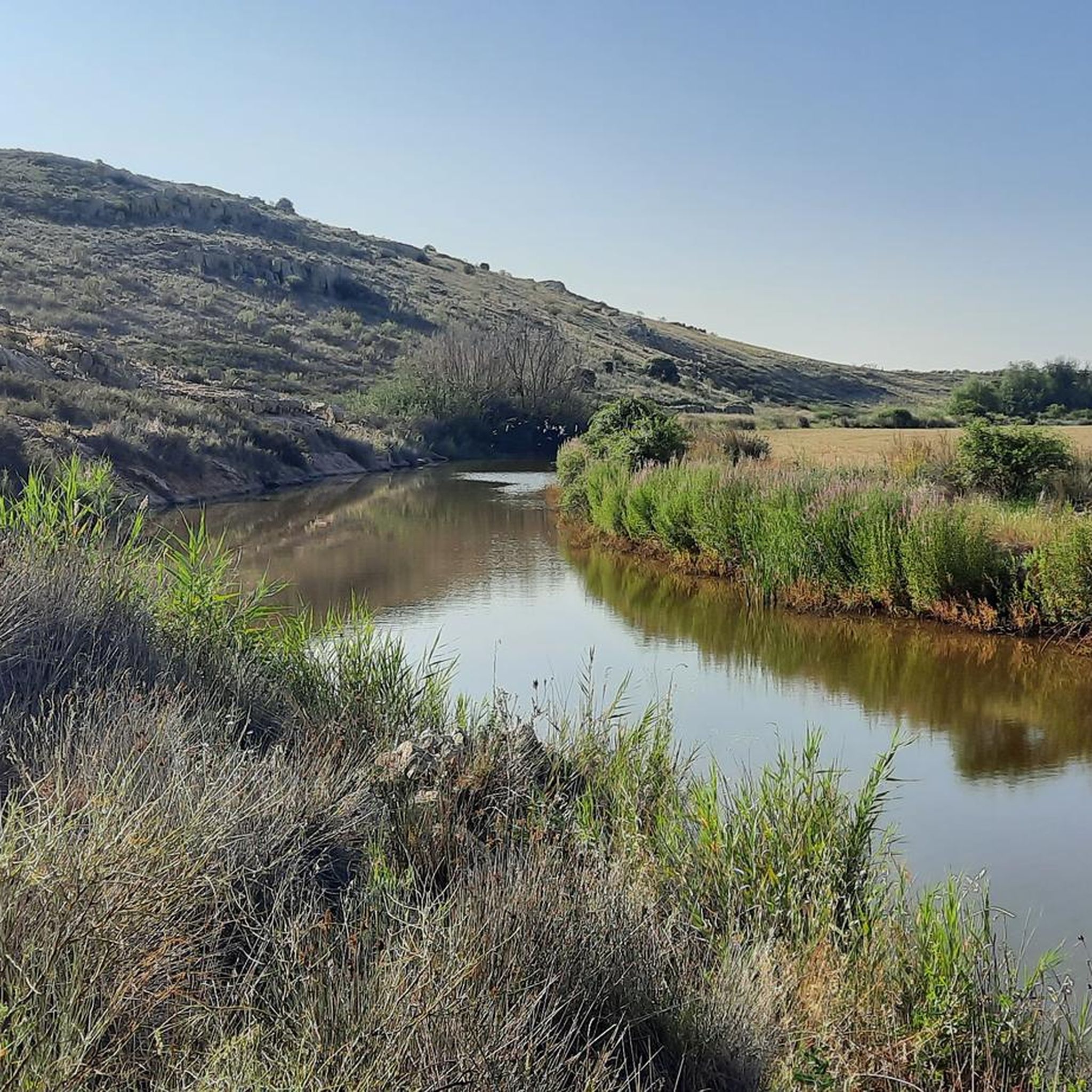
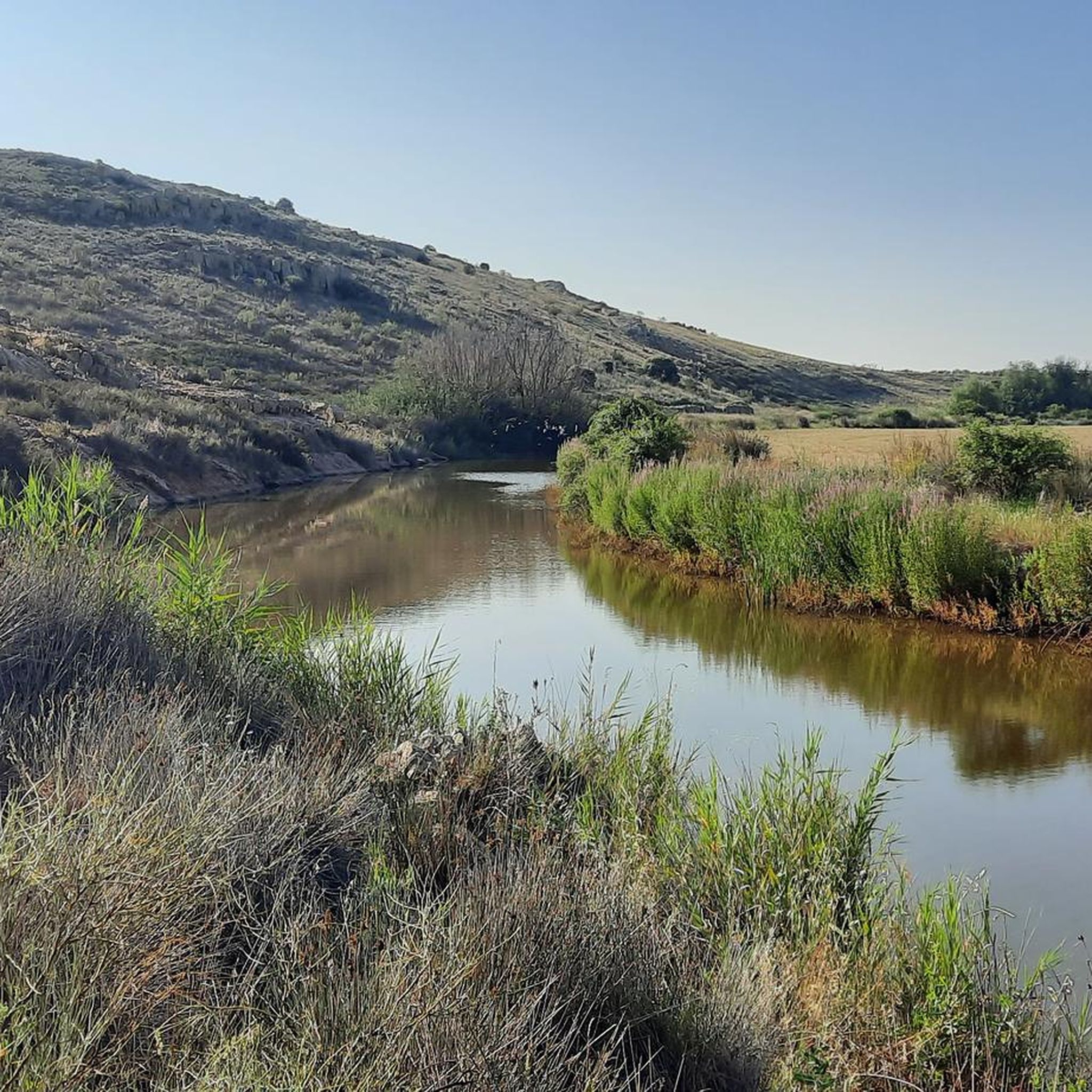
It is located next to the town centre of Pozuelo de Calatrava. It is popularly known as the unexpected lagoon. If you pass by, it is a unique opportunity to enjoy the flora and fauna of the saltiest lagoon in the area.
10
0
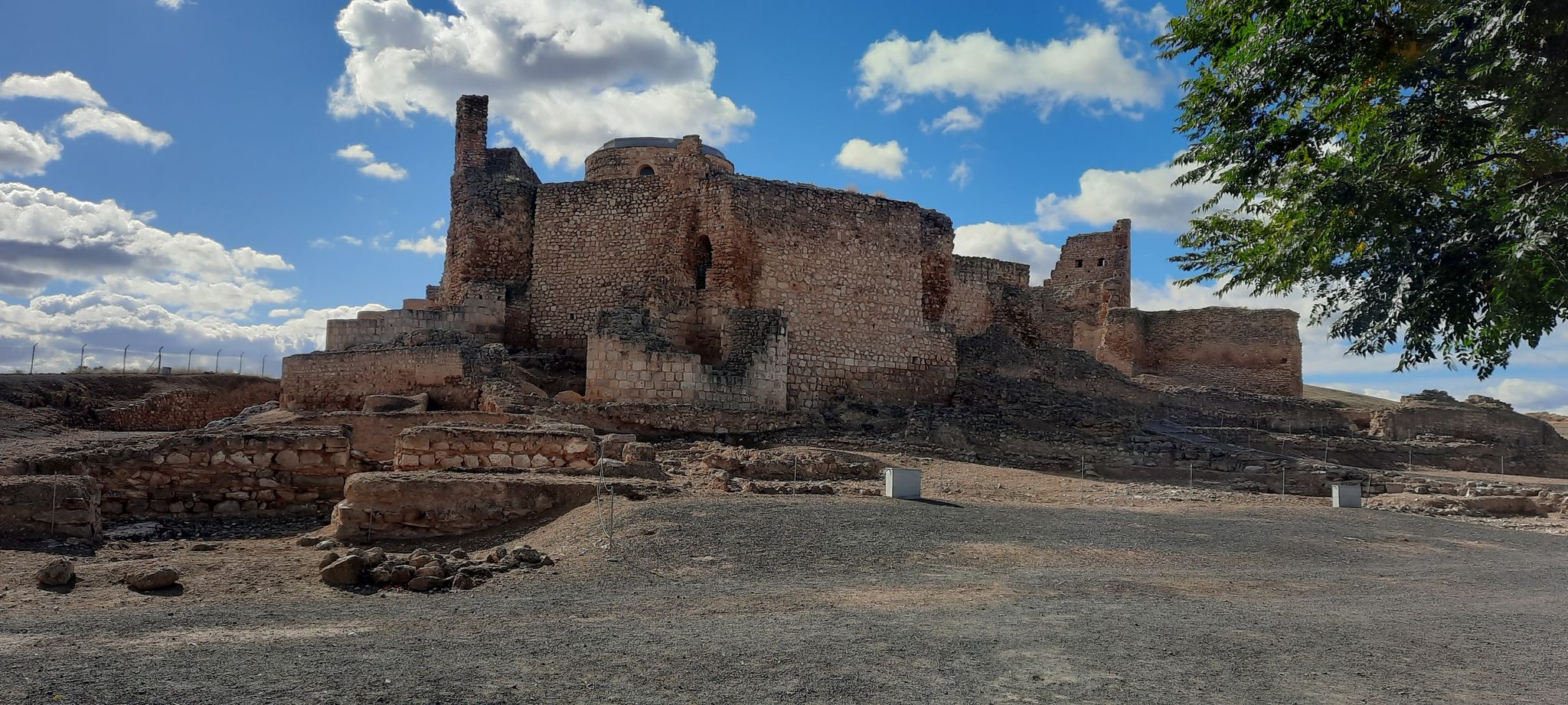
Right at the entrance, the Tablas de Calatrava Naturalist Association, in collaboration with the Carrión de Calatrava Town Hall, completed in 2020 the project to assemble a plaster oven in the traditional way of this town. Located in the House of Juan Merino, mayor of Praos from 1910 to 1914, it has been carried out following all the steps; From the extraction of the gypsum stones from the soil to its construction, although it has not been fired, it has been left assembled for the contemplation of visitors to the Baño de los Hervideros - next to which it is located -, as a tribute to the numerous families of plasterers who worked in our town for centuries in this hard trade.
7
0

Small lagoon that is very close to the center and what's more, the path that goes around it is quiet and pleasant close to the center.
2
1
The so-called “hotbeds” are one of the most common phenomena in the Calatrava region, as a consequence of its intense volcanic activity. A unique spectacle that, together with sour springs, maares, wells, and jets or sinas, are part of the history of the region and that the Association for the Development of Campo de Calatrava tries to preserve and make known outside its borders.
21
0
Within the Campo de Calatrava region, this municipality attracts the visitor's attention because it is close to two salty lagoons of volcanic origin, Argamasilla and Inesperada; formerly used as medicinal waters. Like other thermal springs where the Infante Don Carlos ordered the construction of the Baños de Fuensanta. In addition to its natural assets, the religious ones are important, in the form of a church and a sanctuary that we must not miss. Its 17th century church dedicated to Saint John the Baptist was declared a B.I.C. in 1989. Its nave is covered by a barrel vault and has a polygonal apse and two doorways under porticoes, one of them with Tiara Papal. It is one of the few churches that preserves its three original altarpieces from the 18th century, the most important being that of the High Altar made of walnut wood without polychrome and with allegories of the Trinity. In the Sanctuary of Nuestra Señora de los Santos we can also admire a beautiful altarpiece in Churrigueresque forms. The sanctuary is on the outskirts of the town and was built on an old Arab fortress. It has a single nave in which we will see wall paintings and a beautiful Mudejar coffered ceiling.
40
0
Pozuelo de Calatrava is a rustic town of medieval origin located in the historic region of Campo de Calatrava, on the edge of one of the most interesting volcanic lagoons in the territory: La Inesperada or Laguna del Prado, where you can spot various waterfowl.
29
0
Within the Campo de Calatrava region, this municipality attracts the visitor's attention because it is close to two salty lagoons of volcanic origin, Argamasilla and Inesperada; formerly used as medicinal waters. Like other thermal springs where the Infante Don Carlos ordered the construction of the Baños de Fuensanta. In addition to its natural assets, the religious ones are important, in the form of a church and a sanctuary that we must not miss. Its 17th century church dedicated to Saint John the Baptist was declared a B.I.C. in 1989. Its nave is covered by a barrel vault and has a polygonal apse and two doorways under porticoes, one of them with Tiara Papal. It is one of the few churches that preserves its three original altarpieces from the 18th century, the most important being that of the High Altar made of walnut wood without polychrome and with allegories of the Trinity. In the Sanctuary of Nuestra Señora de los Santos we can also admire a beautiful altarpiece in Churrigueresque forms. The sanctuary is on the outskirts of the town and was built on an old Arab fortress. It has a single nave in which we will see wall paintings and a beautiful Mudejar coffered ceiling.
21
0
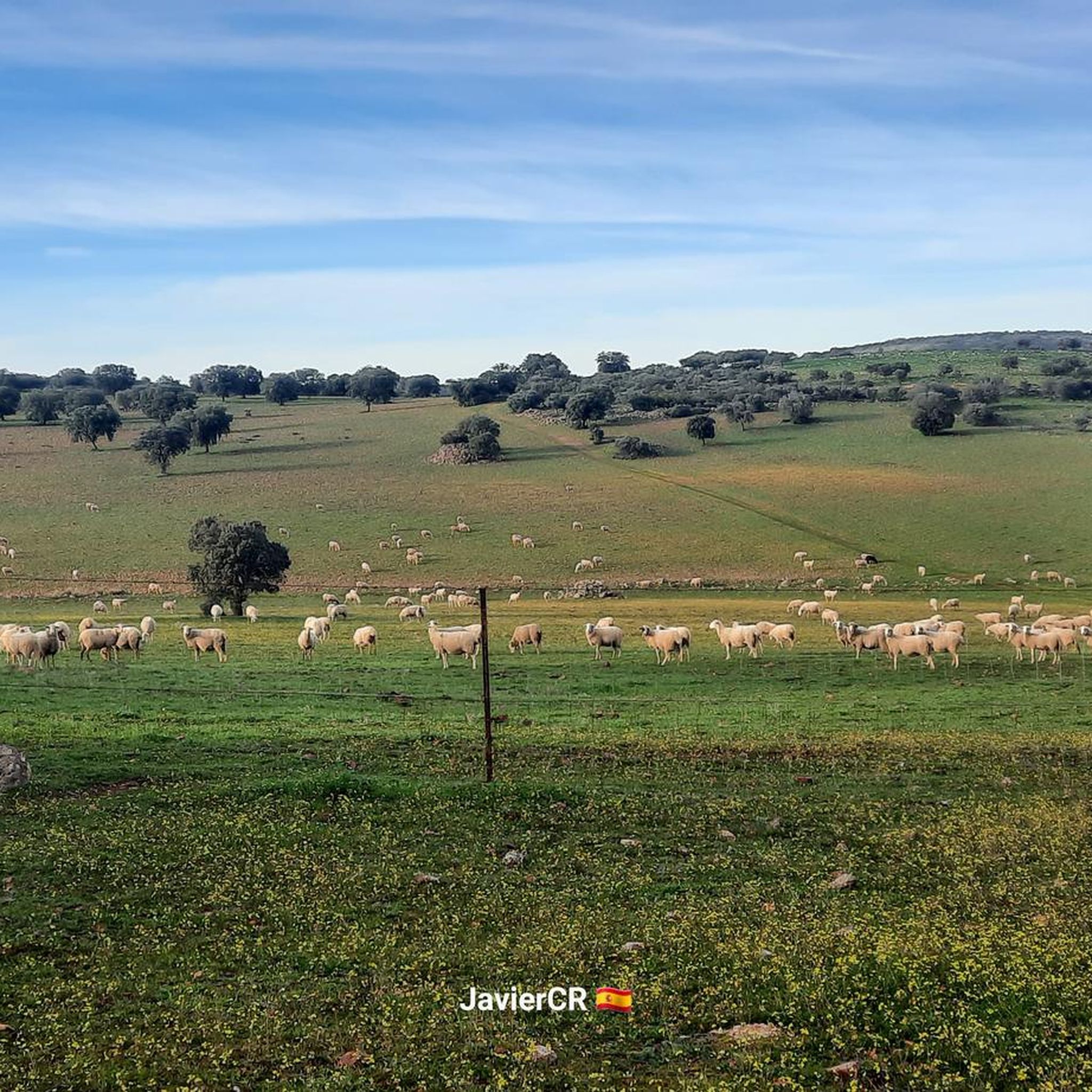
This space must have been very rich in biodiversity and resources (flowers, fruits, medicinal remedies, game and honey) as testimonies from the 17th century confirm this, and since then it was already a place of recreation for the inhabitants of the capital, where in addition the presence of water springs that gave irrigation to fruit trees is deduced, today already difficult to imagine. In the 20th century, La Atalaya underwent most of the natural alterations that it presents today; private use for hunting in the central and eastern area, and public use in the western part have been the main land uses of the mountain until 2019, when the Ciudad Real City Council bought the almost 500 hectares of private land. Until then, the public part, declared a Forest Park in 1980, has been used as a green space, for recreation, leisure and environmental education.
28
0
Frequently Asked Questions
What unique natural features can I explore around Almagro?
The region around Almagro is part of the Campo de Calatrava volcanic area, characterized by numerous extinct volcanic cones and unique lagoons. You can discover saline volcanic lagoons like Laguna del Prado, which is a pseudokarstic formation, and active carbonic springs such as El Chorrillo Spring, which showcase the area's intense volcanic activity.
Are there family-friendly natural monuments to visit near Almagro?
Yes, several natural monuments around Almagro are suitable for families. Laguna del Prado is a great spot for nature observation, and Hervideros Baños del Barranco offers facilities like children's areas and picnic spots. The municipality of Pozuelo de Calatrava, near two salty volcanic lagoons, is also considered family-friendly.
What kind of wildlife can I observe at the natural monuments?
The volcanic lagoons are prime spots for nature observation. At Laguna del Prado, you can often see black-headed gulls, avocets, stilts, plovers, and even pink flamingos during flooded periods. The Hoya de Cervera Lagoon, a maar-type crater, is known for sightings of golden eagles and marsh harriers, especially in summer.
What outdoor activities can I do near these natural monuments?
The area around Almagro offers various outdoor activities, particularly hiking and biking. You can find numerous routes for gravel biking, mountain biking, and hiking. For example, there are easy hiking loops like the 'Silo – Bullring loop from Almagro' and moderate MTB trails such as 'The jars – Laguna del Prado loop from Almagro'. You can explore more options in the Hiking around Almagro or MTB Trails around Almagro guides.
Are there specific hiking trails around the natural monuments?
Yes, there are several hiking trails that allow you to explore the natural monuments. For instance, you can find easy to moderate routes around the lagoons and volcanic features. The 'Silo – Bullring loop from Almagro' is an easy 6 km hike, and there are other easy loops like 'Fuente del Caño Cave loop'. For more detailed options, refer to the Hiking around Almagro guide.
What is the best time of year to visit the natural monuments around Almagro?
The natural monuments, especially the lagoons, can vary seasonally. While Laguna del Prado is known for its birdlife when flooded, it can dry out in the hottest months. Spring and autumn generally offer pleasant temperatures for exploring and observing wildlife. Summer can be hot, but some areas like Hoya de Cervera Lagoon are good for spotting birds of prey during this season.
Are there any historical or cultural sites near the natural monuments?
Yes, the region combines natural beauty with historical significance. The municipality of Pozuelo de Calatrava, located near volcanic lagoons, is notable for its historical religious buildings, including a 17th-century church and a sanctuary built on an old Arab fortress. The Los Hervideros site was conditioned for baths in the mid-19th century, reflecting a long history of use.
Can I find viewpoints to appreciate the landscape of the Campo de Calatrava volcanic region?
The unique geological landscape of the Campo de Calatrava volcanic region offers several scenic spots. While specific viewpoints are not detailed, the Hoya de Cervera Lagoon, surrounded by the Arzollar mountains, provides picturesque views of the maar-type crater and its juniper, broom, and holm oak vegetation. Exploring the trails around the various volcanic cones and lagoons will offer diverse perspectives of this distinctive terrain.
What are the 'Hervideros' and where can I find them?
The 'Hervideros' are natural phenomena resulting from the region's intense volcanic activity, characterized by the escape of CO2 bubbles from water points, mimicking boiling water. You can visit Hervideros Baños del Barranco, which features thermal baths and picnic areas. Another notable site is Los Hervideros near Carrión de Calatrava, historically used for baths.
Are there any natural parks easily accessible from Almagro?
Beyond the immediate natural monuments, two significant natural parks are easily accessible. Tablas de Daimiel National Park is a crucial wetland ecosystem known for its birdlife and wooden walkways. Lagunas de Ruidera Natural Park features 15 interconnected lakes, waterfalls, and rich biodiversity, offering stunning scenery and historical connections.
What do visitors enjoy most about the natural monuments around Almagro?
Visitors particularly appreciate the unique geological origins of the area, with its volcanic lagoons and carbonic springs. The opportunity to observe diverse birdlife, including pink flamingos at Laguna del Prado, is a highlight. The family-friendly facilities at places like Hervideros Baños del Barranco and the blend of nature with historical sites also receive positive feedback.
Most popular routes around Almagro
Most popular attractions around Almagro

Get inspired with the komoot mobile app


Explore more
Extend your search for the best caves by checking out these guides of the top ones around Almagro:
