Top 11 Natural Monuments around Ponteceso
Best natural monuments around Ponteceso are found in the Costa da Morte region of Galicia, Spain, offering a blend of rugged coastal features and serene riverine landscapes. The area is characterized by its strategic location at the mouth of the Ría de Corme and Laxe, where the Anllóns River meets the Atlantic Ocean. This diverse environment includes extensive dune systems, picturesque beaches, and dramatic cliffs. These natural features contribute to a rich natural heritage, supporting various bird species and wildlife.
…Last updated: July 1, 2026
Punta Nariga Lighthouse
Highlight • Monument
Translated by Google •
Tip by

Pedra da Serpe Monument
Highlight • Monument
Translated by Google •
Tip by
Sign up now to discover places like this
Get recommendations on the best single tracks, peaks, & plenty of other exciting outdoor places.
Sign up for free
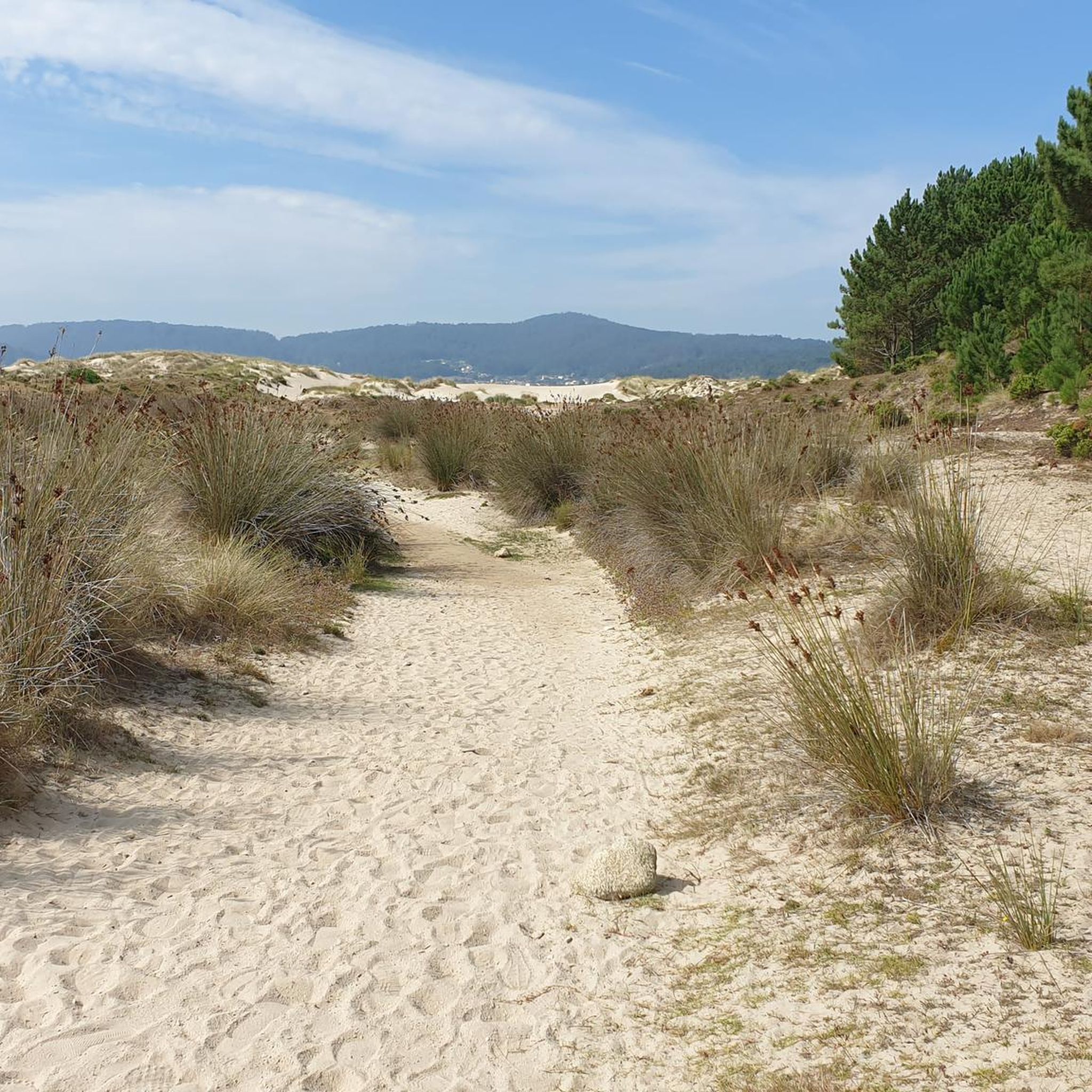
Monte Branco Dune (Duna de Monte Branco)
Highlight • Natural Monument
Translated by Google •
Tip by
Glass Beach (Praia dos Cristais)
Highlight • Beach
Translated by Google •
Tip by

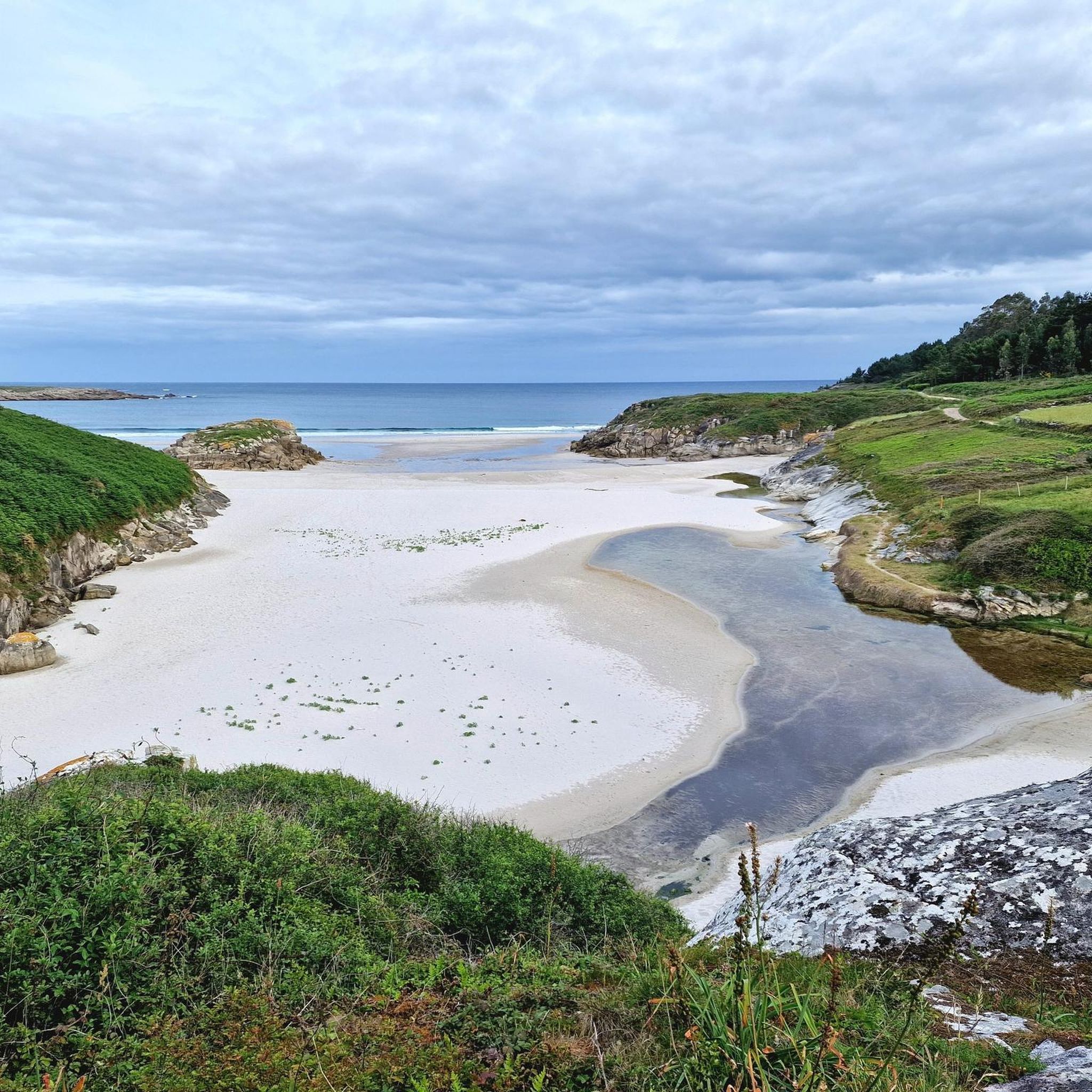
Razo Beach
Highlight • Beach
Showing Translation
Tip by

Sign up for free to discover even more natural monuments around Ponteceso.
Sign up for free
Already have an account?
Start today with a free account
Your next adventure awaits.
Login or Signup

Tips from the Community

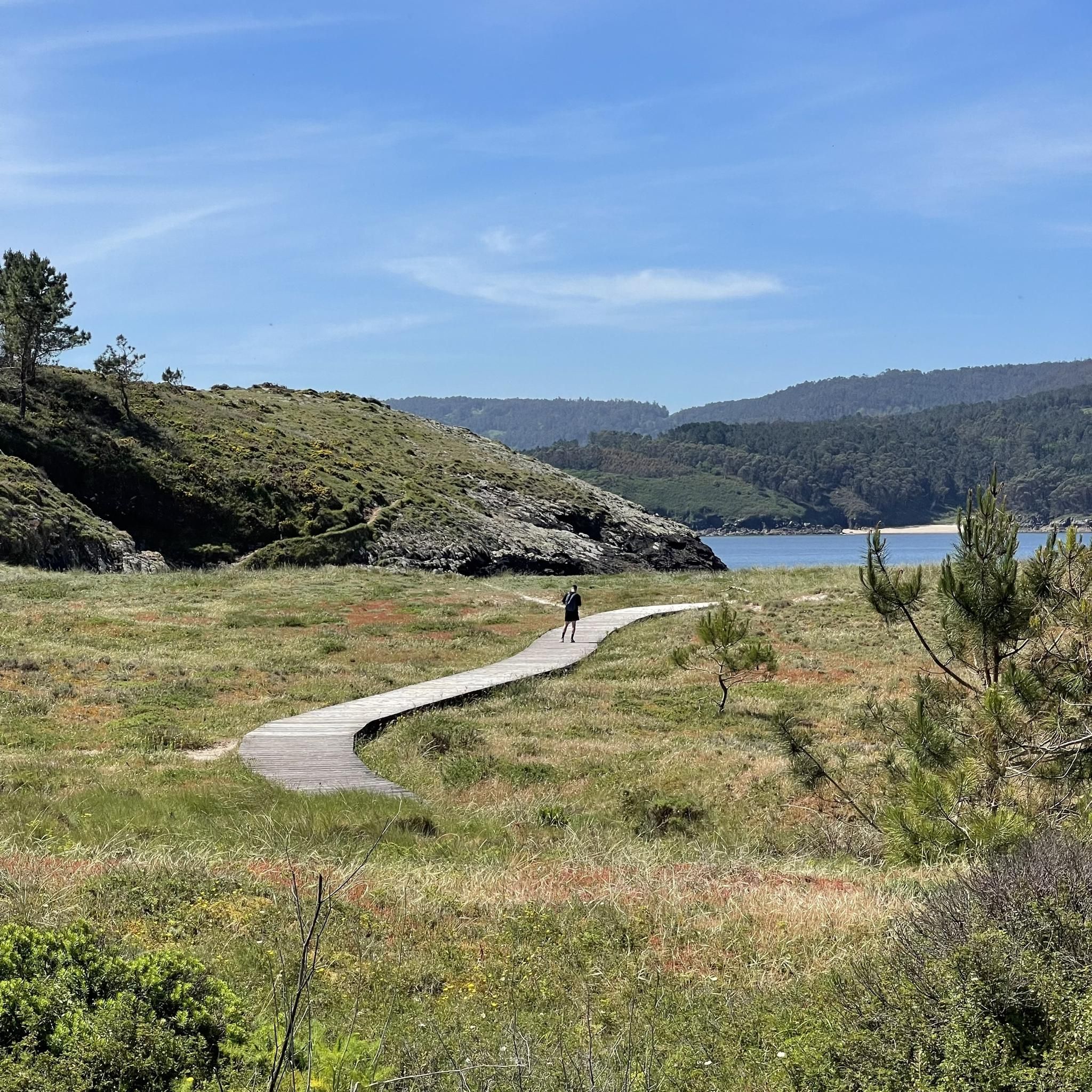
A route to see a beautiful beach, take it easy on the way back as there is a good hill to climb
0
0

The Serpent Stone is of unknown date, but certainly older than the cross on the top, which represents a (repeated) attempt to Catholicize the pagan symbol. Apparently, a feathered serpent is originally depicted.
0
0

The first lighthouse on the path of lighthouses, a splendor both in stormy seas and in the sun
1
1

The Pedra da Serpe, also known as the Serpent Stone, is an exceptional monument located near Corme, in the province of A Coruña, Galicia, Spain. This remarkable relief, sculpted from granite, occupies a unique place in the Western world. Its origins and worship date back millennia, making it a testimony of an ancient and lost tradition.
2
0

The Pedra da Serpe is a symbol of Christianization. The snakes (Celts) were a plague and were driven out of Galicia by the Christians.
1
0
A mysterious stone with a winged serpent in the middle of an intersection in Gondomil
1
0

The sea has created a beach full of small glass crystals from glass bottles that were wildly discarded there in the 70s.
2
0
This lighthouse designed in the shape of a ship is beautiful. The shape of the ship is clearly visible from both land and sea.
3
0
Frequently Asked Questions
What are the most prominent natural features to explore in Ponteceso?
Ponteceso offers a diverse range of natural features. The most prominent is the **Dunes of A Barra**, an extensive dune system that is a vital migratory stop for numerous bird species. You can also visit the Monte Branco Dune (Duna de Monte Branco), considered one of the highest dunes in Europe. The Anllóns River Estuary, particularly the Cove of Insúa, is another rich natural area, and the dramatic Cliffs of O Roncudo offer striking coastal formations.
Are there any unique or unusual natural monuments around Ponteceso?
Yes, Ponteceso is home to the Glass Beach (Praia dos Cristais). This unique beach features a shore full of small, sea-polished glass crystals, originating from discarded bottles from the 1970s. It's a fascinating example of nature transforming human impact into something beautiful.
What kind of hiking trails can I find near Ponteceso's natural monuments?
The natural monuments around Ponteceso are excellent for hiking. You can find trails that lead along the coast, through dune systems, and near river estuaries. For example, there's a path along a bird sanctuary from Ponteceso to A Barra beach near the Monte Branco Dune. Many routes offer spectacular views of the ocean and the rugged coastline. You can explore various options, including moderate to difficult trails, by checking out the Hiking around Ponteceso guide.
Are there family-friendly natural attractions in the Ponteceso area?
Absolutely. Many of Ponteceso's natural attractions are suitable for families. Beaches like Glass Beach (Praia dos Cristais) and Razo Beach are great for relaxation and enjoying the coastal ambiance. The Malecón de Ponteceso Promenade, leading to the Dunes of A Barra, offers a pleasant and accessible stroll for all ages. The Pedra da Serpe Monument is also considered family-friendly and offers a touch of local history.
What is the best time of year to visit the natural monuments around Ponteceso?
The best time to visit the natural monuments around Ponteceso is generally during the spring (April to June) and early autumn (September to October). During these periods, the weather is typically mild and pleasant, ideal for outdoor activities like hiking and exploring the coast. The summer months (July and August) are also popular, especially for beach activities, but can be busier.
Can I bring my dog to the natural trails and monuments in Ponteceso?
Many natural areas and trails in Ponteceso are dog-friendly, especially those along the coast and through the dunes. It's always recommended to keep your dog on a leash, especially in areas with wildlife like the Dunes of A Barra, which are important for migratory birds. Please also ensure you clean up after your pet to help preserve the natural environment.
What kind of wildlife can I expect to see in Ponteceso's natural areas?
Ponteceso's diverse ecosystems, including beaches, dunes, and river estuaries, make it a rich biodiversity hotspot. The Dunes of A Barra are particularly significant for birdwatching, serving as a vital migratory stop for numerous species. The Anllóns River Estuary is historically known for salmon fishing, indicating a healthy aquatic environment. You can expect to see various coastal birds and marine life.
Are there any historical or cultural sites integrated with the natural monuments?
Yes, the Pedra da Serpe Monument is a notable example. This ancient granite relief, featuring a winged serpent, holds significant historical and cultural importance, dating back millennia. While a man-made monument, it is deeply intertwined with the natural landscape and local folklore. Additionally, the Punta Nariga Lighthouse, though a modern structure, is celebrated for its unique design and dramatic natural surroundings at the edge of the sea.
What outdoor activities, besides hiking, can I do near these natural monuments?
Beyond hiking, the Ponteceso area offers various outdoor activities. The numerous beaches and coves, such as Osmo, Ermida, Balarés, and Seaia, are perfect for swimming and relaxation. The coastal trails are also popular for running. If you enjoy cycling, there are several routes, ranging from moderate to difficult, that allow you to explore the scenic landscapes around Ponteceso. You can find more details in the Cycling around Ponteceso and Running Trails around Ponteceso guides.
Where can I find the best viewpoints to appreciate the natural beauty of Ponteceso?
For breathtaking views, consider visiting Punta Nariga Lighthouse, which offers panoramic vistas of the rugged coastline. Monte Branco Dune also provides an elevated perspective of the extensive dune system and the surrounding area. The Cliffs of O Roncudo are another excellent spot to witness the raw power of the ocean crashing against the impressive rock formations, offering dramatic coastal scenery.
Are there any natural areas in Ponteceso suitable for wild swimming?
While the rugged Costa da Morte is known for its powerful ocean, the Anllóns River Estuary offers more tranquil waters that can be suitable for swimming. Ermida beach is particularly noted for its peaceful swimming conditions. Always exercise caution and be aware of local conditions, currents, and tides when considering wild swimming in any natural body of water.
Most popular routes around Ponteceso
Most popular attractions around Ponteceso

Get inspired with the komoot mobile app


Explore more
Extend your search for the best caves by checking out these guides of the top ones around Ponteceso:
