Top 20 Natural Monuments around Cee
Best natural monuments around Cee are found along the rugged "Costa da Morte" in Galicia, Spain, a region known for its dramatic Atlantic coastline. This area serves as a significant point for those traversing the Camino Finisterre, offering a blend of historical sites and unique natural features. The landscape is characterized by towering cliffs, expansive beaches, and distinctive geological formations. These natural landmarks provide diverse opportunities for exploration and offer insights into the region's untamed beauty.
Best natural monuments around…
Last updated: July 1, 2026
Fisterra Lighthouse
Highlight • Monument
Translated by Google •
Tip by

Pilgrim's Boot Sculpture
Highlight • Monument
Translated by Google •
Tip by

Sign up now to discover places like this
Get recommendations on the best single tracks, peaks, & plenty of other exciting outdoor places.
Sign up for free
Moa Summit (Monte Pindo)
Highlight • Summit
Translated by Google •
Tip by

Fountain of San Pedro Mártir
Highlight • Structure
Translated by Google •
Tip by
Ézaro Waterfall
Highlight • Waterfall
Translated by Google •
Tip by

Sign up for free to discover even more natural monuments around Cee.
Sign up for free
Already have an account?
Start today with a free account
Your next adventure awaits.
Login or Signup
Tips from the Community


I don't know if it's drinkable, it doesn't say anything but I drank like an animal from it.
0
0


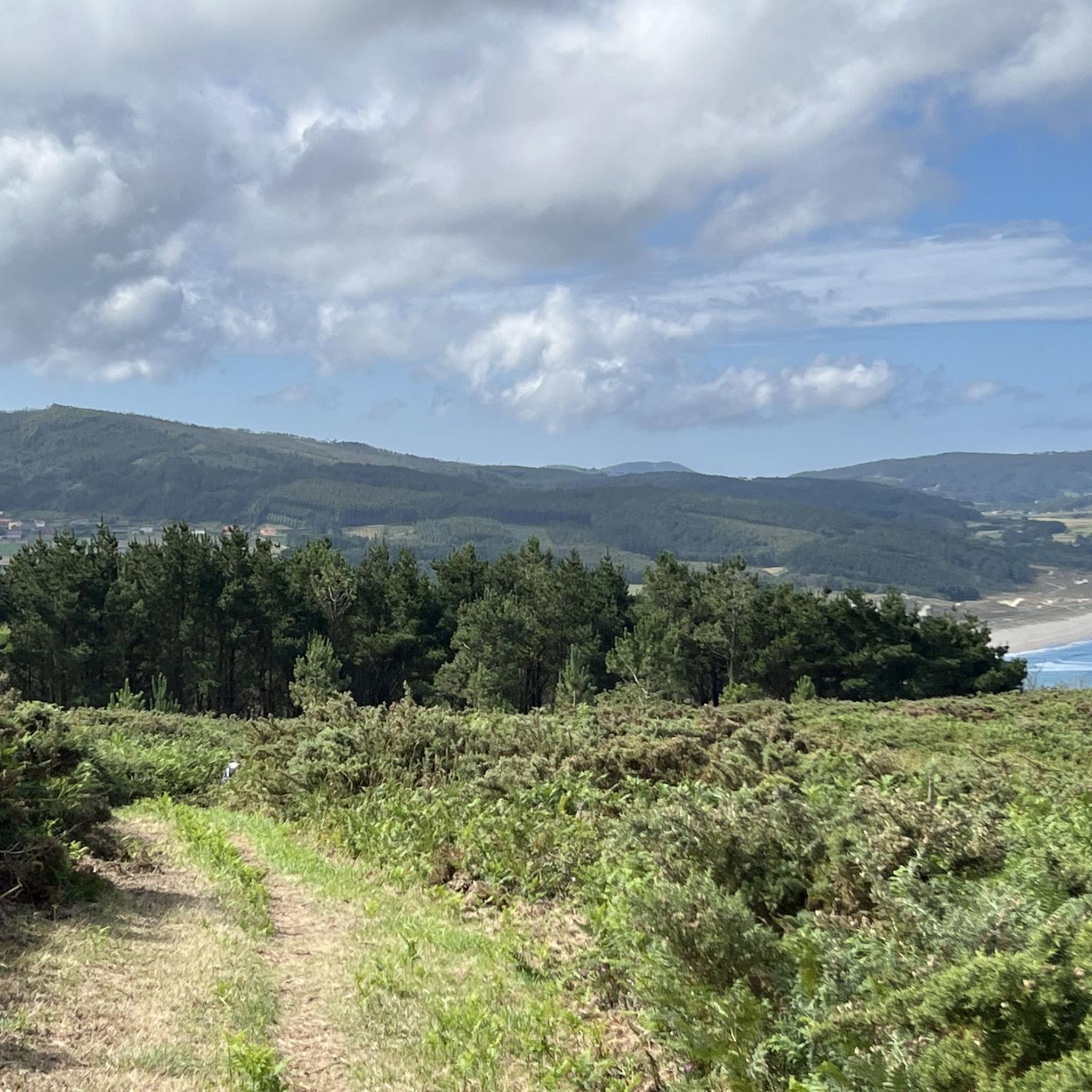
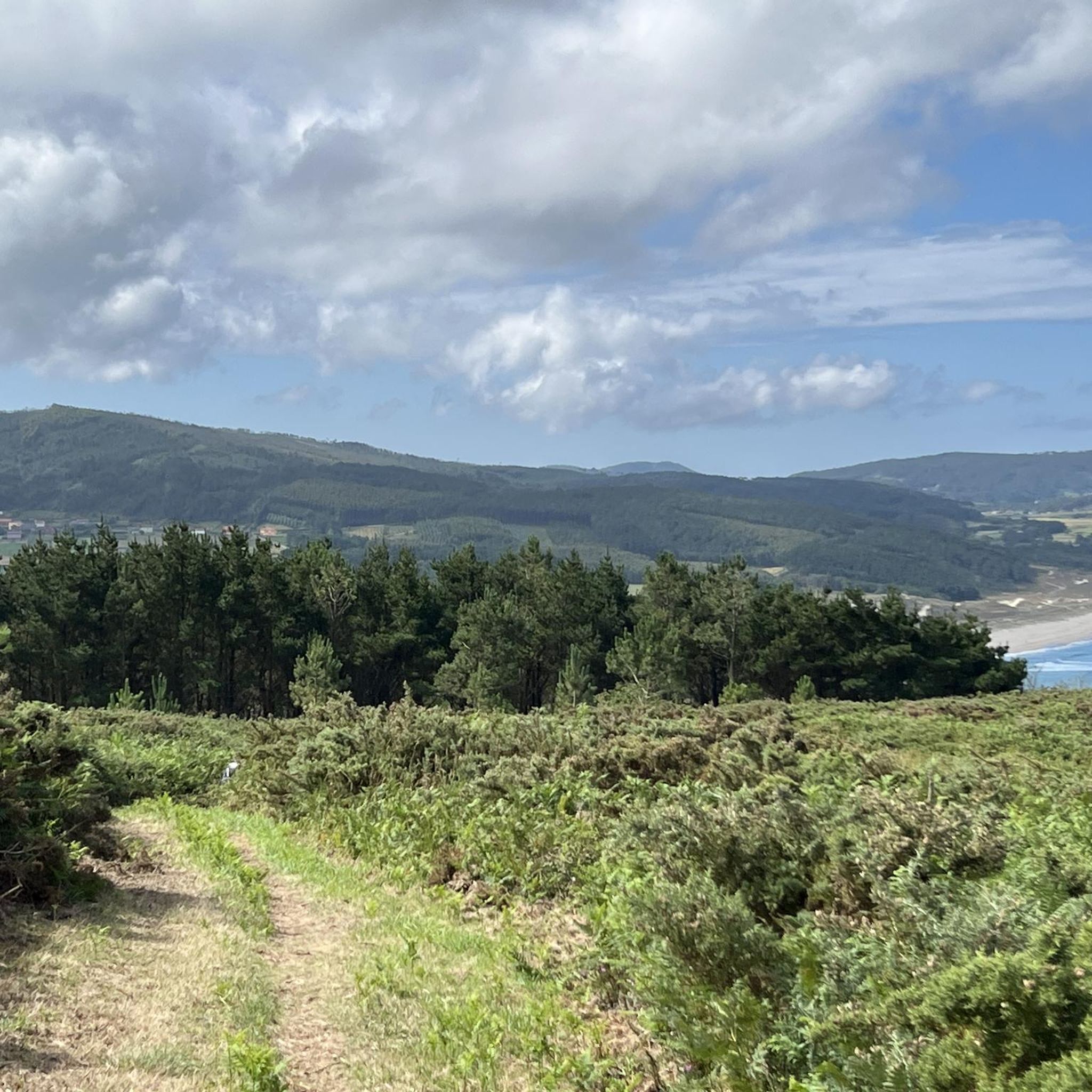
The way to the summit is a bit sweaty, but easy to walk in shorts and well signposted. You reach the summit in about 70 minutes. With the knowledge I have now gained after the tour I have just completed, I would now take the same route back. The way back - as others have already written - quickly becomes very thorny (gorse and blackberries) and the path becomes increasingly narrow. You are bound to get caught on the thorns all the time. It was a pretty bloody affair in shorts. In addition, shortly after leaving the summit, a thick cloud of fog rolled in from the sea and swallowed the mountain. With the cloud came heavy, constant drizzle. I was completely soaked in no time - from above and from the sides due to contact with the vegetation. All of this made the way back feel four times longer than the ascent and was then simply no longer fun. What the rain also showed: good hiking boots are absolutely essential. The rocks then become quite slippery in places. The climb was in mid-August, starting at around 10 a.m. (it is highly recommended to start early, as it is almost always cloudy/foggy in the afternoon) at 20 degrees.
1
0

We cooled off here too. These springs are very popular on warm days.
1
0
Very popular photo motif at the western end of the world. For some it's the end, for others it's the beginning...
1
0
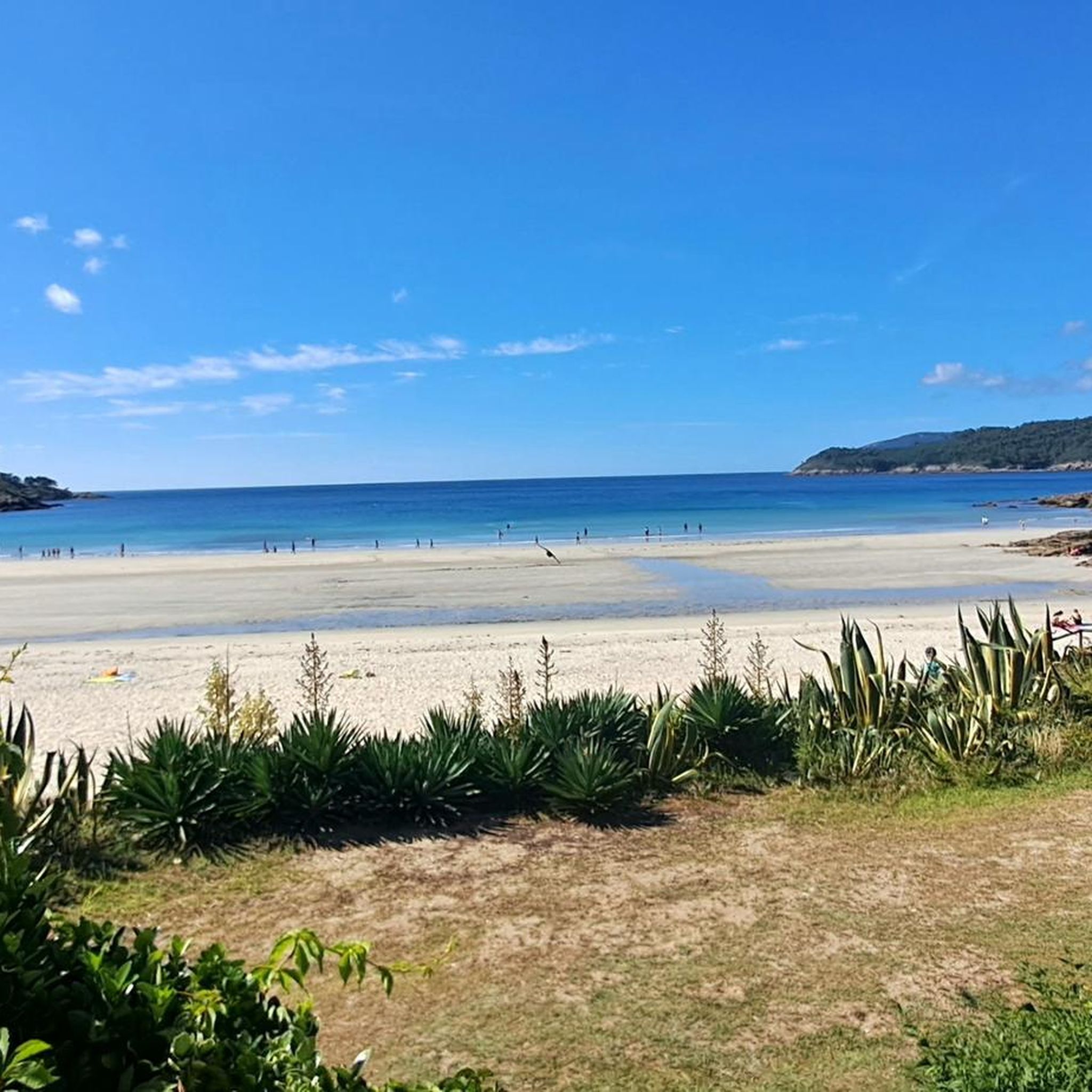
Always there to cool down
0
0
Frequently Asked Questions
What unique natural features can I expect to see around Cee?
The area around Cee, part of the rugged "Costa da Morte," offers a variety of dramatic natural features. You can witness the powerful Atlantic at Cabo Fisterra, historically considered the "end of the world," with its towering cliffs and the iconic lighthouse. Another unique spectacle is the Ézaro Waterfall, the only waterfall in mainland Europe where a river cascades directly into the ocean. The region also features expansive sandy beaches like Praia de Carnota, known for its dunes and marshes, and the wild granite massif of Monte Pindo.
Where can I find the best panoramic views of the coastline near Cee?
For breathtaking panoramic views, Cabo Fisterra is unparalleled, especially at sunset when the sun appears to sink into the ocean. The summit of Monte Pindo also offers rugged, impressive landscapes and sweeping vistas. Additionally, the Ézaro Viewpoint, near the Ézaro Waterfall, provides excellent views of the waterfall, the surrounding coastline, and even Cape Finisterre in the distance.
Are there any natural monuments around Cee with historical or spiritual significance?
Yes, Cabo Fisterra holds immense historical and spiritual importance. It was believed by Romans to be the "end of the known world" and is the traditional endpoint for many pilgrims continuing the Camino de Santiago. Ancient Celtic tribes also considered it a sacred site for sun worship. The Moa Summit (Monte Pindo) is also steeped in local legends, often referred to as the "Celtic Olympus" of Galicia.
What outdoor activities can I do near these natural monuments?
The area around Cee is excellent for various outdoor activities. You can explore numerous hiking trails, ranging from easy coastal walks to challenging ascents like Monte Pindo. Cycling routes also abound, including challenging rides to Cape Finisterre. For more detailed information on routes, you can check out the guides for Hiking around Cee, Cycling around Cee, and Running Trails around Cee.
Are there family-friendly natural monuments or activities around Cee?
Absolutely. The Ézaro Waterfall is easily accessible with well-maintained walkways and observation decks, making it suitable for families. The expansive Cabo Fisterra area also offers gentle walks and stunning views that can be enjoyed by all ages. Praia de Carnota, with its calm waters and vast sandy expanse, is ideal for family beach days and leisurely strolls.
What is the best time to visit the natural monuments around Cee?
The best time to visit the natural monuments around Cee is generally during the spring (April to June) and early autumn (September to October). During these periods, the weather is typically mild and pleasant for outdoor activities, and the crowds are smaller than in the peak summer months. Summer (July and August) offers warmer temperatures ideal for beach activities, but popular spots like Cabo Fisterra and Praia de Carnota can be busier.
What kind of wildlife and flora can be observed in the natural monuments around Cee?
The protected dunes and marshes of Praia de Carnota are a significant refuge for various plant and animal communities, making it an ideal spot for birdwatching, particularly for migratory species. The rugged coastline and mountain areas, including Monte Pindo, are home to diverse flora adapted to the Atlantic climate, though specific large wildlife sightings are less common.
Are there any easy walks or accessible natural monuments near Cee?
Yes, for easier access, the walkways and observation decks at the Ézaro Waterfall provide a comfortable experience for all visitors. The area around Fisterra Lighthouse also has paved paths leading to viewpoints. For a leisurely stroll, the vast expanse of Praia de Carnota offers flat, sandy terrain perfect for an easy walk along the coast.
What do visitors enjoy most about the natural monuments around Cee?
Visitors frequently highlight the dramatic scenery and the powerful energy of the Atlantic Ocean. The spectacular sunsets at Cabo Fisterra are a particular favorite, described as a "slow and silent spectacle." The unique sight of the Ézaro Waterfall cascading directly into the sea also leaves a lasting impression, especially when illuminated at night. The rugged, impressive landscapes and panoramic views from Monte Pindo are also highly praised.
Are there any hidden gems or lesser-known natural spots near Cee?
While the main attractions are well-known, exploring the smaller coves and beaches along the Costa da Morte can reveal quieter, equally beautiful spots. The interior lagoon and marsh areas behind Praia de Carnota, a protected Natura 2000 site, offer a peaceful retreat for nature observation away from the main beach crowds. Additionally, the Fountain of San Pedro Mártir, with its ancient hermitage and sacred spring, offers a blend of natural and historical charm.
Can I find cafes or restaurants near the natural monuments?
Yes, you can find cafes and restaurants, particularly near the more popular natural monuments. Cabo Fisterra has facilities near the lighthouse. The village of Ézaro, at the foot of the Ézaro Waterfall, also offers dining options. In general, the larger towns and villages along the Costa da Morte, such as Cee itself, Corcubión, and Muxía, provide a wider selection of eateries.
Is it possible to visit the natural monuments using public transport?
While public transport options exist, they can be limited for reaching some of the more remote natural monuments. Buses connect Cee with larger towns and some coastal villages. However, for maximum flexibility and to reach all sites, especially those off the main routes like certain viewpoints or trailheads, renting a car is often recommended. Always check local bus schedules in advance for specific destinations.
Are there any specific safety considerations when visiting the natural monuments?
When visiting the natural monuments, especially along the rugged coastline and cliffs of Cabo Fisterra or Monte Pindo, always be mindful of strong winds and slippery surfaces, particularly near cliff edges. For hiking, especially on challenging trails like those on Monte Pindo, wear appropriate footwear and consider long trousers due to overgrown paths. Always stay on marked trails and respect warning signs.
Most popular attractions around Cee

Get inspired with the komoot mobile app


Explore more
Extend your search for the best caves by checking out these guides of the top ones around Cee:
