Top 20 Natural Monuments around Sant Llorenç De La Muga
Natural monuments around Sant Llorenç De La Muga are situated in the Alt Empordà region of Catalonia, an area known for its rich natural environment. The landscape is shaped by the Muga River, which flows through the valley, creating various pools and gorges. The region also features the Sant Llorenç Mountains and the Muga Cliffs, offering diverse rural roads and trails. This setting provides a preserved natural landscape for outdoor exploration.
Best natural monuments around Sant Llorenç De La Muga
…Last updated: July 15, 2026
Puig de Bassegoda
Highlight • Summit
Translated by Google •
Tip by

Pou de la Neu Pass
Highlight • Mountain Pass
Translated by Google •
Tip by

Sign up now to discover places like this
Get recommendations on the best single tracks, peaks, & plenty of other exciting outdoor places.
Sign up for free
Alta Garrotxa (Partial Nature Reserve of the Muga-Albanyà)
Highlight • Natural Monument
Translated by Google •
Tip by

Menhir Quer Afumat I
Highlight • Monument
Translated by Google •
Tip by

Rocapastora Cliff
Highlight • Climb
Translated by Google •
Tip by

Sign up for free to discover even more natural monuments around Sant Llorenç De La Muga.
Sign up for free
Already have an account?
Start today with a free account
Your next adventure awaits.
Login or Signup
Popular around Sant Llorenç De La Muga
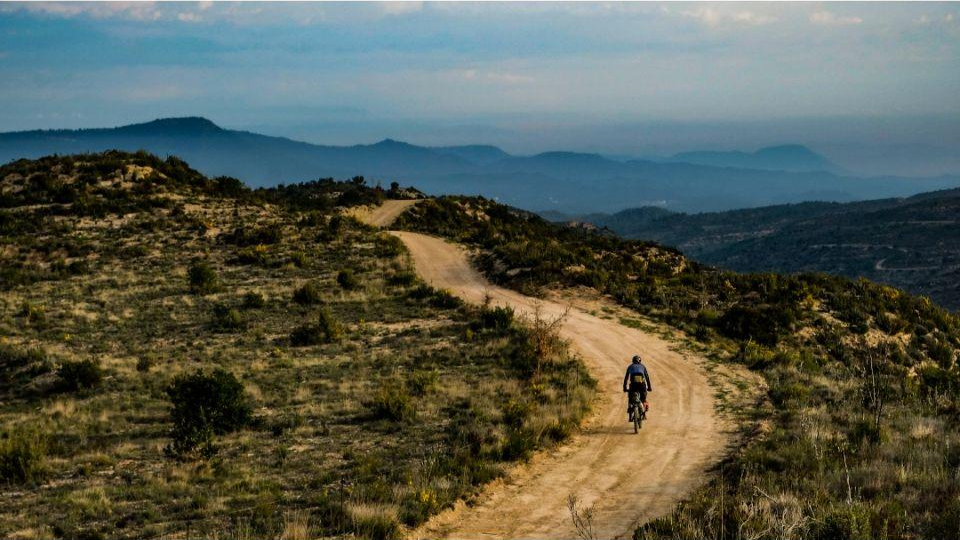
European Divide Trail across the Iberian Peninsula – north
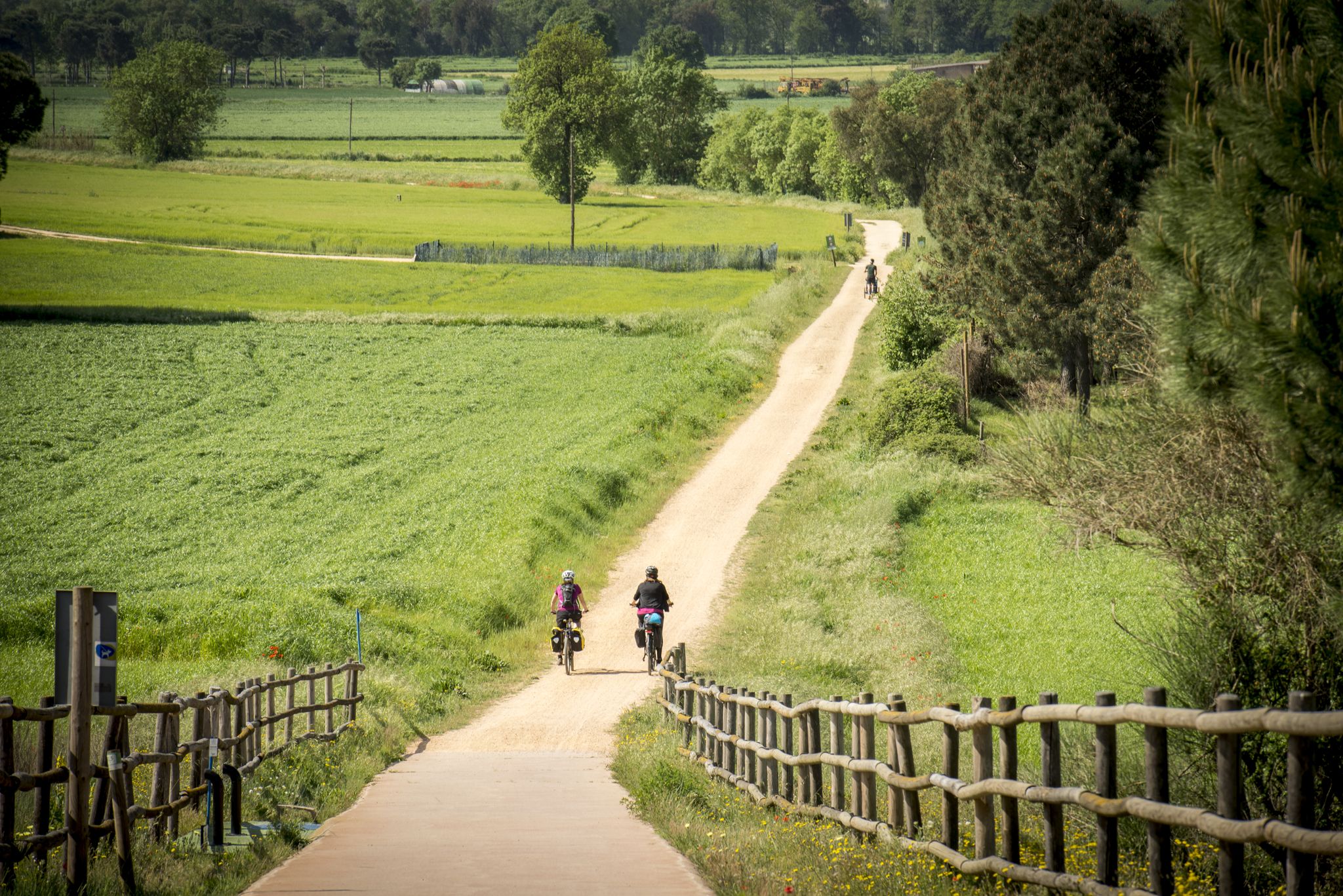
Ideas para recorrer Girona en bicicleta en un fin de semana
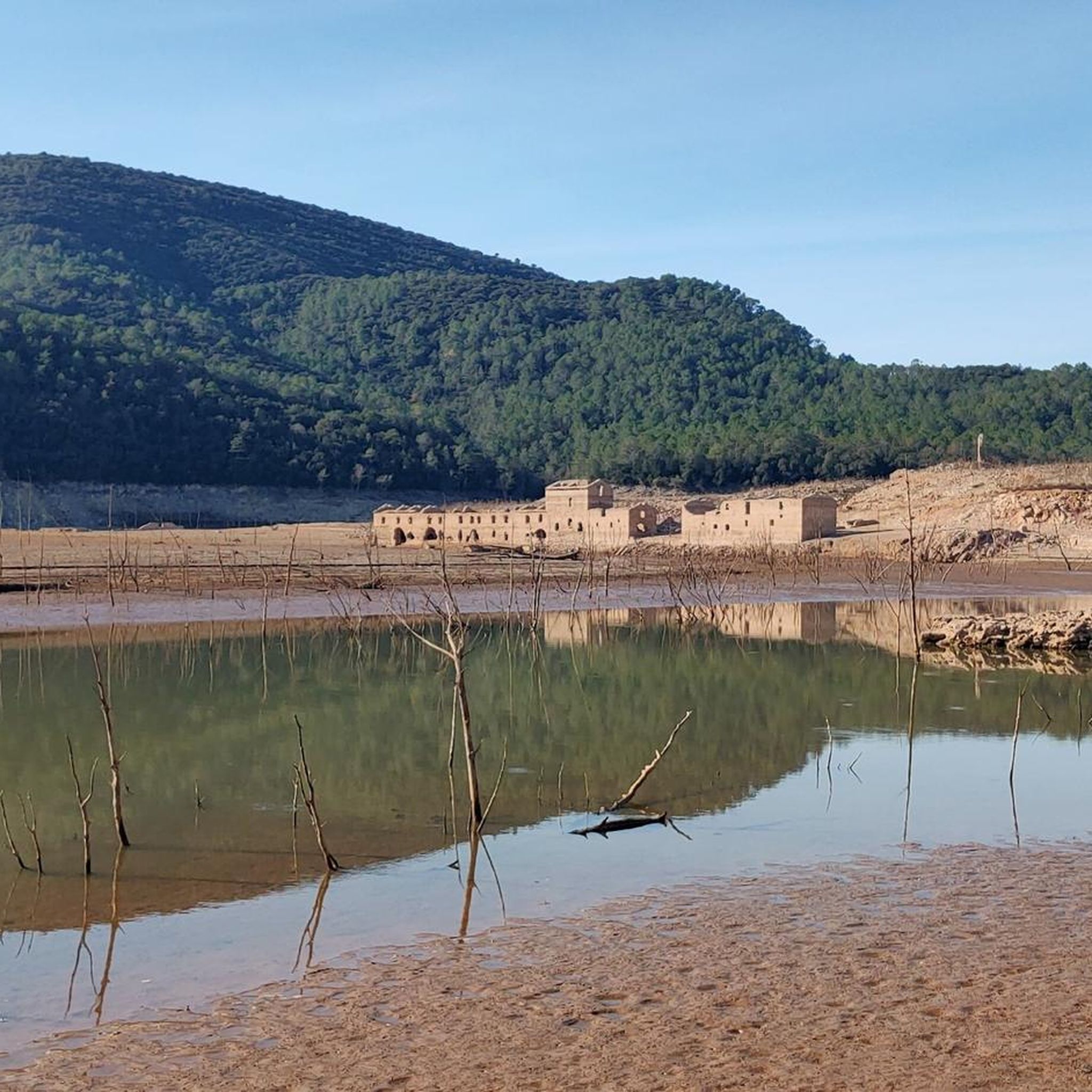
MTB Trails around Sant Llorenç De La Muga
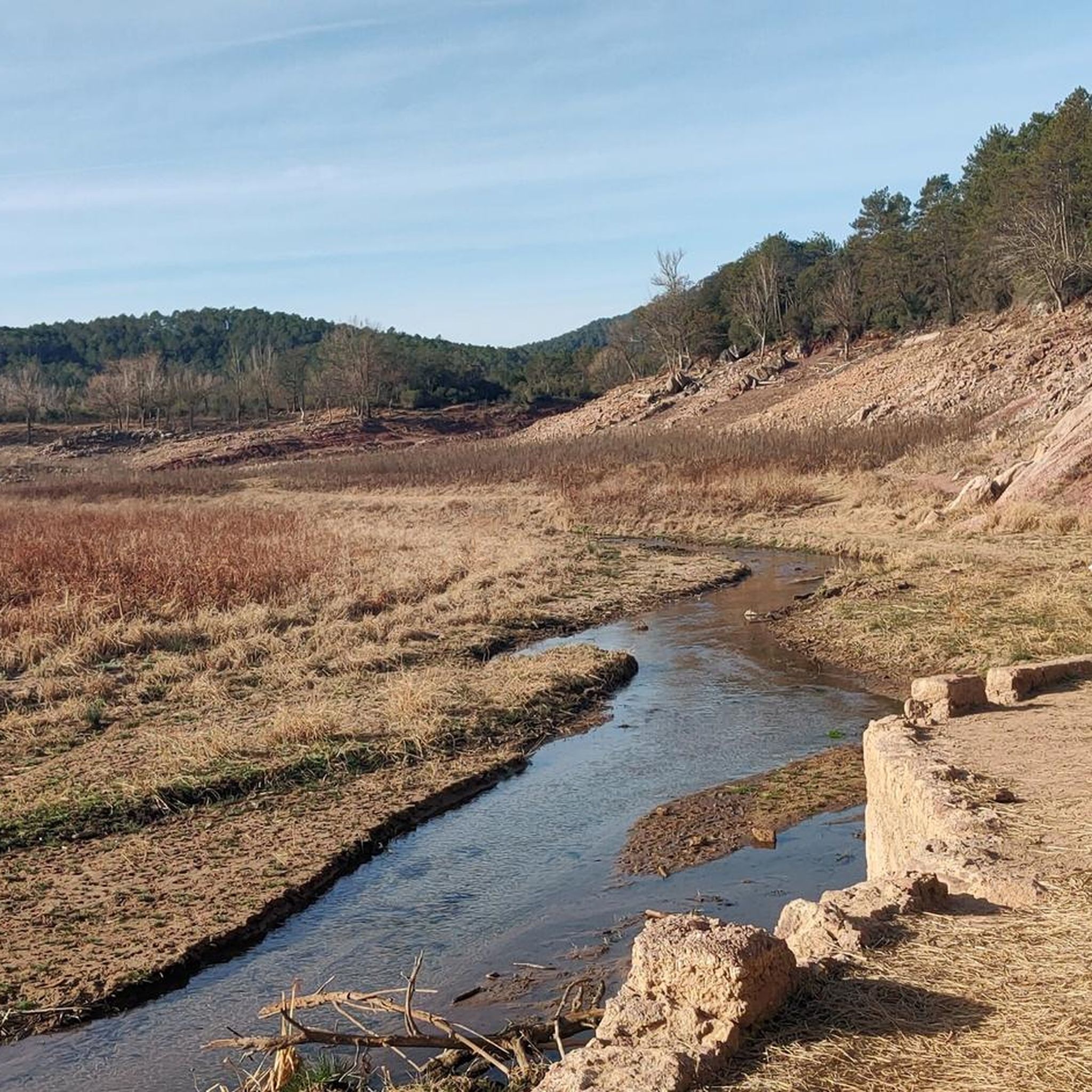
Hiking around Sant Llorenç De La Muga
Running Trails around Sant Llorenç De La Muga
Road Cycling Routes around Sant Llorenç De La Muga
Cycling around Sant Llorenç De La Muga

Gravel biking around Sant Llorenç De La Muga


Tips from the Community


This pass was important as a passage between regions, especially in activities such as transhumance or the transport of goods. The snow wells that give the place its name were also key elements in the economy of the mountainous areas. The term "Pou de la Neu" refers to the snow or ice wells that were traditionally used to store snow during the winter. These structures, dug into the ground or built with stones, served to preserve ice that was later transported to the lower areas for use in food, medicine or food preservation.
1
0

There is still much for historians to discover here. The area is littered with stones, there is a good chance that many stones in the area were used in memory of the deceased. More research is needed to demonstrate the historical value of this area.
6
0
Three fields of menhirs have now been discovered.
19
0
Within Alta Garrotxa is the Muga-Albanyà Partial Nature Reserve, which covers an area of approximately 5,000 hectares. This reserve is especially notable for its biodiversity and the presence of very diverse natural habitats, which include oak and holm oak forests, alpine meadows, crystal-clear rivers and unique geological formations. Some of the most notable places within the Muga-Albanyà Partial Nature Reserve include: The town of Albanyà: A small rural town surrounded by unspoilt nature and trails to explore. The Muga River: A river with crystal clear waters that meanders through the reserve, offering opportunities for fishing, hiking and enjoying nature. The Serra de Lliens: A mountain range with impressive panoramic views and hiking trails that allow you to explore the natural beauty of the region. El Puig de Bassegoda: An emblematic mountain that offers incomparable panoramic views of the Alta Garrotxa and the Pyrenees. The Hermitage of Santa Bàrbara: A hermitage located in a spectacular natural enclave, which offers a place of tranquility and contemplation.
2
0
http://megalitisme.sigmascorpii.com/mostra_dolmen.php?Escollit=Menhir+del+Quer+Afumat+I According to M. Golobardes (1970), in 1316 a field was mentioned where there was a Pedra Ficta, which bordered the lands of En Quera to the south. Ll. Esteva was the first to publish it as a menhir, in 1978.
6
0

This hiking pass is a real hub of hiking trails that go to both France and Spain. The views there are magnificent.
3
1
Frequently Asked Questions
What are the most prominent natural monuments to visit around Sant Llorenç De La Muga?
The region offers several impressive natural monuments. You can explore the panoramic views from Puig de Bassegoda, a summit reaching 1,373 meters. Another significant spot is Pou de la Neu Pass, a hub for hiking routes with magnificent vistas. For a challenging experience, the Rocapastora Cliff offers a climb with ropes leading to the Roman tower of Falgars.
Are there family-friendly natural monuments or activities in the area?
While many natural monuments involve hiking, the Muga River itself offers family-friendly opportunities. Its crystalline pools are ideal for bathing during warmer months, and the tranquil environment is perfect for gentle strolls. The Menhir Quer Afumat I is also categorized as family-friendly, offering a historical natural monument to explore.
What kind of natural features can I expect to see around Sant Llorenç De La Muga?
The landscape is rich and varied. You'll find the Muga River with its clear waters, gorges, and natural pools. The Sant Llorenç Mountains are characterized by diverse forests of holm oaks, pines, chestnuts, and cork oaks. The Muga Cliffs are an Area of Natural Interest, showcasing rugged and impressive mountain scenery. The nearby Darnius-Boadella Reservoir also provides scenic views.
What outdoor activities can I do near these natural monuments?
The region is excellent for various outdoor activities. You can enjoy hiking, cycling, and gravel biking. For hiking, explore routes that pass through Pou de la Neu Pass. Cycling enthusiasts can find routes like the 'Old Bridge – Sant Llorenç de la Muga loop' or 'Hermitage of Saint Anthony – Gorges of Albanyà loop' mentioned in the Cycling around Sant Llorenç De La Muga guide. Gravel biking options include tours around the Darnius-Boadella Reservoir, as detailed in the Gravel biking around Sant Llorenç De La Muga guide.
Are there specific hiking trails that lead to these natural monuments?
Yes, many trails incorporate these natural monuments. For instance, Puig de Bassegoda is a popular summit for challenging hikes. The Pou de la Neu Pass is a known hub for hiking routes connecting to both France and Spain. The Rocapastora Cliff is part of an itinerary leading to the Roman tower of Falgars. You can find running trails like the 'Santa Magdalena and Santuario de la Salut - circular trail run' in the Running Trails around Sant Llorenç De La Muga guide.
What is the best time of year to visit the natural monuments in Sant Llorenç De La Muga?
The Sant Llorenç Mountains and the Muga River area can be explored year-round, with changing landscapes across the seasons. Warmer months are ideal for enjoying the Muga River's natural pools for bathing. For hiking and exploring the mountain passes and summits, spring and autumn generally offer more moderate temperatures, though trails are accessible throughout the year.
What makes the Alta Garrotxa Partial Nature Reserve significant?
The Alta Garrotxa (Partial Nature Reserve of the Muga-Albanyà) is notable for its rich biodiversity and diverse natural habitats, covering approximately 5,000 hectares. It features oak and holm oak forests, alpine meadows, crystal-clear rivers like the Muga, and unique geological formations. It's a prime location for experiencing the region's natural beauty and wildlife.
Are there any historical or cultural sites integrated with the natural monuments?
Yes, some natural monuments have historical connections. The Pou de la Neu Pass is also recognized as a historical site. The Rocapastora Cliff climb leads to the Roman tower of Falgars. Additionally, the Menhir Quer Afumat I is a man-made monument with historical significance, dating back to at least 1316.
What kind of wildlife and flora can be observed in the Sant Llorenç Mountains?
The forested areas of the Sant Llorenç Mountains are home to diverse flora, including holm oaks, pines, chestnuts, and cork oaks. You might also encounter native fauna such as foxes, squirrels, and wild boars. The region is also popular for mushroom foraging and finding other wild berries.
What are the views like from the natural monuments?
The views are a major draw. From Puig de Bassegoda, you can enjoy excellent 360º views stretching from the Gulf of Roses all the way to Canigó. The Pou de la Neu Pass also offers magnificent vistas of the surrounding mountains and valleys.
Can I go wild swimming near the natural monuments?
Yes, the Muga River, which flows through the area, is known for its clear and wild waters, creating numerous crystalline pools that are perfect for bathing during warmer months. These natural pools and transparent gorges are popular spots for wild swimming.
What is the terrain and difficulty like for exploring these natural monuments?
The terrain varies. Some areas, like the Muga River banks, offer gentle strolls. However, many natural monuments, such as Puig de Bassegoda and Rocapastora Cliff, involve challenging climbs with significant elevation gain. The climb to Puig de Bassegoda, for instance, has staples and chains in its last section to assist hikers. Rocapastora Cliff features a grade equipped with ropes.
Most popular routes around Sant Llorenç De La Muga
Most popular attractions around Sant Llorenç De La Muga

Get inspired with the komoot mobile app


Explore more
Extend your search for the best caves by checking out these guides of the top ones around Sant Llorenç De La Muga:
