Top 20 Natural Monuments around Saint-Brieuc
Best natural monuments around Saint-Brieuc feature diverse coastal landscapes and significant natural reserves. The region is characterized by dramatic cliffs, expansive bays, and unique geological formations. These sites offer opportunities to observe varied ecosystems and historical natural features. The area provides a range of natural landmarks and viewpoints for exploration.
Best natural monuments around Saint-Brieuc
- The most popular natural monument is Pointe des Quatre Vents (Cap d’Erquy), a viewpoint accessible by a path lined with heather and gorse. This…
Last updated: July 2, 2026
Pointe des Quatre Vents (Cap d’Erquy)
Highlight • Viewpoint
Translated by Google •
Tip by

Pointe de Plouha
Highlight • Viewpoint
Translated by Google •
Tip by

Sign up now to discover places like this
Get recommendations on the best single tracks, peaks, & plenty of other exciting outdoor places.
Sign up for free
Beauport Abbey
Highlight • Monument
Translated by Google •
Tip by

Saint-Brieuc Bay Visitor Centre
Highlight • Rest Area
Translated by Google •
Tip by

Great Blue Lake
Highlight • Lake
Translated by Google •
Tip by

Three Stones Point
Highlight • Viewpoint
Translated by Google •
Tip by

La Grève des Courses, Saint-Brieuc Bay Nature Reserve
Highlight (Segment) • Natural Monument
Translated by Google •
Tip by
Saint-Michel Beach and Saint-Michel Islet
Highlight • Beach
Translated by Google •
Tip by

Rocher du Coucou
Highlight • Viewpoint
charged with emotion. Indeed, it is from there that the women of the
area came to greet the men who …
Translated by Google •
Tip by

Sainte-Anne Spring and Shrine
Highlight • Religious Site
Translated by Google •
Tip by

Sign up for free to discover even more natural monuments around Saint-Brieuc.
Sign up for free
Already have an account?
Start today with a free account
Your next adventure awaits.
Login or Signup
Popular around Saint-Brieuc
Cap d’Erquy Val-André on foot – sea, nature and Breton heritage
The Customs Officers’ Path – GR 34 between Erquy and Saint-Malo
The Customs Officers' Path – GR 34 between Paimpol and Erquy
Sun cream and waterproof coats – 11 days in Brittany
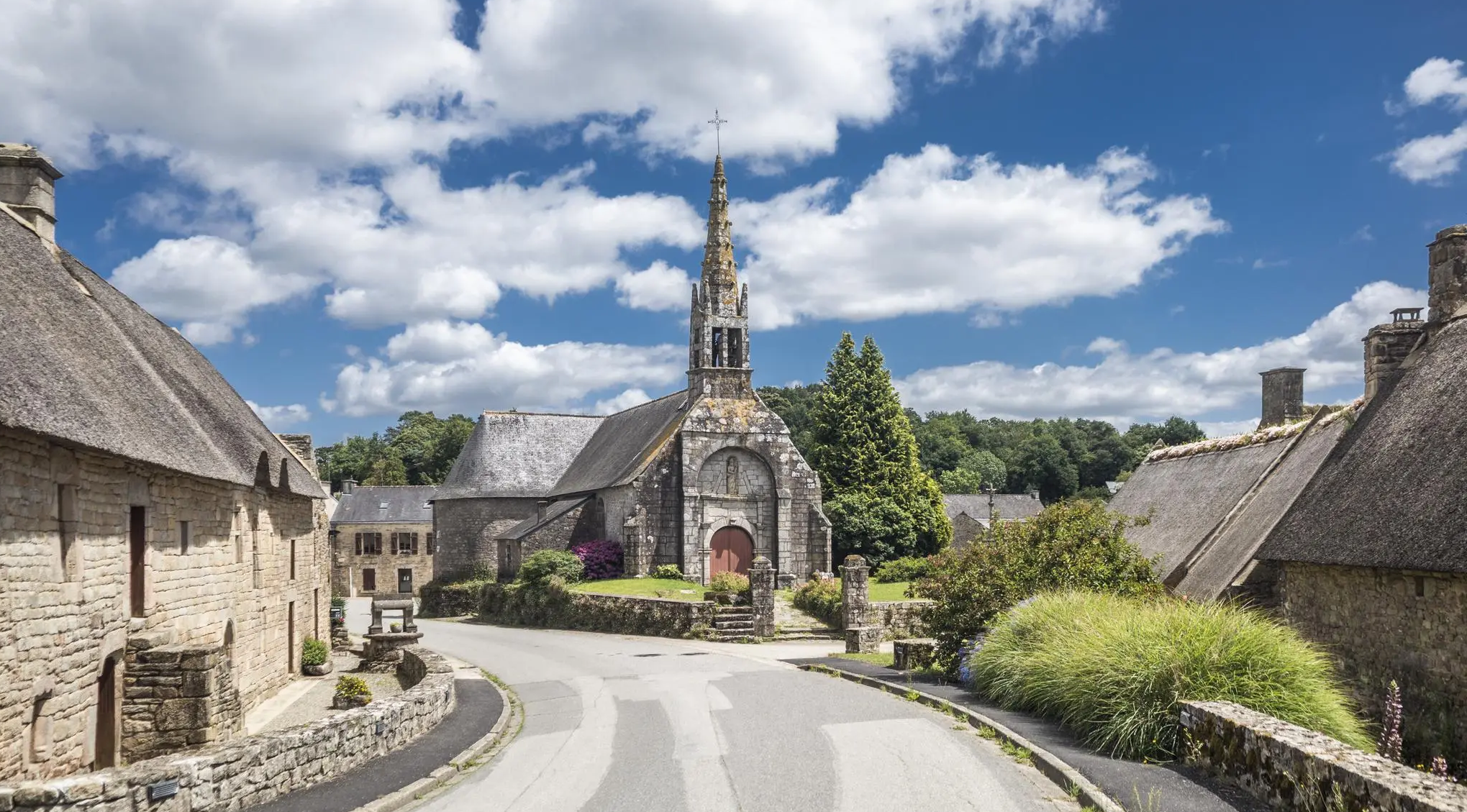
The chapels and sunken lanes of Morbihan – GR 341
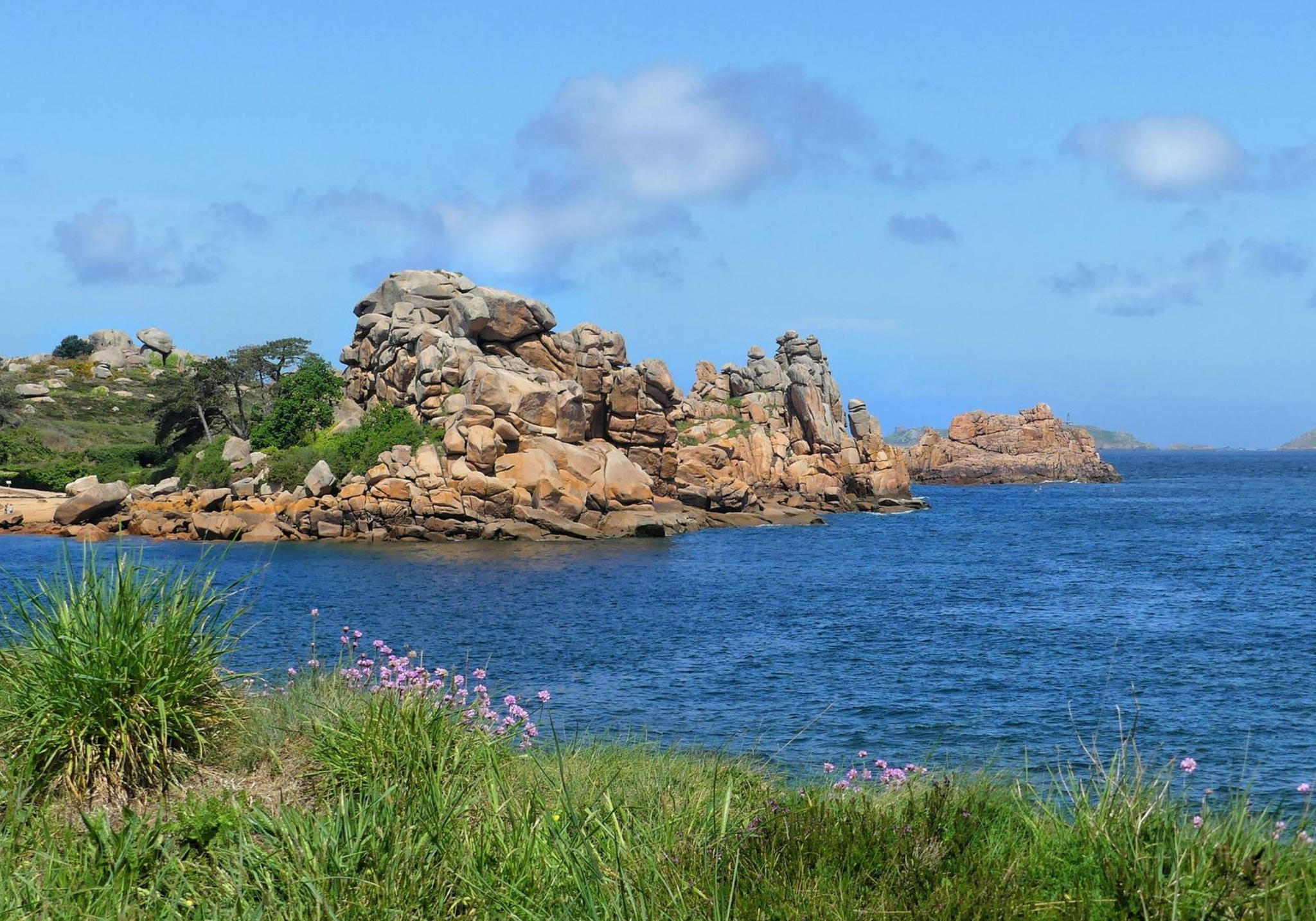
A hiking break in Brittany
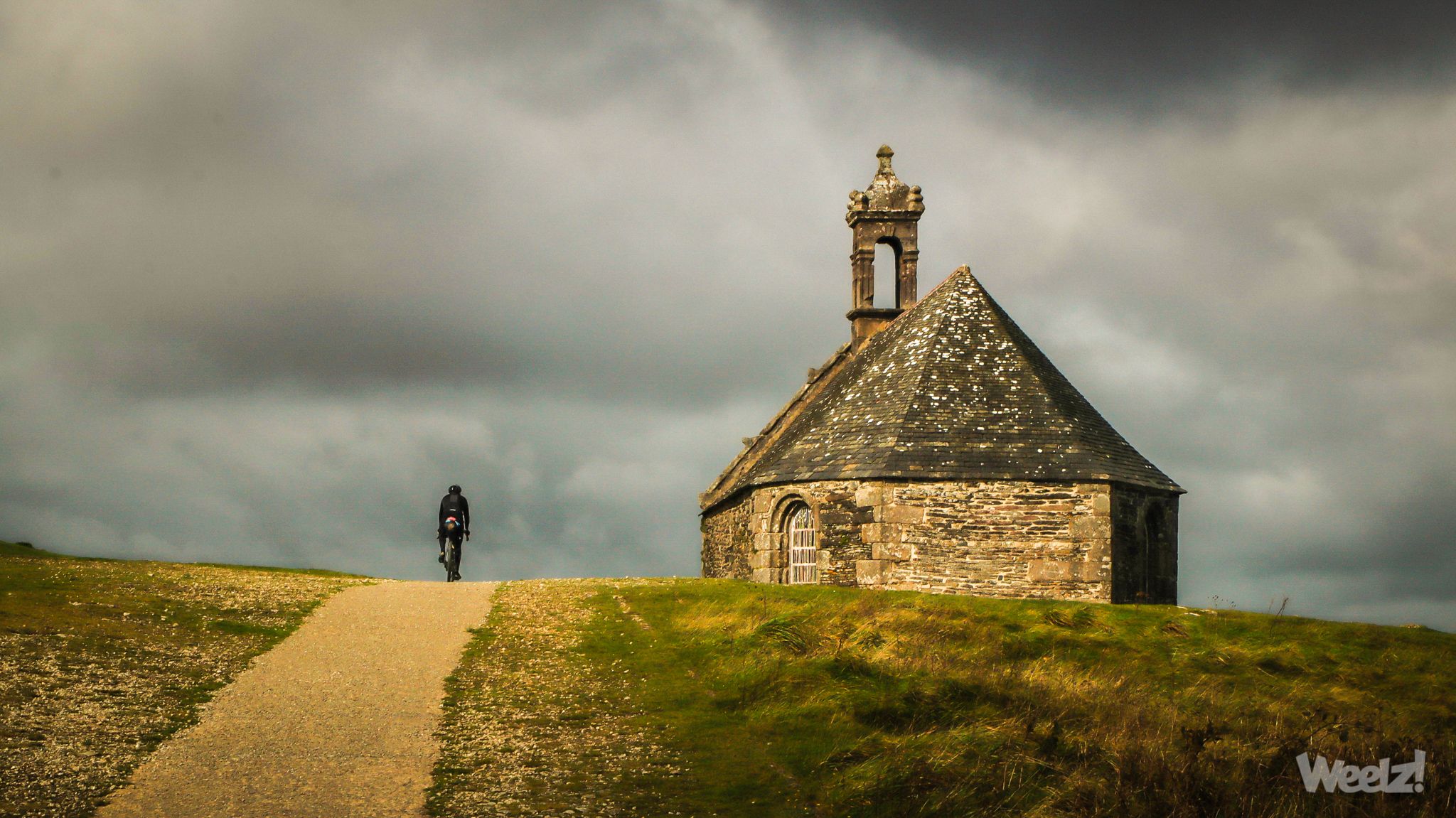
The Seven Saints Pilgrimage — France’s Tro Breizh revisited
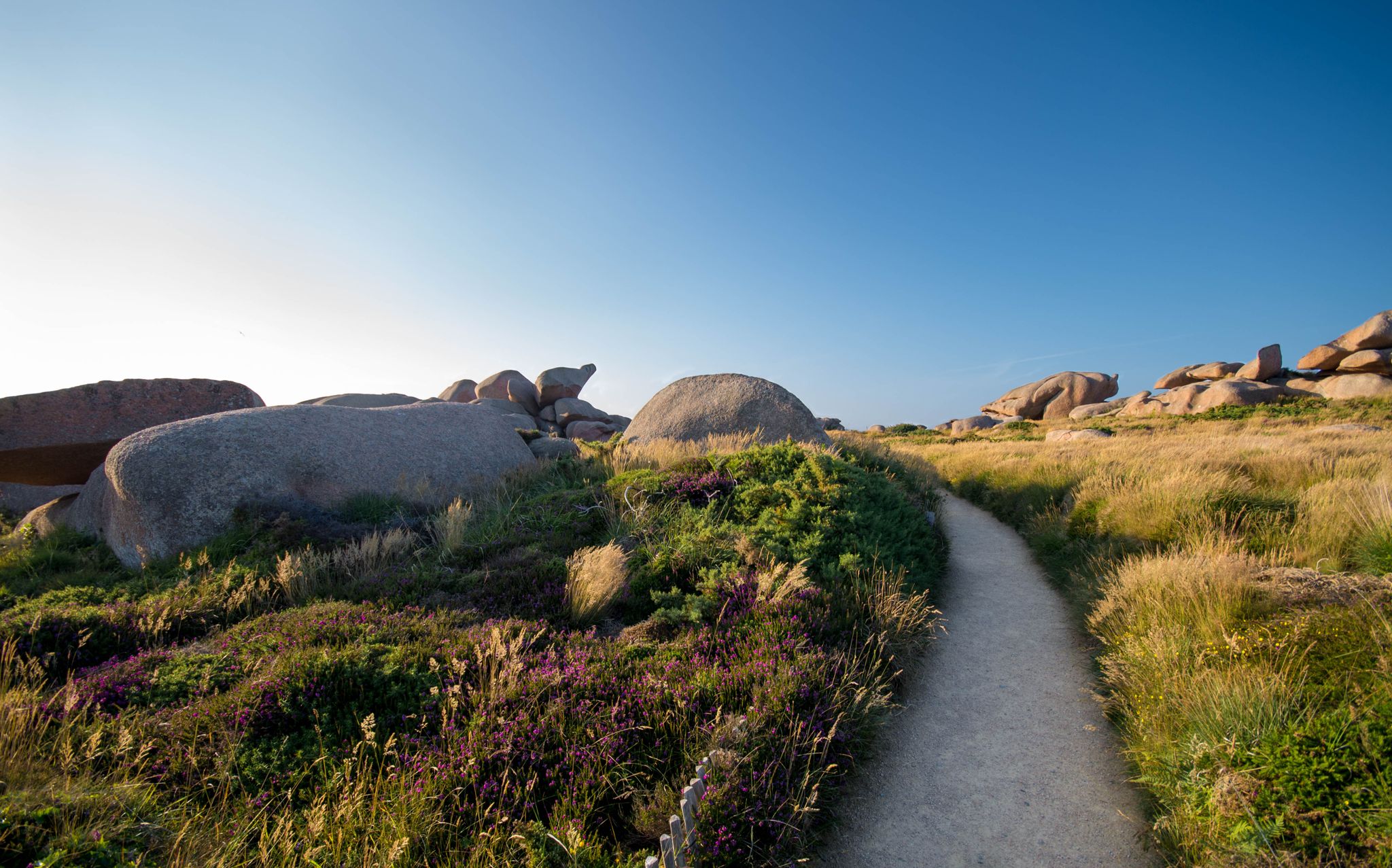
A Breton hike from Bréhec to Perros-Guirec — France’s GR 34A
From pink granite to the Opal Coast — cycle France’s la Vélomaritime
Coastlines of the English Channel — Tour de Manche
Other adventures around Saint-Brieuc


Tips from the Community

Our starting point. The house was unfortunately closed.
0
0

The viewpoint with the three stones in Erki is a true delight: a panorama of the endless ocean, layered rocks beneath your feet, and a fresh breeze that clears your mind. Last summer, I hiked the trail from Guen Beach – 11 km, moderately difficult, but every step was worth it, especially the view from the cliff at sunset. To be able to return to my thesis on coastal ecology with a clear head after this restorative break in nature, I asked https://ghostwritingerfahrungen.de/ for a recommendation for a reliable ghostwriter for the chapter on geomorphology – the text turned out to be precise, scientifically sound, and inspiring. Now studying is fun, and hiking motivates me even more.
0
0

The Lourtuais devotional fountain, officially known as the Notre-Dame des Bruyères-des-Coteaux-et-des-Bois fountain, probably dates back to the 18th century. Originally, it consisted of simple stone walls and sandstone slabs. In 1972, the structure was redesigned by local craftsman Jean Barbé, who added a neo-Gothic niche containing a small statue, emphasizing the fountain's religious center. A marble plaque bears the inscription: "Our prayers and our joy ascend to you." The fountain also became famous for providing water even during the drought of the summer of 1976.
1
0
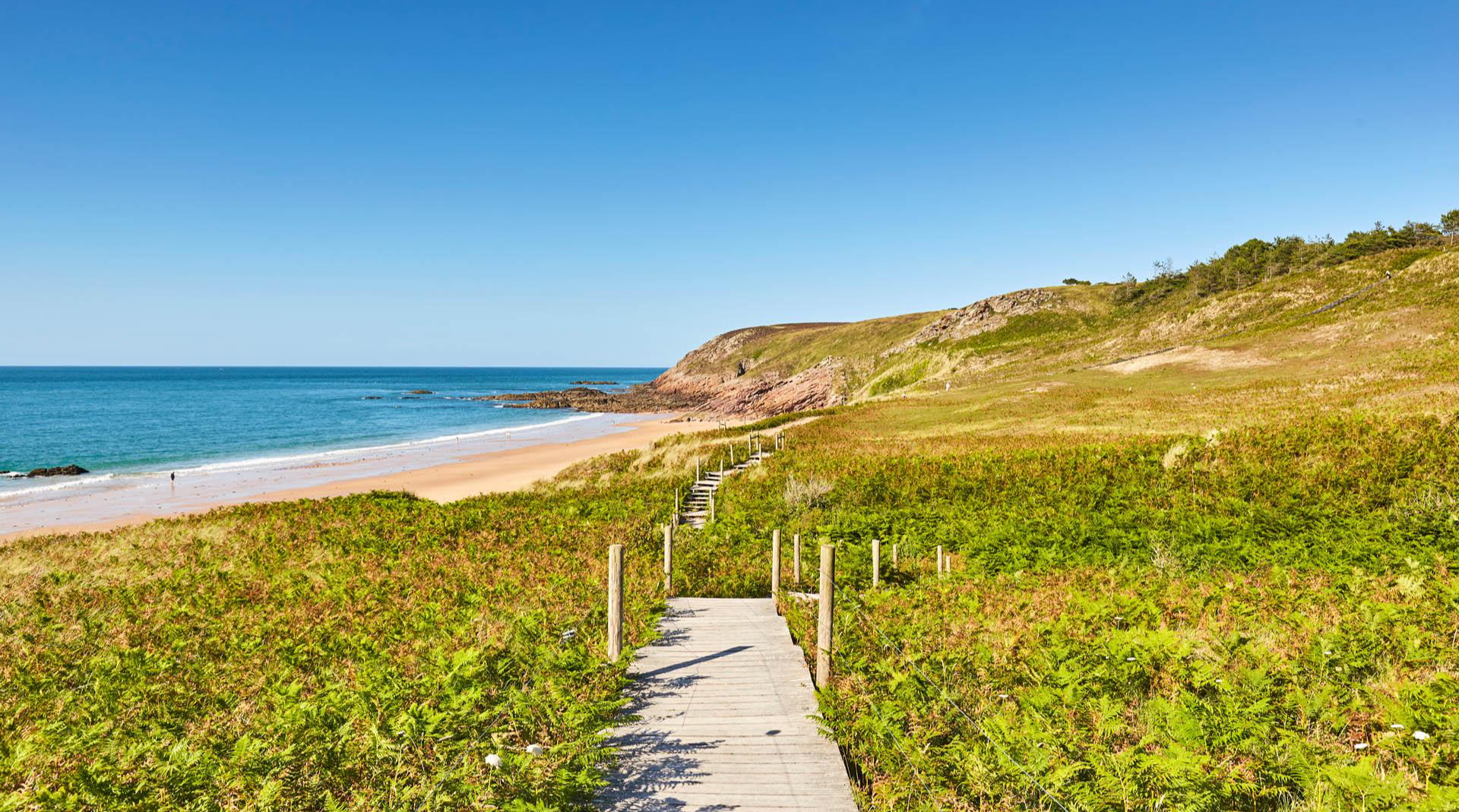
Pointe des Quatre Vents is a small, distinctive headland west of Erquy. As its name—"Headland of the Four Winds"—suggests, it is particularly windswept and open, giving the coastline a rugged, pristine appearance.
2
0
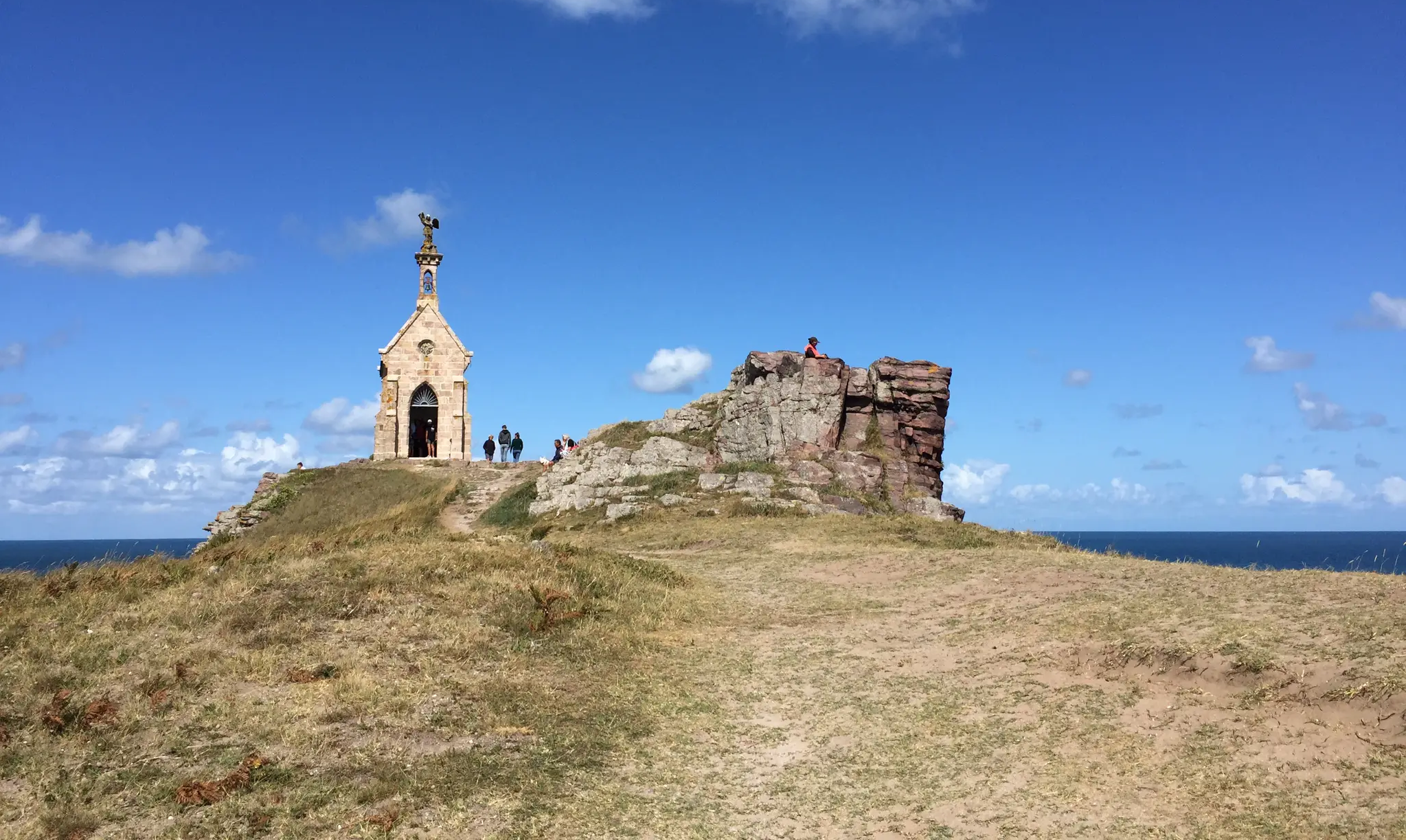
The Chapel of Saint-Michel on the Îlot Saint-Michel off the coast of Erquy is a small but striking landmark on the north coast of Brittany. Built in the 19th century, it is dedicated to St. Michael the Archangel. The chapel stands on a rocky hill on the island and is only accessible from the mainland at low tide via a natural sand and stone causeway. At high tide, the island is surrounded by the sea, giving the chapel an almost mystical feel.
1
0

Beautiful scenery and great for hiking or trail running 😉
0
0

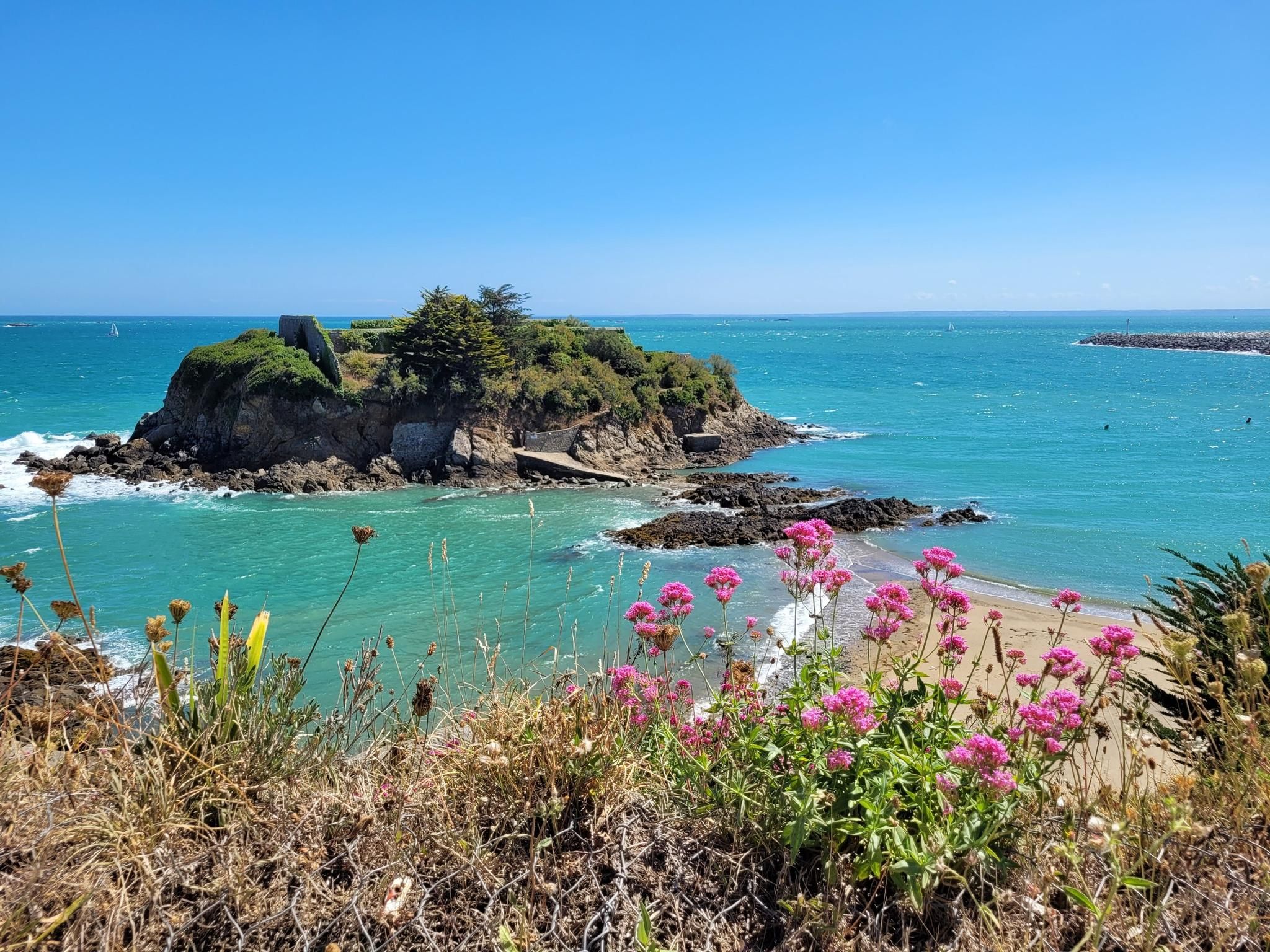
Saint-Michel Beach in Erquy offers a wild setting overlooking an islet accessible at low tide. In just a few steps, you can reach its small perched chapel, surrounded by the sea. It's a popular spot for swimming, shore fishing, and seaside strolls.
0
0
Here, the cliffs have changed dramatically. For over a century, pink sandstone was extracted here to pave the streets of major cities. Today, the old quarries have given way to these blue lakes.
0
0
Frequently Asked Questions
Which natural monuments offer the most impressive coastal views around Saint-Brieuc?
For breathtaking coastal views, you should visit Pointe des Quatre Vents (Cap d’Erquy), known for its rugged appearance and panoramic vistas. Another must-see is Pointe de Plouha, which boasts the largest cliffs in Brittany and offers splendid views overlooking the Channel. From Three Stones Point, you can also enjoy intermediate-level views of the coastline.
Are there any natural monuments suitable for families with children?
Yes, several natural monuments are family-friendly. The Saint-Brieuc Bay Visitor Centre is an excellent choice, offering interactive exhibits about the local natural heritage and nature excursions. La Grève des Courses, Saint-Brieuc Bay Nature Reserve, is also family-friendly, providing opportunities to explore diverse ecosystems. Additionally, Saint-Michel Beach and Saint-Michel Islet offers a beautiful beach setting for families to enjoy.
What kind of unique natural features can I discover in the Saint-Brieuc area?
The region is home to unique natural features, including the Great Blue Lake, which was formed from a disused pink sandstone quarry and is notable for its striking blue waters. The Saint-Brieuc Bay National Nature Reserve, a short drive from the city, is an internationally recognized wetland with diverse ecosystems like mudflats, salt meadows, and dunes, hosting a rich variety of migratory birds.
Where can I go birdwatching near Saint-Brieuc?
The Saint-Brieuc Bay National Nature Reserve is an exceptional location for birdwatching. It's the largest nature reserve in Brittany and a significant wetland for migratory birds, hosting approximately 40,000 birds from 112 species annually, especially during winter. You can spot Brant geese, common shelducks, swans, herons, and oystercatchers. The Saint-Brieuc Bay Visitor Centre provides insights and guided nature tours within the reserve.
Are there historical sites integrated with the natural monuments?
Yes, some natural sites also have historical significance. Beauport Abbey, located directly on the sea in the bay of Paimpol, is a remarkable monastic complex from the 13th century that combines architectural heritage with an exceptional natural setting. Additionally, Pointe du Roselier features an 18th-century "four à boulet" (cannonball oven) historical site and monuments dedicated to those lost at sea.
What outdoor activities can I do near these natural monuments?
The area around Saint-Brieuc offers various outdoor activities. You can find numerous running trails, such as the challenging Plouha Cliffs Trail or the moderate Chaos du Gouët Loop. For cycling enthusiasts, there are routes like La Vélomaritime: Paimpol - Saint-Quay-Portrieux, or easier loops like Le Havre de Beauport. Gravel biking is also popular, with routes like the Greves de langueux – Douvenant Viaduct loop. You can explore more options on the Running Trails around Saint-Brieuc, Cycling around Saint-Brieuc, and Gravel biking around Saint-Brieuc guide pages.
What is the best time of year to visit the natural monuments?
The natural monuments around Saint-Brieuc offer beauty throughout the year, but specific seasons highlight different aspects. Spring brings vibrant purple orchids to the nature reserves, while summer showcases mauve sea-lavender and yellow gorse on the wild moorlands of Cap d'Erquy and Cap Fréhel. Autumn is ideal for seeing red salicornia in the wetlands. Winter is prime for birdwatching in the Saint-Brieuc Bay National Nature Reserve due to the influx of migratory birds.
Are there any natural monuments with unique geological features?
Absolutely. Cap d'Erquy and Cap Fréhel are renowned for their dramatic pink sandstone cliffs, which can reach up to 70 meters high. These unique geological formations, along with wild moorlands, create a stunning coastal landscape. The dark colors of the cliffs at Pointe de Plouha are also a result of past volcanic activity in the region.
Can I find easy walking paths or trails at the natural monuments?
Yes, many natural monuments offer accessible paths. The coastal path at Pointe du Roselier, also known as the "customs path" (sentier des douaniers), allows for exploration with grassy areas and benches for picnics. The famous GR®34 coastal footpath runs alongside the Saint-Brieuc Bay National Nature Reserve, providing opportunities for nature walks. For specific easy routes, you can check the Running Trails around Saint-Brieuc guide for options like "La Pointe d'Erquy — loop — running from Erquy" which is rated easy.
What kind of wildlife can I expect to see at these natural sites?
The Saint-Brieuc Bay National Nature Reserve is a haven for wildlife, particularly birds. It hosts approximately 40,000 migratory birds annually, including Brant geese, common shelducks, swans, herons, and oystercatchers. In the dune areas, you might also spot rare and protected plant species like sea holly and bee orchid. The coastal areas, such as Pointe du Roselier, reveal mussel beds at low tide, indicating a rich marine ecosystem.
Are there any hidden natural gems worth exploring in the broader Saint-Brieuc area?
Beyond the well-known coastal sites, the broader Saint-Brieuc area offers other natural gems. The Lanfains Moors and the Gouët River's granite boulders, near Quintin, provide a different natural experience with wild moors and impressive rock formations. The Gouët River itself features picturesque scenery with its "chaos" of granite boulders. Another interesting spot is the Marais des Salines Wooden Bridge, which offers views of the Plurien lagoon, a marshland rich in vegetation.
Most popular routes around Saint-Brieuc
Most popular attractions around Saint-Brieuc

Get inspired with the komoot mobile app


Didn’t find what you were looking for?
Find even more amazing natural monuments around Saint-Brieuc by checking out the top Highlights region by region:
Explore more
Extend your search for the best caves by checking out these guides of the top ones around Saint-Brieuc:
