Top 20 Natural Monuments around La Ciotat
Best natural monuments around La Ciotat include a diverse coastal landscape. The town is situated on the Mediterranean coast of France, characterized by dramatic sea cliffs, limestone inlets, and verdant islands. This region offers a variety of natural features, from high sea cliffs to protected coves and botanical gardens. Its unique geology and rich biodiversity make it a notable area for outdoor exploration.
Best natural monuments around La Ciotat
- The most popular natural monument is Route des Crêtes, a…
Last updated: October 5, 2026
Port-Pin Beach
Highlight • Canyon
Translated by Google •
Tip by

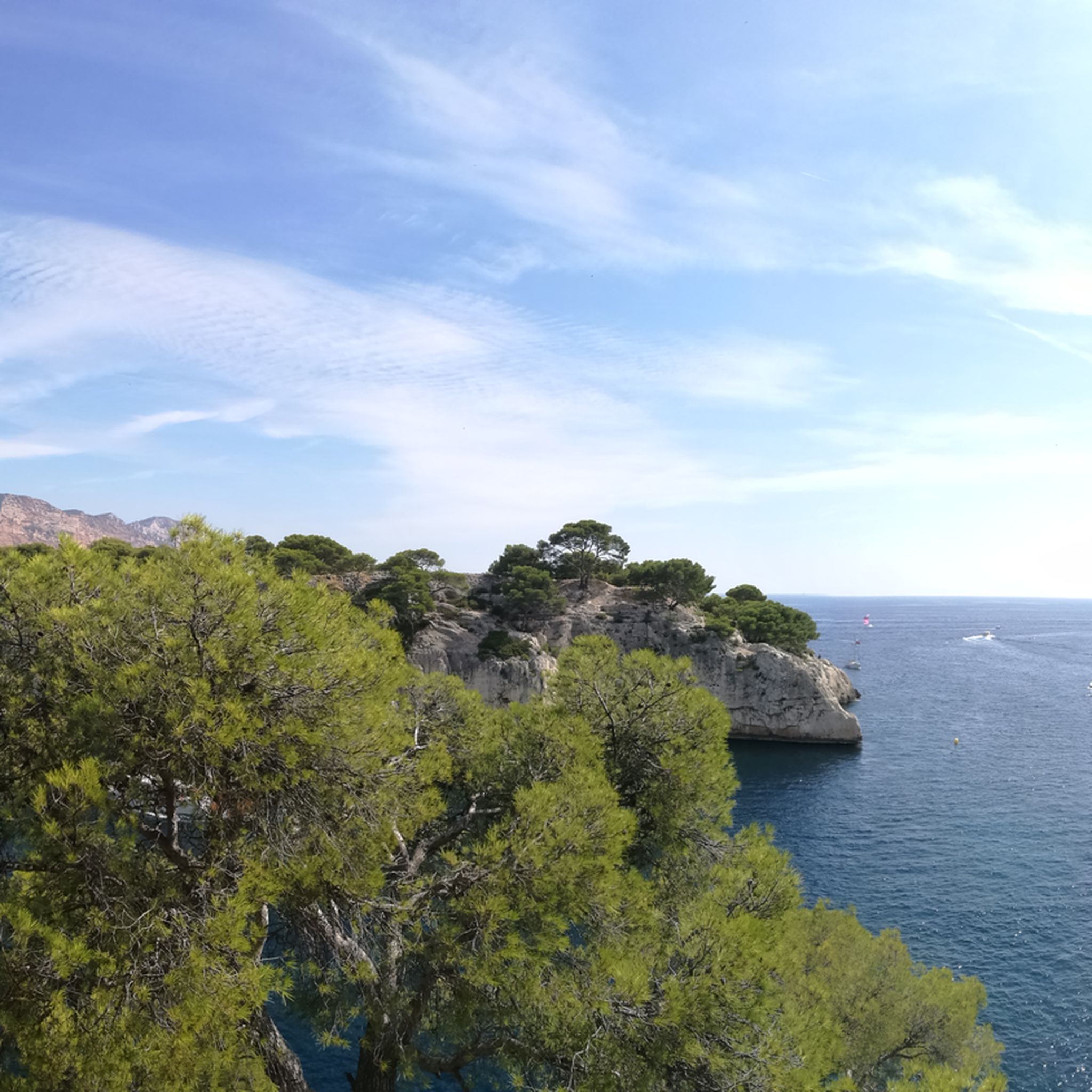
View of the Port Miou calanque
Highlight • Lake
Translated by Google •
Tip by

Sign up now to discover places like this
Get recommendations on the best single tracks, peaks, & plenty of other exciting outdoor places.
En-Vau Beach
Highlight • Beach
Translated by Google •
Tip by

Sugiton Cove
Highlight • Canyon
Translated by Google •
Tip by

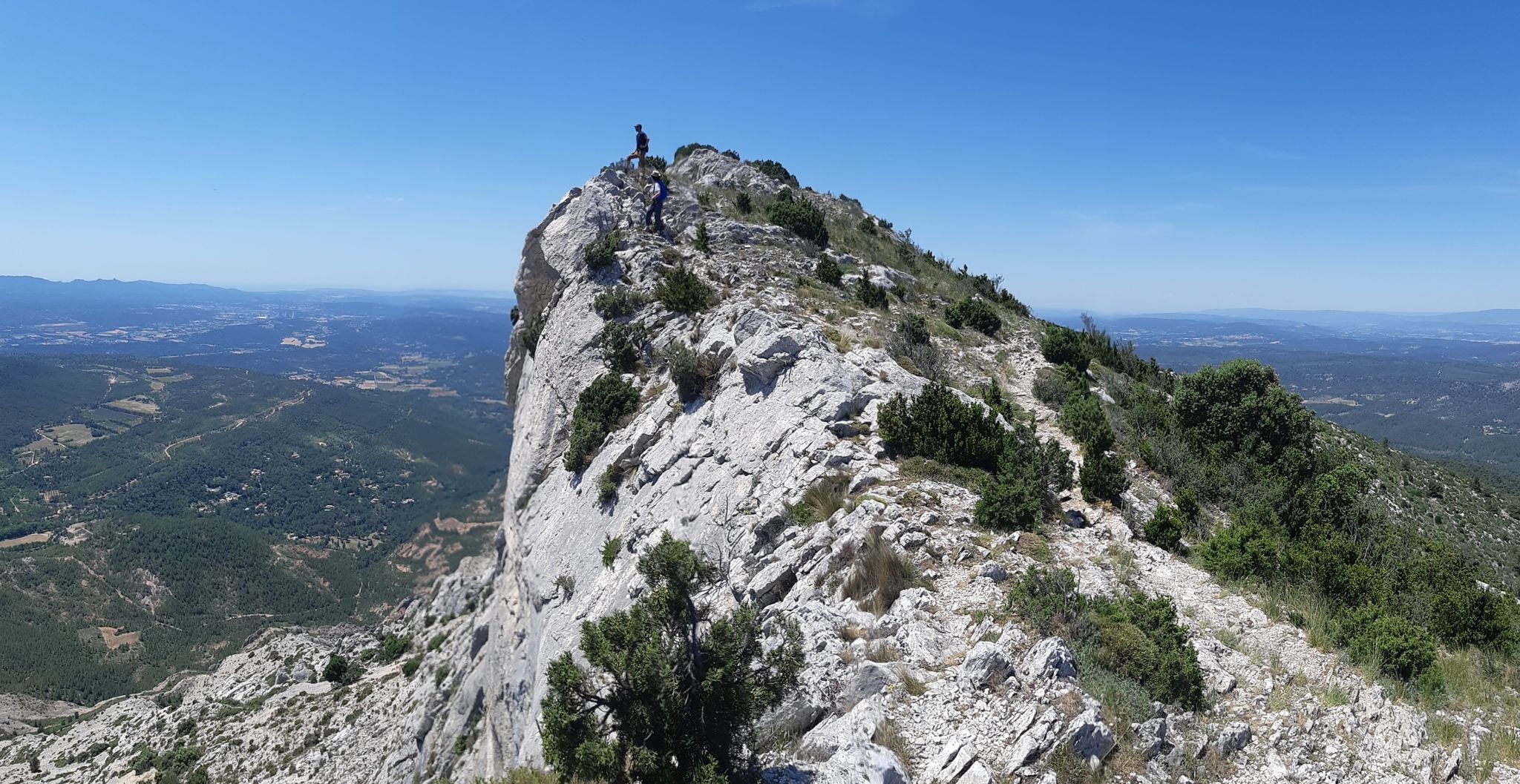
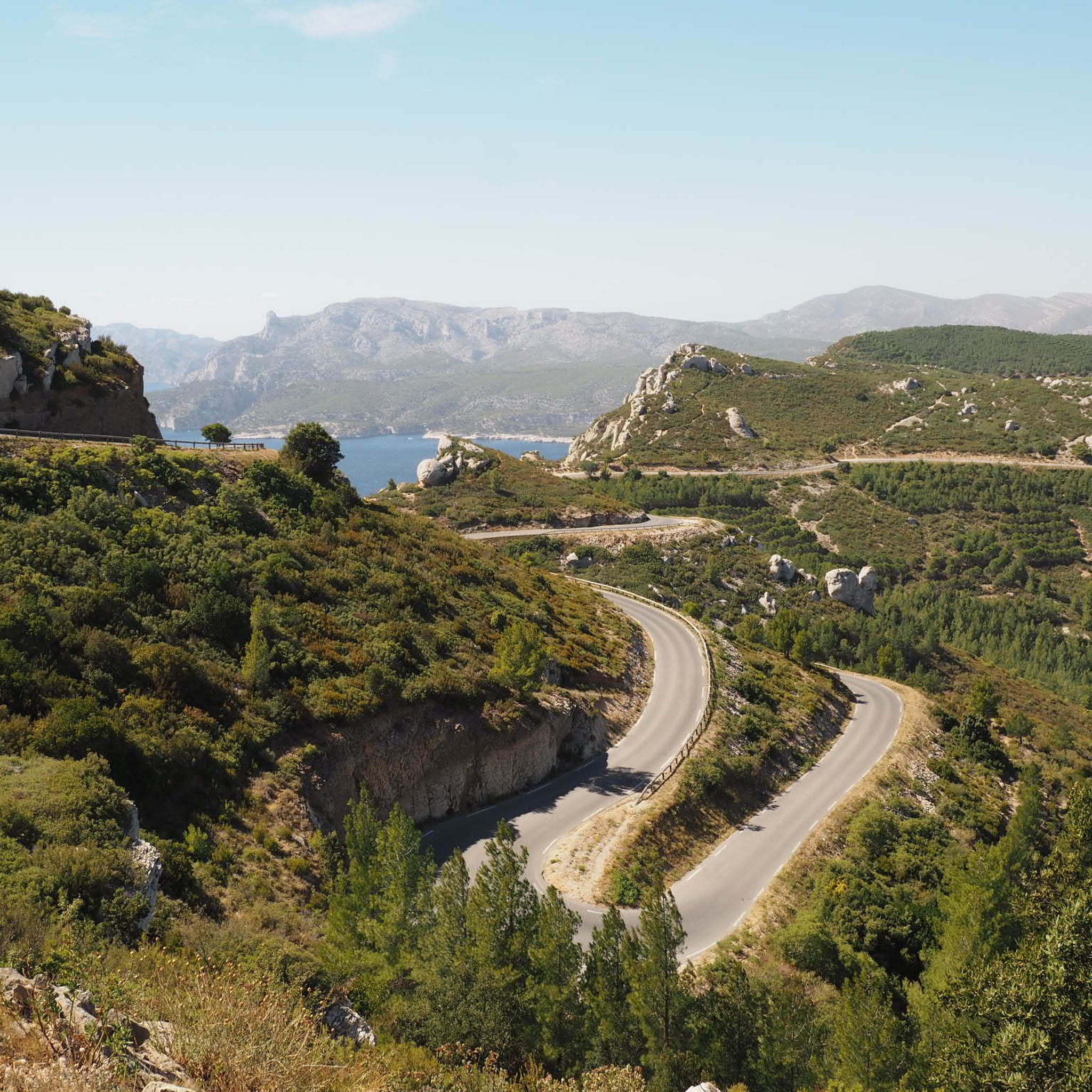
Route des Crêtes
Highlight • Viewpoint
Translated by Google •
Tip by
Sign up for free to discover even more natural monuments around La Ciotat.
Already have an account?
Start today with a free account
Your next adventure awaits.

Other adventures around La Ciotat

Tips from the Community

To do on Sunday closed to motor vehicles, viewpoints of all beauty
1
1

Superb climb by bike, difficult attack from the bottom of Cassis and once you are on the ridge road it goes more easily. Beautiful bends, superb viewpoints and beautiful descent on La Ciotat. To do, and do again.
1
0

wonderful to drive. Tourist traffic only.
1
1

Calanque converted into an accessible but very busy port
1
0
Very beautiful view point opposite the cove
1
0
Calanque sheltering a port all along. Very frequented
1
0
Very well-known and emblematic cove of the area
0
0

The last 2-3km are not allowed to be cycled. However, there is the option of locking the bike well and walking the last part. It's worth it for the bay.
3
0
Frequently Asked Questions
What are some of the most impressive natural viewpoints around La Ciotat?
For breathtaking panoramic views, the Route des Crêtes is a must-visit. This scenic road winds along the Soubeyran cliffs, offering spectacular vistas of the Mediterranean Sea and the Calanques massif. Another notable spot is the View of the Port Miou calanque, which provides beautiful perspectives of Cap Canaille and the first cove when leaving Cassis.
Where can I find unique geological features in the La Ciotat area?
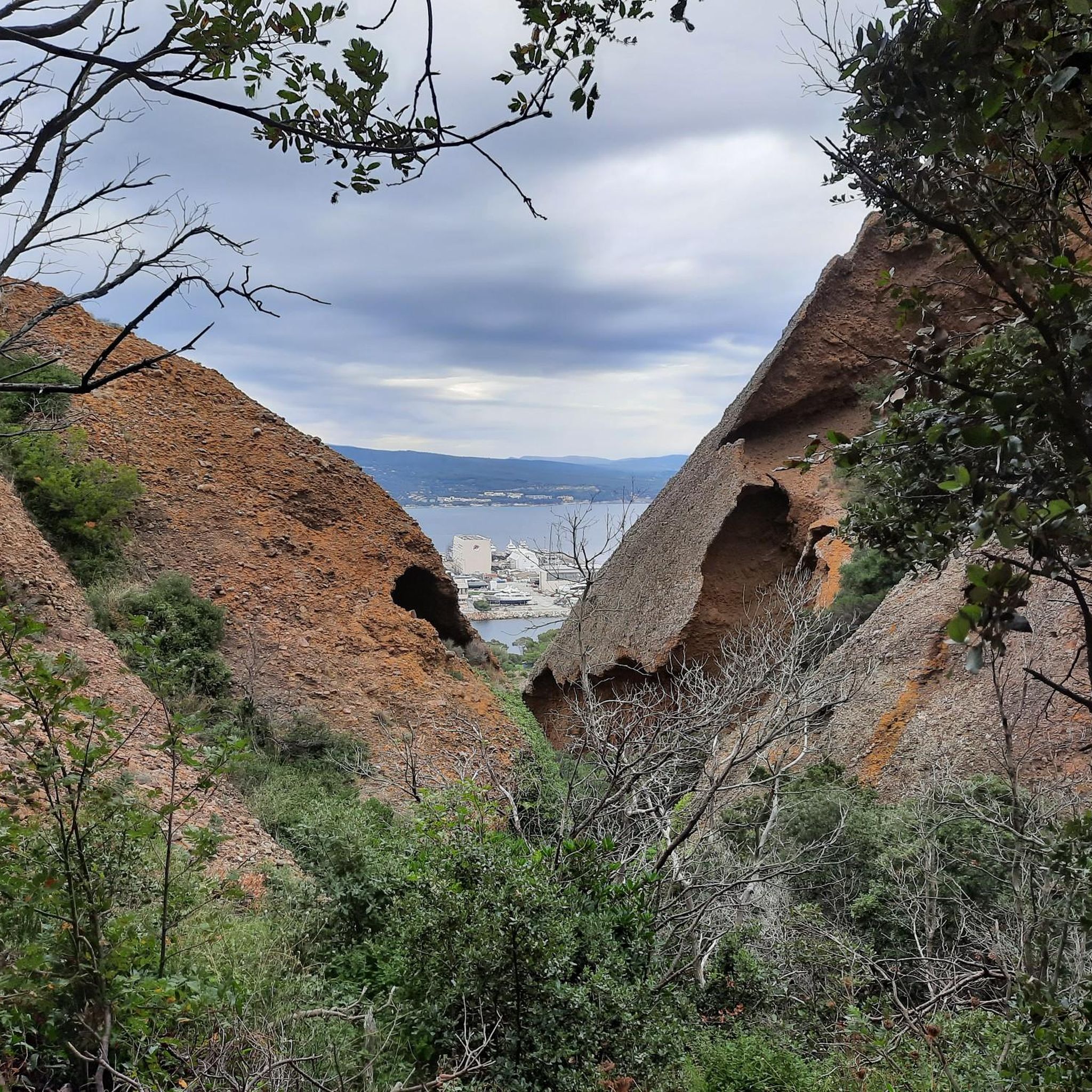
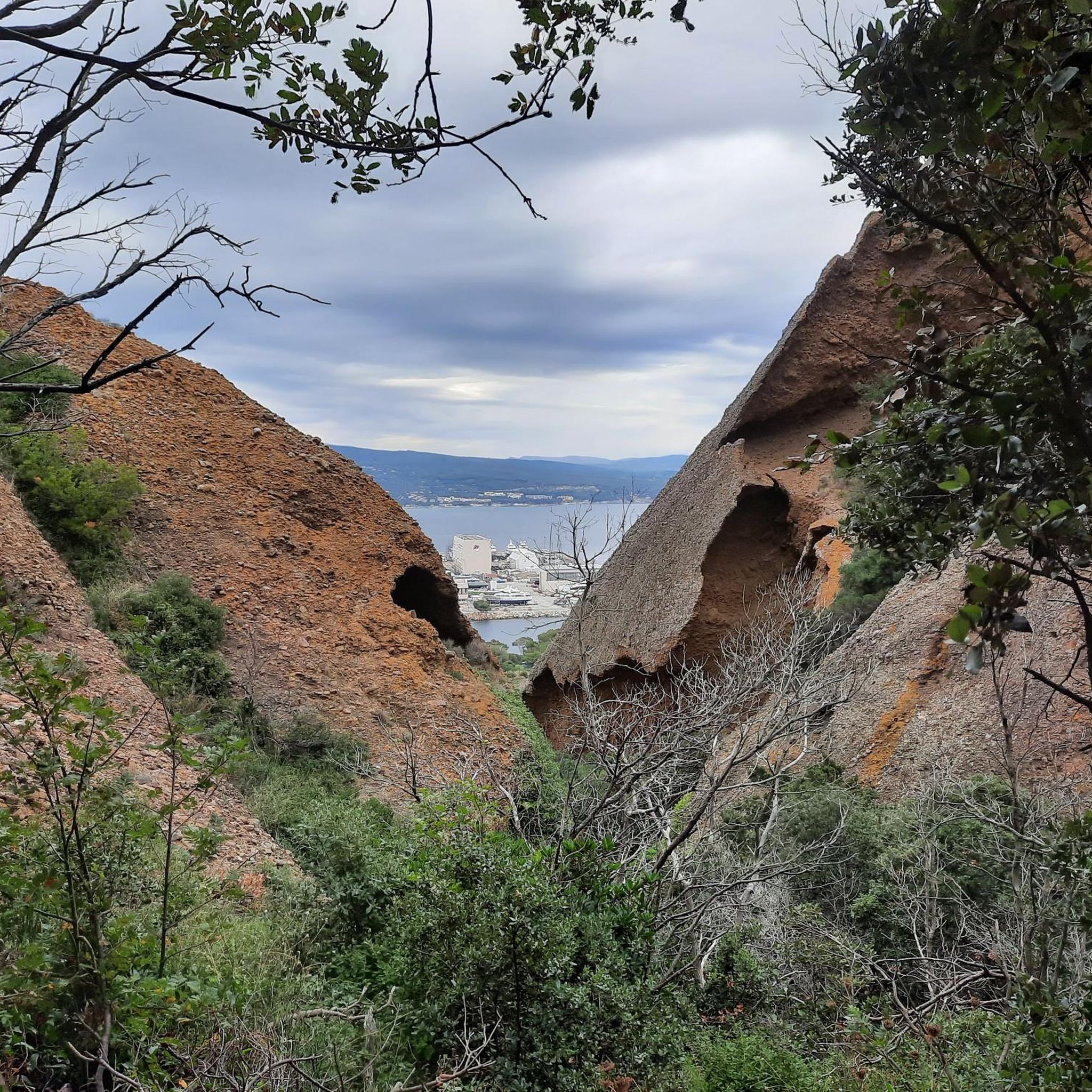
The Cap Canaille area is geologically distinct, featuring ochre-orange pudding-stone (pebble conglomerate) cliffs, unlike the limestone of the Calanques. Within the Calanques National Park, Port-Pin Beach is a beautiful cove, and En-Vau Beach is nestled within a gorge, both showcasing the dramatic limestone formations of the region.
Are there any natural monuments suitable for swimming and water activities?
Yes, several natural monuments offer excellent opportunities for swimming. Port-Pin Beach and En-Vau Beach are popular for their clear waters. The Calanque de Figuerolles is known for its crystal-clear waters, perfect for swimming, snorkeling, and kayaking. Additionally, Île Verte offers several coves like Saint-Pierre with clear water ideal for swimming or diving, and Parc du Mugel includes two pebble beaches.
What are the best natural areas for a leisurely stroll or botanical exploration?
The Parc du Mugel is an excellent choice for nature enthusiasts. This botanical garden, covering approximately 17 hectares, boasts a diverse collection of trees and plants, including exotic species, and is naturally protected from the Mistral wind. It offers stunning views and a serene environment for leisurely walks. The Calanque du Mugel also features lush vegetation and an exotic garden.
What outdoor activities can I do near the natural monuments around La Ciotat?
The region offers a variety of outdoor activities. You can explore numerous hiking trails, including those within the Calanques National Park. For cycling, there are options for both mountain biking and gravel biking. For detailed routes and guides, you can check out the Hiking around La Ciotat, MTB Trails around La Ciotat, and Gravel biking around La Ciotat guides.
Are there family-friendly natural sites in La Ciotat?
Yes, Parc du Mugel is particularly family-friendly, featuring a children's playground in addition to its beautiful botanical gardens and pebble beaches. The tranquil pebble beach at Calanque de Figuerolles, shaded by pine and juniper trees, also offers a pleasant environment for families to enjoy swimming and nature.
How can I access Île Verte (Green Island) and what can I do there?
Île Verte is a small, uninhabited wooded island accessible by sea kayak or ferry from La Ciotat's port. Once there, you can enjoy beautiful landscapes, hike the island's trails, swim in its clear waters, and have picnics in the shade of its coves. The Saint-Pierre cove is particularly recommended for swimming or diving.
What is the best time of year to visit the natural monuments in La Ciotat?
Visiting in the off-season, such as October, can be ideal as the weather is not too hot and there is more tranquility. However, the Calanques can still be crowded even then. To avoid crowds and enjoy the sunshine, it's often best to arrive very early in the morning, especially for popular spots like En-Vau Beach.
What are the access rules for the Calanques National Park near La Ciotat?
The Calanques National Park is a protected area with specific rules to preserve its biodiversity. Staying overnight is strictly forbidden. Access to certain areas, particularly during dry and windy periods, can be restricted due to fire risk. It's advisable to check local regulations before your visit, especially during summer months.
Is public transport available to reach some of the natural monuments?
While specific bus routes to all trailheads might vary, public transport can get you close to some areas. For example, you can often park at the university to access areas like Sugiton Cove, which is also easily accessible by public transport. For more remote calanques, boat tours from La Ciotat's port are an option.
Are there any natural monuments that are dog-friendly for walks?
While the Calanques National Park has strict regulations, some areas around La Ciotat may be more accommodating for dogs on leash. It's always best to check specific local signage and park rules for each natural monument, as regulations can vary, especially in protected areas.
What makes Cap Canaille unique compared to other cliffs in the region?
Cap Canaille stands out as Europe's highest sea cliff, offering dramatic coastal scenery. Its unique geology is characterized by ochre-orange pudding-stone (pebble conglomerate), which contrasts with the typical limestone formations found in the Calanques massif. The Route des Crêtes, which traverses Cap Canaille, provides unparalleled views of this impressive natural feature.
Most popular routes around La Ciotat
Most popular attractions around La Ciotat

Get inspired with the komoot mobile app


Explore more
Extend your search for the best caves by checking out these guides of the top ones around La Ciotat:
