Top 4 Natural Monuments around Rognac
Best natural monuments around Rognac are found in the Bouches-du-Rhône department of southern France, an area characterized by diverse natural features. The region offers access to unique geological formations, significant water bodies, and preserved natural areas. Rognac is situated near the Étang de Berre, a large saltwater lake, and features various trails suitable for outdoor activities. The landscape includes notable rock formations and historical sites integrated into the natural environment.
Best natural monuments around Rognac
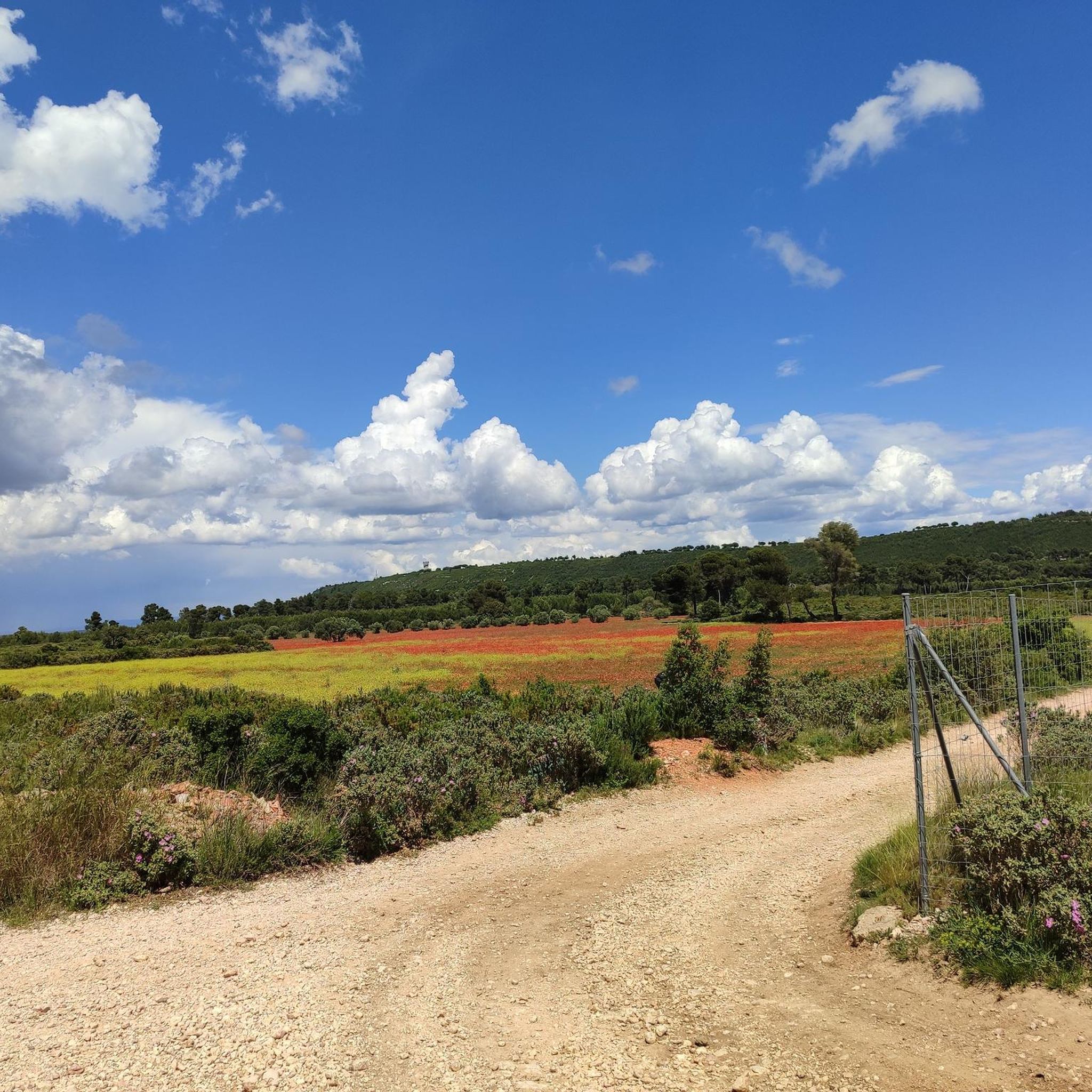
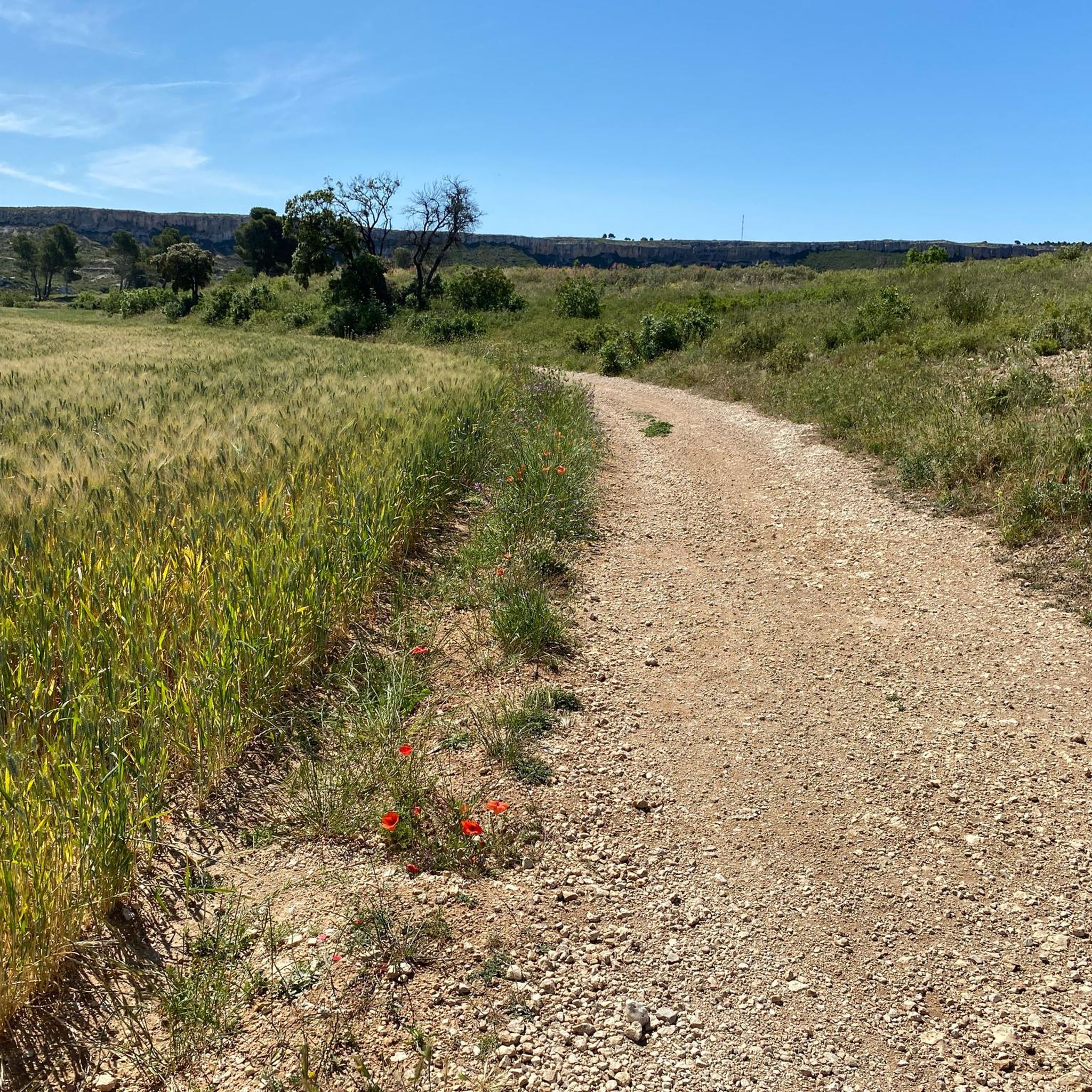
- The most popular natural monument is The Infernet spring, a natural monument and waterfall. This spring is part of an artificial watercourse originating from the Réaltor basin and forms a waterfall before meeting the Bolmon pond. The site offers a simple walk along the GR13, marked with red and yellow lines.
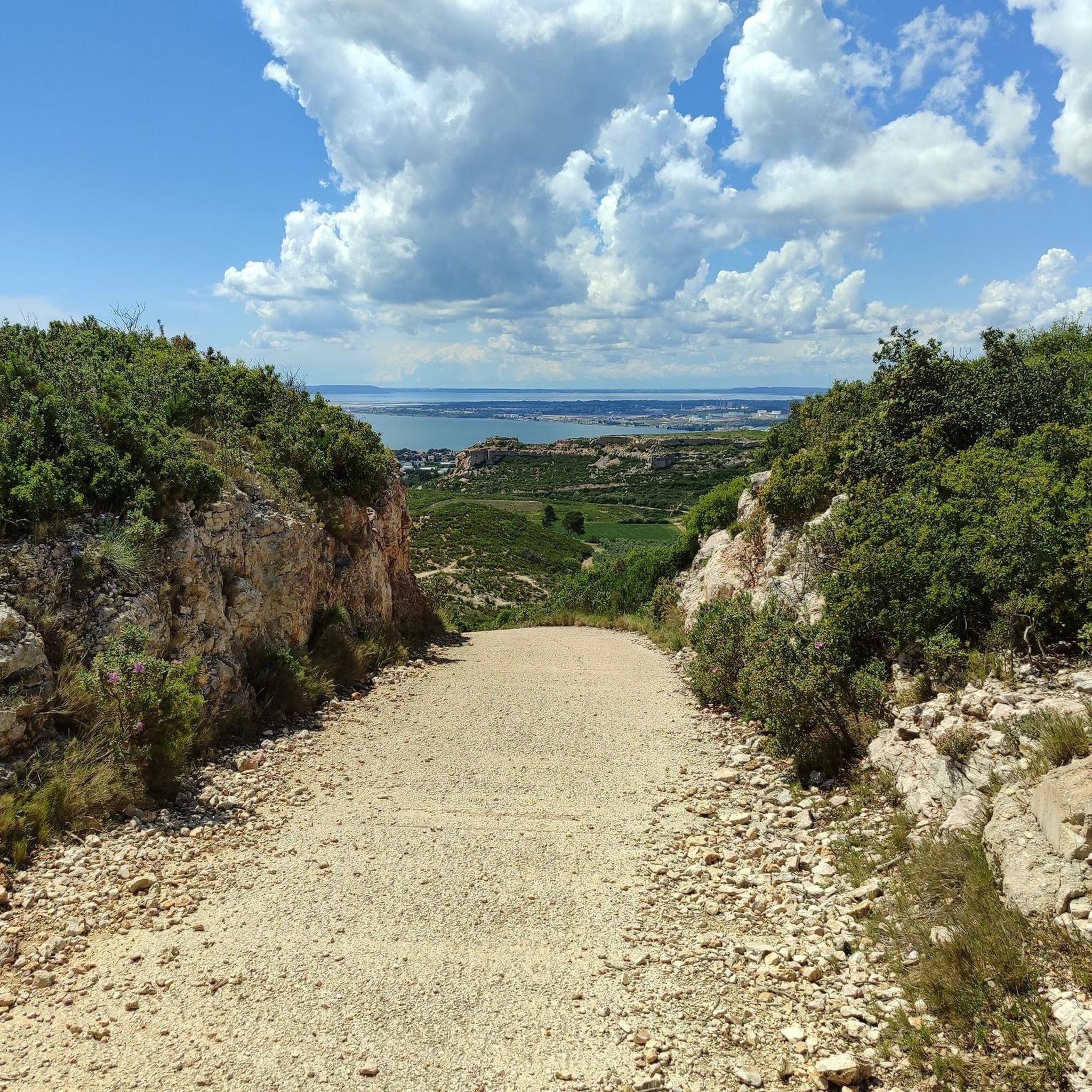
- Another must-see spot is Château Virant Rock, a natural monument and viewpoint. This rock formation provides splendid views from an orientation table. Visitors can climb to the top for an elevated perspective of the surrounding landscape.
- Visitors also love Le Rocher de l'Arbois, a natural monument and viewpoint. This location serves as a starting point for hikes, featuring well-equipped trails with maps, tables, and toilets. It is known for its family-friendly trails and scenic views.
- Rognac is known for its natural springs, rock formations, and viewpoints. The area offers a variety of natural monuments to see and explore, from geological outcrops to significant water features.
- The natural monuments around Rognac are appreciated by the komoot community, with more than 60 upvotes and 33 photos shared across various highlights.
Last updated: August 25, 2026
The Infernet spring
Highlight • Natural Monument
Translated by Google •
Tip by

Château Virant Rock
Highlight • Viewpoint
Translated by Google •
Tip by

Sign up now to discover places like this
Get recommendations on the best single tracks, peaks, & plenty of other exciting outdoor places.
Sign up for free
Le Rocher de l'Arbois
Highlight • Viewpoint
Translated by Google •
Tip by

Oppidum de Constantine
Highlight • Historical Site
Translated by Google •
Tip by
Start today with a free account
Your next adventure awaits.
Login or Signup

Tips from the Community

Description of the hike: follow the path from the parking lot to reach the source. The start is under a large metal portico bearing the inscription "Chemin de l'Infernet". The walk is part of the GR13. It is marked with red and yellow lines. A very simple little walk, no equipment necessary. Very few places for parking!
1
0

Almost 2kms along the road. You can climb to the top of the rock for a nice view but watch out for the void!
0
0

Built in the 6th century BC, this oppidum is one of the largest in Provence. Built on a rocky promontory overlooking the Etang de Berre, it bears the traces of several centuries of settlement.
5
0
The source of the Infernet seems to be a natural underground water source when it is in fact the result of an artificial watercourse, the Réaltor basin built in 1869. The source finally stops when it meets the pond of Bolmon.
4
0

Starting point for hikes with maps, tables and toilets on well-equipped trails
1
0

Orientation table and splendid view!
1
0
Frequently Asked Questions
What are some of the most notable natural features to explore around Rognac?
Rognac offers a variety of natural features. You can visit the impressive Château Virant Rock, known for its splendid views. Another significant site is the The Infernet spring, which, despite its natural appearance, is part of an artificial watercourse. The region also features the Réaltor Reservoir, an important ornithological reserve, and the unique reddish rock formations above ENSOP near Vitrolles, reminiscent of a 'Colorado landscape'.
Are there any family-friendly natural attractions near Rognac?
Yes, several natural sites are suitable for families. The Infernet spring offers a very simple walk, perfect for all ages, with clear markings along the GR13 path. Additionally, Le Rocher de l'Arbois serves as a starting point for well-equipped trails, complete with maps, tables, and toilets, making it convenient for family outings.
What kind of outdoor activities can I do near these natural monuments?
The area around Rognac is excellent for various outdoor activities. You can enjoy running on trails like the 'Cross of Rognac – Dried up waterfalls loop' or the 'View of Étang de Berre loop'. Mountain biking is popular, with routes such as 'The Infernet spring – Colorado landscape loop'. For road cycling, consider the 'Marseille–Coudoux Canal loop'. You can find more details and routes in the dedicated guides for Running Trails around Rognac, MTB Trails around Rognac, and Cycling around Rognac.
Are there any historical or geological sites among the natural monuments?
Absolutely. The Oppidum de Constantine is a significant historical site, built on a rocky promontory overlooking the Étang de Berre, showcasing centuries of settlement. Geologically, the Cuesta de Rognac is notable for its paleontological interest, containing fossil fauna and even dinosaur eggshells from the Maastrichtian age, indicating a tropical paleoenvironment.
Where can I find the best viewpoints around Rognac?
For breathtaking panoramic views, head to Château Virant Rock, which offers a splendid vista and an orientation table. Another excellent spot is Le Rocher de l'Arbois, which provides scenic views and serves as a starting point for trails.
What is the best time of year to visit the natural monuments in Rognac?
The Bouches-du-Rhône department, where Rognac is located, generally enjoys a mild climate. Spring and autumn are often ideal for outdoor activities like hiking and cycling, as the weather is pleasant and the landscapes are vibrant. Summer can be warm, but the Étang de Berre offers opportunities for swimming and nautical activities to cool off. Birdwatching at the Réaltor Reservoir is particularly rewarding during migration periods.
Are there opportunities for birdwatching near Rognac?
Yes, the Réaltor Reservoir (also known as Réaltor Basin) is a significant ornithological reserve. It's an excellent spot for birdwatching, especially during migration periods, where you can observe a diverse array of bird life including coots, grebes, swans, cormorants, and egrets.
What are the parking and access options for these natural sites?
For The Infernet spring, parking is limited, so it's advisable to arrive early. The start of the walk is under a large metal portico. For Le Rocher de l'Arbois, it's a well-equipped starting point for hikes, suggesting better parking facilities. The banks of the Réaltor Reservoir on the north-east side (Calas side) are open to the public, offering accessible natural settings.
Can I find unique geological formations around Rognac?
Indeed. The rock formations above ENSOP, near Vitrolles, are particularly striking. They are characterized by impressive reddish hues and sculpted shapes, creating a landscape often compared to parts of Colorado, USA. This area offers stunning backdrops for cyclists and hikers.
What is the Étang de Berre and its significance to the region?
The Étang de Berre is a large saltwater lake that Rognac is ideally situated on. While not a single natural monument, it's a central natural feature of the area, offering opportunities for swimming and various nautical activities. Its diverse landscapes and mild climate make it a popular spot for leisure and enjoyment.
Are there any natural water sources or waterfalls in the area?
Yes, the Fountain Rognac is a notable natural spring that emerges from an underground system. It forms a waterfall that feeds the Little Vallat stream, which flows across the plains of Rognac and into the Étang de Berre. Historically, it was a crucial water source for the region.
Most popular attractions around Rognac

Get inspired with the komoot mobile app


Explore more
Extend your search for the best caves by checking out these guides of the top ones around Rognac:
