Top 5 Natural Monuments around Vovray-En-Bornes
Best natural monuments around Vovray-En-Bornes are situated on the eastern flank of the Salève mountain in Haute-Savoie, France. This region features diverse geology and offers panoramic views of the Alps, including Mont Blanc. The area is characterized by its natural rock formations, caves, and elevated viewpoints. Vovray-En-Bornes provides opportunities to explore geological sites and mountain landscapes.
Best natural monuments around Vovray-En-Bornes
- The most popular natural monument is Orjobet Cave, a cave that received its name after a visit by…
Last updated: July 15, 2026
Orjobet Cave
Highlight • Cave
Translated by Google •
Tip by

The Trou de la Tine
Highlight • Cave
Translated by Google •
Tip by
Sign up now to discover places like this
Get recommendations on the best single tracks, peaks, & plenty of other exciting outdoor places.
Sign up for free
Rochers de Faverges
Highlight • Natural Monument
Translated by Google •
Tip by

Cross on the mountain
Highlight • Natural Monument
Translated by Google •
Tip by

La Coraterie Cliff
Highlight • Climb
Translated by Google •
Tip by

Sign up for free to discover even more natural monuments around Vovray-En-Bornes.
Sign up for free
Already have an account?
Start today with a free account
Your next adventure awaits.
Login or Signup
Tips from the Community

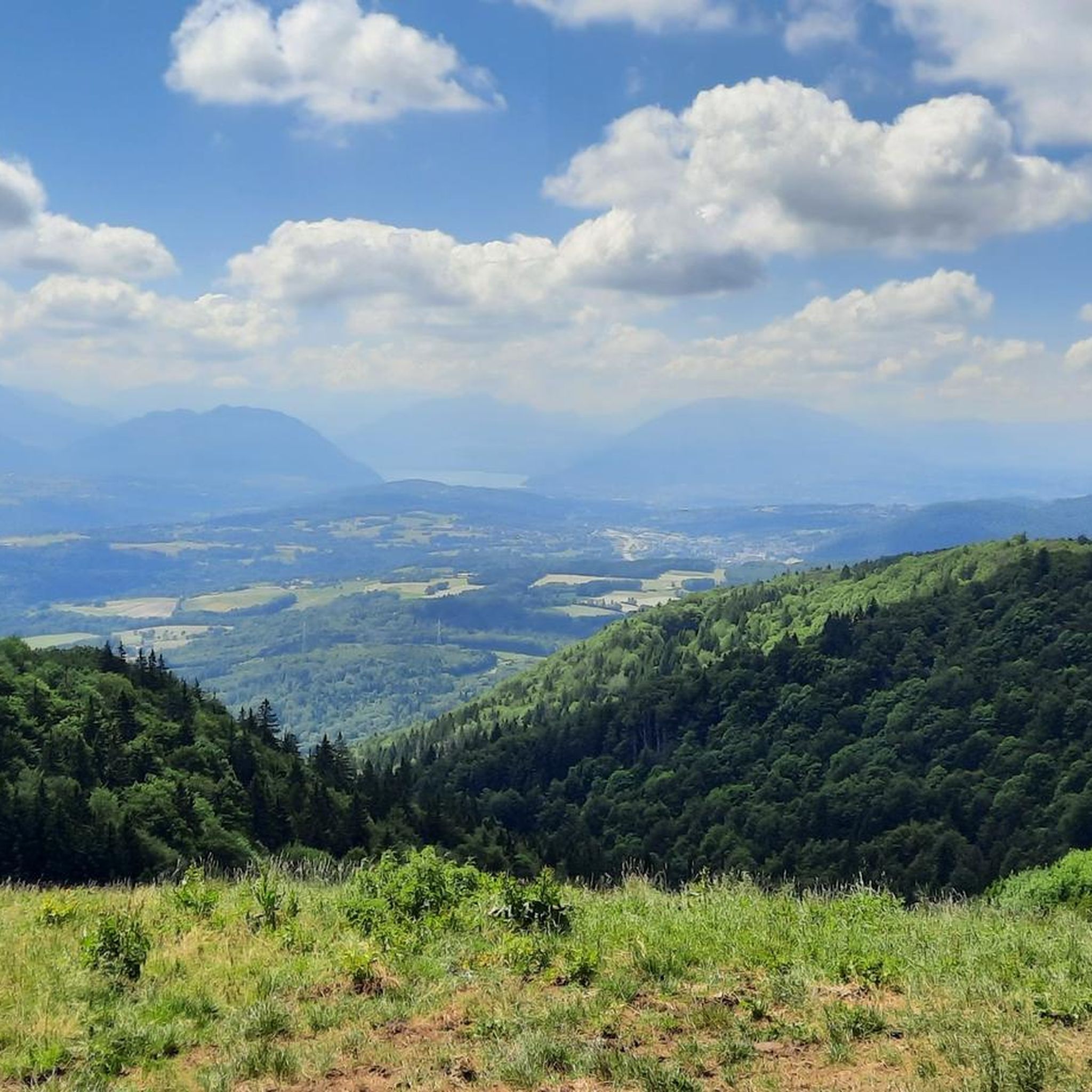
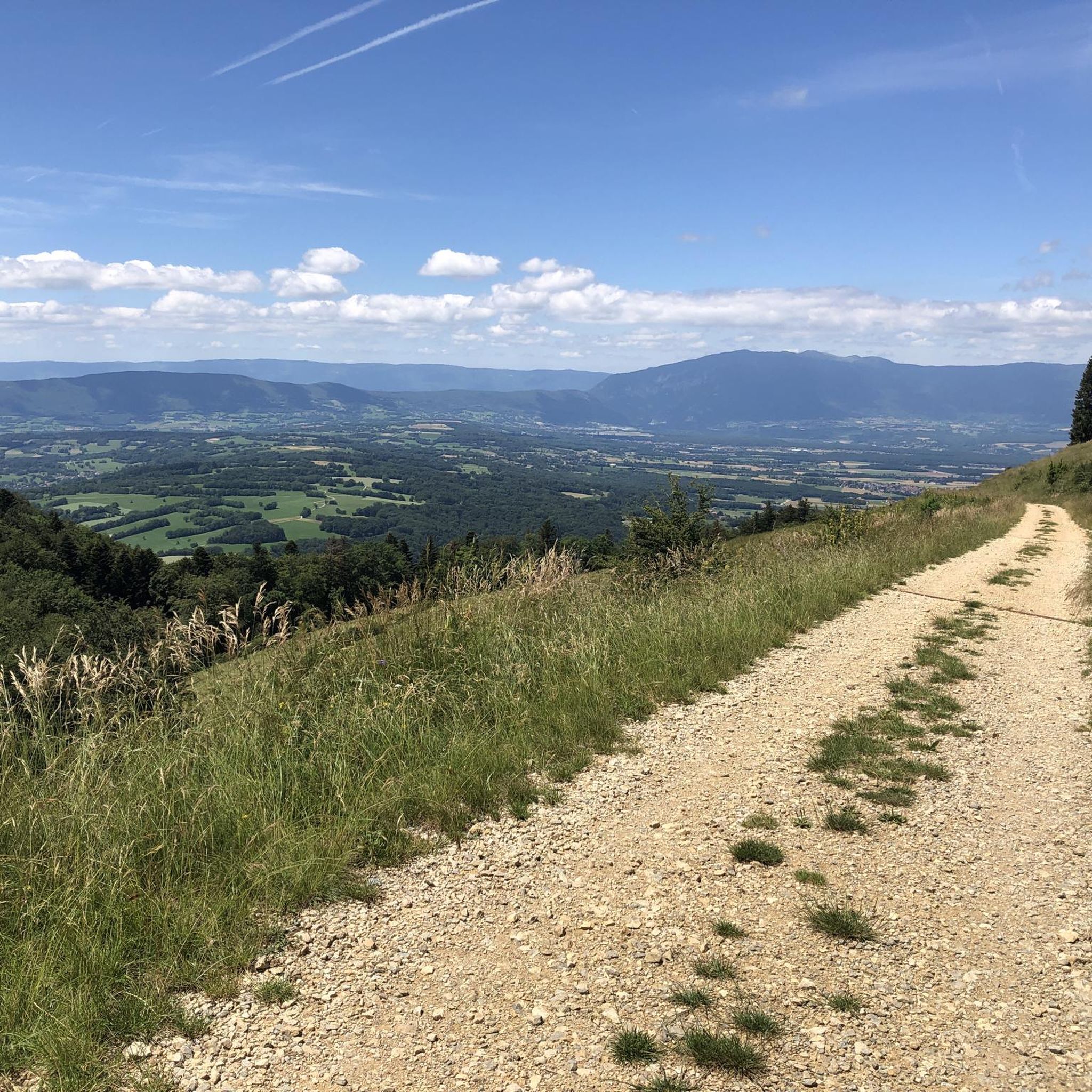
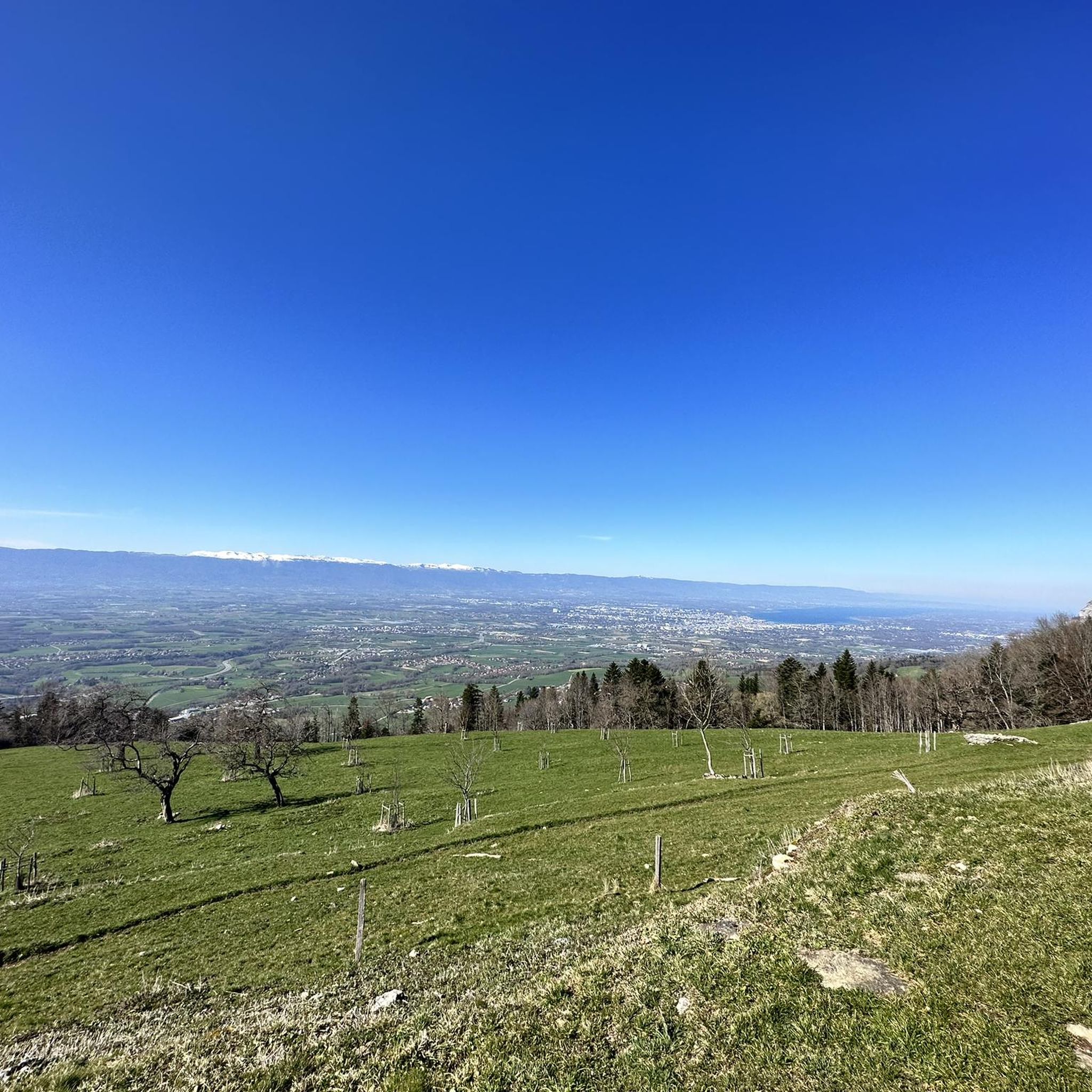
La Corraterie is a narrow rocky ledge and cliff path on the west flank of Mont Salève (the so-called “Balcony of Geneva”) in Haute-Savoie (France). From here, you have breathtaking panoramic views of Lake Geneva, the city of Geneva, and the Jura Mountains. Highlights along the path besides the view ;-): ⭐ The passage cave Grotte d'Orjobet. ⭐ Trou de la Tine: An impressive natural rock arch and sinkhole formed by erosion in the cliffs of La Corraterie. ⭐ Numerous climbers can be observed on the vertical limestone walls. And here is the story behind the flag on the mountain path: It is not the Swiss flag, but the coat of arms of Savoy (meaning no white cross, but the bars extend to the edge). It all began in the late 1960s. American students from the nearby Adventist campus in Collonges-sous-Salève climbed the steep rock face after a night of revelry. Since the mountain offers a direct view of Geneva, they were firmly convinced they were in Switzerland. They painted a huge Swiss flag on the rocks. However, Mont Salève is geographically located in France (Haute-Savoie region). The local French residents found the Swiss flag on their mountain to be an affront. Local activists climbed up and painted over the Swiss cross, turning it into the coat of arms of Savoy (Cross of Savoy) to emphasize the French-Savoyard affiliation. To this day, unknown individuals (mostly from Geneva) regularly climb the wall at night to shorten the bars and turn the Savoy coat of arms back into a Swiss flag.
0
0

Le Trou de la Tine (Trou of the Tine Cave) was formed by erosion on the flank of Mont Salève. It is a deep, sunken hole shaped like an open-topped barrel ("Tine" is an old dialect term for barrel, "trou" means hole). The cave's ceiling has collapsed due to erosion, revealing a natural "barrel" with a side opening. One can walk into the "barrel" through this side opening.
0
0


Cave with collapsed ceiling
1
0
A beautiful geological formation
0
2

Nice little tour (steep!!) in this geological curiosity
0
3
Frequently Asked Questions
What are some notable geological features to explore around Vovray-en-Bornes?
The region offers diverse geology. You can explore the Rochers de Faverges, which are distinctive sandstone formations with iron oxide veins, dating back to the Eocene period. Unlike the Jurassic limestone of Salève, these rocks provide a unique geological insight into the area's past.
Are there any caves to visit in the Vovray-en-Bornes area?
Yes, two notable caves are the Orjobet Cave, named after botanist Horace-Bénédicte De Saussure, which showcases typical erosion of limestone areas. Another is The Trou de la Tine, a cave formed by erosion where the ceiling has since collapsed, offering an interesting example of natural geological processes.
Where can I find panoramic views of the Alps and Mont Blanc near Vovray-en-Bornes?
Vovray-en-Bornes is situated at the foot of Mont Salève, which provides exceptional panoramic views. The "alpage du Plan," the highest point in the commune, offers superb vistas, and an orientation table helps identify various peaks. Additionally, the Grand Piton Tour viewpoint offers wonderful views over Geneva, including the lake, airport, and the Jura mountains.
What kind of hiking trails are available near these natural monuments?
The area around Vovray-en-Bornes offers numerous trails, particularly on Mont Salève. A pedestrian loop trail starts from the village, passing a chapel and continuing through a forest of conifers and blueberry bushes to mountain pastures. For more specific routes, you can explore various cycling guides that often include scenic paths near natural landmarks.
Are there family-friendly natural monuments or activities in Vovray-en-Bornes?
While specific 'family_friendly' tags are not listed for all monuments, the general pedestrian loop trail from Vovray-en-Bornes village, which winds through different mountain environments and includes an observation platform at Plan, can be suitable for families. The natural heritage and panoramic views are enjoyable for all ages.
Can I bring my dog to the natural monuments or on trails around Vovray-en-Bornes?
The region's trails and natural areas are generally welcoming for dogs, but it's always advisable to keep them on a leash, especially in protected areas or near livestock. Specific regulations for Mont Salève or individual natural monuments should be checked locally.
What is the best time of year to visit the natural monuments in Vovray-en-Bornes?
The spring and autumn months typically offer pleasant weather for exploring the natural monuments and trails, with comfortable temperatures and beautiful scenery. Summer is also popular, though it can be warmer. Winter can offer unique snowy landscapes, but some trails might be more challenging or inaccessible due to snow and ice.
What are the historical aspects of the natural monuments in this region?
The Rochers de Faverges have historical significance, as iron oxide from these rocks was exploited during Roman times. The name "Faverges" itself is derived from the Latin "fabrica," referring to a metal working workshop, highlighting the ancient industrial use of these natural resources.
How challenging are the trails to reach these natural monuments?
The difficulty varies. For instance, the Orjobet Cave is considered intermediate, with a somewhat steep climb. The Trou de la Tine is challenging, and reaching the Cross on the mountain requires sure-footedness and a head for heights. Many trails on Mont Salève range from easy strolls to more demanding ascents.
Are there other outdoor activities besides hiking near Vovray-en-Bornes' natural monuments?
Yes, the area is popular for various outdoor activities. You can find numerous road cycling routes, gravel biking trails, and general cycling routes that explore the scenic landscapes around Vovray-en-Bornes and its natural monuments.
What do visitors particularly enjoy about the natural monuments here?
Visitors appreciate the stunning panoramic views, especially from Mont Salève and the Grand Piton Tour, which offers a fantastic place to look and rest. The unique geological formations like the Rochers de Faverges and the intriguing caves like Orjobet Cave also draw significant interest.
Is there a specific natural monument that offers a unique experience?
The Cross on the mountain offers a unique experience. While not the most accessible spot, the view of the Savoie cross and the sensations felt upon reaching it make it an unmissable destination for those seeking a memorable challenge.
What should I wear or bring when visiting the natural monuments?
Given the varied terrain and potential for steep climbs, it's recommended to wear sturdy hiking shoes. Layers of clothing are advisable to adapt to changing weather conditions, especially when ascending to viewpoints. Bringing water, snacks, and a camera to capture the stunning views is also a good idea.
Are there any natural monuments that are less accessible or require specific precautions?
Yes, some sites require more caution. For example, reaching the Cross on the mountain demands sure-footedness and a head for heights. The Trou de la Tine is also considered challenging. Always check the difficulty ratings and tips for specific highlights before you go.
Most popular routes around Vovray-En-Bornes
Most popular attractions around Vovray-En-Bornes

Get inspired with the komoot mobile app


Explore more
Extend your search for the best caves by checking out these guides of the top ones around Vovray-En-Bornes:
