Top 5 Natural Monuments around Menthonnex-En-Bornes
Best natural monuments around Menthonnex-En-Bornes are found within a landscape shaped by the Salève mountain and the Plateau des Bornes. This region in Haute-Savoie, France, features diverse geological formations and rich ecosystems. The area offers opportunities for outdoor activities such as hiking, cycling, and exploring unique natural sites. Its varied terrain includes prominent peaks, expansive plateaus, and significant wetlands.
Best natural monuments around Menthonnex-En-Bornes
- The most popular natural monuments is Orjobet Cave, a cave that was discovered in 1779…
Last updated: July 15, 2026
Orjobet Cave
Highlight • Cave
Translated by Google •
Tip by

The Trou de la Tine
Highlight • Cave
Translated by Google •
Tip by
Sign up now to discover places like this
Get recommendations on the best single tracks, peaks, & plenty of other exciting outdoor places.
Sign up for free
Rochers de Faverges
Highlight • Natural Monument
Translated by Google •
Tip by

Cross on the mountain
Highlight • Natural Monument
Translated by Google •
Tip by

La Coraterie Cliff
Highlight • Climb
Translated by Google •
Tip by

Sign up for free to discover even more natural monuments around Menthonnex-En-Bornes.
Sign up for free
Already have an account?
Start today with a free account
Your next adventure awaits.
Login or Signup
Popular around Menthonnex-En-Bornes
Tips from the Community

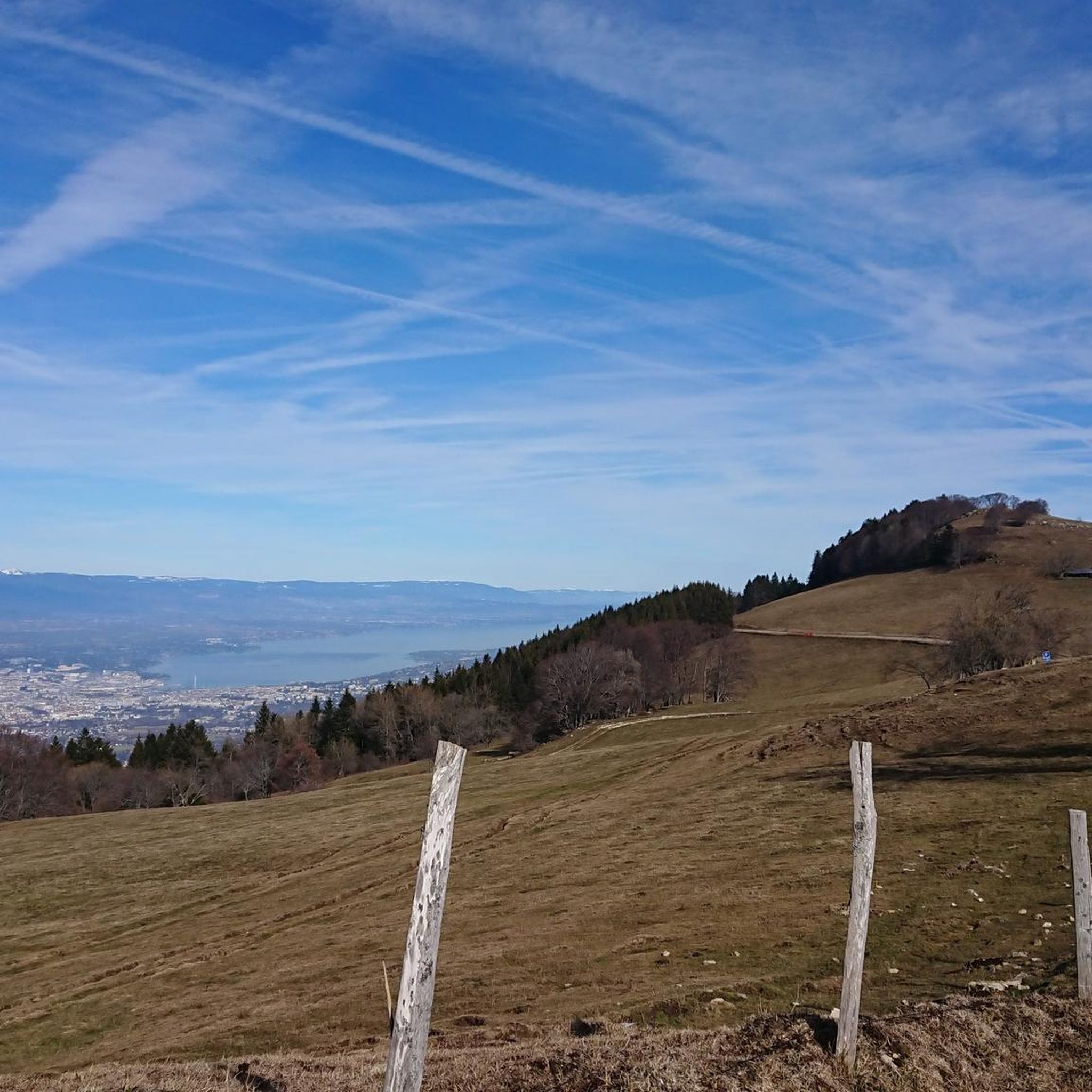
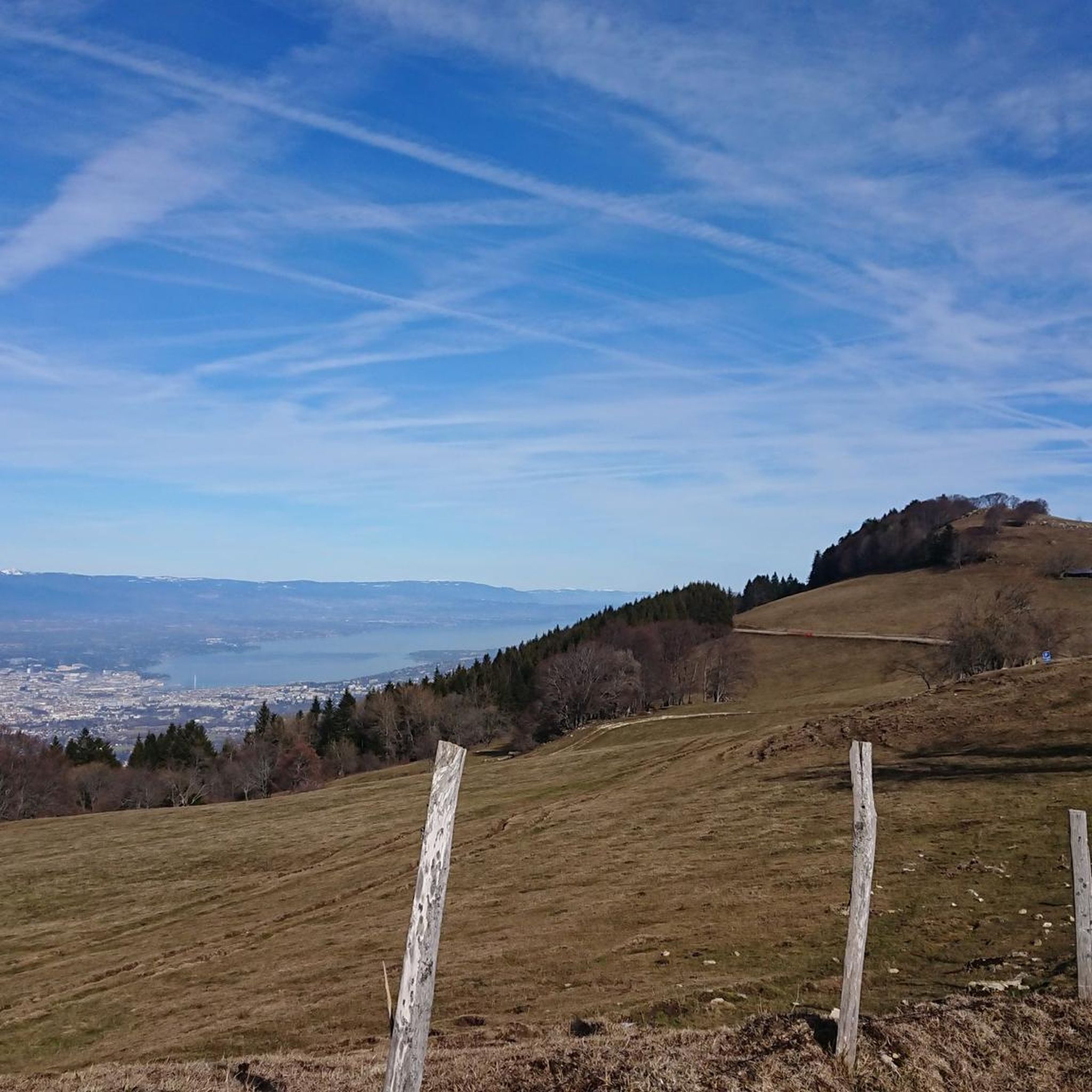
La Corraterie is a narrow rocky ledge and cliff path on the west flank of Mont Salève (the so-called “Balcony of Geneva”) in Haute-Savoie (France). From here, you have breathtaking panoramic views of Lake Geneva, the city of Geneva, and the Jura Mountains. Highlights along the path besides the view ;-): ⭐ The passage cave Grotte d'Orjobet. ⭐ Trou de la Tine: An impressive natural rock arch and sinkhole formed by erosion in the cliffs of La Corraterie. ⭐ Numerous climbers can be observed on the vertical limestone walls. And here is the story behind the flag on the mountain path: It is not the Swiss flag, but the coat of arms of Savoy (meaning no white cross, but the bars extend to the edge). It all began in the late 1960s. American students from the nearby Adventist campus in Collonges-sous-Salève climbed the steep rock face after a night of revelry. Since the mountain offers a direct view of Geneva, they were firmly convinced they were in Switzerland. They painted a huge Swiss flag on the rocks. However, Mont Salève is geographically located in France (Haute-Savoie region). The local French residents found the Swiss flag on their mountain to be an affront. Local activists climbed up and painted over the Swiss cross, turning it into the coat of arms of Savoy (Cross of Savoy) to emphasize the French-Savoyard affiliation. To this day, unknown individuals (mostly from Geneva) regularly climb the wall at night to shorten the bars and turn the Savoy coat of arms back into a Swiss flag.
0
0

Le Trou de la Tine (Trou of the Tine Cave) was formed by erosion on the flank of Mont Salève. It is a deep, sunken hole shaped like an open-topped barrel ("Tine" is an old dialect term for barrel, "trou" means hole). The cave's ceiling has collapsed due to erosion, revealing a natural "barrel" with a side opening. One can walk into the "barrel" through this side opening.
0
0


Cave with collapsed ceiling
1
0
A beautiful geological formation
0
2

Nice little tour (steep!!) in this geological curiosity
0
3
Frequently Asked Questions
What are some other notable natural monuments to explore around Menthonnex-En-Bornes?
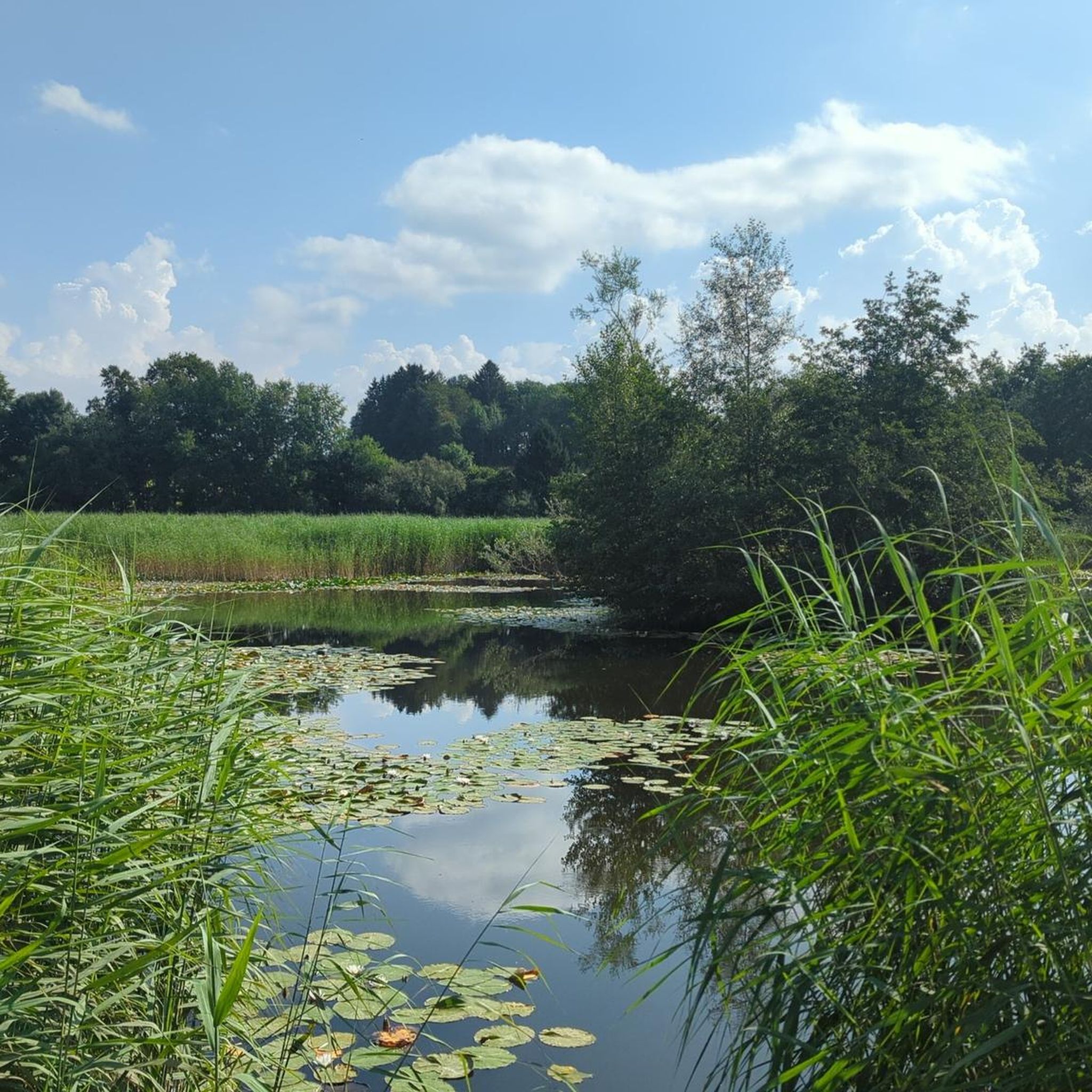
Beyond the most popular spots, you can explore the Cross on the mountain, which offers stunning views from Mont Salève, or the Rochers de Faverges, known for its unique geological composition and historical mining past. The broader Plateau des Bornes also features significant wetlands like the Mouille-Marin Pond, vital for local biodiversity.
Are there hiking trails near these natural monuments?
Yes, the region is rich in hiking opportunities. The Orjobet Cave and The Trou de la Tine are part of a challenging geological hiking trail on Mont Salève. For more options, you can find numerous routes in the area, including running trails like the 'Lac des Dronières loop' or 'Running loop from Menthonnex-en-Bornes', which you can explore further on the Running Trails around Menthonnex-En-Bornes guide.
What is the difficulty level of exploring the natural monuments?
The difficulty varies. The geological trail leading to Orjobet Cave and The Trou de la Tine is considered challenging, requiring sure-footedness. However, Mont Salève also offers more accessible paths, and the Plateau des Bornes provides peaceful, easier trails for walking and cycling. Always check specific route details before heading out.
Are there family-friendly natural monuments around Menthonnex-En-Bornes?
While some trails are challenging, Mont Salève offers options for families, especially with the cable car providing easy access to panoramic views from the summit, such as the Grand Piton Tour. The Plateau des Bornes also has gentler trails suitable for family walks, particularly around its natural areas and wetlands.
What unique geological features can I observe in this region?
The region is geologically fascinating. Mont Salève is characterized by dramatic limestone strata and deep gorges like the Varappe, with evidence of ancient shallow seas and glaciations, including ammonite fossils. The Orjobet Cave is a naturally lit chimney, and The Trou de la Tine is a unique barrel-shaped chasm formed by erosion. The Rochers de Faverges, unlike Salève's limestone, are composed of sandstone with iron oxide veins.
When is the best time to visit the natural monuments around Menthonnex-En-Bornes?
The natural monuments are beautiful year-round. Spring and autumn offer pleasant temperatures for hiking and cycling, with vibrant foliage or blooming wildflowers. Summer is ideal for longer days and a wider range of activities. Even in winter, Mont Salève provides opportunities for cross-country skiing at Col de la Croisette, and the landscapes can be stunning with snow.
What other outdoor activities can I do near these natural monuments?
Besides hiking, Mont Salève is a hub for rock climbing, mountain biking, paragliding, hang gliding, and speleology. The Plateau des Bornes is excellent for cycling, with routes like the 'Mouille Marin Pond – Thorens-Glières loop'. You can find more cycling options on the Cycling around Menthonnex-En-Bornes guide or Road Cycling Routes around Menthonnex-En-Bornes guide.
Where can I find the best panoramic views?
For breathtaking 360-degree views, head to the Grand Piton Tour, the highest point of Mont Salève. From here, you can see Geneva, Lake Geneva, the Jura mountains, the Prealps, Lake Annecy, and the majestic Mont Blanc massif. The geological trail leading to Orjobet Cave also offers spectacular vistas of the Geneva plain and Mont Blanc.
What kind of nature and wildlife can I expect to see?
Mont Salève is home to diverse wildlife, including wild boars, badgers, roe deer, and chamois, with indications of lynx presence. The Plateau des Bornes, especially around its marshy wetlands like the Mouille-Marin Pond, is crucial for biodiversity, supporting numerous protected plant and animal species, making it a great spot for nature lovers and birdwatchers.
Are the natural monuments accessible for visitors with limited mobility?
Mont Salève offers accessibility via its cable car, allowing visitors to enjoy the panoramic views from the summit without strenuous hiking. However, many of the specific natural monuments like the caves and challenging trails require a certain level of physical fitness. It's best to check the specific accessibility of each site before planning your visit.
Can I visit these natural monuments in winter?
Yes, you can. Mont Salève offers winter sports like cross-country skiing at the Col de la Croisette. While some trails might be more challenging due to snow and ice, the winter landscape provides a unique and beautiful experience. Always check weather conditions and trail status before venturing out in winter.
Are there any historical aspects associated with these natural monuments?
Yes, some sites have historical significance. The Orjobet Cave was discovered in 1779 by Horace-Bénédict de Saussure, a renowned scientist. The Rochers de Faverges derive their name from the Latin 'fabrica', indicating a metal working workshop, as their iron oxide veins were exploited during Roman times.
What do visitors enjoy most about the natural monuments around Menthonnex-En-Bornes?
Visitors frequently praise the stunning panoramic views, especially from Mont Salève, encompassing Geneva, Lake Geneva, and Mont Blanc. The unique geological formations, such as the Orjobet Cave and The Trou de la Tine, offer memorable exploration experiences. The diverse outdoor activities and the serene natural beauty of the Plateau des Bornes are also highly appreciated.
Most popular routes around Menthonnex-En-Bornes
Most popular attractions around Menthonnex-En-Bornes

Get inspired with the komoot mobile app


Explore more
Extend your search for the best caves by checking out these guides of the top ones around Menthonnex-En-Bornes:
