Top 20 Natural Monuments around Villaroger
Best natural monuments around Villaroger include the Réserve Naturelle Nationale des Hauts de Villaroger and access to the vast Vanoise National Park. This alpine region offers a pristine environment with diverse landscapes, from high-alpine areas to forests. Visitors can explore numerous hiking paths and observe rich alpine flora and fauna. The area is highly valued for its preserved natural beauty and extensive outdoor opportunities.
Best natural monuments around Villaroger
- The most popular natural monuments is Lac du Verney, a…
Last updated: May 5, 2026
Lac du Verney
Highlight • Lake
Translated by Google •
Tip by

Aiguille de la Grande Sassière
Highlight • Summit
Translated by Google •
Tip by

Sign up now to discover places like this
Get recommendations on the best single tracks, peaks, & plenty of other exciting outdoor places.
Sign up for free
Celtic Cromlech
Highlight • Historical Site
Translated by Google •
Tip by

View of Lake Garattaleu
Highlight • Lake
Translated by Google •
Tip by

Lake du Saut
Highlight • Lake
Translated by Google •
Tip by

Sign up for free to discover even more natural monuments around Villaroger.
Sign up for free
Already have an account?
Start today with a free account
Your next adventure awaits.
Login or Signup
Tips from the Community

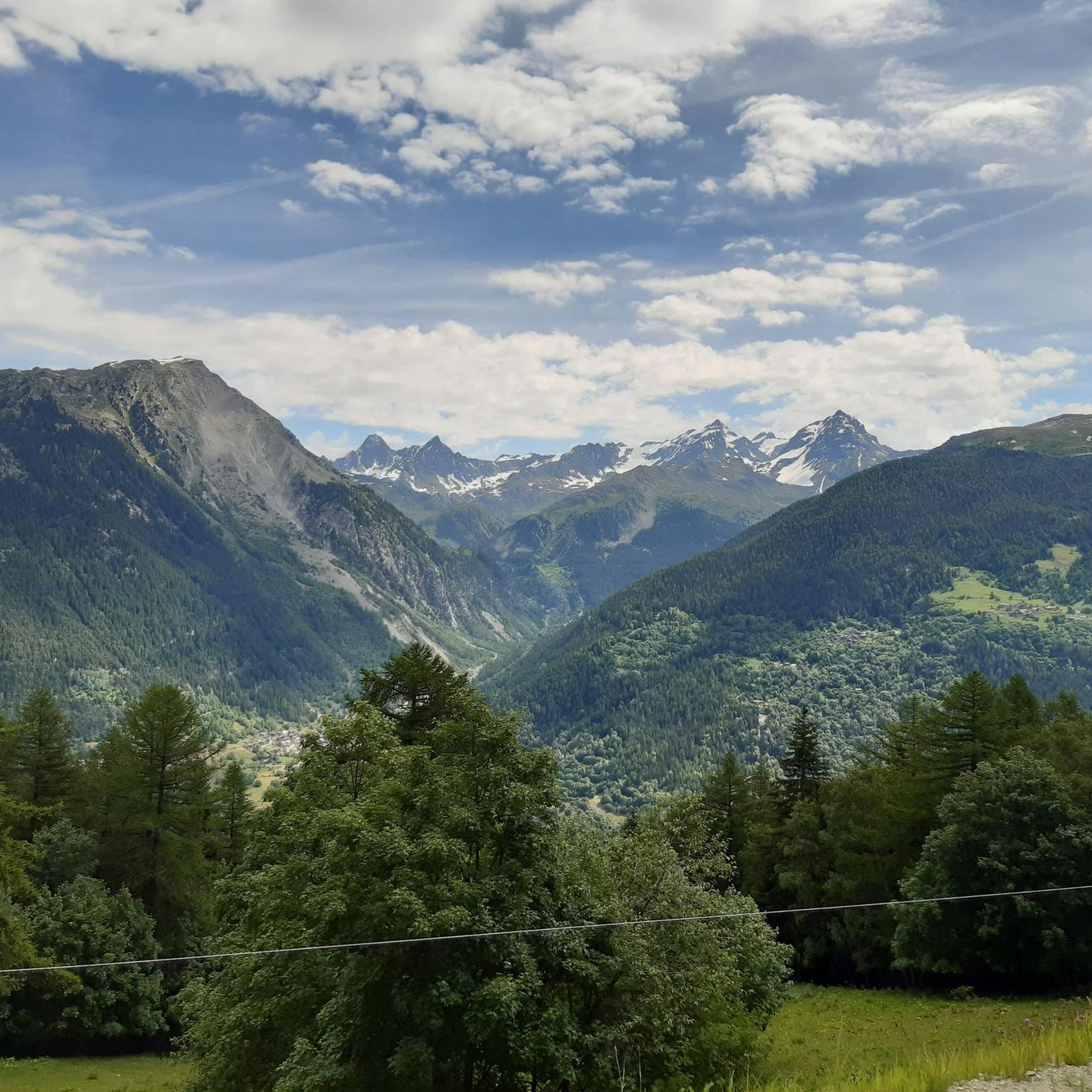
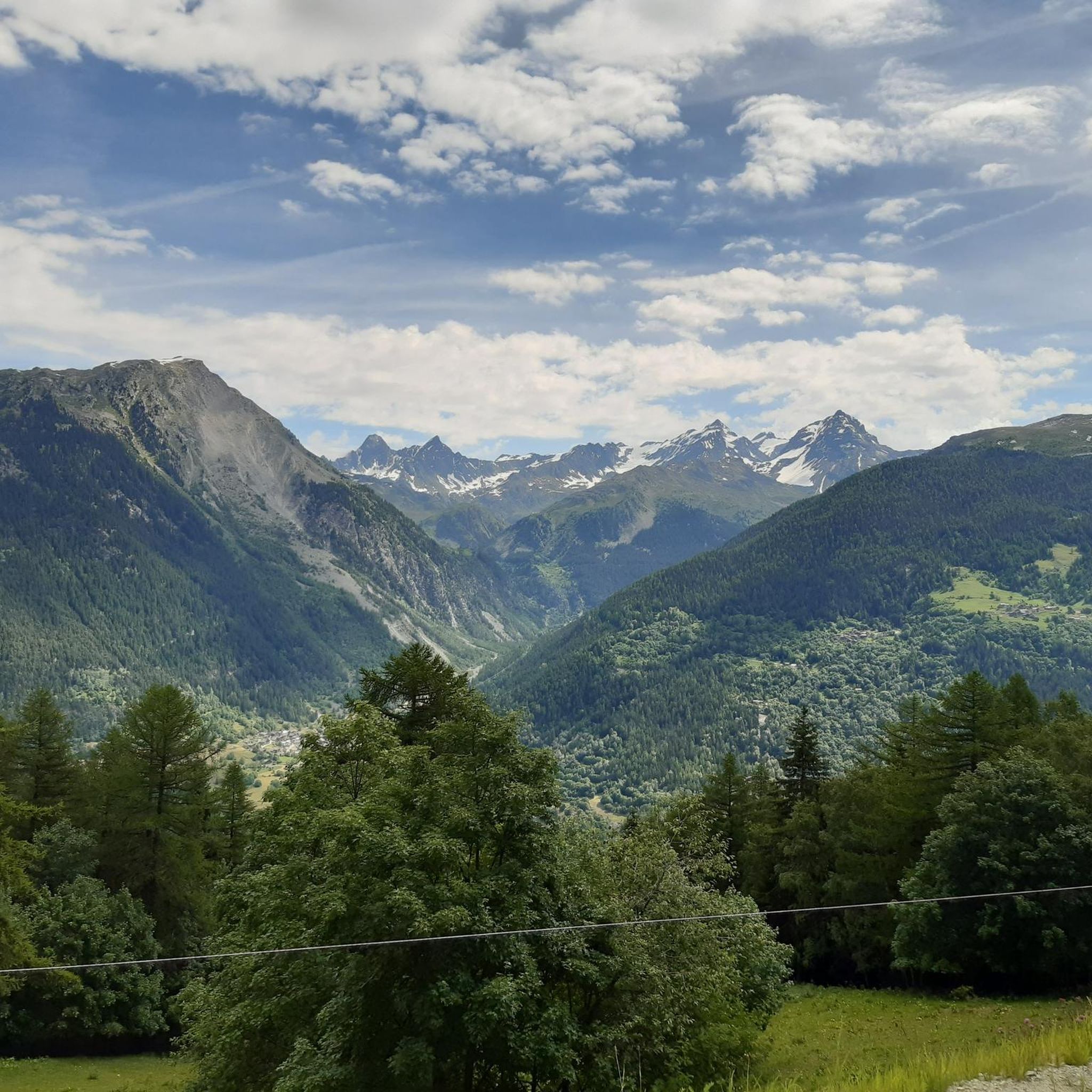
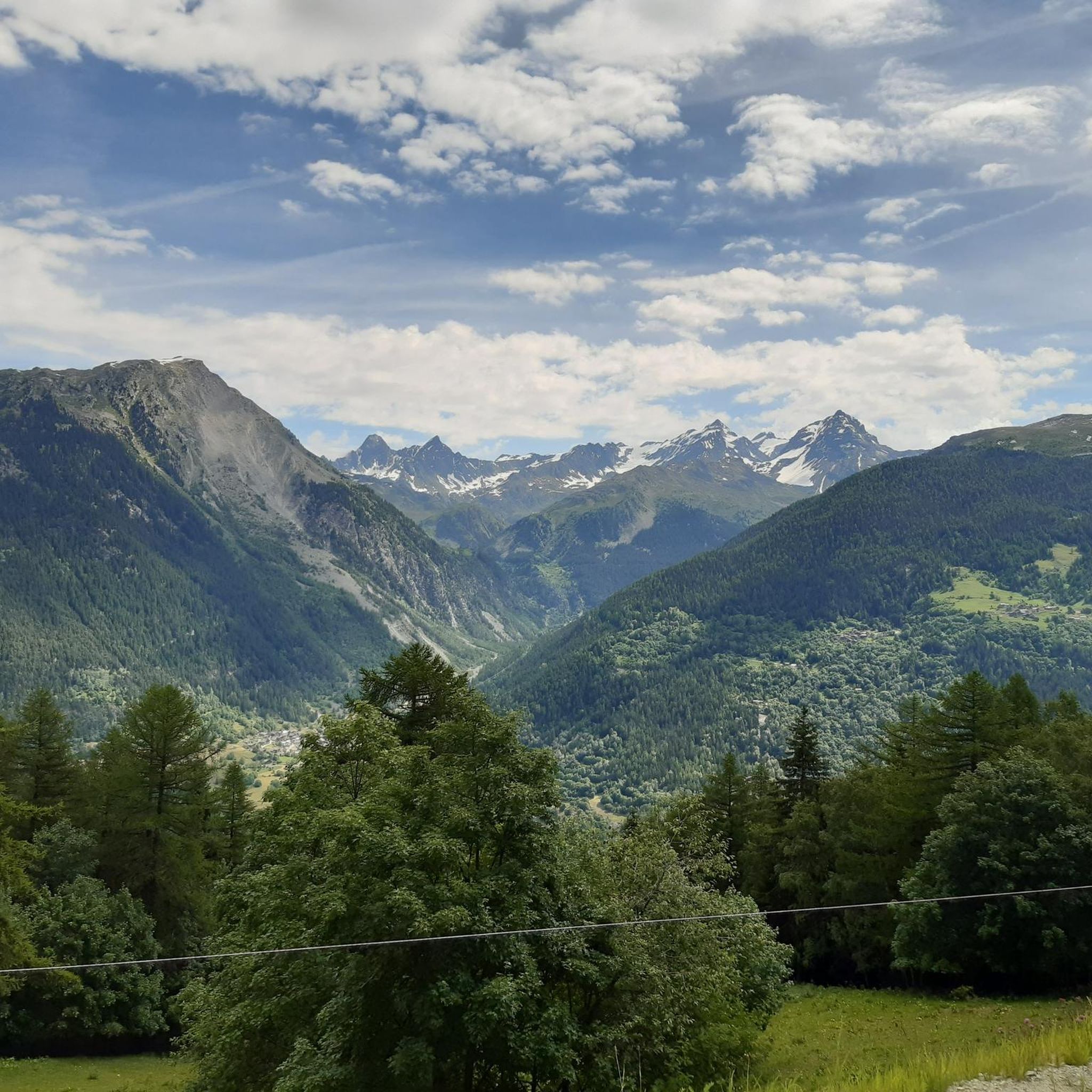
The hike to the Aiguille de la Grande Sassière (a 3,751 m high mountain in the Graian Alps) is easy. The west and east of this part of the Alps form the watershed between the Rhône (Isère) and Po (Dora Baltea) rivers, which also forms the border between France and Italy. Climbing to the summit also offers a unique opportunity to see a glacier and two glacial lakes. If you're in the area, don't miss this breathtakingly scenic hike in the Vanoise National Park!
0
0
Grattaleu Lake is located just below a hill, behind the refuge. Overlooked by the Aiguille des Aimes and the Pointe du Chardonnet, the lake invites you to take a break before turning around to return to Tignes. Grattaleu Lake is one of the 130 high-altitude lakes in the Vanoise massif. Frozen in ice for nearly six months a year, only a few invertebrates live there.
0
0

Our plan was to climb the summit with our bikes on our shoulders. As there was still a lot of snow and some light climbing was required, we parked our bikes along the way. I recommend the Aiguille de la Grande Sassière for hikers but not for bikers, as the descent is partly doable but not worthwhile.
3
0

From Les Brevieres, this mountain is a real challenge to your fitness, as you have to overcome over 2200 meters of altitude. You will be rewarded up there with a magnificent view of the great 4000-meter peaks in the Alps. My tip for this tour is to take crampons in your backpack; they were really needed on the last 200 meters as there was a lot of snow, which is possible at this altitude at any time of year.
2
0

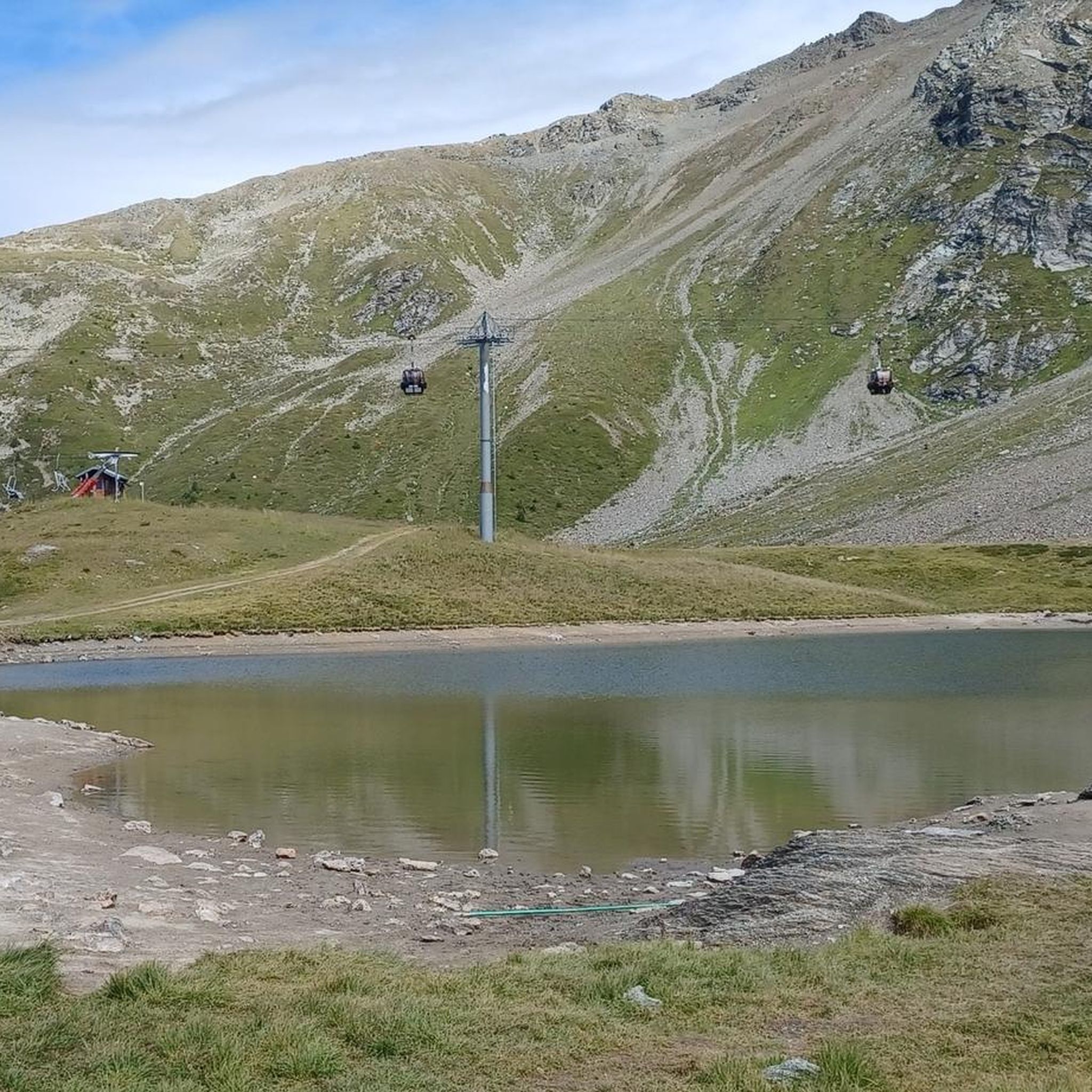
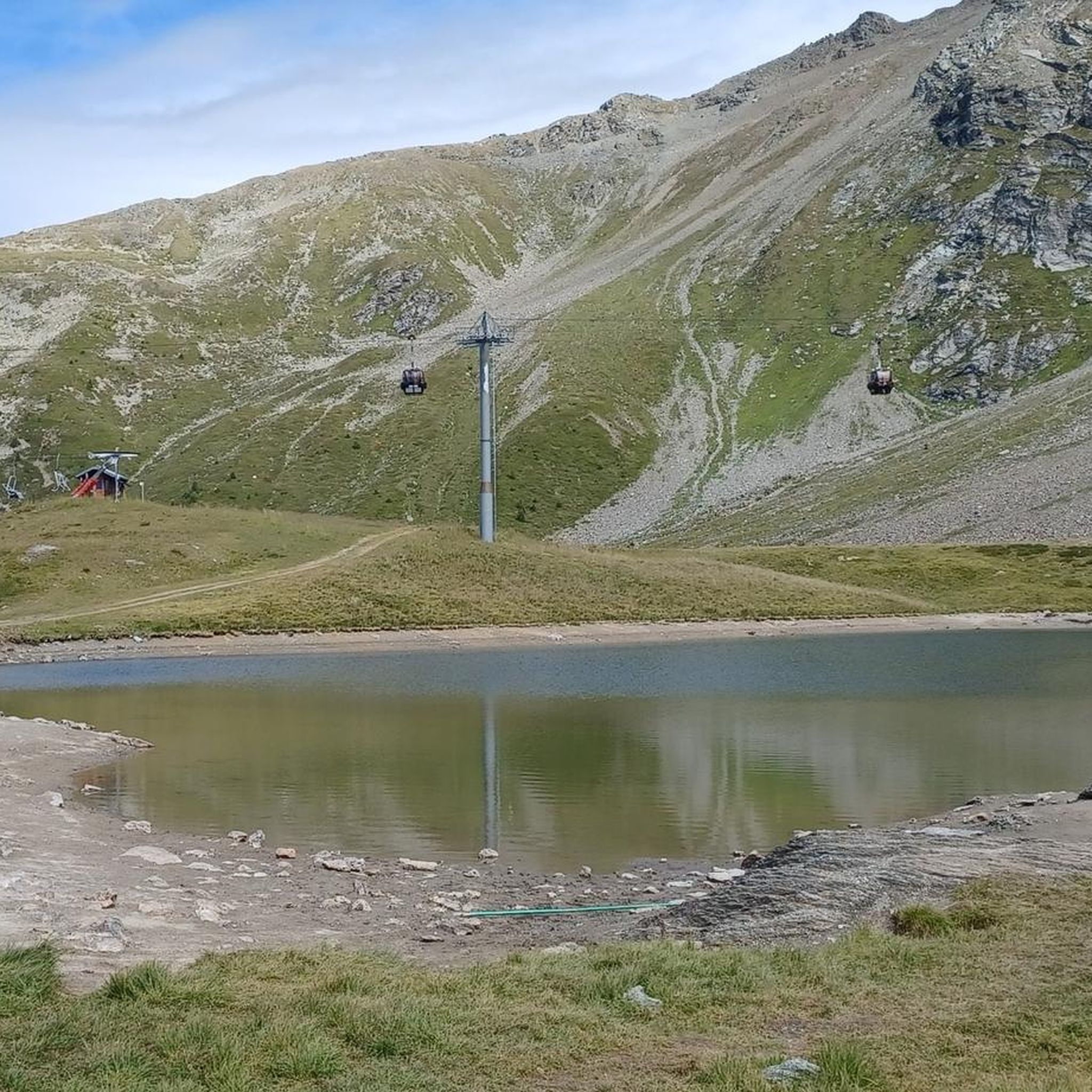
Lac créé par un petit barrage, accessible près du parking.
0
0

Lake Verney is the largest natural alpine lake in the Aosta Valley. Of glacial origin, it is located at 2,088 m above sea level, between the Bec des Rousses, the promontory of the Piccolo San Bernardo, and Mount Chaz Dura. The shores of the lake are colonized by hygrophilous vegetation that includes prized botanical varieties such as eriophilous grasses, sedges and rushes as well as sphagnum, a typical species of peat bogs. On the sides, the work of nature has left morainic deposits rich in springs, a perfect habitat for primroses and saxifrages. In a distant time, over 2,000 years ago, the Salassi people considered these waters sacred: they were used to bless the fields, unions and children, to propitiate a fruitful summer or a benevolent winter. When the Salassi leaders returned victorious from a battle, they offered the swords of their fallen adversaries to Graio, the god of war and rocks, as a sign of thanks. Today, Lake Verney is a favorite destination for many tourists as well as a fishing reserve. You can walk around its entire perimeter with a comfortable walk of about 45 minutes and by climbing further you can reach the Upper Lake Verney in about half an hour.
1
0
The word cromlech, which comes from the Celtic language (crom means circle and lech means stones), describes its essence exactly: 46 steles are aligned in a slightly elliptical circle with a diameter of 84x72 meters. Each stele is stuck in the ground at a distance of about 3-4 m from the others. This sacred place was created by the Celts in a period dating back to about 2700 years ago, when the “cult of stones” was practiced. In Tir Na Mor Art (Land of the Great Bear, the Aosta Valley of the Celtic era), Vestals and Druids were at home and studied celestial phenomena and practiced rituals here. The cromlech is oriented with the Summer Solstice: on the longest days of the year when the sun sets, the shadow of the two peaks behind the Sacred Circle is reflected on the ground and embraces its perimeter, leaving only the center of the circle to the sun. Wars and adverse weather conditions have led to the gradual degradation of this place. Consider that from 1856 to 2012 the Colle road cut the Cromlech exactly in the center and about ten steles were removed, a fact that for the ancient Salassi would have represented a horrible sacrilege!
1
0

Below the Col du Palet, Lake Garattaleu is a gem. At 2,517 meters above sea level, its verdigris colors reflect the greenery that proliferates between the great mountains of the Vanoise.
0
0
Frequently Asked Questions
What are the main natural monuments to explore in Villaroger?
Villaroger is home to the significant Réserve Naturelle Nationale des Hauts de Villaroger, which covers about 85% of the commune's territory. Additionally, its immediate proximity to the vast Vanoise National Park offers easy access to a wealth of alpine natural beauty. Within these areas, you can discover stunning glacial lakes and high-altitude summits.
Are there any notable lakes to visit near Villaroger?
Yes, several beautiful lakes are worth exploring. Lac du Verney is a large glacial lake located at approximately 2000 meters above sea level, offering a pleasant 45-minute walk around its perimeter. Another gem is View of Lake Garattaleu, situated at 2,517 meters, known for its striking verdigris colors reflecting the surrounding mountains. For families, Lake du Saut is an easy-to-access option where you can often spot marmots.
What kind of hiking opportunities are available around Villaroger's natural monuments?
The Réserve Naturelle Nationale des Hauts de Villaroger and the nearby Vanoise National Park offer extensive hiking paths with varying difficulty levels, suitable for both families and experienced hikers. You can find routes leading through high-alpine areas, forests, and to stunning viewpoints. For more detailed hiking routes, you can explore the hiking guide around Villaroger.
Can I find any historical natural monuments in the area?
Yes, you can visit the intriguing Celtic Cromlech. This ancient site features 46 steles arranged in an elliptical circle, dating back about 2700 years. It was a sacred place for the Celts, oriented with the Summer Solstice, and offers a unique glimpse into the region's ancient past.
What is the best time of year to visit the natural monuments around Villaroger?
The best time to visit for hiking and enjoying the alpine flora and fauna is generally during the warmer months, from late spring to early autumn. During this period, the hiking paths are more accessible, and the Maison de la Réserve at Planay in the Réserve Naturelle Nationale des Hauts de Villaroger hosts exhibitions. Winter offers opportunities for snow-based activities, but access to some high-altitude monuments may be limited.
Are there any high-altitude viewpoints or summits to reach?
Absolutely. The majestic Aiguille de la Grande Sassière, standing at 3,747 meters above sea level, offers a breathtaking 360° panorama of the French, Italian, and Swiss Northern Alps. While challenging, it's accessible without special equipment if you're in good physical shape and accustomed to altitude.
What kind of wildlife can I expect to see in the natural monuments?
The Réserve Naturelle Nationale des Hauts de Villaroger and Vanoise National Park are havens for alpine flora and fauna. You might spot diverse wildlife, including the notable Black Grouse. The areas are rich in biodiversity, making them excellent for wildlife observation and nature photography. For example, Lake du Saut is known for its marmot population.
Are there family-friendly natural monuments or trails?
Yes, the region offers options suitable for families. Lake du Saut is an easy hike near parking, perfect for families and known for marmot sightings. The Réserve Naturelle Nationale des Hauts de Villaroger also features pristine hiking paths with varying difficulty levels, including a discovery trail, making it suitable for different family activity levels.
What other outdoor activities can I do near Villaroger's natural monuments?
Beyond hiking, the area around Villaroger offers excellent opportunities for mountain biking and cycling. You can explore various trails that wind through the alpine landscapes. For specific routes and guides, check out the MTB Trails around Villaroger and Cycling around Villaroger guides.
What makes the Réserve Naturelle Nationale des Hauts de Villaroger special?
This national nature reserve is a core natural monument within Villaroger, covering approximately 85% of the commune. It features stunning alpine terrain, picturesque routes through high-alpine areas and forests, and amazing panoramas. It's a vital habitat for alpine flora and fauna, including the Black Grouse, with ongoing efforts for preservation like reforestation and wetland creation. It offers a peaceful environment for wildlife and visitors alike.
Is it possible to access the Vanoise National Park from Villaroger?
Yes, Villaroger sits on the outskirts of the Vanoise National Park, providing easy access to this vast and beautiful protected area. While not entirely within Villaroger, its immediate proximity makes it a key natural monument accessible from the village, offering countless opportunities for hiking and experiencing the raw beauty of the French Alps.
Most popular routes around Villaroger
Most popular attractions around Villaroger

Get inspired with the komoot mobile app


Explore more
Extend your search for the best caves by checking out these guides of the top ones around Villaroger:
