Top 4 Natural Monuments around Ramasse
Best natural monuments around Ramasse are found within the Ain department of eastern France. Ramasse is a commune characterized by its rural landscape, offering local natural beauty such as forests and unique geological features. The region provides opportunities to explore natural sites that highlight the area's history and natural formations. These natural monuments offer insights into the local environment and past.
Best natural monuments around Ramasse
- The most popular natural monument is Dinosaur Footprints of Villette, a natural monument…
Last updated: July 2, 2026
Dinosaur Footprints of Villette
Highlight • Natural Monument
Showing Translation
Tip by

Ondulated Rock Formation
Highlight • Natural Monument
Translated by Google •
Tip by

Sign up now to discover places like this
Get recommendations on the best single tracks, peaks, & plenty of other exciting outdoor places.
Sign up for free
Sully Lime Tree
Highlight • Natural Monument
We find others in Bugey like in Innimond
Translated by Google •
Tip by

Abri du Roseau
Highlight • Cave
Various finds were discovered by archaeologists, including a perforated deer canine …
Translated by Google •
Tip by
Start today with a free account
Your next adventure awaits.
Login or Signup

Tips from the Community

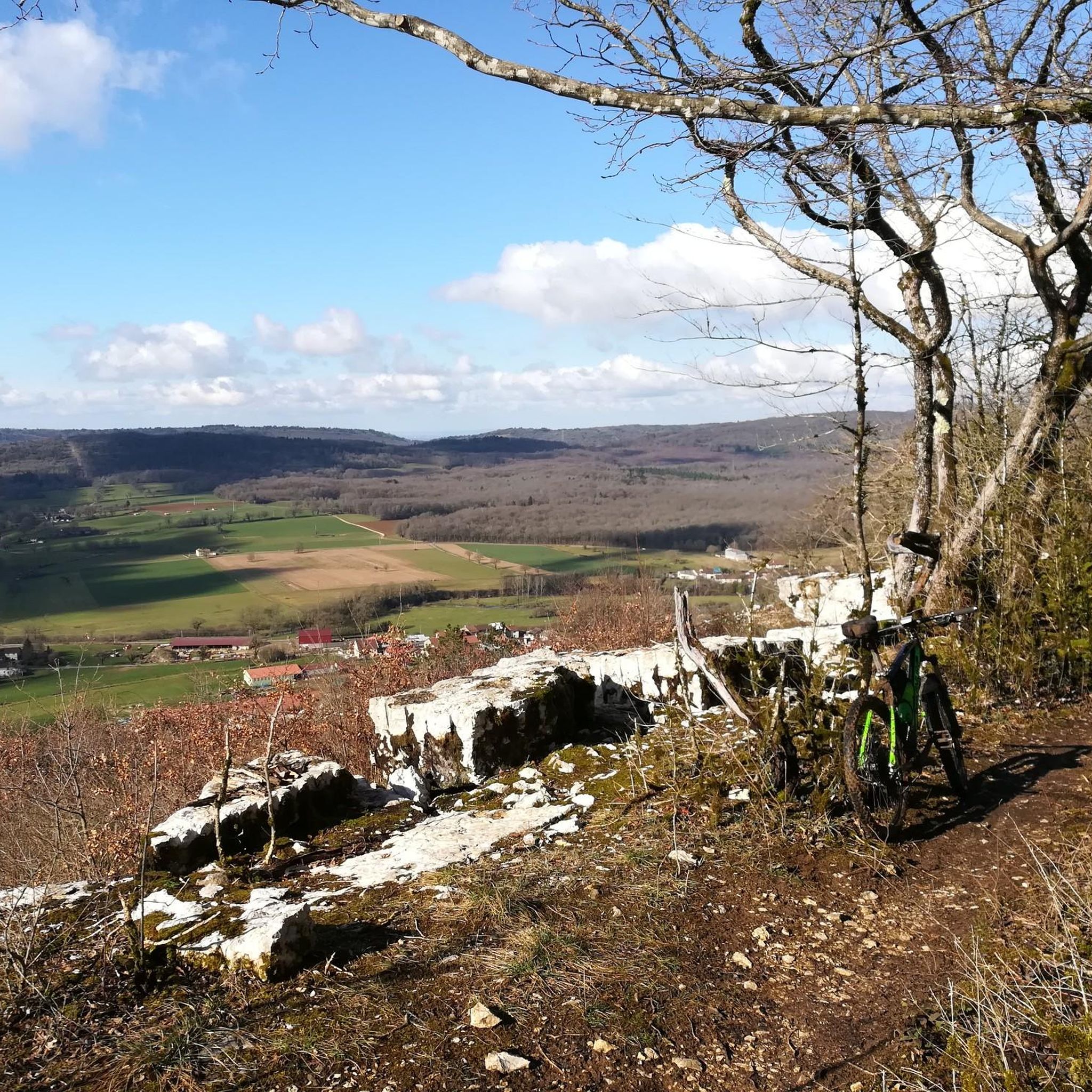
The "Reed Shelter" is a rock cavity inhabited by Paleolithic humans that was excavated during the summer of 1985. Various finds were discovered by archaeologists, including a perforated deer canine tooth, microliths (small carved stones), and a harpoon made from a fragment of deer antler. These objects are attributed to the Azilian period (around 8000 BC).
2
0
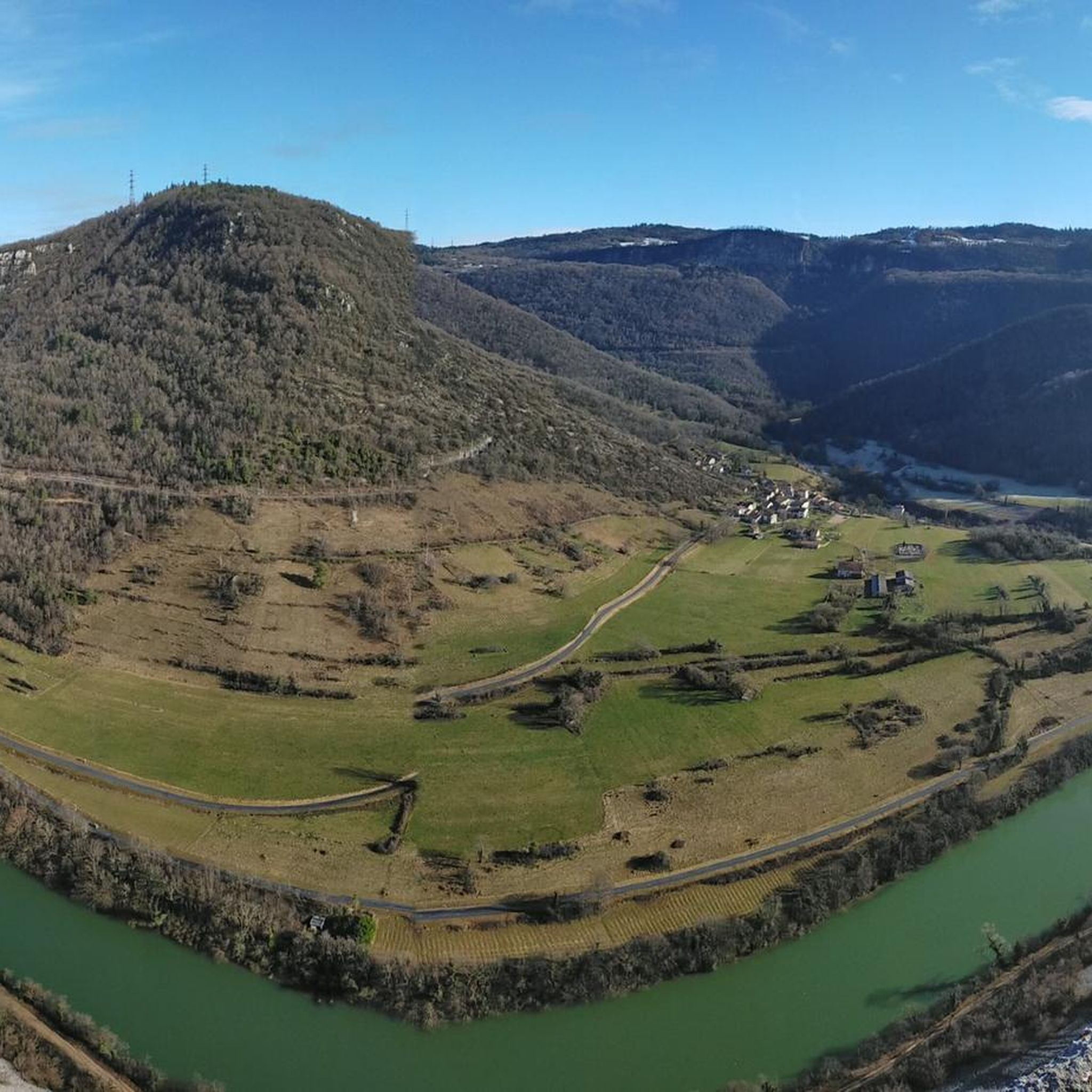
350 year old lime tree, they are called Sully because of their old age. We find others in Bugey like in Innimond
0
0

The dozens of footprints found at this site date back 150 million years. They correspond to traces of sauropods that lived in the Jurassic.
1
1

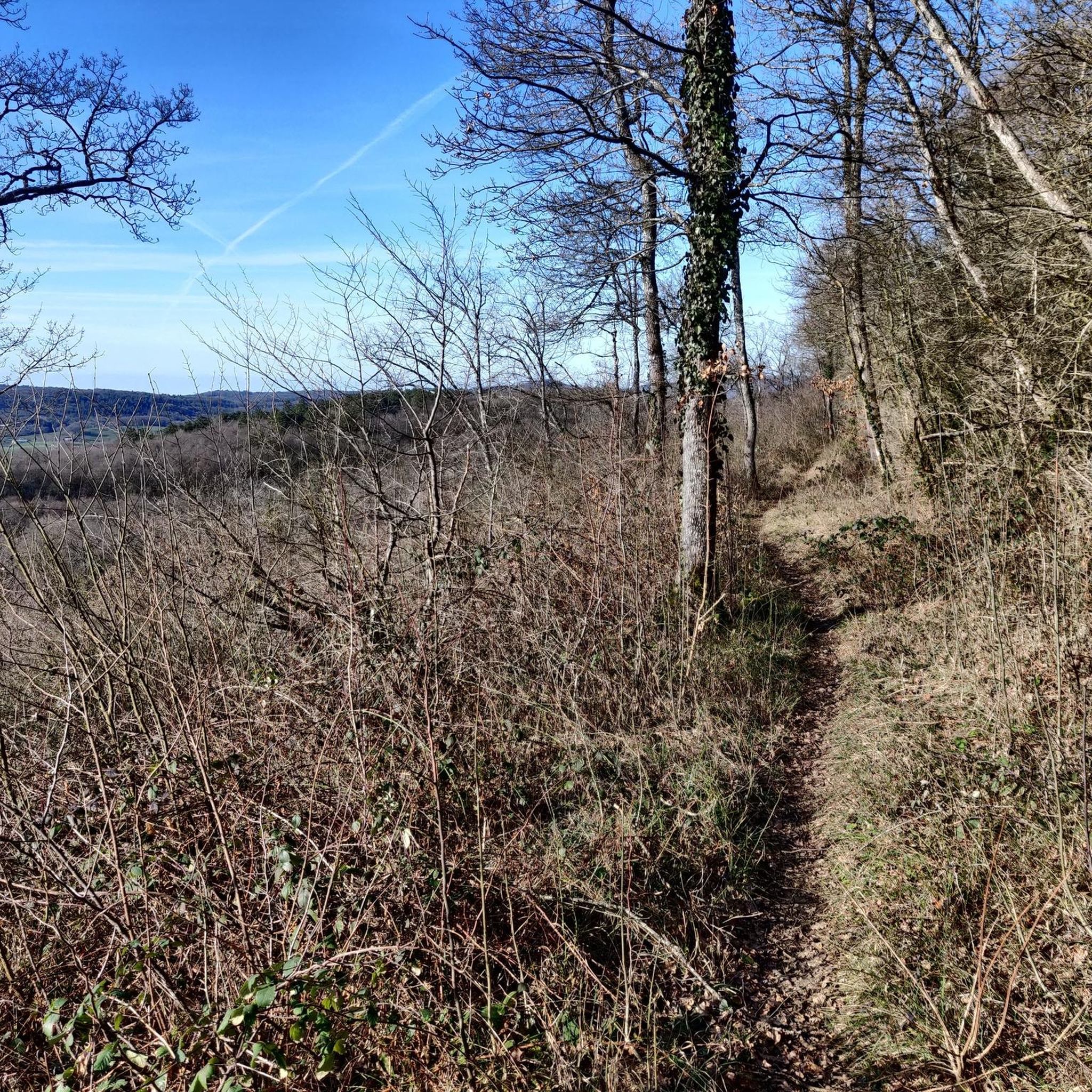
At this place, the surface of the rock is wavy, so much so that from afar it looks like a corrugated sheet.
0
0

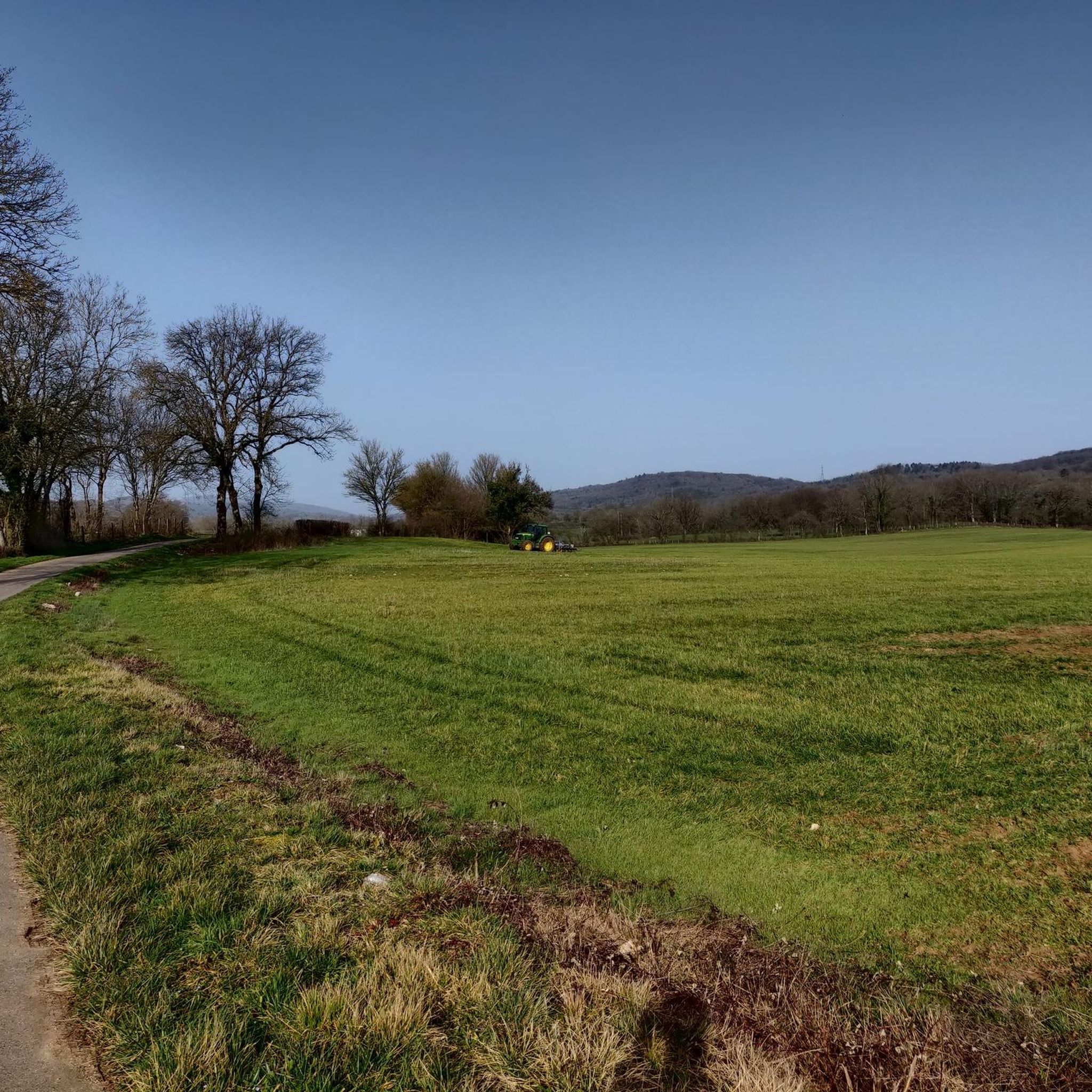
Villette dinosaur footprint paleontological site, was discovered in 2003, then identified as such in 2010. This site of scientific interest is unique and fragile. Certified Kimmeridgian dinosaur footprints, dating back 150 million years BC.
1
0
Frequently Asked Questions
What types of natural monuments can I explore around Ramasse?
Around Ramasse, you can discover a variety of natural monuments, including significant paleontological sites like the Dinosaur Footprints of Villette, unique geological formations such as the Ondulated Rock Formation, ancient trees like the Sully Lime Tree, and historical caves like Abri du Roseau.
Are there any historical natural monuments in the Ramasse area?
Yes, several natural monuments around Ramasse also hold historical significance. The Dinosaur Footprints of Villette is a paleontological site with traces from 150 million years ago. The Sully Lime Tree is a 350-year-old tree named for its age. Additionally, the Abri du Roseau is a rock cavity where Paleolithic human habitation and archaeological finds from around 8000 BC have been discovered.
Which natural monuments are suitable for families with children?
For families, the Dinosaur Footprints of Villette offers an engaging experience where children can see traces of Sauropod dinosaurs. The Sully Lime Tree is also a family-friendly spot, providing a chance to admire a truly ancient tree.
What unique geological features can be found near Ramasse?
The Ondulated Rock Formation is a notable geological feature near Ramasse. Its surface is distinctly wavy, giving it the appearance of a corrugated sheet from a distance. This site offers a unique insight into the region's geological processes.
What outdoor activities can I do near these natural monuments?
The area around Ramasse offers various outdoor activities. You can find numerous running trails, including routes like the 'Forêt communale de Ceyzeriat – Col de la Pérouse loop from Ceyzériat'. There are also gravel biking opportunities, such as the 'Lavoir de la Platte – Col de France loop from Meillonnas', and mountain biking trails like the 'Cheval dans la Campagne – Ceyzeriat les vignes loop from Ceyzériat'. You can explore more options on the respective guide pages for Running Trails, Gravel Biking, and MTB Trails around Ramasse.
Are there hiking trails near the natural monuments?
Yes, there are several trails suitable for hiking and running near the natural monuments. For instance, you can find trails like the 'Notre Dame des Conches – Ruins of Jasseron Castle loop from Ramasse' which offers a challenging experience. For more options, refer to the Running Trails around Ramasse guide, which includes routes of varying difficulties.
What makes the Dinosaur Footprints of Villette special?
The Dinosaur Footprints of Villette is a unique paleontological site where dozens of Sauropod dinosaur footprints, dating back 150 million years to the Jurassic period, were discovered. Identified in 2010, this site is of significant scientific interest and offers a rare glimpse into ancient life.
Can I find ancient trees in the Ramasse region?
Yes, the region is home to ancient trees, most notably the Sully Lime Tree. This impressive lime tree is approximately 350 years old and is recognized for its significant age, earning it the 'Sully' designation, which is given to ancient trees in the area.
What is the Abri du Roseau and its historical significance?
The Abri du Roseau, or 'Reed Shelter', is a rock cavity that was inhabited by Paleolithic humans. Excavations in 1985 uncovered various archaeological finds, including a perforated deer canine tooth, microliths, and a harpoon made from deer antler, all attributed to the Azilian period, around 8000 BC. It provides valuable insights into prehistoric human life in the region.
What do visitors enjoy most about the natural monuments around Ramasse?
Visitors appreciate the diverse natural beauty and historical depth of the monuments. The Dinosaur Footprints of Villette is popular for its scientific interest, while the Ondulated Rock Formation draws attention for its unique geology. The ancient Sully Lime Tree and the historical Abri du Roseau are also highly regarded for their natural and cultural significance.
Are there any loop walks available near the natural monuments?
Yes, there are several loop walks in the vicinity of Ramasse. For example, the 'Col de la Pérouse loop from Ceyzériat' is a moderate running route. You can find more detailed information and various loop options by checking the Running Trails around Ramasse guide.
Most popular routes around Ramasse
Most popular attractions around Ramasse

Get inspired with the komoot mobile app


Explore more
Extend your search for the best caves by checking out these guides of the top ones around Ramasse:
