Top 6 Natural Monuments around Faugères
Best natural monuments around Faugères are characterized by a unique natural landscape and geological features. The region, located in the Hérault department of France, is renowned for its entirely homogeneous schist soils, which shape its distinctive winemaking heritage. Visitors can explore rugged, south-facing slopes and hills, offering a blend of scenic beauty and scientific interest. This area provides diverse natural landmarks, from geological curiosities to panoramic viewpoints.
Best natural monuments around Faugères
- The most popular natural monuments is Olivettes Dam…
Last updated: May 6, 2026
Olivettes Dam
Highlight • Monument
Translated by Google •
Tip by

Lac de Vailhan
Highlight • Lake
Translated by Google •
Tip by

Sign up now to discover places like this
Get recommendations on the best single tracks, peaks, & plenty of other exciting outdoor places.
Sign up for free
Coquillade Peak
Highlight • Summit
Translated by Google •
Tip by

Mont Peyroux summit
Highlight • Summit
Translated by Google •
Tip by

A magnificent view after a steep climb
Highlight • Viewpoint
Translated by Google •
Tip by

Sign up for free to discover even more natural monuments around Faugères.
Sign up for free
Already have an account?
Start today with a free account
Your next adventure awaits.
Login or Signup

Tips from the Community

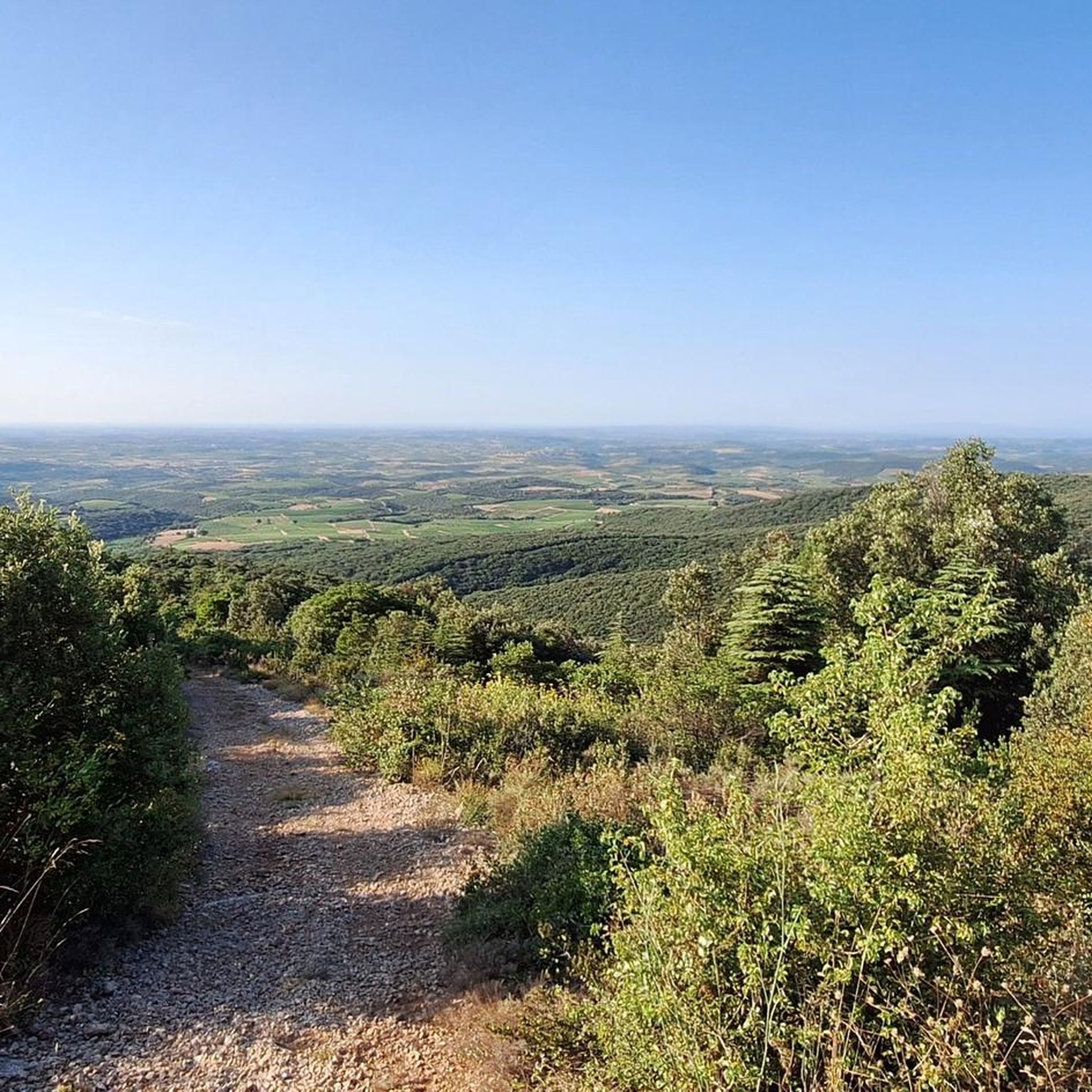
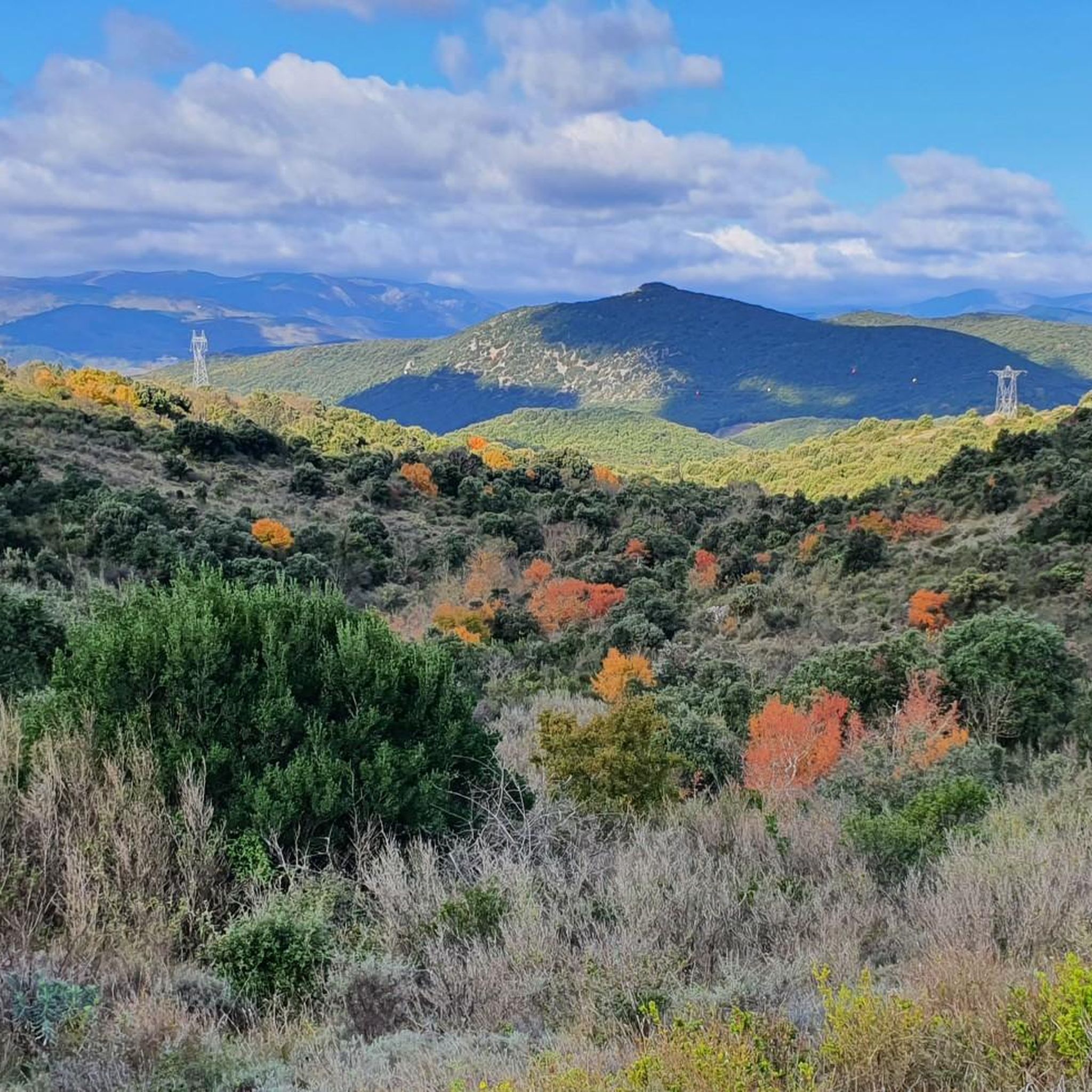
A pleasant gravel route to reach its summit (690m). Clear view of the Orb valley and the Caroux-Espinouse massif.
1
0

This steep climb on track offers magnificent views of the surrounding area. Turn around and breathe!
0
0

The Pic de la Coquillade, which culminates at 690 m, offers a magnificent view of the Orb valley and the Caroux-Espinouse massif.
0
0

Superb place with a splendid landscape. The road is not in very good condition but is however not dangerous. And it's worth taking it.
1
0

the road to the reservoir is super paved and then you have an ascent without traffic over partly bad asphalt but with an idyllic landscape
1
0

Great view, in good weather to the Mediterranean Sea. When the weather is good, you can see the Pyrenees 120 km away.
1
0

This reservoir was built in the late 1980s to control and regulate the fluctuating masses of the Herault River.
2
0

Quiet and relaxing place. Not possible to swim in the lake, but downstream of the dam there is a small pond with unsupervised swimming and picnic / barbecue tables.
0
0
Frequently Asked Questions
What unique geological features define the Faugères region?
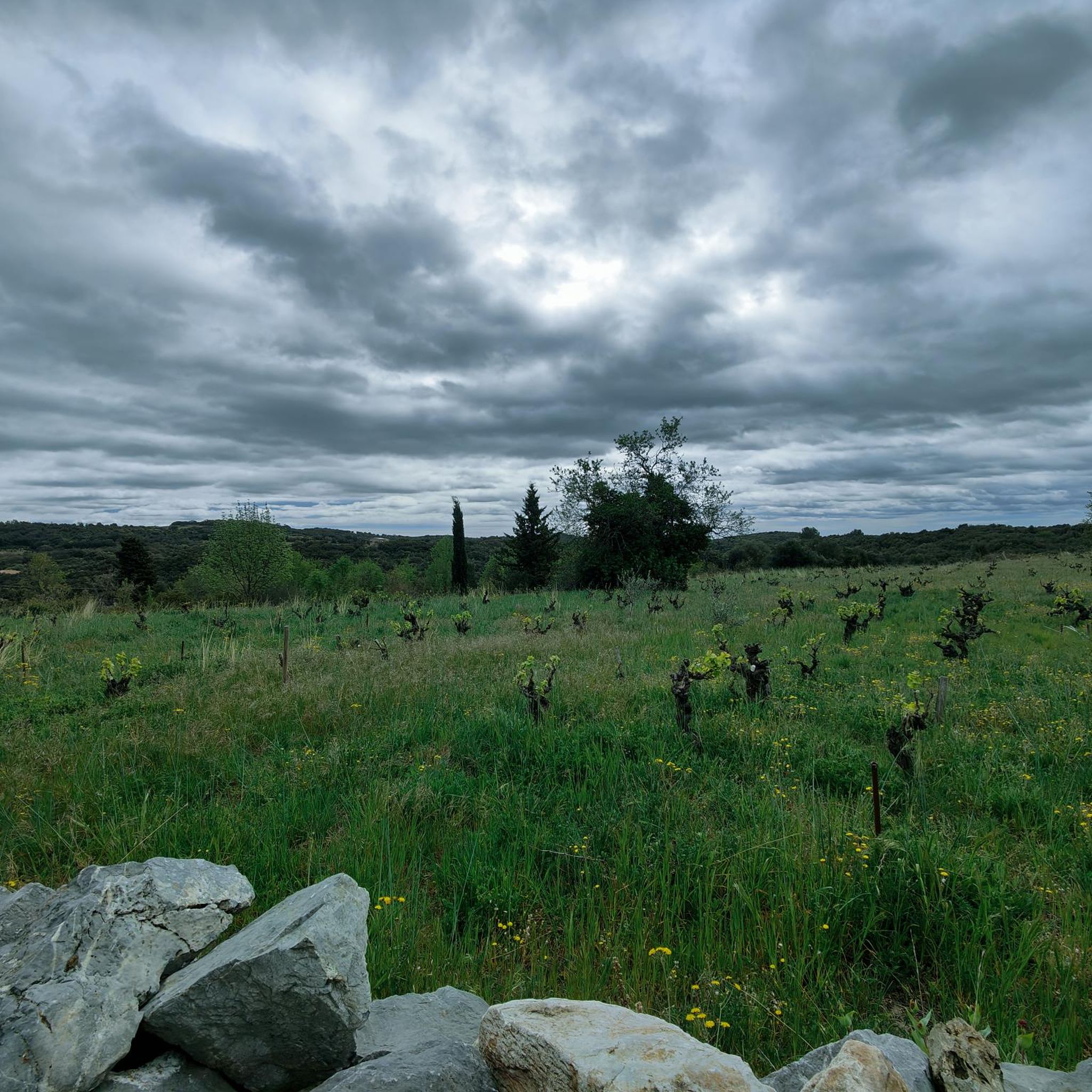
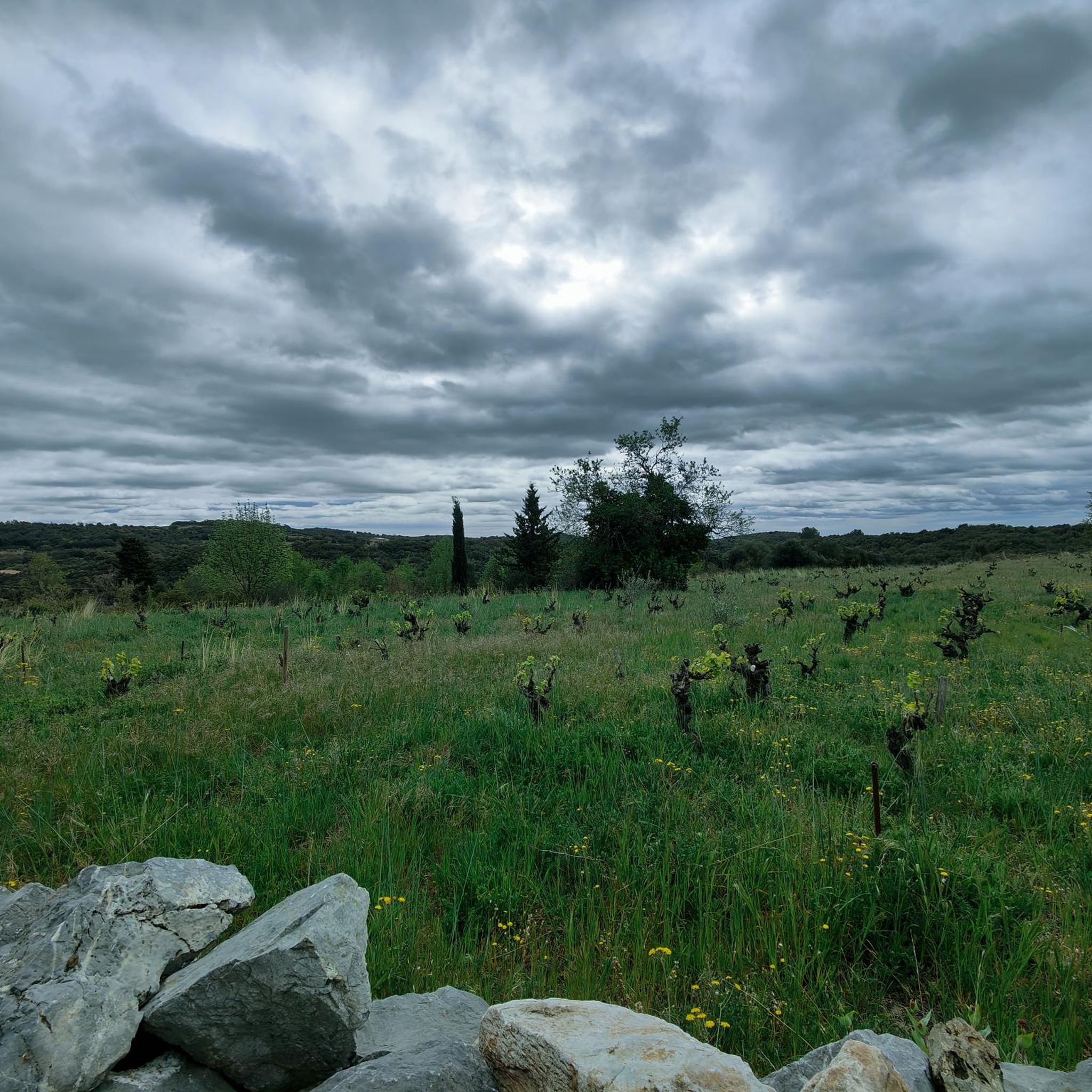
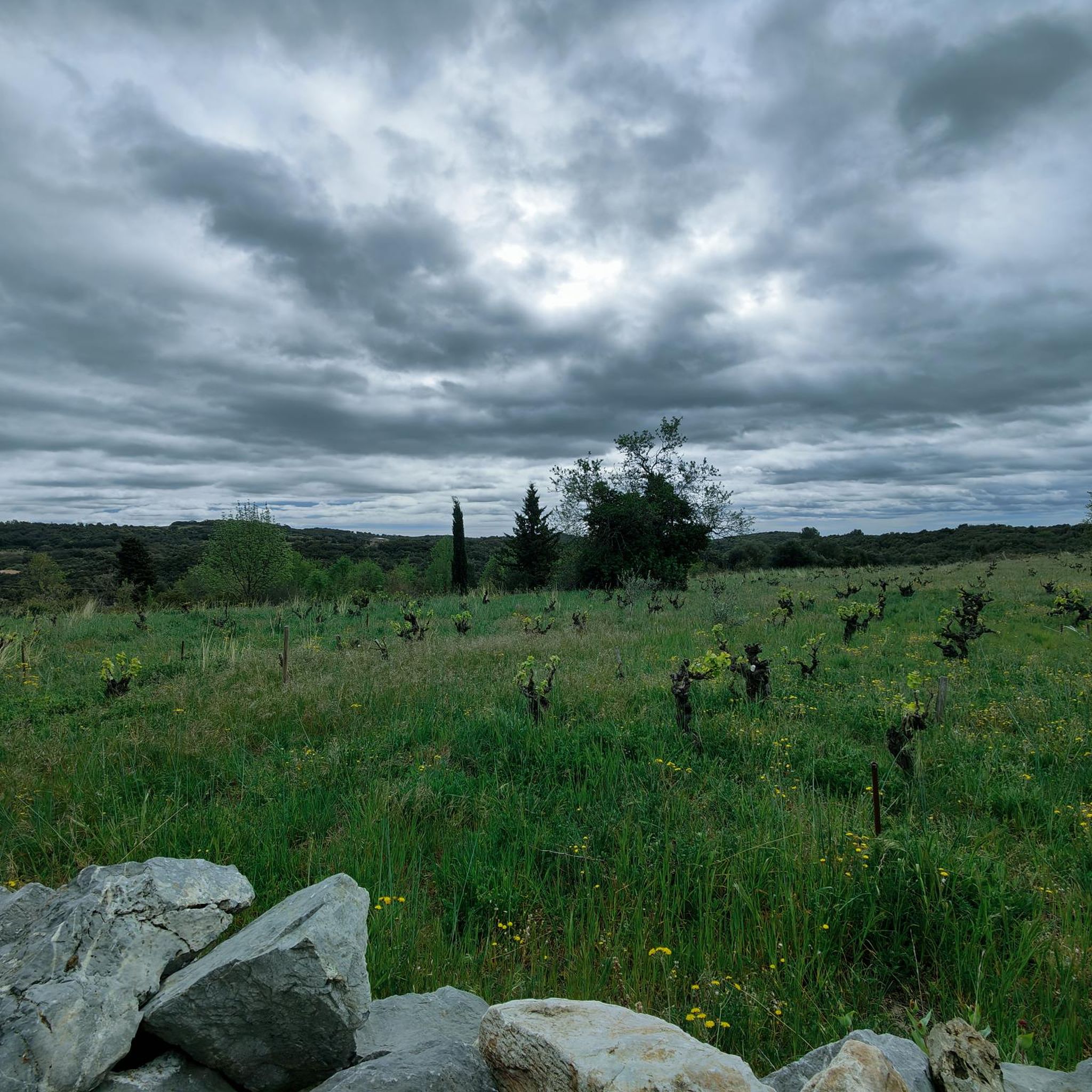
The Faugères region is renowned for its entirely homogeneous schist soils. This metamorphic rock, formed during the Paleozoic Era, is deep, free-draining, and capable of retaining significant water and heat. This unique terroir shapes the distinctive winemaking heritage and the picturesque, rugged landscape of south-facing slopes and hills, often referred to as the "Nature shale appellation."
Are there any unusual natural phenomena to explore in Faugères?
Yes, the region is home to the Trou de Météore (Meteor Crater) in Cabrerolles. This confirmed meteoritic impact crater, approximately 220 meters in diameter, is a rare geological curiosity. Its slopes are now wooded, and the crater floor is covered by Syrah vines, making it a unique blend of cosmic history and viticulture.
Where can I find the best panoramic views of the Faugères landscape?
For breathtaking panoramic views, consider visiting Coquillade Peak, which offers a clear view of the Orb valley and the Caroux-Espinouse massif. Another excellent spot is Mont Peyroux summit, where on clear days you can see the Mediterranean Sea and even the Pyrenees. The historic Three Mills of Faugères, perched at 417 meters, also provide commanding views over the village, plains of Béziers, and the Mediterranean.
What kind of natural monuments can I visit in Faugères?
Faugères offers a diverse range of natural monuments, including geological formations like the schist terroir and the Meteor Crater, as well as scenic viewpoints and bodies of water. You can explore summits such as Coquillade Peak and Mont Peyroux summit, or visit serene lakes like Lac de Vailhan.
Are there family-friendly natural monuments in Faugères?
Yes, Olivettes Dam is considered a family-friendly natural monument. While swimming in the main reservoir is not permitted, there is a small pond downstream of the dam with unsupervised swimming and picnic/barbecue tables, making it a quiet and relaxing place for families.
What outdoor activities can I do near the natural monuments in Faugères?
The Faugères region is excellent for various outdoor activities. You can find numerous hiking trails that explore the vineyards, schist hillsides, and viewpoints like the Three Mills. There are also running routes and challenging road cycling routes that take you through the scenic landscapes.
Are there specific hiking trails that explore Faugères' natural heritage?
Absolutely. Many hiking trails in Faugères are designed to showcase its natural heritage. You can hike through the vineyards to experience the unique schist terroir and Mediterranean flora. Trails around the historic Three Mills of Faugères also integrate these natural landmarks, offering routes that explore local dry-stone structures (capitelles) and provide stunning views. For specific routes, check out the hiking guide for Faugères.
What do visitors enjoy the most about Faugères' natural monuments?
Visitors frequently praise the magnificent views from summits like Coquillade Peak and Mont Peyroux summit, often mentioning the clear visibility to the Mediterranean Sea and even the Pyrenees. The serene and idyllic landscape of places like Lac de Vailhan and the quiet atmosphere of Olivettes Dam are also highly appreciated.
Can I swim or picnic near any natural monuments?
While swimming is generally not permitted in the main reservoirs, Olivettes Dam offers a small pond downstream where unsupervised swimming is allowed. This area also provides picnic and barbecue tables, making it an ideal spot for a relaxing day outdoors.
What is the best time to visit Faugères for exploring its natural monuments?
The best time to visit Faugères for exploring its natural monuments is typically during the spring (April to June) and early autumn (September to October). During these periods, the weather is pleasant for hiking and outdoor activities, and the landscapes are particularly beautiful, with blooming flora in spring and vibrant colors during the harvest season.
Are there any natural monuments that are also historical sites?
The Three Mills of Faugères, while man-made, are considered a significant natural landmark due to their strategic location on a prominent natural eminence. Dating back to the 16th century, these historic windmills offer a unique blend of cultural heritage and natural beauty, providing panoramic views and serving as a starting point for hiking trails.
What is the significance of the schist terroir in Faugères?
The schist terroir is the defining natural characteristic of Faugères, profoundly influencing its renowned winemaking. These unique soils retain water and store heat, releasing it at night, which is crucial for grape ripening. This geological feature not only shapes the region's distinctive wines but also creates its picturesque, rugged landscape, making it a key element of Faugères' natural heritage.
Most popular routes around Faugères
Most popular attractions around Faugères

Get inspired with the komoot mobile app


Explore more
Extend your search for the best caves by checking out these guides of the top ones around Faugères:
