Top 6 Natural Monuments around Magalas
Best natural monuments around Magalas include a diverse array of geological features and natural landscapes. Located in the Hérault department of southern France, the area provides access to various natural sites. Visitors can explore dramatic rock formations, expansive wetlands, and rugged mountains. The region offers a range of natural monuments for outdoor exploration.
Best natural monuments around Magalas
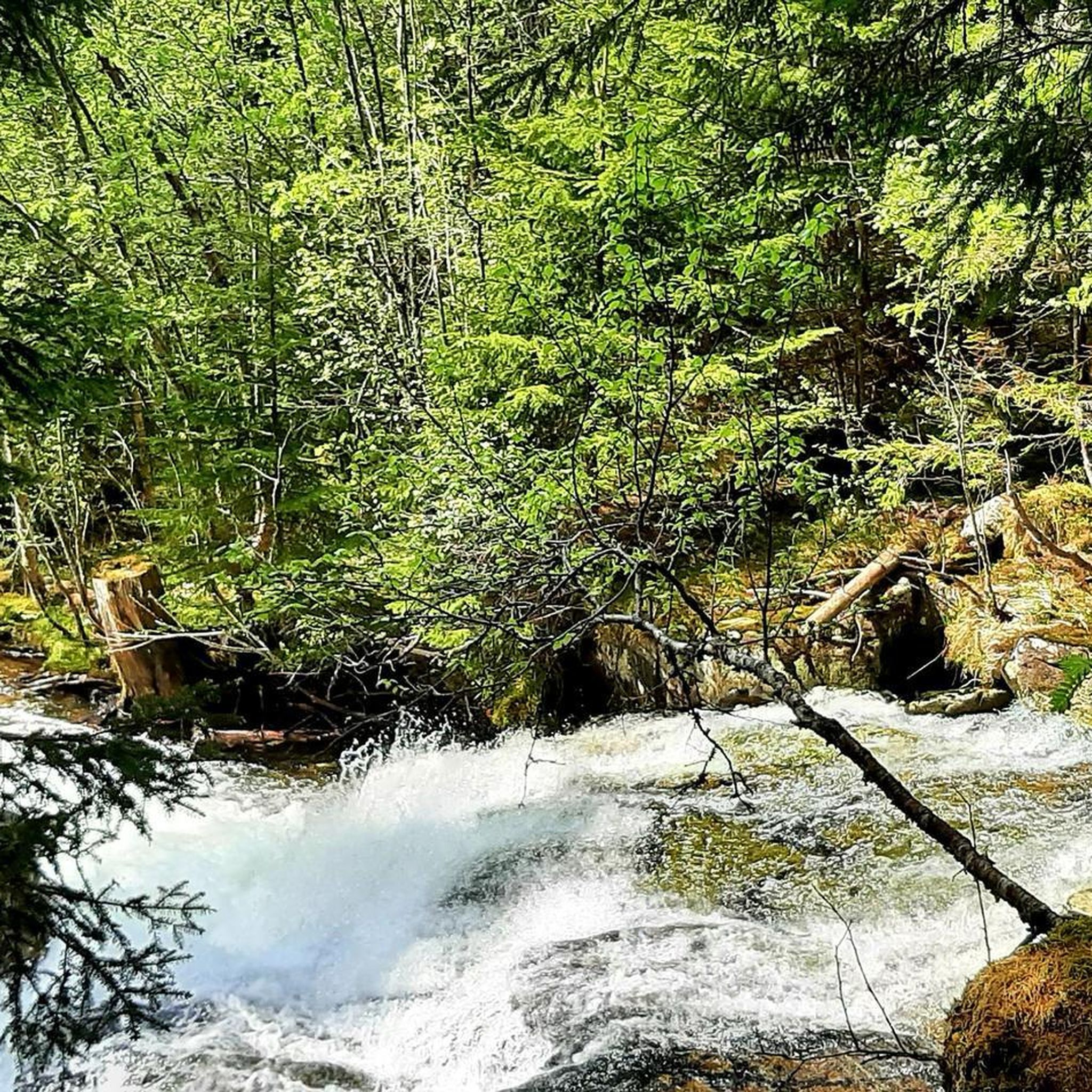
- The most popular natural monuments is Olivettes Dam, a reservoir built to regulate the Herault River. It offers a quiet place…
Last updated: July 3, 2026
Olivettes Dam
Highlight • Monument
Translated by Google •
Tip by

Lac de Vailhan
Highlight • Lake
Translated by Google •
Tip by

Sign up now to discover places like this
Get recommendations on the best single tracks, peaks, & plenty of other exciting outdoor places.
Sign up for free
Coquillade Peak
Highlight • Summit
Translated by Google •
Tip by

Mont Peyroux summit
Highlight • Summit
Translated by Google •
Tip by

A magnificent view after a steep climb
Highlight • Viewpoint
Translated by Google •
Tip by

Sign up for free to discover even more natural monuments around Magalas.
Sign up for free
Already have an account?
Start today with a free account
Your next adventure awaits.
Login or Signup

Tips from the Community

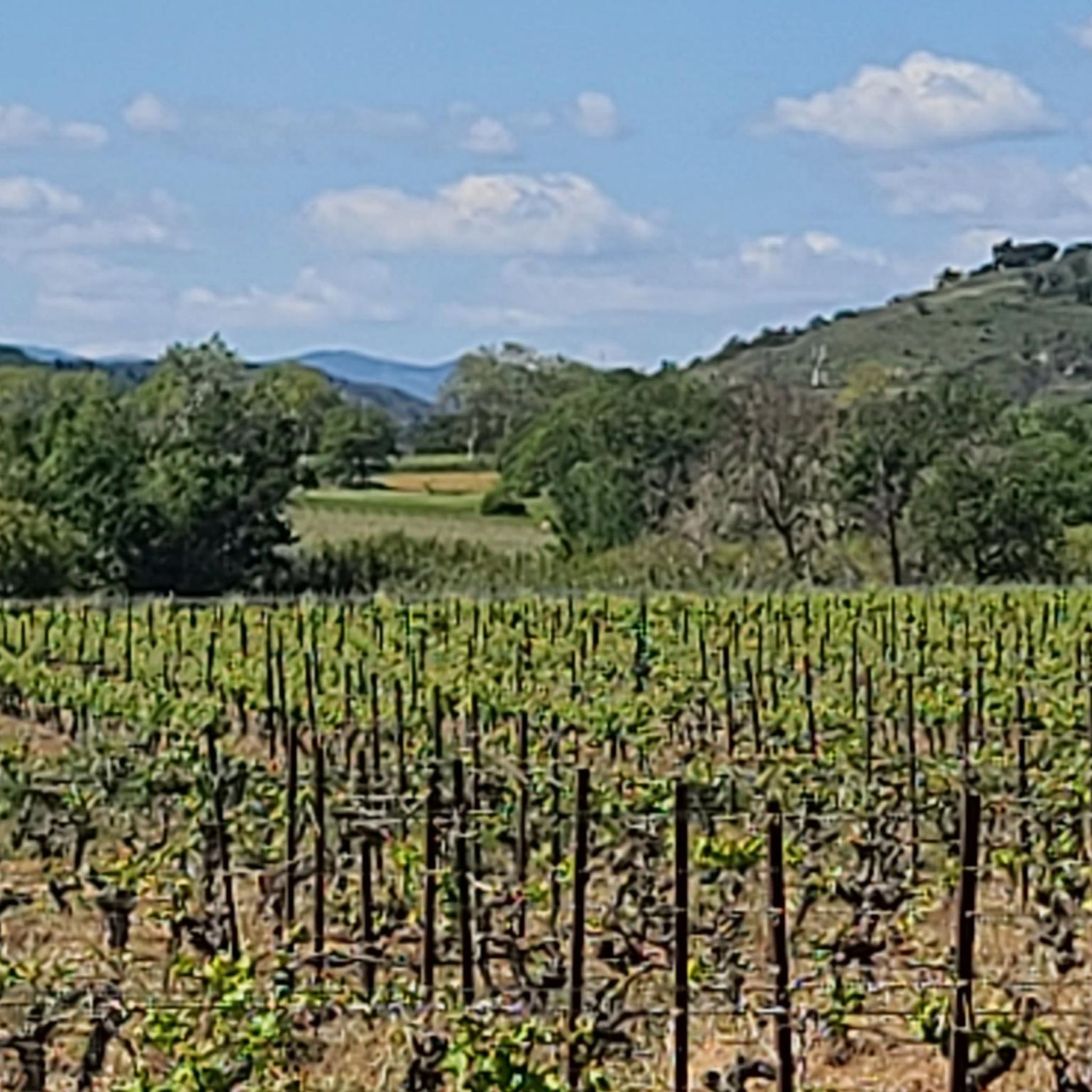
A pleasant gravel route to reach its summit (690m). Clear view of the Orb valley and the Caroux-Espinouse massif.
1
0

This steep climb on track offers magnificent views of the surrounding area. Turn around and breathe!
0
0

The Pic de la Coquillade, which culminates at 690 m, offers a magnificent view of the Orb valley and the Caroux-Espinouse massif.
0
0

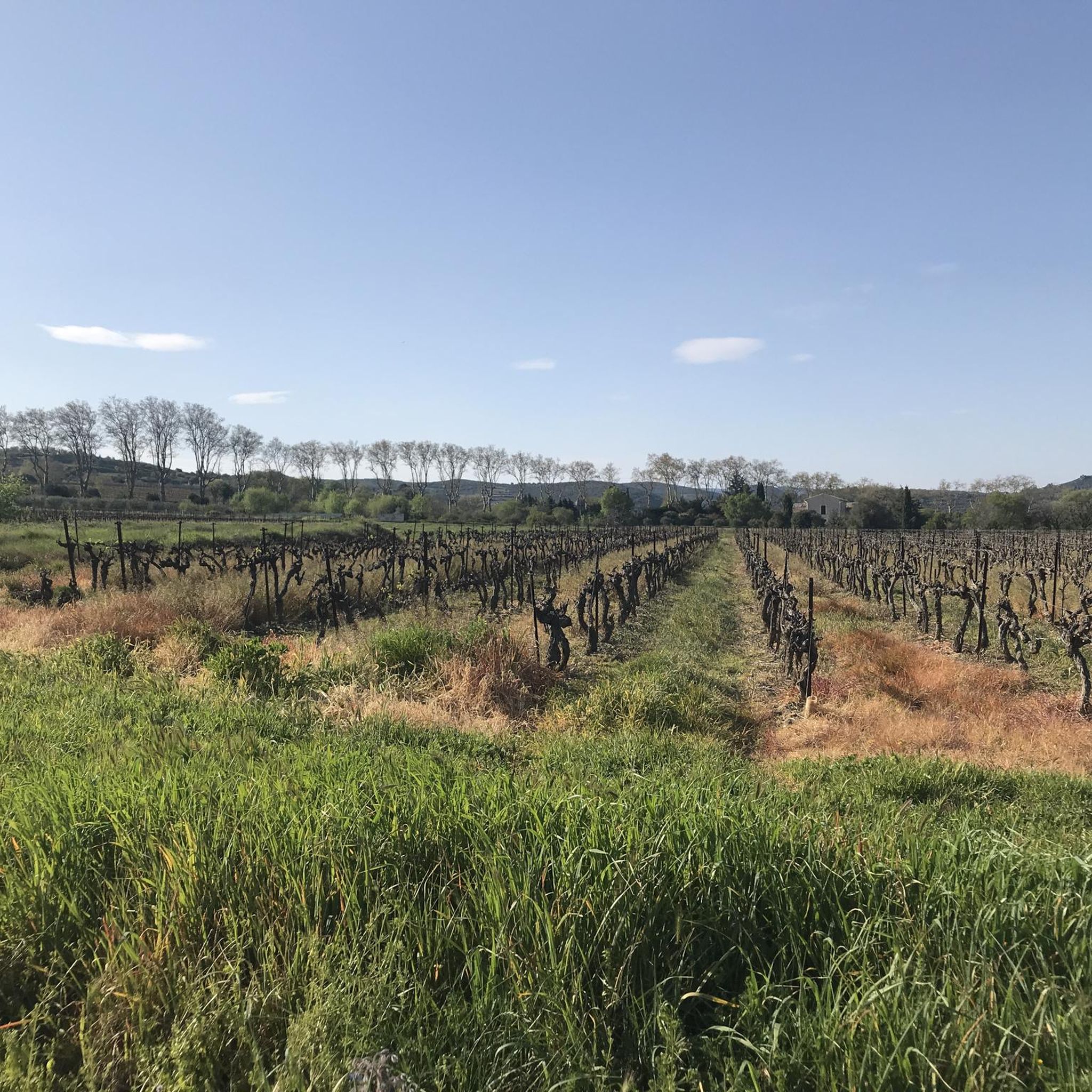
Superb place with a splendid landscape. The road is not in very good condition but is however not dangerous. And it's worth taking it.
1
0

the road to the reservoir is super paved and then you have an ascent without traffic over partly bad asphalt but with an idyllic landscape
1
0

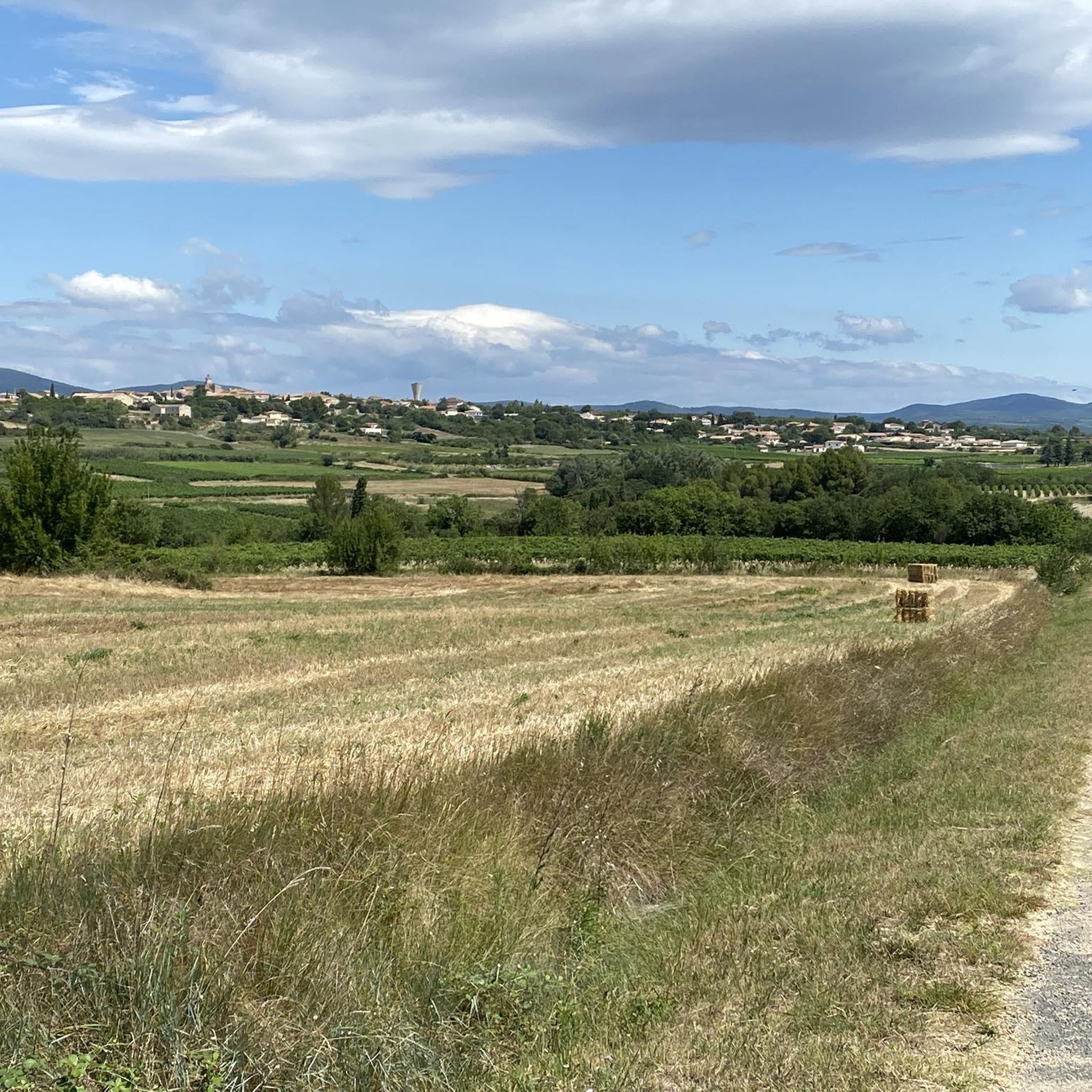
Great view, in good weather to the Mediterranean Sea. When the weather is good, you can see the Pyrenees 120 km away.
1
0

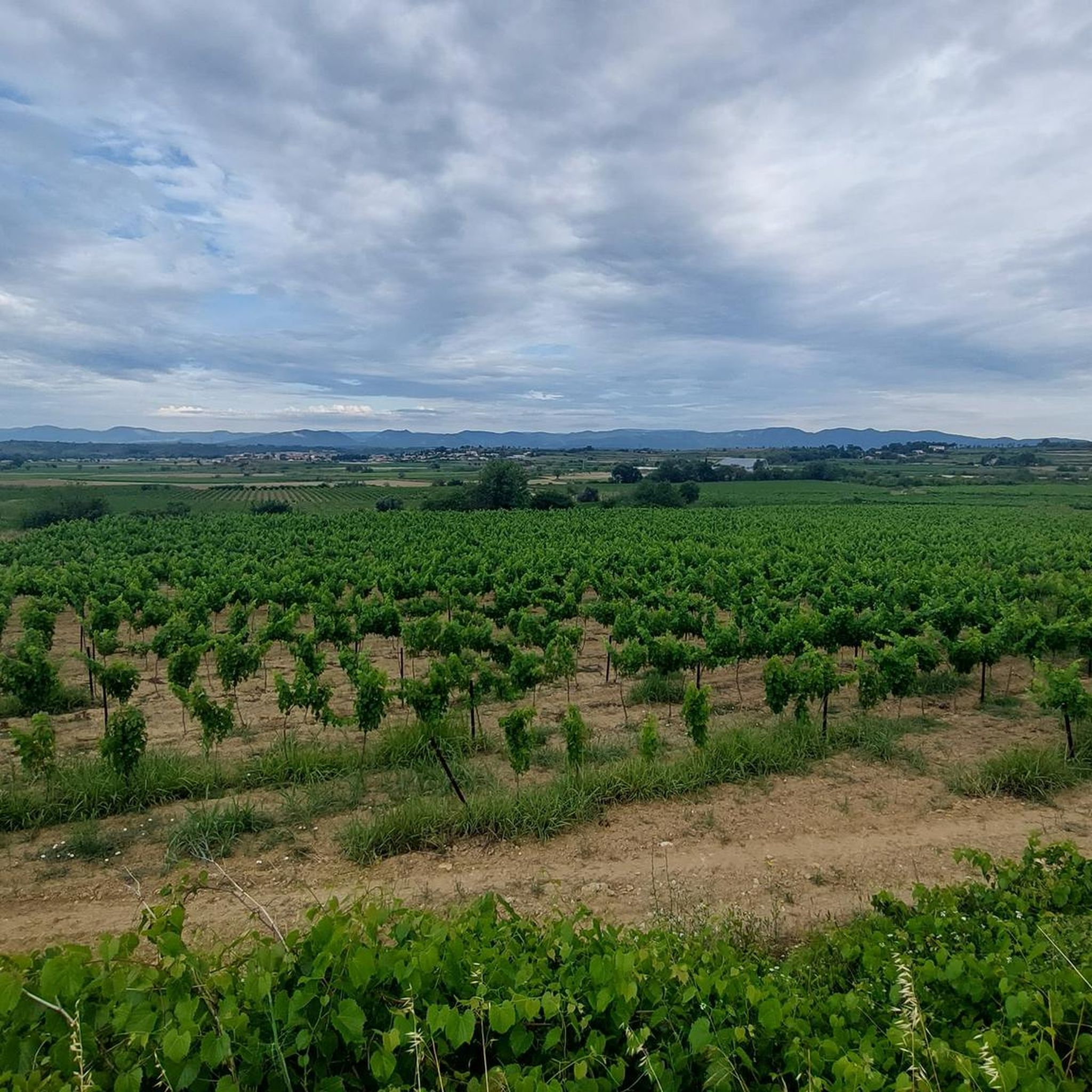
This reservoir was built in the late 1980s to control and regulate the fluctuating masses of the Herault River.
2
0

Quiet and relaxing place. Not possible to swim in the lake, but downstream of the dam there is a small pond with unsupervised swimming and picnic / barbecue tables.
0
0
Frequently Asked Questions
What unique geological features can I explore near Magalas?
The region around Magalas offers several remarkable geological sites. The Cirque de Mourèze, about 20 kilometers northeast, features spectacular dolomite rock columns sculpted by erosion, creating a natural labyrinth. Another unique spot is the Gouffre de l'Œil Doux, a chasm with an emerald-green lake surrounded by towering white limestone cliffs. For an underground adventure, the Grotte de Clamouse, one of France's most beautiful caves, showcases extensive underground networks with rare eccentric aragonite crystals and diverse formations.
Are there any natural monuments suitable for families with children?
Yes, several natural monuments near Magalas are family-friendly. The Cirque de Mourèze offers marked hiking trails of varying lengths and a small museum, making it engaging for different ages. The Olivettes Dam provides a quiet place with a small pond downstream for unsupervised swimming and picnic areas, perfect for a relaxed family outing. The Grotte de Clamouse also offers guided tours and a 'Speleopark' with zip-lines and suspension bridges for adventurous families.
Where can I find panoramic viewpoints of the region's natural landscapes?
For breathtaking views, head to Coquillade Peak, which offers clear views of the Orb valley and the Caroux-Espinouse massif after a pleasant gravel route. The Mont Caroux, often called 'the mountain of light,' provides dramatic landscapes and spectacular views of gorges, valleys, and even distant glimpses of the Mediterranean Sea. Additionally, the Mont Peyroux summit offers great views, extending to the Mediterranean Sea and even the Pyrenees on clear days.
What water-based natural attractions are there near Magalas?
The region boasts several beautiful water-based natural attractions. The Étang de Thau, the largest saltwater lagoon in Occitanie, is ideal for water sports like kayaking, stand-up paddleboarding, and sailing. You can also visit Lac de Vailhan, known for its splendid landscape and idyllic setting. The Gouffre de l'Œil Doux features a stunning emerald-green lake, though swimming is prohibited. For birdwatching, the Étang du Bagnas (Bagnas Nature Reserve) is a significant coastal wetland.
What outdoor activities can I do near these natural monuments?
The natural monuments around Magalas are excellent for various outdoor activities. The Haut-Languedoc Regional Nature Park, which encompasses many of these sites, offers extensive opportunities for hiking, cycling, horseback riding, rock climbing, and water sports. You can find numerous hiking routes around Magalas, including trails near the Cirque de Mourèze and Mont Caroux. For cyclists, there are road cycling routes and MTB trails that allow you to explore the diverse landscapes.
What is the best time of year to visit the natural monuments around Magalas?
The best time to visit the natural monuments around Magalas is generally in spring or autumn. During these seasons, temperatures are milder and more pleasant for outdoor activities like hiking and exploring. Summer can be very hot, especially in exposed areas like the Cirque de Mourèze, though the flowering heather on Mont Caroux in summer offers a unique experience. Winter can also be beautiful, but some activities might be limited by weather conditions.
Are there any natural reserves or protected areas nearby for wildlife observation?
Yes, the region is rich in protected natural areas. The Étang du Bagnas (Bagnas Nature Reserve) is a significant coastal wetland and a national nature reserve, critical for over 240 species of birds, including flamingos and egrets. The vast Haut-Languedoc Regional Nature Park also protects a diverse array of wildlife, such as eagles, mouflons, otters, and various plant species, offering excellent opportunities for nature observation.
Can I find dog-friendly trails or natural monuments in the area?
While specific rules can vary by site, many natural areas in the Haut-Languedoc Regional Nature Park generally welcome dogs, often requiring them to be on a leash. For example, hiking trails around Mont Caroux and the Cirque de Mourèze are popular with dog owners. Always check local signage or specific site regulations before visiting, especially in protected reserves like Étang du Bagnas, where access might be restricted to protect wildlife.
What kind of terrain can I expect on hiking trails near Magalas' natural monuments?
The terrain around Magalas is quite varied. At the Cirque de Mourèze, you'll find paths winding through dolomite rock formations. Mont Caroux features steep trails through forests, red sandstone bluffs, and limestone gorges. The Haut-Languedoc Regional Nature Park offers everything from high mountains and gorges to plains, forests, and scrubland. Many trails, like the one to Coquillade Peak, involve pleasant gravel routes, while others can be more rugged and challenging.
Are there opportunities for climbing or caving near Magalas?
Yes, for those seeking more adventurous activities, the region offers opportunities for climbing and caving. Mont Caroux is a prime destination for climbing and caving enthusiasts, known for its rugged terrain and dramatic landscapes. The Grotte de Clamouse provides an exceptional caving experience with its guided tours and the 'Speleopark' for exploring historic galleries.
What are some lesser-known natural gems worth discovering near Magalas?
Beyond the most popular sites, the region holds several hidden natural gems. The Gouffre de l'Œil Doux, with its unique emerald-green lake and dramatic cliffs, offers a serene and visually striking experience that feels off the beaten path. While not entirely 'hidden,' the diverse landscapes within the broader Haut-Languedoc Regional Nature Park, away from the main tourist hubs, offer countless opportunities to discover secluded forests, quiet rivers, and stunning viewpoints.
How accessible are the natural monuments by public transport from Magalas?
Access to many natural monuments around Magalas is primarily by car, as public transport options can be limited, especially for reaching the more remote natural sites. While some larger towns near attractions like the Étang de Thau or the Grotte de Clamouse might have bus services, direct routes to trailheads or specific natural monuments are rare. It is advisable to plan your visit with a private vehicle for maximum flexibility.
Most popular routes around Magalas
Most popular attractions around Magalas

Get inspired with the komoot mobile app


Explore more
Extend your search for the best caves by checking out these guides of the top ones around Magalas:
