Top 4 Natural Monuments around Tréguennec
Best natural monuments around Tréguennec are characterized by wild landscapes, an extensive coastline, and significant biodiversity within the Finistère department of Brittany, France. The region features long stretches of beaches, expansive dune systems, and ecologically rich areas like the Bay of Audierne. These sites offer opportunities to experience coastal formations and observe local flora and fauna. Tréguennec's natural heritage includes both geological formations and ancient megalithic structures.
Best natural monuments around Tréguennec
- The most popular natural monuments is The Rocks…
Last updated: July 3, 2026
The Rocks of Saint-Guénolé
Highlight • Natural Monument
Translated by Google •
Tip by

Pointe de la Torche
Highlight • Viewpoint
Translated by Google •
Tip by

Sign up now to discover places like this
Get recommendations on the best single tracks, peaks, & plenty of other exciting outdoor places.
Sign up for free
Men Meur Point
Highlight • Viewpoint
Translated by Google •
Tip by
Dolmen de Poulguen
Highlight • Historical Site
Translated by Google •
Tip by
Dolmens and the Menhir of Quélarn
Highlight • Historical Site
Translated by Google •
Tip by
Start today with a free account
Your next adventure awaits.
Login or Signup

Tips from the Community

Bikes are repaired and rented here, with top-notch service. Nice man.
0
0
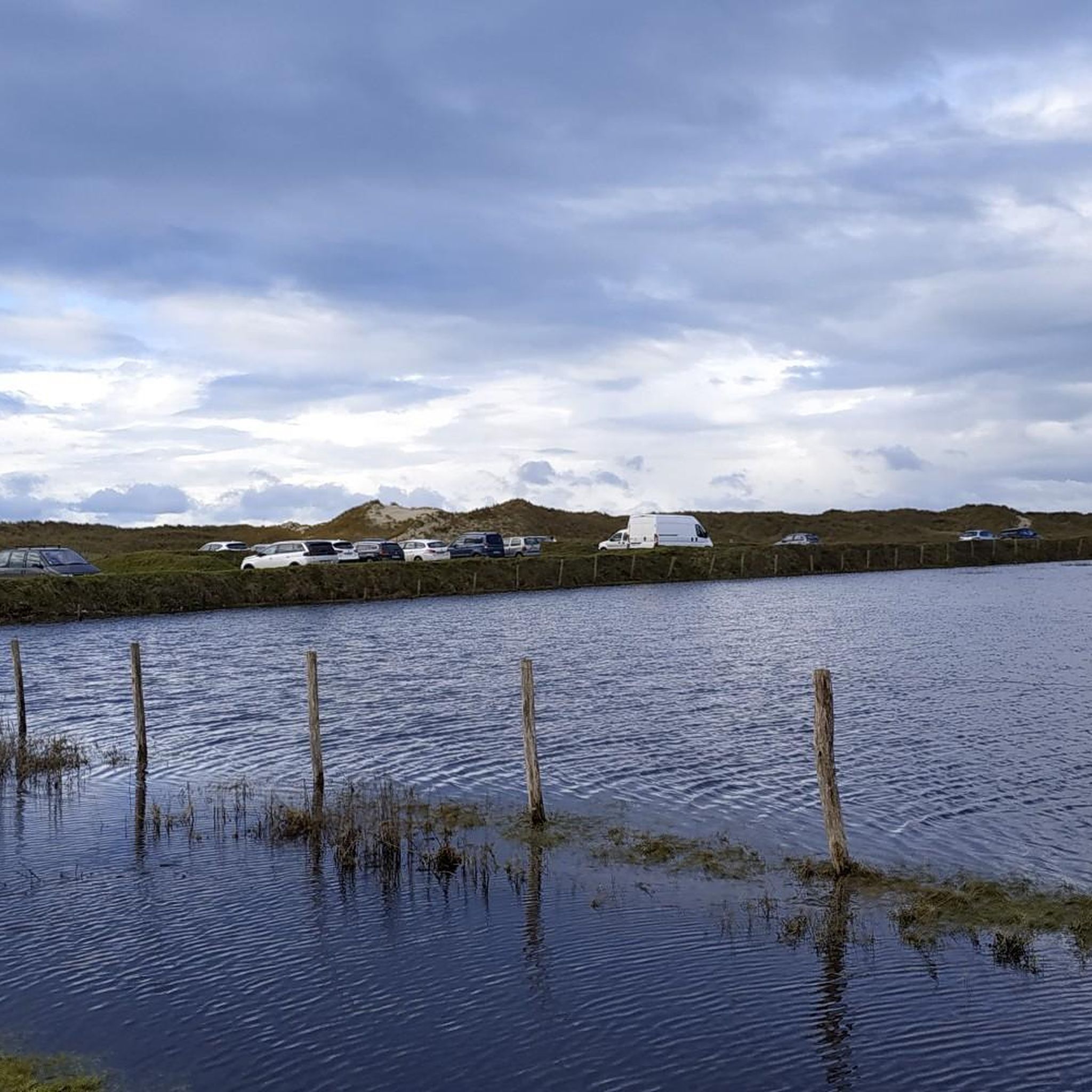
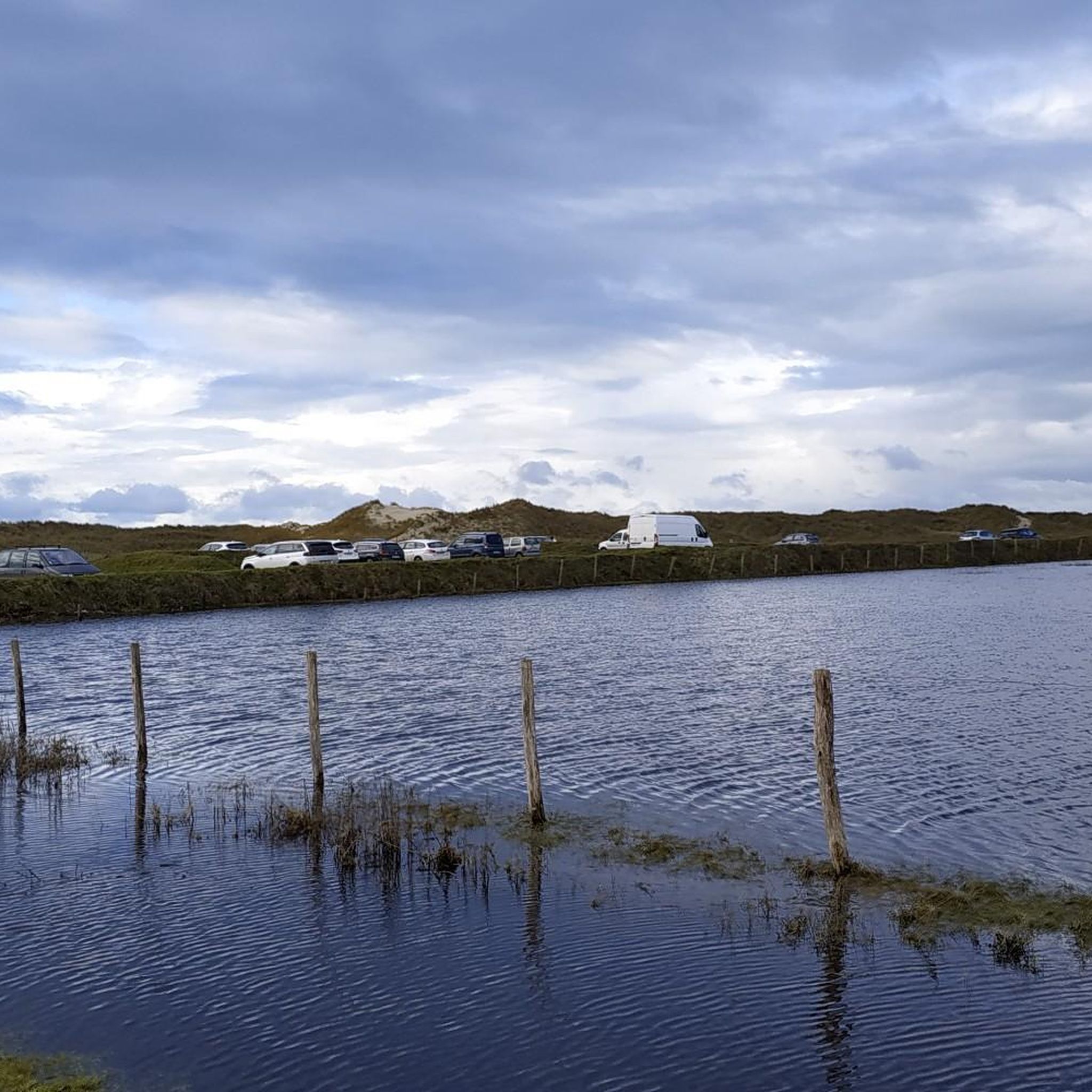
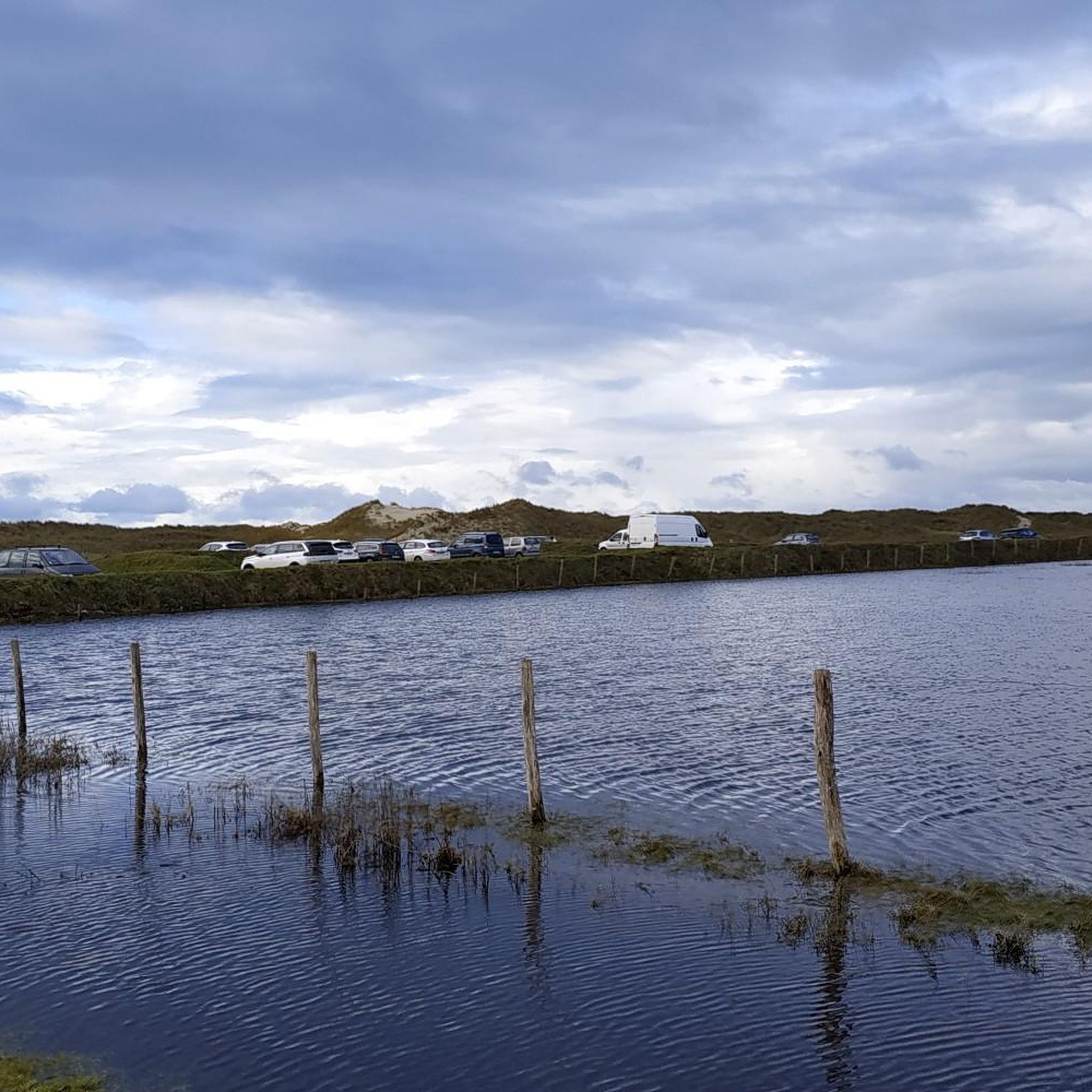
superb view over the fields to the sea
0
0
Great bike shop, how to repair and rent bikes, very friendly gentleman who runs the shop there
0
0


A great beach for relaxing and swimming in summer, a hotspot for surfers and windsurfers all year round. In addition, the peninsula provides a reference point to the millennia-old history of Brittany.
1
0
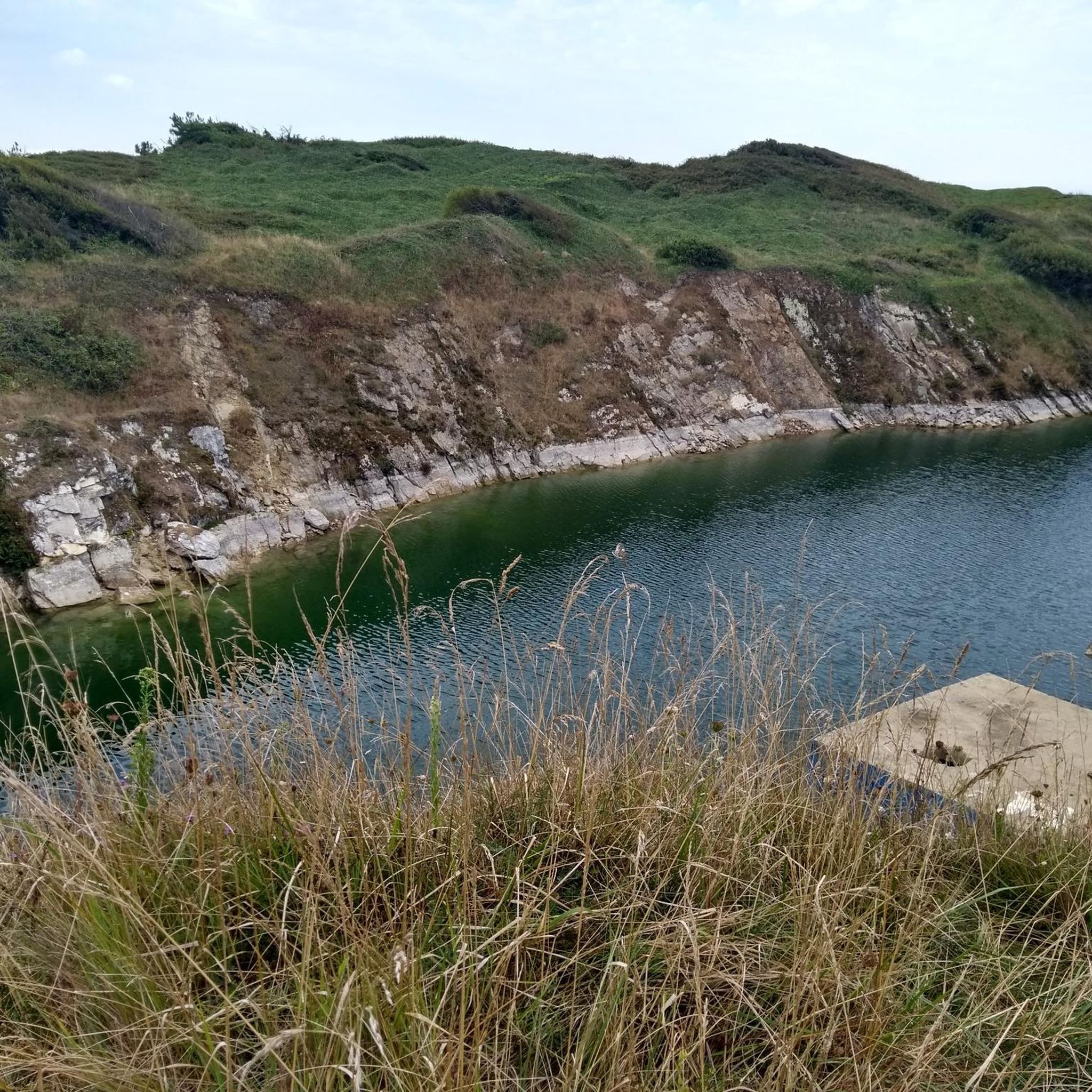
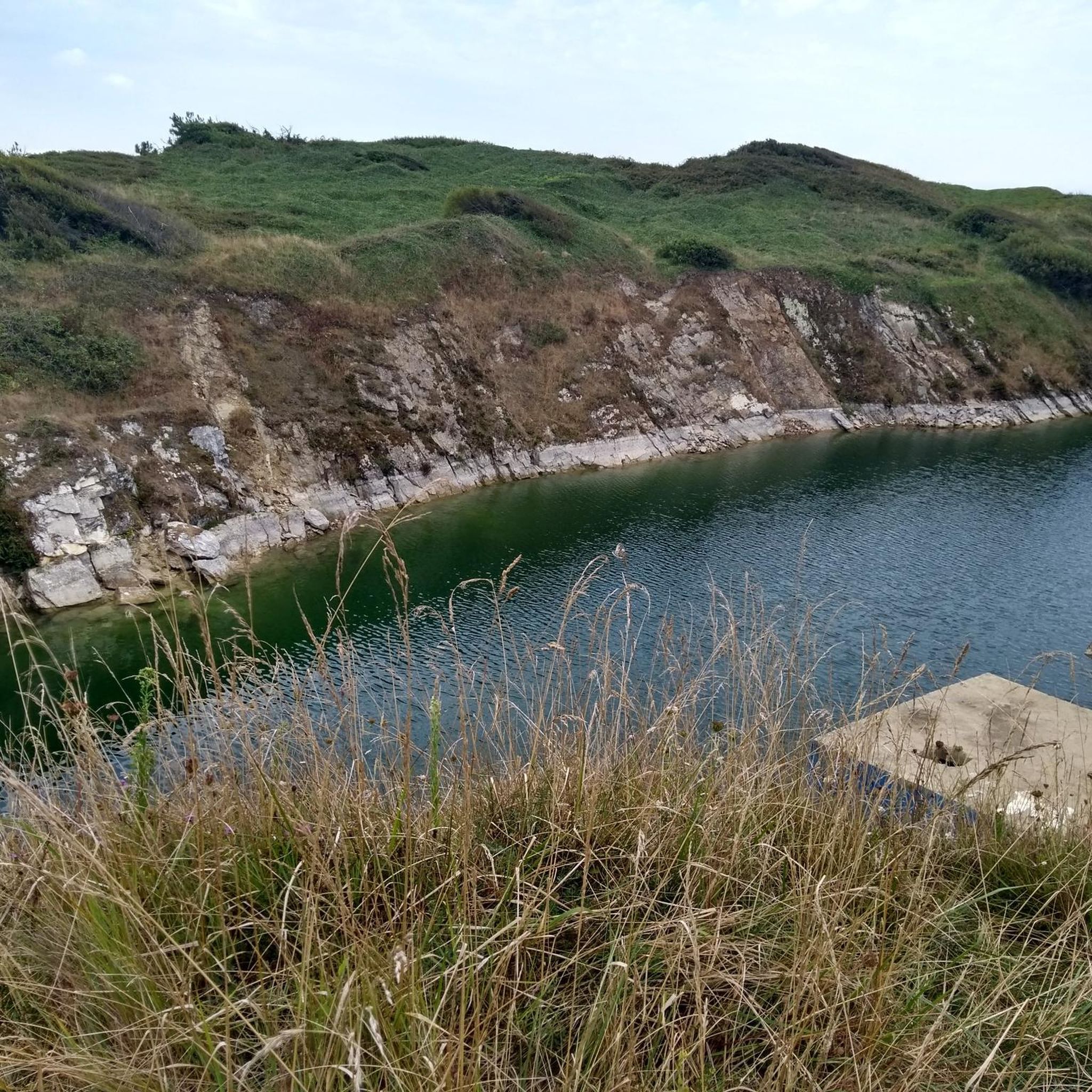
Cape with good views towards the harbor and the open sea. You can still see traces of its former use with a ramp, seawater tanks and a quarry.
0
0
In addition to the obvious traces of the cape's former use (see description), you have a fantastic view of the harbor and the open sea. A real highlight.
0
0

This listed natural site has always attracted walkers. Following the GR34, the coastal path, we discover rocks with mysterious shapes: rabbit ears, the rhino, the corkscrew, the turtle or the rock of the victims. These rocks owe their particular shapes to phenomena of alteration and erosion caused by rain, wind and sea spray. An ancient Hercynian mountain range, formed between 480 and 300 million years ago, the site is also a gold mine for geologists. The landscape is magnificent during storms. Lovers of beautiful waves and raging seas must, however, never neglect the dangerous nature of the place, even in calm weather. The name given to the rock to the victims is not trivial. Picnic tables and parking are available to visitors.
2
0
Frequently Asked Questions
What natural features can I explore around Tréguennec?
Tréguennec is rich in diverse natural features. You can explore extensive dune systems and long stretches of beaches, such as those found along the Bay of Audierne. The region also features significant wetlands, coastal rock formations like The Rocks of Saint-Guénolé, and tranquil ponds like the Étang de Saint-Vio, all contributing to its unique landscape.
Are there historical or ancient sites among the natural monuments in Tréguennec?
Yes, Tréguennec's natural heritage also includes ancient historical sites. You can visit Dolmens and the Menhir of Quélarn, which are visible remnants of a Neolithic necropolis with over two dozen tombs and an approximately 2-meter tall Menhir. Another significant site is Dolmen de Poulguen, a T-shaped dolmen with two chambers and engravings, dating from the fourth millennium BC.
What makes the Bay of Audierne significant for nature lovers?
The Bay of Audierne is recognized as one of Brittany's last great wild coastlines and the most extensive dune area in Finistère. It's an ecologically rich region, designated as a Natura 2000 site since 2007 and a RAMSAR site in 2021, highlighting its international environmental value. It's particularly noted for its significant biodiversity, including over 300 bird species, making it a prime spot for nature observation.
Are there any unique art and nature experiences in the Tréguennec area?
Yes, you can experience the Parcours "Art et Nature" (Art and Nature Trail), a 2-kilometer trail starting from the Maison de la Baie d'Audierne. This trail features artworks integrated into the natural surroundings, encouraging visitors to engage with nature through an artistic lens. Creations like "Window on the pond" and "The woven observatory" offer a unique perspective on the local environment.
What outdoor activities can I do near Tréguennec's natural monuments?
The area around Tréguennec offers various outdoor activities. You can enjoy cycling on routes like the "Pors Carn Point – The Rocks of Saint-Guénolé loop from Pointe de la Torche" or explore running trails such as the "Trunvel Pond – Turnvel Pond loop from Tréguennec." For more options, check out the cycling guide or the running trails guide for Tréguennec.
When is the best time to visit Tréguennec's natural sites?
The region's natural sites, with their extensive coastline and dune systems, can be enjoyed throughout the year. Spring and autumn offer pleasant temperatures for walking and observing migratory birds. Summer is ideal for enjoying the beaches, while winter provides a dramatic experience of the raw power of the ocean, especially at coastal formations like The Rocks of Saint-Guénolé.
Are there family-friendly natural monuments around Tréguennec?
Absolutely. Several natural monuments are suitable for families. Men Meur Point offers panoramic views that children and adults can enjoy. Historical sites like Dolmens and the Menhir of Quélarn and Dolmen de Poulguen provide an educational and engaging experience for all ages. The beaches and dunes of Tréguennec also offer ample space for family walks and exploration.
What kind of wildlife can I observe in Tréguennec's natural areas?
Tréguennec's natural areas, particularly the Bay of Audierne and the Étangs de Saint-Vio, are rich in biodiversity. You can observe a wide variety of bird species, with over 300 recorded in the Bay of Audierne. The dune systems are crucial habitats for fragile plants, and the wetlands support diverse flora and fauna, making it an excellent spot for nature observation and birdwatching.
Is there parking available at the natural monuments?
Yes, for many of the natural monuments and sites, parking is available. For instance, picnic tables and parking are provided for visitors at The Rocks of Saint-Guénolé. Generally, popular natural sites in the region are equipped with designated parking areas to accommodate visitors.
What do visitors enjoy most about the natural monuments in Tréguennec?
Visitors particularly enjoy the unique geological formations and the raw beauty of the coastline. The mysterious shapes of the rocks at The Rocks of Saint-Guénolé, shaped by erosion, are a major draw. The magnificent panoramic views from Men Meur Point, overlooking the ports and lighthouses, are also highly appreciated. The blend of natural beauty with ancient history at sites like the dolmens adds another layer of enjoyment.
Are there easy walking trails suitable for beginners around Tréguennec's natural monuments?
Yes, there are several easy walking opportunities. The long stretches of beaches and expansive dune systems in Tréguennec provide serene and relatively flat paths for leisurely strolls. The Art and Nature Trail, a 2-kilometer loop, is also an accessible option. For cycling, the "Pors Carn Point – The Rocks of Saint-Guénolé loop from Pointe de la Torche" is rated as easy, offering a gentle way to explore the coastal scenery.
Can I bring my dog to the natural sites in Tréguennec?
While many natural areas in Brittany are dog-friendly, it's always best to check specific regulations for each site, especially protected areas like the Bay of Audierne and the Bigouden Dunes and Marshes. Generally, dogs are welcome on coastal paths and beaches, often on a leash, but may be restricted in sensitive ecological zones to protect wildlife and fragile habitats.
Most popular routes around Tréguennec
Most popular attractions around Tréguennec

Get inspired with the komoot mobile app


Explore more
Extend your search for the best caves by checking out these guides of the top ones around Tréguennec:
