Top 10 Mountain Passes around Santa Maria in Calanca
Best mountain passes around Santa Maria in Calanca are situated within the Calanca Valley, a region in the Swiss Alps known for its diverse terrain. This area is closely associated with the San Bernardino Pass, a significant alpine crossing, and serves as a point along the challenging Sentiero Alpino Calanca long-distance hiking trail. The landscape transitions from high alpine environments to lower valleys, offering varied experiences for outdoor activities. Santa Maria in Calanca itself is a village within this valley,…
Last updated: May 14, 2026
San Bernardino Pass from Bellinzona
Highlight (Segment) • Mountain Pass
Tip by

San Bernardino Pass Road
Highlight (Segment) • Mountain Pass
Translated by Google •
Tip by

Sign up now to discover places like this
Get recommendations on the best single tracks, peaks, & plenty of other exciting outdoor places.
Sign up for free
Pass de Buffalora
Highlight • Mountain Pass
Translated by Google •
Tip by

Parcours 1 #TCRNo9 // Passo dello Spluga
Highlight (Segment) • Mountain Pass
Tip by

Camedo Pass
Highlight • Mountain Pass
On clear days on the Italian side the view reaches as far as Lake …
Translated by Google •
Tip by

Sign up for free to discover even more mountain passes around Santa Maria in Calanca.
Sign up for free
Already have an account?
Start today with a free account
Your next adventure awaits.
Login or Signup
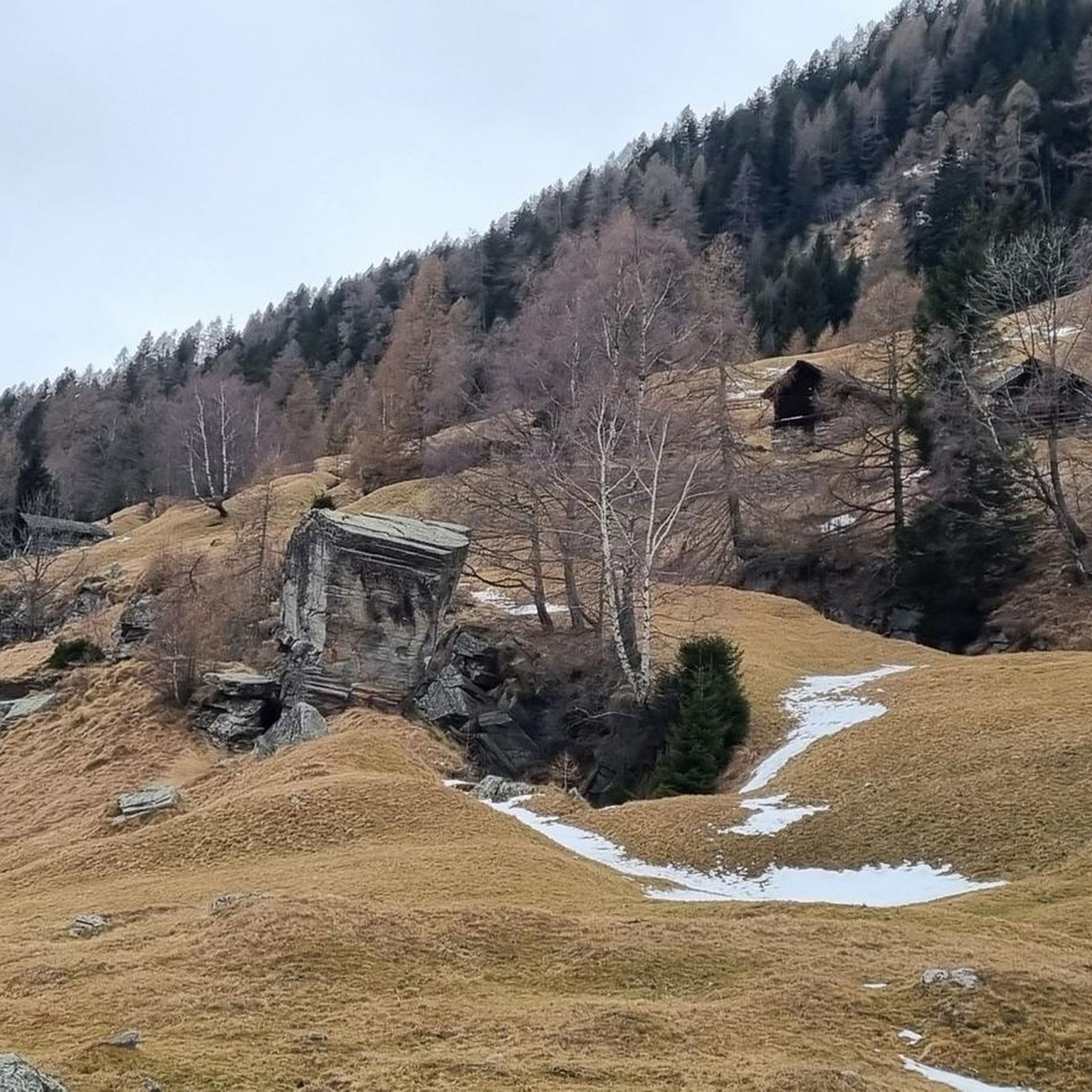

Tips from the Community

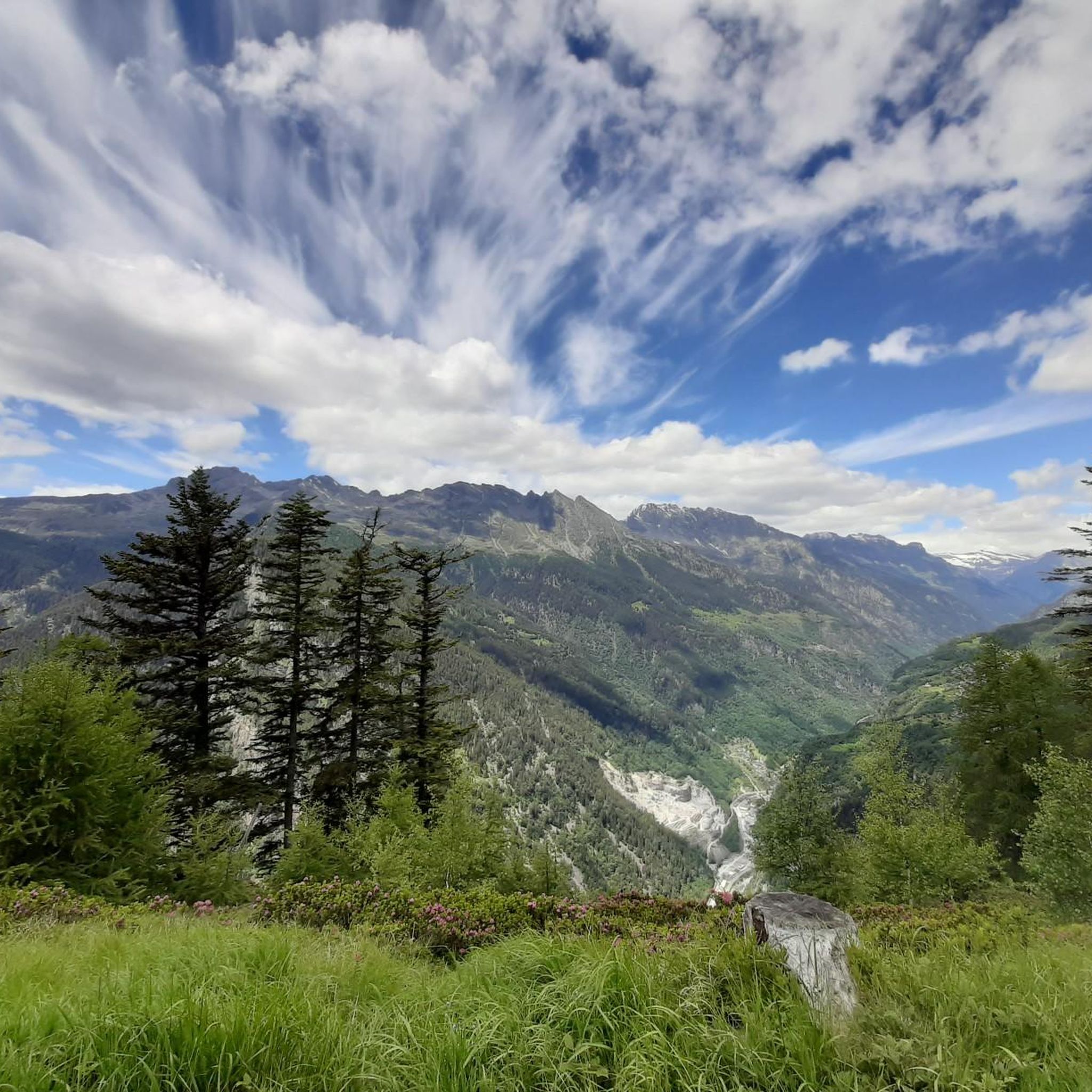
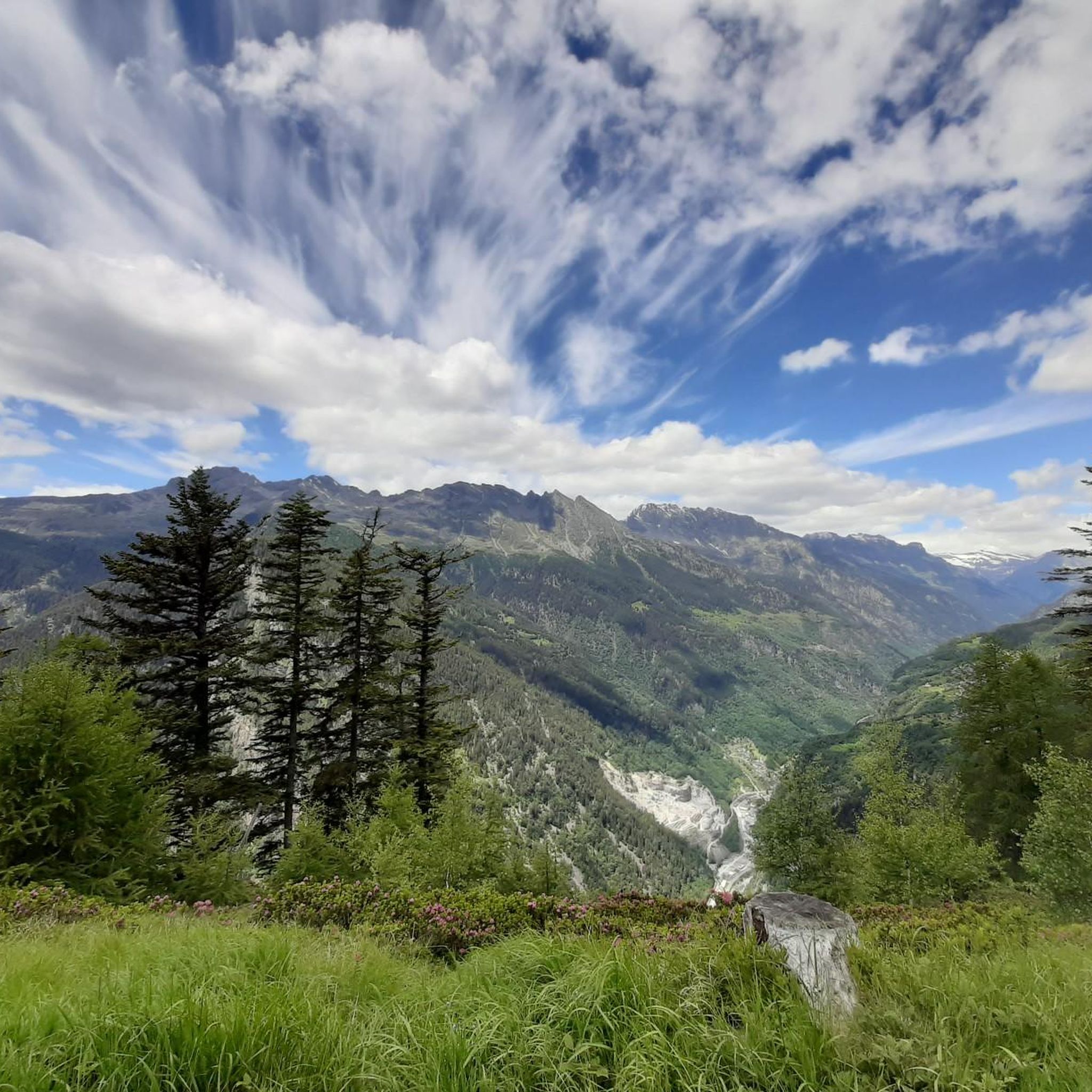
21 June 2024: a landslide destroyed almost the entire town of Sorte located on the right bank of the Moesa. At the moment (early July 2024) the cantonal road is still blocked.
0
0

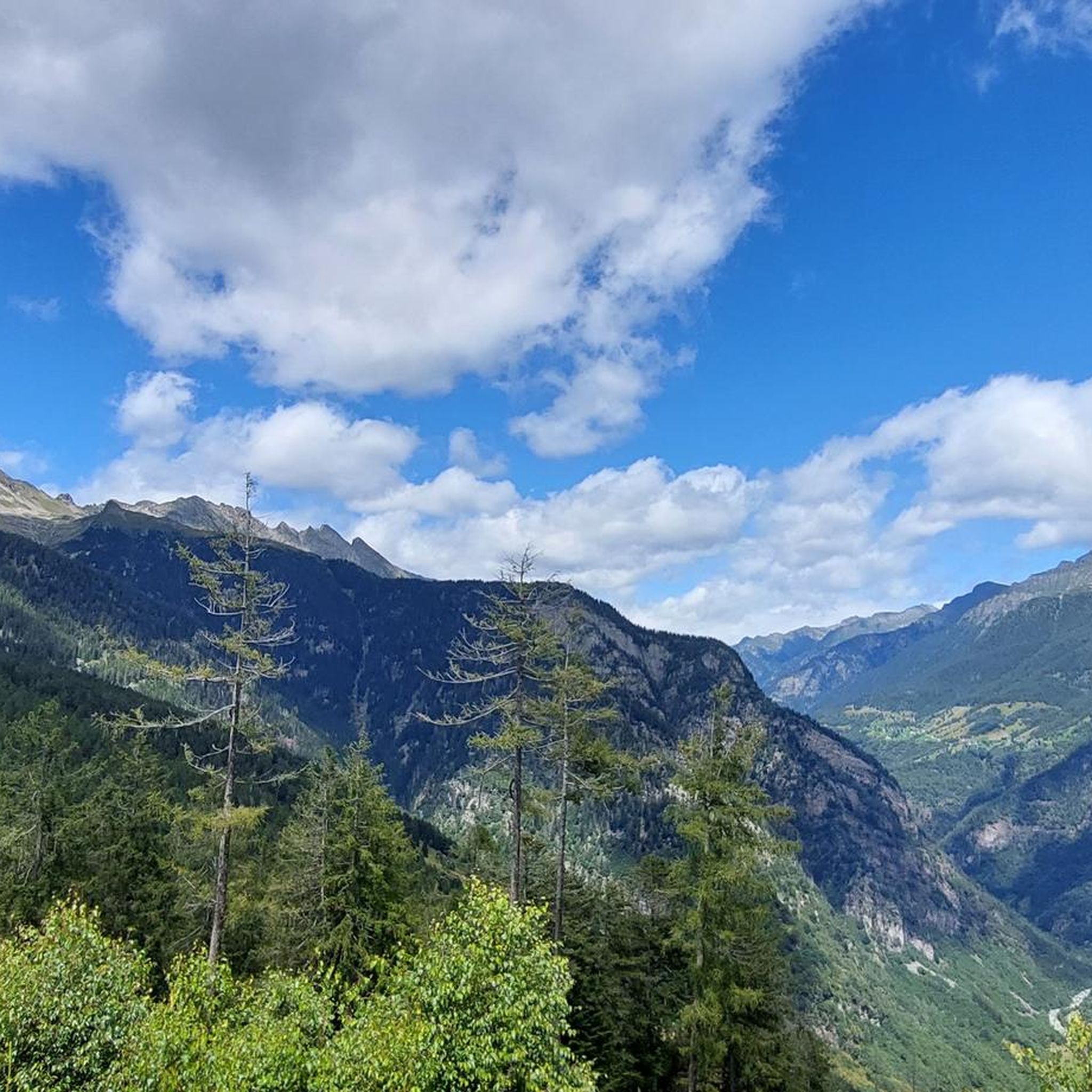
The Bocchetta di Camedo allows you to connect the Val d'Aiàn and the Valle Fiumetto (Lombardy). On clear days on the Italian side the view reaches as far as Lake Como, and from the The view towards Italy is unfortunately spoiled by mist, on a clear day you would see Lake Como, on the other the slopes of Cima di Paina or Cima dello Stagn.
1
0

Long climb up the pass, but really beautiful and very pleasant to ride
0
1

Very nice pass, drive and enjoy
0
1

Compared to other passes in the Calanca massif, this transition is easy from an alpine point of view, especially if you can drive to Alp de Bec-Sot by car or alpine taxi. Since the area is relatively lonely, the alpine vegetation can be enjoyed all the more.
1
0

Heading south to the Alps for the first Control Point of the Race, TCRNo9 riders face a parcours that follows in the millenia-old tracks of pass-storming armies and traders — zig-zagging across the Swiss and Italian borders, over the high cols and through the steeply-gorged valleys of the now famous San Bernardino and Splugen Passes, before plunging to Chiavenna at the foot of the Maloja Pass. 2023 marks the 200-year anniversary of the modern road over the Passo dello Spluga. Here riders will free route from the end of the parcours to Control Point 1 in Livigno. Perched high in the Italian Alps, the location will force racers to remain in the mountains en route to Control Point 2. Livigno’s name stems from the old German word for ‘avalanche’ — a reminder to riders not to underestimate conditions here, something they will do at their peril as they traverse some of the highest paved roads in the region before being deposited at the foot of the mighty Stelvio National Park.
0
0

In Splügen, a detour to the Piz Tambo is worthwhile to recharge your batteries in bad weather (regional cuisine)
0
0

Fly high and let your mind go
0
0
Frequently Asked Questions
What are some of the most scenic mountain passes near Santa Maria in Calanca?
The region offers several scenic passes. The Passo del Segnale di Vazzola is notable for its characteristic post with an Andrea cross and connects the Cama and Leggia valleys. Another beautiful option is the Camedo Pass, which offers views towards Lake Como on clear days. The San Bernardino Pass, while a bit further, is also renowned for its stunning panoramic views of moorlands, Lago Moesola, and Piz Uccello.
Are there any mountain passes with historical significance in the area?
Yes, the Bocchetta d'Agnon (or di Cama), at an altitude of 2269 meters, has historical importance as a route used by smugglers for border trade between Italy and Switzerland since the 19th century. The San Bernardino Pass also has a rich history, utilized since pre-Roman times, with a chapel dedicated to Saint Bernardino of Siena constructed after 1450.
What kind of natural features can I expect to see when exploring mountain passes around Santa Maria in Calanca?
You can expect diverse natural beauty. The San Bernardino Pass area features stunning moorlands, the serene Lago Moesola at the summit, and views of peaks like Piz Uccello. The broader Calanca Valley transitions from high alpine environments to lush green valleys, cascading waterfalls, and pristine alpine lakes. The Sentiero Alpino Calanca trail, for instance, showcases diverse alpine terrain, including barren high mountain troughs and valleys, as well as chestnut forests at lower elevations.
What is the best time of year to visit the mountain passes near Santa Maria in Calanca?
The best time to visit the mountain passes is generally from late spring to early autumn (May to October) when the pass roads are open and free of snow. The San Bernardino Pass road, for example, is typically closed from late October to May. During these months, you'll experience the most favorable weather for hiking, cycling, and enjoying the scenic views.
Are there challenging long-distance hiking trails accessible from Santa Maria in Calanca?
Yes, Santa Maria in Calanca is a significant point along the challenging Sentiero Alpino Calanca, a 42-kilometer high-altitude trekking route that connects San Bernardino with Santa Maria in Calanca. This demanding trail primarily sits at 2,000 meters, mostly above the tree line, and requires endurance and surefootedness, with some exposed sections made safe with wire ropes or chains.
What outdoor activities can I do near these mountain passes?
The region offers a variety of outdoor activities. You can find numerous road cycling routes, such as the "Graubünden Route: San Bernardino Pass to Bellinzona," or explore cycling tours like the "Ascent to Passo San Bernardino from Grono." For runners, there are challenging trails like the "Lake Cama, Val Cama, and Val Leggia Loop." You can explore more options on the dedicated guide pages for Road Cycling, Cycling, and Running Trails around Santa Maria in Calanca.
Are there any family-friendly options for exploring the mountain passes?
While many passes in the region can be challenging, the San Bernardino Pass offers more accessible areas. The serene Lago Moesola at the summit is a picturesque spot for relaxation and serves as a starting point for shorter, local walks across the moorland, which can be suitable for families looking for less strenuous activities. Always check specific trail difficulties before heading out with children.
What are the typical terrain and difficulty levels for hiking around Santa Maria in Calanca's mountain passes?
The terrain varies significantly. Lower valley routes might be moderate, while high-altitude passes and trails like the Sentiero Alpino Calanca are often challenging, featuring alpine terrain, steep ascents, and exposed sections. Many routes are above the tree line, offering rugged and imposing landscapes. It's advisable to check the difficulty ratings for specific routes before embarking on your adventure.
What do visitors enjoy most about the mountain passes near Santa Maria in Calanca?
Visitors appreciate the breathtaking alpine scenery, the sense of calm amidst wide-open landscapes, and the less crowded experience compared to more famous passes. The historical significance of routes like the San Bernardino Pass and the challenging, immersive experience of trails like the Sentiero Alpino Calanca are also highly valued. The region's preserved originality and diverse landscapes, from alpine to almost Mediterranean, are frequently highlighted.
Is there a year-round alternative for crossing the San Bernardino Pass during winter closures?
Yes, when the San Bernardino Pass road is closed due to snow (typically from late October to May), the 6.6-kilometer San Bernardino Tunnel provides a year-round alternative. This allows for continuous travel through the region, though it bypasses the scenic pass road itself.
Can I find cafes or restaurants near the mountain passes?
At the summit of the San Bernardino Pass, you can find the Ospizio restaurant, which offers refreshments. In the villages within the Calanca and Mesolcina valleys, such as Santa Maria in Calanca or San Bernardino village, you will find various accommodation, restaurant, and cafe options to refuel after your adventures.
Most popular routes around Santa Maria in Calanca
Most popular attractions around Santa Maria in Calanca

Get inspired with the komoot mobile app


Explore more
See even more epic mountain passes by checking out these guides around Santa Maria in Calanca:
