Top 7 Natural Monuments around Treffiagat
Natural monuments around Treffiagat showcase a coastal town in Finistère, Brittany, known for its rugged beauty and historical significance. The region features unique rock formations, expansive sandy beaches, and significant prehistoric sites. Treffiagat offers a diverse landscape shaped by millennia of natural processes and ancient human presence. This area provides opportunities to explore geological wonders and cultural heritage.
Best natural monuments around Treffiagat
- The most popular natural monuments is The Rocks of Saint-Guénolé, a natural monument featuring granite rocks…
Last updated: July 3, 2026
The Rocks of Saint-Guénolé
Highlight • Natural Monument
Translated by Google •
Tip by

Pointe de la Torche
Highlight • Viewpoint
Translated by Google •
Tip by

Sign up now to discover places like this
Get recommendations on the best single tracks, peaks, & plenty of other exciting outdoor places.
Sign up for free
Men Meur Point
Highlight • Viewpoint
Translated by Google •
Tip by
Dolmen of Kervignon
Highlight • Historical Site
Translated by Google •
Tip by
Dolmen de Poulguen
Highlight • Historical Site
Translated by Google •
Tip by
Sign up for free to discover even more natural monuments around Treffiagat.
Sign up for free
Already have an account?
Start today with a free account
Your next adventure awaits.
Login or Signup

Tips from the Community

Bikes are repaired and rented here, with top-notch service. Nice man.
0
0
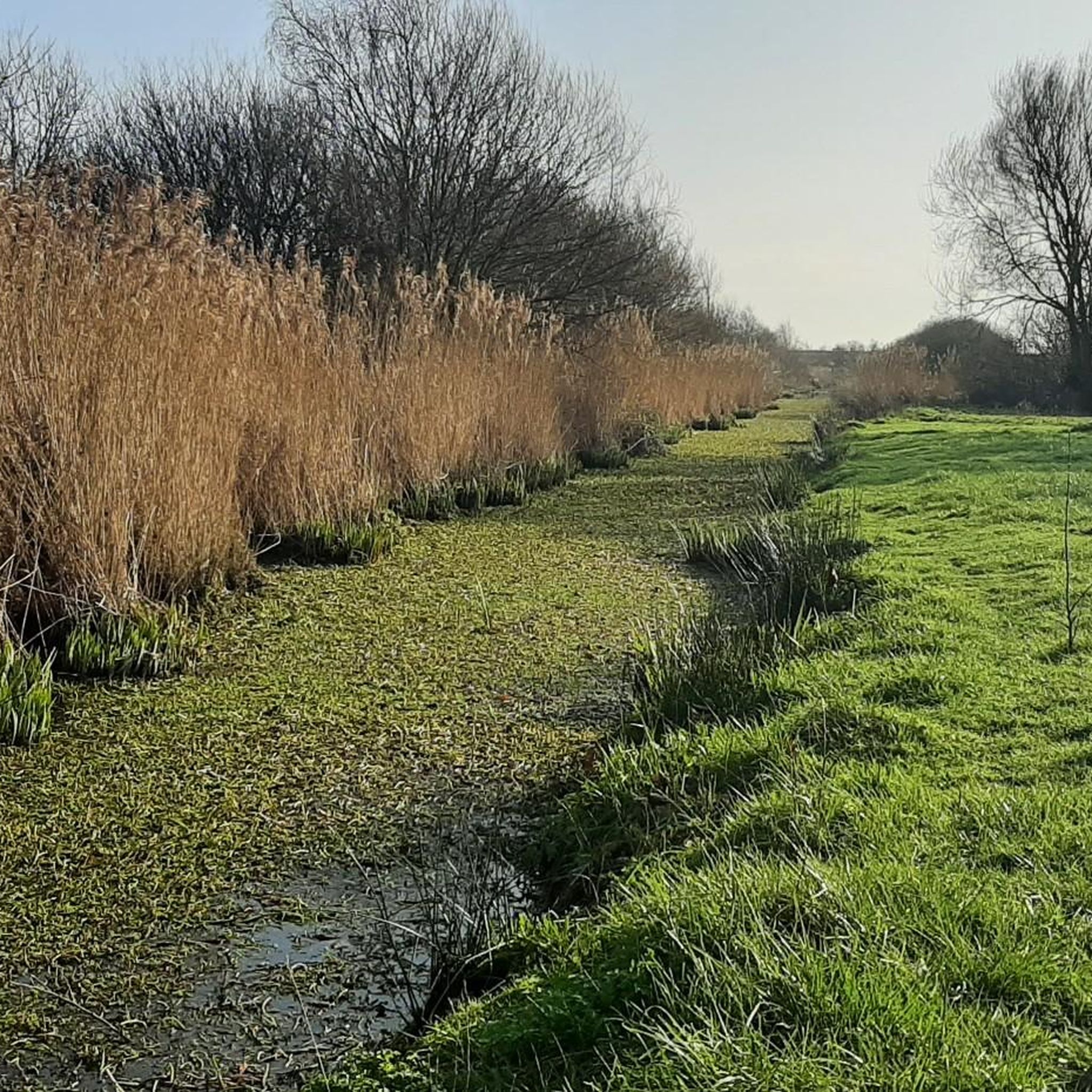
superb view over the fields to the sea
0
0
Great bike shop, how to repair and rent bikes, very friendly gentleman who runs the shop there
0
0

Impressive stones! The signs at the parking lot in front are also interesting!
0
0


A great beach for relaxing and swimming in summer, a hotspot for surfers and windsurfers all year round. In addition, the peninsula provides a reference point to the millennia-old history of Brittany.
1
0
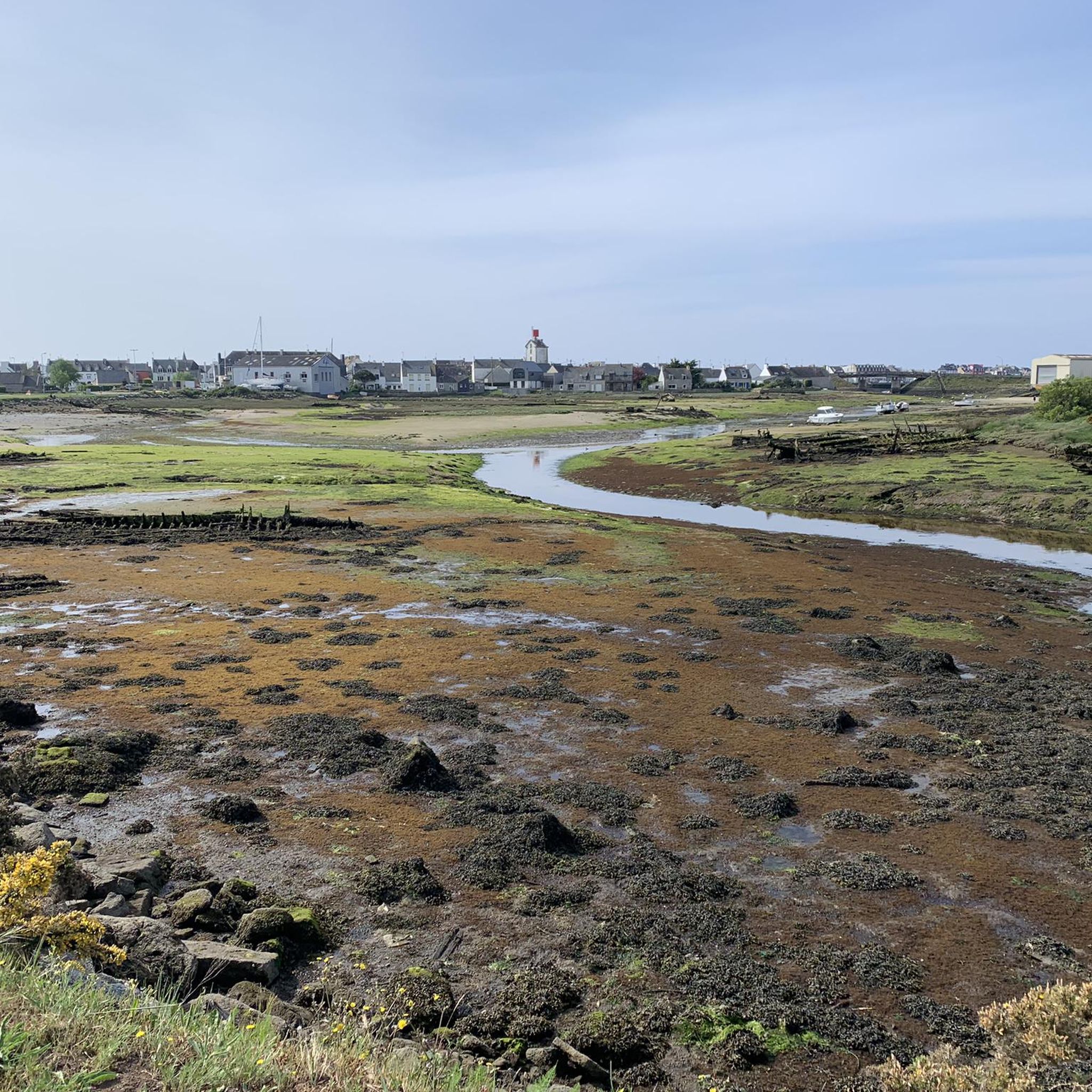
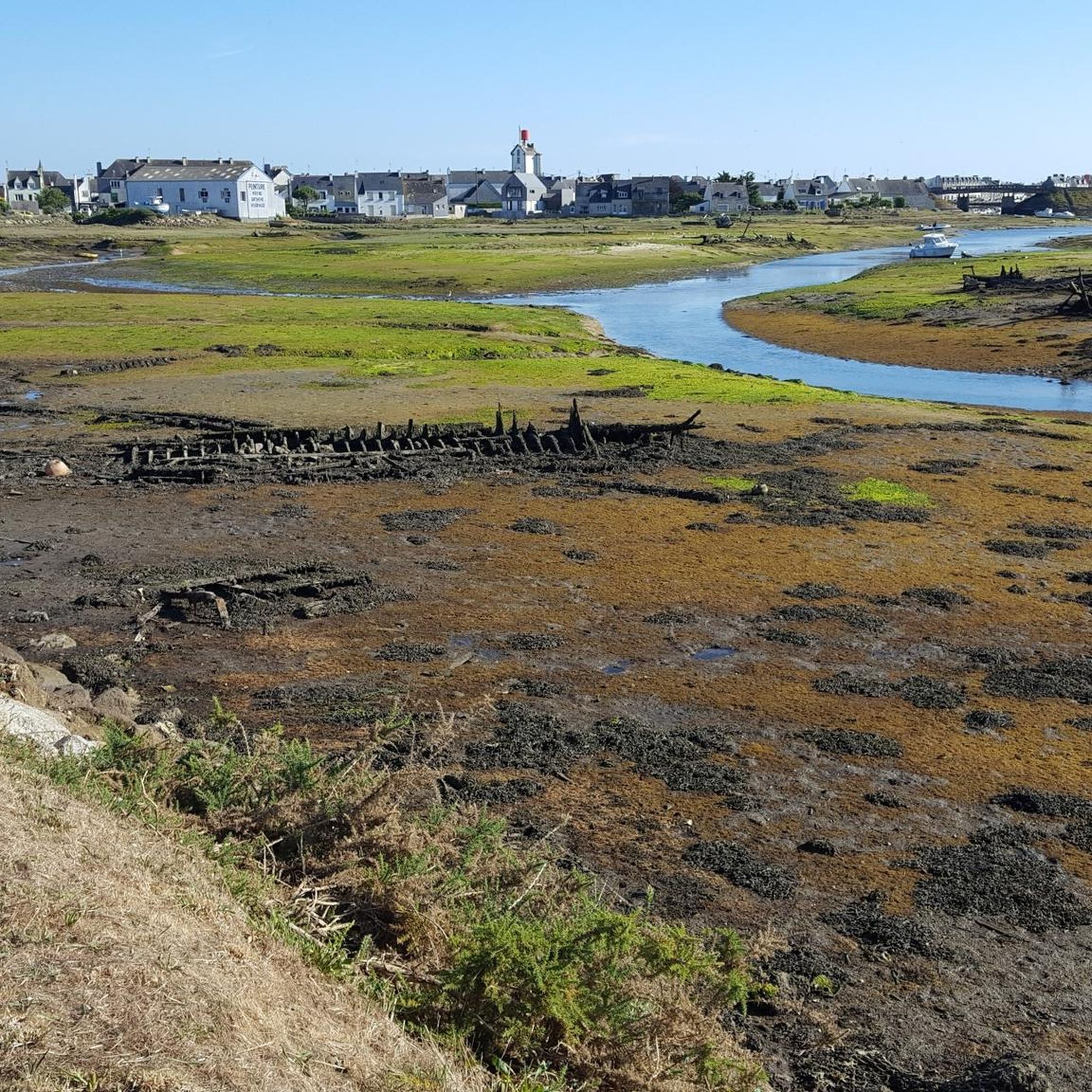
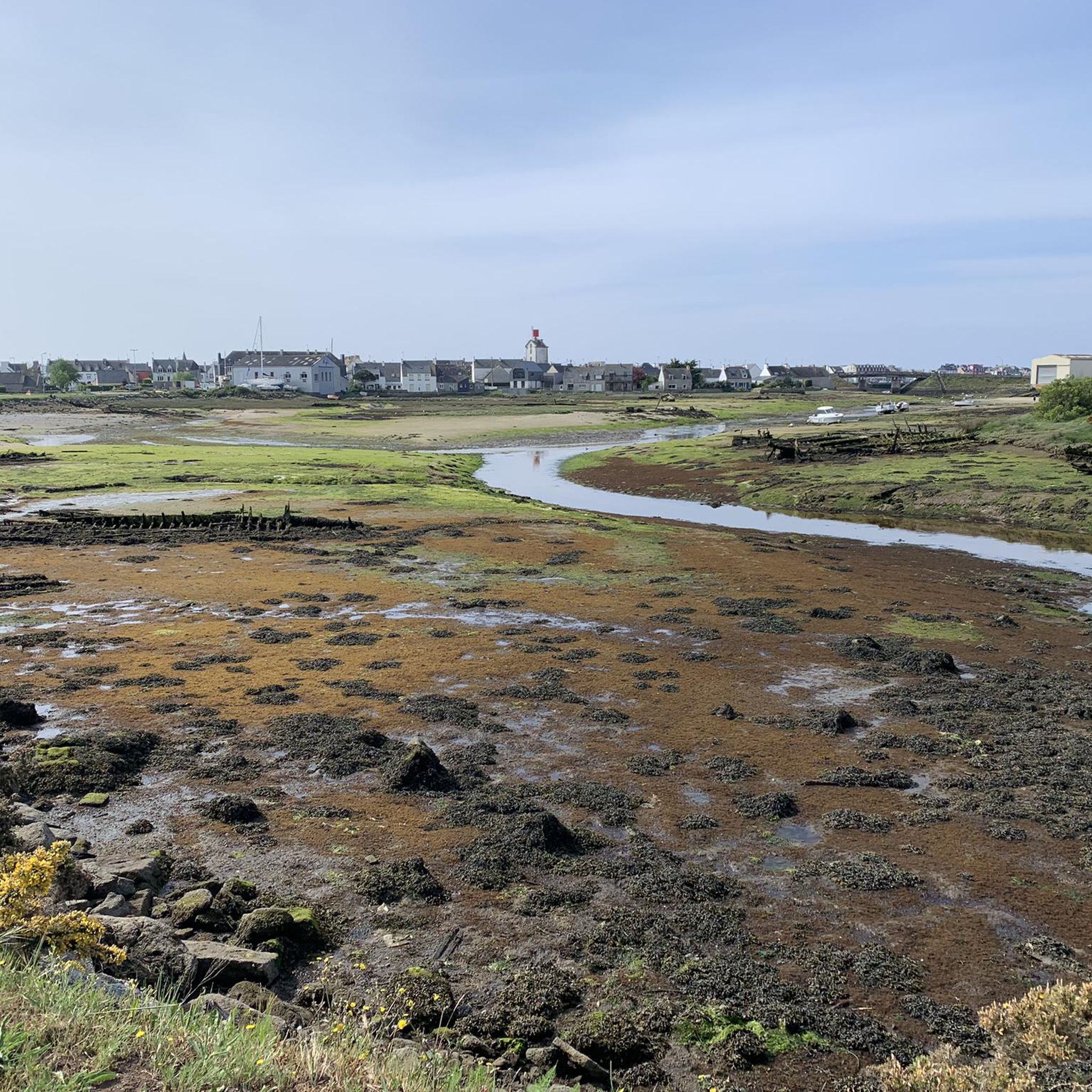
Cape with good views towards the harbor and the open sea. You can still see traces of its former use with a ramp, seawater tanks and a quarry.
0
0
In addition to the obvious traces of the cape's former use (see description), you have a fantastic view of the harbor and the open sea. A real highlight.
0
0
Frequently Asked Questions
What unique natural features can I explore around Treffiagat?
Treffiagat is known for its distinctive rock formations and coastal landscapes. You can visit The Rocks of Saint-Guénolé, where millennia of erosion have sculpted granite into shapes resembling 'rabbit ears,' a 'rhino,' and a 'turtle.' This site is also a significant geological area, originating from an ancient Hercynian mountain range.
Are there any historical or prehistoric natural monuments to visit in the area?
Yes, the Treffiagat area is rich in prehistoric sites. You can explore the Dolmens and the Menhir of Quélarn, which are visible remnants of a Neolithic necropolis, including a two-meter-tall menhir. Another significant site is the Dolmen of Kervignon, a large megalithic structure believed to have formed the entrance to several burial chambers.
What are the best spots for panoramic views of the coast near Treffiagat?
For magnificent panoramic views, head to Men Meur Point. From here, you can see from the ports of Le Guilvinec in the east to the Pointe de Penmarc'h in the west, including the rocks of the Étocs. It also offers insights into the cape's historical use for quarrying.
Are there family-friendly natural monuments suitable for children?
Many natural monuments in the Treffiagat area are family-friendly. Sites like Men Meur Point, Dolmen of Kervignon, and Dolmens and the Menhir of Quélarn are accessible and offer interesting sights for all ages. The beaches of Treffiagat-Léchiagat, such as Plage de Squividan, are also ideal for families with gentle access to the water.
What outdoor activities can I do near the natural monuments?
The region offers various outdoor activities. You can find numerous running trails, including the 'Penn Ar Stêr Bridge – Lehan Menhir loop' or the 'Labyrinth on the coast – Lesconil Harbour loop'. For cycling, explore routes like the 'Penn Ar Stêr Bridge – Port of Guilvinec-Léchiagat loop'. Mountain biking enthusiasts can try the 'Pors Carn Point – Pointe de la Torche loop'. You can find more details on these activities in the Running Trails around Treffiagat, Cycling around Treffiagat, and MTB Trails around Treffiagat guides.
Where can I find ancient burial mounds or tumuli?
The Dolmen de Poulguen is a notable example. This tumulus dates from the fourth millennium BC and is one of the few extant megalithic burial mounds in the region, measuring forty meters in diameter and eight meters in height. It features a T-shaped dolmen with engraved vertical stones inside, though it can only be viewed from the outside for safety.
What is the best time to visit the natural monuments in Treffiagat?
The natural monuments can be enjoyed year-round. The landscape at The Rocks of Saint-Guénolé is particularly magnificent during storms, offering a dramatic spectacle. Spring brings vibrant tulip fields to Pointe de la Torche, while summer is ideal for watersports and observing Brittany's only colony of bee-eaters there. The GR34 coastal path is pleasant for walking in milder weather.
Are there opportunities for wildlife spotting near Treffiagat's natural monuments?
Yes, the natural areas around Treffiagat offer chances for wildlife observation. Pointe de la Torche is a remarkable location for observing migratory birds, and in summer, it hosts Brittany's only colony of bee-eaters. The Lehan pond, near the Lehan menhir, also supports diverse birdlife, including grey herons, and has an observatory and educational trail.
What are Treffiagat's beaches like, and are they considered natural monuments?
Treffiagat-Léchiagat boasts 4.5 kilometers of fine sandy beaches, such as Plage de Squividan and Plage de Léchiagat, which are considered natural attractions. These beaches face south and are ideal for swimming and water sports. The dunes protecting them are fragile ecosystems, and visitors are encouraged to use designated paths like the GR34 to preserve them. Seaweed on the beaches is a natural part of the living ocean and contributes to biodiversity.
Can I find ancient standing stones (menhirs) in the Treffiagat area?
Yes, the Treffiagat area is home to several ancient menhirs. The Lehan menhir, a 6-meter high sacred stone dating back to the Neolithic period (3,000 BC), is a notable example. It is classified as a Historic Monument and is found within a pond behind the coastal dune, a unique setting. The area also features hundreds of petroglyphs, enigmatic rock engravings.
Is there parking available at the natural monuments?
Yes, parking is generally available at many of the natural monuments. For instance, The Rocks of Saint-Guénolé offers picnic tables and parking for visitors. The beaches of Treffiagat also have parking at each access point, making them convenient to visit.
What is the GR34 coastal path, and how does it relate to the natural monuments?
The GR34, also known as the customs path, is a significant coastal path that runs along the Treffiagat coastline. It provides an excellent way to experience the region's natural monuments. For example, walkers following the GR34 can discover the unique rock formations at The Rocks of Saint-Guénolé and traverse the dunes protecting Treffiagat's beaches, offering stunning views and a connection to the natural vegetation.
Most popular routes around Treffiagat
Most popular attractions around Treffiagat

Get inspired with the komoot mobile app


Explore more
Extend your search for the best caves by checking out these guides of the top ones around Treffiagat:
