Top 17 Natural Monuments around Saint-Inglevert
Natural monuments around Saint-Inglevert are primarily found within the Parc naturel régional des Caps et Marais d'Opale, a vast area known for its diverse landscapes. This region features dramatic cliffs, extensive dunes, and marshlands, offering a rich tapestry of environments. Saint-Inglevert's location provides close proximity to prominent natural landmarks such as Cap Blanc-Nez and Wissant Beach, which are part of the highly regarded Grand Site des Deux-Caps. The area is characterized by its coastal views, inland green groves, and varied…
Last updated: May 6, 2026
Cape Blanc-Nez
Highlight • Viewpoint
Translated by Google •
Tip by

Petit Blanc-Nez (Little Blanc-Nez)
Highlight • Viewpoint
Translated by Google •
Tip by

Sign up now to discover places like this
Get recommendations on the best single tracks, peaks, & plenty of other exciting outdoor places.
Sign up for free
Dunes of the Slack
Highlight (Segment) • Natural Monument
Translated by Google •
Tip by

Cran d'Escalles
Highlight • Beach
Translated by Google •
Tip by
Cap Gris-Nez Lighthouse
Highlight • Monument
Translated by Google •
Tip by

Sign up for free to discover even more natural monuments around Saint-Inglevert.
Sign up for free
Already have an account?
Start today with a free account
Your next adventure awaits.
Login or Signup

Tips from the Community


the rocks of the Gris-Nez are being loosened by rain and sea.
0
0

The rocks, with their cracks and small caves in the calcareous wall, provide an important nesting site for numerous bird species such as jackdaws, house martins, fulmars, kestrels, gulls, terns and herring gulls. As part of a renaturation project in 2006, a section of the asphalt road leading to the summit and the parking spaces there were completely removed. Instead, a parking lot about 300 meters inland was significantly expanded.
53
0
The Petit Blanc-Nez is a highlight on the Sentier des Douaniers (GR 120), a coastal hiking trail that runs along the French coast.
3
0
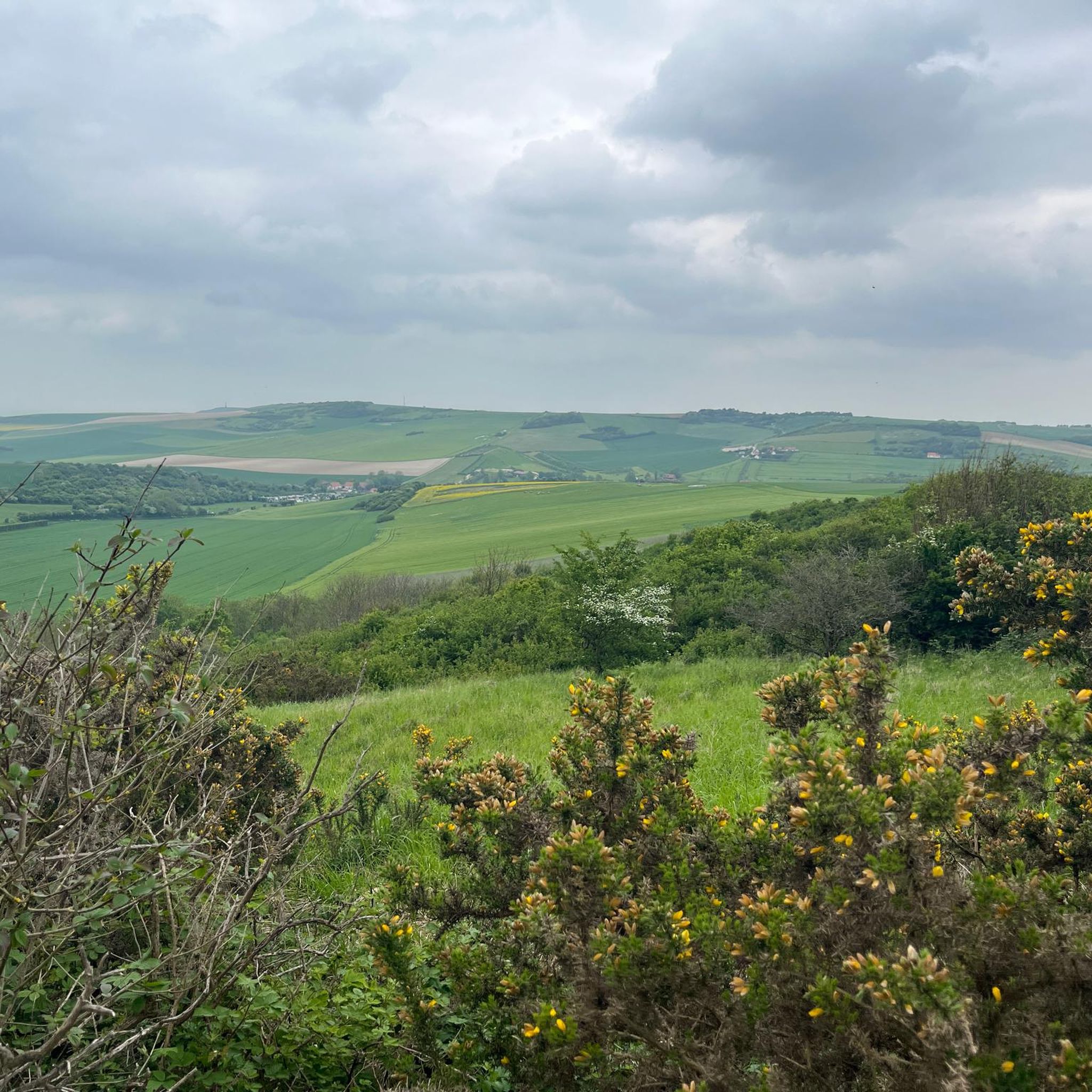
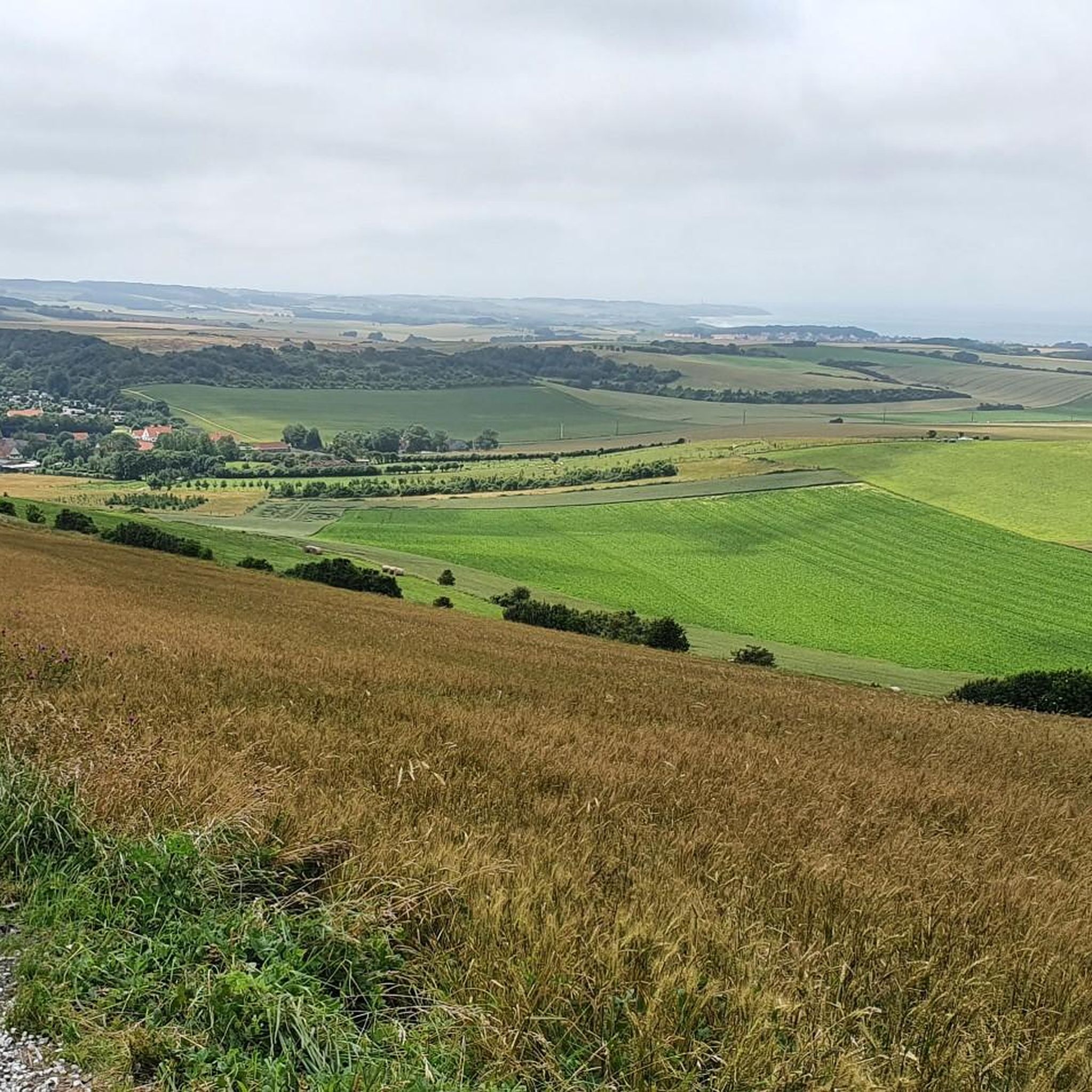
The Petit Blanc-Nez is a cliff in the Pas-de-Calais region and is part of the Deux-Caps (Two Capes) area, which also includes Cap Gris-Nez. Both are part of the protected area classified as a Grand Site de France and offer breathtaking views of the English Channel and, on a clear day, the English coast.
51
0

Incredibly beautiful paths - partly on wooden planks, partly through fine sand. A small, hidden natural paradise that can be wonderfully explored on a circular hike.
2
0

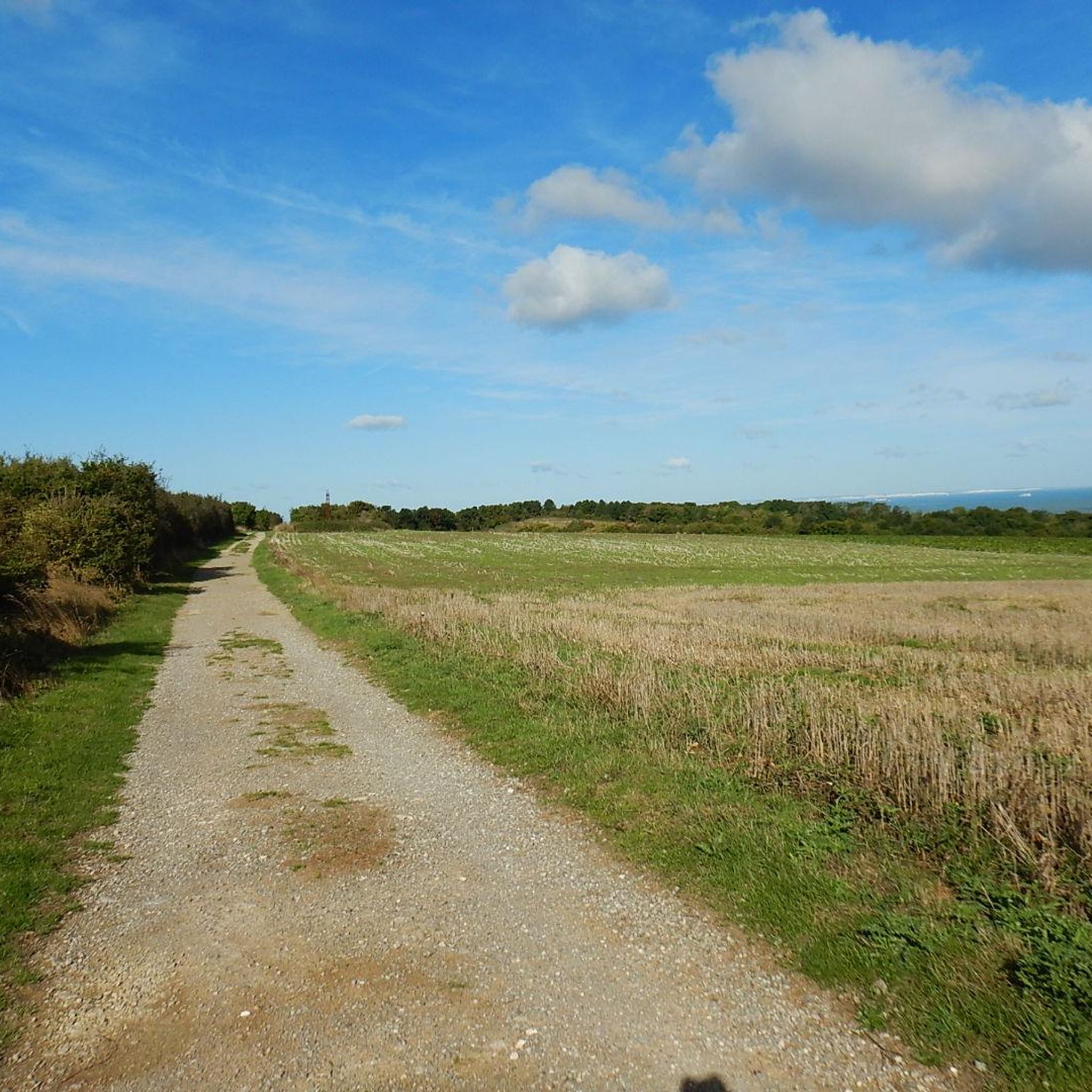
Cap Blanc-Nez is an impressive cliff located in Escalles, Pas-de-Calais, France, rising to 134 meters above a rocky beach. It is the northernmost cliff in France, consisting of chalk and marl. It offers a strategic vantage point from which on a clear day you can see the cliffs of Dover on the English coast. The area supports a unique grassland and is a popular destination for tourists and hikers. It is part of the Grand Site des Deux Caps, together with Cap Gris-Nez, and attracts 2.5 million visitors annually. It also has historical significance, with remains from the Second World War still visible.
15
1

Frequently Asked Questions
What are some of the most notable natural monuments to visit near Saint-Inglevert?
The region around Saint-Inglevert is rich in natural beauty. Key natural monuments include the dramatic white chalk cliffs of Cap Blanc-Nez, offering panoramic views of the English Channel. Another significant site is the Dunes of the Slack, a diverse nature reserve with varied paths through dunes and forests. Additionally, Wissant Beach, located between Cap Blanc-Nez and Cap Gris-Nez, is renowned for its expansive sandy shores and natural dunes.
What kind of natural landscapes can I expect to see in the Saint-Inglevert area?
Saint-Inglevert is situated within the vast Parc naturel régional des Caps et Marais d'Opale, which boasts incredibly diverse landscapes. You can expect to see dramatic cliffs, extensive dune systems, marshlands (including a UNESCO biosphere reserve), bocage, forests, and calcareous hills. The area offers a rich tapestry of environments, from coastal vistas to inland green groves and hedgerows.
Are there good hiking opportunities around the natural monuments near Saint-Inglevert?
Yes, the area offers extensive hiking opportunities. The Parc naturel régional des Caps et Marais d'Opale features over 1,700 km of marked paths. For specific routes, you can explore options like the trails around Cap Blanc-Nez, which include sections of the coastal path (GR120), or the varied paths through the Dunes of the Slack. For more detailed hiking routes, check out the Hiking around Saint-Inglevert guide.
What historical significance do the natural monuments near Saint-Inglevert hold?
The natural monuments, particularly Cap Blanc-Nez, bear significant historical marks. The area was strategically important during both World Wars, with bunkers and craters from wartime bombardments still visible. An obelisk, the Dover Patrol Monument, stands atop the cliffs commemorating the efforts of the Dover Patrol during World War I.
Are there any family-friendly natural monuments or activities near Saint-Inglevert?
Absolutely. Wissant Beach is an excellent family-friendly destination, known for its vast expanse of fine sand and shallow pools at low tide, perfect for children. The Dunes of the Slack also offer varied paths suitable for family walks. The trails around Cap Blanc-Nez are generally accessible for families, though some sections may be more challenging.
What is the best time of year to visit the natural monuments around Saint-Inglevert?
The natural monuments around Saint-Inglevert can be enjoyed year-round, but spring and summer (April to September) offer the most pleasant weather for outdoor activities like hiking and watersports. During these months, the visibility for viewing the English coast from Cap Blanc-Nez is often clearer, and Wissant Beach is ideal for watersports and sunbathing. Autumn can also be beautiful with changing foliage, while winter offers a more rugged and solitary experience.
What watersports can be enjoyed near Saint-Inglevert's natural monuments?
Wissant Beach, situated between Cap Blanc-Nez and Cap Gris-Nez, is a highly popular spot for watersports. It's considered one of the best destinations in Northern Europe for kitesurfing, windsurfing, and land sailing. Its waves also make it a good location for surfing.
Can I find any unique geological formations or features in the area?
Yes, the most prominent geological features are the towering white chalk cliffs of Cap Blanc-Nez. These 90-million-year-old chalk formations were once underwater and were slowly pushed upward over millions of years. The cliffs reach up to 134 meters in height. Fossil hunting is also possible on the beaches below the cliffs, where prehistoric finds regularly wash ashore.
What wildlife can I observe at the natural monuments near Saint-Inglevert?
The diverse ecosystems of the Parc naturel régional des Caps et Marais d'Opale support abundant flora and fauna. At Cap Blanc-Nez, the cliffs provide important nesting sites for numerous bird species such as jackdaws, house martins, fulmars, kestrels, gulls, terns, and herring gulls. The nature reserve around Wissant Beach and the Dunes of the Slack are habitats for various bird species, including herons, egrets, and cormorants, and there's a possibility of spotting seals along the coast.
Are there cycling routes available near these natural monuments?
Yes, there are several cycling routes that allow you to explore the natural beauty of the area. You can find both road cycling and gravel biking options. For instance, routes like the 'Wissant – Cap Blanc Nez loop' or the 'Deux Caps Cycle Path' offer scenic rides. You can find more details and specific routes in the Road Cycling Routes around Saint-Inglevert guide and the Gravel biking around Saint-Inglevert guide.
What do visitors enjoy most about the natural monuments around Saint-Inglevert?
Visitors frequently praise the breathtaking panoramic views, especially from Cap Blanc-Nez, where on clear days, the white cliffs of Dover are visible. The diverse hiking trails through varied landscapes, from coastal paths to dunes and forests, are also highly appreciated. The expansive sandy beaches like Wissant Beach are loved for leisurely strolls and watersports, and the overall natural beauty and tranquility of the Parc naturel régional des Caps et Marais d'Opale are consistently highlighted.
Are there any viewpoints offering exceptional vistas of the coastline?
The region is famous for its stunning viewpoints. The summit of Cap Blanc-Nez offers unparalleled panoramic views of the English Channel and the surrounding coastline. Another notable viewpoint is the Cap Gris-Nez Lighthouse, which, while a man-made monument, provides excellent views of the coast and is part of the Grand Site des Deux-Caps.
Most popular routes around Saint-Inglevert
Most popular attractions around Saint-Inglevert

Get inspired with the komoot mobile app


Explore more
Extend your search for the best caves by checking out these guides of the top ones around Saint-Inglevert:
