Top 20 Natural Monuments around La Malène
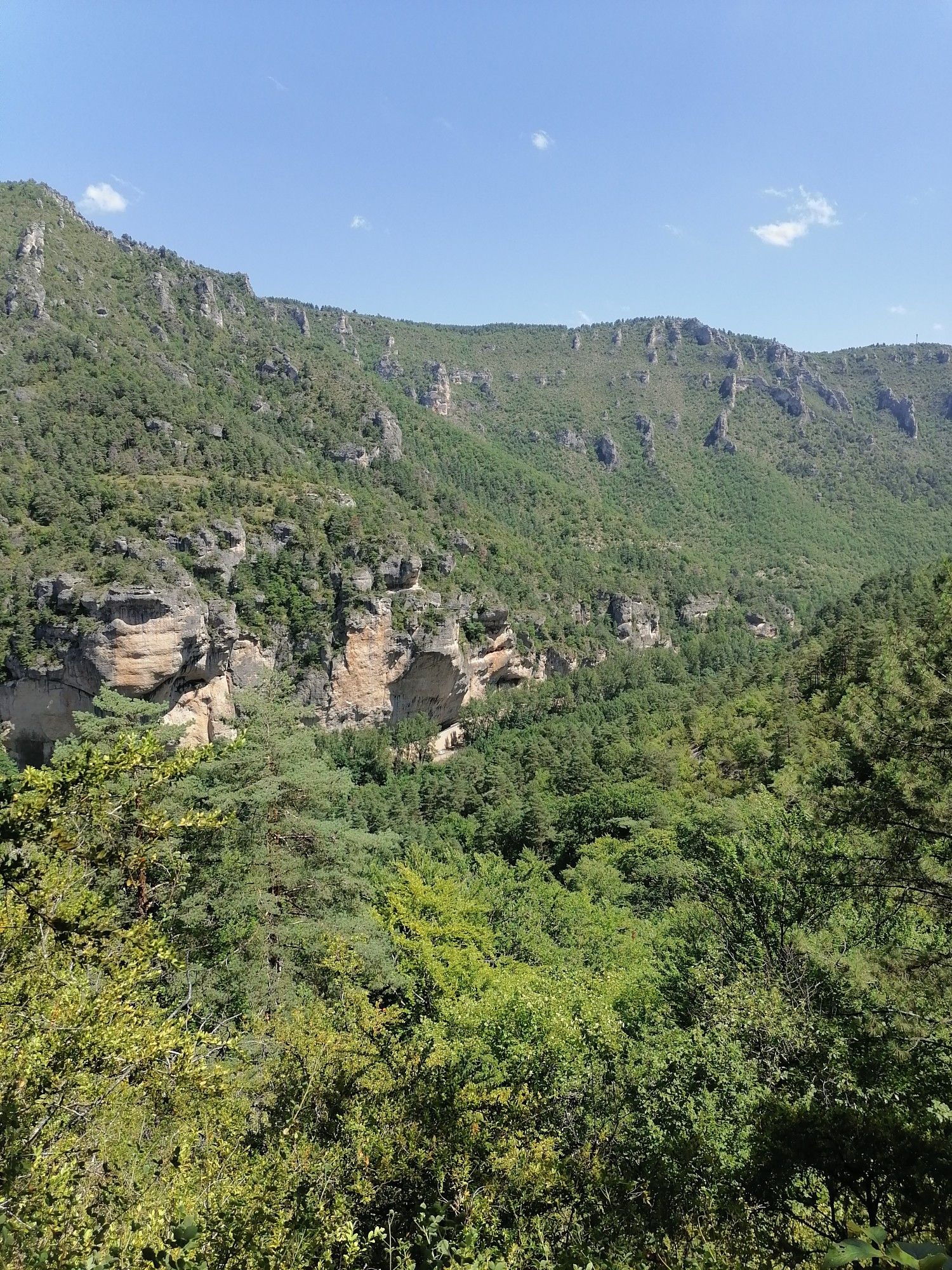
Best natural monuments around La Malène are primarily found within the Gorges du Tarn, a significant natural formation carved by the Tarn River. This region, located in the Cévennes National Park, features dramatic landscapes of narrow passages, towering cliffs, and vast limestone plateaus known as Causses. The area showcases a rich diversity of geomorphologies, including straits, caves, and unique rock formations. These natural features make La Malène a notable destination for exploring geological wonders.
Best natural monuments around La Malène
…Last updated: July 4, 2026
Vase de Sèvres and Vase de Chine
Highlight • Natural Monument
In addition to …
Translated by Google •
Tip by

Capluc Rock
Highlight • Viewpoint
Its summit is accessible by ladders (no …
Translated by Google •
Tip by
Sign up now to discover places like this
Get recommendations on the best single tracks, peaks, & plenty of other exciting outdoor places.
Sign up for free
Notre-Dame de Cénaret Chapel
Highlight • Religious Site
Very beautiful buildings ranging from medieval times to the …
Translated by Google •
Tip by

Arcs de Saint-Pierre
Highlight • Natural Monument
Between …
Translated by Google •
Tip by
Vertigo Viewpoint
Highlight • Viewpoint
Translated by Google •
Tip by
Sign up for free to discover even more natural monuments around La Malène.
Sign up for free
Already have an account?
Start today with a free account
Your next adventure awaits.
Login or Signup
Popular around La Malène



Tips from the Community

Many iron ladders lead up to the summit cross with a magnificent view,
1
0

Magnificent viewpoint at the confluence of the Tarn and the Jonte
0
0

Great vantage point over the Jonte Gorge. Both vultures and rock climbers can be observed from here. But don't lean too far out!
0
0

old mill, magnificent to see it is used to display local and artisanal products
0
0

Not for the faint hearted, but worth the effort. Excellent views near summit if you dont fancy jacob’s ladders.
0
0

What a beautiful hidden world! I was thrilled when I made my first hike here and came across the two stone blocks above the Causse Méjean. These two monoliths are commonly called the "Vase de Sèvre" and the "Vase de Chine," in reference to their striking shapes.
7
0

Nestled under a rock wall at the bottom of the village of Saint-Chély du Tarn, the Notre-Dame de Cénaret chapel, dating from the 12th century, sits near a spring leading to an underground lake. It's definitely worth the detour!
0
0

This Marian shrine, dedicated to the Mother of God under the customary title "Notre Dame" (Our Lady), crouches – at least so it seems – almost protectively under the ledge.
0
0
Frequently Asked Questions
What unique geological formations can I explore around La Malène?
The region is famous for the Gorges du Tarn, Europe's largest karst gorges, featuring dramatic cliffs and narrow passages. You can also discover the Vase de Sèvres and Vase de Chine, two striking monoliths on the Causse Méjean, and the Arcs de Saint-Pierre, where erosion has carved majestic arches in limestone.
Are there any impressive viewpoints to see the Gorges du Tarn?
Absolutely. Le Point Sublime offers an iconic, grand canyon-like perspective of the Tarn gorges, with panoramic views of the Causse Méjean and Causse de Sauveterre. Another excellent spot is Capluc Rock, which provides a 360° view of the Tarn gorges and the surrounding causses after a climb accessible by ladders.
What kind of outdoor activities can I do near the natural monuments?
The area is a paradise for outdoor enthusiasts. You can enjoy boat trips through the narrow sections of the Gorges du Tarn, canoeing, kayaking, and numerous hiking trails. The cliffs also attract climbers. For more structured routes, explore the many options for hiking, cycling, and running around La Malène.
Are there family-friendly natural monuments or activities in the area?
Yes, several natural monuments are suitable for families. Le Point Sublime is easily accessible and offers breathtaking views without strenuous effort. Boat trips through the Gorges du Tarn are also a popular and gentle way to experience the scenery. Many easy hiking trails are available, such as the 'View from Roc du Serre – Viewpoint loop from Rieisses' or 'Viewpoint loop from Perte de la Boullière' found in the hiking guide.
What is the best time of year to visit the natural monuments around La Malène?
The Gorges du Tarn and surrounding causses are beautiful throughout the warmer months. Spring and autumn offer pleasant temperatures for hiking and outdoor activities, with fewer crowds. Summer is ideal for water activities on the Tarn River, though it can be busier. Always check local weather conditions before your visit.
Are there any historical or cultural sites integrated with the natural landscape?
Yes, the Arcs de Saint-Pierre are located in the heart of a former Gallo-Roman village and feature a nearby cave-burial site with archaeological significance. Additionally, the Notre-Dame de Cénaret Chapel, built in the 12th century at the entrance to a cave, offers a unique blend of history and natural setting.
Can I find hiking trails of varying difficulty near these natural monuments?
Yes, the region caters to all levels. You can find easy loops like the 'View from Roc du Serre' or 'Viewpoint loop from Perte de la Boullière'. For more challenging adventures, consider the 'Roc des Hourtous Trail' or the 'Journey between Gorges and Causse Trail'. All these and more can be found in the hiking guide for La Malène.
What are the Causses and how do they relate to the Gorges du Tarn?
The Causses Méjean and Sauveterre are vast limestone plateaus that flank the Gorges du Tarn. They offer a striking contrast to the verdant canyon below, characterized by their 'lunar and desertic' appearance, distant rocky horizons, and unique geological formations called dolines. They are an integral part of the dramatic landscape of the region.
What do visitors particularly enjoy about the natural monuments around La Malène?
Visitors are consistently thrilled by the spectacular scenery and the sheer geological diversity. Many highlight the 'grand canyon-like' views from spots like Le Point Sublime and the unique rock formations such as the Vase de Sèvres and Vase de Chine. The opportunity to observe climbers and vultures adds to the natural spectacle, creating memorable experiences.
Are there opportunities for wild swimming or river access near the natural monuments?
The Tarn River, which carved the gorges, features pebble beaches and riparian forests. These spots offer opportunities for swimming and relaxing by the water, especially during the warmer months. The river is fed by subterranean waters from the surrounding causses, providing refreshing conditions.
Are there any natural monuments that are also popular for climbing?
Yes, the Vase de Sèvres and Vase de Chine on the Causse Méjean are not only geological wonders but also a popular spot for climbing enthusiasts. You might even observe climbers scaling these unique monoliths, often alongside circling vultures.
What kind of vegetation and wildlife can I expect to see in the Gorges du Tarn area?
The Gorges du Tarn feature lush riparian vegetation, including willows, alders, and poplars along the riverbanks. The contrasting Causses, like Méjean, have sparser vegetation such as juniper and boxwood. The area is also known for its birdlife, with vultures often seen circling above the cliffs, particularly near viewpoints and climbing spots.
Most popular routes around La Malène
Most popular attractions around La Malène

Get inspired with the komoot mobile app


Explore more
Extend your search for the best caves by checking out these guides of the top ones around La Malène:
