Top 15 Castles around Sils im Domleschg
Castles around Sils im Domleschg offer a glimpse into the region's historical landscape, situated in the Swiss canton of Graubünden. This area is characterized by its valley floors and rocky spurs, providing strategic locations for historic fortifications. The Domleschg valley is known for its concentration of castles, reflecting centuries of settlement and territorial significance. Exploring these sites provides insight into the area's past and its connection to Alpine pass routes.
Best castles around Sils im Domleschg
- The most popular castles…
Last updated: July 7, 2026
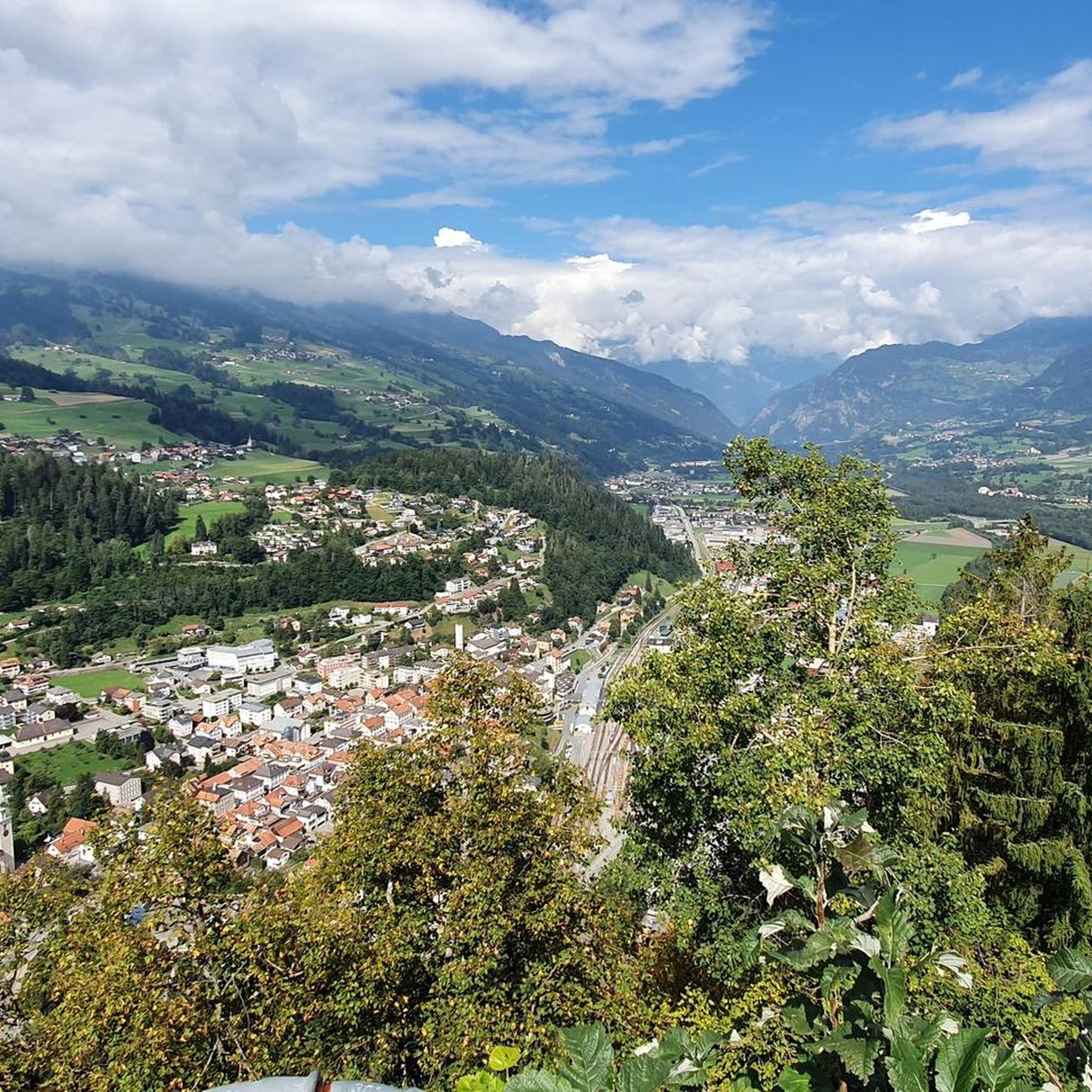
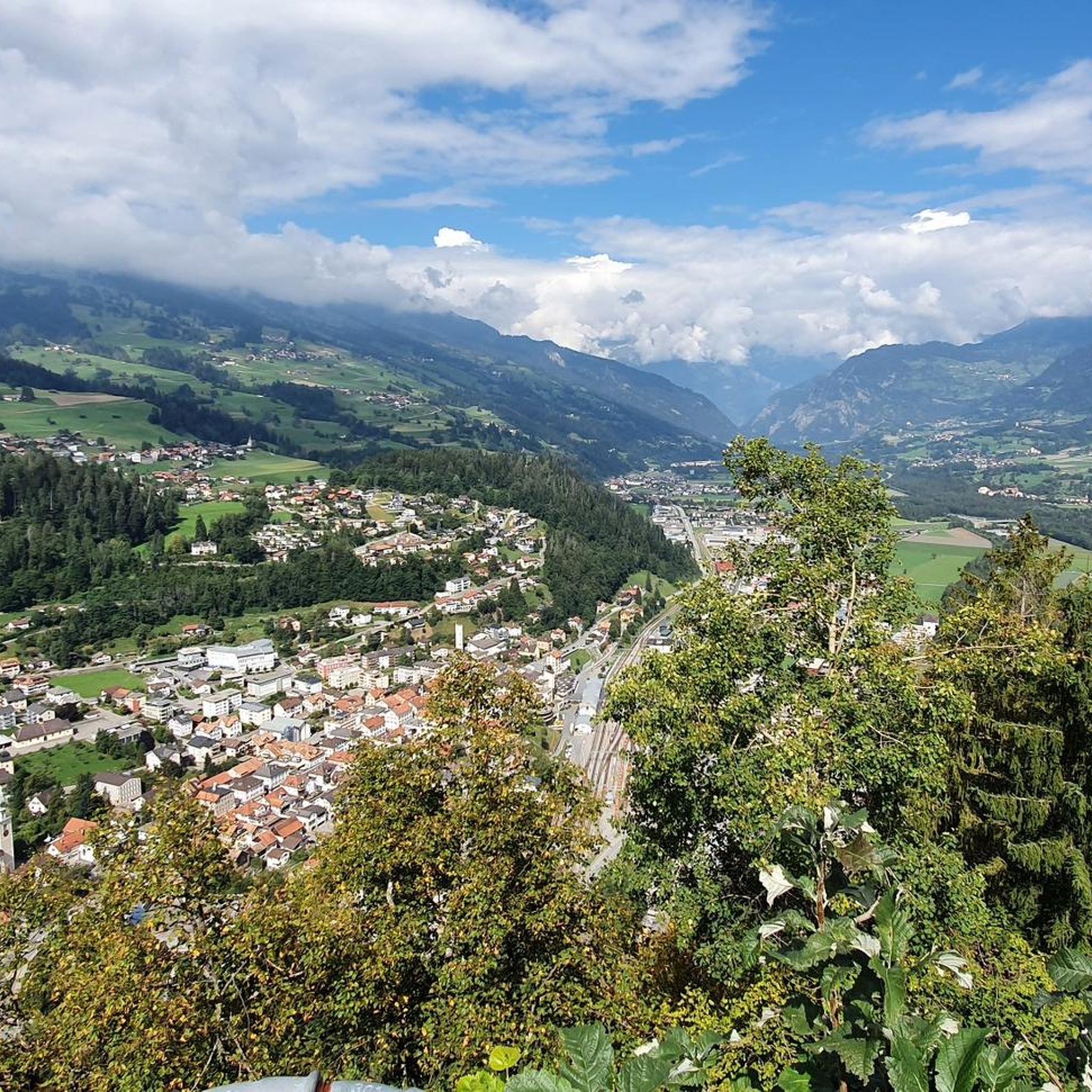
View of Hohen Rätien Castle Ruins
Highlight • Castle
Translated by Google •
Tip by

Rietberg Castle
Highlight • Castle
Translated by Google •
Tip by

Sign up now to discover places like this
Get recommendations on the best single tracks, peaks, & plenty of other exciting outdoor places.
Sign up for free
Schauenstein Castle
Highlight • Castle
An episcopal Meierhof as the origin of Fürstenau
The episcopal power in Domleschg was probably already developed in the epoch of the Frankish Empire, in …
Translated by Google •
Tip by

Sins Castle
Highlight • Castle
A castle with a changing face: Sins Castle in Paspels, which is just over 300 years old.
Paspels Castle was probably built by Jahn Victor von …
Translated by Google •
Tip by
Cagliatscha Castle Ruins
Highlight • Castle
burgenwelt.org/schweiz/cagliatscha/object.php
Translated by Google •
Tip by
Sign up for free to discover even more castles around Sils im Domleschg.
Sign up for free
Already have an account?
Start today with a free account
Your next adventure awaits.
Login or Signup
Popular around Sils im Domleschg
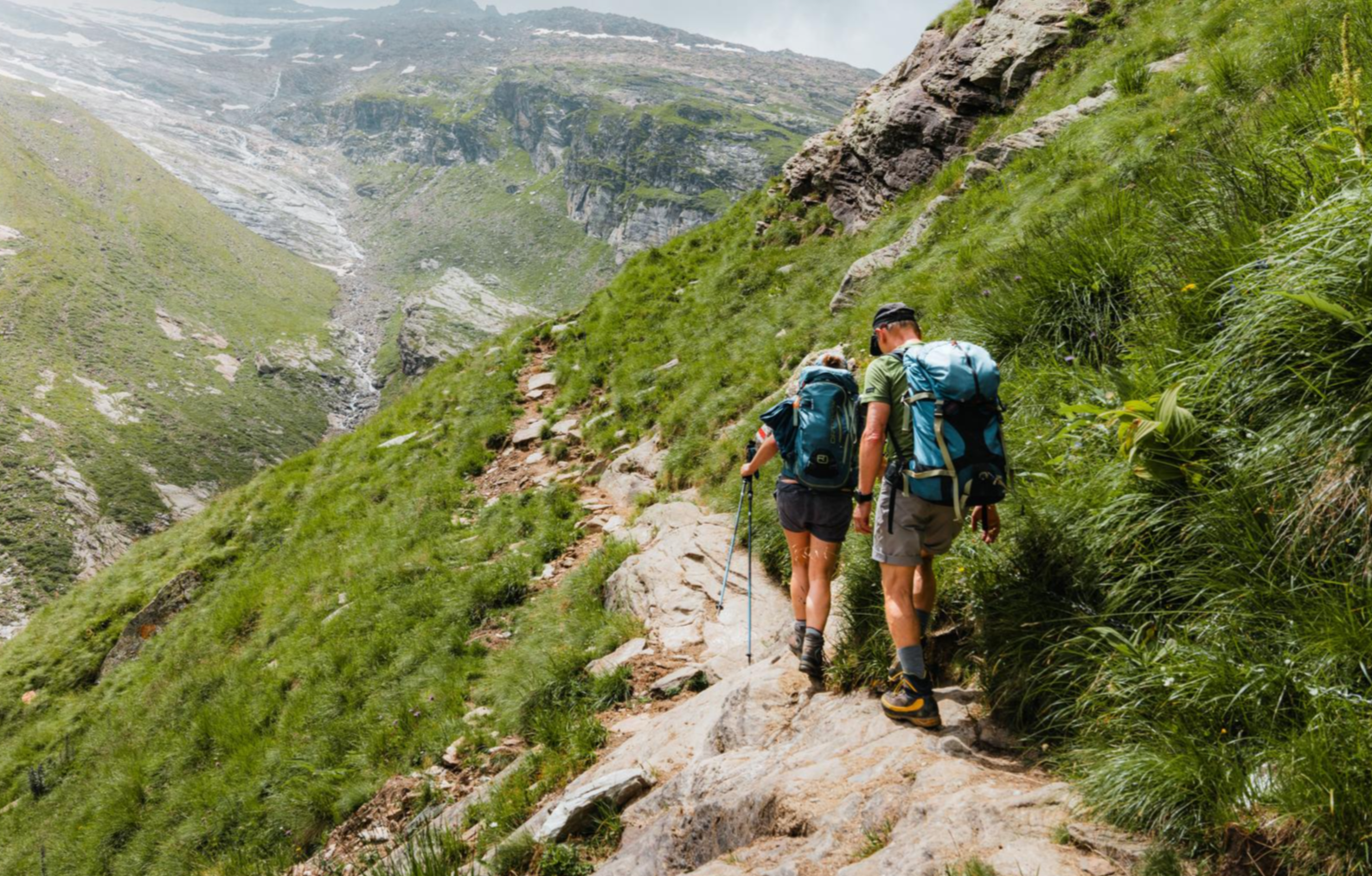
Mountain worlds and gorge magic – adventure hikes in the Viamala Region
Hiking around Sils im Domleschg
Cycling around Sils im Domleschg
MTB Trails around Sils im Domleschg
Road Cycling Routes around Sils im Domleschg
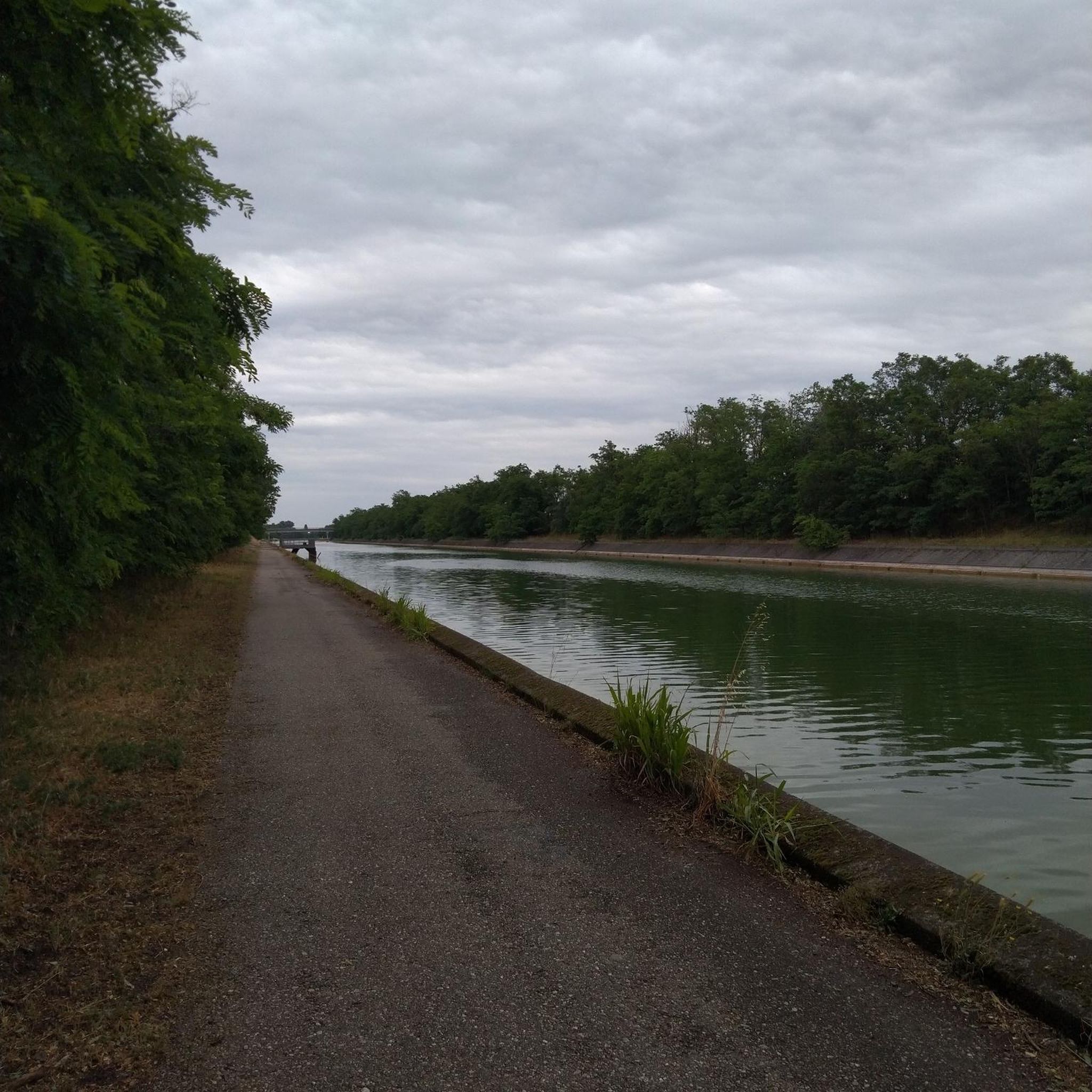
Gravel biking around Sils im Domleschg
Running Trails around Sils im Domleschg
Mountain Hikes around Sils im Domleschg
Other adventures around Sils im Domleschg

Tips from the Community


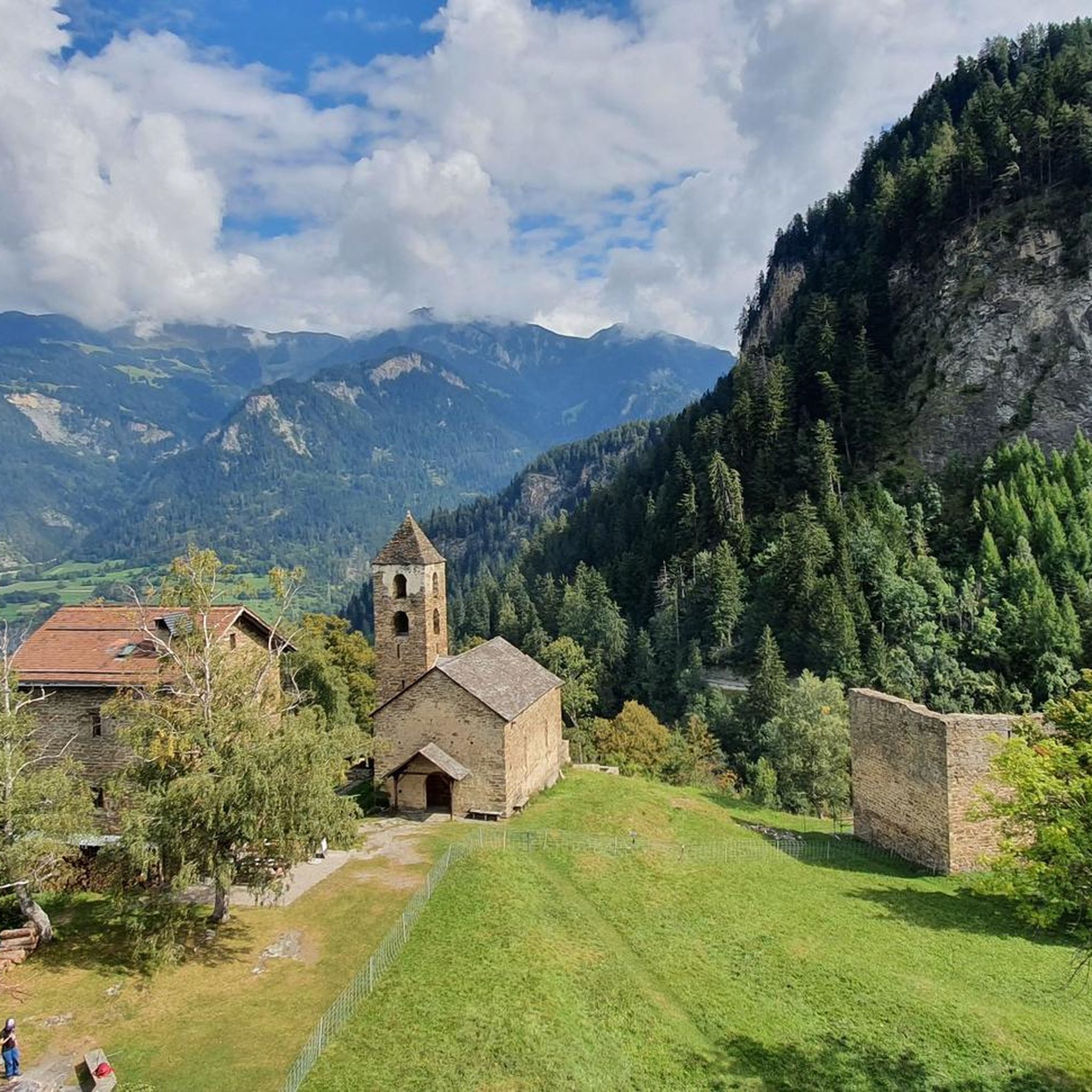
This castle is located 250m above the Oden valley. It is privately owned and is very well preserved. Inside there is seating and a fireplace. Entrance fee is 5 francs to help maintain this beautiful castle.
0
0

The ruins are great to look at.
6
0

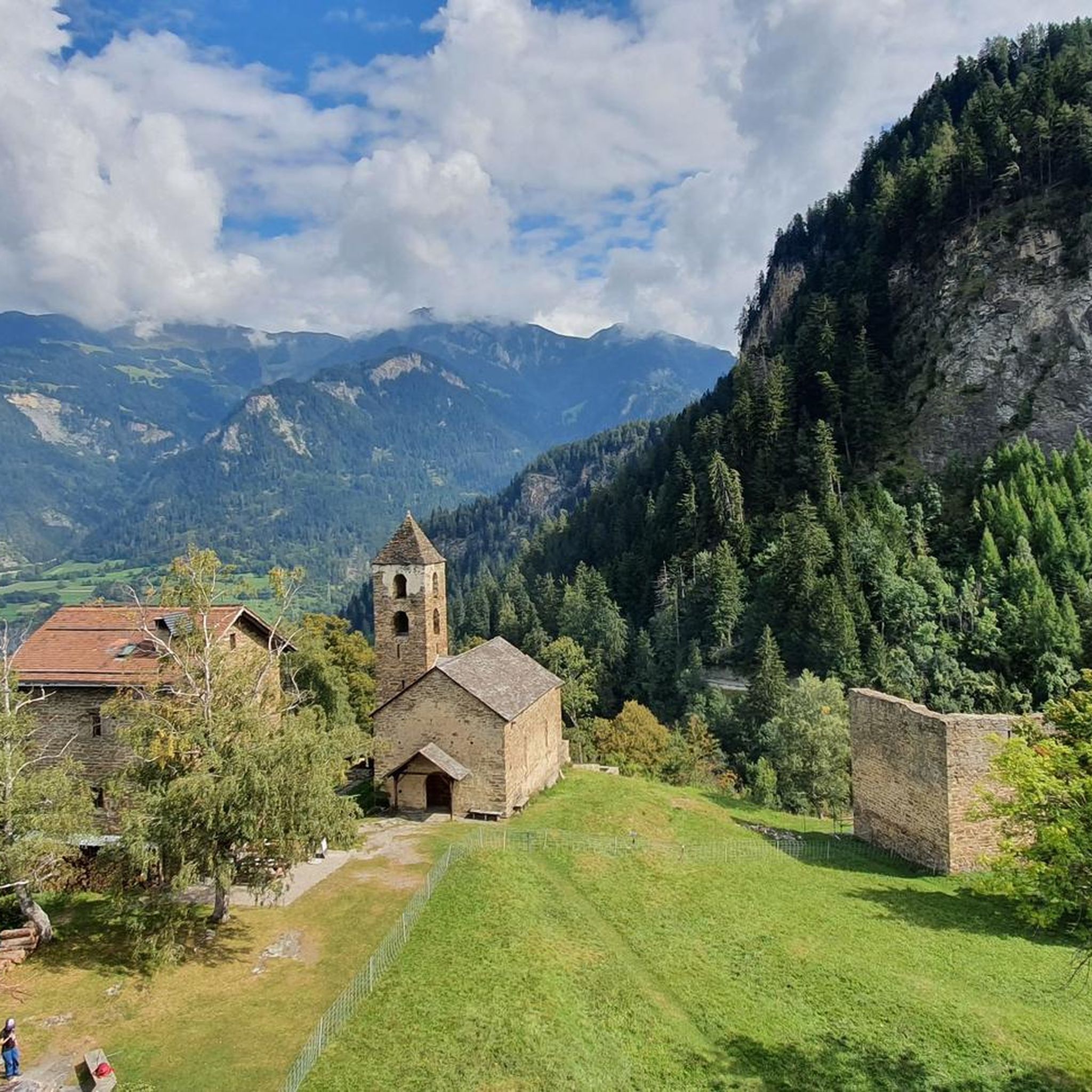
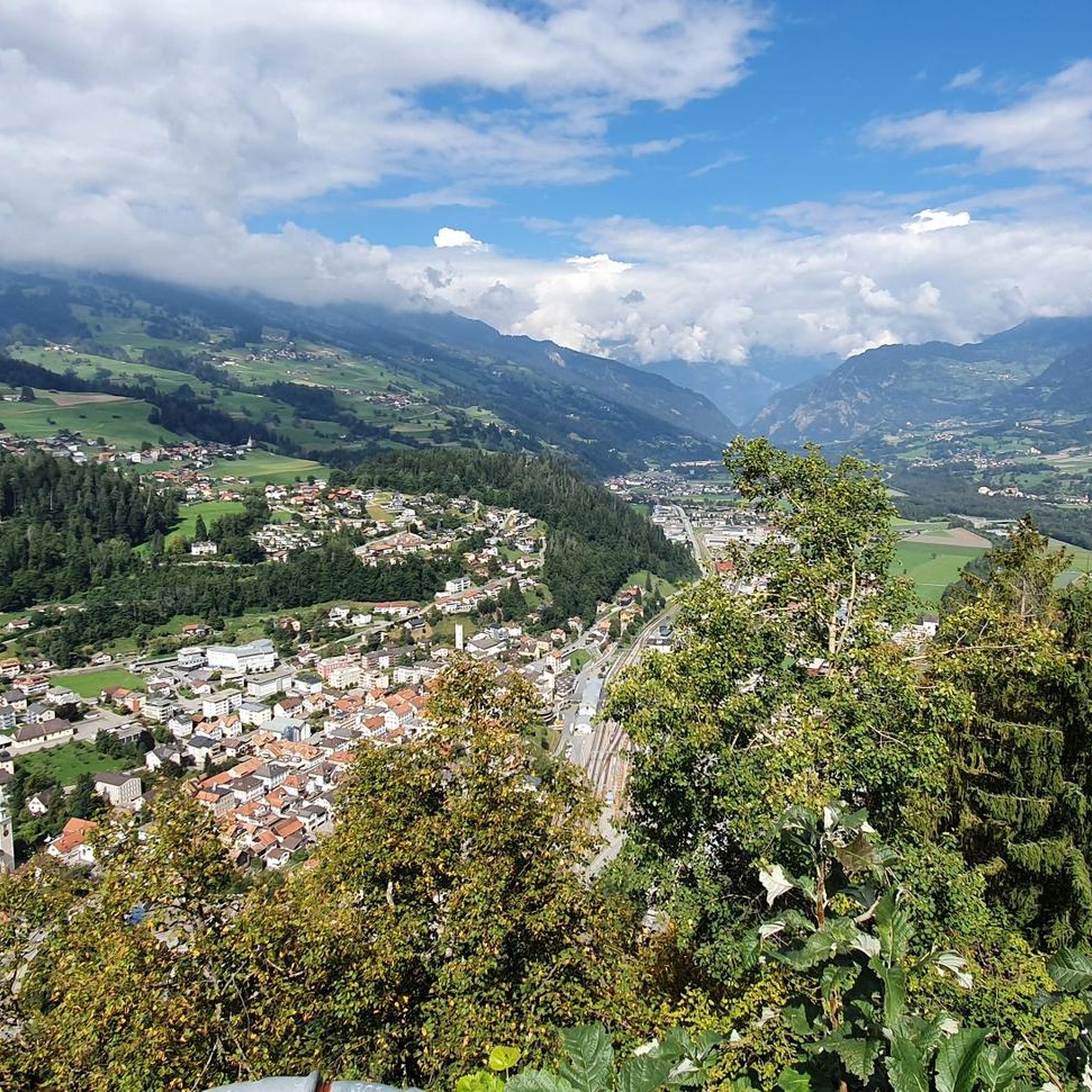
The Höhen Rätien Castle is a hilltop and church castle high on the rock at an altitude of 946 metres above the entrance to the Viamala Gorge. It is located in Sils im Domelschg Hinterrhein Graubünden. It is one of the oldest cultural and settlement sites in Switzerland.
2
0
Rietberg Castle stands above Pratval in Doleschg Graubünden. It was built in 1225 as a hilltop castle at an altitude of 723 metres.
0
0
Sins Castle in Paspels Domleschg Graubünden was rebuilt between 1646 and 1725 by Johann Viktor Travers von Ortenstein as a hilltop castle at a height of 660 metres above the previous building.
1
0

Sins Castle in Paspels A castle with a changing face: Sins Castle in Paspels, which is just over 300 years old. Paspels Castle was probably built by Jahn Victor von Travers-Ortenstein around 1695. Parts of the main wing probably date from this time, although they can no longer be identified. Around 1730, the builder's son of the same name seems to have carried out extensive reconstruction. This reconstruction is probably the basis for the overall layout of the current complex, especially the staircase. It is considered the presumed birthplace of Pompejus Planta, who became known as an opponent of Jürg Jenatsch. Further modifications were carried out by Lieutenant General Victor von Travers, who also had the chapel built on April 25, 1760 in honor of the names of Jesus, Mary and Joseph. The last major renovation took place in 1892/93 under Colonel Freidrich von Tscharner (later at Ortenstein) with a redesign of the exterior. The architect was Nicolaus Hartmann sen., St. Moritz. In 1911, ownership was transferred to Minister F. von Salis-Soglio. Sins Castle was run as a hotel until 2012. Text / Source: Viamala Tourism, Bodaplatz 4, 7435 Splügen https://www.viamala.ch/de/ausflugsziele/schloss-sins
13
0
Fürstenau - town in miniature An episcopal Meierhof as the origin of Fürstenau The episcopal power in Domleschg was probably already developed in the epoch of the Frankish Empire, in the first millennium. The incompletely preserved Reichsurbar (list of goods and taxes of the imperial rule) from 831 shows that a ministry Tumliasca (bishop's administrative apparatus Domleschg) existed. This faced a vicedominus with judicial authority. It is conceivable that the episcopal administration was originally based in Hohenrätien ob Sils i.D. had, but had been moved to one of the three Carolingian royal courts of Scharans, Almens and Tomils early on. Presumably an administrative officer (Meier) of the bishop took up residence in Baumgartenland Maros near Fürstenau. The name Maros goes back to the Latin word ad majoranem, the accusative of maiora (= dairy farm or farmstead). From this, the name Mairaus developed via ad maioranes, which as a name for Fürstenau first appears in documents in the first half of the 12th century. The development of the city In the course of the 14th century, the sovereign large castle acquired a modest urban character as a result of the denser settlement of the outer bailey. A document from 1383 testifies that the main castle was in front of the bridge to a bailey (lat. atrium). Peasant and artisan subjects lived here, who were responsible for the supply of the lords of the castle, and, as the House of Stoffel shows, apparently also knightly servants. Architectural and political developments are interrelated. In the middle of the 14th century, the diocese of Chur not only managed to obtain market privileges, but also a place of jurisdiction for blood justice. King Charles IV had Bishop Ulrich V (1331-1355) present a diploma on May 13, 1354, which gave Fürstenau the right to jail, sticks and gallows, as well as the holding of two annual markets on St. Michael's and St. George's Day . This meant that Fürstenau had also become a city in a legal sense. Its expansion from 1354 coincides with that of the castle mentioned in 1272. The town was not only of great importance as a trading and market place, it had also risen to become the center of princely possessions in the upper part of the Domleschg. So the castle has clearly proven itself as a strong attraction. Around 1300, a territorialization process began in the Graubünden area, which had a significant influence on political events up until after 1450. Noble dominions such as that of the Lords of Rhäzüns supplemented or overlaid the episcopal dominion. Neither party had a closed territory. As early as the first half of the 14th century, Fürstenau was drawn into the maelstrom of the episcopal power struggles. The few surviving documentary mentions of Fürstenau should be seen in this context: In 1333 the bishop promised the lords of Rhäzüns 1000 marks, four hundred of them through Fürstenau Castle, which was then pledged. In 1347 the castle served as security so that the bishop would go back into the captivity of the Count of Tyrol, from which he had been released. Fürstenau was then handed over to Walter von Stadion. In 1351 an arbitral tribunal had to decide the dispute over Fürstenau Castle between the bishop and the Counts of Montfort. Finally, in 1367, Fürstenau was occupied by the cathedral chapter and the bishop's vassals. In 1387 it regained great importance in connection with the expansion of the Septimer Pass by Johann von Castelmur. Text: City of Fürstenau https://www.fuerstenau.ch/Portrait/History/
13
0
Frequently Asked Questions
What are some of the most historically significant castles to visit in the Sils im Domleschg area?
The region is rich in history. Hohenrätien Castle Ruins stand out with roots dating back to the Bronze Age and Roman settlements, offering a deep dive into over 4,000 years of continuous use. Another significant site is Rietberg Castle, which was the seat of the Lords of Rietberg and has a documented history from the 13th century, including dramatic events like the murder of Pompejus Planta.
Are there any castles in Sils im Domleschg that offer unique experiences beyond just ruins?
Yes, Ehrenfels Castle, built in the 13th century, has been uniquely repurposed as a youth hostel. It offers a 'knightly ambiance' for accommodations, events, and group activities, complete with an outdoor play area and grilling facilities. While its interior is not open to the public, Baldenstein Castle can be admired from the outside, particularly from the Domleschg Castle Trail, for its striking presence and well-preserved medieval tower.
What is the best time of year to visit the castles and go hiking in Sils im Domleschg?
The warmer months, generally from March to October, are ideal for visiting the castles and exploring the surrounding hiking trails. During this period, sites like the church and tower at Hohenrätien Castle are typically open. The weather is also more favorable for outdoor activities like mountain hikes and running trails.
Are there family-friendly activities or castles suitable for children in the region?
Ehrenfels Castle, with its current function as a youth hostel, is particularly family-friendly. It features an outdoor play area and grilling facilities, making it a great spot for families. Exploring the ruins of castles like Cagliatscha Castle Ruins can also be an engaging adventure for children, offering space to explore and imagine.
Can I combine a castle visit with outdoor activities like hiking or cycling?
Absolutely. The castles are often situated along scenic routes. You can find various outdoor activities nearby, including mountain hikes, running trails, and road cycling routes. Many castles, like Hohenrätien, are reached via rewarding paths that offer panoramic views, making the journey part of the experience.
What kind of views can I expect from the castles in Sils im Domleschg?
Many castles in the region offer spectacular panoramic views. For instance, Hohenrätien Castle Ruins are known for their breathtaking vistas over the Domleschg valley and the Viamala Gorge. Other sites like Cagliatscha Castle Ruins also serve as viewpoints, providing picturesque scenery of the surrounding landscape.
Are there any castles that are particularly well-preserved or offer insights into medieval architecture?
Campell Castle, though a ruin, is notable because much of its original structure remains, particularly the central tower and eastern wing, which retain their medieval character. Its history of construction, ownership changes, and rebuilding efforts provides a comprehensive narrative of medieval castle development. Baldenstein Castle also features a well-preserved medieval tower with walls up to 2.1 meters thick.
What are some of the lesser-known but interesting castles or historical sites in the area?
Schauenstein Castle in Fürstenau is an interesting site that evolved from an episcopal Meierhof and gained urban character in the 14th century, even acquiring market privileges. Sins Castle in Paspels, while having undergone significant modifications, showcases a changing architectural face over centuries and was run as a hotel until 2012.
What should I bring for a castle hike in Sils im Domleschg?
Given that many castles are reached via paths that can be steep, comfortable and sturdy hiking shoes are recommended. Depending on the season, layers of clothing, water, and snacks are advisable. For sites like Hohenrätien, an audio-visual guide is available, so consider bringing headphones or ensuring your phone is charged.
Are there any castles that are accessible year-round?
The grounds of Hohenrätien Castle are accessible year-round. However, specific parts like the church and tower are typically open during the warmer months, from March to October. It's always a good idea to check local information for specific opening hours, especially for interiors or guided tours.
What do visitors enjoy most about the castles around Sils im Domleschg?
Visitors frequently appreciate the deep historical roots and the opportunity to explore sites that have seen continuous use for thousands of years, such as Hohenrätien Castle Ruins. The panoramic views over the Domleschg valley and the Viamala Gorge are also a major highlight, as is the unique blend of historical architecture with modern uses, like Ehrenfels Castle serving as a youth hostel.
Most popular routes around Sils im Domleschg
Most popular attractions around Sils im Domleschg

Get inspired with the komoot mobile app


Explore more
Looking for the best castles somewhere else? Discover other guides around Sils im Domleschg:
