Top 4 Natural Monuments around Tréguidel
Natural monuments around Tréguidel are defined by the dramatic coastal landscapes of the Côtes-d'Armor department in Brittany. This region features impressive cliffs, unique geological formations, and significant natural reserves. Visitors can explore a variety of coastal features, including high cliffs and protected natural areas. The area offers opportunities to experience Brittany's natural heritage.
Best natural monuments around Tréguidel
- The most popular natural monuments is Pointe de Plouha, a viewpoint that features the highest cliffs in Brittany, reaching over 100…
Last updated: July 4, 2026
Pointe de Plouha
Highlight • Viewpoint
Translated by Google •
Tip by

Rocher du Coucou
Highlight • Viewpoint
charged with emotion. Indeed, it is from there that the women of the
area came to greet the men who …
Translated by Google •
Tip by

Sign up now to discover places like this
Get recommendations on the best single tracks, peaks, & plenty of other exciting outdoor places.
Sign up for free
Bec de Vir Point
Highlight • Viewpoint
The access path runs alongside cultivated plots before overlooking the birth of the high cliffs of …
Translated by Google •
Tip by
Bernains archaeological and natural site
Highlight • Historical Site
Translated by Google •
Tip by

Kapelle Saint Jacques
Highlight • Religious Site
Translated by Google •
Tip by

Start today with a free account
Your next adventure awaits.
Login or Signup

Tips from the Community

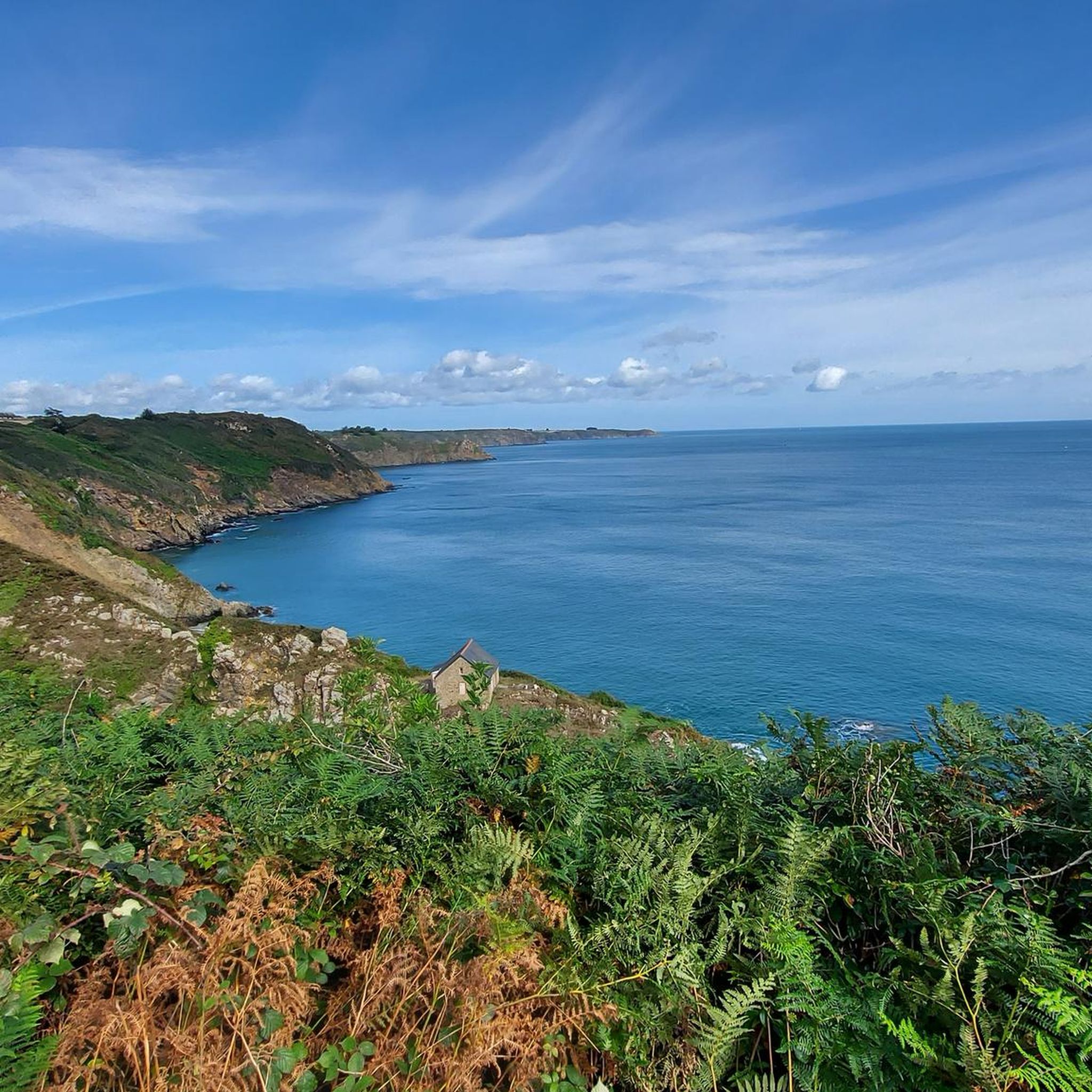
The view of the coast from the tip of Bec de Vir is breathtaking! The access path runs alongside cultivated plots before overlooking the birth of the high cliffs of Plouha and the large beach of Palus to the north. Further south, the rocks of the St-Quay islands and the rocky plateau of Rohein are easily visible at low tide. You can also see the semaphore of Saint-Quay-Portrieux. This sentinel has been watching over maritime traffic in the bay since 1860. Photo credit: Emmanuel Berthier
0
0
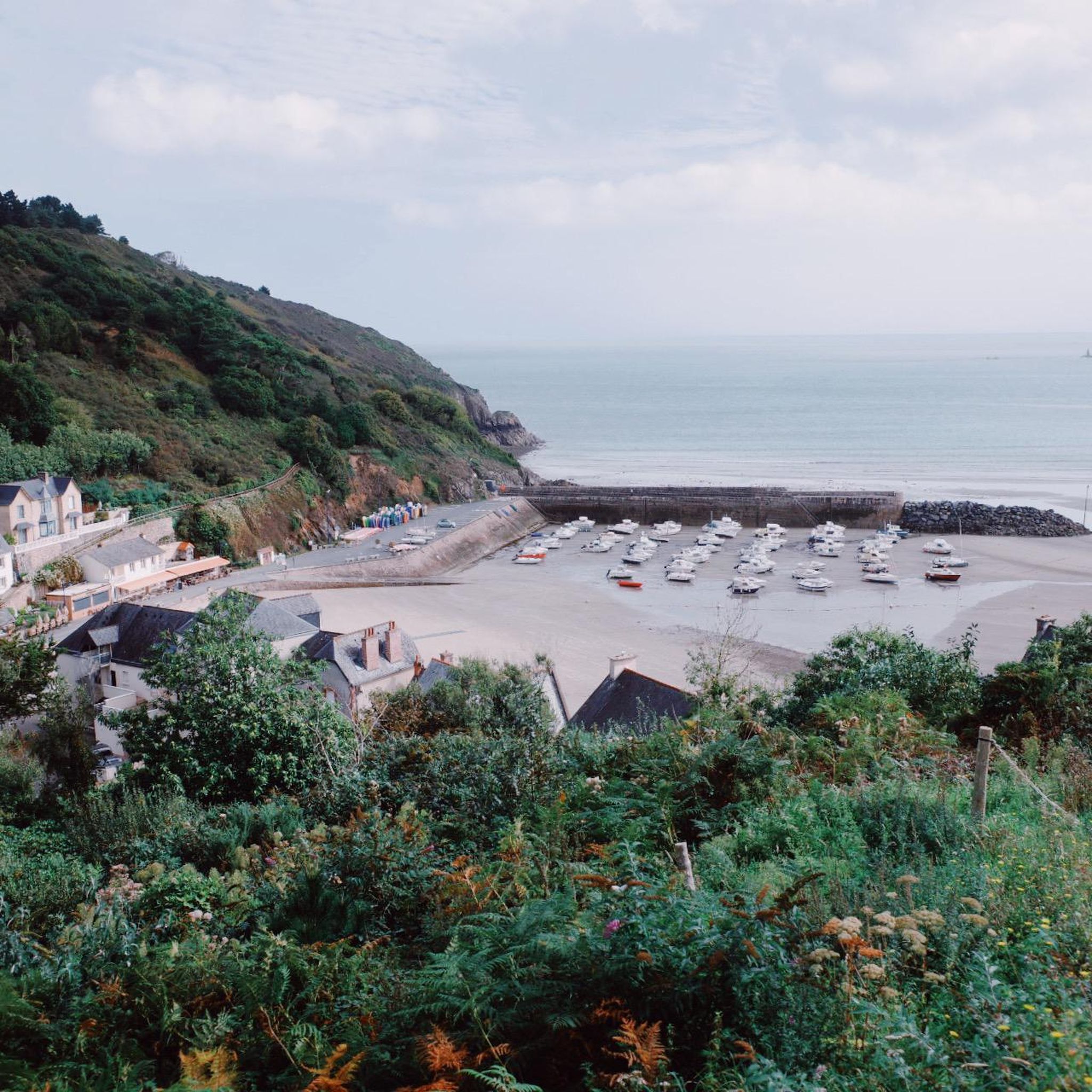
The rocky promontory in front of you is a place charged with emotion. Indeed, it is from there that the women of the area came to greet the men who were leaving or returning from the "Great Fishing", that is to say the cod fishing that was done in Newfoundland and then in Iceland. The fishing campaigns lasted 6 to 8 months. Imagine all the women who were there, standing, coming to say a last "hello" to their loved ones (husband, brother, friend), fearing they would never see them again. Or conversely, imagine them filled with joy at the idea of seeing them again when they saw the boat return to port. Photo credit: Emmanuel Berthier
0
0

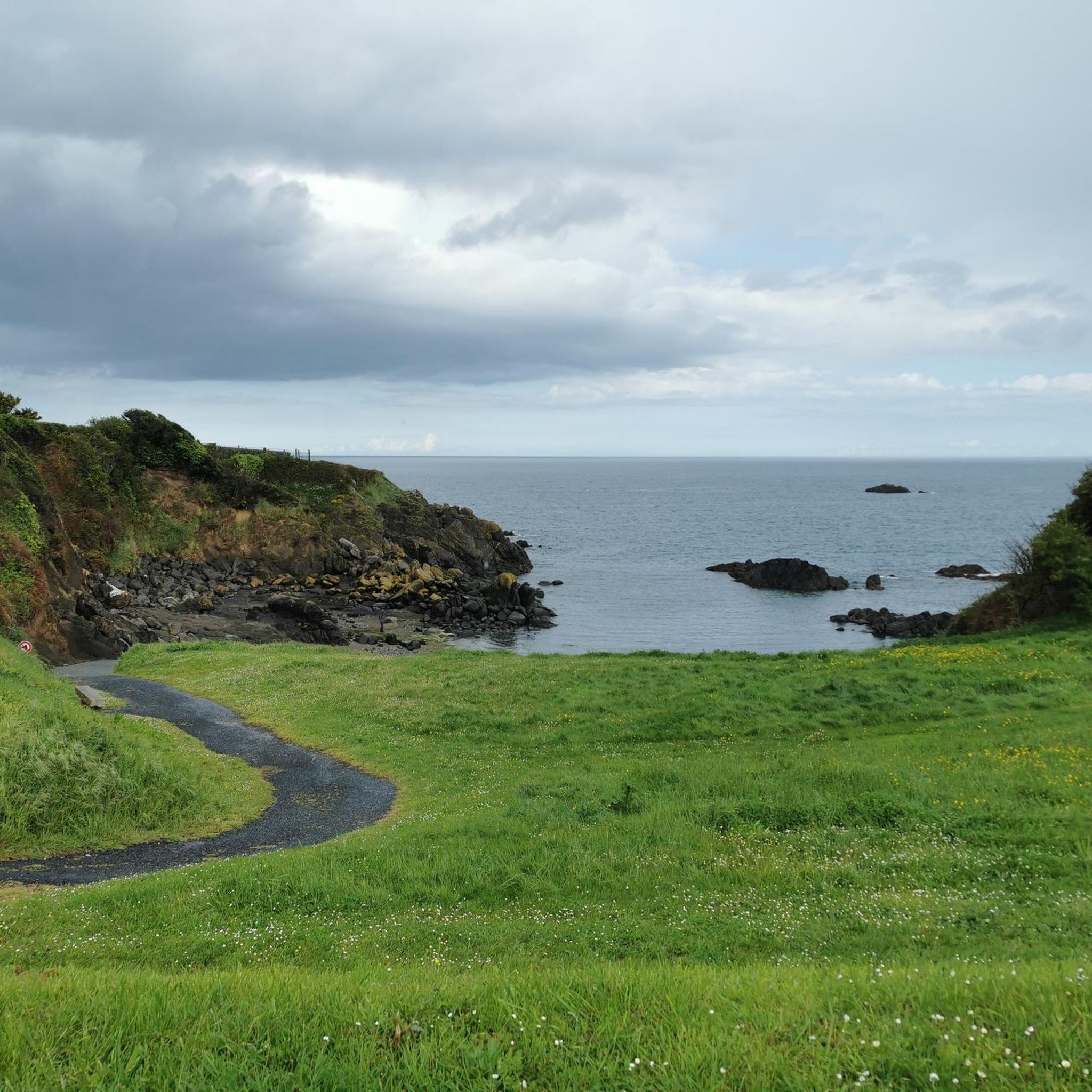
The Pointe de Plouha is a beautiful spot in Brittany and is known for its highest cliffs in the region, at 104 meters high. This 14-kilometer stretch of rocky coastline offers breathtaking views, hidden coves, bird nesting sites, an old harbor and a chapel with eerie frescoes. This location also offers historical significance, with the remains of bunkers built to protect a small anchorage, and a picturesque beach called Gwin Zegal, where tree trunks emerge from the water.
2
0

There is a bench next to the spring in the shade of the chapel! Don't think twice, just take a break in the most beautiful surroundings.
0
0
The chapel is open and can be visited.
0
0

At 104 meters, the highest cliffs in Brittany.
0
0

This wild point is an ideal place to appreciate the high cliffs of this amazing coast.
2
0
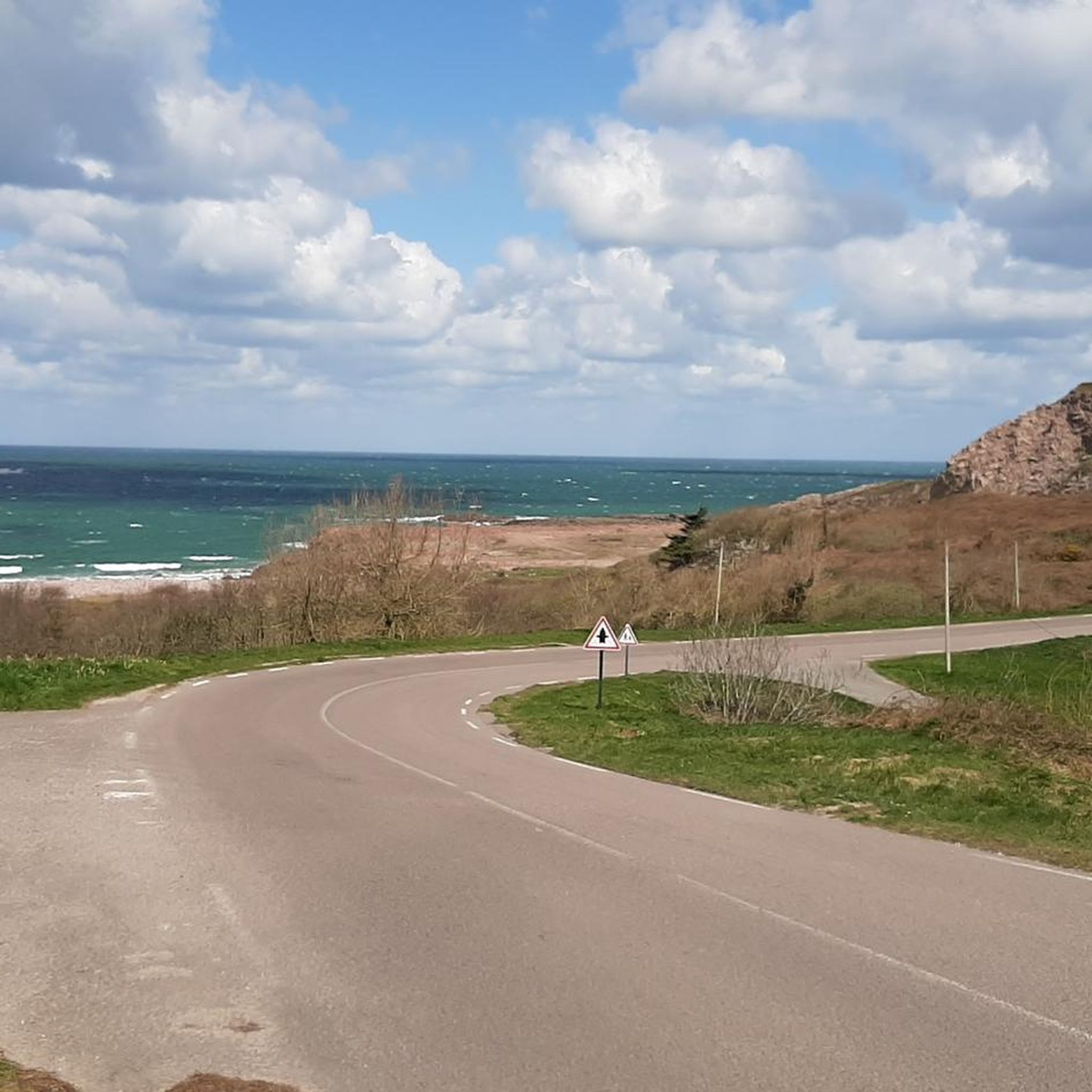
Called by the Binicais the “Roman Camp of the Bernains”, or even “the Mountain”, this natural site extends over approximately 15 hectares, it is classified as an archaeological site in the Local Urbanism Plan. On the crest line, a 600m long “wall” flanked by three towers separates the steep north slope, overlooking the coast from the gently sloping south slope. Dominating the mouth of the Ic, the Bernains site has a strategic position, controlling the entrance to the port of Binic.
7
0
Frequently Asked Questions
What are the most popular natural monuments to visit near Tréguidel?
The most popular natural monument is Pointe de Plouha, known for Brittany's highest cliffs and panoramic views. Other highly regarded spots include Rocher du Coucou, a viewpoint with historical significance, and Bec de Vir Point, offering extensive coastal vistas.
Are there family-friendly natural sites around Tréguidel?
Yes, the Kapelle Saint Jacques is a family-friendly natural monument. The Bernains archaeological and natural site also offers an interesting outing for families, combining nature with historical exploration.
What kind of natural features can I expect to see in the Tréguidel area?
The region is characterized by dramatic coastal landscapes. You'll encounter impressive cliffs, such as those at Pointe de Plouha, offering breathtaking views over the Bay of Saint-Brieuc and the English Channel. There are also unique geological formations, hidden coves, and significant natural reserves like the Bay of Saint-Brieuc itself, known for its tidal range and migratory birds.
What historical or cultural sites are integrated with the natural monuments?
Several natural monuments have historical significance. Rocher du Coucou served as a traditional farewell point for sailors. The Bernains archaeological and natural site is a classified archaeological area with a strategic past. Additionally, the Pointe de Plouha area includes sites like Anse Cochat (Plage Bonaparte), a WWII clandestine evacuation point, and Gwin Zegal, an ancient maritime heritage site with unique tree trunk anchorages.
What outdoor activities can I do near these natural monuments?
The area around Tréguidel is excellent for various outdoor activities. You can find numerous cycling routes, including touring and road cycling, with options like the 'Bike loop from Pléguien' or 'PLOUHA/ LE PALUS,PLAGE ✨✨✨ – Saint-Marc loop from Tréguidel'. For runners, there are several running trails, such as the 'Running loop from Tréguidel'. You can explore more options on the Cycling around Tréguidel, Road Cycling Routes around Tréguidel, and Running Trails around Tréguidel guide pages.
Are there hiking trails near the natural monuments, especially around Pointe de Plouha?
Yes, the Pointe de Plouha is part of the famous GR34 coastal path, also known as the customs officers' path. This trail offers fantastic hiking opportunities through heathland, secret coves, and dizzying viewpoints. Various sections and loops allow for hikes of different lengths and difficulties, providing stunning views of the English Channel.
What is the best time of year to visit the natural monuments in Côtes-d'Armor?
The spring and autumn months are generally ideal for visiting the natural monuments in Côtes-d'Armor. The weather is often pleasant for hiking and exploring, and you can avoid the peak summer crowds. Spring brings blooming flora, while autumn offers beautiful colors and good conditions for birdwatching, especially in areas like the Bay of Saint-Brieuc.
Is there parking available at the major natural monuments like Pointe de Plouha?
Yes, parking is available at Pointe de Plouha, making it accessible for visitors arriving by car. Specific parking areas are usually signposted near the main viewpoints and trailheads.
Are dogs allowed on the trails and at the natural monuments?
Many natural areas and trails in Côtes-d'Armor are dog-friendly, especially coastal paths like the GR34. However, it's always recommended to keep dogs on a leash, particularly in areas with wildlife or near cliffs, and to check specific site regulations before your visit.
What unique natural attractions can I find beyond the main highlights?
Beyond the immediate highlights, the broader Côtes-d'Armor department offers unique natural attractions such as the **Bay of Saint-Brieuc**, a significant natural reserve for migratory birds, and the **Sillon de Talbert**, a remarkable 3-kilometer-long sand and pebble peninsula. The **Île de Bréhat**, known as the 'island of flowers,' is also a classified natural site with a unique microclimate and car-free exploration.
What wildlife can be observed at the natural monuments?
The cliffs of Pointe de Plouha are home to numerous colonies of seabirds, including gulls, cormorants, and oystercatchers, making it an excellent spot for birdwatching. The nearby Bay of Saint-Brieuc is a crucial stopover for tens of thousands of migratory birds, offering exceptional opportunities for wildlife observation.
How long should I plan for a visit to the natural monuments near Tréguidel?
The duration of your visit depends on the specific site and your planned activities. For a comprehensive exploration of Pointe de Plouha, including hiking a section of the GR34, you could easily spend half a day or more. Shorter visits to viewpoints like Rocher du Coucou or Bec de Vir Point might take an hour or two. If you plan to visit multiple sites or undertake longer hikes, a full day or even several days would be beneficial.
Most popular routes around Tréguidel
Most popular attractions around Tréguidel

Get inspired with the komoot mobile app


Explore more
Extend your search for the best caves by checking out these guides of the top ones around Tréguidel:
