Top 9 Natural Monuments around Pleubian
Best natural monuments around Pleubian are found on the Lézardrieux peninsula, offering diverse coastal landscapes. The region is characterized by unique geological formations and access to the Pink Granite Coast. These natural features provide opportunities for walks and observation of coastal scenery. The area's natural monuments showcase a variety of rock formations and marine environments.
Best natural monuments around Pleubian
- The most popular natural monuments is The Plougrescant Chasm, a natural monument that features impressive red granite rock formations.…
Last updated: July 4, 2026
The Plougrescant Chasm
Highlight • Natural Monument
Translated by Google •
Tip by

Beauport Abbey
Highlight • Monument
Translated by Google •
Tip by

Sign up now to discover places like this
Get recommendations on the best single tracks, peaks, & plenty of other exciting outdoor places.
Sign up for free
Sillon de Talbert viewpoint
Highlight • Beach
Translated by Google •
Tip by

Sillon de Talbert Nature Reserve
Highlight • Natural Monument
Tip by

Lovers' Rock
Highlight • Natural Monument
Translated by Google •
Tip by

Sign up for free to discover even more natural monuments around Pleubian.
Sign up for free
Already have an account?
Start today with a free account
Your next adventure awaits.
Login or Signup
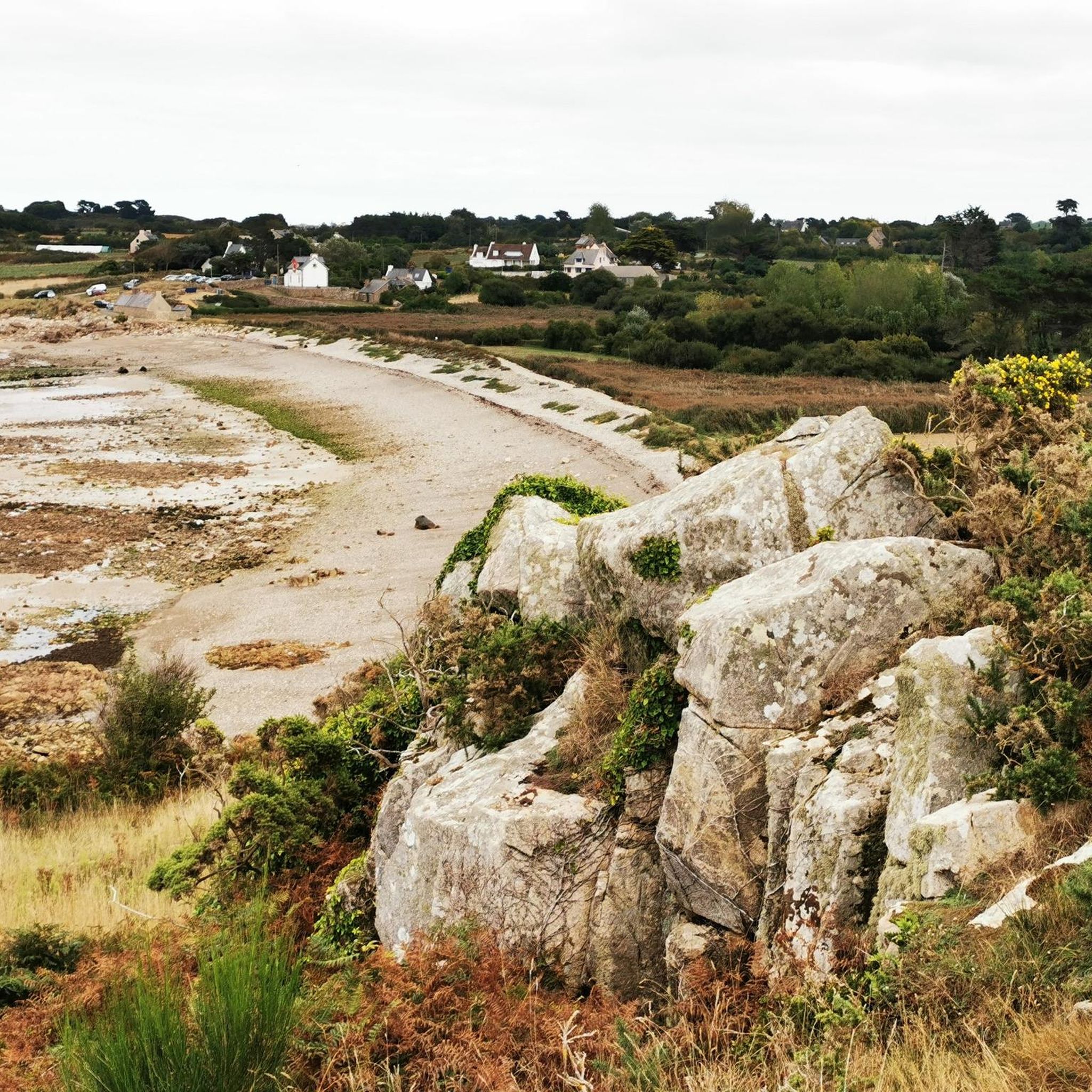
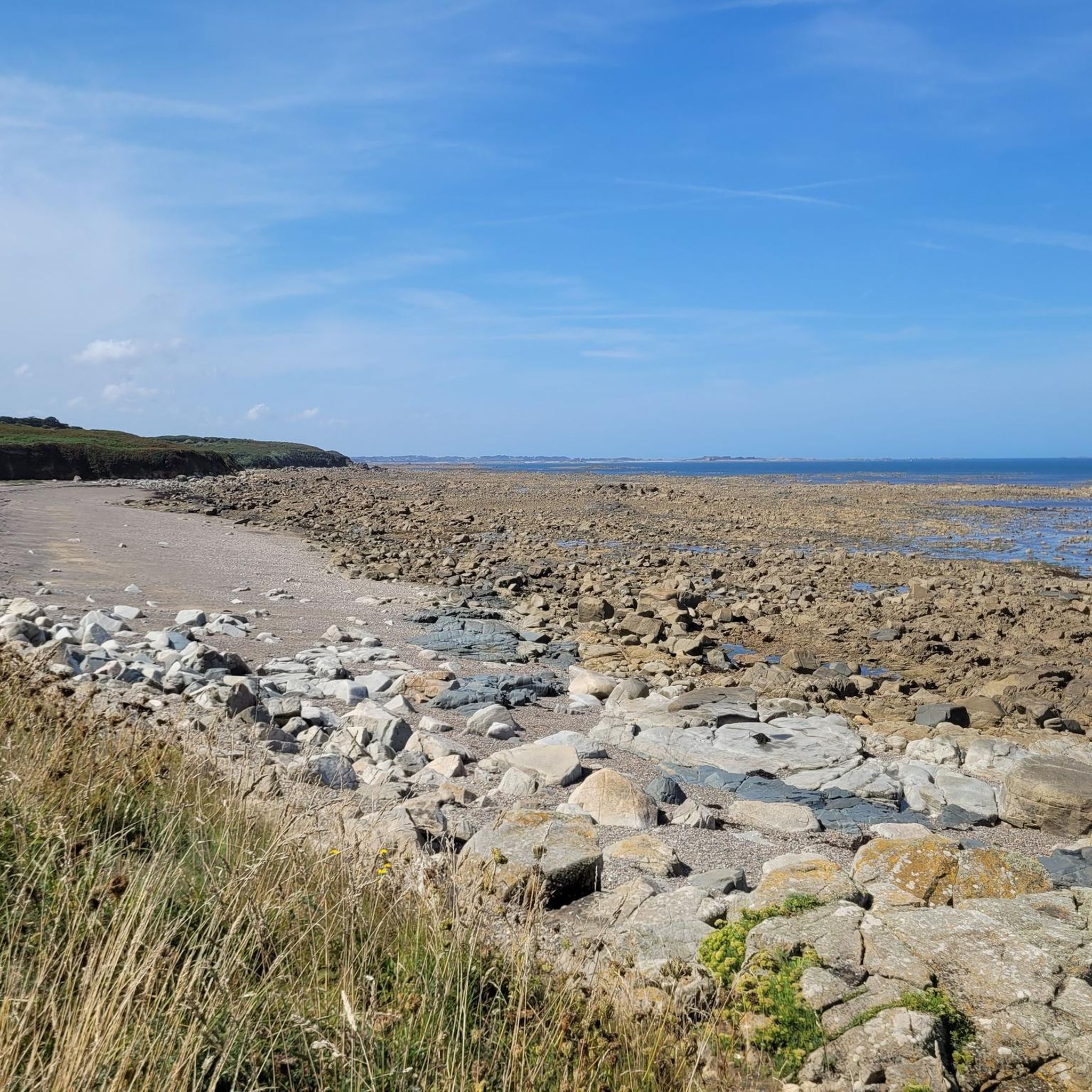
Other adventures around Pleubian

Tips from the Community

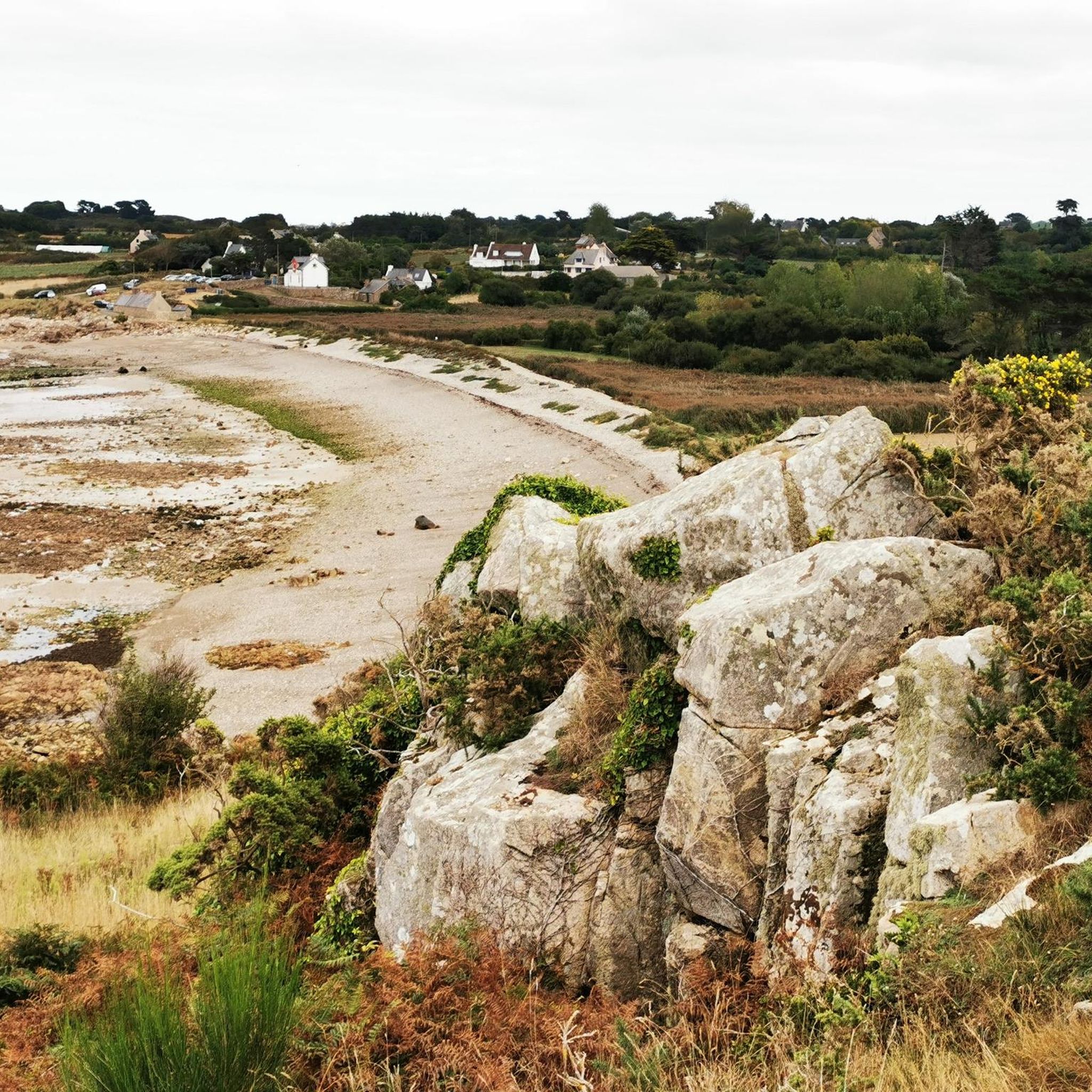
Very impressive. A great photo opportunity in a beautiful landscape.
0
0


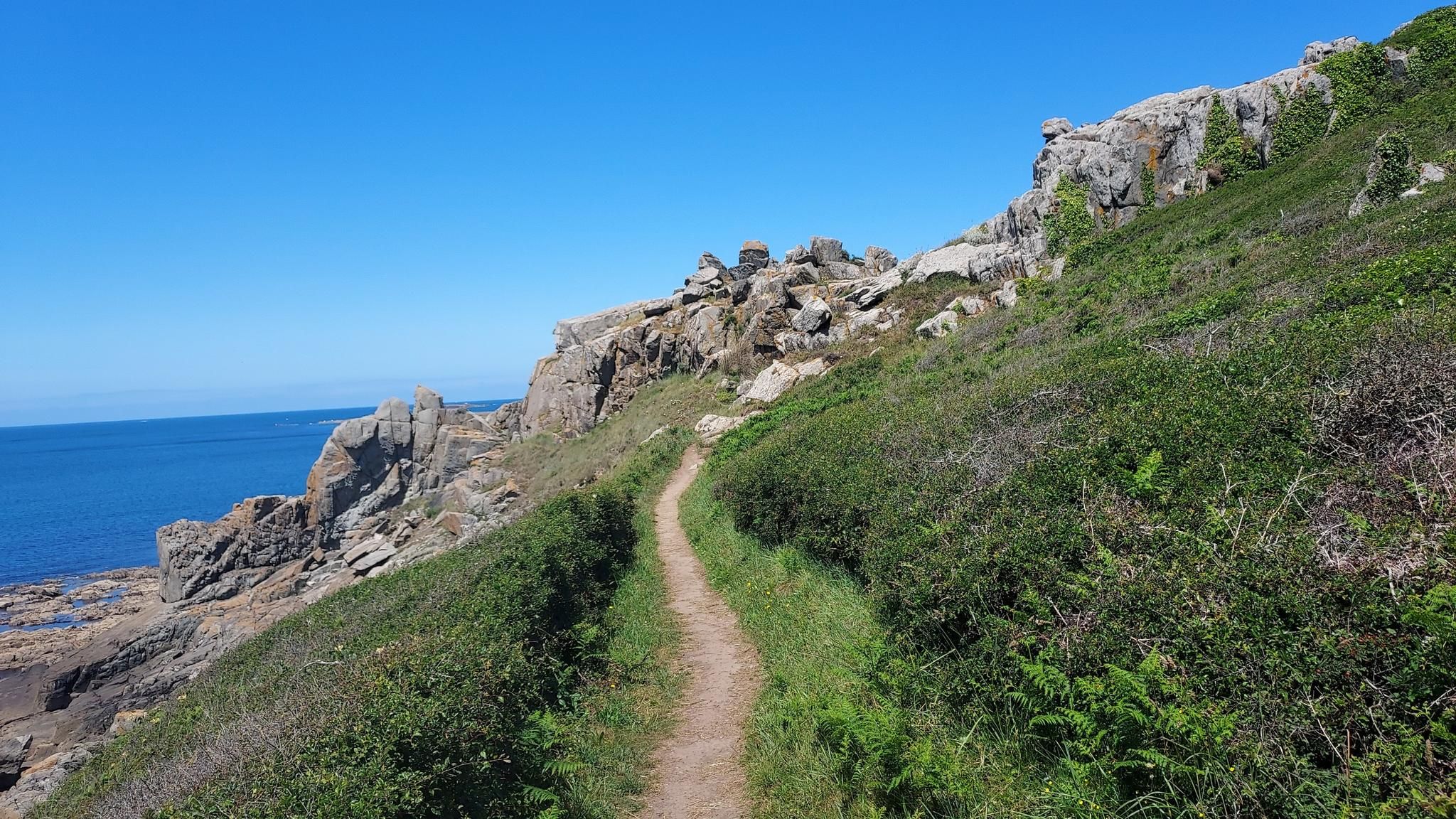
Hike on the wild coast with beautiful views of the Bréhat archipelago
0
0

The rocks are impressive
0
0

A very beautiful monastery ruin. All descriptions of the individual sights are multilingual, so you can get by very well even without sufficient knowledge of French.
1
0

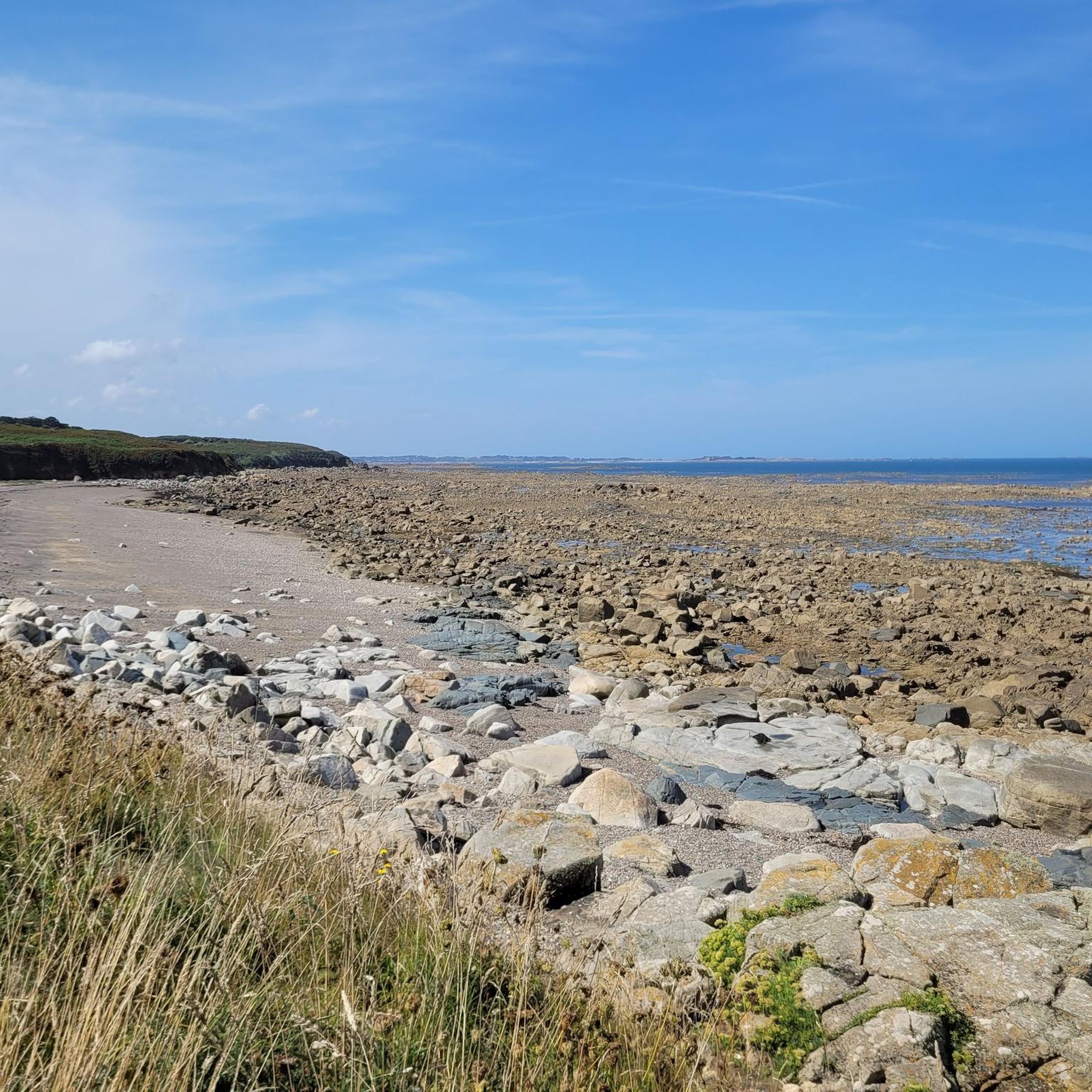
A coastal strip of sand and pebbles extending 3.2 km into the sea, the Sillon is a geomorphological curiosity unique in Europe due to its size. (cotesdarmor.com) It is forbidden to cycle on the Sillon.
0
0

The Sillon de Talbert, a natural spectacle of a special kind. The Sillon is a 35-meter-wide headland that extends three kilometers into the sea. At high tide it is completely submerged, at low tide it opens up a hiking trail that reveals an extremely diverse flora and fauna. You can observe numerous species of birds here, or photograph sea kale and blue thistles. According to myth, the magician Merlin conjured up the path to get to his fairy Viviane, who lived on the island of Talbert. According to another legend, Morgane fell in love with King Arthur on the island of Talbert. Since she could not get to him, she threw stones into the sea, which then turned into this headland. As mystical and magical as these legends sound, the headland of pebbles and stones was actually created by the Trieux and Jaudy rivers, which flow into the sea on both sides of the peninsula. When visiting the Sillon de Talbert, the tide times must be observed. The headland is only passable for a few hours at low tide. Warning signs indicate this and indicate visiting times. The coast guard has often been called out and rescued people trapped by the sea from their predicament.
3
0

Going in the evening or late afternoon is the most worthwhile from a photographic point of view, provided that the sun is shining
0
0
Frequently Asked Questions
What are the most notable natural monuments to visit around Pleubian?
Pleubian is home to several unique natural monuments. The Plougrescant Chasm stands out with its impressive red granite rock formations and the dramatic sight of waves crashing between huge blocks. Another must-see is the Sillon de Talbert viewpoint, offering views of a 3.2-kilometer-long sand and pebble spit, a unique geological feature in Europe. You can also visit Lovers' Rock, a scenic spot featuring two rock formations that resemble an embracing couple.
Are there family-friendly natural monuments around Pleubian?
Yes, several natural monuments around Pleubian are suitable for families. Both The Plougrescant Chasm and Beauport Abbey are categorized as family-friendly. The Sillon de Talbert, with its long stretch of sand and pebbles, also offers a unique and engaging environment for walks, though visitors should be mindful of tide times.
What unique geological features can I expect to see near Pleubian?
The region around Pleubian is renowned for its distinctive geological formations. The most prominent is the Sillon de Talbert Nature Reserve, a 3.2-kilometer-long sand and pebble spit that extends into the sea, offering the unique perspective of having the sea on both sides. The Plougrescant Chasm showcases impressive red granite rock formations, sculpted by the ocean's power. Additionally, the nearby Pink Granite Coast, easily accessible from Pleubian, features spectacular pink-hued rock formations.
What outdoor activities can I do near these natural monuments?
The natural monuments around Pleubian are excellent starting points for various outdoor activities. You can enjoy scenic walks along the coast, particularly at the Sillon de Talbert Nature Reserve. For cycling enthusiasts, there are numerous routes, such as the "Around the Sillon de Talbert" loop. Runners can explore trails like the "Sillon de Talbert loop from L'Armor Pleubian." You can find more detailed routes for road cycling, touring cycling, and running in the area.
What is the best time to visit the natural monuments around Pleubian?
The natural monuments around Pleubian can be enjoyed throughout the year, but seasonal considerations are important. Spring and autumn offer pleasant temperatures for walking and fewer crowds. Summer is ideal for coastal activities, but popular sites like the Sillon de Talbert can be busier. When visiting the Sillon de Talbert, it's crucial to check tide times, as parts of the spit are only safely accessible for a few hours at low tide.
Are there any historical or cultural sites near the natural monuments?
Yes, the region combines natural beauty with rich history. Beauport Abbey, while also listed as a natural monument, is a significant historical site. Founded in 1202, it's a remarkable monastic complex and a major example of ecclesiastical architecture in Brittany, located directly on the sea. It offers insights into the region's past alongside its natural setting.
What do visitors enjoy most about the natural monuments in Pleubian?
Visitors frequently praise the dramatic coastal scenery and the unique geological formations. Many are impressed by the harsh beauty of The Plougrescant Chasm, especially when waves crash against the red granite. The Sillon de Talbert Nature Reserve is loved for its unique experience of walking with the sea on both sides and its importance as a nesting site for seabirds. The romantic appeal of Lovers' Rock also makes it a favorite spot for scenic views.
Is the Sillon de Talbert accessible, and what should I know before visiting?
The Sillon de Talbert is generally accessible for walks, but visitors must pay close attention to tide times. Due to a gap in the spit, it's advisable to start your visit two hours after high tide and return to the coast at low tide. Warning signs are present to indicate safe visiting times. The site is a protected nature reserve, important for nesting seabirds, so visitors should stay on marked paths to protect the flora and fauna.
Are there viewpoints offering panoramic vistas of the Pleubian coast?
Yes, the region offers several excellent viewpoints. The Sillon de Talbert viewpoint provides expansive views of the unique sand and pebble spit extending into the sea, often with the Phare des Héaux de Bréhat lighthouse visible in the distance. The Sémaphore de Créac'h Maoût also offers panoramic views overlooking the estuary of the Jaudy, the Îles d'Er, and the Bréhat archipelago.
Can I find places to eat or stay near the natural monuments?
While specific cafes or pubs are not detailed for every monument, the area around the Sillon de Talbert Nature Reserve is known to have an excellent restaurant and a bar creperie with sensational views. Pleubian and nearby towns offer various accommodation options and dining establishments to suit different preferences.
What kind of wildlife can be observed at the natural monuments?
The natural monuments, especially the Sillon de Talbert Nature Reserve, are significant for their ecological wealth. This area is an important place for the nesting of seaside birds like plovers, and a major spot for ornithology in the Côtes d'Armor during migration and wintering periods. The dynamic landscape of sand and pebbles provides a habitat for diverse flora and fauna, including sea kale and blue thistles.
Most popular attractions around Pleubian

Get inspired with the komoot mobile app


Explore more
Extend your search for the best caves by checking out these guides of the top ones around Pleubian:
