Top 8 Natural Monuments around Kerbors
Natural monuments around Kerbors, a commune in Brittany, France, showcase rugged coastal landscapes and unique geological formations. The region is characterized by dramatic granite rock formations and extensive coastal features. These natural landmarks offer diverse experiences, from observing the power of the ocean to exploring unique geological curiosities. The area provides numerous opportunities for coastal exploration and appreciating natural beauty.
Best natural monuments around Kerbors
- The most popular natural monument is The Plougrescant Chasm, a natural monument that features…
Last updated: July 4, 2026
The Plougrescant Chasm
Highlight • Natural Monument
Translated by Google •
Tip by

Sillon de Talbert viewpoint
Highlight • Beach
Translated by Google •
Tip by

Sign up now to discover places like this
Get recommendations on the best single tracks, peaks, & plenty of other exciting outdoor places.
Sign up for free
Sillon de Talbert Nature Reserve
Highlight • Natural Monument
Tip by

Lovers' Rock
Highlight • Natural Monument
Translated by Google •
Tip by

The house between the rocks
Highlight • Natural Monument
Translated by Google •
Tip by

Sign up for free to discover even more natural monuments around Kerbors.
Sign up for free
Already have an account?
Start today with a free account
Your next adventure awaits.
Login or Signup
Tips from the Community

Very impressive. A great photo opportunity in a beautiful landscape.
0
0


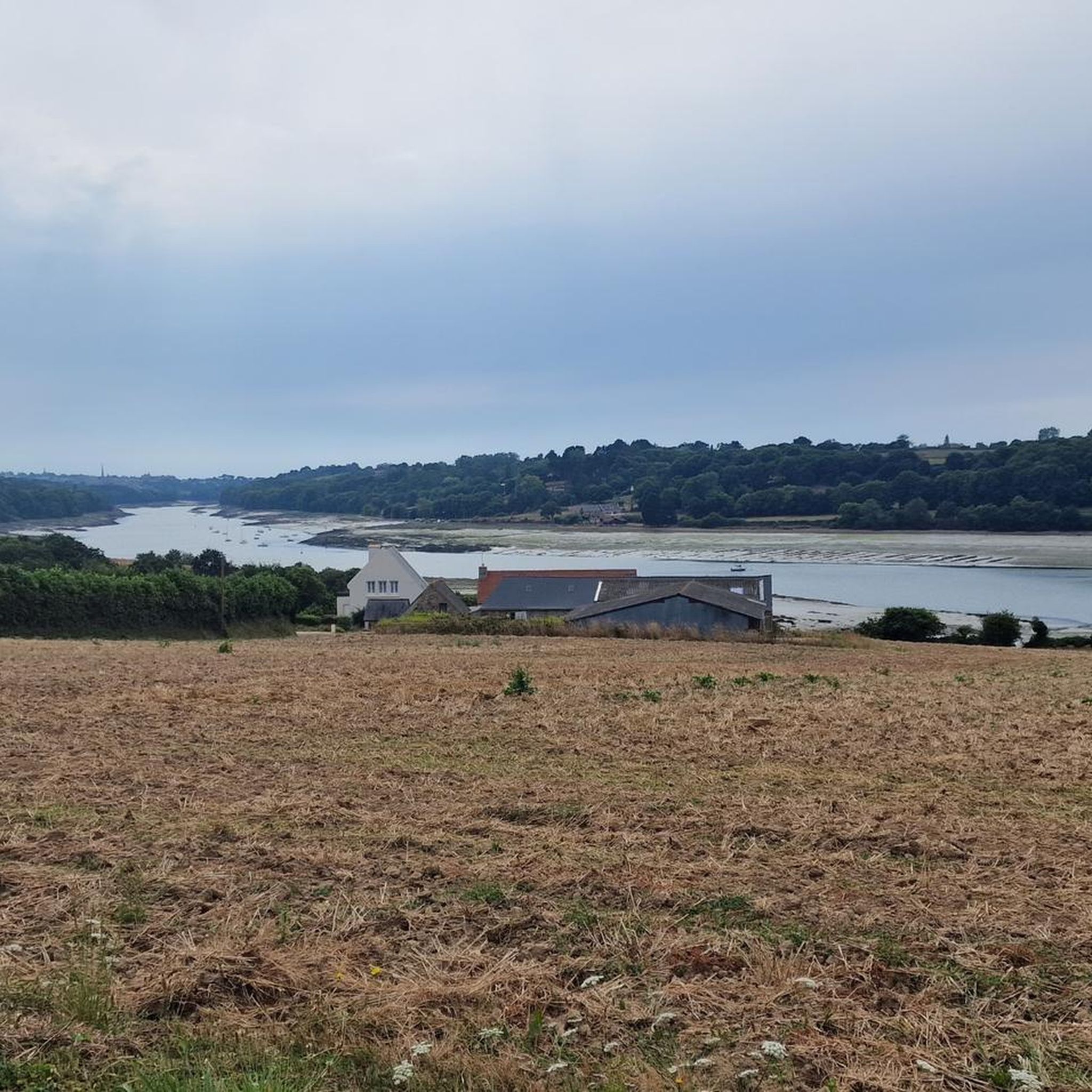
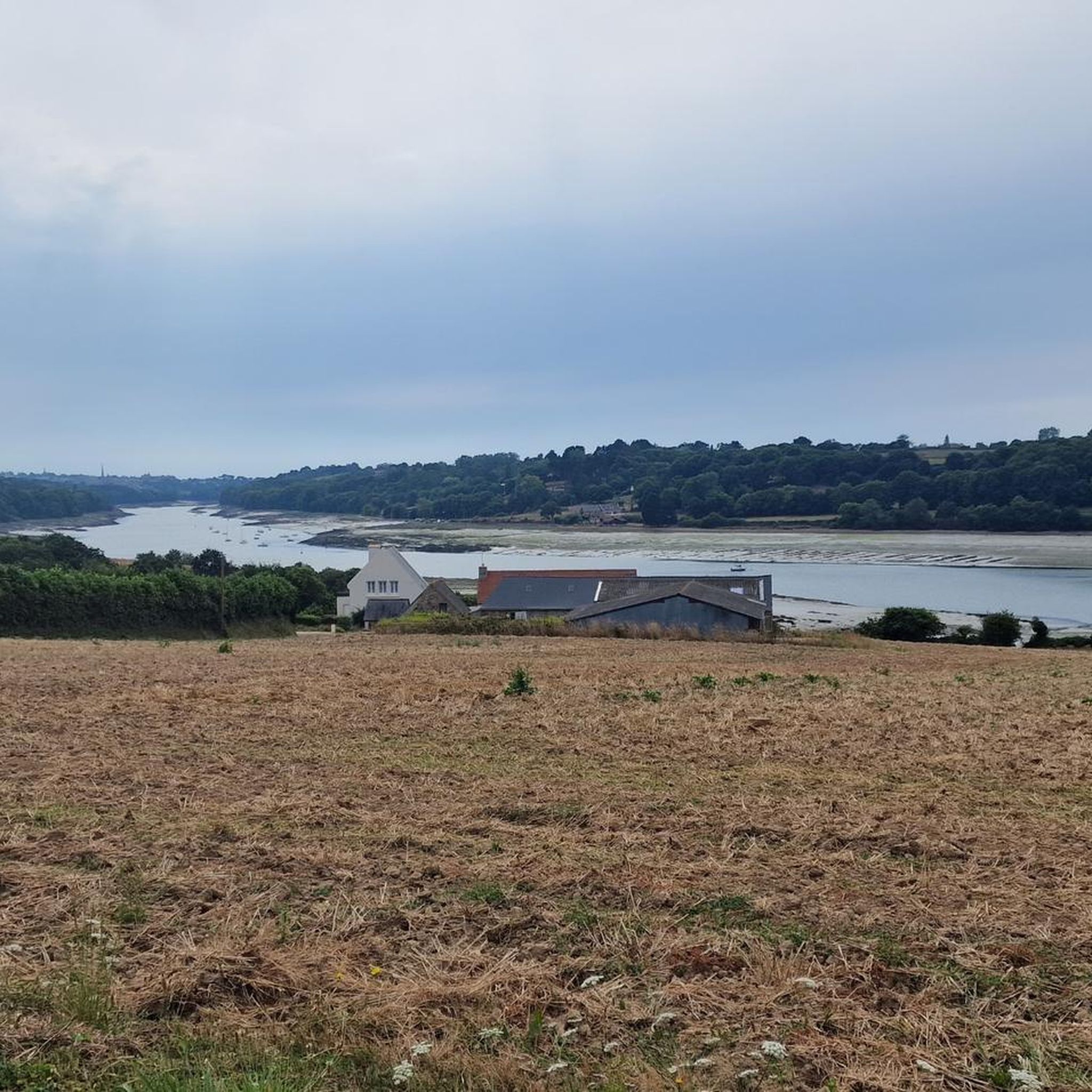
Hike on the wild coast with beautiful views of the Bréhat archipelago
0
0

The rocks are impressive
0
0

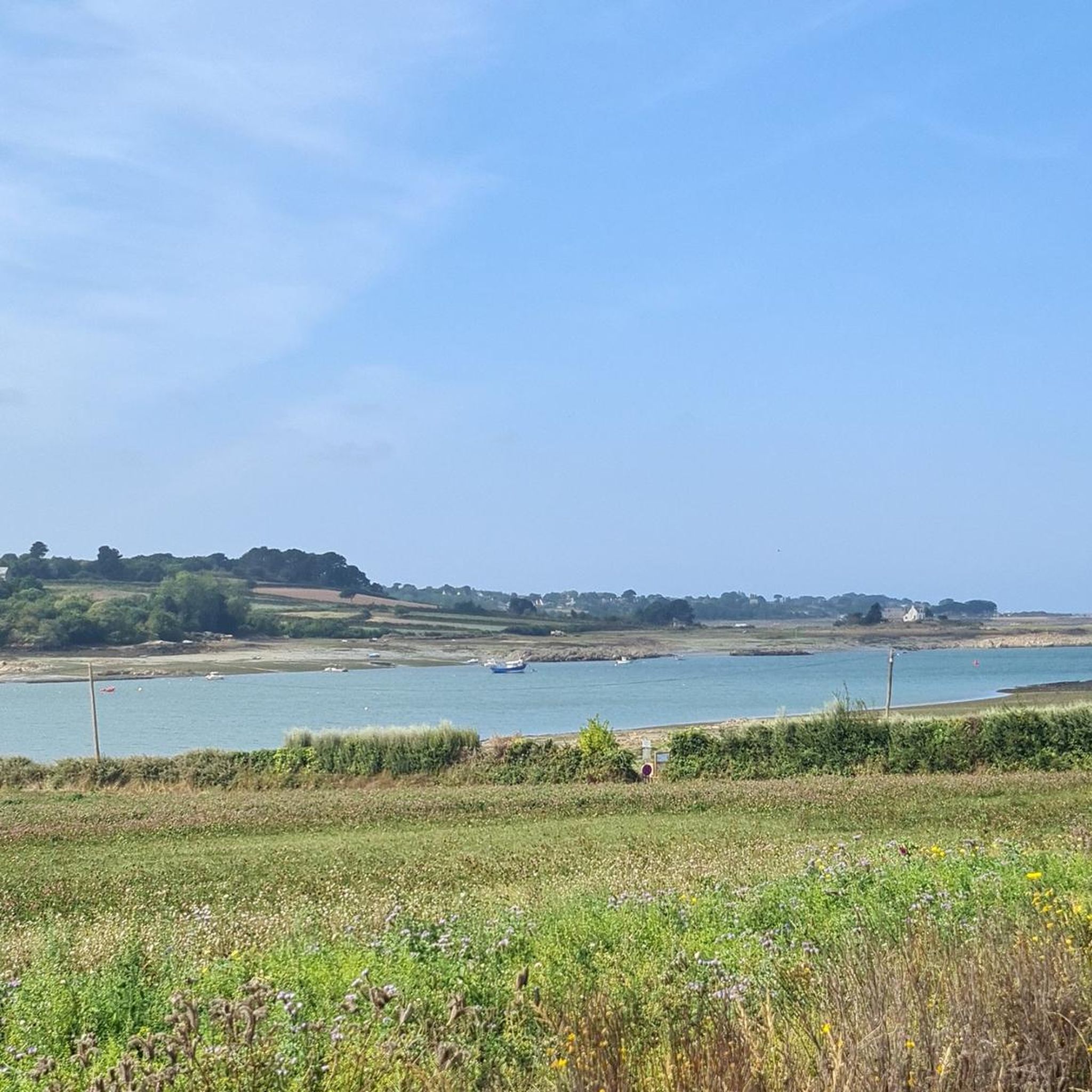
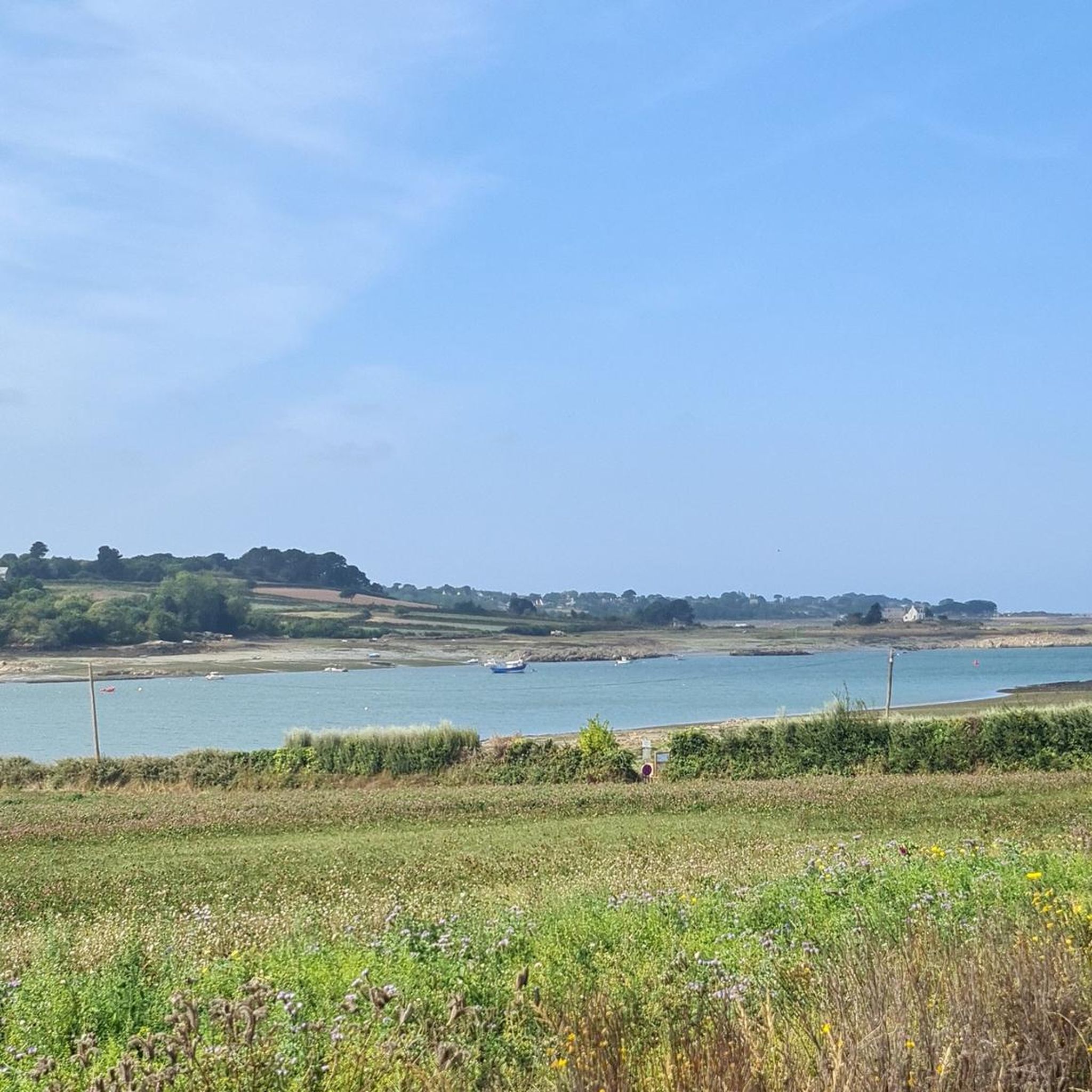
A coastal strip of sand and pebbles extending 3.2 km into the sea, the Sillon is a geomorphological curiosity unique in Europe due to its size. (cotesdarmor.com) It is forbidden to cycle on the Sillon.
0
0

The Sillon de Talbert, a natural spectacle of a special kind. The Sillon is a 35-meter-wide headland that extends three kilometers into the sea. At high tide it is completely submerged, at low tide it opens up a hiking trail that reveals an extremely diverse flora and fauna. You can observe numerous species of birds here, or photograph sea kale and blue thistles. According to myth, the magician Merlin conjured up the path to get to his fairy Viviane, who lived on the island of Talbert. According to another legend, Morgane fell in love with King Arthur on the island of Talbert. Since she could not get to him, she threw stones into the sea, which then turned into this headland. As mystical and magical as these legends sound, the headland of pebbles and stones was actually created by the Trieux and Jaudy rivers, which flow into the sea on both sides of the peninsula. When visiting the Sillon de Talbert, the tide times must be observed. The headland is only passable for a few hours at low tide. Warning signs indicate this and indicate visiting times. The coast guard has often been called out and rescued people trapped by the sea from their predicament.
3
0

Going in the evening or late afternoon is the most worthwhile from a photographic point of view, provided that the sun is shining
0
0

Bay and rock formations near Plougrescant.
2
1
Frequently Asked Questions
What unique geological features can I explore around Kerbors?
The region around Kerbors is renowned for its distinctive geological formations. You can visit The Plougrescant Chasm, famous for its immense granite blocks where waves crash dramatically. Another unique site is the Sillon de Talbert viewpoint, a spectacular natural sand and pebble spit extending several kilometers into the sea. Further afield, the Côte de Granit Rose offers stunning pink-hued granite rock formations sculpted by erosion.
Are there any family-friendly natural monuments to visit near Kerbors?
Yes, several natural monuments are suitable for families. The Plougrescant Chasm is categorized as family-friendly, offering an impressive display of nature's power. Additionally, the area around The house between the rocks (Castel Meur) provides beautiful coastal vistas that can be enjoyed by all ages, though the house itself is privately owned.
What outdoor activities can I do near these natural monuments?
The natural monuments around Kerbors are excellent starting points for various outdoor activities. You can find numerous running trails, including a moderate 8 km loop from Plougrescant that takes you past The house between the rocks and The Plougrescant Chasm. For more options, explore the Running Trails around Kerbors guide. The Sillon de Talbert is also ideal for serene coastal walks and birdwatching.
When is the best time of year to visit the natural monuments around Kerbors?
The best time to visit the natural monuments around Kerbors is generally during the spring (April-June) and autumn (September-October) months. During these periods, the weather is often pleasant for coastal walks and exploration, and the natural landscapes are vibrant. Summer can also be enjoyable, but it tends to be busier. Always check local tide times, especially for sites like the Sillon de Talbert Nature Reserve, which is only fully accessible at low tide.
Are there any natural monuments that are particularly good for wildlife spotting?
Yes, the Sillon de Talbert Nature Reserve is a significant spot for ornithology, serving as a haven for migratory birds and nesting seaside species. It's an excellent place to observe diverse flora and fauna. Further away, the Réserve Naturelle Nationale des Sept-Îles is a vital sanctuary for marine birds, including gannets and puffins, offering incredible wildlife observation opportunities via boat trips.
What should I wear when visiting the coastal natural monuments?
When visiting the coastal natural monuments around Kerbors, it's advisable to wear comfortable walking shoes suitable for uneven terrain, as many sites involve coastal paths and rocky areas. Layers of clothing are recommended due to changeable coastal weather, and a waterproof jacket can be useful. Sun protection, such as a hat and sunscreen, is also important, even on cloudy days.
Are there any natural monuments with interesting local legends or history?
The Sillon de Talbert Nature Reserve is steeped in local folklore. According to myth, the magician Merlin conjured the path to reach his fairy Viviane, who lived on the island of Talbert. Another legend suggests Morgane, in love with King Arthur, threw stones into the sea, forming the headland. While these are legends, the site's unique formation by the Trieux and Jaudy rivers is a natural marvel.
Where can I find parking when visiting natural monuments near Kerbors?
Parking is generally available near the more popular natural monuments. For instance, there is parking available close to The Plougrescant Chasm. Similarly, for The house between the rocks (Castel Meur), parking and public toilets are available nearby, allowing visitors to view the iconic house from a distance.
Can I bring my dog to the natural monuments around Kerbors?
Many coastal paths and natural areas in Brittany are dog-friendly, but specific rules can vary by site, especially in nature reserves. For general coastal walks, dogs are often permitted on a leash. It's always best to check local signage at each specific natural monument, such as the Sillon de Talbert Nature Reserve, for any restrictions regarding pets, especially during nesting seasons for birds.
How long should I plan for a visit to the natural monuments?
The duration of your visit depends on the specific natural monument and your interests. For sites like The Plougrescant Chasm or Lovers' Rock, a quick stop might be 30 minutes to an hour to admire the views and take photos. For the Sillon de Talbert Nature Reserve, you might want to allocate 2-3 hours for a leisurely walk, keeping in mind tide times.
Are there any cafes or pubs near the natural monuments?
While direct amenities might not be at every natural monument, you can often find cafes, pubs, and restaurants in nearby towns and villages. For example, near the Sillon de Talbert Nature Reserve, there is an excellent restaurant and a bar creperie with sensational views a little further along. Exploring the charming towns surrounding Kerbors will provide more dining options.
What is the significance of the 'Lovers' Rock' near Kerbors?
Lovers' Rock is a distinctive natural monument featuring two rock formations that appear to embrace, creating a unique and romantic coastal view. It's appreciated for its picturesque quality and is a popular spot for visitors to admire the natural artistry of the coastline.
Can I find mountain biking trails near the natural monuments?
Yes, the area around Kerbors offers various mountain biking opportunities. You can find trails that pass by or are close to some natural monuments. For instance, there's an easy MTB loop around the Sillon de Talbert from Pleubian. For a comprehensive list of routes, consult the MTB Trails around Kerbors guide.
Most popular attractions around Kerbors

Get inspired with the komoot mobile app


Explore more
Extend your search for the best caves by checking out these guides of the top ones around Kerbors:
