Top 6 Natural Monuments around Tréguier
Natural monuments around Tréguier showcase the rugged and beautiful coastline of Brittany, France. This region is characterized by unique geological formations and striking coastal scenery. The Trégor area features distinctive granite and granodiorite formations along its intricate coastline. These natural features, including impressive rock formations and the interplay with the Atlantic Ocean, define the landscape.
Best natural monuments around Tréguier
- The most popular natural monuments is The Plougrescant Chasm, a natural monument that features massive granite blocks where the…
Last updated: May 6, 2026
The Plougrescant Chasm
Highlight • Natural Monument
Translated by Google •
Tip by

Lovers' Rock
Highlight • Natural Monument
Translated by Google •
Tip by

Sign up now to discover places like this
Get recommendations on the best single tracks, peaks, & plenty of other exciting outdoor places.
Sign up for free
The house between the rocks
Highlight • Natural Monument
Translated by Google •
Tip by

Rocher de la Sentinelle
Highlight • Monument
Having been destroyed, the gatehouse …
Translated by Google •
Tip by

The Tossen Keler megaliths
Highlight • Monument
Translated by Google •
Tip by

Sign up for free to discover even more natural monuments around Tréguier.
Sign up for free
Already have an account?
Start today with a free account
Your next adventure awaits.
Login or Signup
Popular around Tréguier
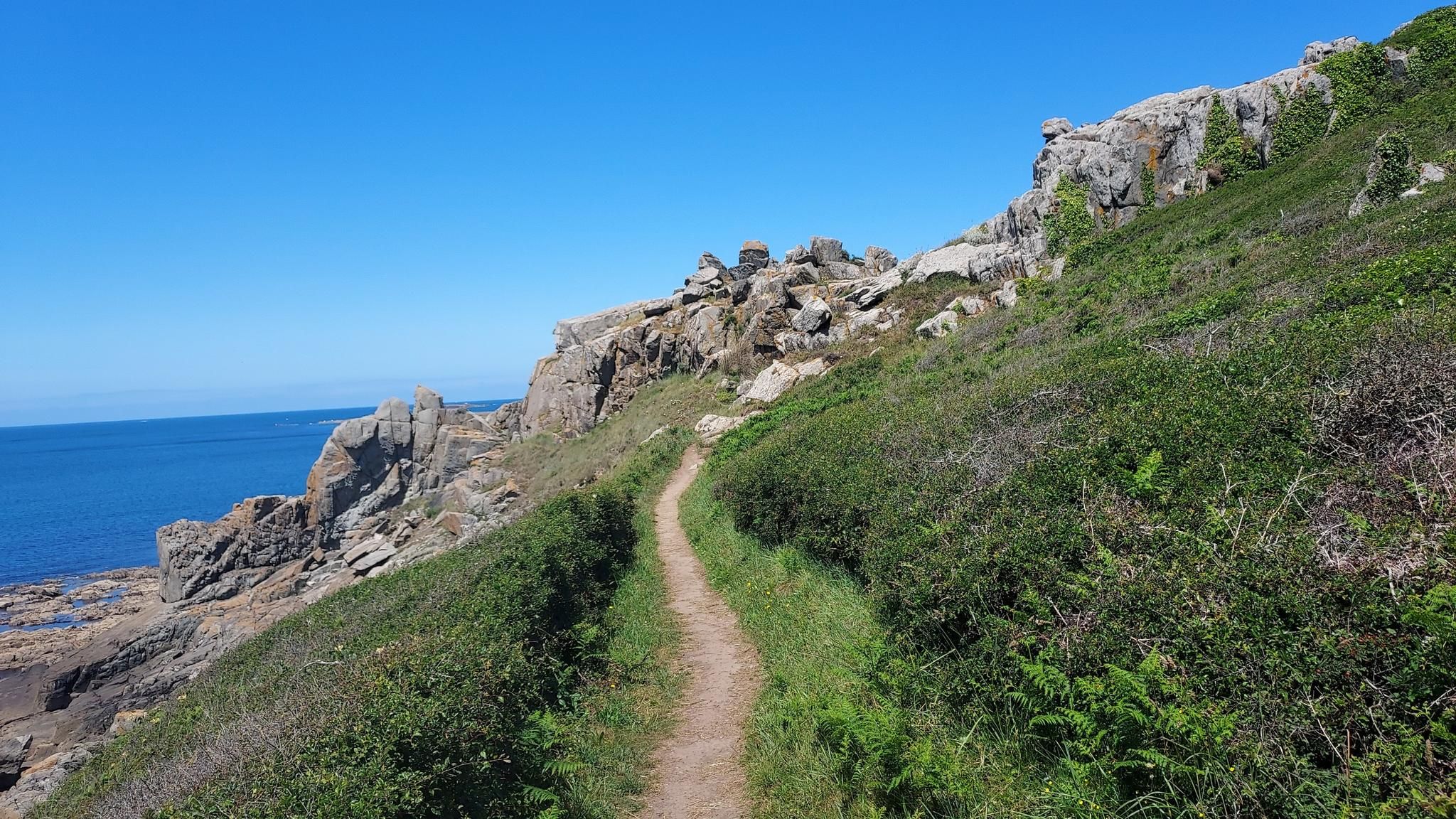
Customs Officers’ Path – GR 34 between Lannion and Paimpol
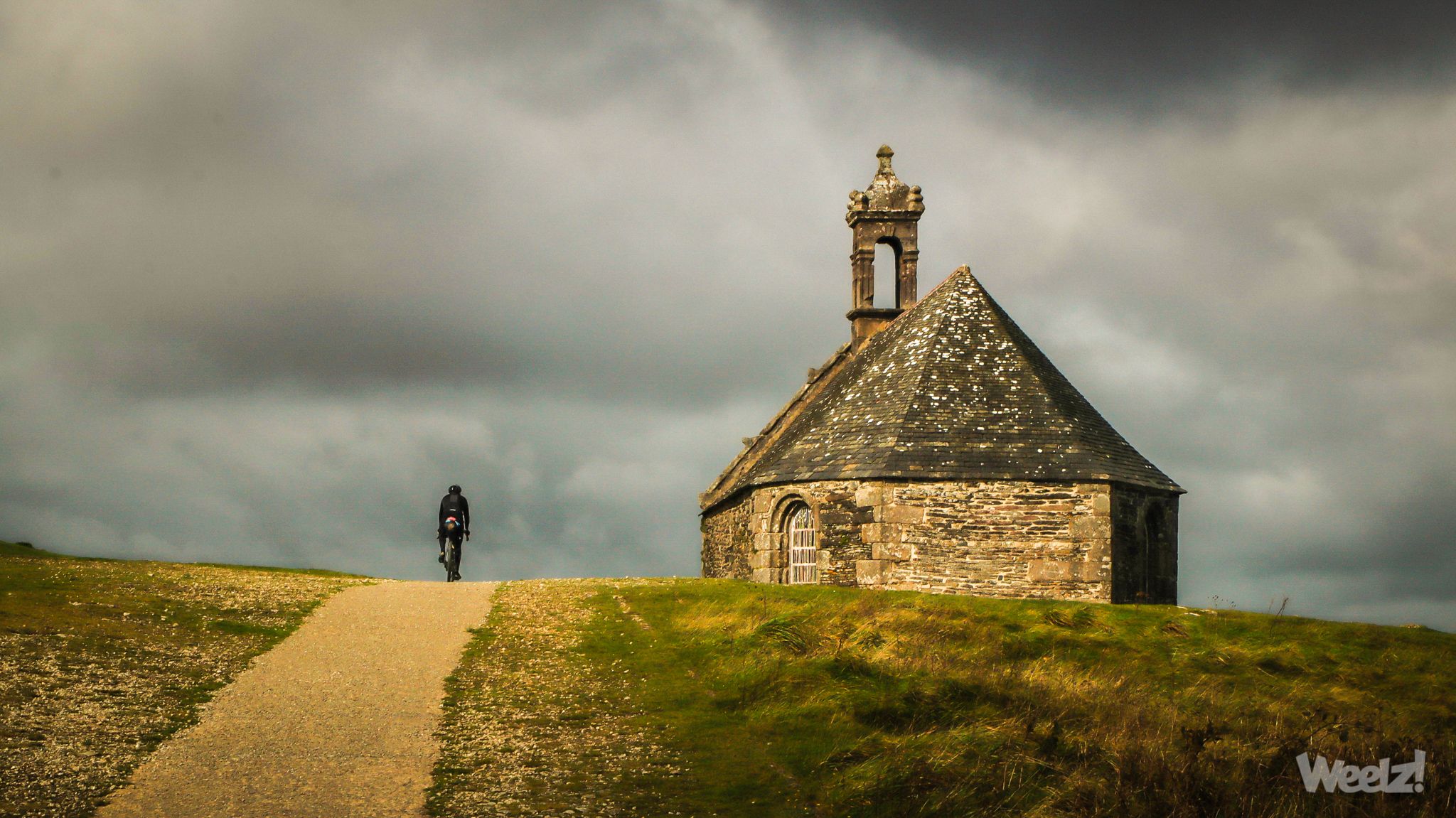
The Seven Saints Pilgrimage — France’s Tro Breizh revisited
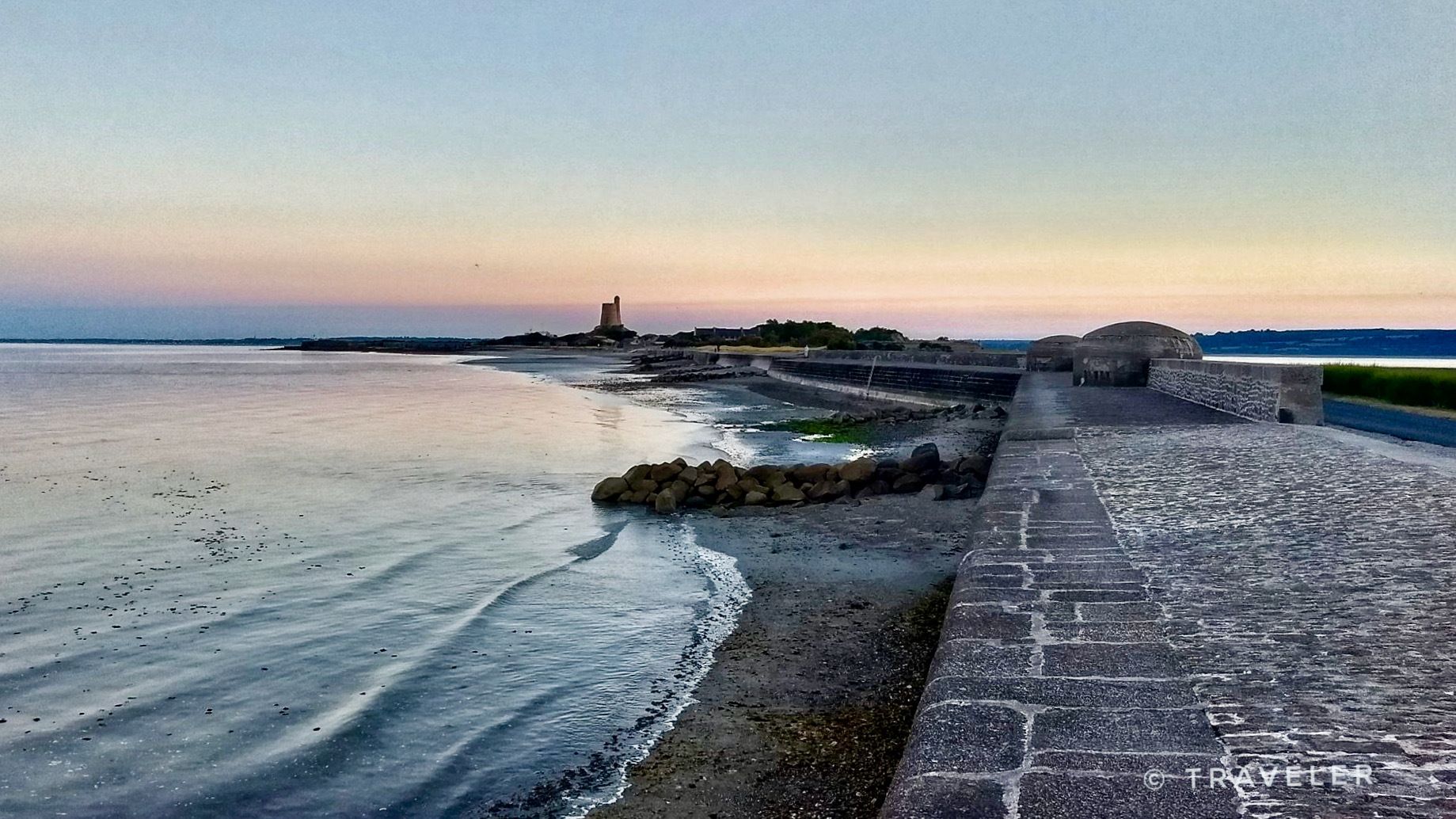
From pink granite to the Opal Coast — cycle France’s la Vélomaritime
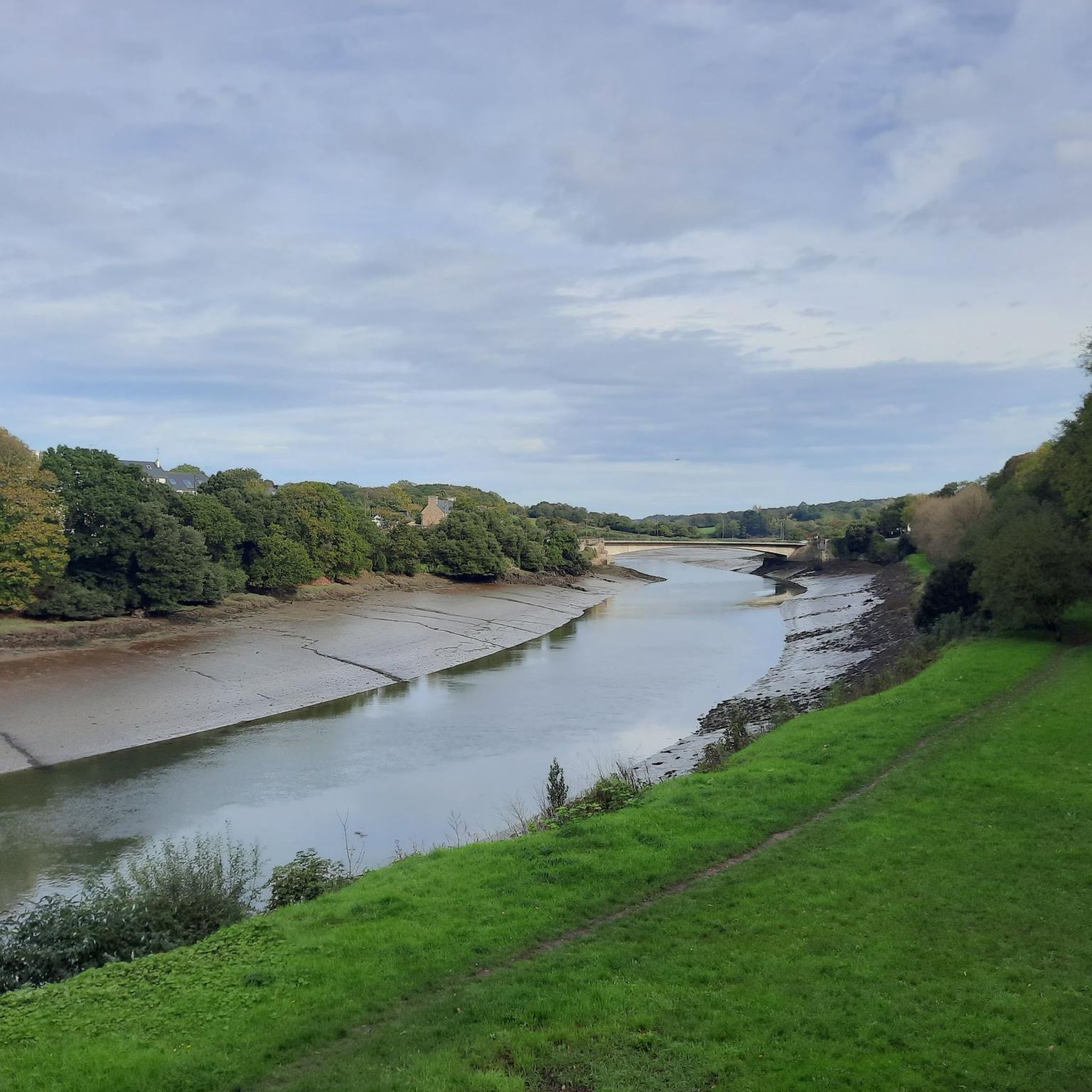
Cycling around Tréguier
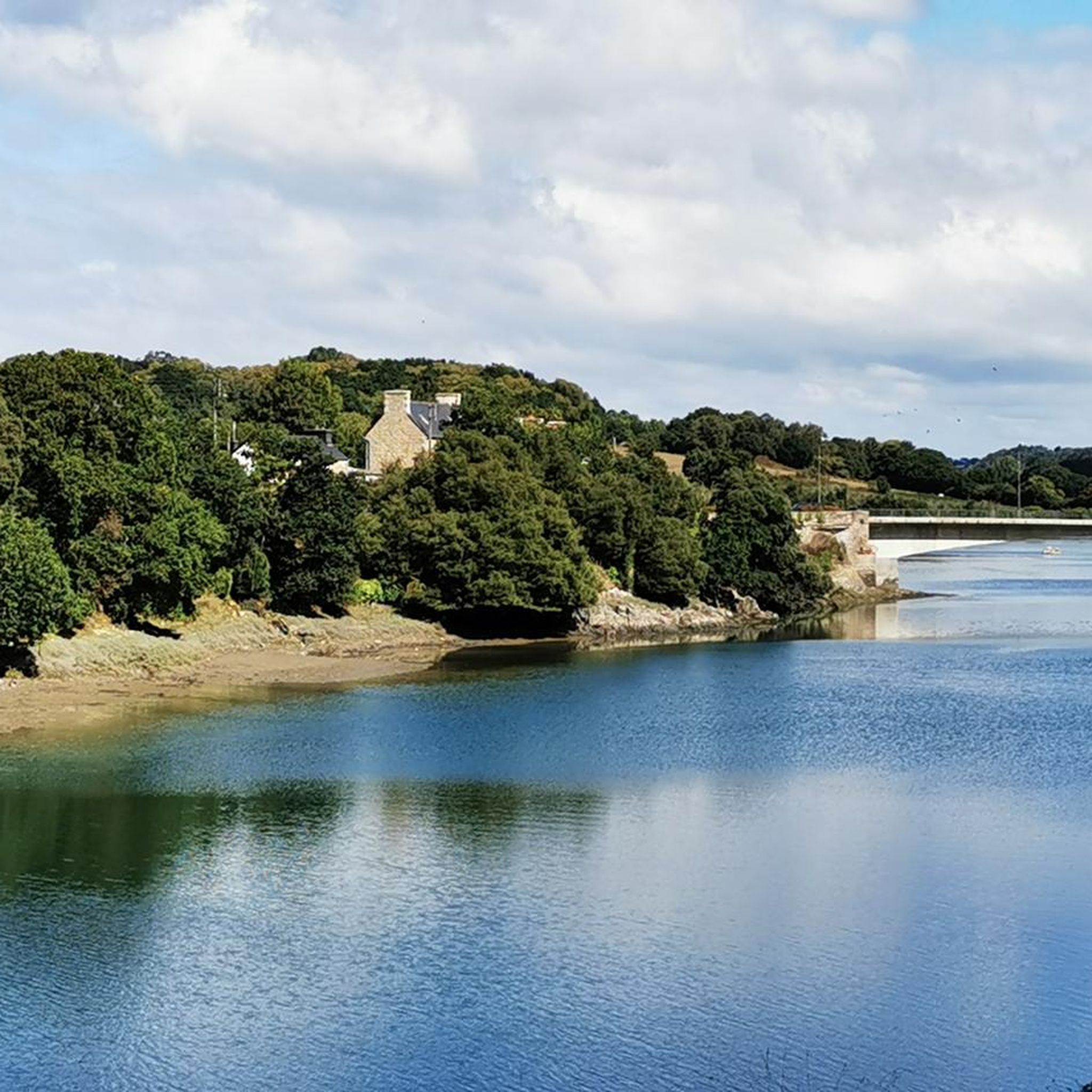
Road Cycling Routes around Tréguier
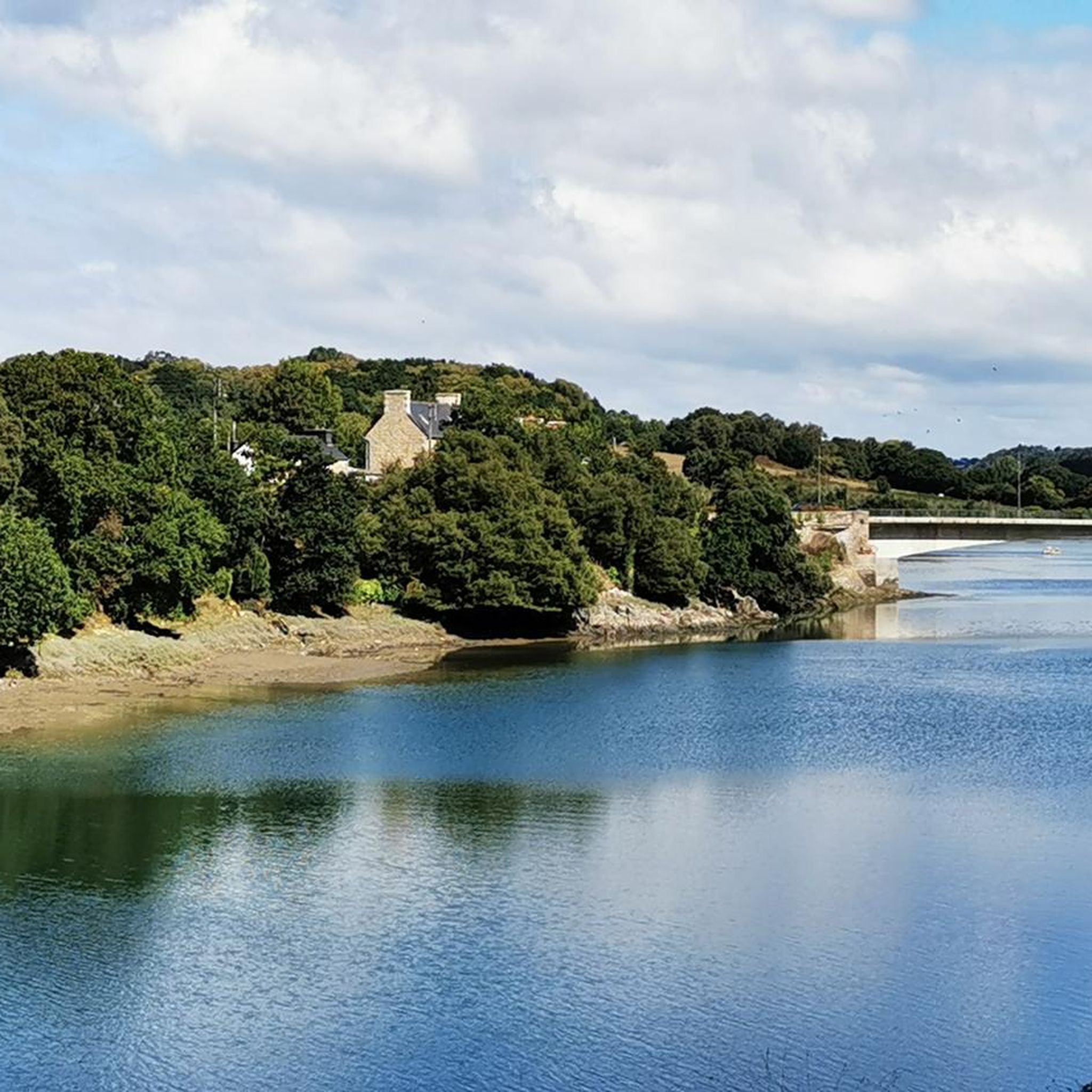
Running Trails around Tréguier
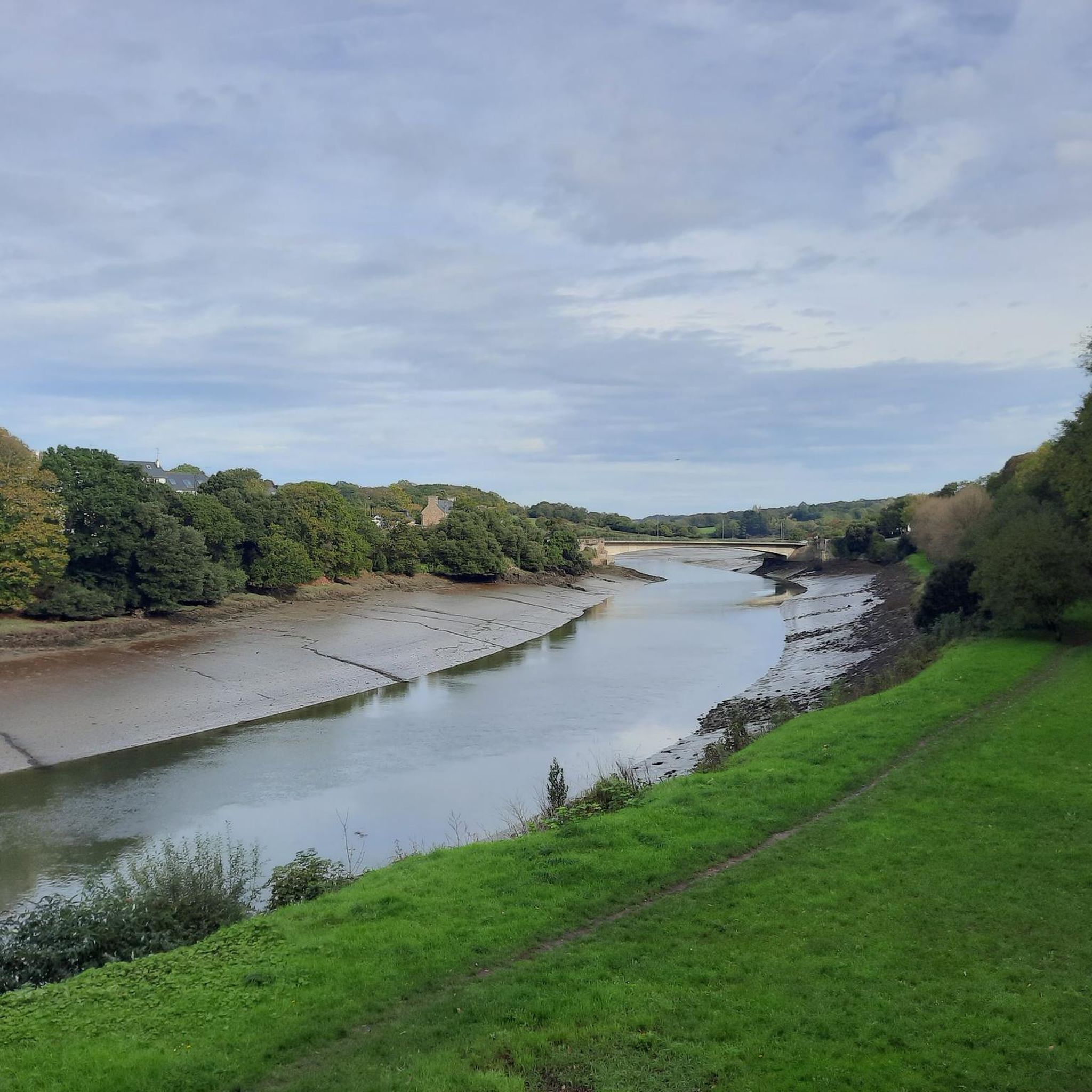
Hiking around Tréguier
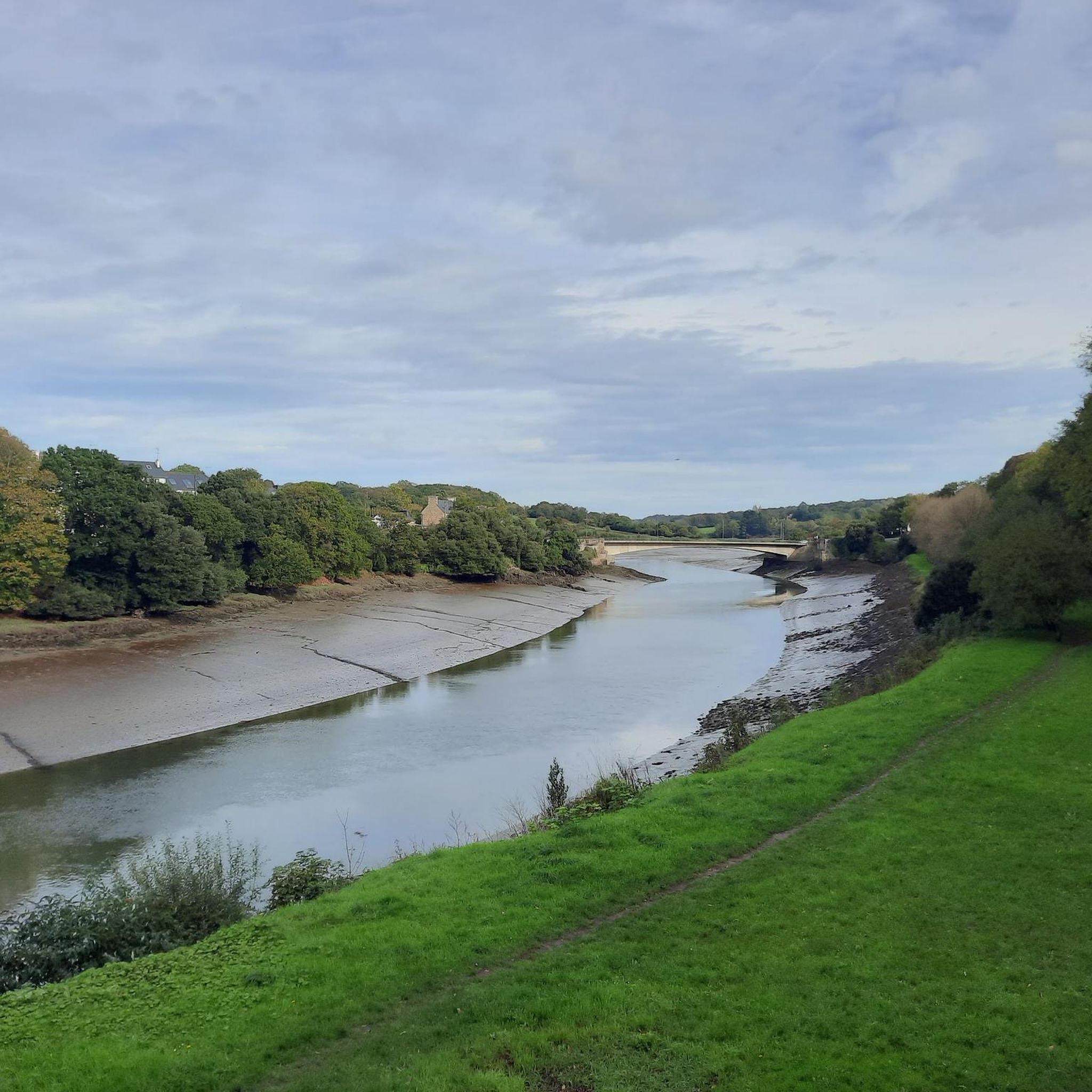
MTB Trails around Tréguier

Gravel biking around Tréguier
Other adventures around Tréguier


Tips from the Community


The rocks are impressive
0
0

Going in the evening or late afternoon is the most worthwhile from a photographic point of view, provided that the sun is shining
0
0

Previously at the base of an ancient tumulus, these megaliths discovered in Penvénan were for a time placed in Tréguier before being repatriated to their original commune, next to the Saint Gonval chapel.
0
0

Bay and rock formations near Plougrescant.
2
1

Facing the ocean, two rocks embrace like lovers bathed in tenderness. Sit next to them and admire the beauty washed by the shore.
1
0

Well, what can I say, simply beautiful
0
0

To be seen at high tide and with wind for a magnificent spectacle.
0
0
Frequently Asked Questions
What unique geological features define the natural monuments around Tréguier?
The Trégor region around Tréguier is characterized by its distinctive geology, primarily composed of granite and granodiorite formations. This geological makeup creates a rugged and beautiful coastline with impressive rock structures, chasms, and dramatic interactions with the Atlantic Ocean.
Which natural monument best showcases the raw power of the sea near Tréguier?
The Plougrescant Chasm is a remarkable site where massive granite blocks meet the sea. During strong winds, breaking waves violently rush between these rocks, creating foamy plumes that can be blown hundreds of meters inland, offering an awe-inspiring display of nature's power.
Are there any natural monuments with a romantic or unique appearance?
Yes, Lovers' Rock features two rocks facing the ocean that appear to embrace, creating a tender and picturesque scene. Visitors often enjoy admiring their beauty as they are washed by the shore.
Can I find natural monuments that also have historical significance?
Certainly. The Rocher de la Sentinelle is a rock topped with a sentry box, historically used for monitoring the bay. Additionally, The Tossen Keler megaliths are ancient structures that were once part of a tumulus, offering a glimpse into the region's past.
Is there a famous house nestled among natural rock formations near Tréguier?
Yes, The house between the rocks (Castel Meur) is a well-known landmark. While the house itself is man-made, its unique placement highlights the significant natural rock formations and the beautiful coastal scenery. It's one of the most photographed cottages on the Brittany coast.
What is the Sillon de Talbert, and what makes it a natural monument?
The Sillon de Talbert is an impressive natural sand and pebble spit that extends into the sea, constantly changing with the tides and currents. It's a significant geological feature and a haven for diverse flora and fauna, making it a rewarding place for walks and observing nature.
Are there family-friendly natural monuments to visit around Tréguier?
Several natural monuments are considered family-friendly. The Plougrescant Chasm offers an impressive natural spectacle, and The house between the rocks is a unique sight that often fascinates children. The Tossen Keler megaliths also provide an interesting historical and natural experience for families.
What kind of outdoor activities can I do near these natural monuments?
The area around Tréguier offers various outdoor activities. You can explore numerous hiking trails, including easy walks like the Passerelle Saint François – Venelle de la Pie loop. For cyclists, there are road cycling routes such as the Pors Hir Harbor, Plougrescant – Anse de Gouermel loop, and gravel biking options like the Kerdéozer viaduct/bridge – Saint-François footbridge loop.
What do visitors enjoy most about the natural monuments in the Tréguier region?
Visitors frequently praise the raw, untamed beauty of the coastline and the dramatic spectacle of waves crashing against the granite, particularly at sites like the Plougrescant Chasm. The unique rock formations, picturesque views, and the sense of nature's power are often highlighted as the most impressive aspects.
Are there good hiking opportunities to explore the natural monuments?
Yes, the region offers excellent hiking opportunities. You can find various trails, from easy to moderate, that lead to or pass by these natural sites. For example, the Passerelle Saint François – Tréguier loop is a moderate hike that allows you to experience the coastal scenery. Many routes are available to help you discover the area's natural beauty on foot.
What is the best time of year to visit the natural monuments around Tréguier?
The best time to visit is generally during the spring (April-June) and early autumn (September-October) when the weather is milder and the crowds are smaller. Summer (July-August) offers warmer temperatures but can be busier. For experiencing the dramatic waves at sites like the Plougrescant Chasm, visiting during periods of stronger winds, often outside of peak summer, can be particularly impressive.
Are there any viewpoints offering panoramic vistas of the coast and natural features?
Yes, the Rocher de la Sentinelle is a notable viewpoint that offers panoramic views of the bay. Many other spots along the rugged coastline also provide stunning vistas of the granite formations and the Atlantic Ocean.
Most popular routes around Tréguier
Most popular attractions around Tréguier

Get inspired with the komoot mobile app


Explore more
Extend your search for the best caves by checking out these guides of the top ones around Tréguier:
