Top 8 Natural Monuments around Biville
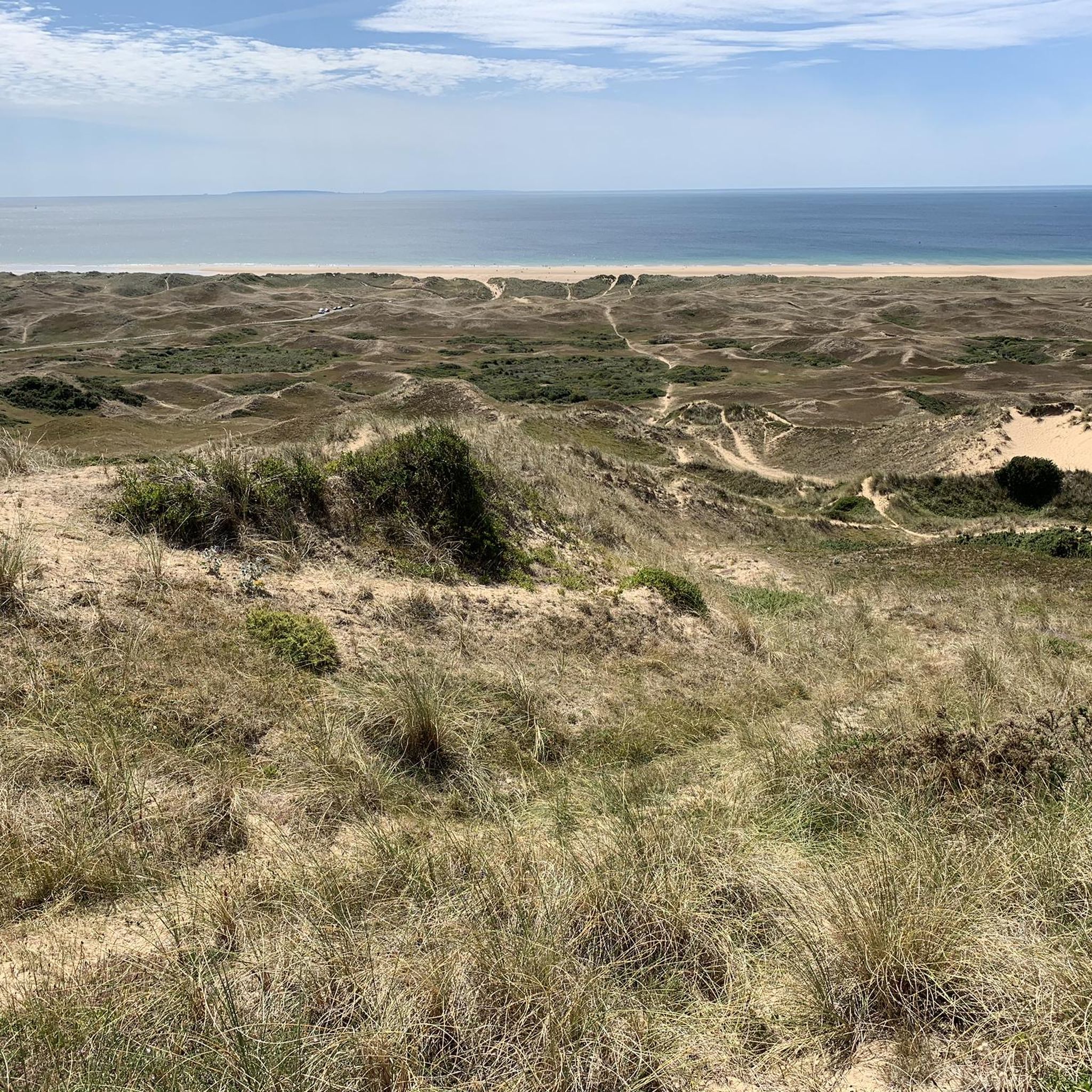
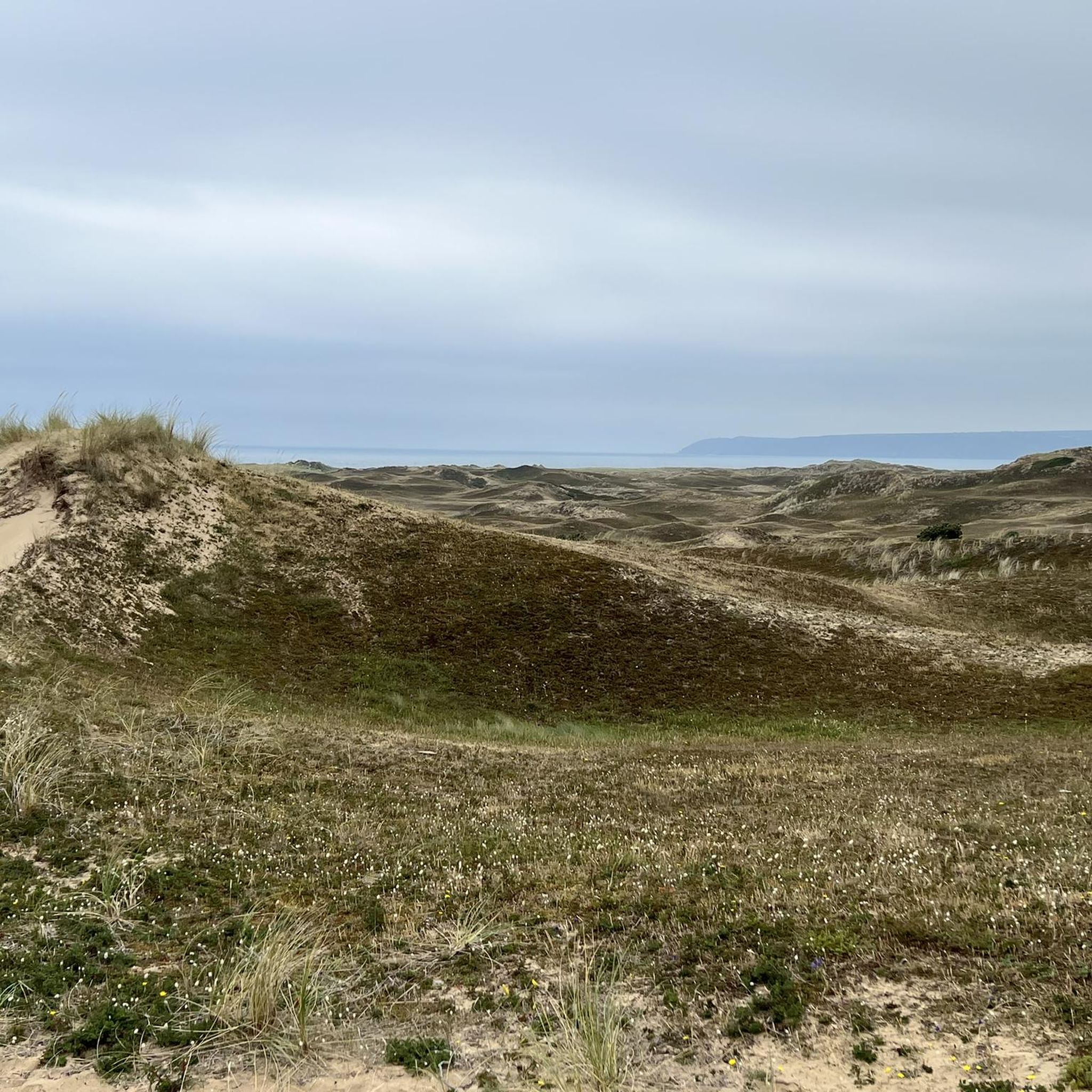
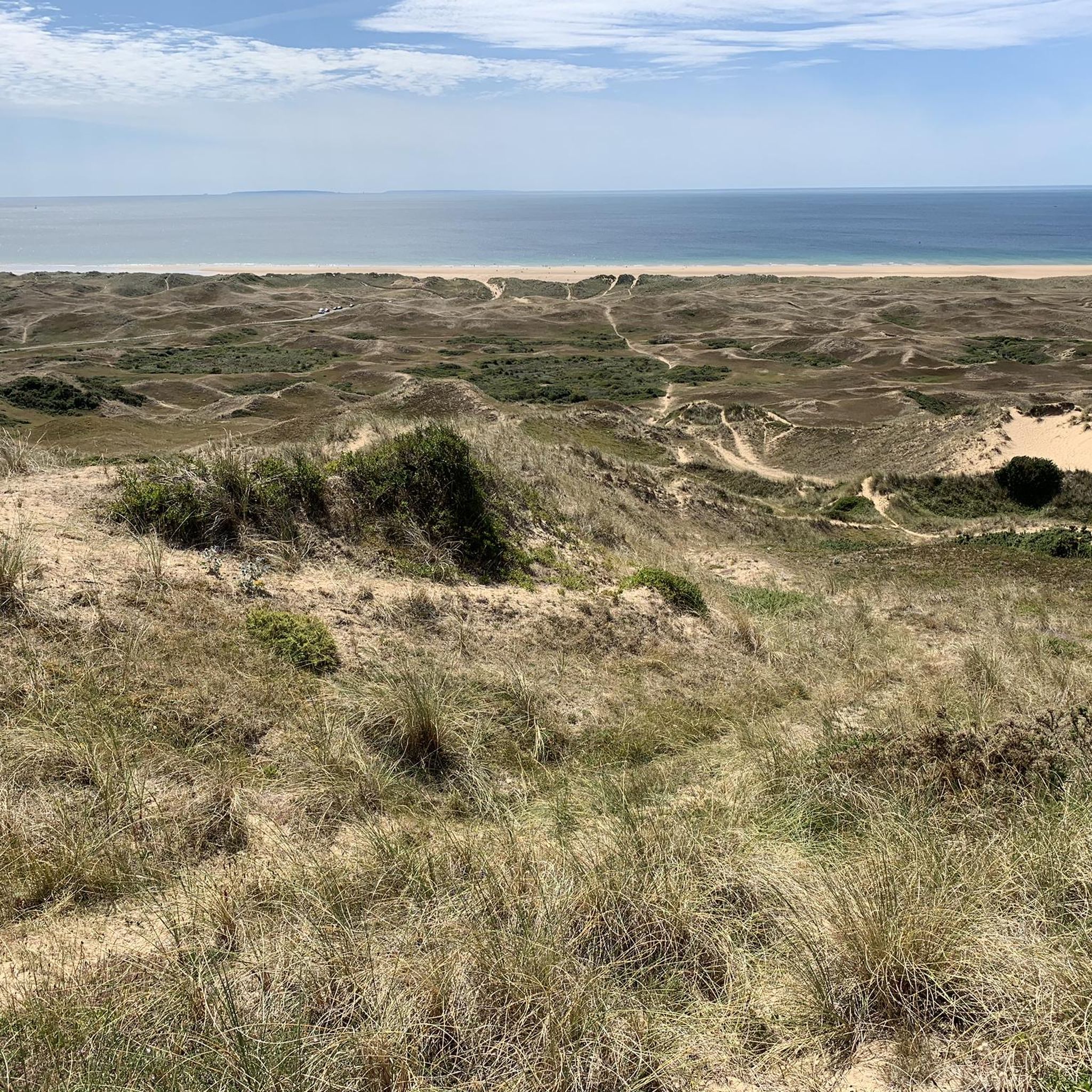
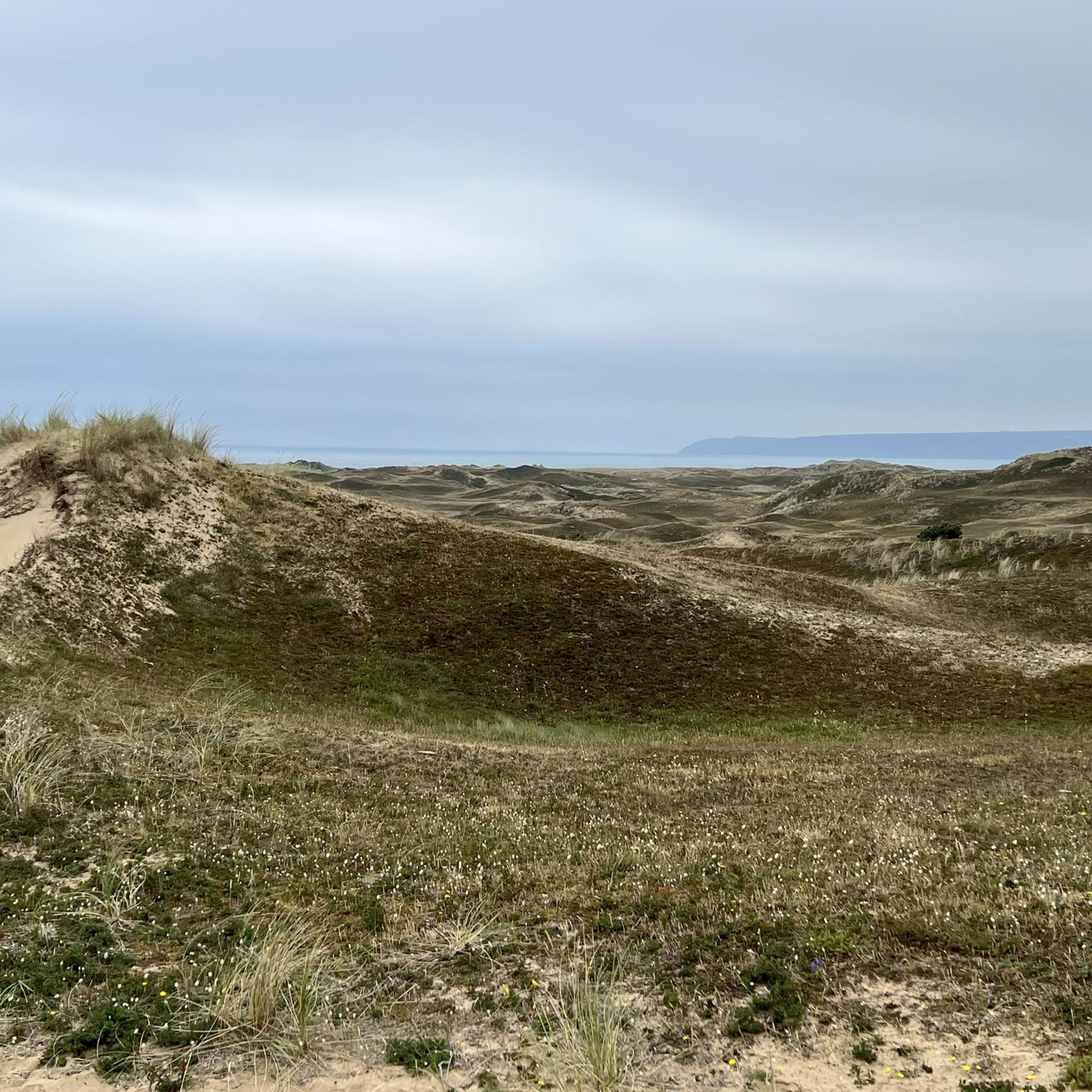
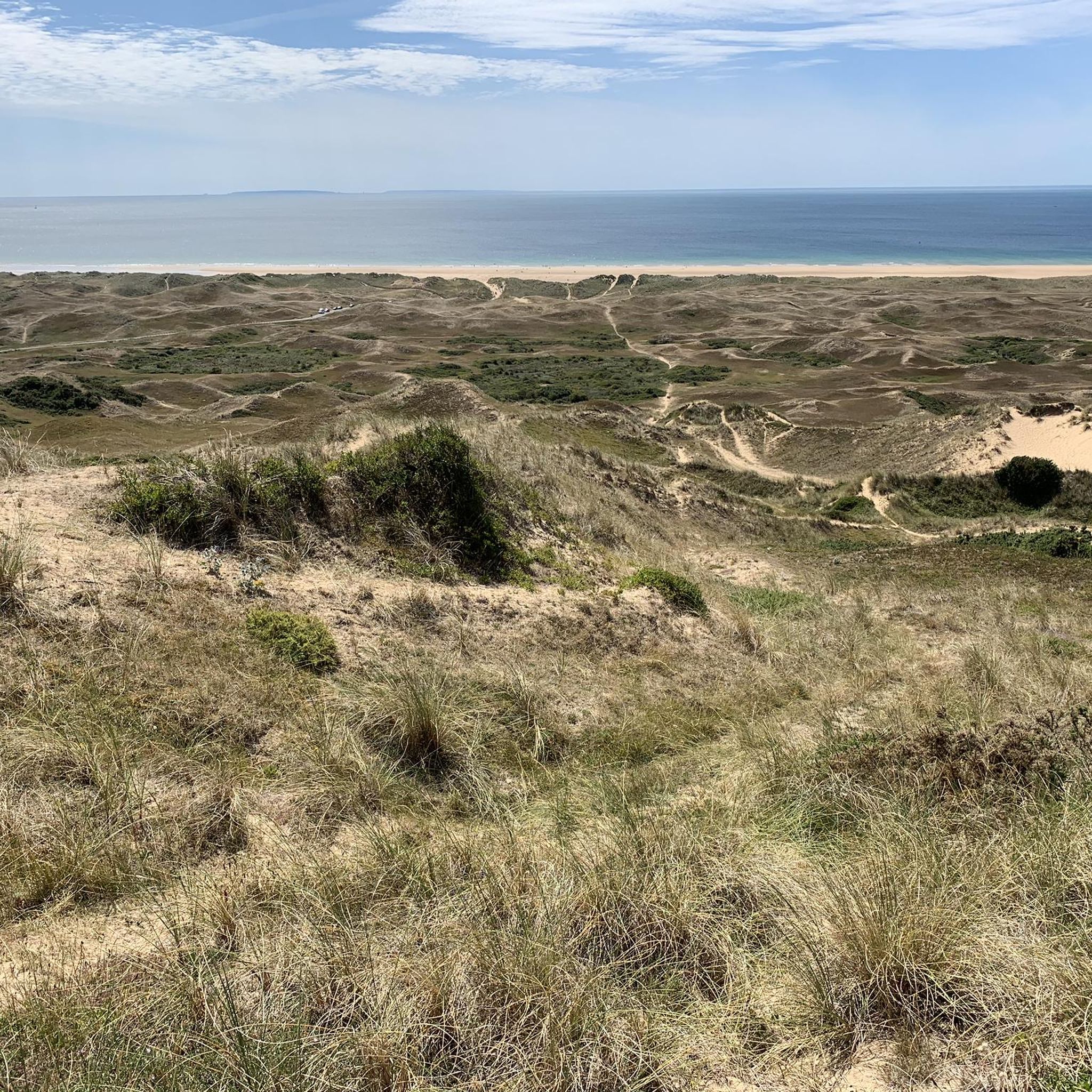
Best natural monuments around Biville are primarily characterized by the extensive Dunes of Biville, a significant natural feature in the Manche department of Normandy, France. This area offers a blend of natural beauty and ecological importance, shaped by sea and wind over millennia. The landscape includes ancient dune systems, coastal viewpoints, and protected nature reserves. These natural features provide opportunities for exploration and observation of diverse ecosystems.
Best natural monuments around Biville
- The most popular natural monuments is Pointe du…
Last updated: July 4, 2026
Vauville Pond Nature Reserve
Highlight • Natural Monument
Translated by Google •
Tip by

Pierres Pouquelées Covered Passage
Highlight • Historical Site
Translated by Google •
Tip by

Sign up now to discover places like this
Get recommendations on the best single tracks, peaks, & plenty of other exciting outdoor places.
Sign up for free
Biville Dunes
Highlight • Natural Monument
Translated by Google •
Tip by

Pointe du Bec de l'Âne
Highlight • Viewpoint
Translated by Google •
Tip by

Castel Vendon
Highlight • Natural Monument
Translated by Google •
Tip by
Sign up for free to discover even more natural monuments around Biville.
Sign up for free
Already have an account?
Start today with a free account
Your next adventure awaits.
Login or Signup

Tips from the Community

Breathtaking views of the sea and the cliffs. The island of Jersey can be seen in the distance.
0
0

This ancient tomb is partly collapsed. A covered walkway was always covered with stones or earth. What you can see now is what remains of the structure of this Neolithic monument. This dolmen is dated 4,500 years before present time. You have a beautiful 360 degree view when you are on site.
1
0
Castel Vendon is a rock which has a singular shape. In 1792, a treasure was discovered buried at its foot. It was a terracotta vase containing coins from the High Roman Empire. The rock was painted by Jean-François Millet, a local artist who lived nearby. Part of his work can be seen in the Thomas Henry museum in Cherbourg.
2
0

The young JF Millet loved this place very much, we find Castel Vendon on several of his works
3
0

The Pierres Pouquelées are a Neolithic covered walkway dating around 4500 BC. There is a beautiful view of Vauville and the Manche The covered walkway faces north-west/south-east. Very ruined, it is currently 14.50 m long for an interior width of about 1.25 m and an exterior width of 2.40 m for a height under the table of 1.20 m. The entrance appears to be sideways to the southwest. The slabs are in quartz sandstone, except for two cover tables which are in granite and probably come from a site 3 km away, located at sea level. The covered walkway was excavated in 1755, before the covering tables were removed, by the Royal Academic Society of Cherbourg. At the beginning of the 19th century (around 1830), the cover tables were recovered by the inhabitants in order to build a bridge. Alerted, the sub-prefect of Valognes ordered it to be put back in place, but the blocks were simply deposited on the site: they are certainly those lying on the ground a few meters from the alley1. A good part of the orthostats disappeared in 1833.
1
0

England is not far away, at least visually…
6
0
Fantastic views as far as the eye can see
7
0
Frequently Asked Questions
What are the main natural features to explore around Biville?
The primary natural feature is the extensive Dunes of Biville, an ancient dune system stretching over 2 kilometers and covering 600 hectares. This area is known for its unique blend of natural beauty, ecological richness, and historical significance. You can also find coastal viewpoints and protected nature reserves.
Beyond the Dunes of Biville, what other natural monuments can I visit?
You can explore the Vauville Pond Nature Reserve, which offers a marked path for observing diverse plant and animal species, including birds, dragonflies, and frogs. Another notable site is Castel Vendon, a unique rock formation with historical ties to a treasure discovery and the painter Jean-François Millet. Further afield, the dramatic headlands of Nez de Jobourg and Cap de la Hague offer spectacular coastal views.
Are there any unique geological formations to see?
Yes, Castel Vendon is a natural monument known for its singular rock shape. Additionally, the ancient Dunes of Biville themselves are a significant geological formation, shaped by sea and wind over thousands of years, with some dunes reaching up to 114 meters above sea level.
What kind of outdoor activities can I do near the natural monuments?
The area around Biville offers a variety of outdoor activities. You can enjoy hiking, cycling, and gravel biking. For hiking, there are routes like the "Calvary of the Dunes loop from Biville" or the "Graffiti Bunker on the Beach – Panzer loop from Biville." Cyclists can explore routes such as the "Vauville – Panorama of the Thirteen Winds loop." You can find more details on these activities in the hiking guide, cycling guide, and gravel biking guide for Biville.
Are there specific hiking trails recommended around Biville's natural monuments?
Yes, the Dunes of Biville offer marked paths for exploration, with a popular starting point near the Saint-Pierre church leading to the "Calvaire des dunes." For a shorter, easy hike, consider the "Calvary of the Dunes loop from Biville" (2.05 km). Another option is the "Graffiti Bunker on the Beach – Panzer loop from Biville" (10.4 km), which is a moderate hike. Remember to stick to marked trails, especially in sensitive areas like the Vauville Pond Nature Reserve.
Are the natural monuments around Biville suitable for families?
Many areas are suitable for families, especially for walks and enjoying nature. The Dunes of Biville provide a unique landscape for exploration. However, be aware that some areas, like the Vauville Pond Nature Reserve, have strict rules, and dogs are not allowed, which might impact family visits with pets.
Can I bring my dog to the natural monuments?
While many outdoor areas are dog-friendly, it's important to note that dogs (even on a leash) are not allowed in the Vauville Pond Nature Reserve to protect its delicate ecosystem. For other areas like the Dunes of Biville, it's generally advisable to keep dogs on a leash and check local regulations, especially during peak seasons or on beaches.
When is the best time of year to visit the natural monuments around Biville?
The dunes and natural areas can be enjoyed year-round. For observing the unique flora, such as the spiked speedwell, the period from July to October is ideal when it blooms with blue-violet spikes. Birdwatching is excellent in winter for ducks and late summer for waders in the humid depressions. Sunny days offer picturesque views of the white sand, blue ocean, and sky.
What should I wear or bring when visiting the natural monuments?
When exploring the Dunes of Biville, wear sturdy shoes suitable for walking on sand and potentially steep inclines. Layers of clothing are recommended as coastal weather can change quickly. Don't forget water, sun protection, and binoculars for birdwatching, especially at the Vauville Pond Nature Reserve.
Do any of the natural monuments have historical significance?
Yes, the Dunes of Biville bear witness to Normandy's past, particularly from World War II. Remnants such as rusty tanks and a truck, left behind after military use, can still be found partially buried in the sand. Additionally, Castel Vendon is known for a treasure discovery in 1792 and was a subject for the local artist Jean-François Millet.
Where can I find the best panoramic views of the coast and natural landscapes?
For magnificent panoramic views, head to the "Calvaire des dunes" within the Dunes of Biville. Another excellent spot is Pointe du Bec de l'Âne, which offers fantastic, expansive views along the coast. The nearby Nez de Jobourg and Cap de la Hague also provide dramatic coastal vistas.
What do visitors particularly enjoy about the natural monuments in Biville?
Visitors frequently highlight the serene atmosphere of the Dunes of Biville, ideal for contemplative walks and enjoying the sounds of the waves. The picturesque landscape, especially on a sunny day, with white sand, blue ocean, and sky, is a major draw. The challenging but rewarding climbs of the dunes are also often mentioned, with many finding the views from the top worth every step.
Are there any ancient historical sites near the natural monuments?
Yes, the Pierres Pouquelées Covered Passage is a significant Neolithic monument, an ancient tomb dating back around 4,500 years. While partly collapsed, its remnants offer a glimpse into prehistoric times, and the site itself provides a beautiful 360-degree view of the surrounding landscape.
Most popular routes around Biville
Most popular attractions around Biville

Get inspired with the komoot mobile app


Explore more
Extend your search for the best caves by checking out these guides of the top ones around Biville:
