Top 9 Natural Monuments around Plonévez-Du-Faou
Natural monuments around Plonévez-Du-Faou feature a diverse landscape within Brittany, France. The region is characterized by its granite rock formations, dense woodlands, and significant elevated points offering panoramic views. It encompasses parts of the Armorica Regional Natural Park, providing a range of geological and ecological features. The area also includes historic waterways and valleys, contributing to its varied natural appeal.
Best natural monuments around Plonévez-Du-Faou
- The most popular natural monuments is Mont Saint-Michel of Brasparts, a summit that offers…
Last updated: July 4, 2026
Trembling Rock
Highlight • Natural Monument
Many people try it, which …
Translated by Google •
Tip by

Gouffre de Huelgoat Waterfall
Highlight • Waterfall
Translated by Google •
Tip by
Sign up now to discover places like this
Get recommendations on the best single tracks, peaks, & plenty of other exciting outdoor places.
Sign up for free
The Devil's Cave
Highlight • Natural Monument
Translated by Google •
Tip by

Mont Saint-Michel of Brasparts
Highlight • Summit
Translated by Google •
Tip by
The Fairies' Pond
Highlight • Lake
There is of course a legend that …
Translated by Google •
Tip by
Sign up for free to discover even more natural monuments around Plonévez-Du-Faou.
Sign up for free
Already have an account?
Start today with a free account
Your next adventure awaits.
Login or Signup

Tips from the Community

Good shoes are necessary and you shouldn't be afraid of small caves.
0
0

huge rock that can be moved with some effort
0
0

The chapel originally dates back to the 17th century. A visit is definitely worth it – the view is simply fantastic!
0
0

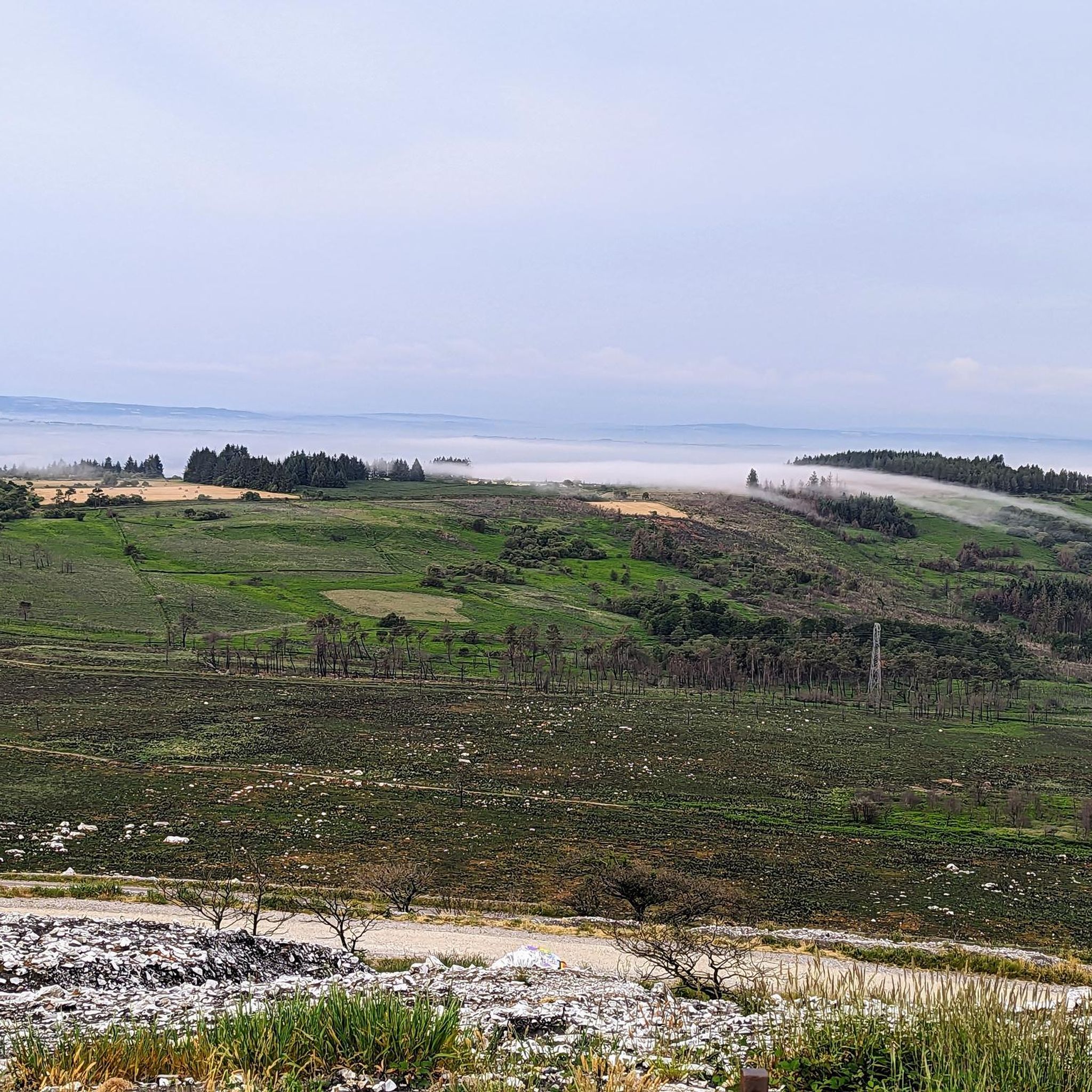
Very beautiful chapel, recently restored after a fire in 2022. The panorama over the entire Monts d'Arrée, the sea and the crests of the Montagnes Noires is magnificent.
2
0

Exceptional views from the summit. You can reach the summit by racing bike, although the last part is a bit gravelly.
0
0


One of the special highlights in this area. An almost balanced granite rock that you can rock at a certain point - provided you have enough strength. Unfortunately, there are often larger hiking groups with informative guides here...
1
0
Frequently Asked Questions
What natural monuments around Plonévez-Du-Faou offer the most impressive panoramic views?
For breathtaking vistas, consider visiting Mont Saint-Michel of Brasparts, a peak in the Monts d'Arrée. It offers commanding views over the wild landscapes, including the peat bogs of Yeun Elez and Lake Brennilis. Additionally, Menez-Hom, one of Brittany's highest points, provides 360-degree panoramic views stretching from Pointe du Raz to Pointe Saint Mathieu, encompassing sea, moorland, and mountains.
Are there family-friendly natural monuments to visit near Plonévez-Du-Faou?
Yes, several natural monuments are great for families. The Huelgoat Forest is particularly suitable, featuring the Gouffre de Huelgoat Waterfall and The Fairies' Pond, both known for their mystical atmosphere and easy access. The famous Trembling Rock in Huelgoat is also a fun attraction for all ages, where you can try to make the massive boulder move.
What unique geological features can I explore in the region?
The Huelgoat Forest is renowned for its unique geological formations. You'll find the 'Chaos de Rochers,' enormous granite boulders seemingly piled haphazardly, and the 'Roche Tremblante' (Trembling Rock), a 137-tonne boulder that can be made to rock. The 'Gouffre' (The Abyss) and The Devil's Cave also showcase dramatic rock formations where the River d'Argent flows.
What outdoor activities can I do near these natural monuments?
The region offers a variety of outdoor activities. You can explore numerous running trails, with options like the 'Running loop from Plonévez-du-Faou' (11.3 km, moderate difficulty). For cyclists, there are extensive road cycling routes, such as the 'Canal De Nantes a Brest – Saint-Algon Lock loop' (71.3 km, moderate). Gravel biking is also popular, with routes like the 'Mont Saint-Michel of Brasparts – Roc'h Trevezel loop' (29.4 km, moderate). You can find more details on these activities in the Running Trails around Plonévez-Du-Faou, Road Cycling Routes around Plonévez-Du-Faou, and Gravel biking around Plonévez-Du-Faou guides.
Are there any historical or legendary sites among the natural monuments?
Yes, the region is rich in history and legend. The Huelgoat Forest is steeped in Arthurian tales, with sites like the 'Grotte d'Artus' (Arthur's Cave) where King Arthur is said to sleep. The Mont Saint-Michel of Brasparts is topped by a 17th-century chapel, replacing an older Celtic temple, and is part of the 'Saint Michael Line' connecting spiritual sites. The Canal de Nantes à Brest, while artificial, has a long history as a vital waterway.
What do visitors enjoy most about the natural monuments around Plonévez-Du-Faou?
Visitors frequently praise the mystical atmosphere and unique geological formations of the Huelgoat Forest, especially the challenge of making the Trembling Rock move. The dramatic scenery of the Gouffre de Huelgoat Waterfall and the adventurous descent into The Devil's Cave are also highly rated. Many appreciate the panoramic views from Mont Saint-Michel of Brasparts and the tranquil beauty of The Fairies' Pond.
Can I find easy walks or trails suitable for all fitness levels?
Absolutely. The Huelgoat Forest offers well-marked paths that are generally easy to navigate, allowing visitors to explore its unique geological formations and legendary sites at a relaxed pace. The towpaths along the Canal de Nantes à Brest also provide peaceful, flat routes ideal for walking, cycling, and horse-riding, suitable for most fitness levels.
What is the best time of year to visit the natural monuments in this region?
The region's natural monuments are enjoyable throughout the year, but spring and autumn offer particularly pleasant conditions. Spring brings lush greenery and blooming flora, while autumn showcases vibrant fall colors, especially in the forests. Summer is also popular, though it can be busier. Winter offers a different, often quieter, experience, especially in the mystical Huelgoat Forest.
Are there any natural monuments with unique flora or microclimates?
The Valley of the Aulne Estuary is notable for its unique microclimates, which allow Mediterranean-style plant life to flourish. You might be surprised to find fig trees, mimosas, and camellias growing here, creating a diverse and unexpected botanical experience within Brittany.
What is the Canal de Nantes à Brest and why is it considered a natural monument?
While an artificial creation, the Canal de Nantes à Brest has become a significant natural and recreational asset. It meanders through diverse landscapes, including forests, heathlands, and wetlands, supporting rich biodiversity. Its towpaths offer a peaceful way to explore inland Brittany, connecting picturesque villages and natural heritage sites, making it a cherished natural and recreational corridor.
Are there any challenging trails or caves for adventurous visitors?
For those seeking a challenge, The Devil's Cave in Huelgoat Forest offers an adventurous experience. It involves a steep descent under massive rocks, where you can observe the river flowing below. Visitors recommend bringing a flashlight and wearing appropriate clothing due to the slippery, mossy, and humid conditions inside this natural cave.
What kind of wildlife can I expect to see around these natural monuments?
The diverse landscapes, including forests, heathlands, and wetlands, support a variety of wildlife. In the Huelgoat Forest and along the Canal de Nantes à Brest, you might spot various bird species, small mammals, and insects. The tranquil environments provide habitats for local fauna, offering opportunities for nature observation, especially during quieter times of the day.
Most popular routes around Plonévez-Du-Faou
Most popular attractions around Plonévez-Du-Faou

Get inspired with the komoot mobile app


Explore more
Extend your search for the best caves by checking out these guides of the top ones around Plonévez-Du-Faou:
