Top 3 Natural Monuments around Berbérust-Lias
Natural monuments around Berbérust-Lias are found within the Castelloubon Valley in the Hautes-Pyrénées department of France. This commune provides access to both local natural features and broader Pyrenean sites. The area is characterized by its natural landscapes, including prominent peaks and picturesque valleys. It serves as a starting point for exploring the diverse natural landmarks of the region.
Best natural monuments around Berbérust-Lias
- The most popular natural monuments is Lake Isaby, a lake that is an easy hike to reach. It is suitable for beginners.
- Another must-see spot is Mount de Gez, a summit offering panoramic views. It is a popular destination for mountain bikers.
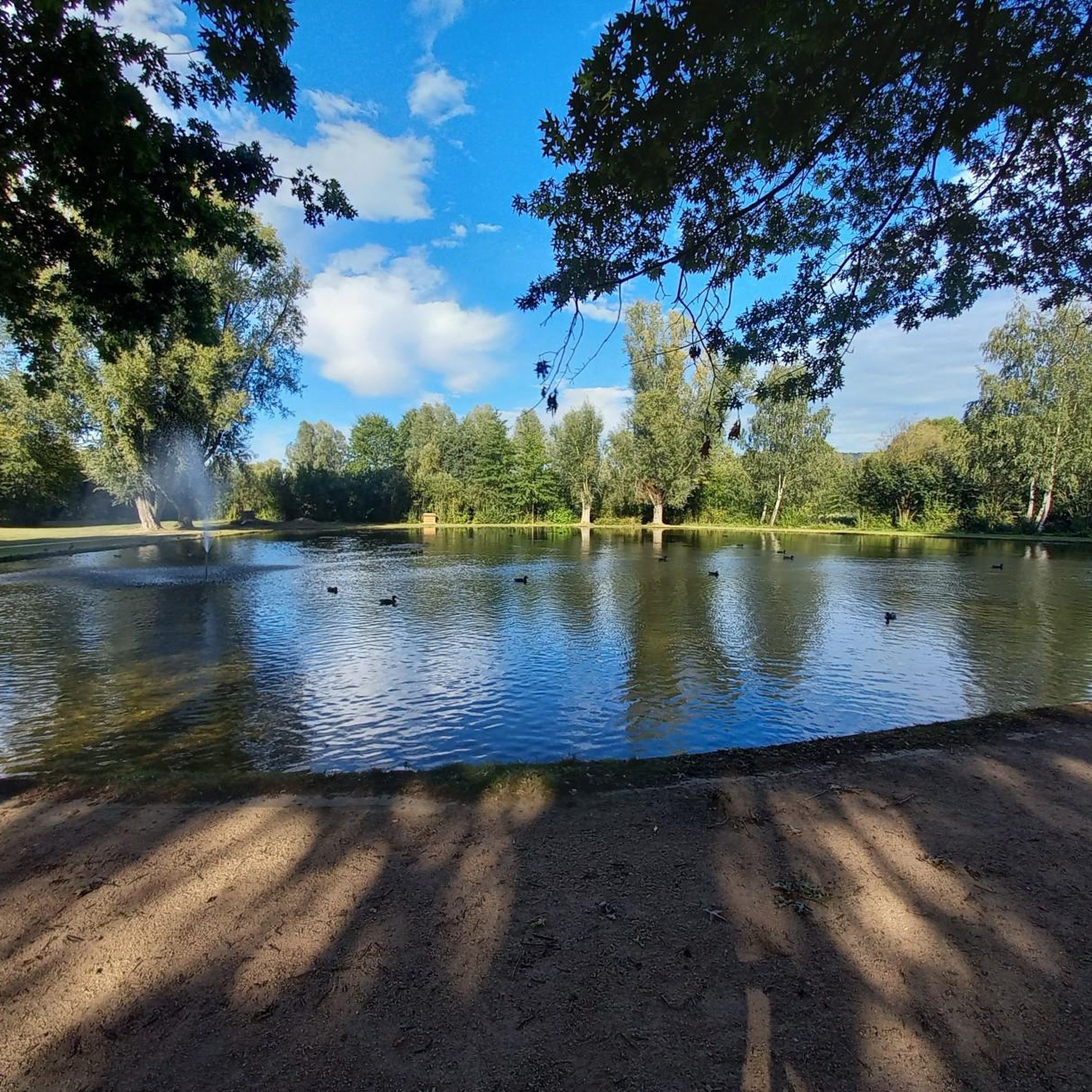
- Visitors also love Lake Ourrec, a small high-altitude lake located at 1,667 meters above sea level. Its banks offer an idyllic setting for a break.
- Berbérust-Lias is known for its summits, lakes, and valleys. The region offers a variety of natural monuments to see and explore, from high-altitude lakes to panoramic peaks.
- The natural monuments around Berbérust-Lias are appreciated by the komoot community, with more than 130 upvotes and over 60 photos shared by visitors.
Last updated: July 5, 2026
Mount de Gez
Highlight • Summit
The MTR+Mont de Gez track is incredible!
Translated by Google •
Tip by

Lake Ourrec
Highlight • Lake
Translated by Google •
Tip by

Sign up now to discover places like this
Get recommendations on the best single tracks, peaks, & plenty of other exciting outdoor places.
Sign up for free
Lake Isaby
Highlight • Lake
Tip by

Alian Peak
Highlight • Summit
Translated by Google •
Tip by
Crête de Bassia
Highlight • Summit
Showing Translation
Tip by

Start today with a free account
Your next adventure awaits.
Login or Signup


Tips from the Community

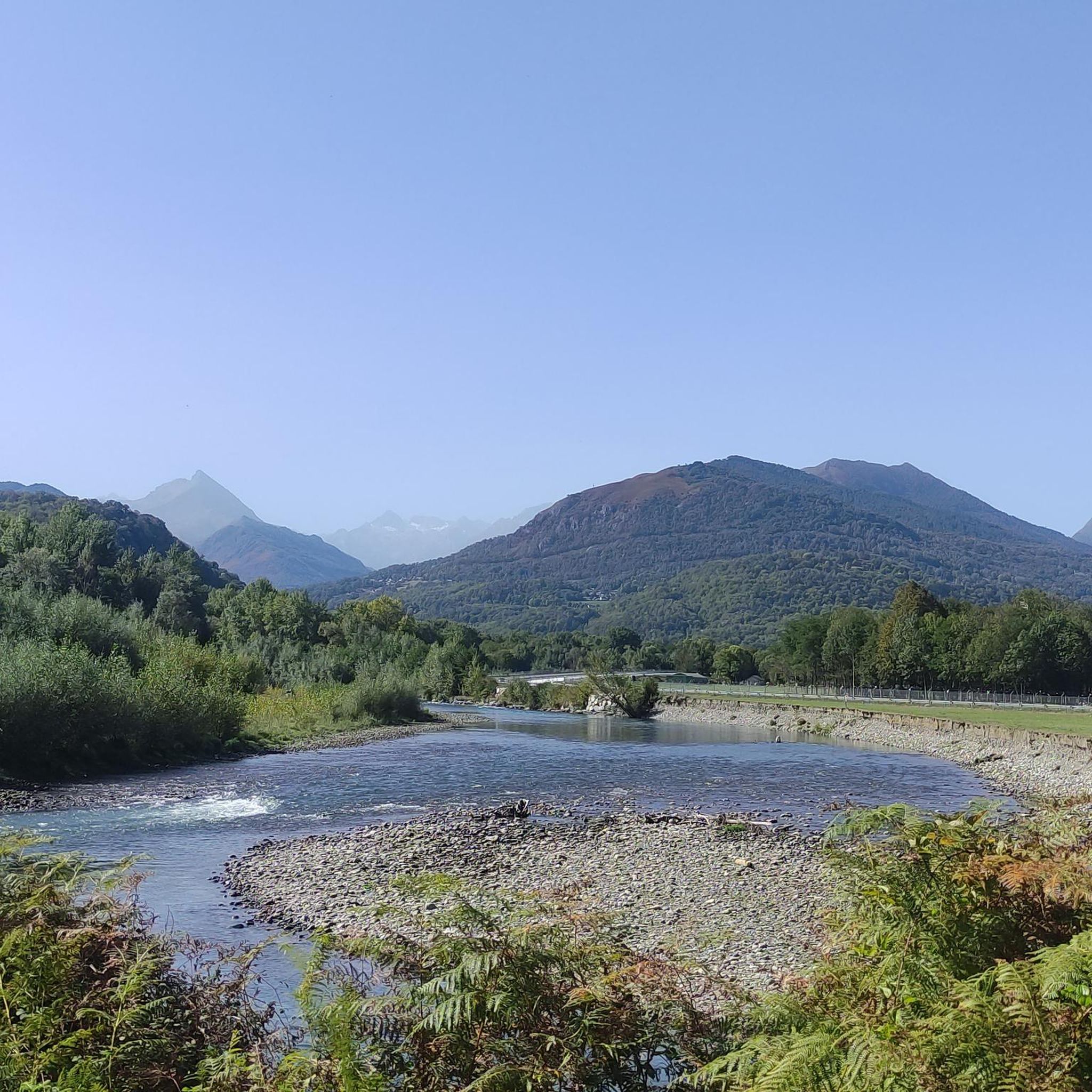
A slightly airy section, but not dangerous, continue to the Bassia lake in summer and without snow only. Reputed to be very avalanche-prone.
0
0

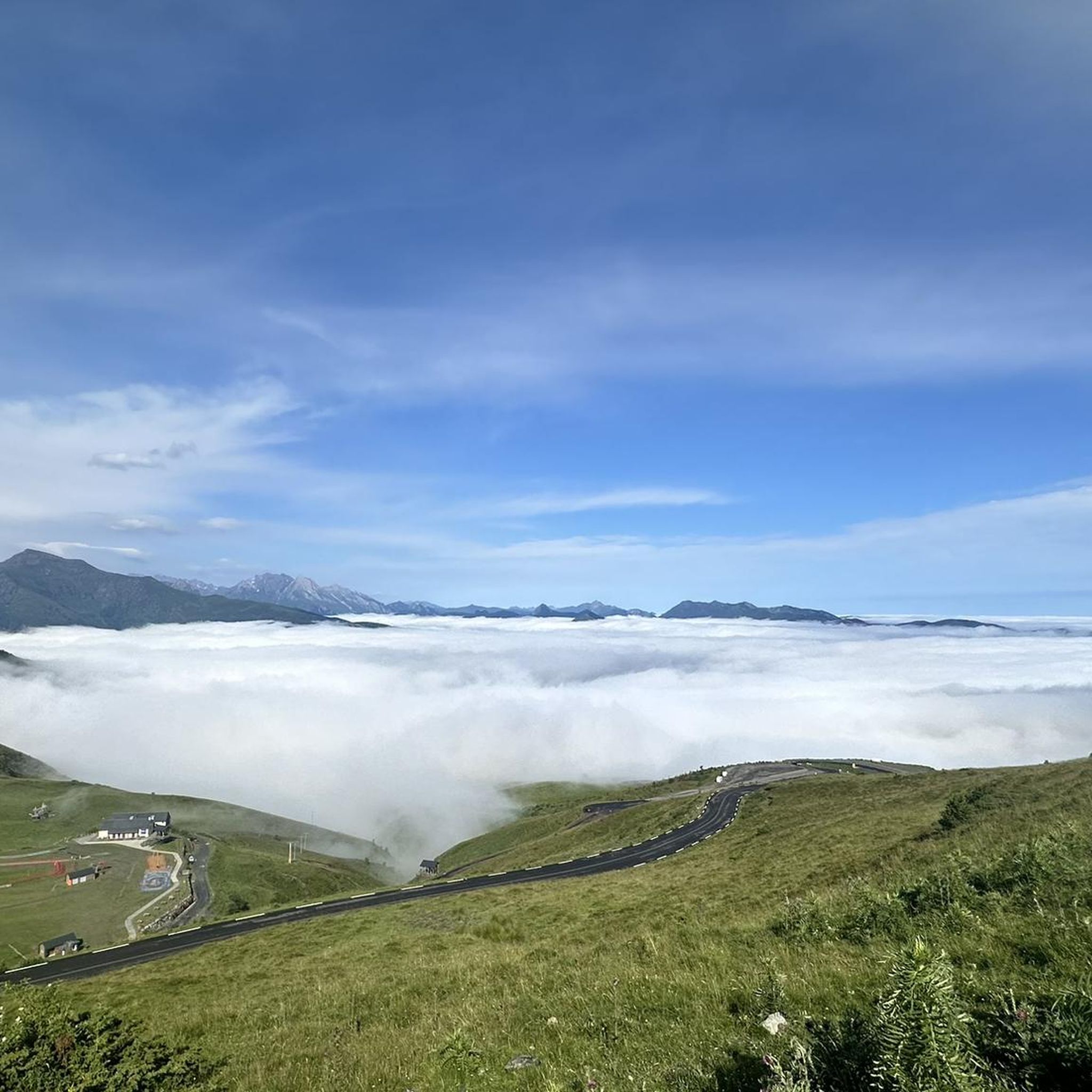
Dogs allowed on a leash, lots of cattle and sheep free grazing.
1
0

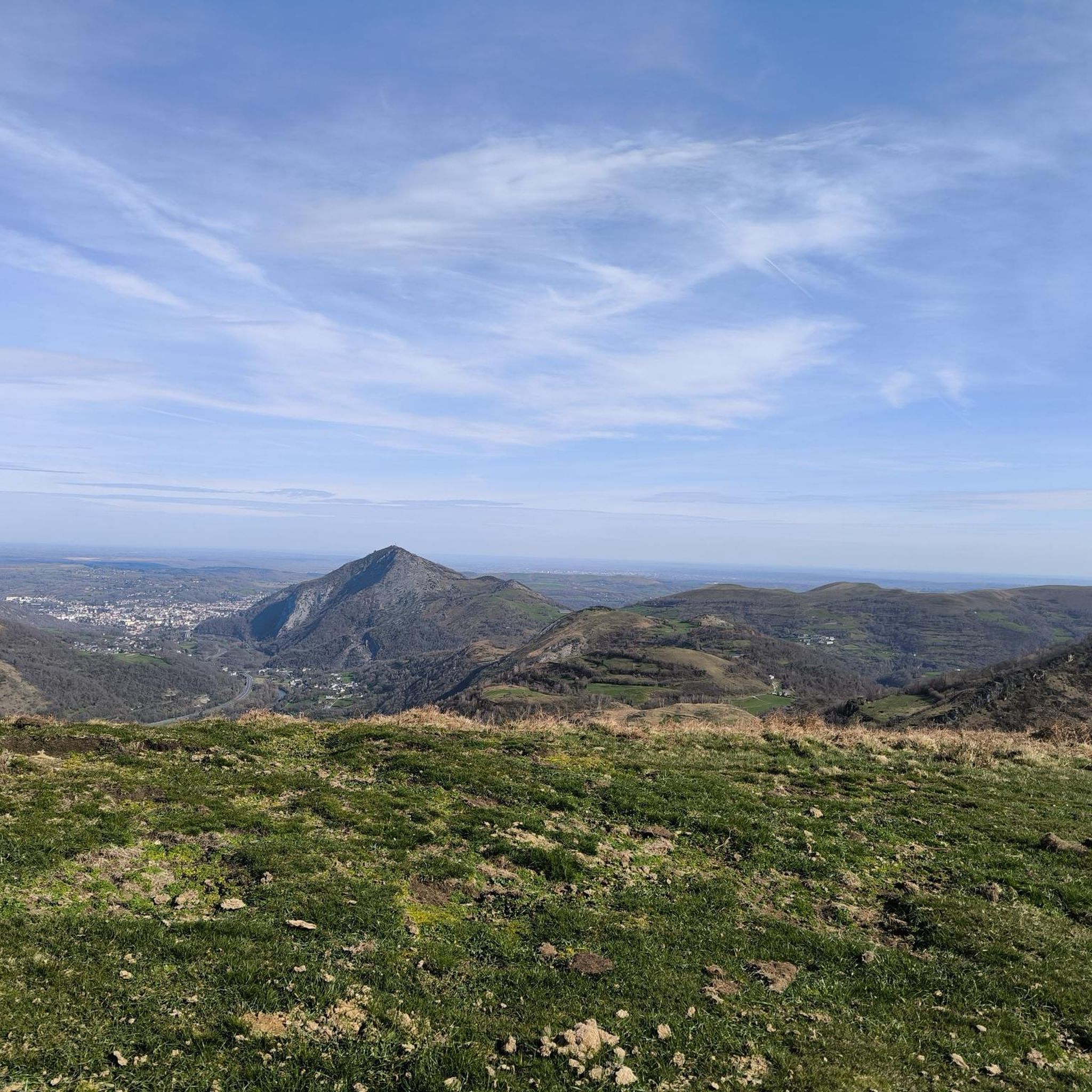
viewpoint over the valley of the gift de pau.
1
0
Beautiful mountain lake with a nice descent leading to it.
1
0


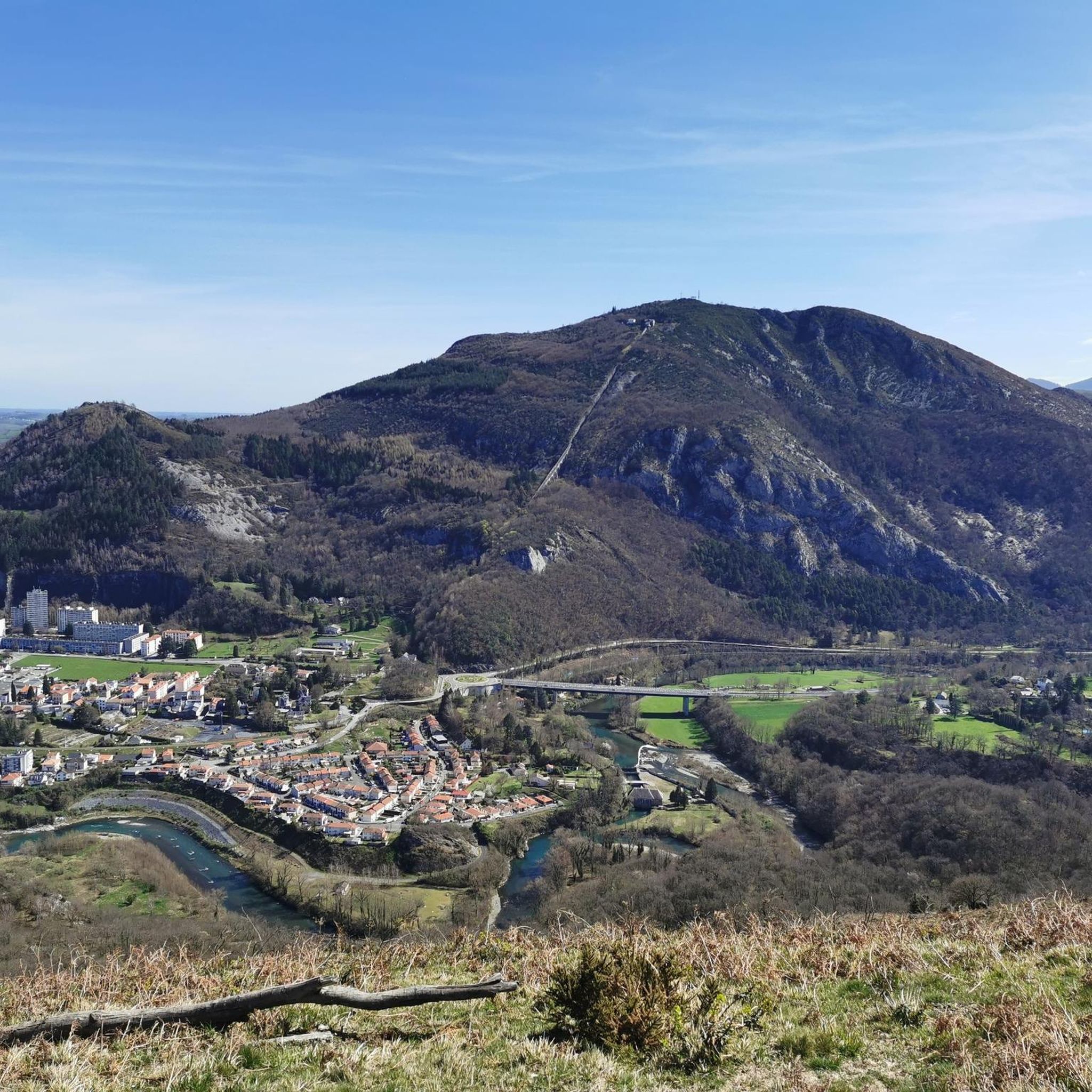
The peak of Alian culminates at 1,089 meters on the heights of the city of Lourdes. The passage of the breach of the same name provides access to Pibeste (1,349 meters). Its summit offers a nice panorama and a beautiful view of the valley.
1
1
Lake Ourrec is a small high altitude lake in the Pyrenees located at 1,667 meters above sea level. It is nestled in the intimacy of the Lesponne valley, its banks bordered by meadows offer an idyllic setting for a break.
0
0
Lake Ourrec is a small high altitude lake in the Pyrenees located at 1,667 meters above sea level. Nestled in the intimacy of the Lesponne valley, its banks lined with meadows offer an idyllic break.
1
1
Frequently Asked Questions
What are some prominent natural monuments to visit near Berbérust-Lias?
Beyond the local charm of Berbérust-Lias, you can explore several impressive natural monuments. Consider a hike to Mount de Gez for panoramic views, or discover the serene beauty of Lake Ourrec and Lake Isaby, both nestled in picturesque settings. For another rewarding summit experience, Alian Peak offers a great panorama of the valley.
Are there any family-friendly natural monuments or activities around Berbérust-Lias?
Yes, the region offers natural beauty suitable for families. The hike to Lake Isaby is often described as an easy hike, perfect for beginners and families. The Castelloubon Valley itself provides tranquil landscapes for gentle walks. For more extensive family adventures, the Pyrenees National Park, accessible from nearby Lourdes, has numerous marked paths and visitor centers.
What kind of outdoor activities can I do near these natural monuments?
The area around Berbérust-Lias is excellent for various outdoor activities. Hiking is very popular, with trails leading to summits like Mount de Gez and Alian Peak. You can also find numerous cycling routes, including traffic-free bike rides and challenging racebike tours, as well as running trails. For specific route ideas, explore the traffic-free bike rides, racebike tours, and running trails guides for the region.
What is the best time of year to visit the natural monuments in this region?
The best time to visit largely depends on your preferred activities. Spring and summer (May to September) offer pleasant weather for hiking and exploring lakes like Lake Ourrec, with lush landscapes and accessible trails. Autumn brings beautiful fall colors. Winter can be challenging due to snow and ice, especially at higher elevations like Crête de Bassia, which is known to be avalanche-prone in snowy conditions.
Are there any natural monuments with historical significance in the area?
While not a monument in the traditional sense, the Tute du Loup (Wolf's Den) near Berbérust-Lias offers a glimpse into the region's ancient past. This natural cavity served as a shelter in ancient times, with archaeological evidence of human remains and hearths, making it a site of historical and natural interest.
What kind of wildlife can I expect to see around the natural monuments?
The broader Pyrenean region, especially within the Pyrenees National Park, is rich in biodiversity. You might spot emblematic Pyrenean animals such as isards (Pyrenean chamois), ibexes, and marmots. The park is also home to a vast array of bird species and over 2,500 plant species, offering a diverse natural experience.
Are there any viewpoints offering extensive panoramas of the Pyrenees?
Absolutely. Mount de Gez and Alian Peak both provide excellent panoramic views of the Pyrenees mountain range and the surrounding valleys. For an even more expansive vista, the Pic du Midi de Bigorre, though further afield, offers an unparalleled natural balcony with views stretching over 300 km of mountains.
How accessible are the natural monuments by public transport?
Public transport options directly to some of the more remote natural monuments can be limited. However, nearby Lourdes serves as a hub with connections to various parts of the Hautes-Pyrénées. From there, local buses or taxis might be available to reach trailheads or specific sites. For places like Pibeste Peak, accessing by car and then hiking is often the most straightforward method.
Are dogs allowed on trails to the natural monuments?
Policies regarding dogs can vary. While some trails, especially in less protected areas, may allow dogs, national parks and nature reserves often have strict rules, sometimes requiring dogs to be on a leash or prohibiting them entirely to protect wildlife. It's always best to check specific regulations for each natural monument or park you plan to visit. For example, a visitor tip for Lake Isaby asks about dog allowances, indicating it's a common question.
What are some notable geological features in the region?
The Hautes-Pyrénées region is renowned for its dramatic glacial geology. The UNESCO World Heritage site of the Gavarnie Valley features spectacular glacial cirques, including the famous Cirque de Gavarnie with its immense scale and high waterfall, as well as the larger Cirque de Troumouse and the secluded Cirque d'Estaubé. These formations are prime examples of the Pyrenees' unique natural landscapes shaped by ice.
Where can I find information about the Pyrenees National Park?
The Pyrenees National Park is a vast protected area offering incredible biodiversity and landscapes. You can find more information and details about its offerings, including marked paths and visitor centers, through official tourism resources. For example, the Lourdes tourist office provides details on the park's stunning natural sites at its gates: The Pyrenees National Park.
Most popular routes around Berbérust-Lias
Most popular attractions around Berbérust-Lias

Get inspired with the komoot mobile app


Explore more
Extend your search for the best caves by checking out these guides of the top ones around Berbérust-Lias:
