Top 11 Natural Monuments around Saint-André-De-Valborgne
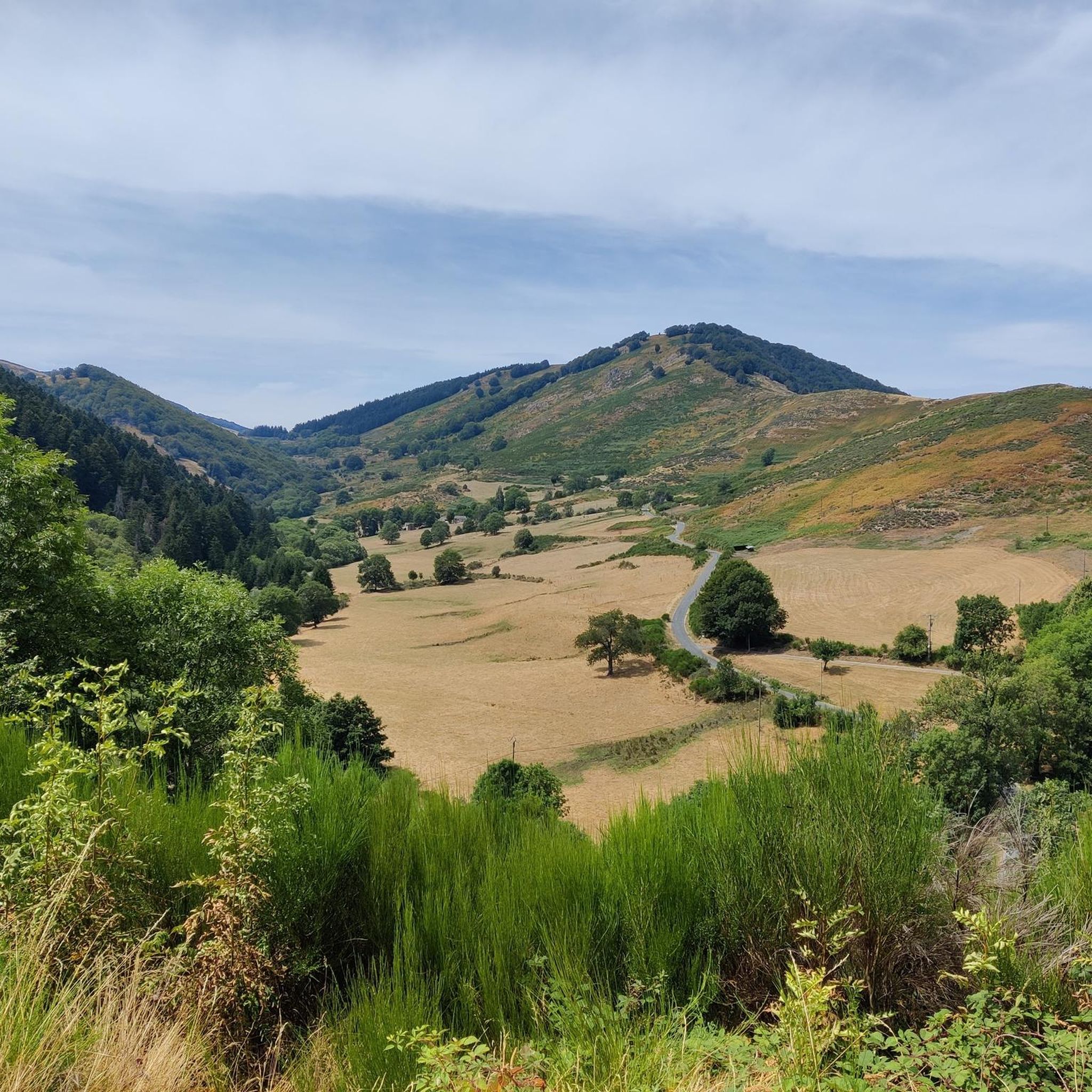
Best natural monuments around Saint-André-De-Valborgne are found within a village nestled in the Gard department of France, at the gateway to the Cévennes National Park. The area is characterized by its connection to nature, situated along the Gardon River and within the Borgne Valley. This region offers diverse landscapes, including mountains, valleys, and plateaus, reflecting the unique Cévenol environment. Visitors can explore a variety of natural features, from riverbanks to panoramic viewpoints.
Best natural monuments around Saint-André-De-Valborgne
- The most popular natural monuments is The 4000 Steps, a summit that follows a former postman's path. This 9.5 km trail with a 1200 m elevation gain leads from Valleraugue to the Mont Aigoual observatory.
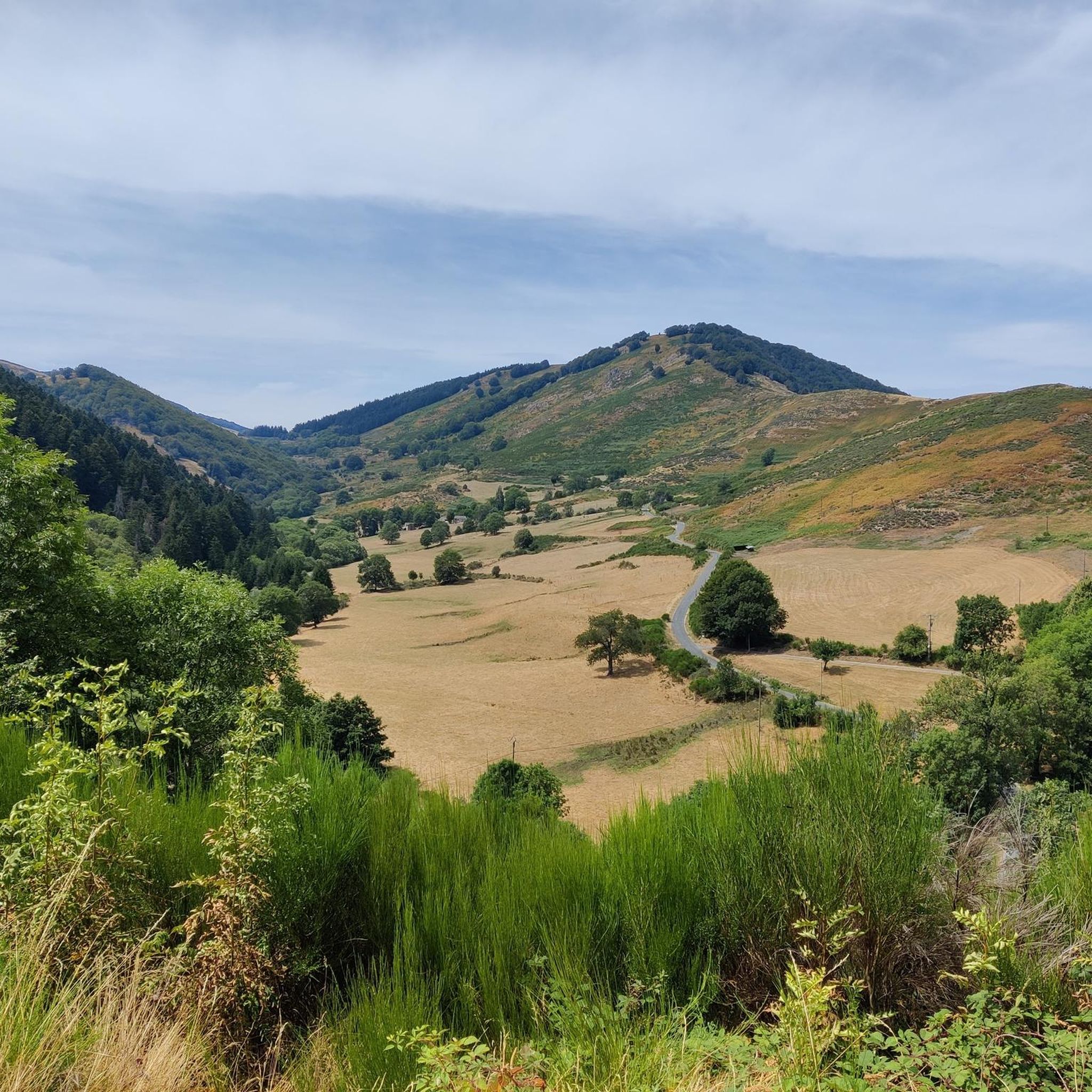
- Another must-see spot is Signal de Saint-Pierre Orientation Table, a viewpoint. Visitors can contemplate the Cévennes from an altitude of 695 meters, a few hundred meters from the Col Saint-Pierre.
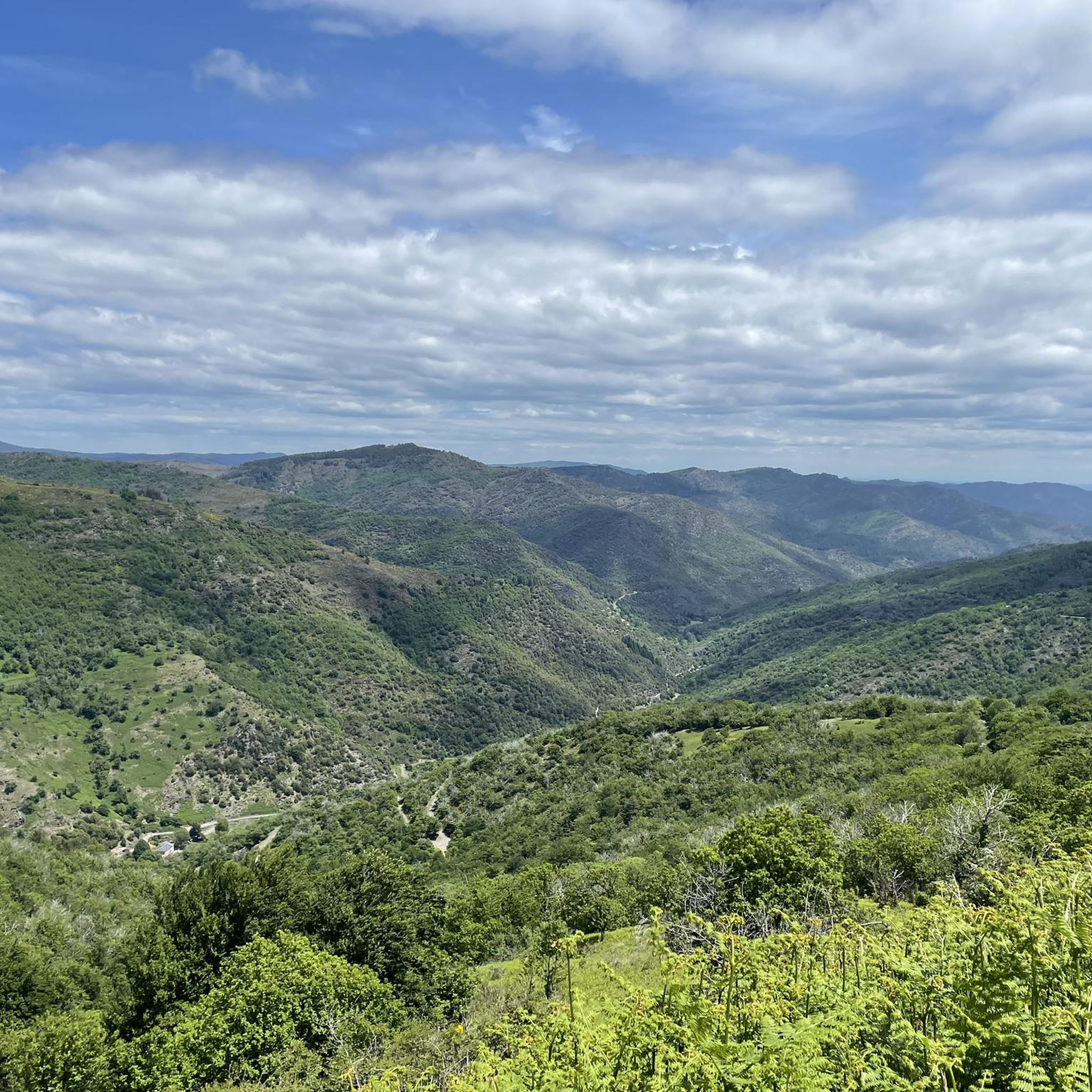
- Visitors also love La Can de l’Hospitalet, a viewpoint. This plateau offers magnificent views of the Cévennes, with its highest point, the Serre de Montgros, reaching 1,111m.
- Saint-André-De-Valborgne is known for summits, viewpoints, and plateaus. The region offers a variety of natural monuments to see and explore, including the Gardon River and Borgne Valley.
- The natural monuments around Saint-André-De-Valborgne are appreciated by the komoot community, with 59 upvotes and 78 photos shared by visitors.
Last updated: July 6, 2026
The 4000 Steps
Highlight (Segment) • Summit
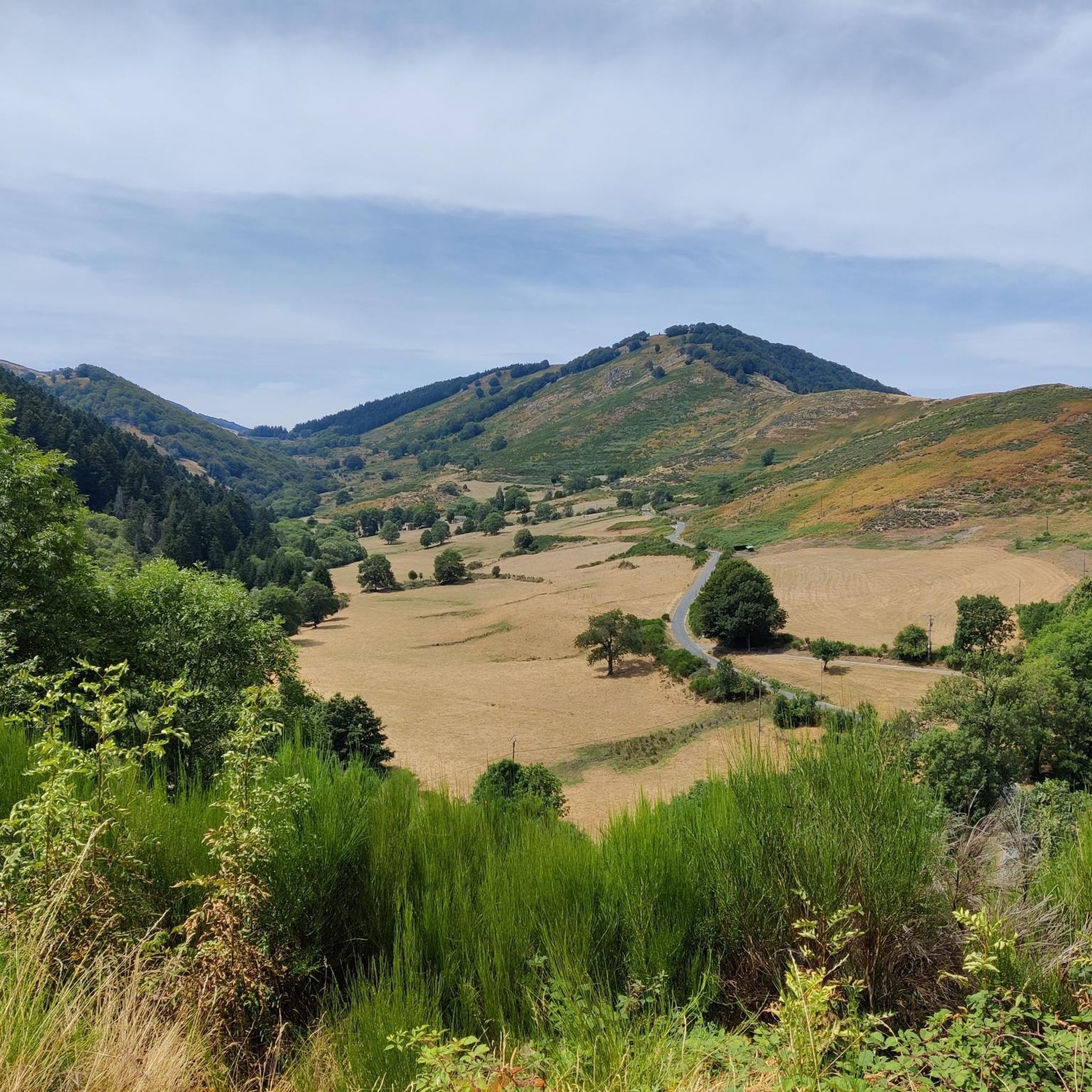
In the central area of the Cévennes National Park and crossing the arboretum of the Hort de Dieu, the 9.5 km long path with a drop of 1200 m leaves from Valleraugue (357 m) to reach the observatory of Aigoual (1567 m).
Massive granite and schist, between Atlantic and Mediterranean, despite its modest altitude, abundant precipitation, wind, fog make it a real mountain.
Translated by Google •
Tip by

Mount Aigoual
Highlight • Summit
It also lies on the border between the Gard and Lozère departments. Here you'll find a weather station, as well as a snack bar and refreshment bar.
On a clear day, the panorama is exceptional, offering views stretching from the Alps to the Pyrenees, and from the Puy de Sancy to the Mediterranean.
Beware of sudden temperature changes and wind.
Translated by Google •
Tip by

Sign up now to discover places like this
Get recommendations on the best single tracks, peaks, & plenty of other exciting outdoor places.
Sign up for free
La Can de l’Hospitalet
Highlight (Segment) • Viewpoint
Translated by Google •
Tip by

Signal de Saint-Pierre Orientation Table
Highlight • Viewpoint
Translated by Google •
Tip by
Menhir at the Col de la Pierre Plantée
Highlight • Monument
Translated by Google •
Tip by

Sign up for free to discover even more natural monuments around Saint-André-De-Valborgne.
Sign up for free
Already have an account?
Start today with a free account
Your next adventure awaits.
Login or Signup
Popular around Saint-André-De-Valborgne

Tips from the Community


Wonderful mountain with a wonderful view. We stayed there on our long-distance hike from Tarifa (Spain) to Switzerland and can highly recommend the camp.
4
0

Very nice place to contemplate the surrounding landscapes in favorable weather conditions. Presence of a bar/restaurant and a panoramic table at height.
2
0

Mont Aigoual is the second highest peak in the Cévennes after Mont Lozère. Renowned for its meteorological observatory, it offers breathtaking panoramic views. It’s a popular place for mountain bikers!
2
0

The Signal Saint-Pierre, a few hundred meters from the Col Saint-Pierre, allows you to contemplate the Cévennes at an altitude of 695m.
0
0
The Can de l'Hospitalet is a plateau separated from the Causse Méjean by the Tarnon. It offers magnificent views of the Cévennes. Its highest point, the Serre de Montgros, culminates at an altitude of 1,111m.
0
0
The Signal Saint-Pierre, a few hundred meters from the Col Saint-Pierre, allows you to contemplate the Cévennes at an altitude of 695 meters.
0
0
Frequently Asked Questions
What natural features define the area around Saint-André-de-Valborgne?
The region is characterized by its deep connection to nature, nestled along the Gardon River and within the beautiful Borgne Valley. It serves as a gateway to the Cévennes National Park, a UNESCO World Heritage site known for its diverse landscapes, including mountains, valleys, and plateaus. You can also find impressive geological formations like the Jonte Gorges and the spectacular Cirque de Navacelles within a reasonable distance.
Are there any historical natural monuments to explore?
Yes, the area has sites that blend natural beauty with historical significance. For instance, the Menhir at the Col de la Pierre Plantée testifies to human presence in the region during the Neolithic period. The Borgne Valley itself holds historical significance, with its landscape shaped by centuries of interaction between nature and human activity.
What are some challenging natural monuments for experienced hikers?
For experienced hikers seeking a challenge, "The 4000 Steps" is a notable natural monument. This 9.5 km trail, with a 1200 m elevation gain, follows a former postman's path from Valleraugue to the Mont Aigoual observatory, offering a consistently steep but rewarding ascent.
Can I find panoramic viewpoints of the Cévennes?
Absolutely. The region is rich with viewpoints offering expansive vistas. "Signal de Saint-Pierre Orientation Table" allows you to contemplate the Cévennes from an altitude of 695 meters. Another excellent spot is "La Can de l’Hospitalet," a plateau offering magnificent views, with its highest point, the Serre de Montgros, reaching 1,111m. Additionally, Mount Aigoual provides exceptional panoramas, stretching from the Alps to the Pyrenees on a clear day.
What outdoor activities can I do near these natural monuments?
The area around Saint-André-de-Valborgne is ideal for various outdoor activities. You can explore numerous hiking trails that depart from the village and throughout the Cévennes National Park. For cycling enthusiasts, there are many routes available, including challenging ones like the Saint-André-de-Valborgne – Cabrillac loop. Mountain biking is also popular, with trails around Mont Aigoual. You can find more details on routes in the hiking, cycling, and MTB guides for the region.
Is the Cévennes National Park accessible from Saint-André-de-Valborgne?
Yes, Saint-André-de-Valborgne is strategically located at the gates of the Cévennes National Park. This makes it an excellent base for exploring the park's diverse landscapes, rich biodiversity, and extensive network of hiking trails. The village's architecture even reflects its deep connection to the natural environment of the Cévennes.
What is the best time of year to visit the natural monuments around Saint-André-de-Valborgne?
The Cévennes region experiences varied weather. While summer offers an oasis of freshness, be aware that conditions on higher peaks like Mount Aigoual can be extreme, with sudden temperature changes and strong winds. Spring and autumn generally offer pleasant weather for hiking and exploring, with vibrant foliage or blooming flora. Winter access to some higher points can be difficult due to snow and ice.
Are there any unique geological formations worth seeing?
Beyond the immediate vicinity, you can discover remarkable geological formations. Approximately 28 km away, the Jonte Gorges present magnificent and wild landscapes with impressive ledges. Further afield, about 32 km, the Cirque de Navacelles is a spectacular natural amphitheater formed by the meandering Vis river, recognized as a UNESCO Global Geopark site for its dramatic geological features.
What do visitors enjoy most about the natural monuments in this area?
Visitors particularly appreciate the breathtaking panoramic views from various summits and viewpoints, such as those from Mount Aigoual and La Can de l’Hospitalet. The challenging yet rewarding hiking experiences, like the ascent of "The 4000 Steps," are also highly valued. The overall sense of unspoiled nature and the diverse landscapes of the Cévennes are consistently highlighted by the komoot community.
Are there dog-friendly trails near the natural monuments?
Many trails within the Cévennes National Park and surrounding areas are dog-friendly, allowing you to explore the natural monuments with your canine companion. However, it's always advisable to check specific trail regulations, especially within the core zone of the National Park, and ensure your dog is on a leash to protect local wildlife and livestock.
How long should I plan for a visit to these natural monuments?
The duration of your visit depends on which natural monuments you wish to explore. A hike like "The 4000 Steps" can take several hours due to its length and elevation gain. Visiting viewpoints like Signal de Saint-Pierre might be a shorter stop. To fully appreciate the diverse landscapes, including the Gardon River, Borgne Valley, and the Cévennes National Park, consider dedicating a few days to the region.
Most popular routes around Saint-André-De-Valborgne
Most popular attractions around Saint-André-De-Valborgne

Get inspired with the komoot mobile app


Explore more
Extend your search for the best caves by checking out these guides of the top ones around Saint-André-De-Valborgne:
