Top 4 Natural Monuments around Groslée-Saint-Benoît
Natural monuments around Groslée-Saint-Benoît offer a diverse landscape in the Ain department of France, characterized by the Rhône River and various geological formations. The area features a mix of riverine scenery, forests, and unique natural features. Visitors can explore a range of natural attractions, from tranquil lakes to impressive waterfalls and distinctive rock formations. This region provides opportunities to experience the natural environment of the Bugey area.
Best natural monuments around Groslée-Saint-Benoît
- The most popular natural monuments is Lac d'Ambléon…
Last updated: October 9, 2026
Lac d'Ambléon
Highlight • Lake
Translated by Google •
Tip by

Glandieu Waterfall
Highlight • Waterfall
Quite close (5 min) to the ViaRhona
Translated by Google •
Tip by

Sign up now to discover places like this
Get recommendations on the best single tracks, peaks, & plenty of other exciting outdoor places.
La Roche Percée
Highlight • Natural Monument
Translated by Google •
Tip by

Cascade des Dards
Highlight • Waterfall
Translated by Google •
Tip by

Glandieu Waterfall Cave
Highlight • Cave
Translated by Google •
Tip by

Start today with a free account
Your next adventure awaits.
Popular around Groslée-Saint-Benoît
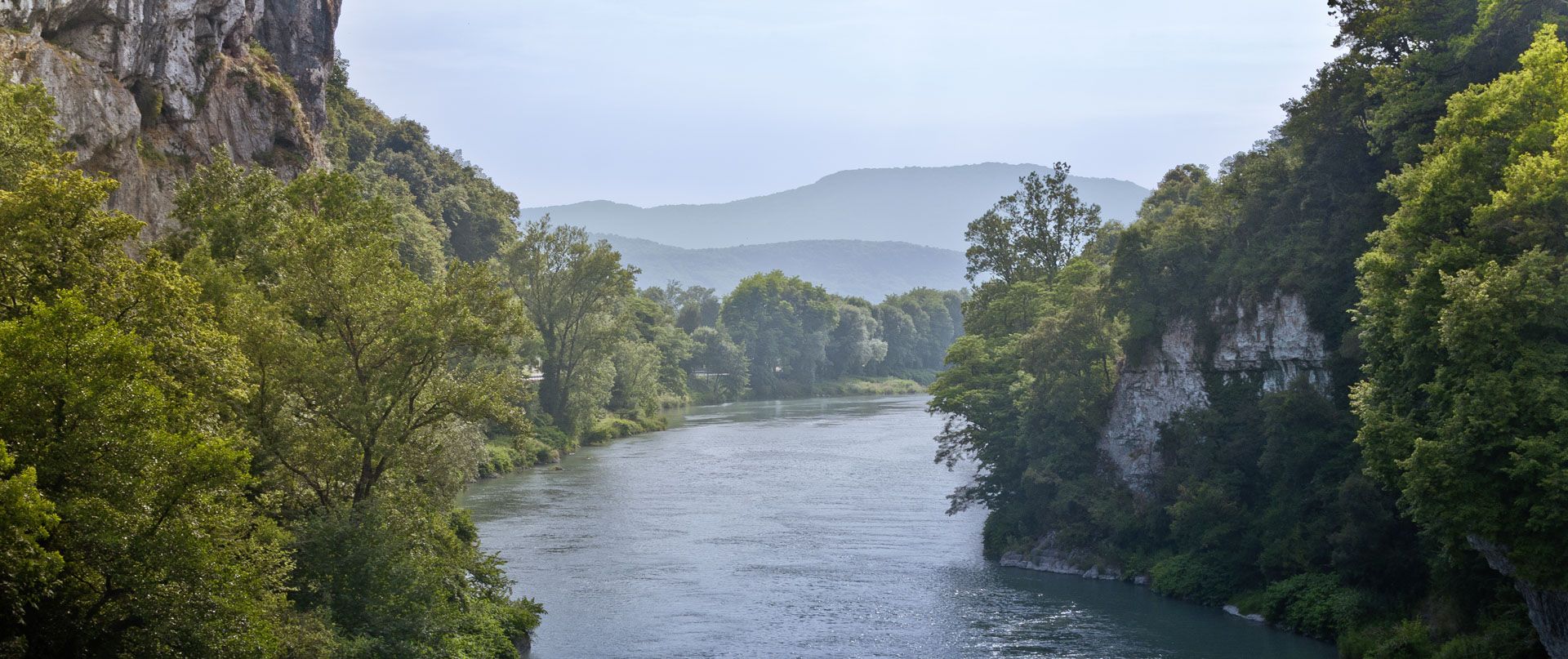
Rhone Cycle Route — From the southern Jura to Lyon
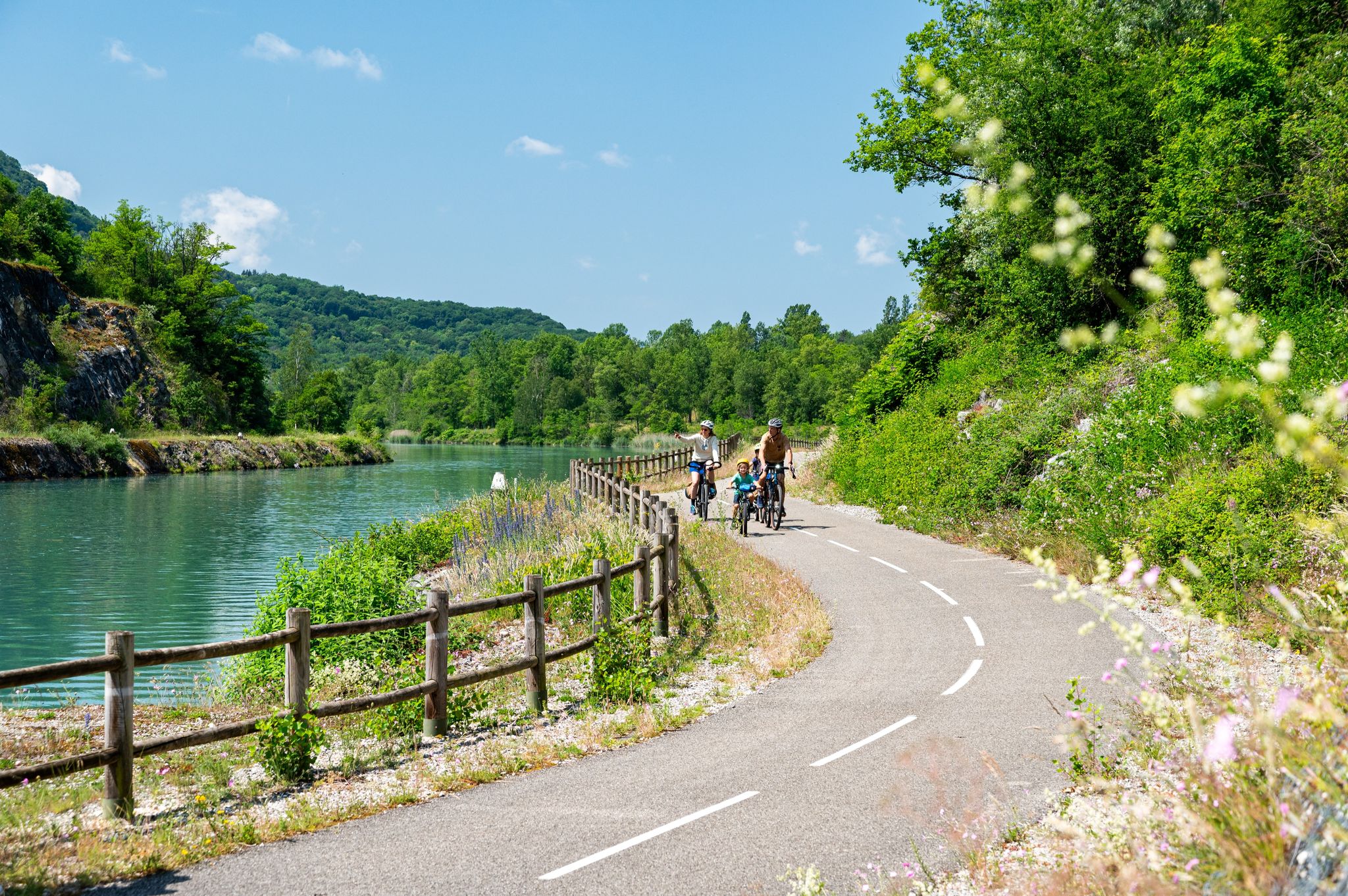
ViaRhôna — ride from the Alps to the Mediterranean
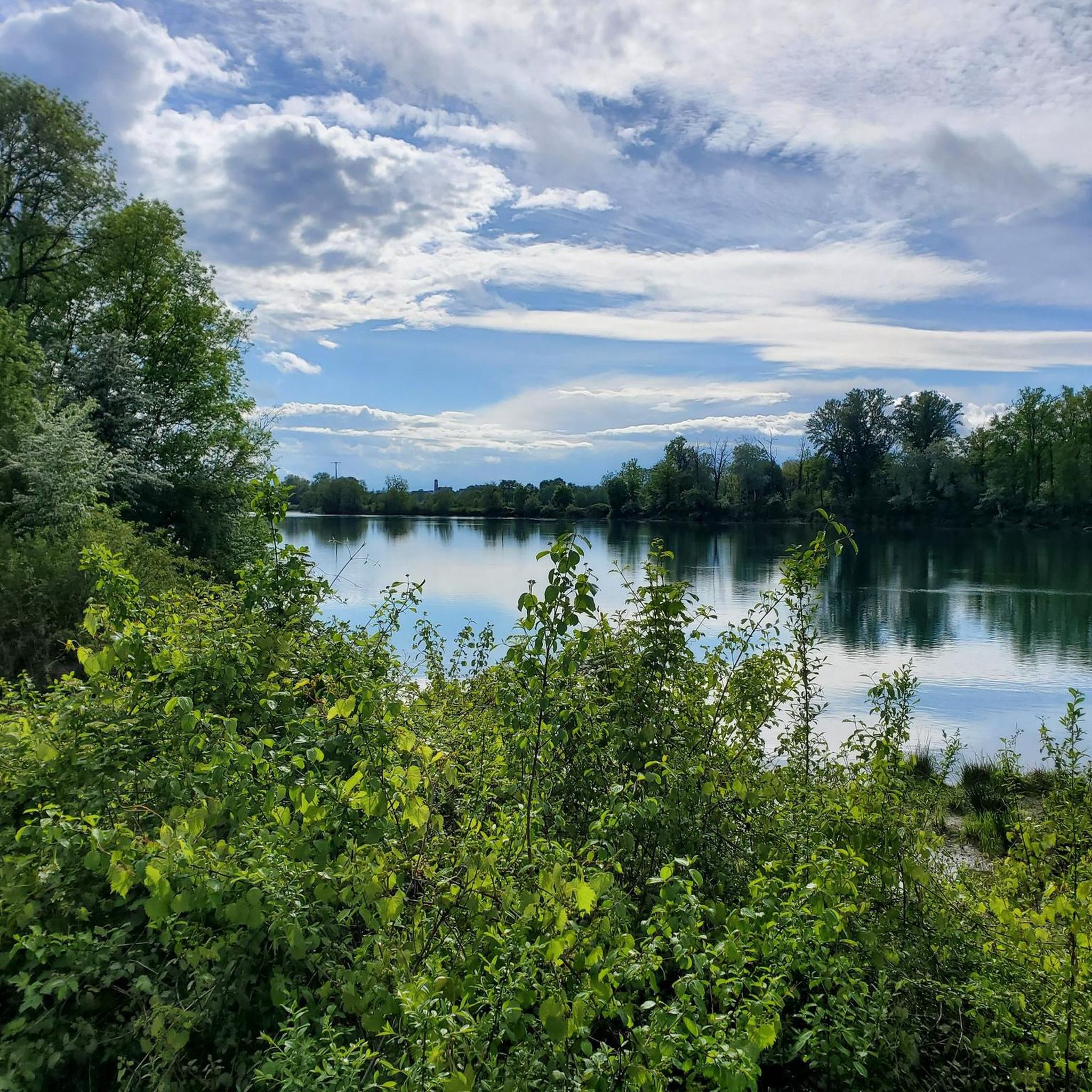
Cycling around Groslée-Saint-Benoît
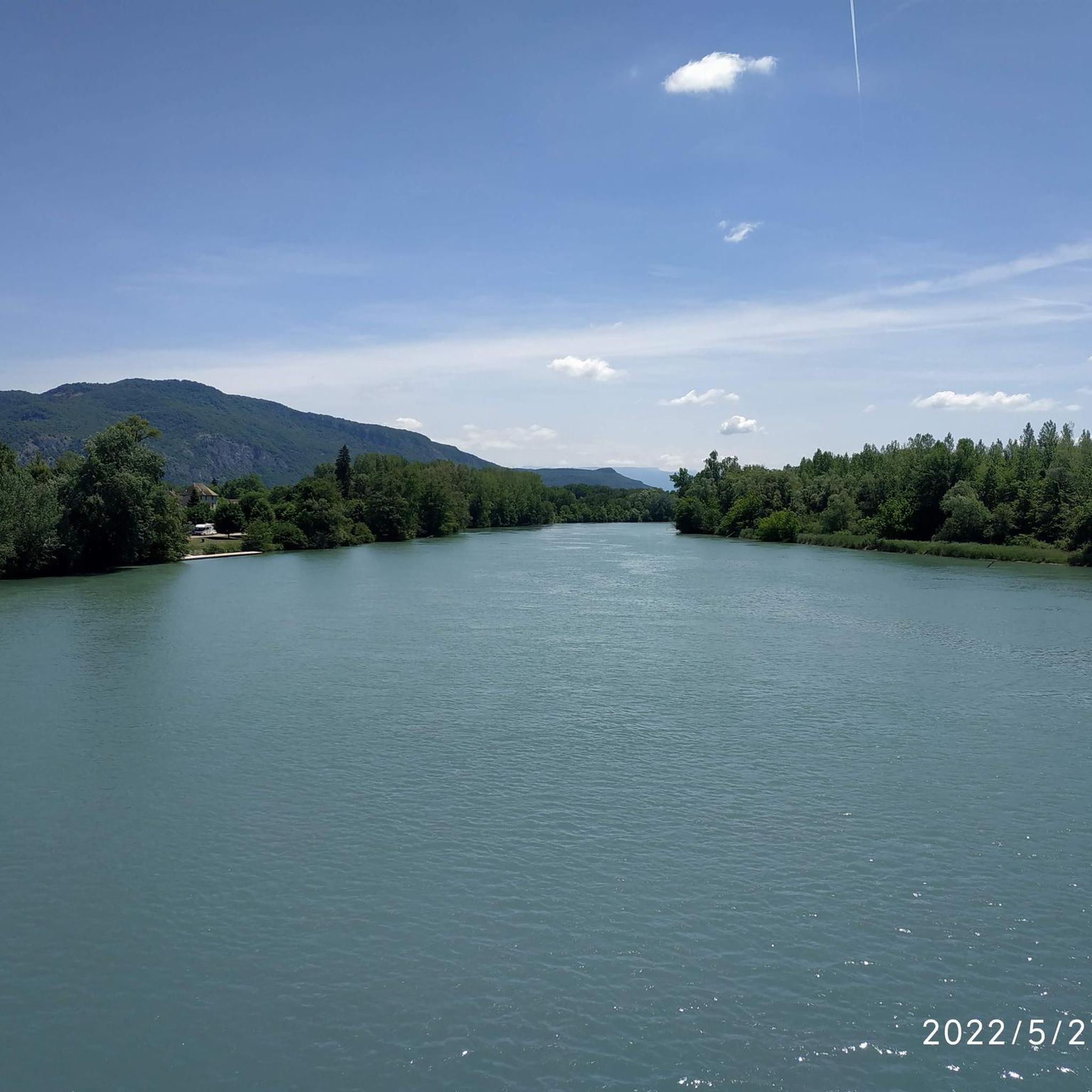
MTB Trails around Groslée-Saint-Benoît
Hiking around Groslée-Saint-Benoît
Road Cycling Routes around Groslée-Saint-Benoît
Running Trails around Groslée-Saint-Benoît

Gravel biking around Groslée-Saint-Benoît


Tips from the Community

Wow, what a beautiful waterfall! 🤩🤩
1
0

The site includes several waterfalls, the main one being 32 meters high. Simply magnificent. https://cascadesdefrance.fr/listing/cascade-des-dards-cheignieu-la-balme-ain/
0
0

La Roche Percée, near Colomieu, is a must-see highlight on your mountain bike route. It features a striking natural arch carved into the rock, surrounded by dense forest. As you hike along forest trails, you’ll suddenly come across this stunning formation, where you can pause to appreciate this unique geological feature and the panoramic views of the valley beyond.
1
0

Lake Ambléon is located in the Bas-Bugey massif, in a valley of the Tentanet mountain (712 m above sea level). Its area is 5.58 hectares. Recognized as a natural zone of ecological, fauna and flora interest (ZNIEFF) type I, it is made up of a marshy part and a deeper zone, which however does not exceed ten meters in depth Lake Ambléon, accessible by the D41 road which connects Ambléon to Lhuis, is frequented in summer by fishermen and walkers. Nearby a stele was erected in memory of the Ambléon maquis. Source: Wikipedia
3
0
A must-see spot in the region, magnificent and impressive, but be careful of the incredible number of tourists in case of good weather during the day, choose to go there early in the morning!
1
0

The rock of this natural tunnel is limestone. It was erosion that made it possible to pierce the rock and thus created a window that was, to say the least, original.
1
0

Great hike with magical landscapes, however, there is a big downside on the last 3 kilometers on the departmental road with heavy rolling. Avoid with children who are too small and not used to hiking. Some passages are not easy, do not leave without suitable equipment (especially shoes)
0
0
The cave is bigger than it seems when you go inside.
2
0
Frequently Asked Questions
What types of natural monuments can I explore around Groslée-Saint-Benoît?
The region offers a diverse range of natural monuments, including impressive waterfalls like Glandieu Waterfall and Cascade des Dards, tranquil lakes such as Lac d'Ambléon, and unique geological formations like La Roche Percée. You'll also find scenic river views along the Rhône and from viewpoints like the Belvédère du Site des Fils.
Are there any impressive waterfalls to visit in the area?
Yes, the area is home to several stunning waterfalls. The Glandieu Waterfall is a breathtaking site with two successive falls totaling 60 meters, known for its constant flow and picturesque setting. Another magnificent option is Cascade des Dards, featuring a main fall of 30 meters and a mystical forest approach. Additionally, the Cascade de la Brive offers beautiful falls with a turquoise pool, ideal for relaxation.
What unique geological features can I find near Groslée-Saint-Benoît?
One of the most striking geological features is La Roche Percée, a natural arch carved into limestone rock by erosion. This unique formation offers panoramic views of the valley. The region's waterfalls, such as Glandieu Waterfall, are also fed by karstic resurgences, showcasing interesting hydrological geology.
Are there family-friendly natural monuments suitable for children?
Absolutely. Glandieu Waterfall is easily accessible and offers a short walk to the base, making it suitable for families. The 'Sentier de l'Eau' (Water Trail) near Glandieu is a 7 km loop that can be adapted for different activity levels. Lac d'Ambléon is also considered family-friendly and easily accessible on the roadside, perfect for a relaxing visit.
What outdoor activities can I do near these natural monuments?
The area provides numerous outdoor activities. You can enjoy cycling along the scenic ViaRhôna cycle path, which runs alongside the Rhône River. There are also various routes for gravel biking, cycling, and mountain biking. For example, you can find routes like the 'Glandieu Falls loop' for MTB or the 'Virignin la Balme footbridge – ViaRhôna Cycle Path loop' for cycling. Explore more options on the Gravel biking around Groslée-Saint-Benoît, Cycling around Groslée-Saint-Benoît, and MTB Trails around Groslée-Saint-Benoît guide pages.
What is the best time to visit the natural monuments in Groslée-Saint-Benoît?
The natural monuments are beautiful year-round. Waterfalls like Glandieu Waterfall maintain a constant flow and are impressive in all seasons, offering refreshing coolness in summer and potentially frozen spectacles in winter. The wooded gorges around Cascade de la Brive are particularly refreshing during warmer months. After rainy weather, the streams feeding the waterfalls are fuller, enhancing their grandeur, though paths can be slippery.
Are there any historical or cultural sites integrated with the natural landscape?
Yes, the region blends natural beauty with historical elements. The Glandieu Waterfall historically powered a marble sawmill and a hydroelectric plant. Near Cascade de la Brive, you can find a hiking circuit that leads to a fossil quarry and old mills, offering a glimpse into the area's past. The Pont de Groslée, a suspension bridge over the Rhône, is also a notable landmark with architectural significance within its natural setting.
What do visitors enjoy most about the natural monuments in this region?
Visitors frequently praise the picturesque and idyllic settings, the refreshing coolness of the waterfalls, and the stunning panoramic views. The magical ambiance of sites like Cascade des Dards and the unique geological formations such as La Roche Percée are highly appreciated. Many also enjoy the accessibility of places like Lac d'Ambléon and the pleasant shade offered by the waterfalls in summer.
Can I find scenic viewpoints overlooking the Rhône River?
Yes, the region offers several excellent viewpoints of the Rhône River. The View of the Rhône from Belvédère du Site des Fils provides a breathtaking 180° panorama of the river's meanders. The Pont de Groslée, a suspension bridge, also offers open views of the Rhône and the surrounding picturesque landscapes of wooded valleys and cliffs.
Are there any natural monuments suitable for swimming or relaxation?
The Cascade de la Brive is described as having a beautiful turquoise pool, ideal for relaxation and swimming. While swimming in the basin of Glandieu Waterfall is prohibited, its idyllic setting provides a magical coolness, making it a popular spot for relaxation and picnics. Lac d'Ambléon also offers a serene environment for enjoying nature.
Are the natural monuments accessible by public transport?
While specific public transport routes directly to each natural monument can be limited, the region is generally best explored by car or bicycle. The ViaRhôna cycle path offers an excellent way to access areas along the Rhône River, including points near Glandieu Waterfall. For detailed transport information to specific sites, it's advisable to check local tourism resources.
What should I pack for a visit to the natural monuments?
Given the varied terrain and activities, it's recommended to pack appropriate footwear, especially if you plan on hiking, as some paths can be slippery, particularly after rain. Bringing water, snacks, and sun protection is always a good idea. For those visiting waterfalls, a light jacket might be useful due to the refreshing mist. If you plan to cycle, ensure you have suitable gear.
Most popular routes around Groslée-Saint-Benoît
Most popular attractions around Groslée-Saint-Benoît

Get inspired with the komoot mobile app


Explore more
Extend your search for the best caves by checking out these guides of the top ones around Groslée-Saint-Benoît:
