Top 8 Mountain Passes around Costera
Mountain passes around Costera are found in a region characterized by diverse terrain, including coastal mountains, valleys, and prominent peaks. This area serves as a natural communication route between various geographical features, offering varied landscapes. The passes often provide extensive views over valleys, coastal areas, and significant mountain formations. The region features moderate slopes and wooded areas, with some passes reaching altitudes of more than 300 meters.
Best mountain passes around Costera
- The most popular mountain passes is Alto de…
Last updated: August 30, 2026
Paso de Presa
Highlight (Segment) • Mountain Pass
Translated by Google •
Tip by

Esquilo Pass
Highlight • Mountain Pass
Translated by Google •
Tip by
Sign up now to discover places like this
Get recommendations on the best single tracks, peaks, & plenty of other exciting outdoor places.
Sign up for free
Alto de San Cipriano
Highlight • Mountain Pass
Translated by Google •
Tip by

Campo La Cruz
Highlight • Mountain Pass
Translated by Google •
Tip by
Fuente Las Varas Pass
Highlight • Mountain Pass
Translated by Google •
Tip by
Collado de Naranjos
Highlight • Mountain Pass
It has beautiful views, including a quarry looking straight ahead.
Translated by Google •
Tip by

View of Castro-Urdiales and the coast from Puerto de Las Muñecas
Highlight • Viewpoint
Translated by Google •
Tip by

Cotera del Escobal
Highlight • Mountain Pass
From this hill we will have beautiful views.
Translated by Google •
Tip by

Start today with a free account
Your next adventure awaits.
Login or Signup
Popular around Costera
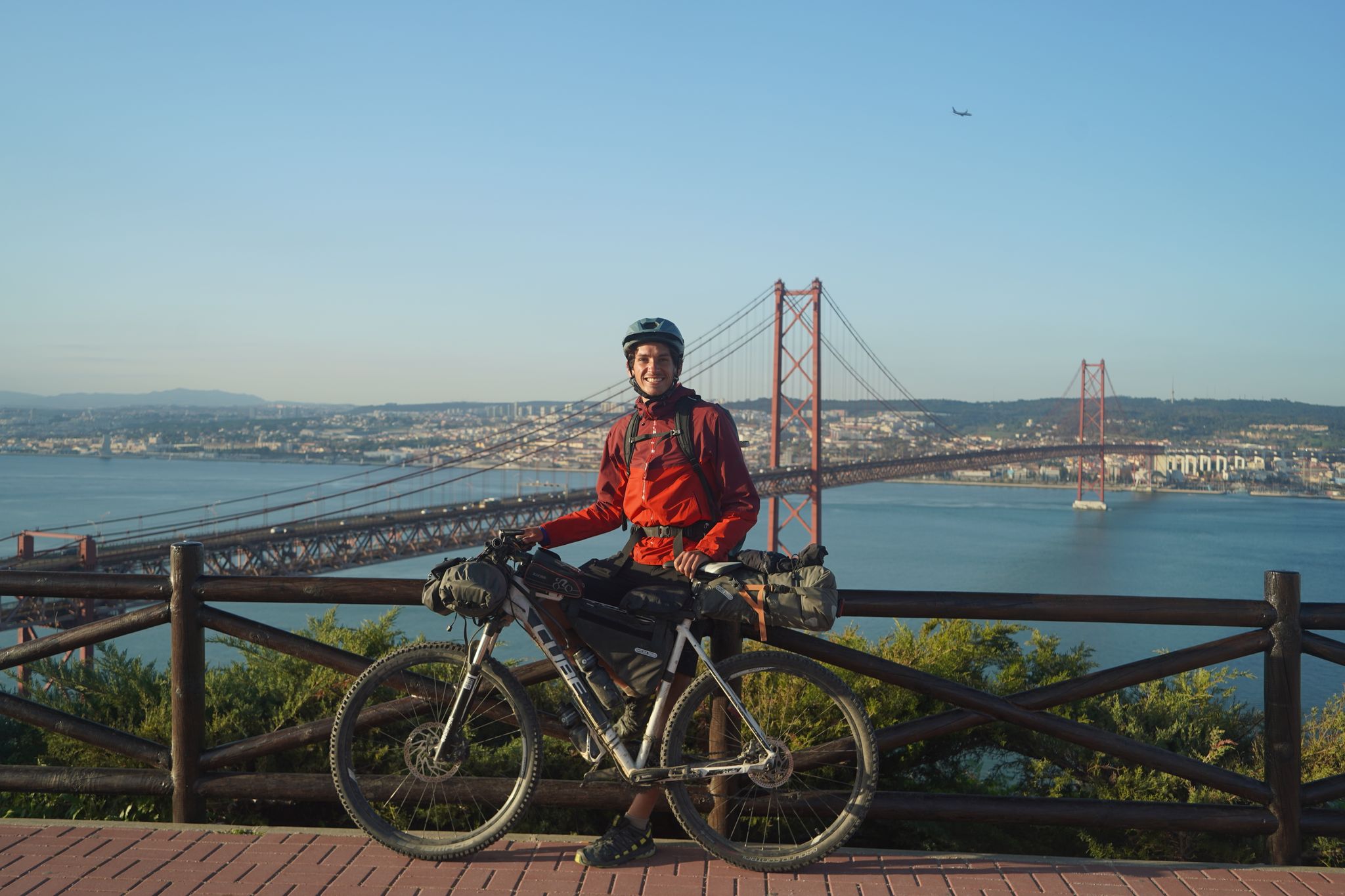
Road to Lisbon – bikepacking the Alps, Pyrenees and Picos de Europa
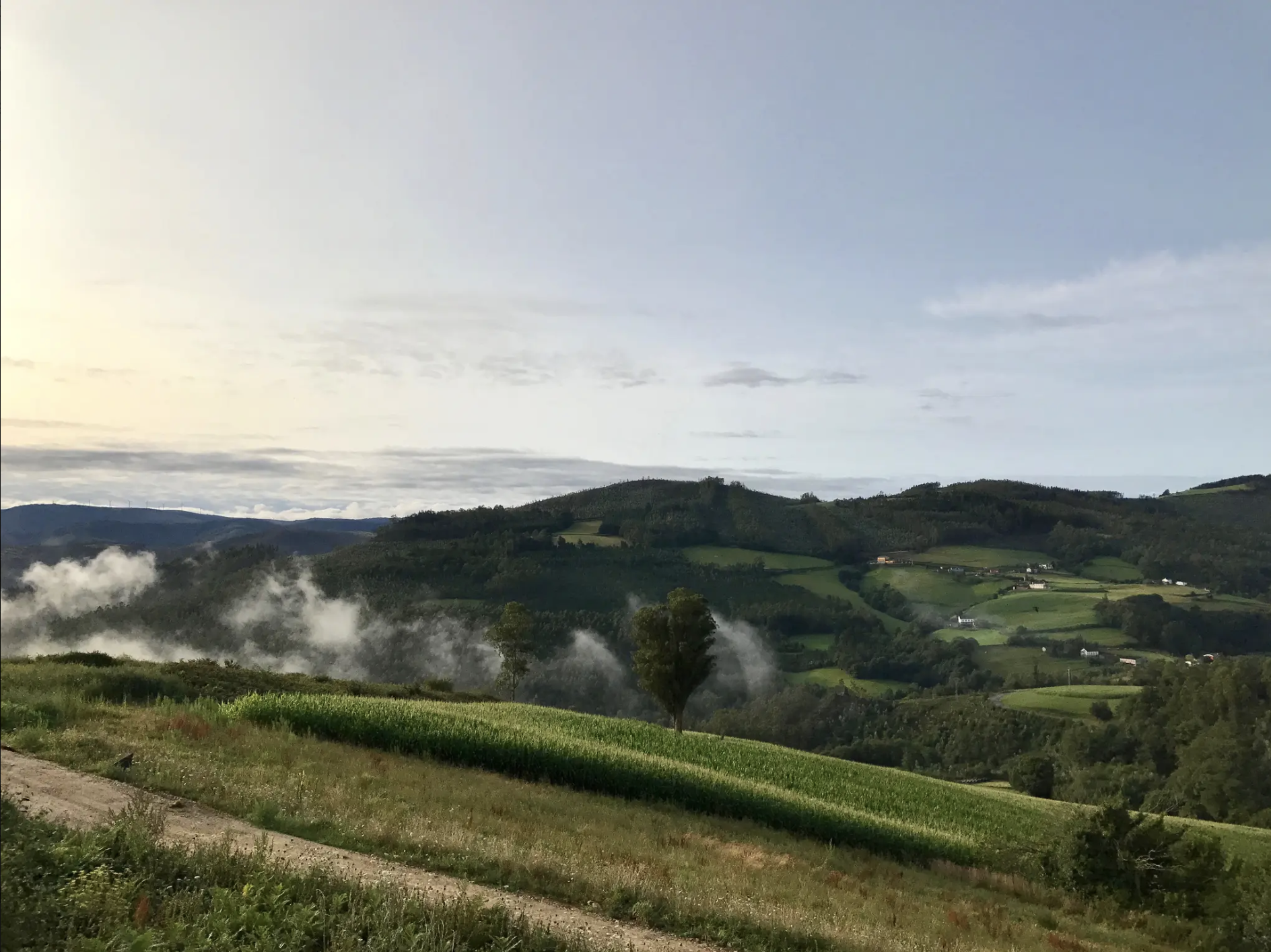
Camino del Norte (in reverse) – Discovering northern Spain's stunning coastline
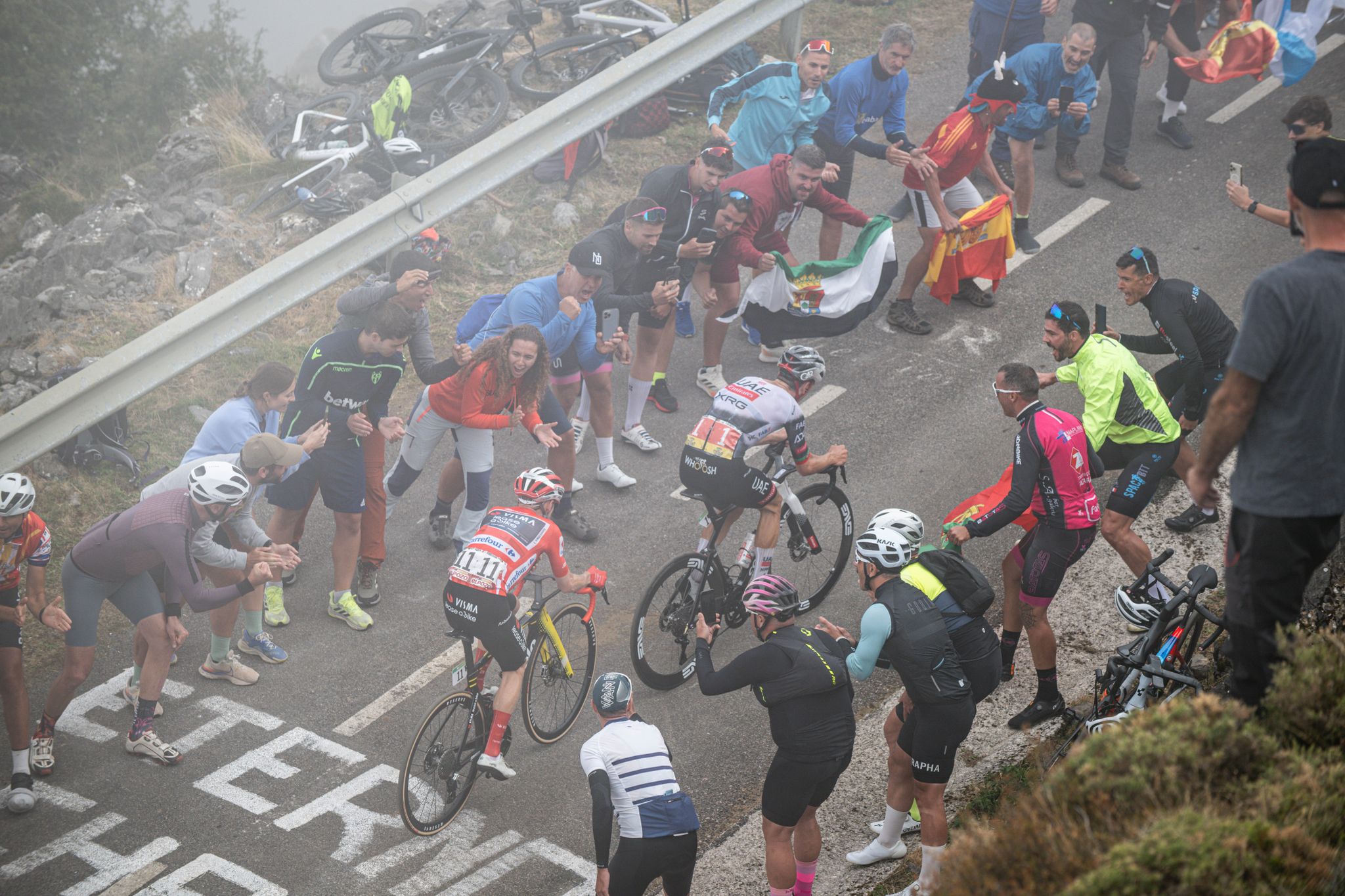
Mythical Passes and Sections of La Vuelta
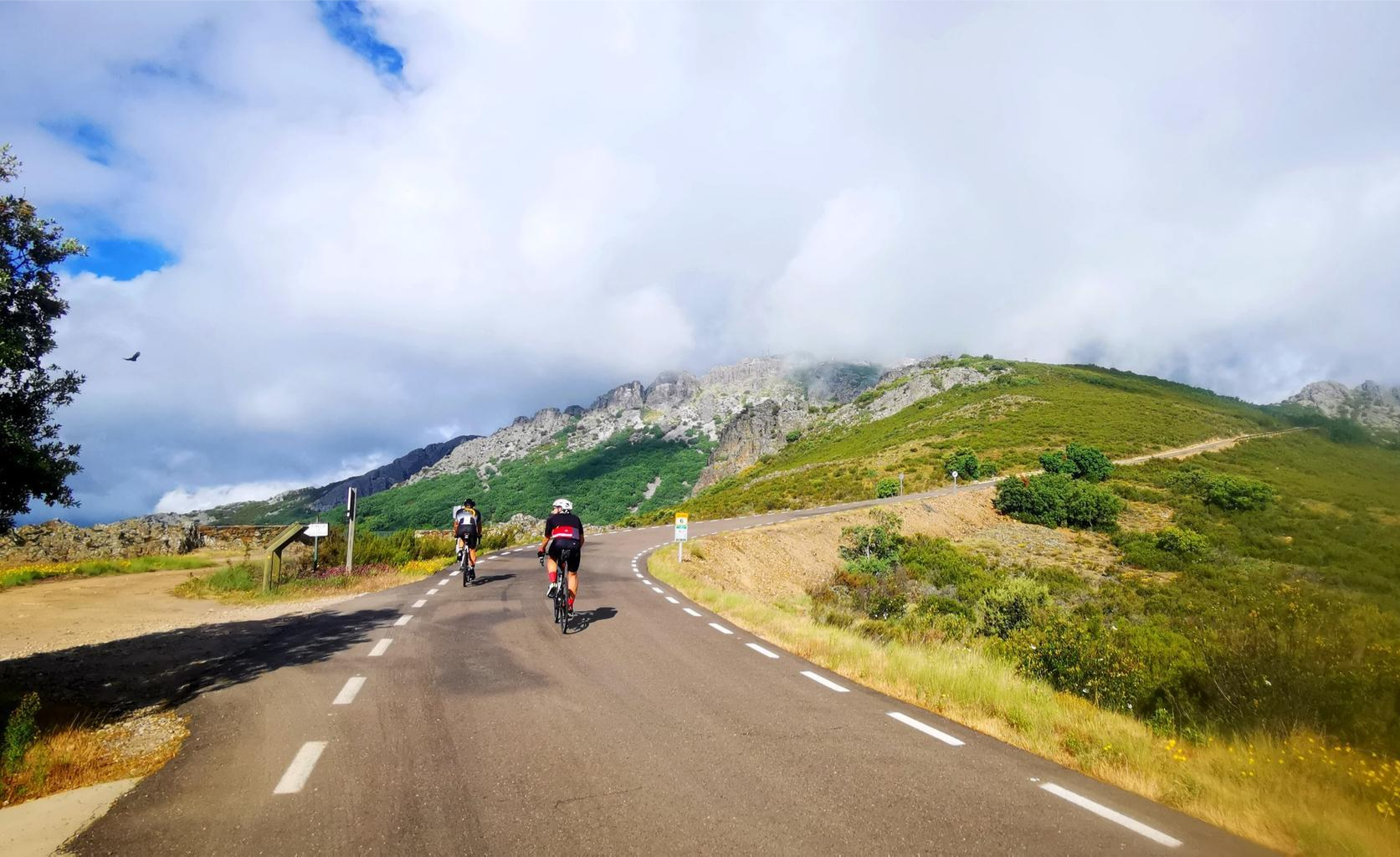
Legendary climbs - Ports of La Vuelta a España
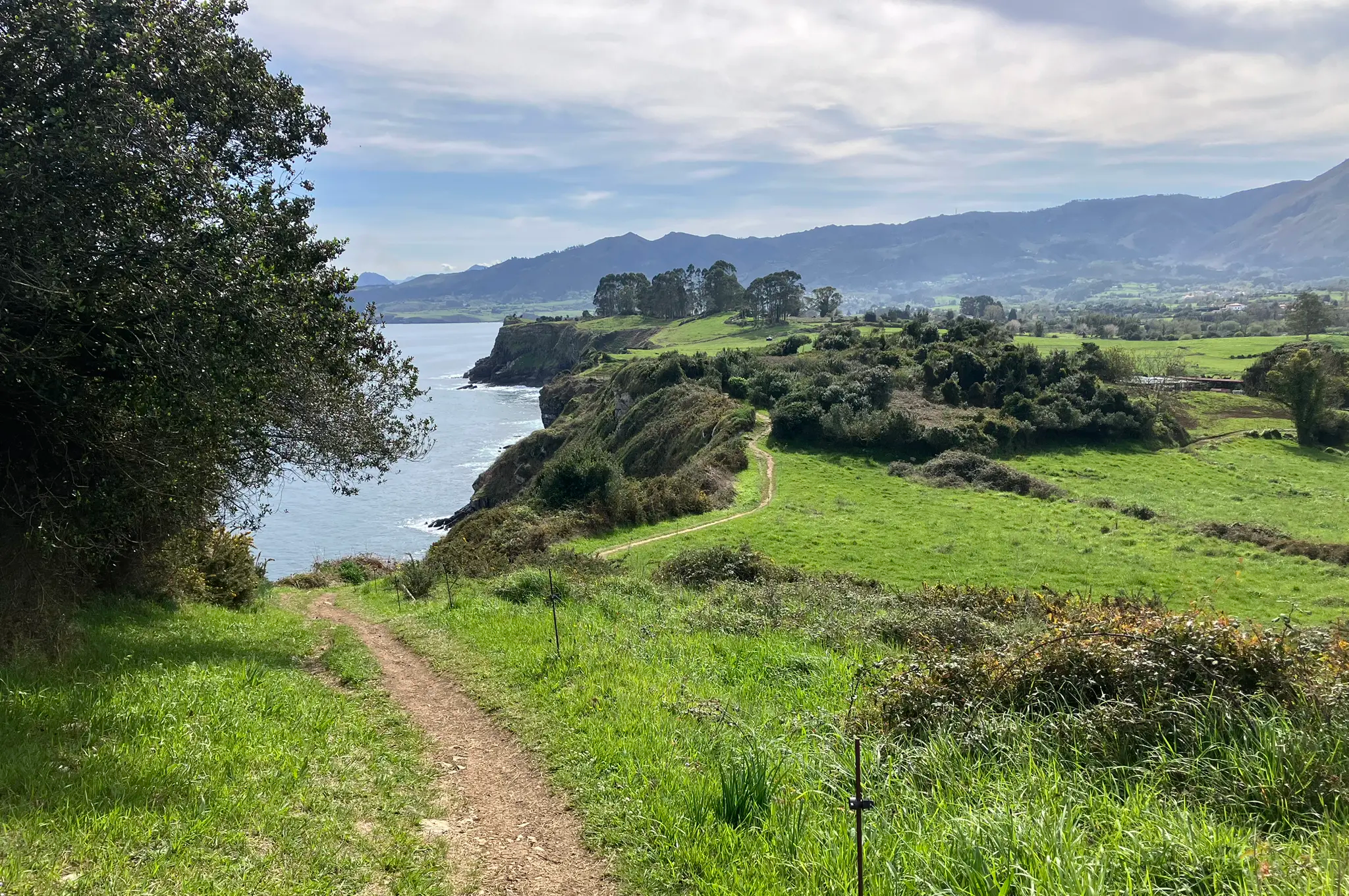
Green, Blue and Gold - Coastal Path through Asturias (GR 204)
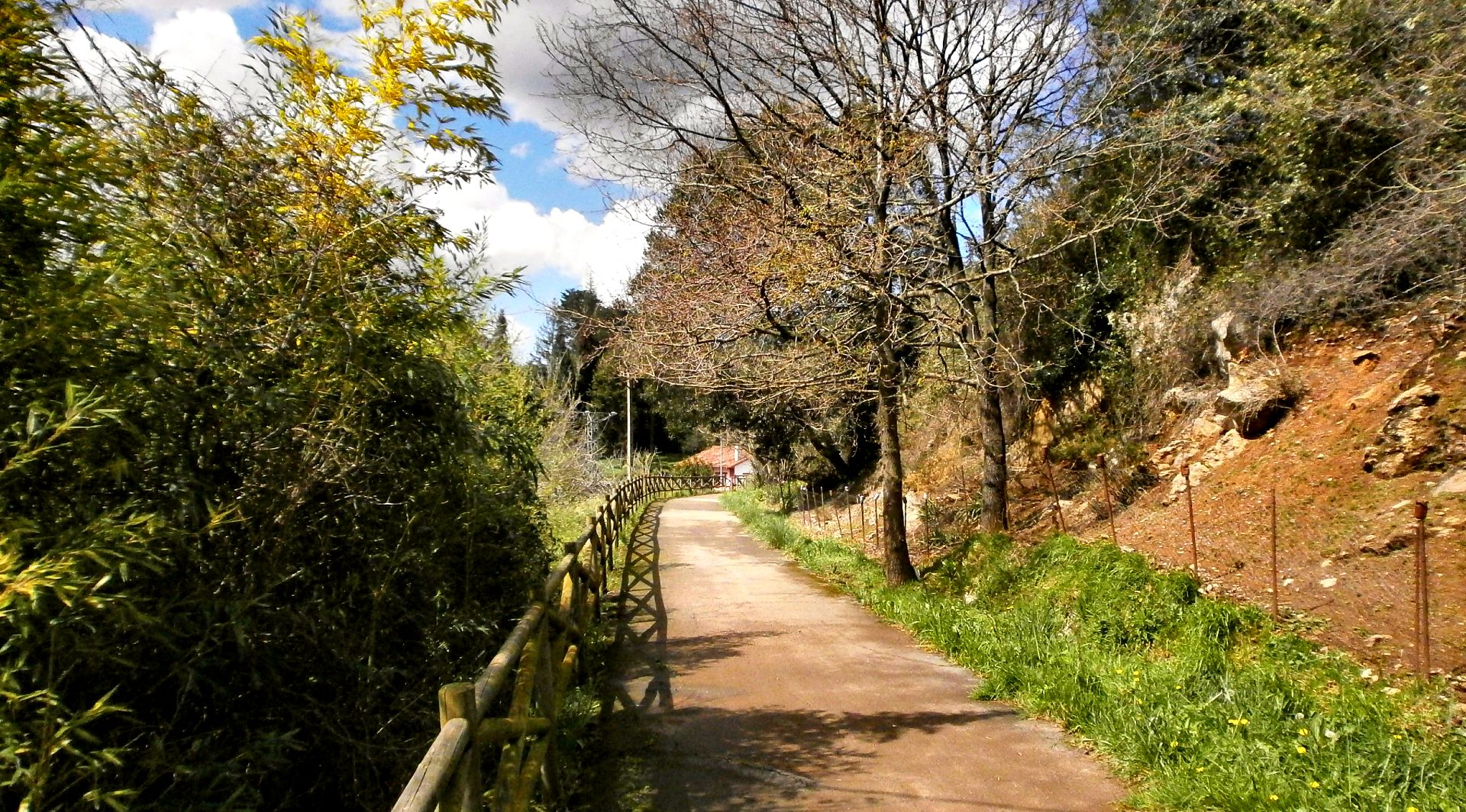
Vía Verde del Pas - Along the Riverbank through Cantabria
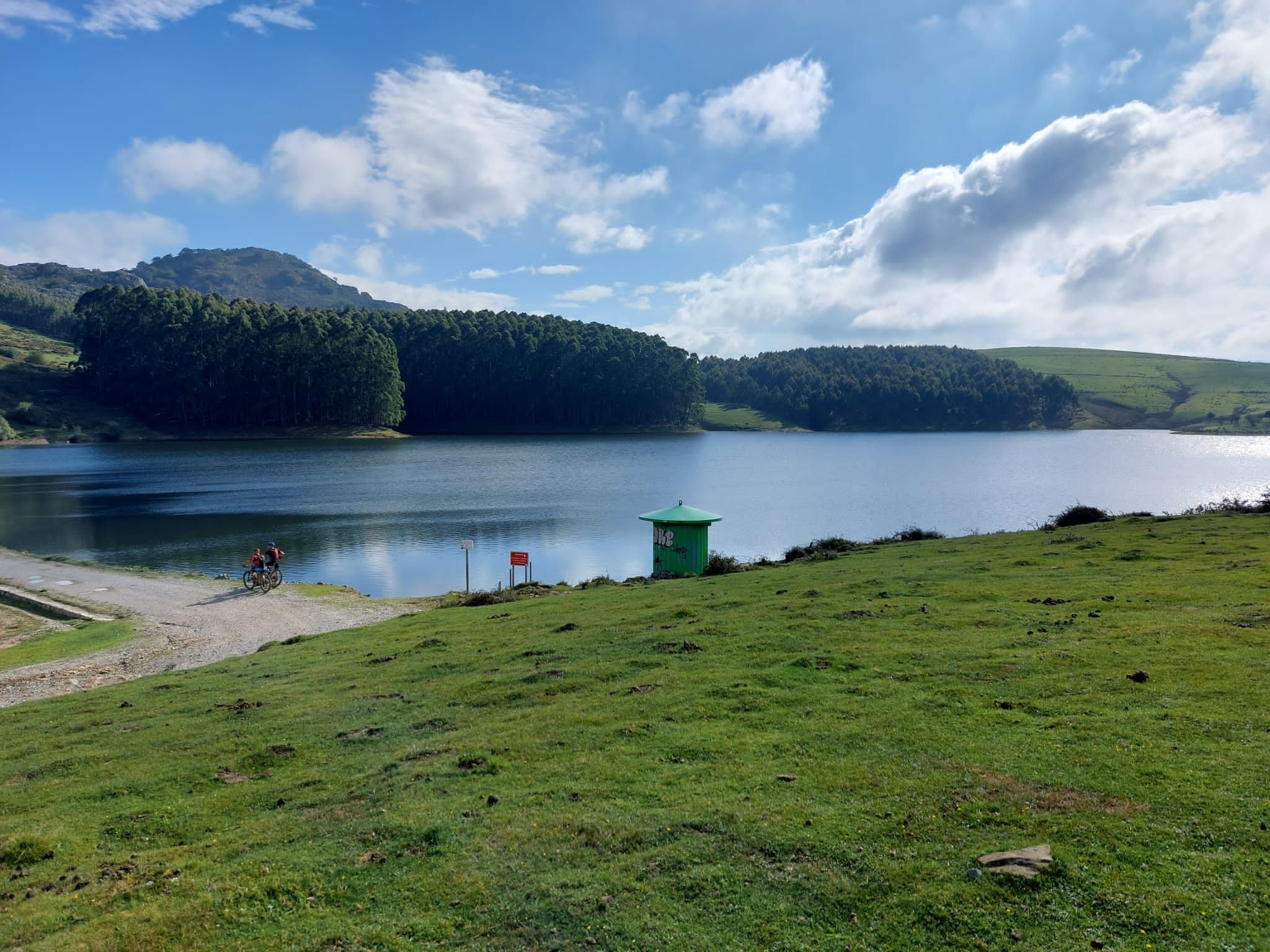
Cycle between land and sea in northern Spain – Pedales de Cantabria
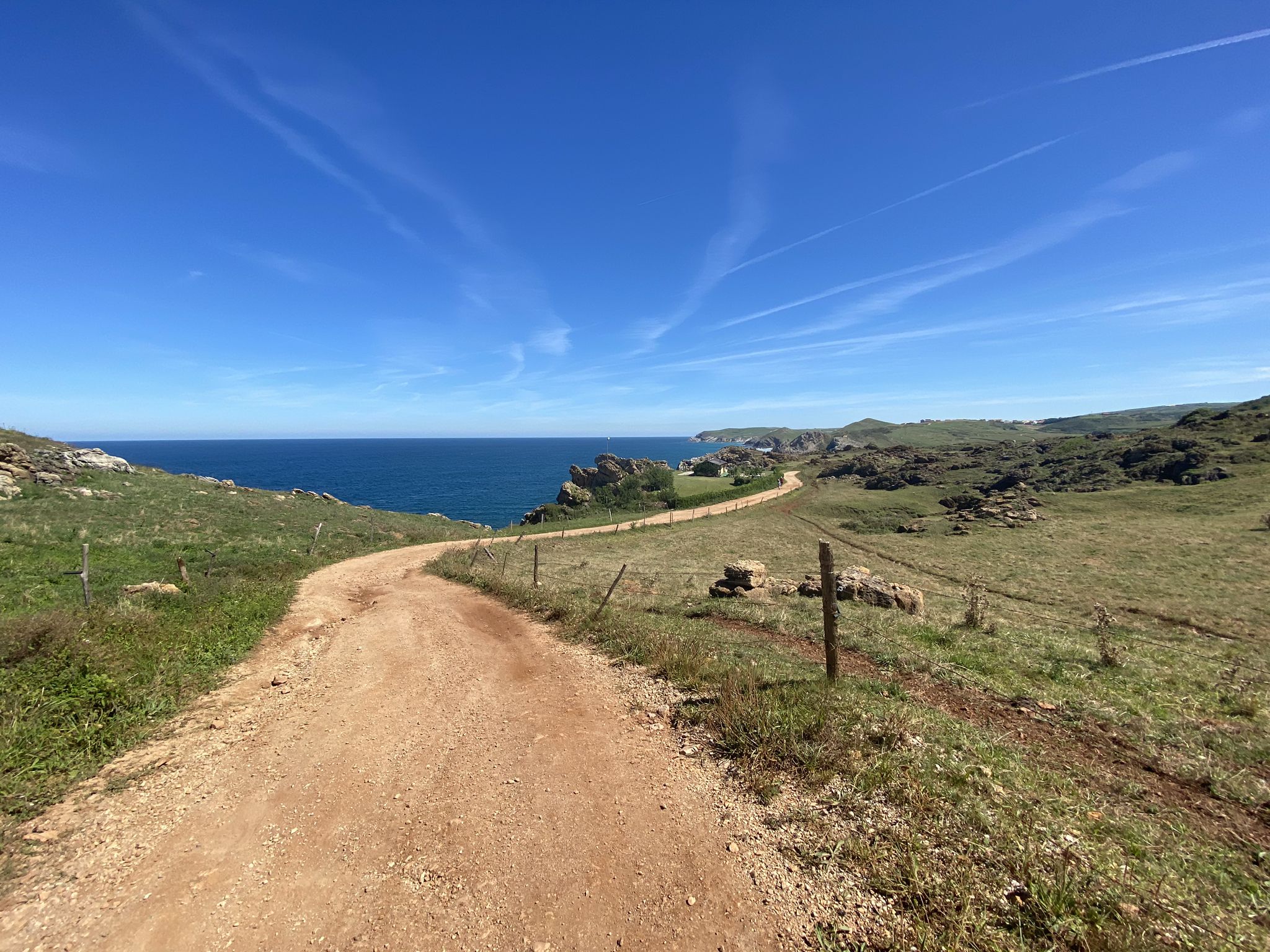
Paths and waves – surf trip by bike in Cantabria
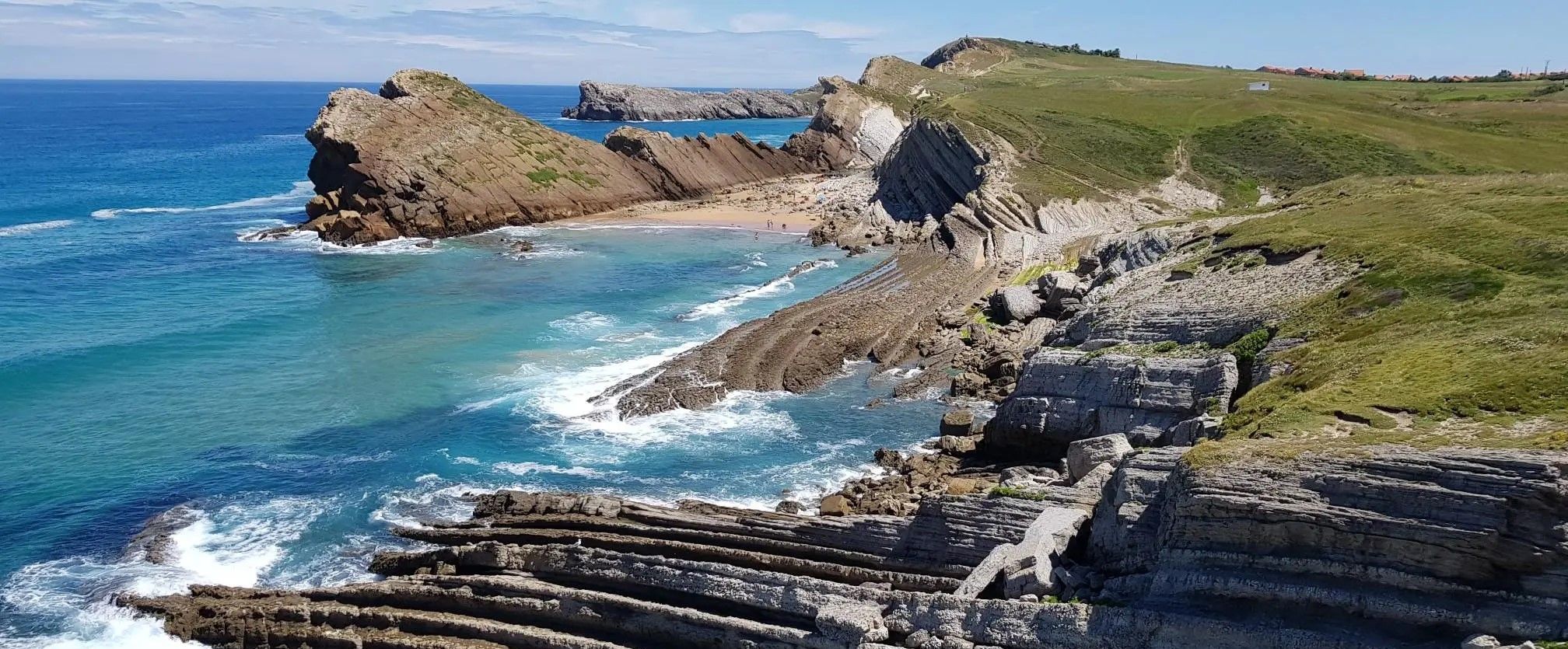
Water everywhere — Amazing routes near Santander
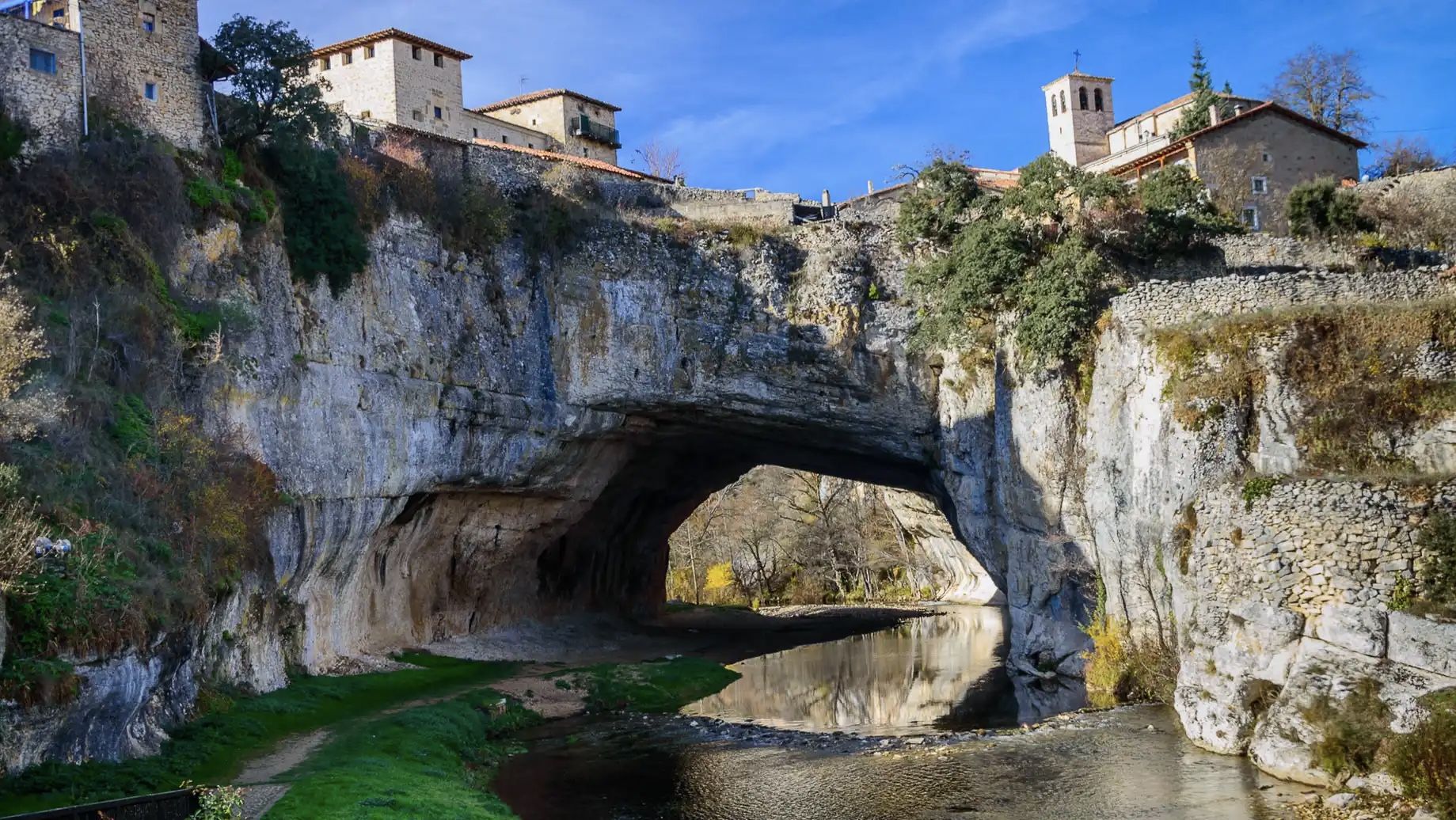
An epic getaway – Santander-Mediterráneo Nature Trail
Other adventures around Costera


Tips from the Community

Uphill road with beautiful views and a quick descent towards Treto
0
0

The climb from Coo is about 4km and 300m of gradient.
0
0
A hill below Pico Ibio, located on the path that links the towns of Coo and Herrera de Ibio. From this hill we will have beautiful views.
0
0

After some tough previous slopes, a little respite and good views.
2
0

Natural communication route between the Valley of Liendo and Sonabia through the Candina mountain. El Paso de Presa is a grassy plain that takes its name from the cliffs found here and to access it we must face two steps in the rock, one at each end of the route. One of them is an excellent viewpoint over the beach and town of Sonabia, extending the view to Cerredo, Islares and the Biscayan coast, being able to see as far as Cabo Machichaco on days with good visibility. The other, carved into the rock and which has a cable as a handrail, offers an unbeatable view of the Liendo Valley, Laredo, Mount Buciero in Santoña and a large part of Cantabria.
2
0
There is usually confusion between El Esquilo and Fuente las Varas, well, El Esquilo is a pass that we find at this point and that takes its name from the neighborhood belonging to the municipality of Voto that we have just passed through if we have started the ascent in the Arás Valley. After crowning it, we only have to finish the ascent to the crossroads called Puerto de Fuente las Varas through much softer terrain, where we can enjoy the views offered by the Matienzo poljé and the peaks of Asón that can already be glimpsed. Peña Rocias, Colina and Porracolina.
3
0

The port of Las Muñecas is a mountain pass located on the border between the autonomous communities of Cantabria and the Basque Country (Spain), 372 meters above sea level. It is located on the dividing line of the Mioño river basin, also called the Cabrera river, and the Barabadún river; and is the municipal boundary between Castro-Urdiales and Sopuerta
0
0

Mountain pass very busy by all the cyclists of Cantabria. Of moderate slopes, with a slightly harder final kilometer and a small descent after completing the initial 1000 meters.
1
0
Frequently Asked Questions
What are some of the most notable mountain passes in the Costera region?
The Costera region features several notable mountain passes. Among them are Alto de San Cipriano, known for its moderate slopes and popularity among cyclists; Campo La Cruz, which offers a 3.65 km ascent with an average 7% slope through wooded areas; and Paso de Presa, which provides extensive views over the beach and town of Sonabia and the Biscayan coast.
Which mountain passes in Costera offer the best scenic viewpoints?
For stunning views, consider Paso de Presa, which offers excellent panoramas of Sonabia beach, the town, and the Biscayan coast, extending to Cabo Machichaco on clear days. Esquilo Pass provides views of the Matienzo poljé and the peaks of Asón. Additionally, the View of Castro-Urdiales and the coast from Puerto de Las Muñecas offers a beautiful perspective of the coastline.
Are there mountain passes in Costera suitable for cycling?
Yes, several passes are popular with cyclists. Alto de San Cipriano is frequently visited by cyclists and features moderate slopes. Campo La Cruz is another excellent option, with good asphalt and a 7% average slope over 3.65 km, running next to wooded areas with minimal car traffic.
What kind of terrain and difficulty can I expect on mountain passes around Costera?
The mountain passes around Costera generally feature moderate slopes and wooded areas. Some, like Alto de San Cipriano, have a slightly steeper final kilometer. Passes like Paso de Presa involve navigating rocky sections, with one part even having a cable as a handrail. The region offers a variety of trails, from intermediate to more challenging climbs.
What outdoor activities can I do near the mountain passes in Costera?
The Costera region offers a range of outdoor activities. You can find various mountain hikes, including moderate routes like 'Peña de la Llana de Tuero – Candina loop from Sonabia'. For cyclists, there are gravel biking routes, such as the challenging 'Alto de LA-1 (395 m) – Oriñón Bay loop from Castro-Urdiales'. Additionally, you can explore waterfall hikes like the 'Lamiña Waterfalls - circular from Barcenillas'.
Are there any mountain passes in Costera that are particularly unique or offer special features?
Paso de Presa stands out as a natural communication route between the Valley of Liendo and Sonabia, known for its grassy plain and two rock steps, one of which is a remarkable viewpoint. Puerto de Las Muñecas is unique for being located on the border between the autonomous communities of Cantabria and the Basque Country, offering a strategic viewpoint.
What do visitors enjoy most about the mountain passes in Costera?
Visitors appreciate the diverse landscapes and the opportunities for outdoor activities. Many enjoy the moderate slopes and wooded areas, as well as the extensive views over valleys, coastal areas, and significant mountain formations. Cyclists frequently visit passes like Alto de San Cipriano for its routes, while others seek out viewpoints like Paso de Presa for its stunning coastal panoramas.
Are there any mountain passes that are less frequented or considered 'hidden gems' in Costera?
While the guide highlights popular passes, exploring areas around Esquilo Pass and Fuente Las Varas Pass might lead to less crowded experiences. These passes offer beautiful views and trails that connect different valleys, providing a sense of discovery away from the busiest routes.
What is the altitude of the mountain passes in Costera?
The mountain passes in Costera vary in altitude. Some passes reach altitudes of more than 300 meters. For instance, Campo La Cruz has an altitude of 350 meters, while Alto de San Cipriano is 276 meters above sea level. Puerto de Las Muñecas is located at 372 meters above sea level.
Are there any mountain passes that are particularly challenging for experienced hikers or cyclists?
For those seeking a challenge, passes with steeper sections or technical terrain would be ideal. While specific 'difficult' ratings for individual passes aren't detailed, the region offers intermediate trails and climbs. The 'Alto de LA-1 (395 m) – Oriñón Bay loop from Castro-Urdiales' for gravel biking, for example, is rated as difficult, suggesting that some of the higher passes or connecting routes can be quite demanding.
What kind of natural landscapes can I expect to see when visiting Costera's mountain passes?
The mountain passes in Costera traverse diverse natural landscapes. You'll encounter wooded areas, especially along routes like Campo La Cruz. Many passes offer extensive views over valleys, significant mountain formations, and coastal areas, including beaches and the sea, as seen from Paso de Presa.
Most popular routes around Costera
Most popular attractions around Costera

Get inspired with the komoot mobile app


Didn’t find what you were looking for?
Find even more amazing mountain passes around Costera organized by region:
Explore more
See even more epic mountain passes by checking out these guides around Costera:
