Top 20 Natural Monuments around Balearic Islands
Natural monuments around Balearic Islands offer a diverse range of geological formations, unique ecosystems, and scenic landscapes across Mallorca, Menorca, Ibiza, and Formentera. This archipelago, located off the eastern coast of Spain, features dramatic coastlines, ancient forests, and significant wetlands. The islands provide numerous opportunities to explore natural features shaped by both geological processes and historical human interaction. These sites are recognized for their ecological value and natural beauty.
Best natural monuments around Balearic Islands
- The most popular natural monuments…
Last updated: August 16, 2026
Way to Cap Formentor
Highlight (Segment) • Trail
Translated by Google •
Tip by

Old Olive Tree
Highlight • Natural Monument
Translated by Google •
Tip by

Sign up now to discover places like this
Get recommendations on the best single tracks, peaks, & plenty of other exciting outdoor places.
Sign up for free
Talaia d'Alcúdia — Summit and Ruins
Highlight • Summit
The tin hut is often occupied and serves as a fire watchtower.
Translated by Google •
Tip by

Cala Agulla Beach
Highlight • Beach
Translated by Google •
Tip by

Punta de n'Amer Castle
Highlight • Castle
Translated by Google •
Tip by

Camí de s'Arxiduc (Archduke's Trail)
Highlight • Trail
Translated by Google •
Tip by

Plaça de Cort and the Ancient Olive Tree, Palma Old Town
Highlight • Historical Site
You should plan to spend at least a day there.
Translated by Google •
Tip by
Cúber Reservoir
Highlight • Lake
Translated by Google •
Tip by

Ancient Olive Groves of the Serra de Tramuntana
Highlight • Natural
Translated by Google •
Tip by
Cap de Formentor Lighthouse
Highlight • Monument
Translated by Google •
Tip by

Sign up for free to discover even more natural monuments around Balearic Islands.
Sign up for free
Already have an account?
Start today with a free account
Your next adventure awaits.
Login or Signup
Popular around Balearic Islands
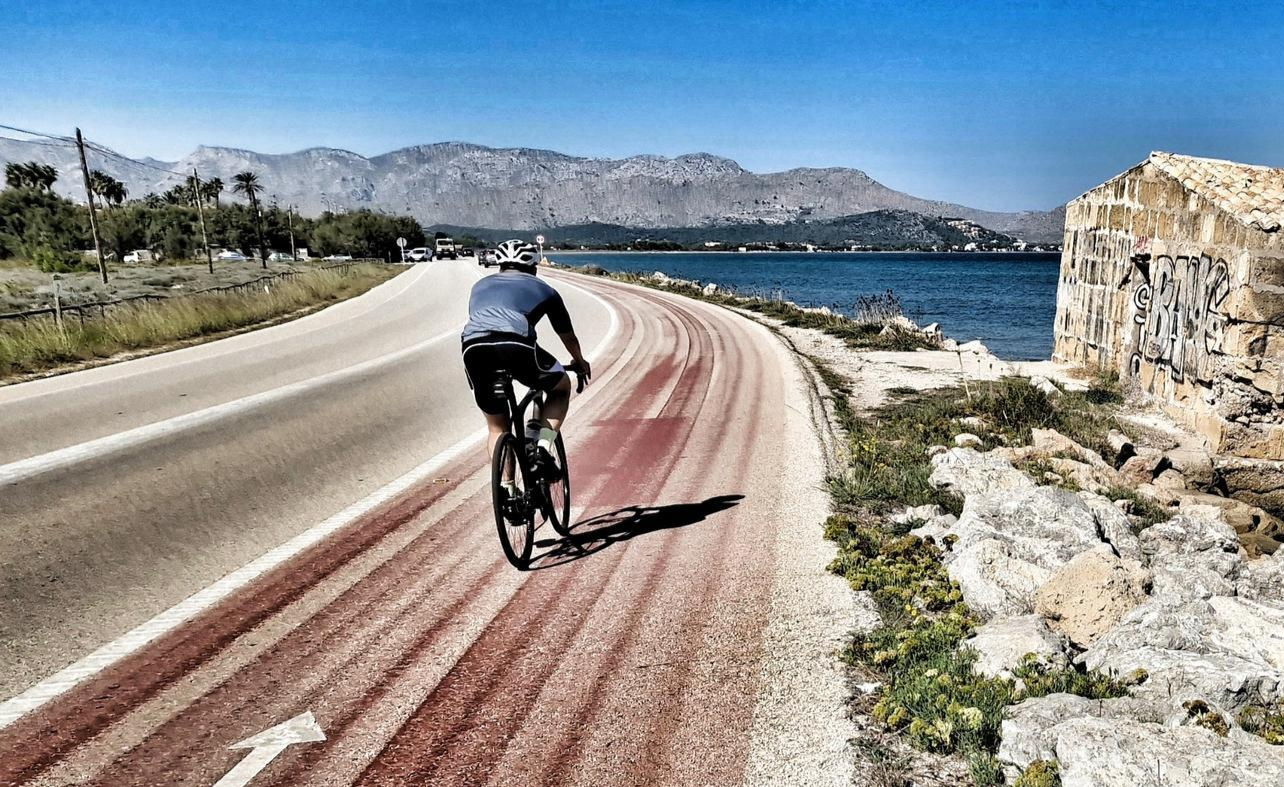
Cycling in the heart of the island - Mallorca 167
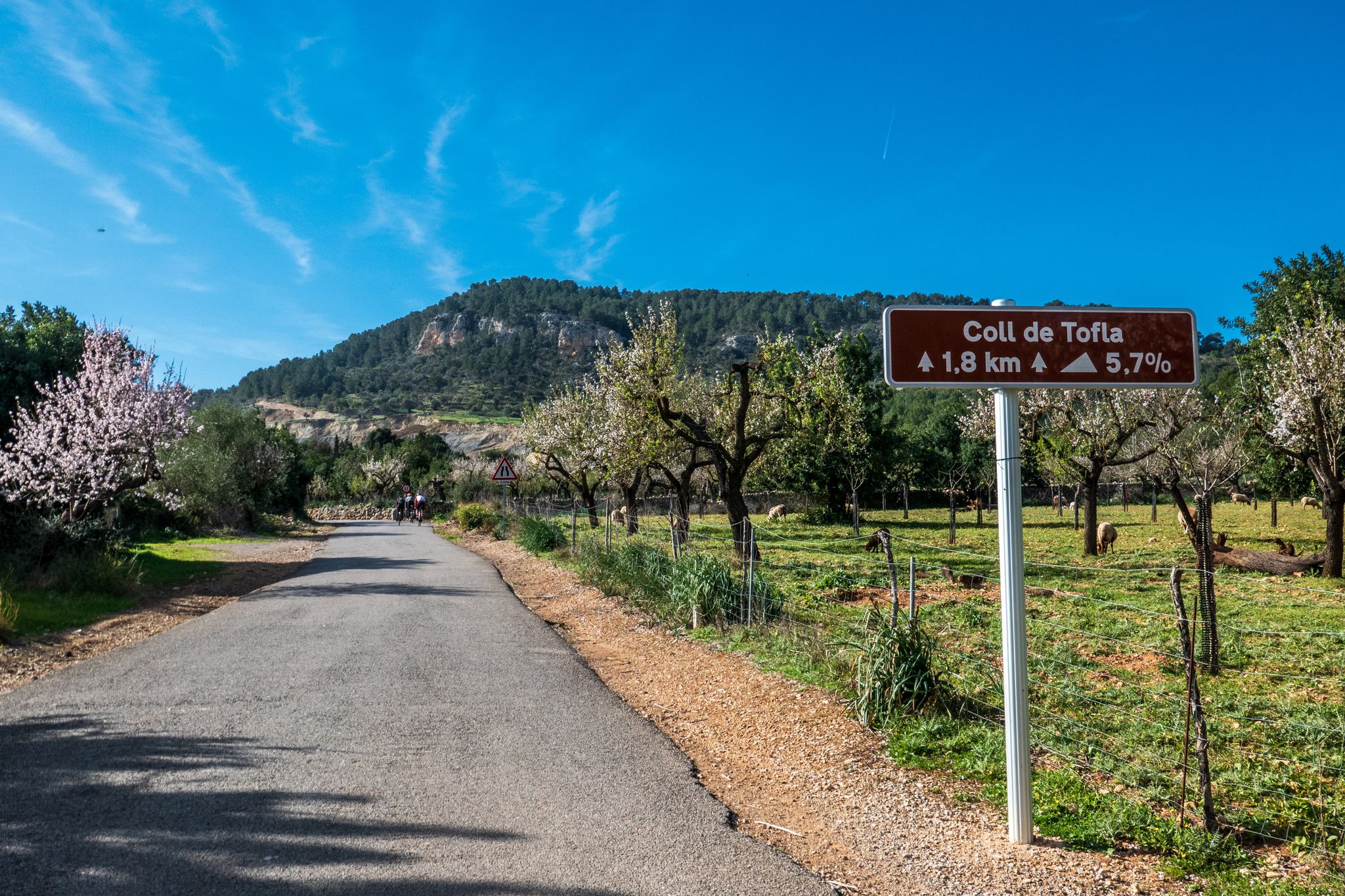
Between sea and Serra de Tramuntana - Mallorca 225
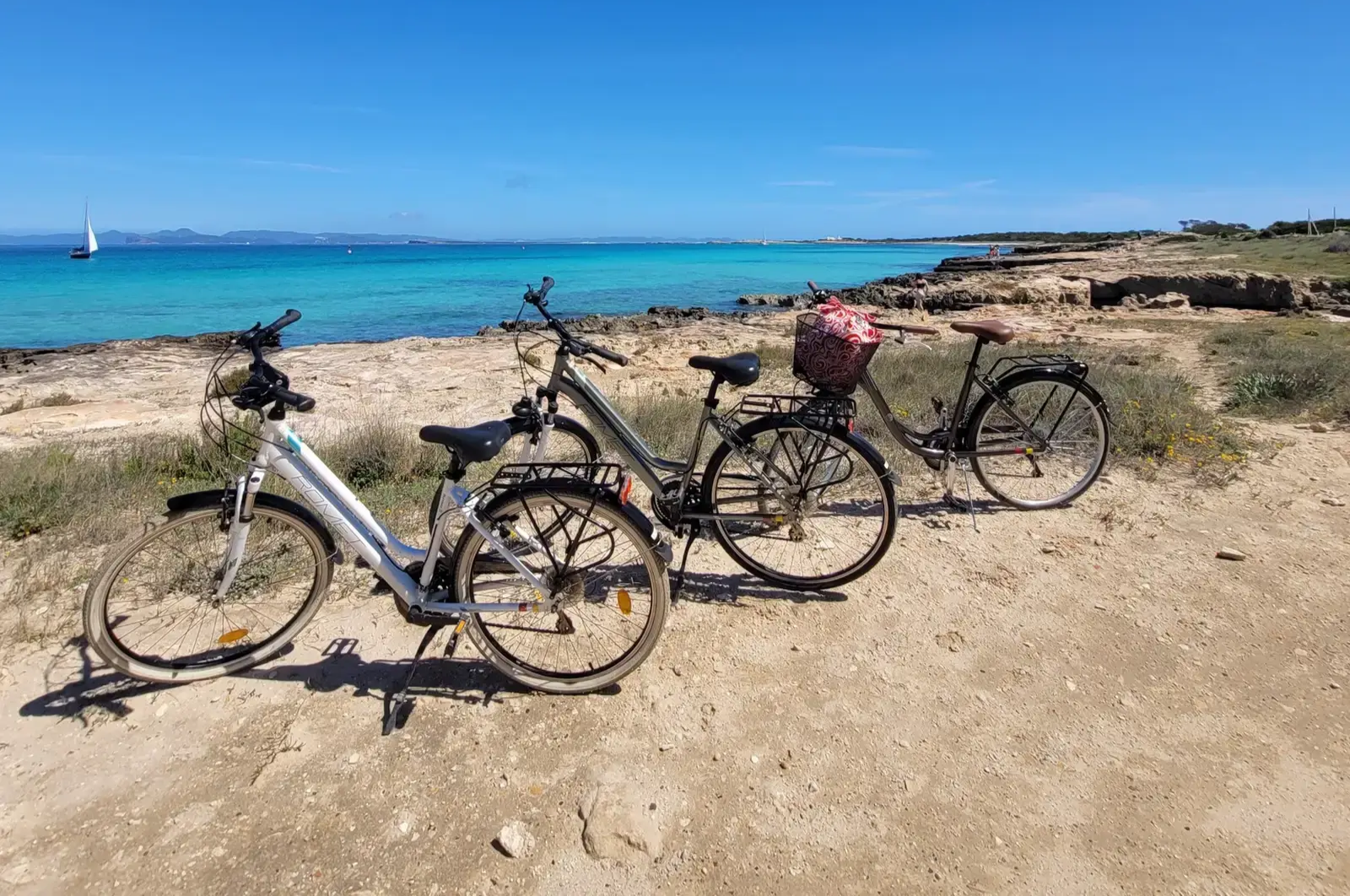
Kilometres of Blue by Bike — Formentera
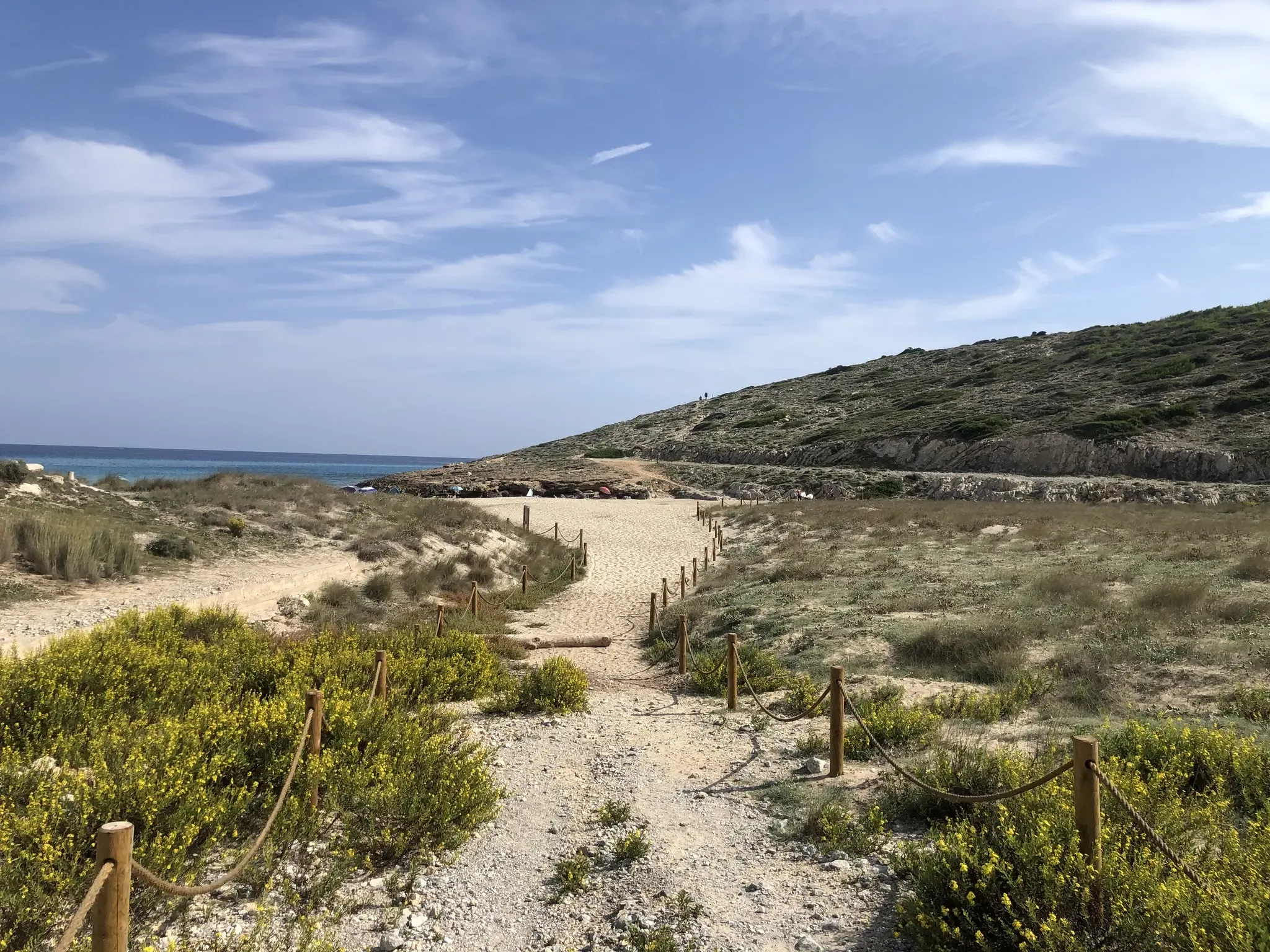
Inland and coast of Majorca – Artà to Lluc (GR 222)
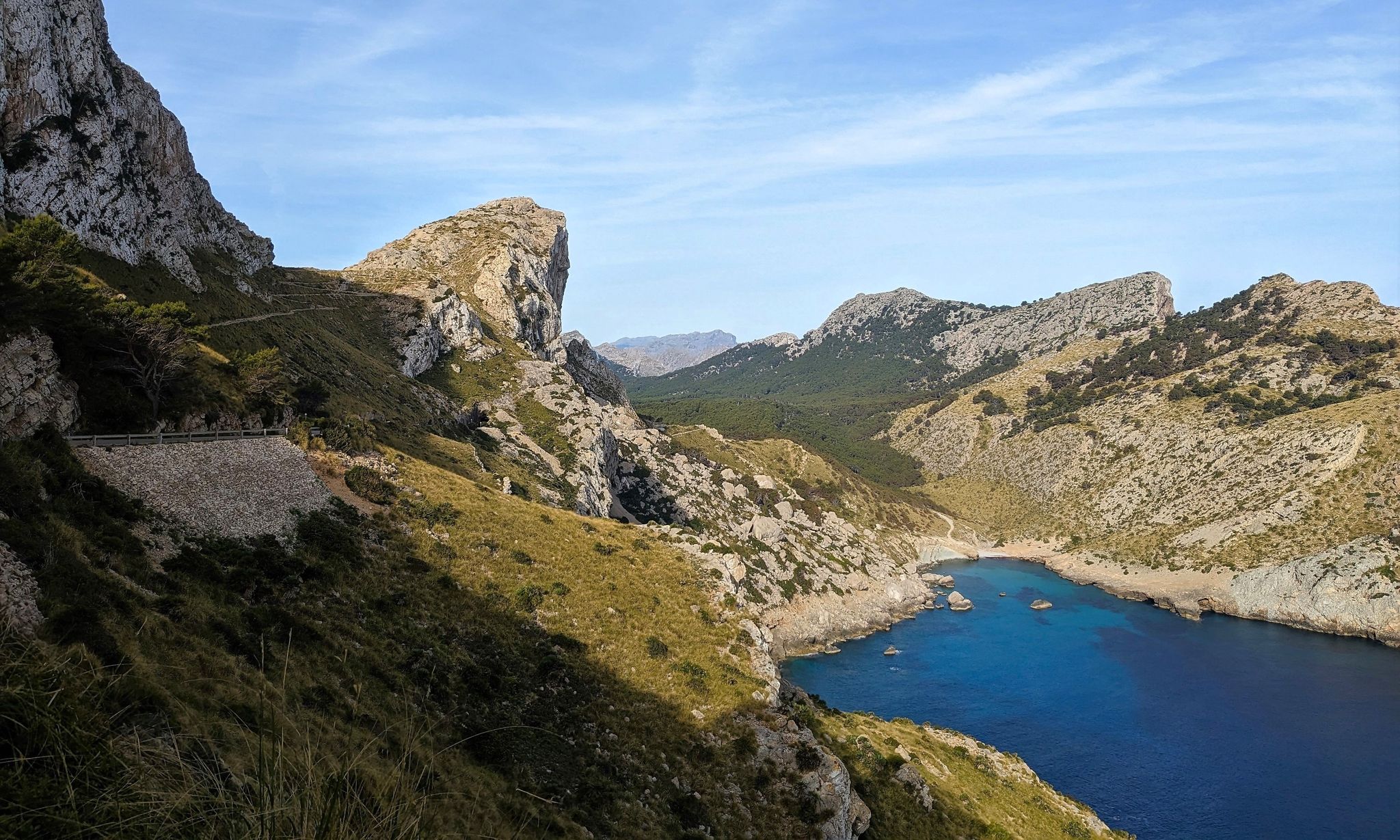
The island of calm – a week in Majorca
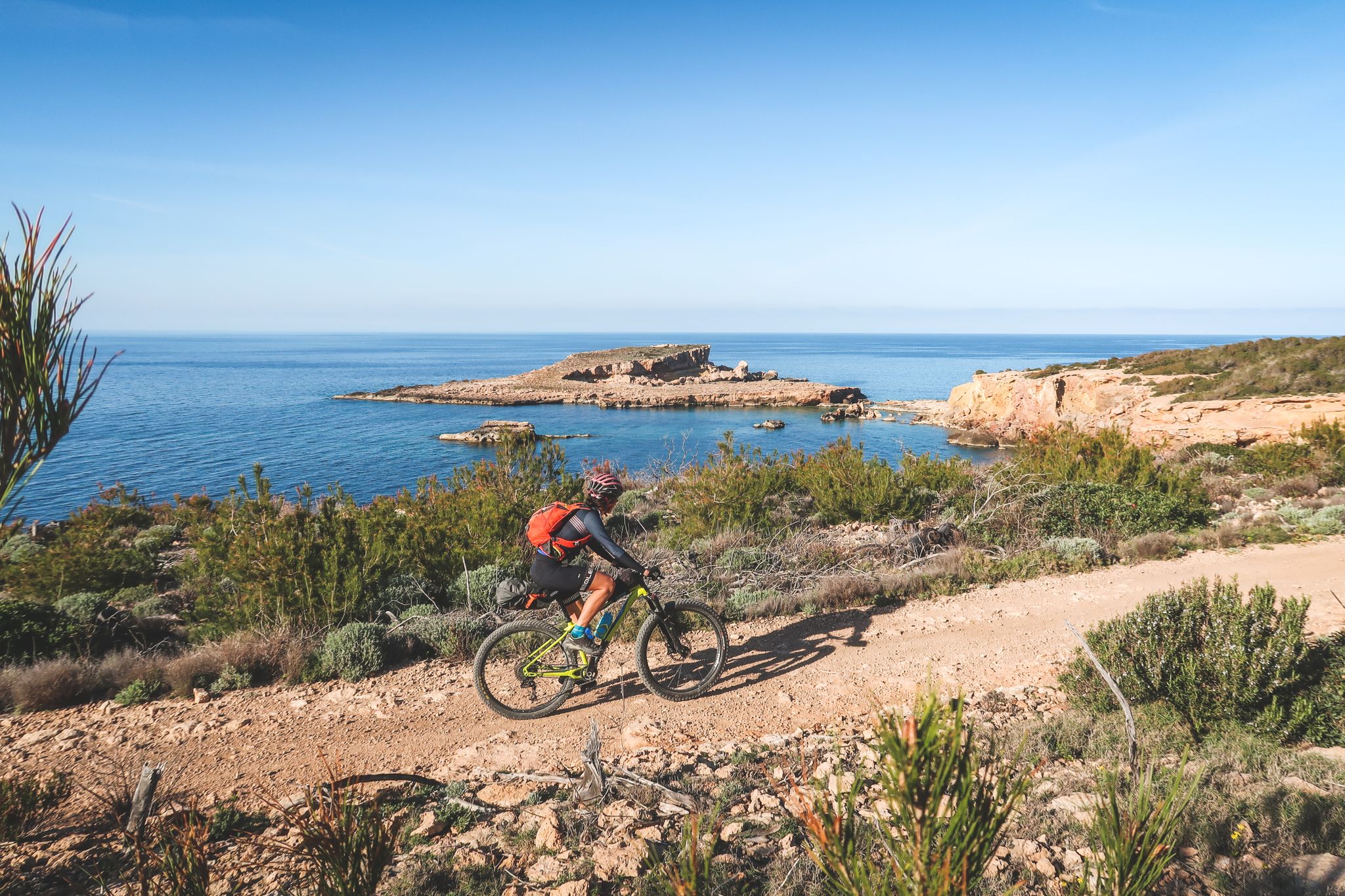
The White Island — MTB Tour of Ibiza
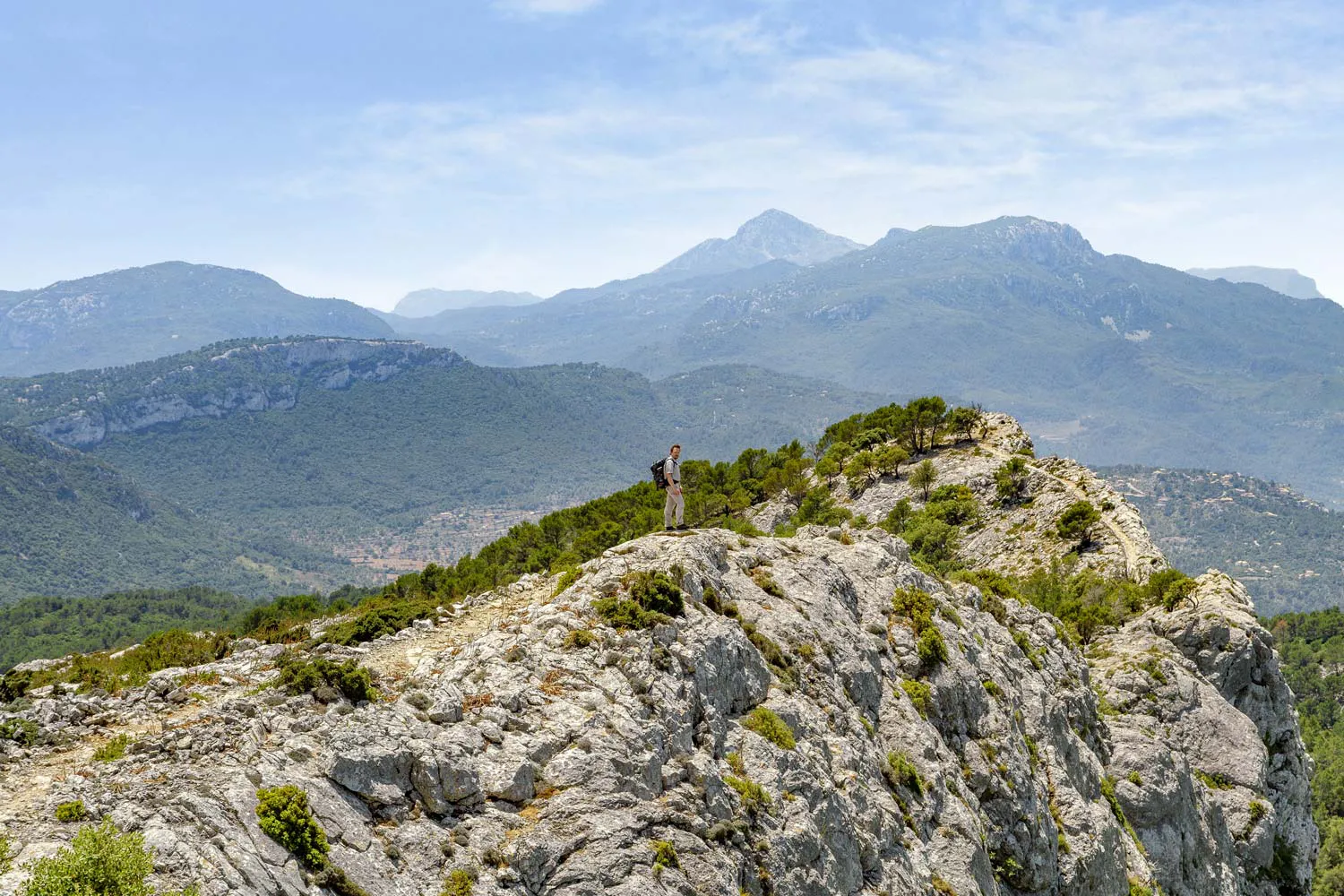
Stoney paths through the Tramuntana Mountains – Ruta de Pedra en Sec (GR221)
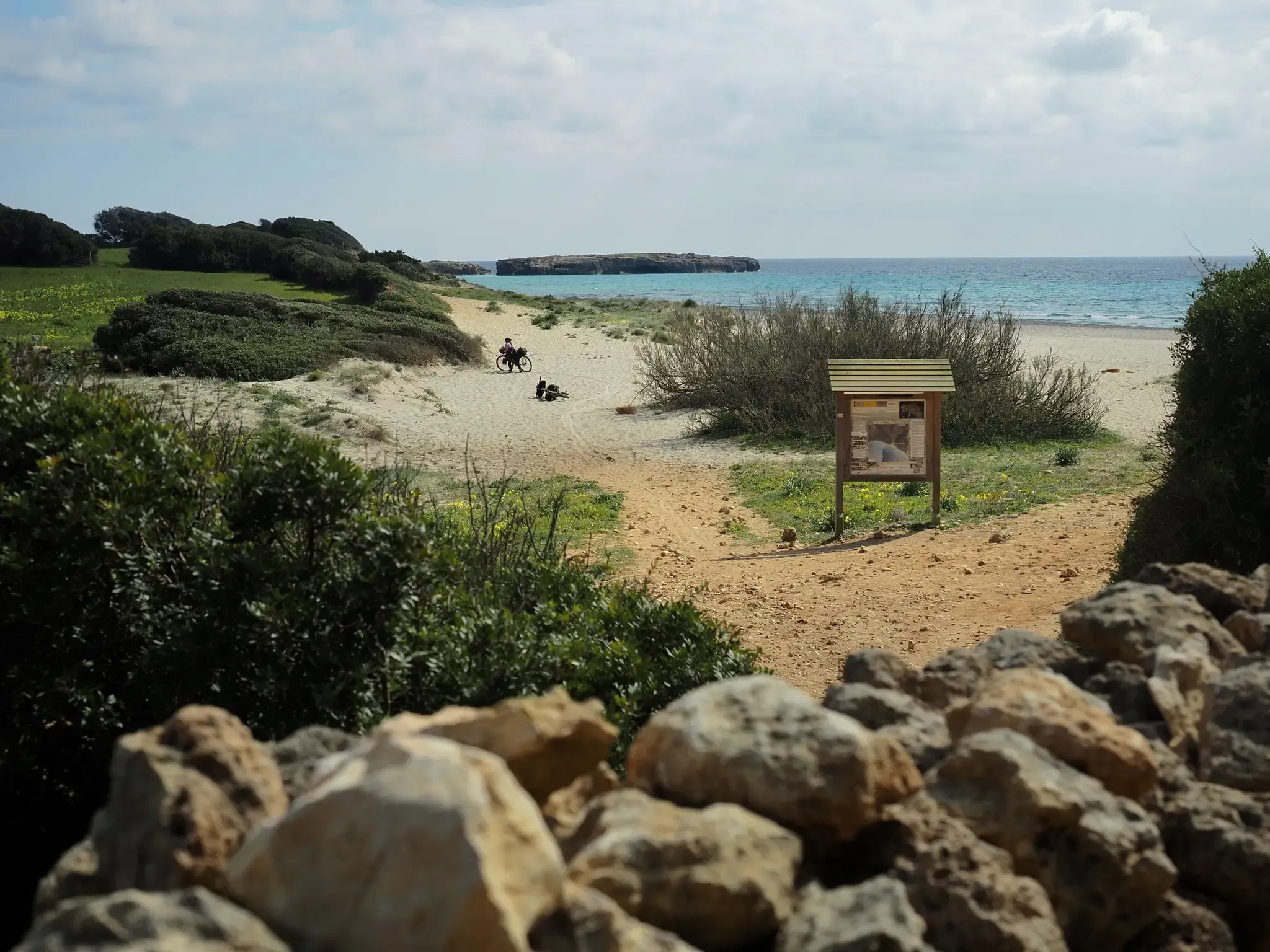
MTB adventure in Menorca – Camí de Cavalls (GR 223)
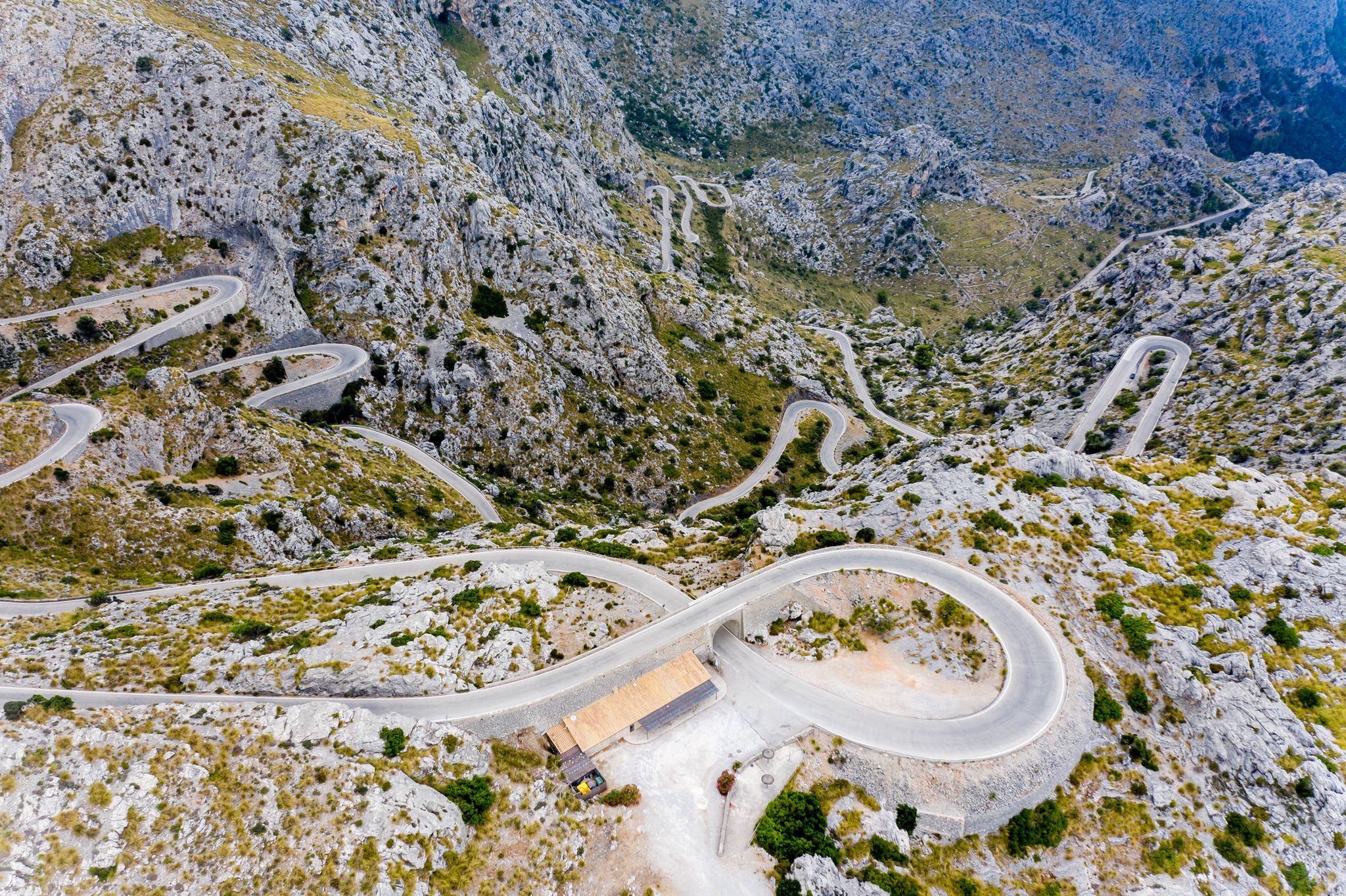
The island from above – the best climbs in Majorca
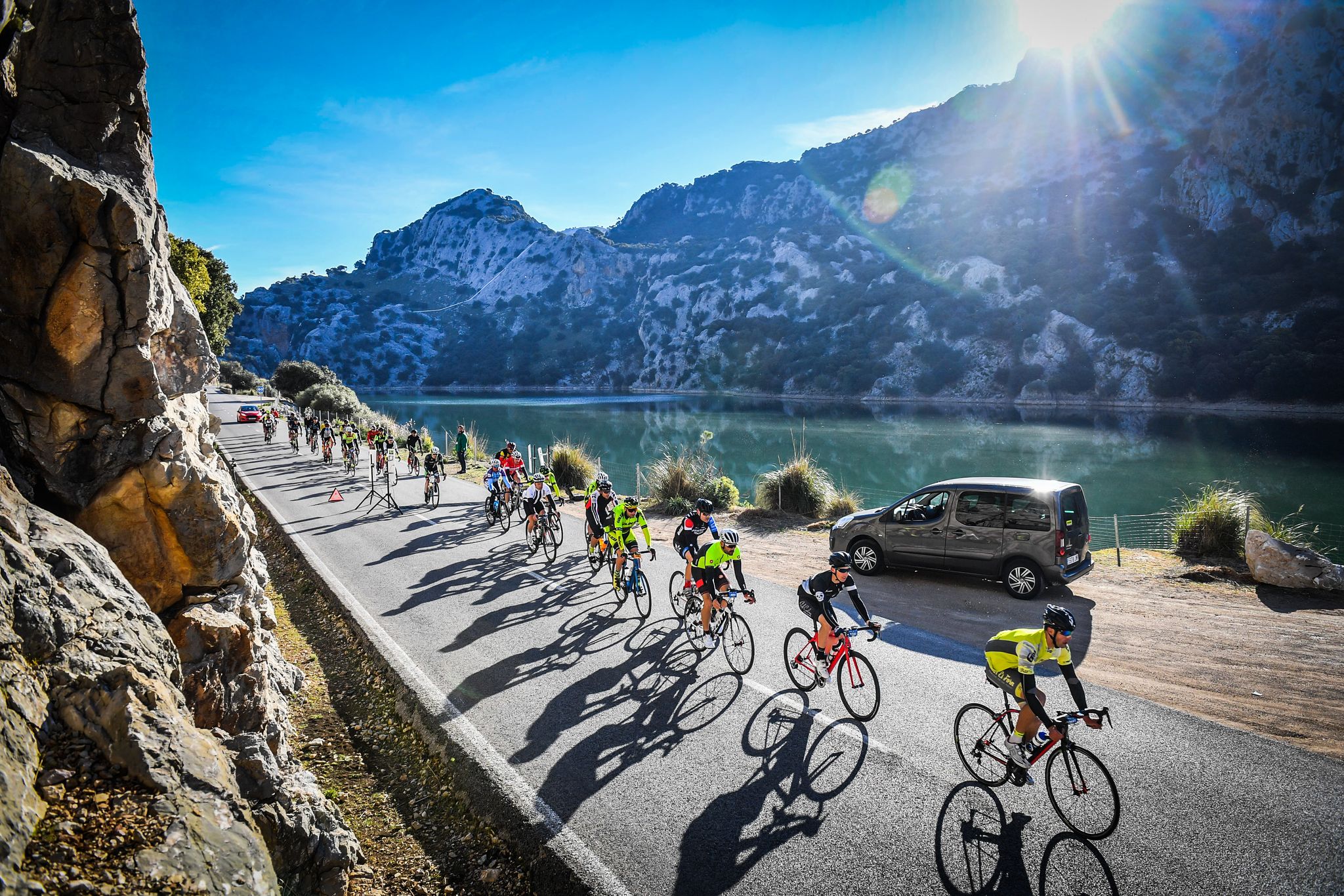
Road rides to beaches and summits – Mallorca 312
Other adventures around Balearic Islands


Tips from the Community

Accessible via several routes. Coming from the southwest and southeast, it's significantly more scenic, but also more strenuous, than the mainstream route. The tin hut is often occupied and serves as a fire lookout. Great views over the Badia de Pollença, Puig Romaní, Cap Formentor, the Penya Roja, the northern foothills of the Tramuntana, the Badia d'Alcúdia and its resorts, all the way to Cap de Ferrutx.
7
2

The path through the old olive groves is simply wonderful to walk... but it gets very hot here in summer...
3
1

Just follow the sign for Orange Juice and go up the stairs. There is fresh juice and you will be rewarded with a wonderful view
5
1

Great hike wonderful in September
1
1

Really a great place, although a bit hot in July
1
1

The most famous olive tree in Palma de Mallorca, "Olivera de Cort", is located in the "Plaza de Cort" in the center of the city. The tree is between 500 and 600 years old
10
0

The area around the Cúber is a fenced nature reserve. You can park your car right at the beginning of the reservoir. There is another parking lot 200 meters up the road. Sheep, cows and donkeys live near the water and Mallorca's wild goats crawl on the mountain slopes. The view over the lake and the walls of the Tramuntana giants is uniquely beautiful.
5
1

Popular destination for tourists who want to enjoy the unique view from the lighthouse and be treated to breathtaking views.
12
0
Frequently Asked Questions
What are some of the most notable natural features and viewpoints in the Balearic Islands?
The Balearic Islands offer a wealth of stunning natural features. On Mallorca, you can explore the dramatic cliffs and panoramic views of Cap Formentor, or the ancient olive groves and high plateaus of the Serra de Tramuntana, including the Camí de s'Arxiduc (Archduke's Trail). The island also features unique subterranean wonders like the Cuevas del Drach. Ibiza boasts the mystical rock formations of Es Vedrà, while Formentera's Cap de Barbaria offers stark, virgin landscapes and breathtaking sunsets. Menorca's S'Albufera des Grau Natural Park is a significant wetland area.
What kind of outdoor activities and trails can I find near the natural monuments?
The natural monuments in the Balearic Islands are excellent starting points for various outdoor activities. You can find numerous hiking opportunities, from moderate trails like 'Caragolí from Valldemossa' in the Serra de Tramuntana to more challenging routes such as 'Talaia d'Alcúdia and Penya des Migdia'. For mountain biking, options include routes around the Serra de Tramuntana Natural Park or the Camí de Cavalls on Menorca. Explore more options on the Hiking around Balearic Islands or MTB Trails around Balearic Islands guide pages.
Are there family-friendly natural monuments suitable for all ages in the Balearic Islands?
Yes, several natural monuments are well-suited for families. Cala Agulla Beach on Mallorca is a beautiful sandy beach with nearby forests, perfect for a day out. The Cúber Reservoir offers a serene lake environment for easy walks. Additionally, the Punta de n'Amer Castle, located on a nature reserve peninsula, combines historical exploration with natural coastal scenery, and even has a restaurant.
Do any natural monuments in the Balearic Islands also offer historical insights?
Absolutely. The Punta de n'Amer Castle on Mallorca is a prime example, combining a nature reserve with a 17th-century fortified tower that played a role in defending against pirate attacks. The Old Olive Tree highlights the ancient agricultural history of Mallorca, with trees introduced by the Phoenicians. Even the Camí de s'Arxiduc (Archduke's Trail) has historical significance, laid out by Archduke Ludwig Salvator in the 19th century.
What is the best time of year to visit the natural monuments in the Balearic Islands?
The Balearic Islands enjoy a Mediterranean climate, making spring (April-May) and autumn (September-October) ideal for visiting natural monuments. During these seasons, the weather is pleasant for hiking and exploring, with fewer crowds than in summer. Summer (June-August) is perfect for enjoying coastal natural monuments and swimming, though it can be very hot for strenuous activities. Winter offers mild temperatures and lush landscapes, especially after rainfall, making it suitable for quiet exploration.
What opportunities are there for wildlife spotting in the Balearic Islands' natural monuments?
The Balearic Islands are a haven for wildlife. S'Albufera Natural Park on Mallorca is a crucial wetland for birdwatchers, especially for migratory species like Eleonora's falcon and purple heron. Sa Dragonera Natural Park, an uninhabited island off Mallorca, is known for its endemic wall lizards and is a birdwatcher's paradise. Ses Salines Natural Park, shared by Ibiza and Formentera, is vital for its rich biodiversity, supporting a wealth of birdlife, including flamingos, and its underwater Posidonia meadows are a UNESCO World Heritage site.
Which natural monuments are particularly noteworthy on Mallorca?
Mallorca offers a diverse range of natural monuments. The Way to Cap Formentor provides spectacular coastal views. The Serra de Tramuntana, a UNESCO World Heritage site, features dramatic cliffs, forests, and the historic Camí de s'Arxiduc (Archduke's Trail). Don't miss the ancient Old Olive Tree, the stunning Cala Agulla Beach, or the historical Punta de n'Amer Castle.
What natural monuments can I explore on Menorca?
Menorca's most prominent natural monument is S'Albufera des Grau Natural Park, the island's largest wetland area and part of its UNESCO Biosphere Reserve. It's a haven for migratory birds and endemic species, offering diverse habitats including wetlands, forests, and coastal areas. While Menorca is also famous for its archaeological sites, S'Albufera des Grau provides excellent opportunities for birdwatching and exploring unique ecosystems.
What are some prominent natural monuments to visit on Ibiza?
On Ibiza, the Ses Salines Natural Park, shared with Formentera, is a must-visit, encompassing salt flats, beaches, and wetlands vital for birdlife, including flamingos. The dramatic islands of Es Vedrà, Es Vedranell, and the Islets of Poniente Natural Park offer breathtaking panoramic views and are steeped in local legend. Sa Pedrera de Cala D'Hort, also known as Atlantis, is a unique former sandstone quarry with natural pools and dramatic rock formations.
Where can I find natural monuments on Formentera?
Formentera, known for its pristine beauty, shares the Ses Salines Natural Park with Ibiza, featuring stunning beaches like Ses Illetes. Cap de Barbaria, the island's southernmost point, is an arid, rocky cape with a lighthouse, offering a profound sense of connection between sky and sea. La Mola Natural Park, on the easternmost tip, culminates in a dramatic clifftop plateau with hiking trails and is a refuge for the vulnerable Mediterranean tortoise.
Do I need permits or special access for any natural monuments in the Balearic Islands?
For most natural monuments and general access, permits are not required. However, specific areas within larger natural parks, especially those with sensitive ecosystems or limited visitor capacity, might require permits. For example, a specific area within the Camí de s'Arxiduc (Archduke's Trail) has a daily hiker limit and requires a permit. It's always advisable to check local regulations for specific trails or protected zones before your visit. You can find more general information on national parks at visitbalearics.com.
What do visitors enjoy most about the natural monuments in the Balearic Islands?
Visitors frequently praise the spectacular views, especially from places like Cap Formentor, often described as the 'meeting point of the winds' with its beautiful turquoise waters. The ancient and uniquely shaped olive trees, particularly the Old Olive Tree, are also a highlight. Many appreciate the combination of natural beauty with historical elements, such as the Punta de n'Amer Castle, which offers both scenic views and a glimpse into the past.
Most popular routes around Balearic Islands
Most popular attractions around Balearic Islands

Get inspired with the komoot mobile app


Didn’t find what you were looking for?
Find even more amazing natural monuments around Balearic Islands by checking out the top Highlights region by region:
Explore more
Extend your search for the best caves by checking out these guides of the top ones around Balearic Islands:
