Top 20 Natural Monuments around San Diego
Best natural monuments around San Diego offer diverse landscapes, from coastal bluffs to desert badlands and lush canyons. This region features unique geological formations, varied ecosystems, and expansive views. San Diego's natural areas provide numerous opportunities for outdoor exploration and appreciation of its distinct environment. Visitors can discover a wide range of natural features, including rare pine forests, marine preserves, and dramatic desert scenery.
Best natural monuments around San Diego
- The most popular natural monuments is Torrey Pines State Beach…
Last updated: July 8, 2026
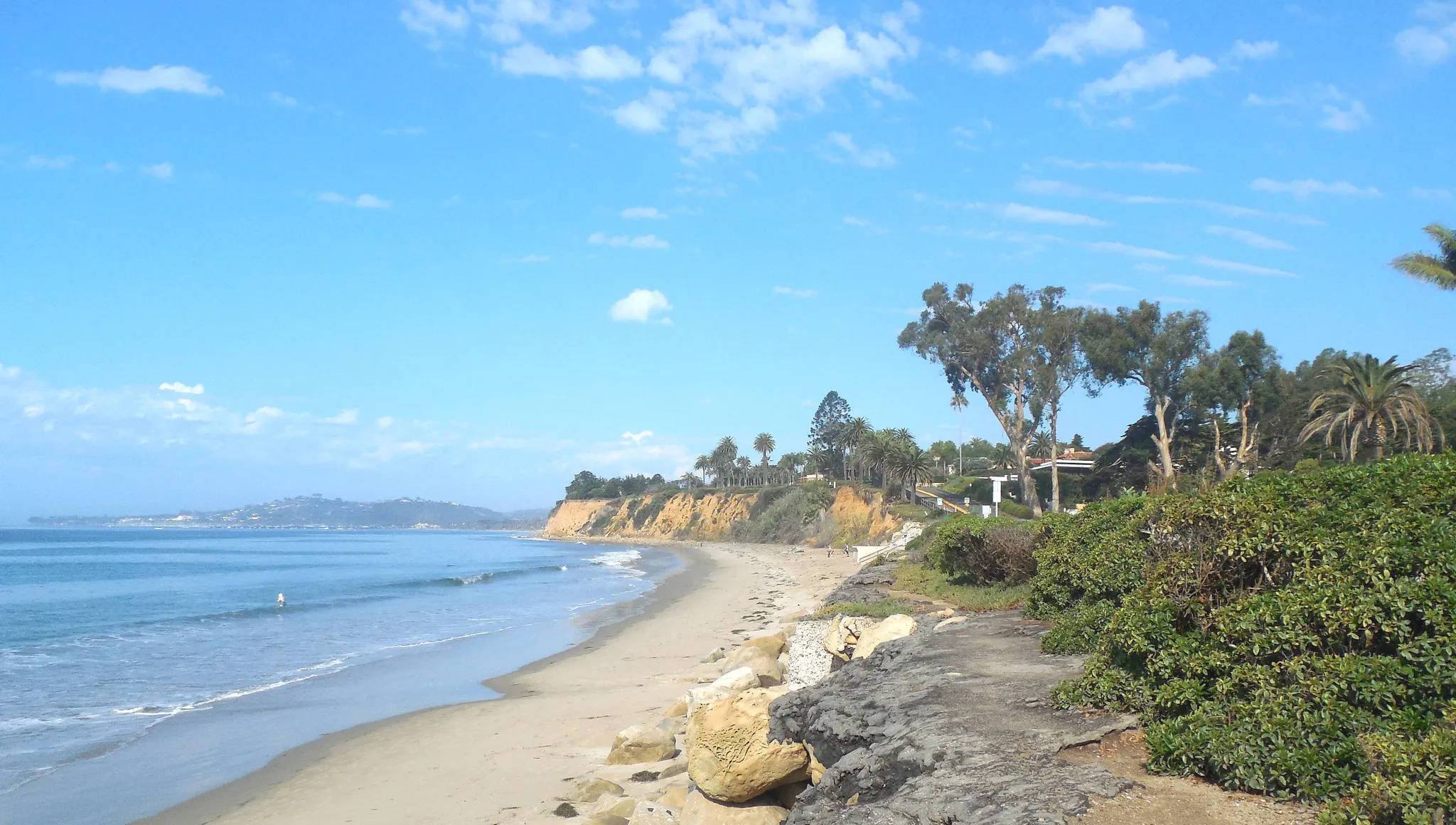
Torrey Pines State Beach
Highlight • Beach
Tip by

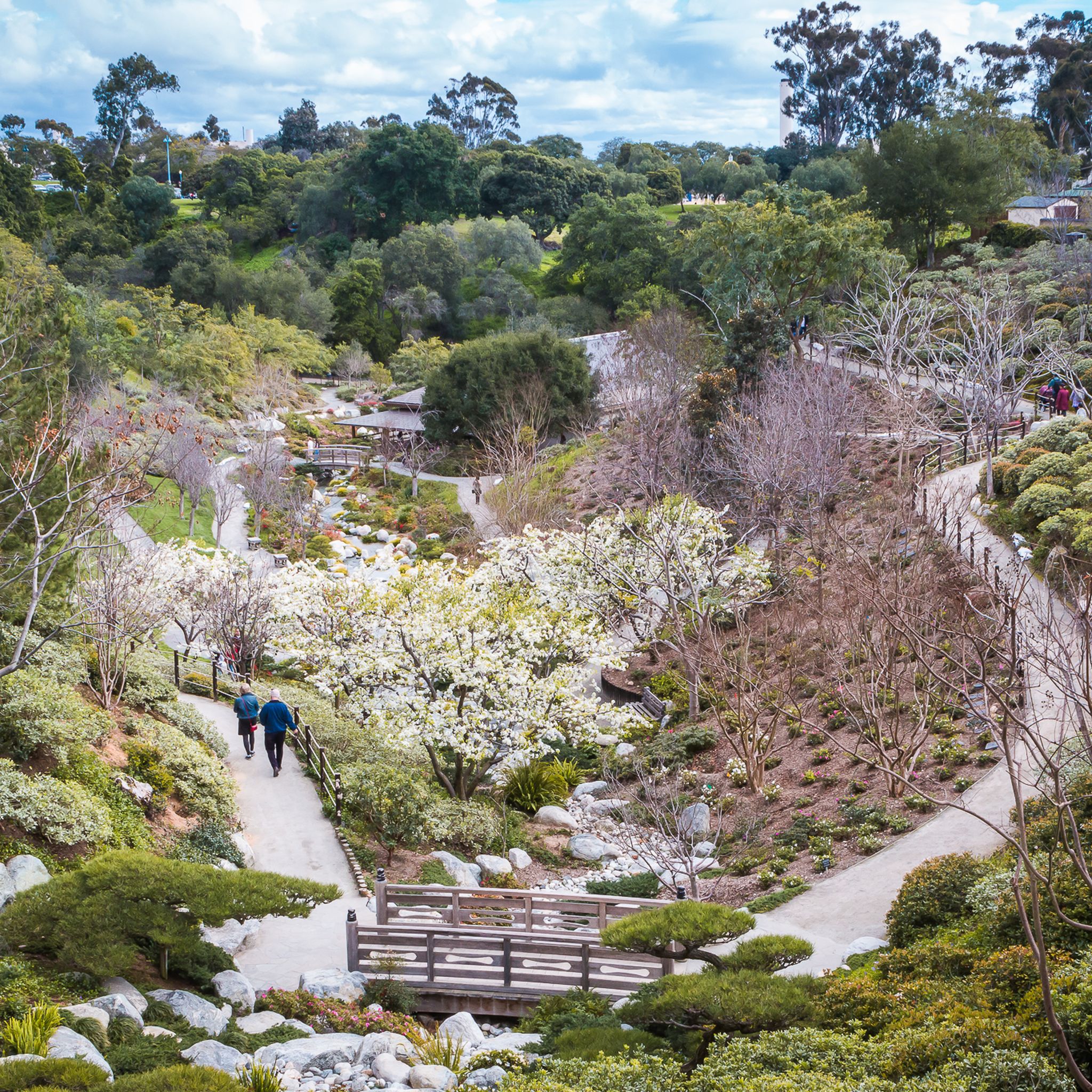
Panama Plaza, Balboa Park
Highlight • Monument
Translated by Google •
Tip by

Sign up now to discover places like this
Get recommendations on the best single tracks, peaks, & plenty of other exciting outdoor places.
Sign up for free
Potato Chip Rock
Highlight • Natural Monument
Tip by

Old Mission Dam
Highlight • Monument
Tip by

Botanical Building, Balboa Park
Highlight • Monument
Tip by

Sign up for free to discover even more natural monuments around San Diego.
Sign up for free
Already have an account?
Start today with a free account
Your next adventure awaits.
Login or Signup

Other adventures around San Diego

Tips from the Community

A great place to relax and a central point for exploring the park.
0
0

The beach trail leads you right down to where you'd expect. One of the things people love to do is to 1) park at the beach parking lot right after the paid entry, and then walk the road all the way up to the top, then hike down the beach trail back to the beach where your final stroll along the beach leads you right back to your car. I highly recommend this. It's a unique thing to be able to do. But there's a catch... If the tides are high, or there is big surf, you won't be able to make it back to the beach parking lot from where the beach trail hits the beach. The tides and/or surf sometimes close down the section of beach along the bottom of the cliffs, meaning you'd have to hike all the way back up the beach trail and then walk the road down again (not as fun, unless you're looking for the extra work and miles). Pro tip: Check the surf and tides for when you'll be doing the hike. That way you'll have a better idea of where you should park (beach lot down at the bottom or trail parking lot up top), and know what kind of hike to expect.
1
0

Balboa Park began as 1400 acres of land set aside in 1868 by San Diego civic leaders. Known then as “City Park”, the scrub-filled mesa that overlooked present-day Downtown San Diego sat without formal landscaping or development for more than 20 years. (Today the Park’s total land parcel has been reduced to 1,200 acres.) The first steps in Park beautification were made in 1892, largely due to the contributions of Kate Sessions. Sessions offered to plant 100 trees a year within the Park as well as donate trees and shrubs around San Diego in exchange for 32 acres of land within the Park boundaries to be used for her commercial nursery. Several popular species, including the birds of paradise, queen palm, and poinsettia were introduced into the Park’s horticulture because of Sessions’ early efforts. In fact, many of her original trees are alive and visible today. Just after the turn of the century, a master plan for Park improvements and beautification was formally introduced. Supported by a City tax levied in 1905, the process began in 1903 and continued through 1910. Water systems were installed, planting continued, roads were built, and the Park began to take on much of the familiar look of today. As San Diego was set to play host to the 1915 Panama-California Exposition, and “City Park” was a less-than-memorable or distinctive name for such an internationally prestigious event. In 1910, Park Commissioners announced plans to re-name City Park and the public was eager to throw potential names into the hat, including San Diego Park, Silver Gate Park, Horton Park, and Miramar Park. After months of discussion and great public interest, the Park Commissioners decided on the name Balboa Park, chosen in honor of Spanish-born Vasco Nuñez de Balboa, the first European to spot the Pacific Ocean while on exploration in Panama. https://balboapark.org/about-balboa-park/
3
0

This overlook on the trail offers a cool bird's eye view of the Old Mission Dam. You can tell just how wide the structure spans when you get this higher perspective.
0
0

Built in 1803 by Kumeyaay Indians 'conscripted' by the Spanish, the dam was built across Mission Gorge to redirect water to the Mission San Diego de Alcala. The area is full of history as well as spectacular scenery and wildlife.
0
0

It is a lie that it is a hiking for beginners. The route is already marked, to reach the top, the floor is not completely level. If you have knee problems, abstain. Since the hills are steep and the return could cause injury. Don't expect the potato chip photo to be easy; It has a large and dangerous crack that if you are not in the right condition it will be very difficult to climb up to take the photograph. The stones are smooth so you must have hiking shoes. Six km in total, two hours of closed route. Refrain from going in summer or after 12 pm, as there is little shade.
1
2

The Old Mission Dam is part of San Diego’s Mission Trails Regional Park located on the Father Junípero Serra Trail. When the population of San Diego de Alcala Mission grew during the late 18th century, so did its demand for water. The Spanish colonists solved the water shortage problem by building what is likely the first major colonial irrigation-engineering project on the Pacific Coast.
0
0
This overlook on the trail offers a cool bird's eye view of the Old Mission Dam. You can tell just how wide the structure spans when you get this higher perspective.
0
0
Frequently Asked Questions
What are some of the most unique natural features to explore in San Diego?
San Diego offers a variety of unique natural features. You can visit Potato Chip Rock, known for its remarkably thin, 'potato chip'-like formation. Another unique spot is Torrey Pines State Natural Reserve, home to the rare Torrey Pine tree and wind-swept sandstone formations. For a different experience, Annie's Canyon Trail features narrow sandstone slot canyons and 'mushroom caves'.
Are there family-friendly natural monuments in San Diego?
Yes, several natural monuments are great for families. Torrey Pines State Beach is a popular choice, offering easy trails and beach access. Annie's Canyon Trail provides an immersive and family-friendly hike through unique geological formations. Additionally, exploring the tide pools at Cabrillo National Monument can be a fascinating activity for all ages, especially during low tide.
What kind of hiking trails can I find near San Diego's natural monuments?
San Diego's natural monuments offer a range of hiking experiences. Torrey Pines State Natural Reserve has six trails from easy to advanced, with ocean views. For a challenging hike leading to a waterfall, consider Cedar Creek Falls. Mission Trails Regional Park provides a wide network of trails for all skill levels, allowing you to explore diverse habitats. You can find more hiking options in the Easy hikes around San Diego guide.
What are the best natural monuments for ocean views and coastal walks?
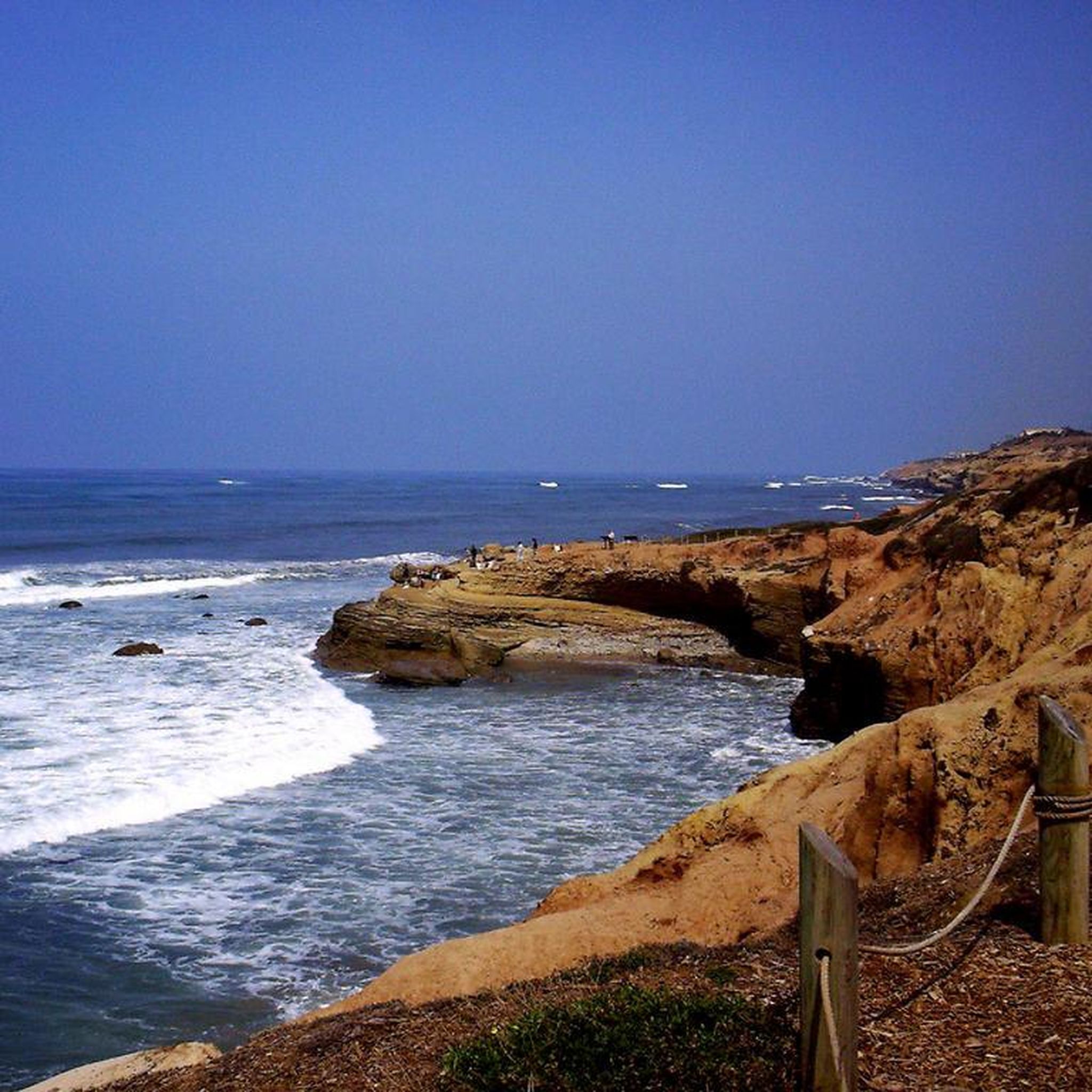
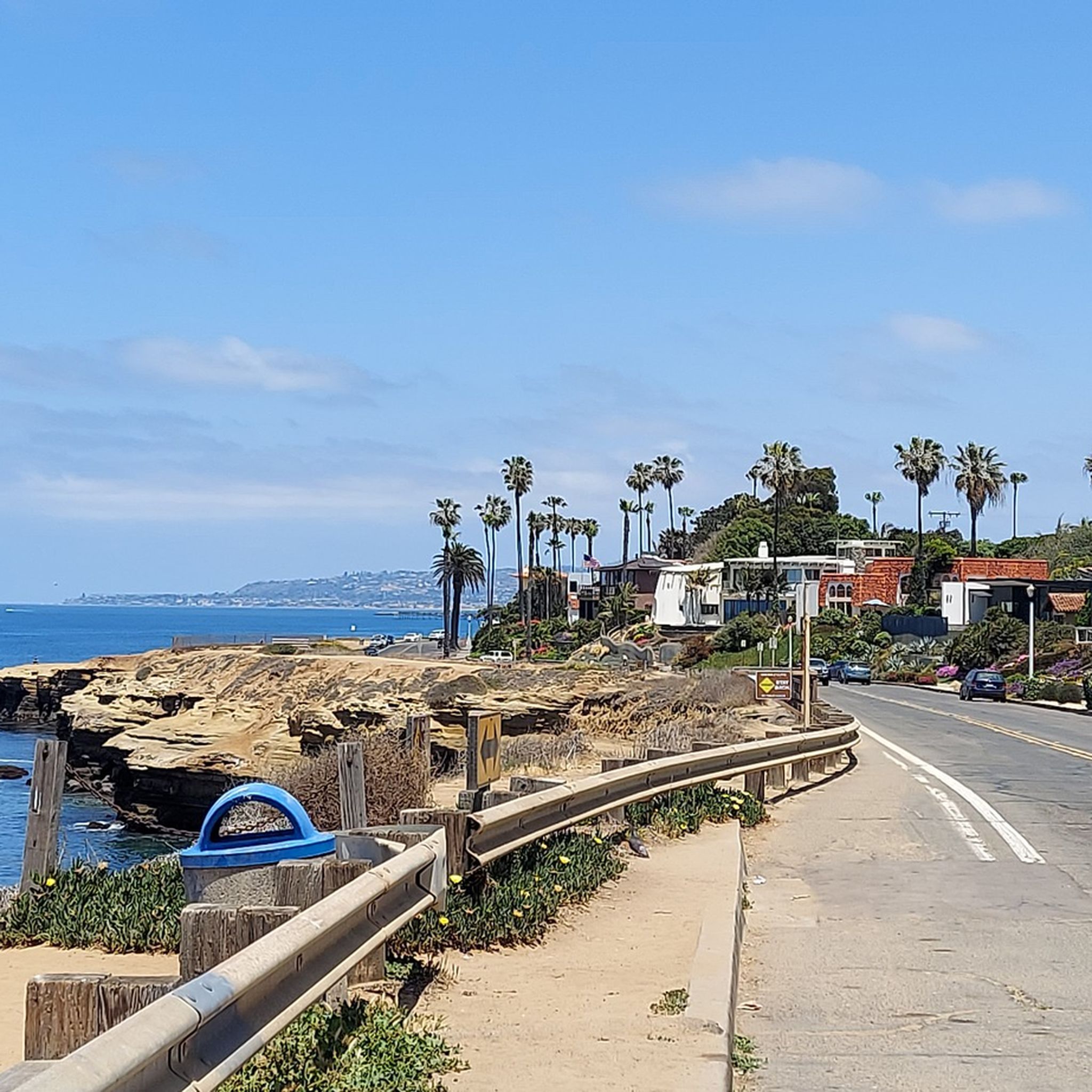
For stunning ocean views and coastal walks, Sunset Cliffs Natural Park is ideal, known for its dramatic cliffs, sea caves, and breathtaking sunsets. Torrey Pines State Beach also offers spectacular views of the Pacific Ocean from its trails and bluffs. Cabrillo National Monument provides panoramic vistas of San Diego Bay and the Pacific.
Where can I experience diverse marine life and water activities?
The La Jolla Underwater Park is an exceptional destination for experiencing diverse marine life. It's the West Coast's first underwater preserve, perfect for diving, snorkeling, and kayaking. You can observe seals, sea lions, Garibaldi fish, and even leopard sharks in summer. The area also features the seven sea caves of La Jolla Cove, with Sunny Jim Cave being land-accessible.
Are there any historical natural monuments in the San Diego area?
Yes, Cabrillo National Monument commemorates the landing of Juan Rodriguez Cabrillo in 1542 and offers historical insights alongside its natural beauty. Within Mission Trails Regional Park, you can find the Old Mission Dam, a nationally registered historic landmark and a starting point for various hikes.
What is the best time to visit San Diego's natural monuments?
The best time to visit San Diego's natural monuments largely depends on your interests. Spring is excellent for witnessing vibrant wildflowers in Anza-Borrego Desert State Park. Late fall and winter are ideal for exploring the tide pools at Cabrillo National Monument. Generally, San Diego's mild climate makes outdoor exploration enjoyable year-round, but always check specific conditions for desert areas or coastal trails.
What kind of desert landscapes can I explore near San Diego?
For desert landscapes, Anza-Borrego Desert State Park is California's largest state park and offers vast badlands, slot canyons, mud caves, and hidden palm oases. It's an excellent place to explore a pristine desert ecosystem and witness stunning geological formations like Fonts Point, often called 'California's Grand Canyon'.
What other outdoor activities are available near San Diego's natural monuments besides hiking?
Beyond hiking, you can enjoy various outdoor activities. La Jolla Underwater Park is perfect for diving, snorkeling, and kayaking. For cycling enthusiasts, there are numerous routes for gravel biking and mountain biking. You can explore options in the Gravel biking around San Diego or MTB Trails around San Diego guides.
Where can I find diverse ecosystems within a single park in San Diego?
Mission Trails Regional Park, one of the largest urban parks in the United States, offers a remarkable diversity of ecosystems. Within its 8,000 acres, you can find riparian areas, oak woodlands, grasslands, chaparral, and coastal sage scrub, making it a great spot for bird watching and experiencing multiple distinct natural environments.
Are there any natural monuments that are known for unique geological formations?
Absolutely. Potato Chip Rock is famous for its distinctive thin rock formation. Torrey Pines State Natural Reserve features dramatic wind-swept sandstone formations. Annie's Canyon Trail offers a unique experience walking through narrow sandstone slot canyons and 'mushroom caves'.
What do visitors enjoy most about the natural monuments around San Diego?
Visitors frequently praise the breathtaking panoramic views, especially from spots like Potato Chip Rock and Torrey Pines State Natural Reserve. The unique geological features, diverse ecosystems, and opportunities for outdoor activities like hiking, exploring tide pools, and observing wildlife are also highly appreciated. Many enjoy the chance to connect with nature and capture stunning photographs.
Most popular routes around San Diego
Most popular attractions around San Diego

Get inspired with the komoot mobile app


Explore more
Extend your search for the best caves by checking out these guides of the top ones around San Diego:
