Top 10 Natural Monuments around Stanford
Best natural monuments around Stanford encompass a diverse landscape featuring ancient trees, botanical collections, and significant geological formations. The region is characterized by its unique natural elements and historical importance, offering opportunities for appreciating nature within and around the university campus. Stanford's natural attractions include a mix of preserved ecosystems and cultivated botanical areas. These sites provide insight into the area's ecological and historical significance.
Best natural monuments around Stanford
- The most popular natural monuments is Windy Hill Summit,…
Last updated: July 9, 2026
Windy Hill Summit
Highlight • Summit
Tip by

Byrne Preserve Lookout
Highlight • Viewpoint
Tip by

Sign up now to discover places like this
Get recommendations on the best single tracks, peaks, & plenty of other exciting outdoor places.
Sign up for free
Pond SF2 with Historical Baylands Exhibit
Highlight • Historical Site
Tip by

Gerona Road Tree
Highlight (Segment) • Natural Monument
Tip by

Mezes Park 🌳
Highlight • Rest Area
Tip by

Sign up for free to discover even more natural monuments around Stanford.
Sign up for free
Already have an account?
Start today with a free account
Your next adventure awaits.
Login or Signup
Other adventures around Stanford

Tips from the Community

The hike from Razorback Ridge trailhead to the Windyhill summit is mostly through shaded sections. Sections of it kept cool from the fog rolling in from the Santa Cruz Mountains. The final section, Anniversary Trail is out in the open but has nice views of the bay.
0
0

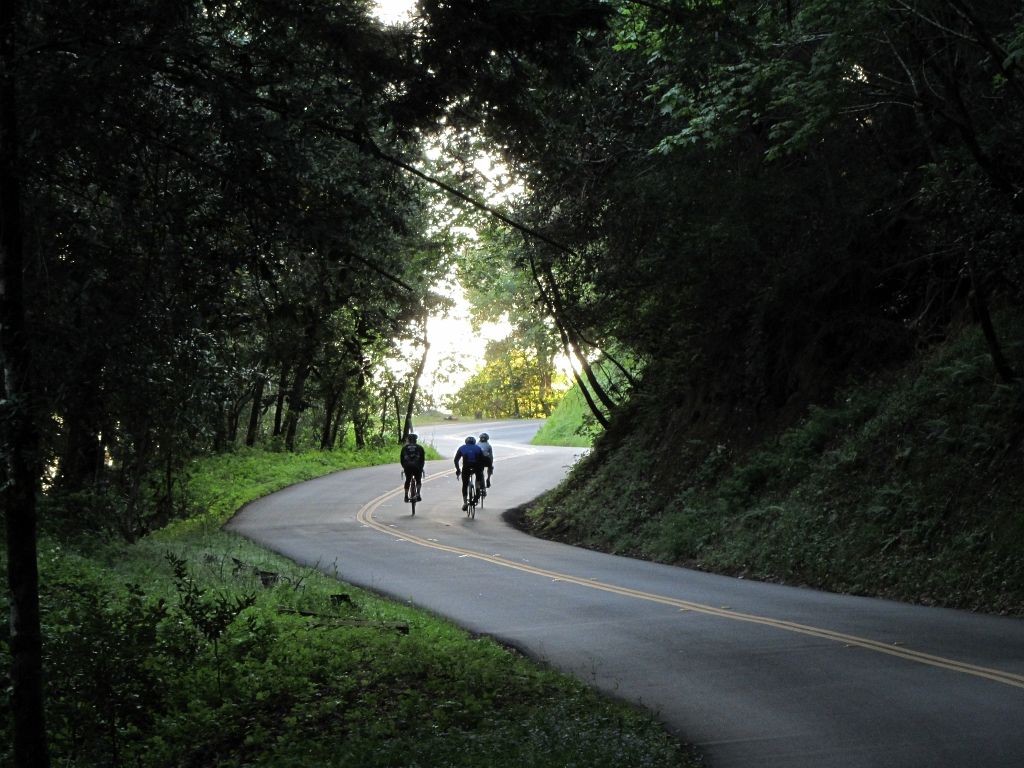
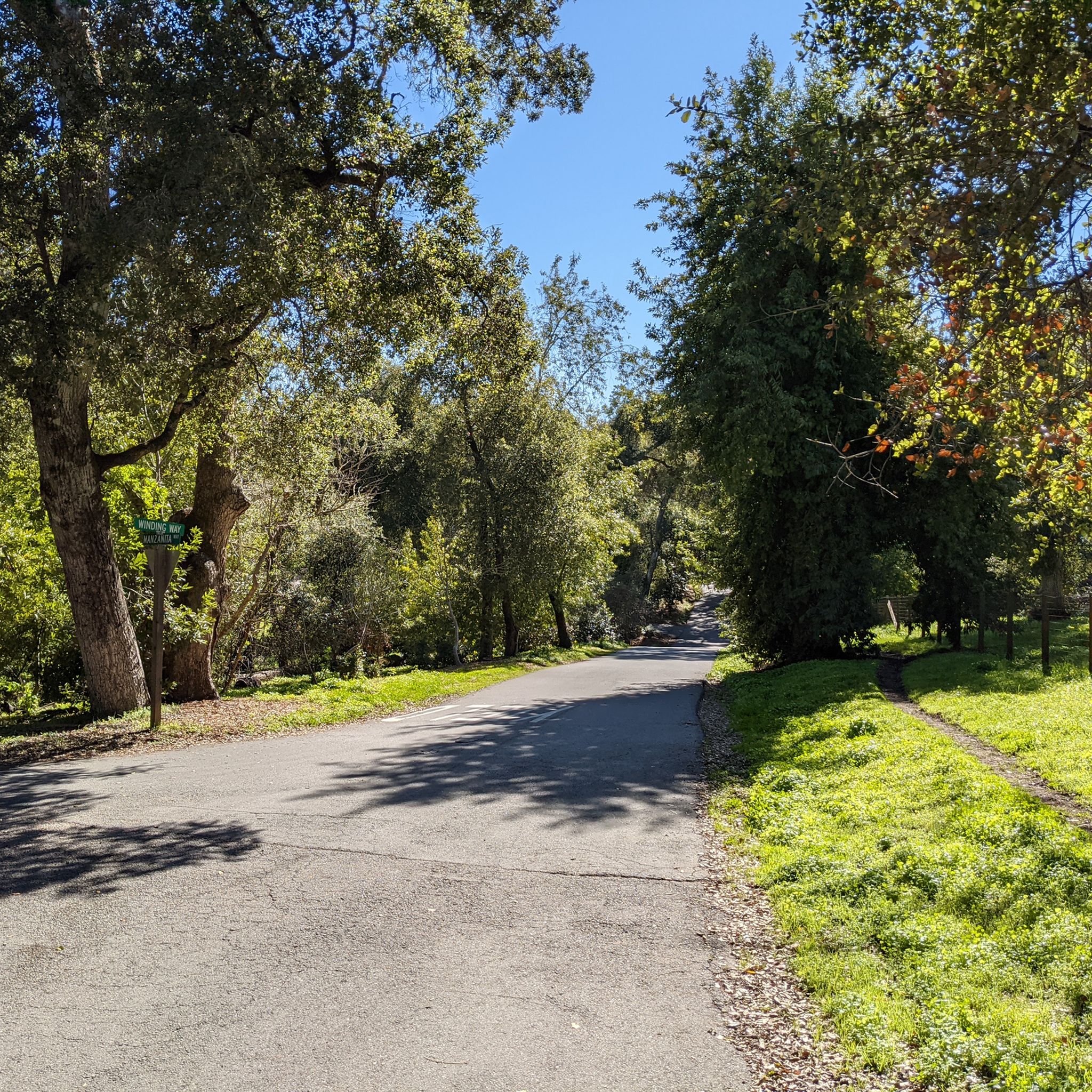
Gerona Road area is quiet and residential; it is also flat, well-paved and surrounded by some cool trees. Perfect for an easy ride.
0
0

This park is named for a Puerto Rican attorney who helped get a family claim to these lands recognized, then played a major role in the street planning for Redwood City. He donated the land for the park, which includes basketball and tennis courts, a playground, picnic facilities, and an M5 tank, which was placed here as a memorial to those who served in both world wars. It's worth parking your bike to take a look.
1
0

Windy Hill Summit, located at an elevation of 1,905 feet within the Windy Hill Open Space Preserve, offers great views of Silicon Valley and the Peninsula. The preserve stretches 1,132 acres along the east side of the Santa Cruz Mountains, coming up from the valley road near Portola Valley to this scenic summit. It’s a great spot to watch the sunset and take in views.
0
1

A large open area of scrub, brush and hilly field. There is a parking lot here and access to several walking trails.
0
0

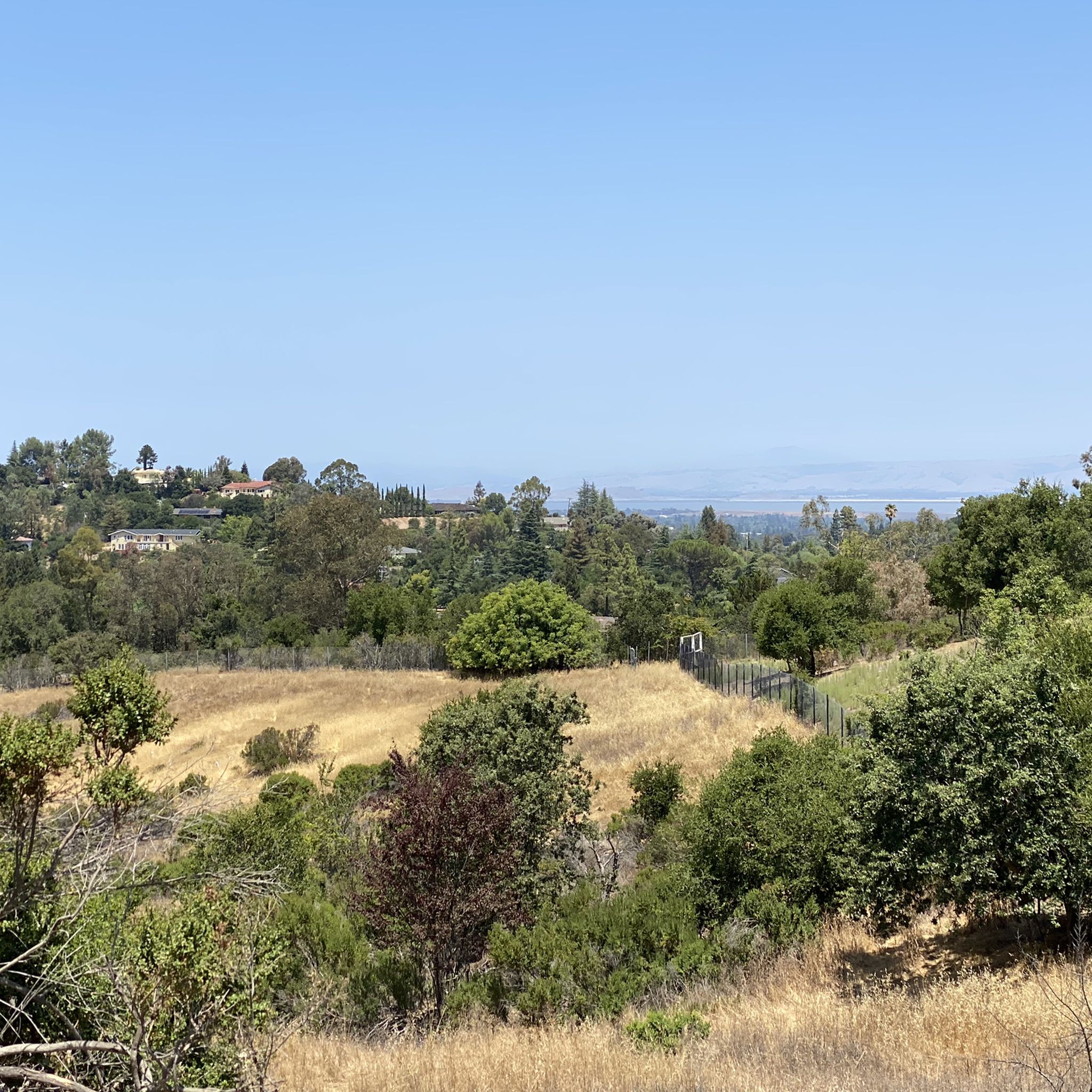
Great place to get a view of the historical rolling foothills of Byrne Preserve, which will change in color throughout the year, from bright green in the spring to a toasty yellow once the summer hits.
0
0

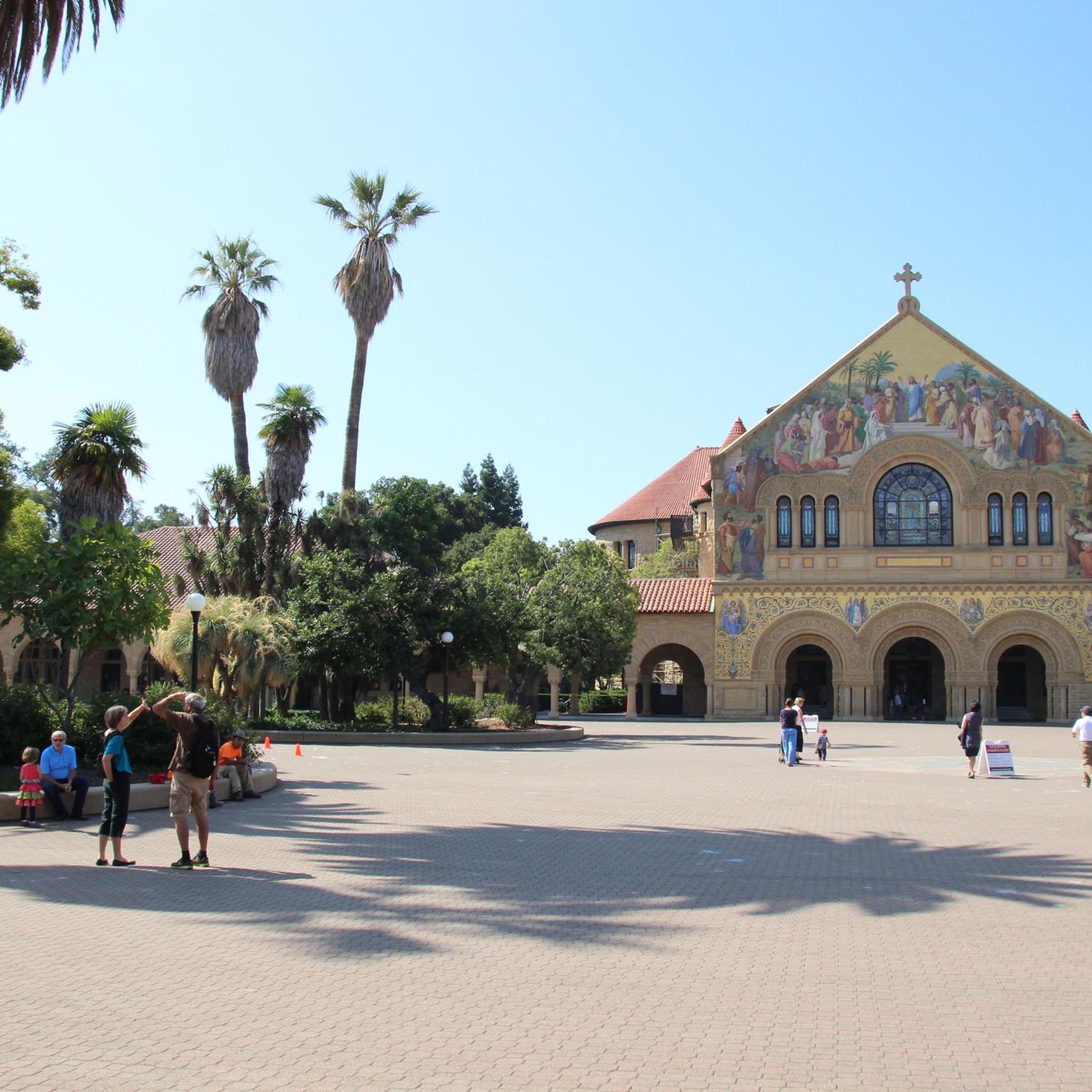
The 1.67 acres park on the corner of Warren Street and Standish Street offers grass lawns, a playground, tot-lot, basketball half court, tennis court, practice wall, picnic tables, and an Army tank, placed in 1947 at the request of the Veterans of Foreign Wars as a memorial to those who had served in the two world wars. The 16-ton M5 Stuart light tank was presented to the city by the American Legion as a war monument. In the 1850’s, all of what is now Redwood City was part of a large estate known as Rancho de las Pulgas. This estate belonged to the Arguello family, who had been granted the land by the government of Mexico in 1835. After the Mexican War, people began to settle along Redwood Creek, hoping that the U.S. government would refuse to recognize the Arguello’s right to the property. Simon M. Mezes, who had come from Puerto Rico to practice law in San Francisco, was hired by the Arguellos as an agent to protect their land title. In 1854 Mezes succeeded in clearing the Arguello family’s title. In return for this service, the Arguellos sold him a large portion of their estate. Mezes then proceeded to sell lots for $75 each to the people already living in the village on Redwood Creek. He also completed a survey for a map of the town, which he named Mezesville. Although this name has vanished into history, the present-day arrangement of Redwood City’s downtown streets can be traced to Mezes’ map. Mezes donated two blocks to Redwood City for plazas. In 1905 one of those blocks was turned into a park then known as California Square. The other block eventually became Mezes Plaza. In 1928 the Veterans Building was moved onto the Mezes Plaza block. Two years later, the park site was cleaned up and shrubbery was planted. Two tennis courts were built in 1934, and in 1937 playground equipment was installed. www.redwoodcityhistory.org/blog/2016/9/29/historical-blog-series-mezes-park-tank-park
0
0
Informative panels provide historical context for the former salt production ponds that were built into the fragile bay wetlands in the 19th century and are being partially restored to more natural wetlands in the past few decades.
0
0
Frequently Asked Questions
What are some of the most popular natural monuments around Stanford?
Visitors frequently enjoy the expansive views from Windy Hill Summit, which offers panoramic vistas of Silicon Valley and the Peninsula. Another favorite is Byrne Preserve Lookout, known for its scenic views of historical rolling foothills that change color throughout the year. The Pond SF2 with Historical Baylands Exhibit is also popular for its informative panels on wetland restoration.
Are there any ancient or historically significant trees to visit at Stanford?
Yes, Stanford is home to several historically significant trees. The most notable is El Palo Alto, an ancient redwood tree that is the namesake of the city of Palo Alto and inspired the Stanford University seal. The campus also features numerous historic eucalyptus and oak trees, some dating back to the late 1800s, including those lining Palm Drive.
What unique botanical gardens can I explore at Stanford?
You can explore the Stanford University Arboretum, a vast collection of diverse trees and plants, including eucalyptus, oaks, and redwoods, offering a serene environment for walks. Additionally, the historic Arizona Cactus Garden, designed in the 1880s, showcases a unique collection of cacti and succulents, providing a striking desert landscape within the university.
Can I learn about the local ecosystem and wildlife at Stanford's natural monuments?
Absolutely. The Jasper Ridge Biological Preserve is an 1,189-acre living laboratory dedicated to research and conservation. It provides refuge for native plants and animals, including federally protected species like the California red-legged frog and steelhead trout. Docent-led visits offer insights into the diverse ecosystems and conservation efforts.
Are there family-friendly natural monuments around Stanford?
Yes, several natural monuments are suitable for families. The Byrne Preserve Lookout offers easy access to walking trails. The Pond SF2 with Historical Baylands Exhibit is an engaging historical site with informative panels. Mezes Park also provides grass lawns, a playground, and picnic facilities.
Are there any accessible natural monuments for visitors with mobility considerations?
The Gerona Road Tree area is noted for being flat and well-paved, making it wheelchair accessible and suitable for an easy ride or stroll among cool trees.
When is the best time to visit the natural monuments around Stanford?
The best time to visit depends on your interests. The Byrne Preserve Lookout is particularly beautiful in spring when the foothills are bright green, transitioning to a toasty yellow in summer. For wildlife viewing at Jasper Ridge Biological Preserve, spring and fall are often ideal. Generally, the mild California climate makes most natural monuments enjoyable year-round, though spring brings wildflowers and lush greenery.
What outdoor activities can I do near these natural monuments?
The Stanford area offers a variety of outdoor activities. You can find numerous hiking routes, including the easy Stanford Campus Walk or the popular Stanford Dish loop. For mountain biking, explore trails like the Redtail Loop near Arastradero Lake. Cycling enthusiasts can enjoy routes such as the Portola Valley & Los Altos loop. You can find more details on these activities in the hiking, MTB, and cycling guides around Stanford.
Are there any geological features of interest near Stanford?
Yes, the region is significantly influenced by the San Andreas Fault, which runs west of the Stanford campus. While not a visible monument in the traditional sense, understanding the area's geological history, including ancient ocean shores and sandstone formations, adds a deeper appreciation for the landscape. The Earth and Planetary Sciences department at Stanford often highlights these features.
What is Lake Lagunita and can I visit it?
Lake Lagunita is a beloved campus space at Stanford, historically used for recreation. While it can be dry in recent years, its circumference remains a popular running path. When it fills after heavy rains, it becomes a picturesque natural landmark, with the iconic 'Dish' radio telescope visible in the foothills behind it.
What do visitors enjoy most about the natural monuments around Stanford?
Visitors particularly appreciate the blend of natural beauty and historical significance. The serene environments for walks, the impressive natural architecture of ancient trees, and the opportunities for observing local wildlife are frequently highlighted. Many enjoy the panoramic views from summits like Windy Hill Summit and the unique botanical collections.
Most popular routes around Stanford
Most popular attractions around Stanford

Get inspired with the komoot mobile app


Explore more
Extend your search for the best caves by checking out these guides of the top ones around Stanford:
