Top 15 Natural Monuments around Madison
Best natural monuments around Madison showcase a landscape defined by its chain of five lakes, including Mendota, Monona, Waubesa, Kegonsa, and Wingra. The city's natural areas encompass diverse ecological communities, from extensive wetlands to restored prairies and botanical gardens. These sites provide opportunities for exploring varied environments and appreciating local biodiversity.
Best natural monuments around Madison
- The most popular natural monuments is Picnic Point Mound Group, a historical site that features ancient archaeological sites, including burial mounds dating back around 2,000 years. It offers picturesque hiking trails and expansive views of Lake Mendota.
- Another must-see spot is Olbrich Botanical Gardens, a natural monument recognized for its 16-acre oasis of diverse plant collections. It features fifteen distinct outdoor gardens and the Bolz Conservatory, which houses tropical plants.
- Visitors also love Cherokee Marsh North Unit, an other natural area that serves as Dane County's largest wetland. It features 2.6 miles of trails, a boardwalk, and two observation decks for wildlife viewing.
- Madison is known for its extensive lake systems, diverse botanical gardens, and significant wetland areas. Visitors can explore a variety of natural monuments, from glacial formations to restored prairies and urban green spaces.
- The natural monuments around Madison are appreciated by the komoot community, with 4 upvotes and 6 photos contributed by visitors.
Last updated: June 28, 2026
Picnic Point Mound Group
Highlight • Historical Site
Tip by

Hill at Pheasant Branch Conservancy
Highlight • Viewpoint
Tip by

Sign up now to discover places like this
Get recommendations on the best single tracks, peaks, & plenty of other exciting outdoor places.
Sign up for free
Olbrich Botanical Gardens
Highlight • Natural Monument
Tip by

Class of 1918 Marsh
Highlight • Natural
covered all of the area now occupied by playing fields, parking lots, and the Nielsen Tennis Stadium. Fifteen thousand years ago when the glaciers receded from this part of Wisconsin, the marsh was connected to Lake Mendota; later a sand bar built up that isolated it from the lake.
The university acquired the land in 1910 and began to experiment with draining the marsh to grow crops, a difficult prospect given that the area is lower than the lake. Tiles were laid and a series of pumps installed. The experiment was considered successful, but by 1965 the tiles came loose and the area reverted to wetland. At this point, the campus was expanding and the university administration planned to use the area for playing fields and parking lots. In the interim they used it as a landfill.
Tip by

Cherokee Marsh North Unit
Highlight • Natural
Tip by

Sign up for free to discover even more natural monuments around Madison.
Sign up for free
Already have an account?
Start today with a free account
Your next adventure awaits.
Login or Signup

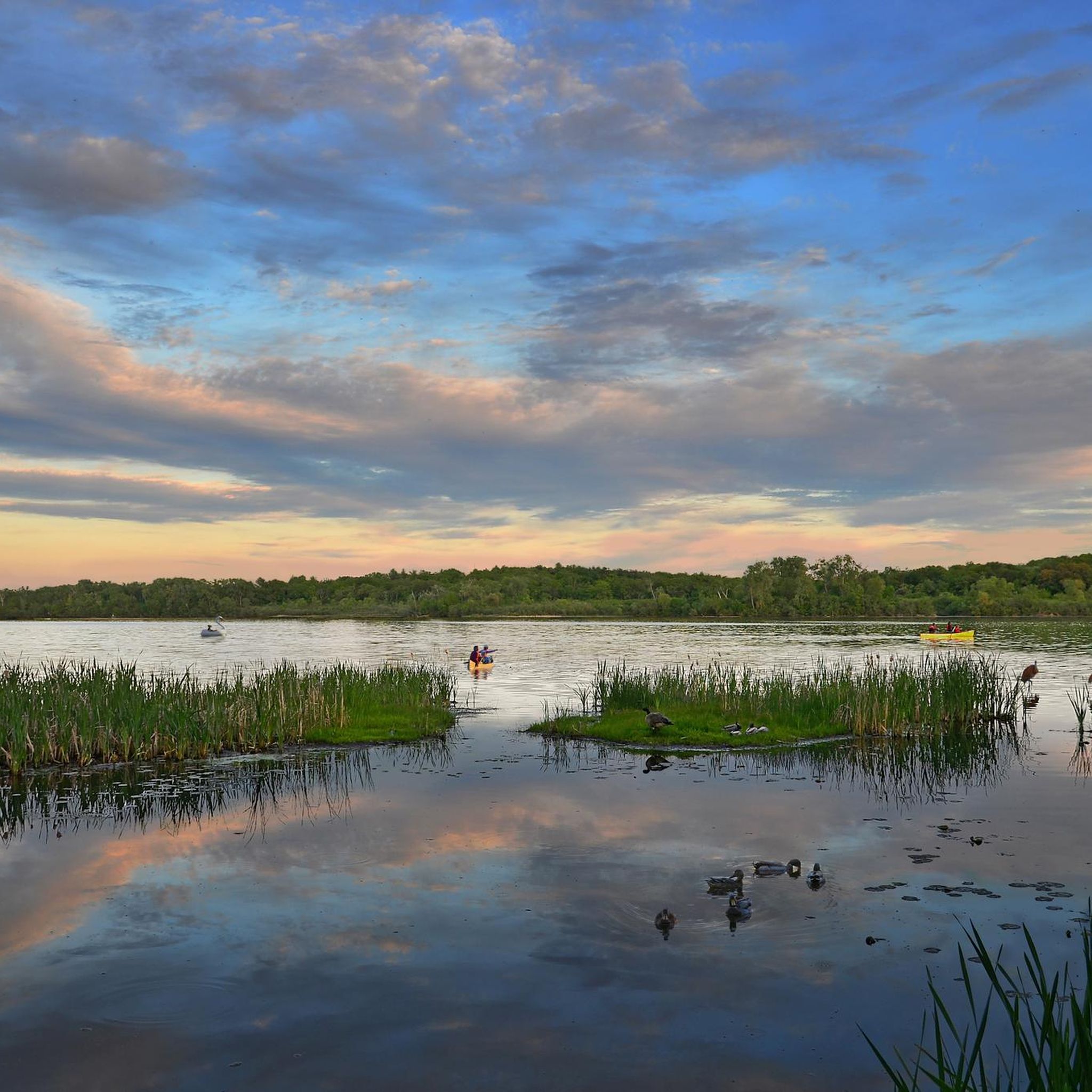
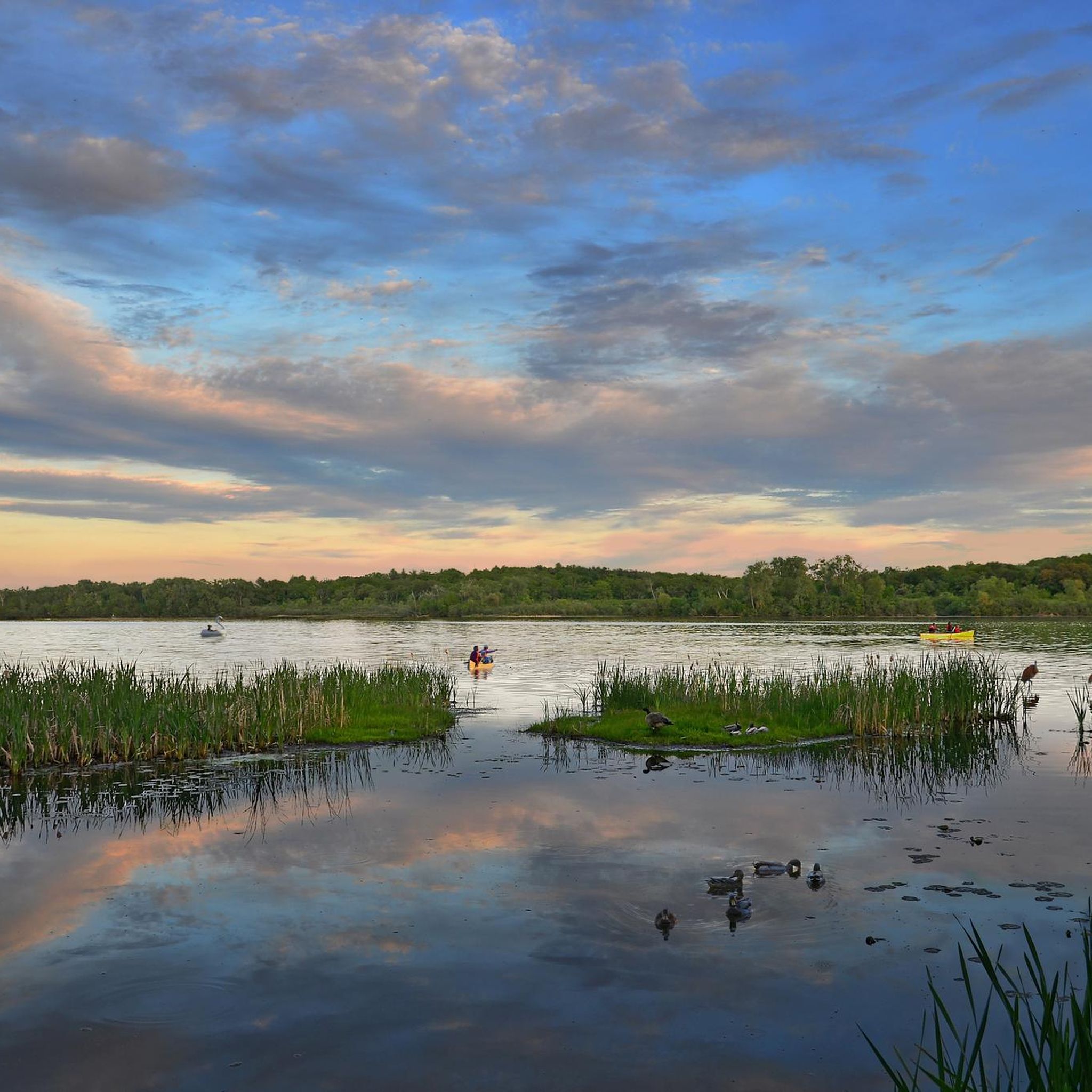
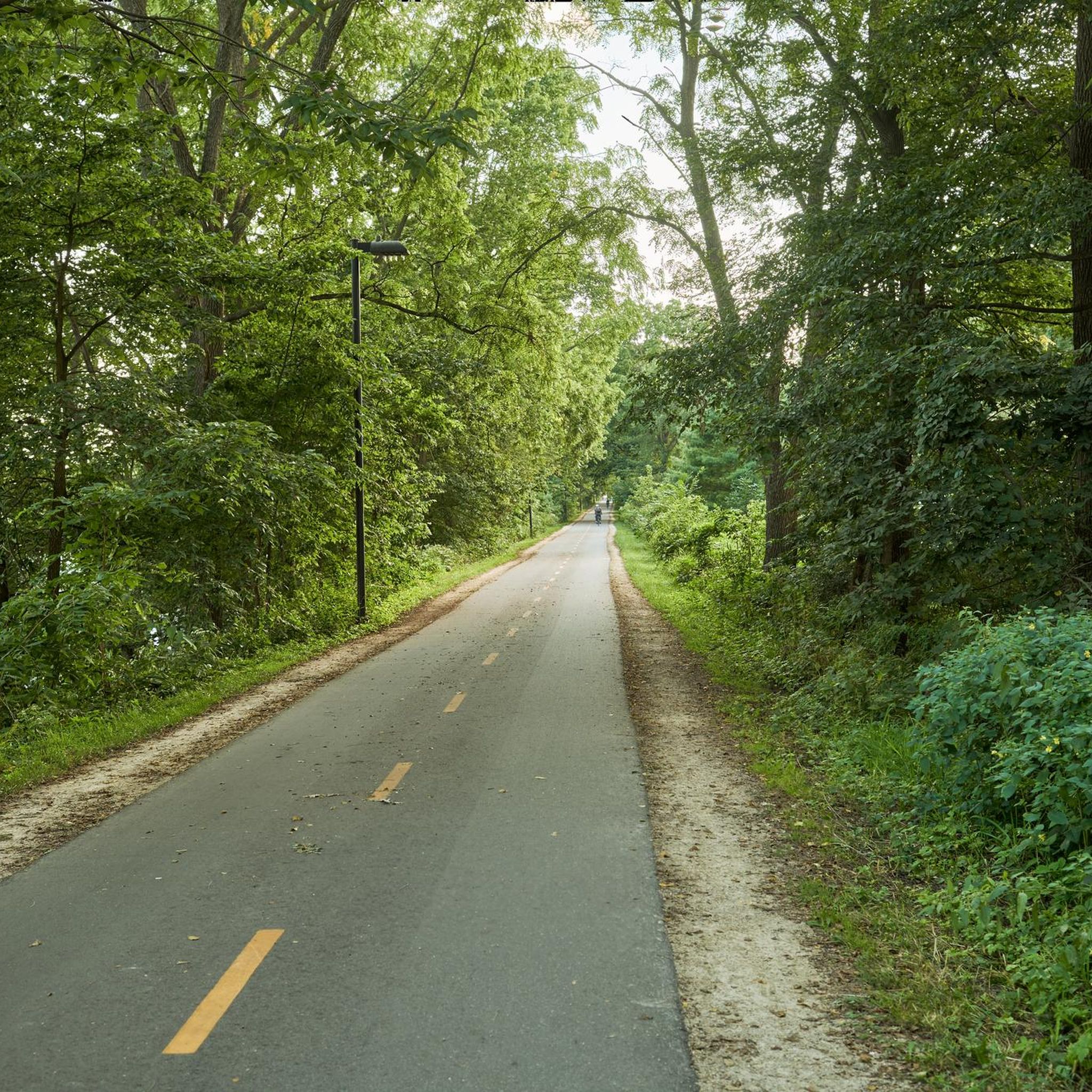
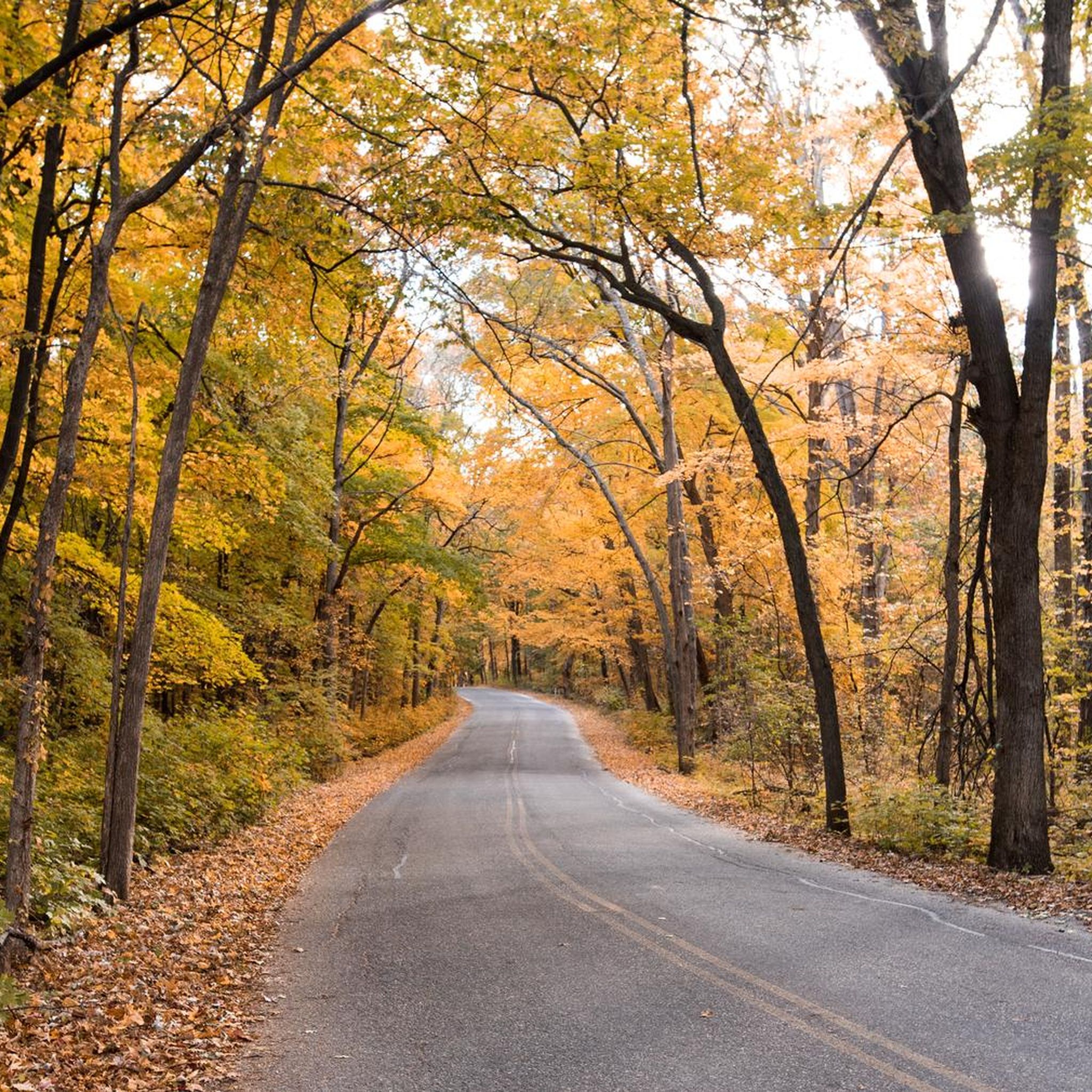


Other adventures around Madison

Tips from the Community

There are four “extant” (still visible) mound groups you can visit on the main campus, all but one of them located within the boundaries of the Lakeshore Nature Preserve. Recently these mound groups were surveyed and entered in a special burial sites catalog maintained by the Wisconsin Historical Society. The label associated with each location includes a number used in the state Archaeological Site Inventory (ASI) maintained by the Wisconsin Historical Society. The site surveys establish a 25-foot preservation buffer around the mounds.
0
0
Picnic Point Mound Group (DA121) The sixth extant mound is a large hemispherical form visible on your right just before you reach The Narrows (where the main trail dips near the beach).
0
0
Unfortunately, during the last 25 years little has been done to maintain the marsh, in spite of the interest of a large number of people and the development of several management plans. It suffers from runoff from nearby construction sites, parking lots, and fertilized playing fields. In addition, the field on the south side of the marsh is used by the plowing crews to store snow (with its accompanying salt and debris) in winter.
0
0
Fortunately, in 1969 an environmental studies class chose the marsh as its class project. After collecting a great deal of data and making allies of the local press, they convinced the university administration to rethink its plans and the land was saved as a wildlife refuge and teaching and research area. It is named for the Class of 1918 because this class agreed to reallocate money that they had donated during their 50 year reunion for a Japanese pond to the new project of enhancing the marsh. The 1970s saw dredging the marsh, building the trail around it, and the addition of a series of interpretive signs, which since have been lost due to vandals. There also were several attempts to establish prairie around the edge.
0
0
The Class of 1918 Marsh is a tiny remnant of a large wetland that formerly covered all of the area now occupied by playing fields, parking lots, and the Nielsen Tennis Stadium. Fifteen thousand years ago when the glaciers receded from this part of Wisconsin, the marsh was connected to Lake Mendota; later a sand bar built up that isolated it from the lake. The university acquired the land in 1910 and began to experiment with draining the marsh to grow crops, a difficult prospect given that the area is lower than the lake. Tiles were laid and a series of pumps installed. The experiment was considered successful, but by 1965 the tiles came loose and the area reverted to wetland. At this point, the campus was expanding and the university administration planned to use the area for playing fields and parking lots. In the interim they used it as a landfill.
0
0

Situated at the headwaters of Madison's lakes, Cherokee Marsh serves as a natural sponge, filtering upland runoff and utilizing excess fertilizer to nourish marsh plants, gradually releasing cleaner water to downstream lakes. As Dane County's largest wetland, it attracts thousands of students annually for environmental education. The North Unit features 2.6 miles of trails, a boardwalk, and two observation decks.
0
0

Around 2,000 years ago, local inhabitants initiated the burial of their dead in the sacred mounds that scatter across the Point. At one time, Picnic Point boasted seven mounds, but relic hunters destroyed one mound before 1912. Today, the Preserve harbors numerous burial mounds and other ancient archaeological sites, reflecting the rich history and cultural significance of the area.
1
0

The Pheasant Branch Conservancy is a 160-acre preserve that is also part of the Pheasant Branch Watershed. There are a bunch of different singletrack and wide, smooth trails on the property passing through a bunch of different ecosystems. The conservancy is known for being a place of nature, education, and exercise.
1
0
Frequently Asked Questions
What unique natural features define the Madison area's natural monuments?
Madison's natural monuments are characterized by its extensive chain of five lakes (Mendota, Monona, Waubesa, Kegonsa, and Wingra), significant wetlands like Cherokee Marsh North Unit, and diverse ecological communities found at the University of Wisconsin Arboretum. You can also explore glacial formations and restored prairies.
Are there any botanical gardens to visit in Madison?
Yes, Olbrich Botanical Gardens is a prominent natural monument in Madison. It features 16 acres of diverse plant collections, including fifteen distinct outdoor gardens and the Bolz Conservatory, which houses tropical plants and a Thai pavilion.
What historical or archaeological sites can be found among Madison's natural monuments?
The area boasts significant historical sites. Picnic Point Mound Group, for instance, features ancient archaeological sites, including burial mounds dating back around 2,000 years. Additionally, Edna Taylor Conservation Park also contains a glacial drumlin Indian mound.
What kind of wildlife can I expect to see at Madison's natural monuments?
Many natural monuments in Madison are critical habitats for local wildlife. At Cherokee Marsh North Unit, you can observe cranes and deer. The University of Wisconsin Arboretum and the areas around Lake Wingra are also excellent for birdwatching and spotting various local flora and fauna.
Are there family-friendly natural monuments suitable for children?
Yes, several natural monuments are great for families. Olbrich Botanical Gardens offers engaging displays and the tropical Bolz Conservatory. Cherokee Marsh North Unit has easy trails and observation decks, while Picnic Point Mound Group provides scenic walks and space for picnics.
Can I bring my dog to the natural monuments around Madison?
Many natural areas in Madison are dog-friendly, but policies vary by specific location. For example, the University of Wisconsin Arboretum generally allows dogs on leash on certain trails, but it's always best to check specific rules for each park or preserve you plan to visit, such as Picnic Point Mound Group or Cherokee Marsh North Unit.
What are the best places for hiking or walking near Madison's natural monuments?
Madison offers numerous trails for hiking and walking. The University of Wisconsin Arboretum features 20 miles of walking trails through diverse ecosystems. Picnic Point Mound Group has picturesque trails with lake views. You can also explore the 2.6 miles of trails at Cherokee Marsh North Unit, or sections of the Ice Age National Scenic Trail that run through Madison.
Are there opportunities for cycling or mountain biking near these natural monuments?
Yes, Madison has a strong cycling culture. The 13-mile loop around Lake Monona is popular for biking. For mountain biking, you can find trails at the Quarry Ridge Recreation Area, such as the Beginner Loop. There are also various gravel biking routes around Madison, including those near the Ice Age Trail Junction Area.
What is the best time of year to visit Madison's natural monuments?
Madison's natural monuments offer beauty year-round. Spring brings blooming flowers to Olbrich Botanical Gardens and fresh greenery to the Arboretum. Summer is ideal for water activities on the lakes and exploring trails. Fall showcases vibrant foliage, while winter offers opportunities for ice activities on the lakes and serene, snow-covered landscapes for hiking.
Are there any accessible natural attractions for visitors with mobility challenges?
While specific accessibility details vary, Olbrich Botanical Gardens generally offers paved paths and accessible facilities. Cherokee Marsh North Unit features a boardwalk, which can provide easier access to wetland views. It's recommended to check individual site information for detailed accessibility features.
What is the Class of 1918 Marsh and why is it significant?
The Class of 1918 Marsh is a remnant wetland within the University of Wisconsin-Madison campus. It's significant for its history of environmental preservation, having been saved from development by an environmental studies class in the 1960s. It serves as a wildlife refuge and a teaching and research area, showcasing the importance of wetland ecosystems.
Where can I find scenic views of Lake Mendota and the State Capitol?
For stunning views of Lake Mendota and the State Capitol building, head to Picnic Point Mound Group. The peninsula extends into Lake Mendota, offering expansive vistas, especially at sunset. The University of Wisconsin Arboretum also provides various viewpoints overlooking the lake.
What are the main attractions at <a href="https://www.komoot.com/highlight/7640767" target="_blank" rel="noopener">Edna Taylor Conservation Park</a>?
Edna Taylor Conservation Park offers a diverse natural experience, including a spring, a glacial drumlin Indian mound, a marsh, and oak stands. It's a peaceful area for walking and appreciating various natural habitats, preserved thanks to the efforts of Edna Taylor herself.
Most popular routes around Madison
Most popular attractions around Madison

Get inspired with the komoot mobile app


Explore more
Extend your search for the best caves by checking out these guides of the top ones around Madison:
