Devils Postpile National Monument
Devils Postpile National Monument
Top 6 Natural Monuments in Devils Postpile National Monument
Best natural monuments in Devils Postpile National Monument are found in a landscape renowned for its unique geological formations and glacial history. This area, located near Mammoth Mountain in Eastern California, features 6 distinct natural monuments. Key attractions include the columnar basalt formation of Devils Postpile and the 101-foot Rainbow Falls, both preserving significant natural features.
Best natural monuments in Devils Postpile National Monument
- The most popular natural monuments is Rainbow Falls, a waterfall that plunges 101 feet down…
Last updated: October 2, 2026
Rainbow Falls
Highlight • Waterfall
Tip by

Devils Postpile
Highlight • Natural Monument
Tip by

Sign up now to discover places like this
Get recommendations on the best single tracks, peaks, & plenty of other exciting outdoor places.
Iva Bell Hot Springs ⛲ backpacking hike from Devil's Postpile National Monument, via Rainbow Falls and Fish Creek Trail
Highlight (Segment) • Natural Monument
Tip by
View of Devils Postpile
Highlight • Viewpoint
Tip by

Start today with a free account
Your next adventure awaits.
Popular around Devils Postpile National Monument
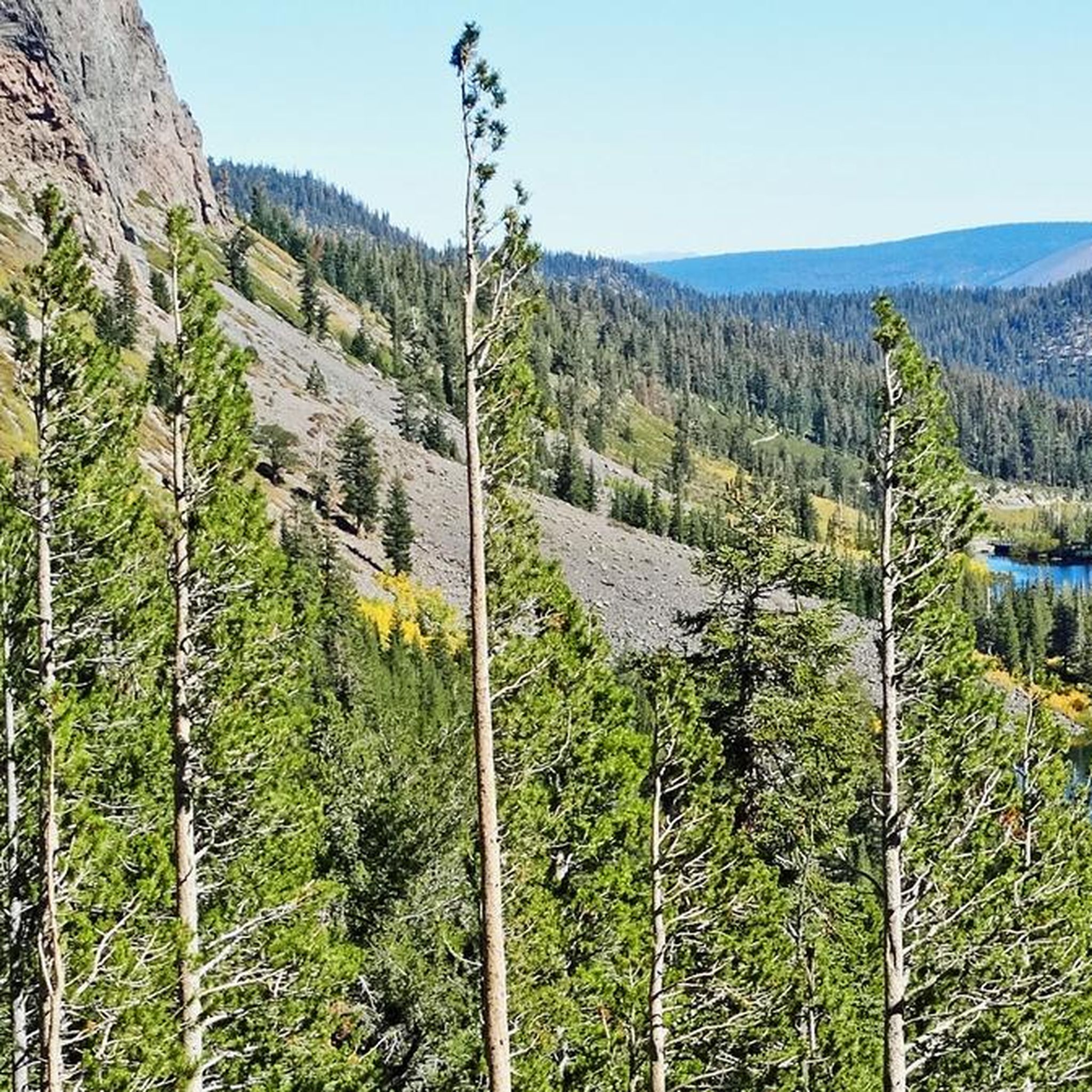
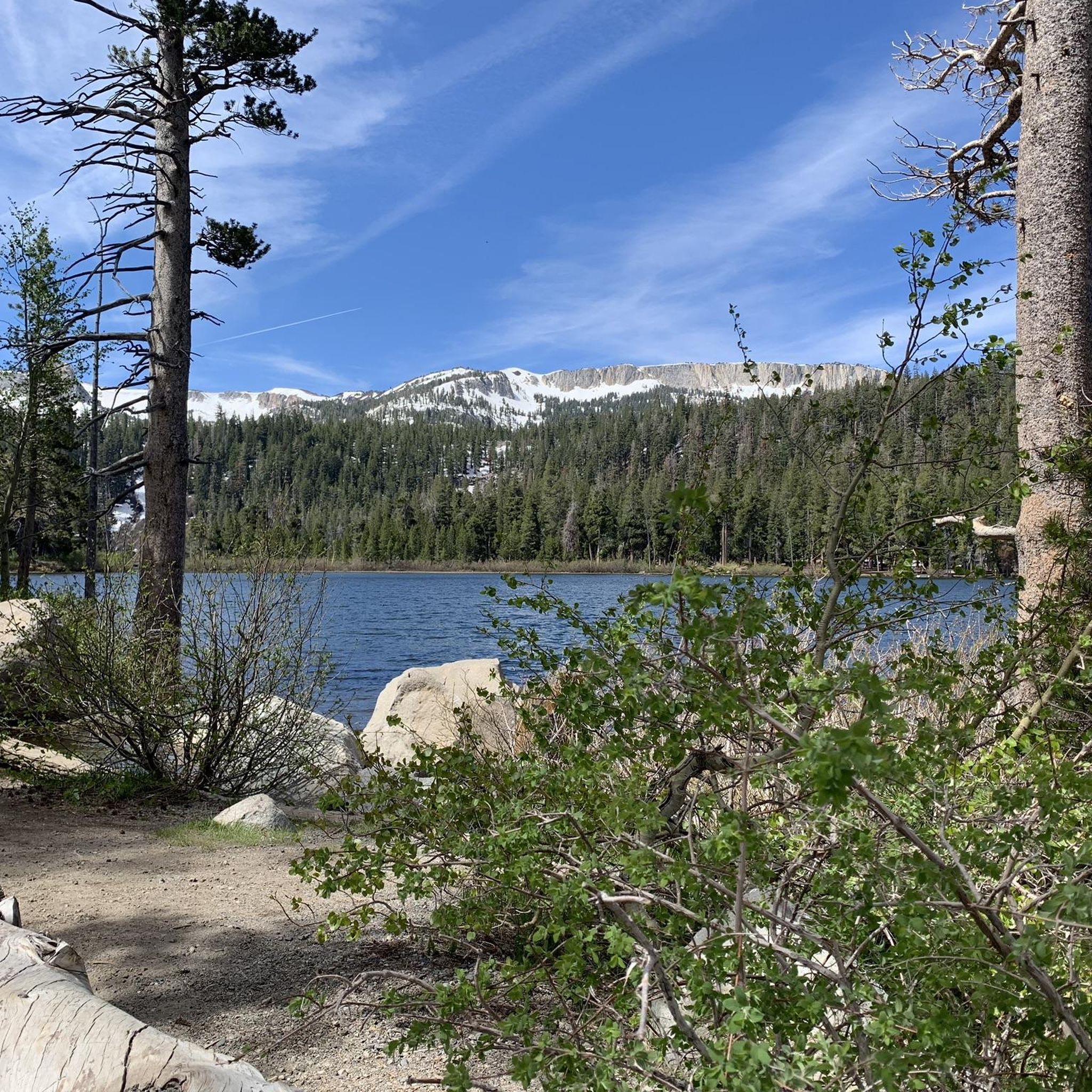
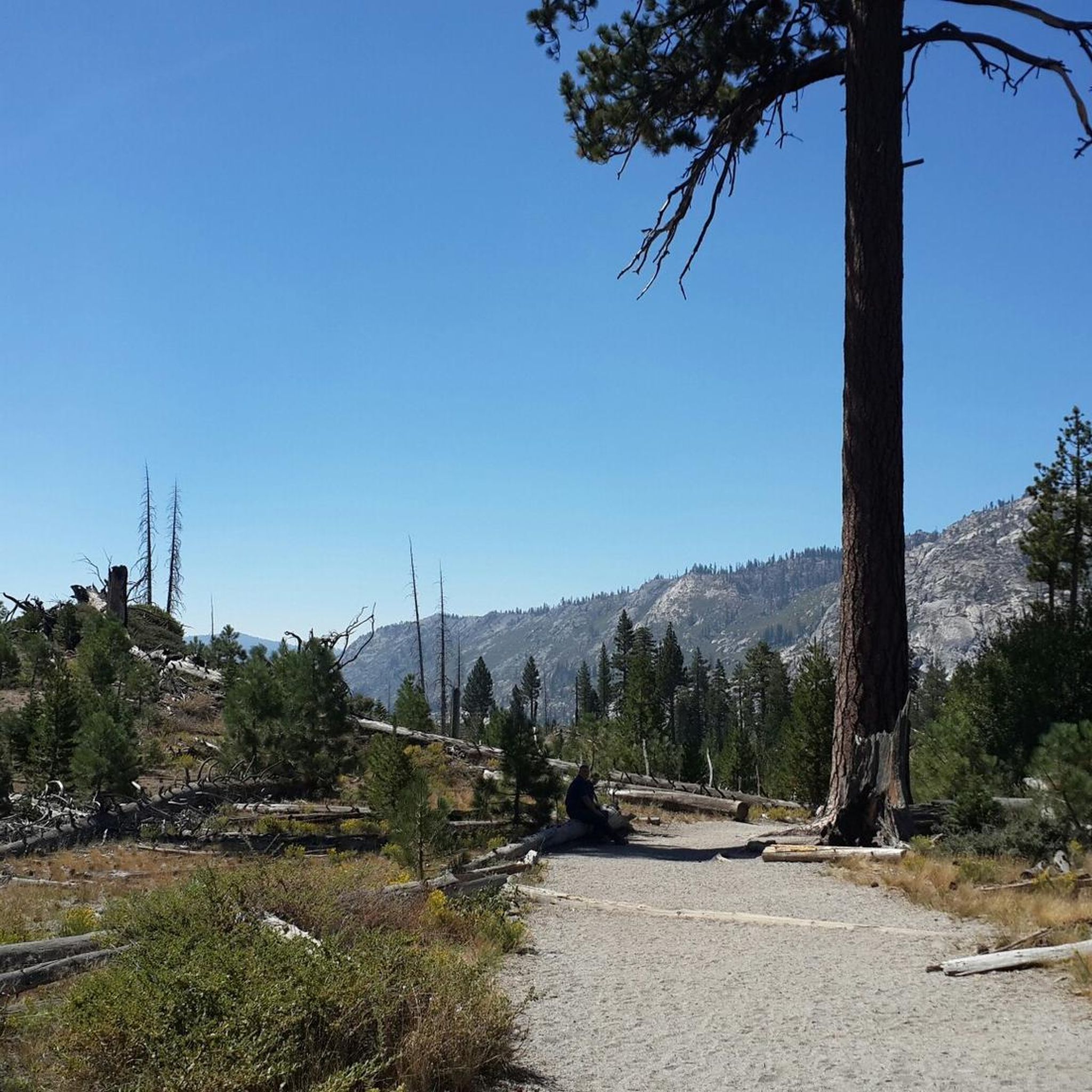
Tips from the Community

Devils Postpile National Monument is a United States national monument located near Mammoth Mountain in eastern California. The monument protects Devils Postpile, an unusual rock formation of columnar basalt, "all tightly and perfectly fitted together like a vast mosaic."
0
0

High up on the Pacific Crest Trail you will enjoy a nice view of the Devils Postpile. There is also a side trail leading to it.
0
0

The Devil's Postpile is a large cliff made of volcanic basalt columns. It is a very popular site, so there is a good possibility there will be others enjoying the site.
0
0
Rainbow Falls is a 101-foot waterfall, which is the largest falls on the San Joaquin River. The falls are located a short distance off the Pacific Crest Trail.
0
0
High up on the Pacific Crest Trail you will enjoy a nice view of the Devils Postpile. There is also side trail leading to it.
2
0

The Devils Postpile National Monument, which is only open from mid-June to mid-October, was once part of the Yosemite National Park and was only placed under protection as an independent park in 1911. The main attraction of the park is Devils Postpile, an approximately 100 meters wide and 30 meters high cliff of vertical, volcanic basalt columns, which have a very symmetrical, hexagonal shape.
6
0

Rainbow Falls is the highest waterfall on the Middle Fork of the San Joaquin River. Plunging 101-feet down to the turbulent water below, the falls are named for the rainbows that appear in its mist throughout sunny summer days. It is located in Devils Postpile National Monument near Mammoth Mountain. The national monument protects Devil's Postpile, an unusual rock formation of columnar basalt. Devils Postpile National Monument encompasses 798 acres. In addition, the John Muir Trail and Pacific Crest Trail merge into one trail as they pass through the monument. Excluding a small developed area containing the monument headquarters, visitor center and a campground; the National Monument lies within the borders of the Ansel Adams Wilderness. About 75,000 years ago, lava erupted from a vent just east of the present-day Falls. The eruption occurred in two stages. The first pulse of lava flowed about 1 kilometre (0.62 mi) westward and pooled in the Middle Fork of the San Joaquin drainage. The second pulse of lava insulated the first, allowing it to cool slowly and to fracture vertically. The layer above cooled under different conditions and fractured horizontally. Geologists describe these rocks as platy rhyodacite and are visible in the cliffs that surround Rainbow Falls. As water rushes over the cliff, it erodes the vertically fractured rhyodacite more easily. A small cavern begins to form at the base of the Falls, and the overlying rock loses its support and collapses. This process, known as undercutting, causes the waterfall to recede slowly upstream. To date Rainbow Falls has retreated about 500 feet (150 m) due to undercutting. https://en.wikipedia.org/wiki/Rainbow_Falls_%28California%29 https://en.wikipedia.org/wiki/Devils_Postpile_National_Monument https://www.nps.gov/depo/planyourvisit/nearbyattractions.htm
4
0
Frequently Asked Questions
What unique geological features can I explore in Devils Postpile National Monument?
The monument is home to the extraordinary Devils Postpile, a rare columnar basalt formation. This geological wonder features vertical, hexagonal basalt columns, up to 60 feet tall, that fit together like a vast mosaic. You can walk on top of these columns to observe glacial striations, evidence of the area's glacial past.
Which natural monument is known for its spectacular waterfalls and rainbows?
Rainbow Falls is a breathtaking 101-foot waterfall on the Middle Fork of the San Joaquin River. It's famous for the vibrant rainbows that frequently appear in its mist, especially around midday on sunny summer days, offering a picturesque and memorable experience.
When is the best time to visit Devils Postpile National Monument?
The monument is typically accessible from mid-June to mid-October. This period offers the best weather for exploring and ensures that the road to Reds Meadow and Devils Postpile is open. Mountain elevations in this area traditionally have ice and snow until late June or early July.
Are there family-friendly natural monuments or activities in the area?
Yes, both Devils Postpile and Rainbow Falls are popular and accessible for families. The hike to Rainbow Falls is a manageable 2.5-mile route from the ranger station, or a 2-mile trek downstream from Devils Postpile, making it a great option for a family outing.
How do I access Devils Postpile National Monument, and what are the transportation options?
During peak season, vehicle access to the monument is restricted during daytime hours. Visitors typically park at the Adventure Center and take a paid shuttle bus into the valley. The road to Reds Meadow and Devils Postpile is closed in winter, requiring visitors to ski, snowshoe, or hike in.
What hiking trails lead to the main natural monuments?
You can hike the 'Devils Postpile and Rainbow Falls Trail' which is a moderate 9.4 km route. Another option is the 'Rainbow Falls via Devils Postpile Trail', an easy 4.3 km hike. Both trails offer excellent access to the monument's key features. You can find more hiking options in the Hiking in Devils Postpile National Monument guide.
Are there opportunities for longer backpacking trips near the natural monuments?
Yes, for experienced backpackers, the Iva Bell Hot Springs backpacking hike offers a challenging 12-mile one-way journey from Devils Postpile National Monument via Rainbow Falls and Fish Creek Trail. Permits are required and must be obtained in advance.
What other outdoor activities can I do in Devils Postpile National Monument?
Beyond hiking, the area offers various outdoor activities. You can explore running trails like 'Minaret Falls via Pacific Crest Trail', or enjoy mountain biking trails such as the 'Crystal Lake and Lake Mary Loop'.
Where can I find scenic viewpoints to observe the natural monuments?
A notable viewpoint is the View of Devils Postpile, which offers a unique perspective of the columnar basalt formation. This spot is accessible from the Pacific Crest Trail and provides a great vantage point.
What makes the Devils Postpile formation so unique?
The Devils Postpile is considered one of the world's finest examples of columnar basalt. Its columns were formed approximately 100,000 years ago from a lava flow that cooled slowly and evenly, causing the basalt to contract and crack into remarkably symmetrical polygonal columns. The polished, glacially-striated tops add to its geological rarity.
Can I swim near Rainbow Falls?
While Rainbow Falls itself is a powerful cascade, an additional mile further down the trail, outside the monument boundary, lies Lower Falls, which offers a comparatively unknown swimming spot. Always exercise caution when swimming in natural waters.
Most popular routes in Devils Postpile National Monument
Most popular attractions in Devils Postpile National Monument

Get inspired with the komoot mobile app


Explore more
Extend your search for the best caves by checking out these guides of the top ones in Devils Postpile National Monument:
