Top 20 Natural Monuments around Żary
Best natural monuments around Żary are concentrated within the Żary Forest and extend into the nearby Łuk Mużakowa Landscape Park, a UNESCO Global Geopark. This region in western Poland features diverse natural landscapes, including varied topography and unique geological formations. The area is characterized by protected trees and post-mining landscapes that offer distinct natural features. These natural monuments provide opportunities for outdoor exploration and appreciation of the region's natural heritage.
Best natural monuments around Żary
- The most popular natural monuments…
Last updated: August 22, 2026
Border on the Neisse at the Bad Muskau weir island
Highlight • Historical Site
Translated by Google •
Tip by

English Bridge (Fürst-Pückler Park, Bad Muskau)
Highlight • Bridge
Translated by Google •
Tip by

Sign up now to discover places like this
Get recommendations on the best single tracks, peaks, & plenty of other exciting outdoor places.
Sign up for free
Afryka Lake Observation Tower (Babina Mine), Łuk Mużakowa Landscape Park
Highlight • Viewpoint
Translated by Google •
Tip by

Neisse Bend
Highlight • River
Translated by Google •
Tip by

Settlement caused by underground mining operations
Highlight • Lake
Translated by Google •
Tip by
Muskauer Park at Eichsee
Highlight • Bridge
Translated by Google •
Tip by

Source of Acid Mine Drainage
Highlight • Natural Monument
Translated by Google •
Tip by
Schwarze Grube Nature Reserve
Highlight • Forest
Translated by Google •
Tip by
Hermann Oak
Highlight • Natural Monument
Translated by Google •
Tip by
Pücklerstein Memorial
Highlight • Monument
Translated by Google •
Tip by
Sign up for free to discover even more natural monuments around Żary.
Sign up for free
Already have an account?
Start today with a free account
Your next adventure awaits.
Login or Signup



Tips from the Community


On the northeastern edge of the Gornika meadow plateau in the Polish part of the park, whose center is marked by the Hermann Oak and the Odin Oaks, once stood two other impressive ancient oaks, one of which has survived to this day. Originally, they accompanied the path between Gornika and Kiebitzwiese, a narrow valley with a small stream. While the term Gornika comes from the Wendish language and indicates an elevation, the meadow valley was named after the bird, which was once widespread in Europe. Its eggs were once considered a delicacy and were also highly sought after by Pückler: there is evidence that in April 1841, the prince sent "a dozen of their eggs" to his friend, the writer Heinrich Laube (1806–1884), who liked to stay in the hunting lodge near Weißwasser to write his works. And the table books kept in Branitz from 1854 onwards also prove that lapwing eggs were an integral part of the princely kitchen, where they were frequently used as an appetizer, especially in April and May. The damp lapwing meadow likely once served as a breeding ground for these beautiful, pigeon-sized birds, which are now on the global Red List of endangered bird species. https://muskauer-park.de/
1
0

In 2011, the rebuilt English Bridge was inaugurated as another crossing over the Neisse.
5
0

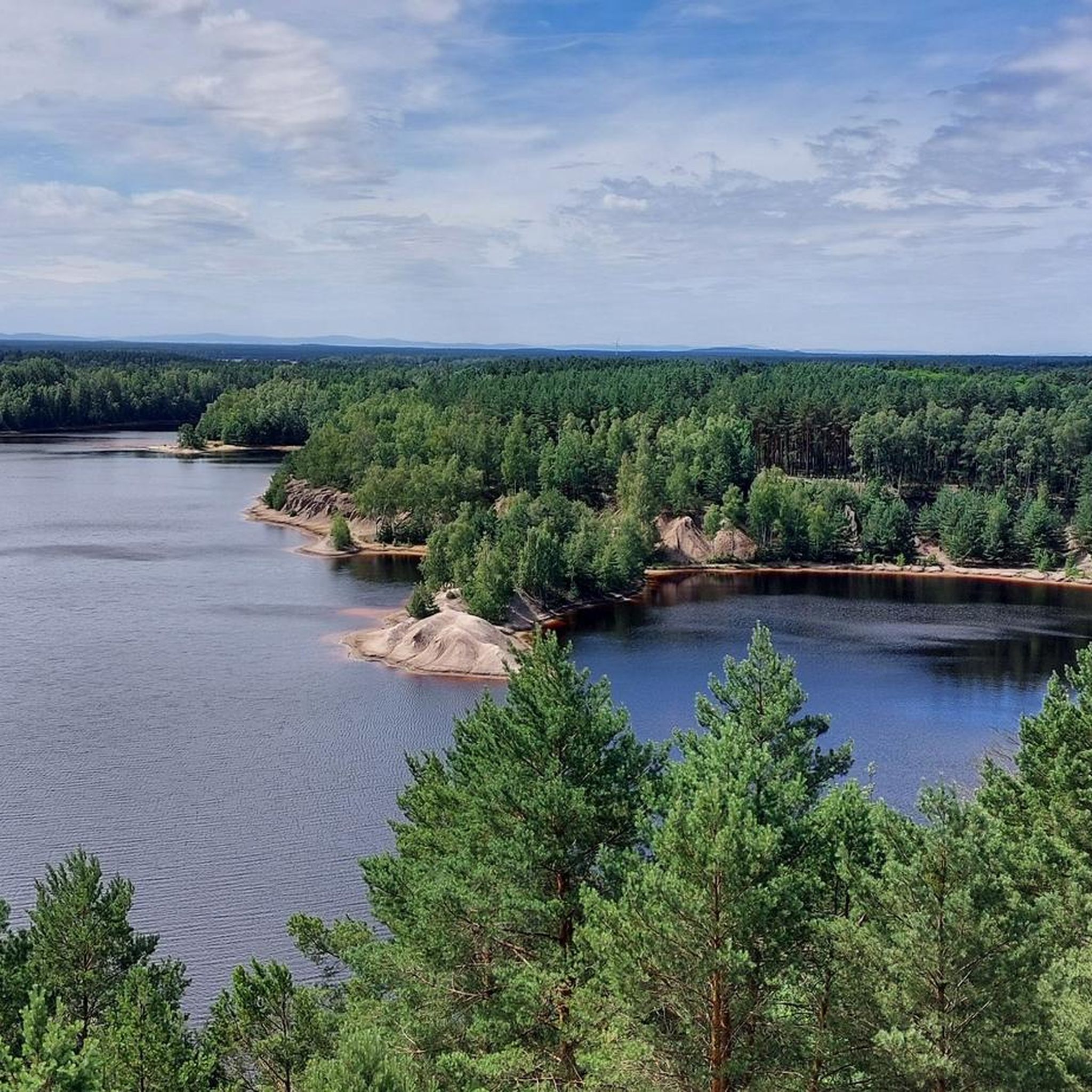
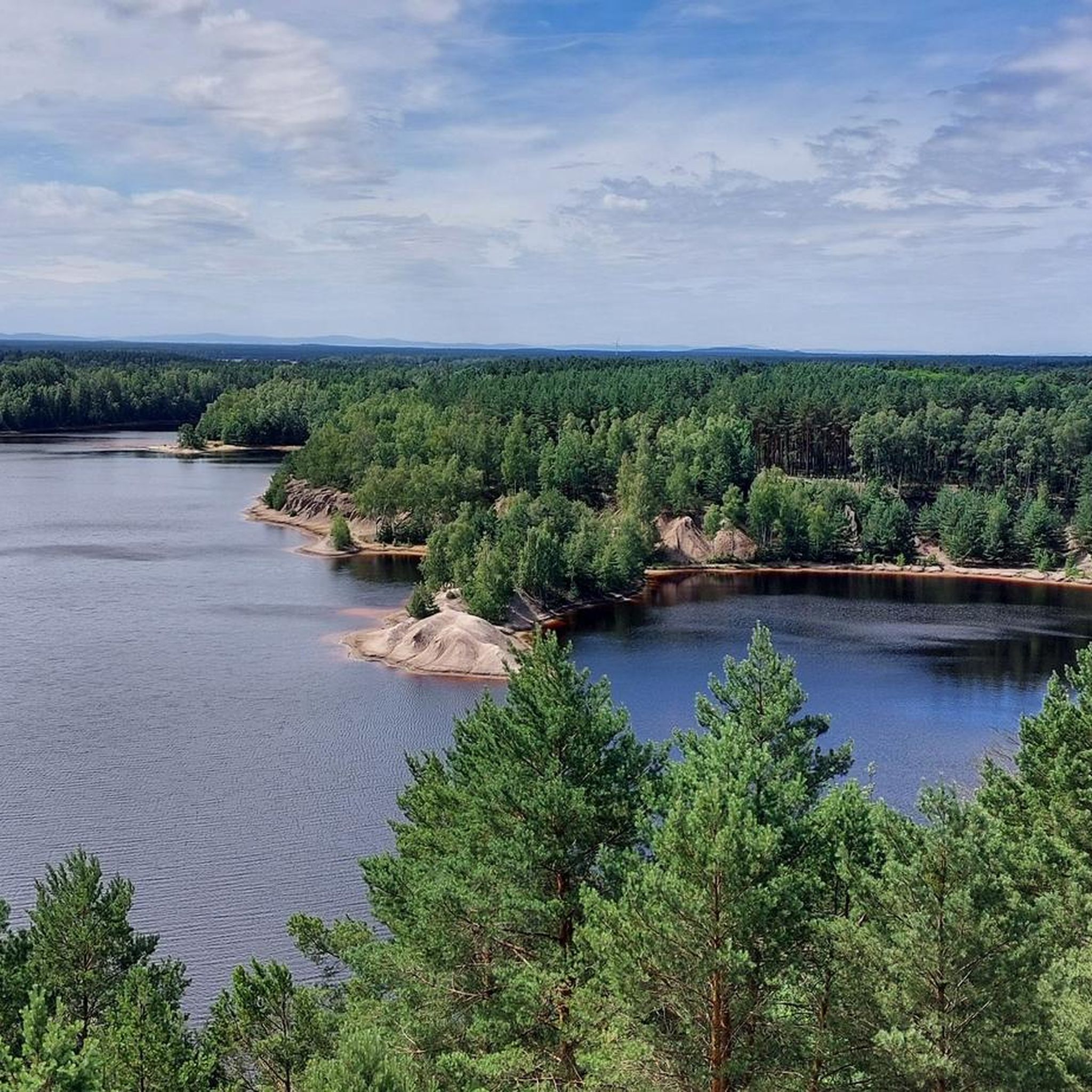
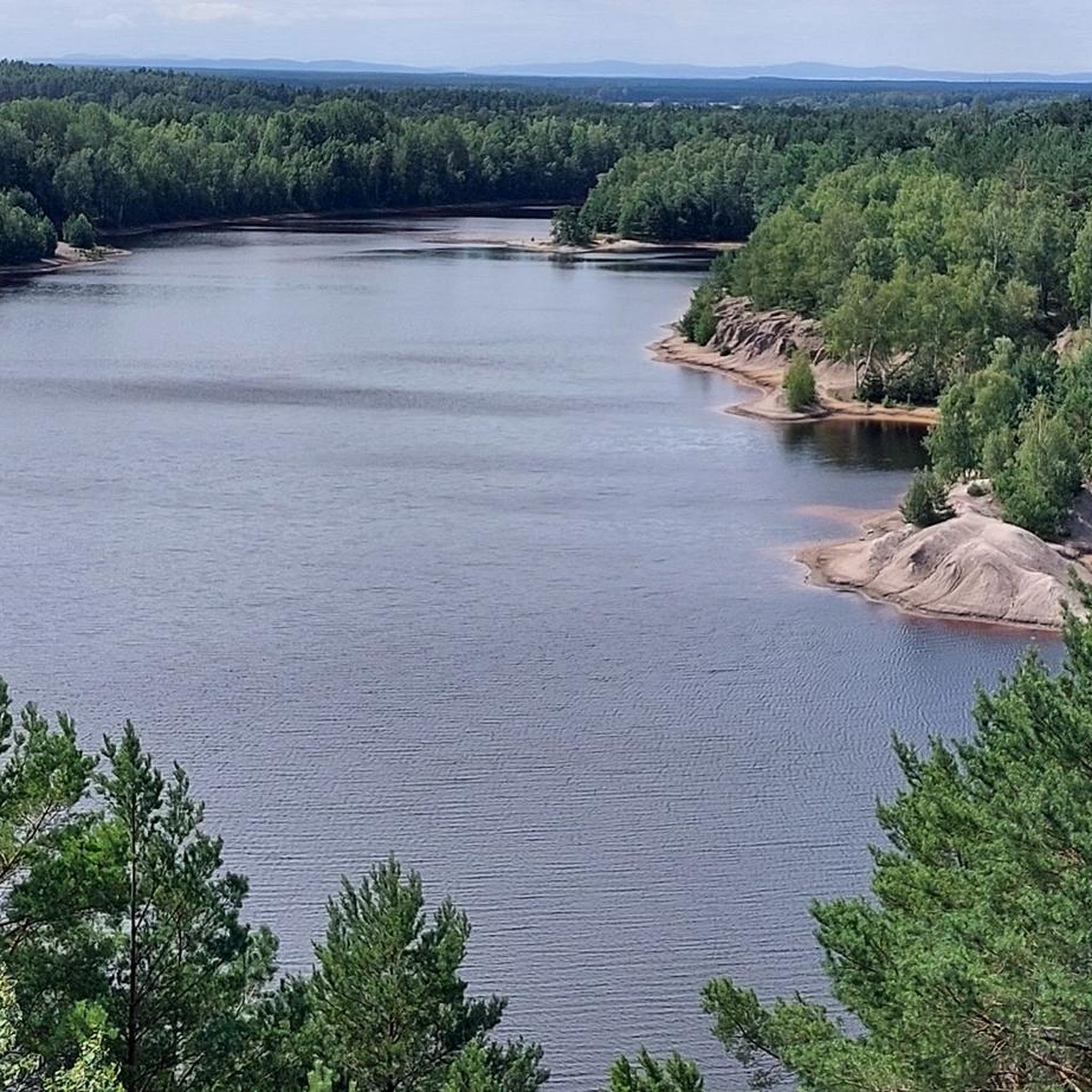
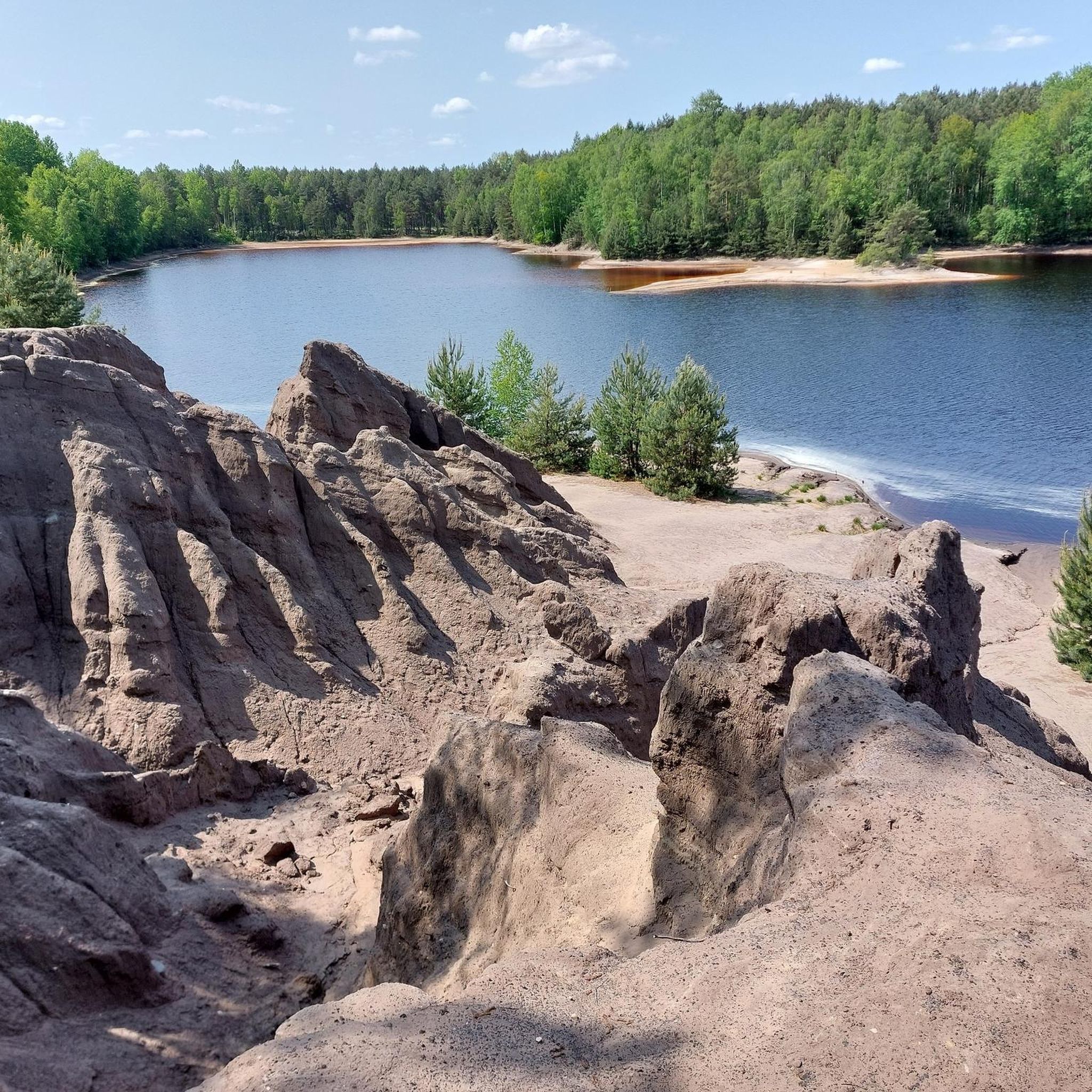
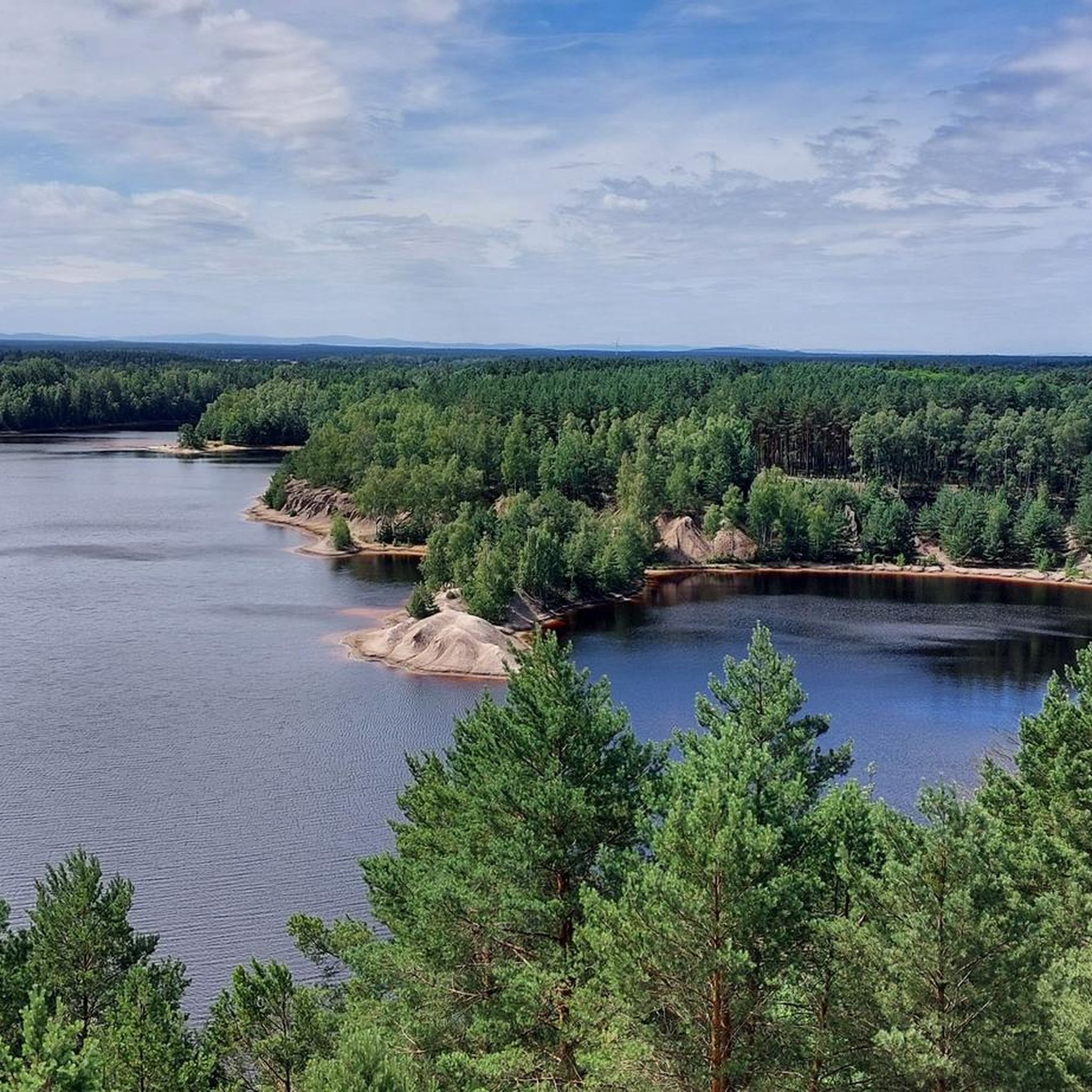
Observation tower on Lake Africa with a completely stunning view of not only the lake but also the entire area - green and blue (especially in summer) - a total blast!
1
0
The bridge, built in 1822, has been destroyed several times, most recently in 1945 due to the effects of war. After 65 years, its reconstruction began, and since autumn 2011 it has once again offered visitors a direct connection to the former location of the English House in the north-eastern part of the park. https://de.wikipedia.org/wiki/Englische_Brücke
5
0

The large boulder bears a commemorative plaque commemorating the park's creator, Prince Hermann von Pückler-Muskau, and attracts many visitors who stop here for a break. This vantage point offers a beautiful view across the Neisse to the German part of the park, which makes it particularly easy to experience the spaciousness and harmony of this cross-border landscape architecture. The path along the Neisse leads directly past the Pücklerstein, and the gentle elevation of the terrain makes this place a peaceful retreat where you can enjoy nature and feel the connection between the German and Polish parts of the park.
0
0
Anyone traveling along the Oder-Neisse Cycle Path and thinking there are no more surprises hasn't yet experienced the "Black Pit." A name like something out of an old fairytale book—and that's exactly how it feels when you immerse yourself in this forest. The path narrows, the light is filtered, and the noise of the world stays outside like an unwelcome guest. Here, in the nature reserve near Jerischke, they stand close together: small-leaved lindens, pedunculate oaks, hornbeams, and beeches—old trees with a gnarled character. The ground is soft, the leaves are fragrant, and somewhere a bird calls, seemingly in no hurry. No wonder some simply call this section the "Fairytale Forest." Those who rest here might hear the moss breathing—or at least their own heart. The "Black Pit" isn't a tourist hotspot, but a place that lives in silence. One that shows that not every attraction has to be loud. And that sometimes the best thing is simply to stop for a moment, take a deep breath, and realize: I'm here. In the middle of the forest, in the middle of now. For cyclists, this section is more than just a passage – it's an invitation to dismount. To look. And maybe even to marvel. Because anyone who rides through this forest with their eyes open will take away more than just kilometers: a feeling of peace, of grounding – and a little touch of magic.
1
0
The German-Polish border on the Neisse runs quietly and calmly through the green landscape. On one side of the river stands the red and white striped border post, on the other the black, red and gold one. Both markers are silent witnesses to the border line that runs right through the spacious Muskau Park. The Neisse flows gently between the two countries, and as you walk along the river you feel little of the political significance of this border region. Nature is in charge here - forests, meadows and the calming flow of the water dominate the picture. The border crossing is seamlessly integrated into the landscape, and you often don't notice that you are crossing a border here. For hikers and cyclists, this is a place of peace and quiet where you can enjoy the beauty of the surroundings while the history and significance of this border region remains in the background.
0
0
Frequently Asked Questions
What unique natural features can I expect to see in the Żary region?
The Żary region offers a diverse range of natural features. You'll find varied topography with hills and deep valleys, especially within the Żary Forest. The nearby Łuk Mużakowa Landscape Park, a UNESCO Global Geopark, features unique geological formations resulting from glacial activity and former lignite mining. These include distinctive rust-red and orange-brown 'spring pots' at the Source of Acid Mine Drainage, and lakes formed in former mining pits like Settlement caused by underground mining operations, where a sunken forest emerges from a red lake.
Are there specific trees designated as natural monuments in Żary?
Yes, Żary is recognized for specific tree species that have been individually designated as natural monuments due to their age, size, rarity, or aesthetic significance. These include the Swamp Cypress, London Plane, Norway Maple, Ginkgo Biloba, Sycamore Maple, and European White Elm. While their exact locations vary, they can often be found in parks and green spaces throughout the town, contributing to its arboreal heritage.
What are some of the most interesting geological formations in the Łuk Mużakowa Landscape Park?
The Łuk Mużakowa Landscape Park, part of a UNESCO Global Geopark, boasts several fascinating geological formations. A notable example is the Source of Acid Mine Drainage, where water rich in iron particles creates distinctive rust-red and orange-brown 'spring pots.' Another is Settlement caused by underground mining operations, a sunken forest where trees stand in a red lake formed by subsidence from lignite mining. These sites showcase the area's mining history and natural processes.
Can I find hiking trails near the natural monuments around Żary?
Yes, the Żary Forest and Łuk Mużakowa Landscape Park offer well-maintained tourist and bike trails, making them ideal for hiking. For specific hiking routes, you can explore options like those found in the Waterfall hikes around Żary guide, which includes routes like the 'Fürst Pückler Castle – Herrenberg Viaduct loop from Bad Muskau - Mužakow'.
Are the natural monuments around Żary suitable for families with children?
Many natural monuments in the Żary region are family-friendly. For instance, the Afryka Lake Observation Tower (Babina Mine), Łuk Mużakowa Landscape Park offers an engaging experience with its unique lake shape and panoramic views. The Settlement caused by underground mining operations also provides an interesting and educational experience for all ages. The well-maintained trails in Żary Forest are also suitable for family walks.
Is it possible to visit the natural monuments with a dog?
Generally, natural areas like the Żary Forest and Łuk Mużakowa Landscape Park are welcoming to dogs, especially on trails. However, it's always recommended to keep dogs on a leash and adhere to any specific signage or regulations within protected areas or near sensitive wildlife habitats. Always ensure to clean up after your pet.
What is the best time of year to visit the natural monuments around Żary?
The natural monuments around Żary can be enjoyed throughout the year. Spring and autumn offer pleasant temperatures and vibrant colors, making them ideal for hiking and exploring. Summer is great for longer days and outdoor activities, while winter can transform the Żary Forest into a scenic landscape suitable for cross-country skiing, weather permitting.
Are there good viewpoints to appreciate the landscape?
Yes, there are excellent viewpoints. The Afryka Lake Observation Tower (Babina Mine), Łuk Mużakowa Landscape Park provides a 360-degree panoramic view, allowing you to see the unique Africa-shaped lake and the surrounding post-mining landscape. The Pücklerstein Memorial also offers picturesque views across the Neisse River to the German section of the Fürst-Pückler Park.
What kind of outdoor activities are available near these natural monuments?
The region around Żary offers a variety of outdoor activities. Besides hiking and walking through the Żary Forest and Łuk Mużakowa Landscape Park, you can find numerous cycling and mountain biking opportunities. For example, the MTB Trails around Żary guide features routes like the 'Bismarckturm Ruins – Picnic Area in Zielony Las loop from Żary'. Running is also popular, with trails such as the 'Góra Żarska Observation Tower – Bismarckturm Ruins loop from Żary' found in the Running Trails around Żary guide.
Where can I find parking when visiting the natural monuments?
Parking facilities are generally available near popular natural monuments and trailheads, especially within the Łuk Mużakowa Landscape Park. For instance, the Border on the Neisse at the Bad Muskau weir island is a highlight with parking available. It is advisable to look for designated parking areas at the entrances to the parks or near specific attractions.
Are there any historical or cultural sites integrated with the natural monuments?
Yes, the region beautifully integrates natural and historical elements. The Pücklerstein Memorial, a large boulder with a commemorative plaque, honors Prince Hermann von Pückler-Muskau, the creator of the park. The Border on the Neisse at the Bad Muskau weir island is also a historical site within the natural landscape. These sites highlight the rich cultural heritage intertwined with the natural beauty of the area.
What is the "Schwarze Grube" Nature Reserve, and what can I see there?
The "Schwarze Grube" Nature Reserve, located near Jerischke within the Łuk Mużakowa Landscape Park, is often referred to as a "Fairytale Forest." It is known for its serene atmosphere and ancient, gnarled trees, including small-leaved lindens, pedunculate oaks, hornbeams, and beeches. It offers a tranquil setting for walking and experiencing undisturbed nature, making it a peaceful escape.
Are there any easy trails for exploring the natural monuments?
Yes, the Żary Forest and parts of the Łuk Mużakowa Landscape Park offer easy trails suitable for leisurely walks. The well-maintained tourist and bike trails within the Żary Forest are generally accessible. For example, the Neisse Bend offers a beautiful landscape with easy trails along the river. Many of the paths around the main attractions are designed for easy exploration.
Most popular routes around Żary
Most popular attractions around Żary

Get inspired with the komoot mobile app


Didn’t find what you were looking for?
Find even more amazing natural monuments around Żary by checking out the top Highlights region by region:
Explore more
Extend your search for the best caves by checking out these guides of the top ones around Żary:
