Top 4 Natural Monuments around Radwanice
Best natural monuments around Radwanice include a variety of natural attractions, from historic parks to ancient forests and significant trees. The region's landscape features deeply carved slopes, ravines, and wetlands, providing diverse natural settings. These areas offer opportunities to observe unique flora and fauna, including old-growth forests and various bird species. Radwanice and its surroundings are characterized by their natural beauty and ecological significance.
Best natural monuments around Radwanice
- The most popular natural monuments is Observation tower with a view…
Last updated: May 17, 2026
St. James' Spring
Highlight • Natural Monument
Translated by Google •
Tip by

Chrobry Oak
Highlight • Natural Monument
Translated by Google •
Tip by

Sign up now to discover places like this
Get recommendations on the best single tracks, peaks, & plenty of other exciting outdoor places.
Sign up for free
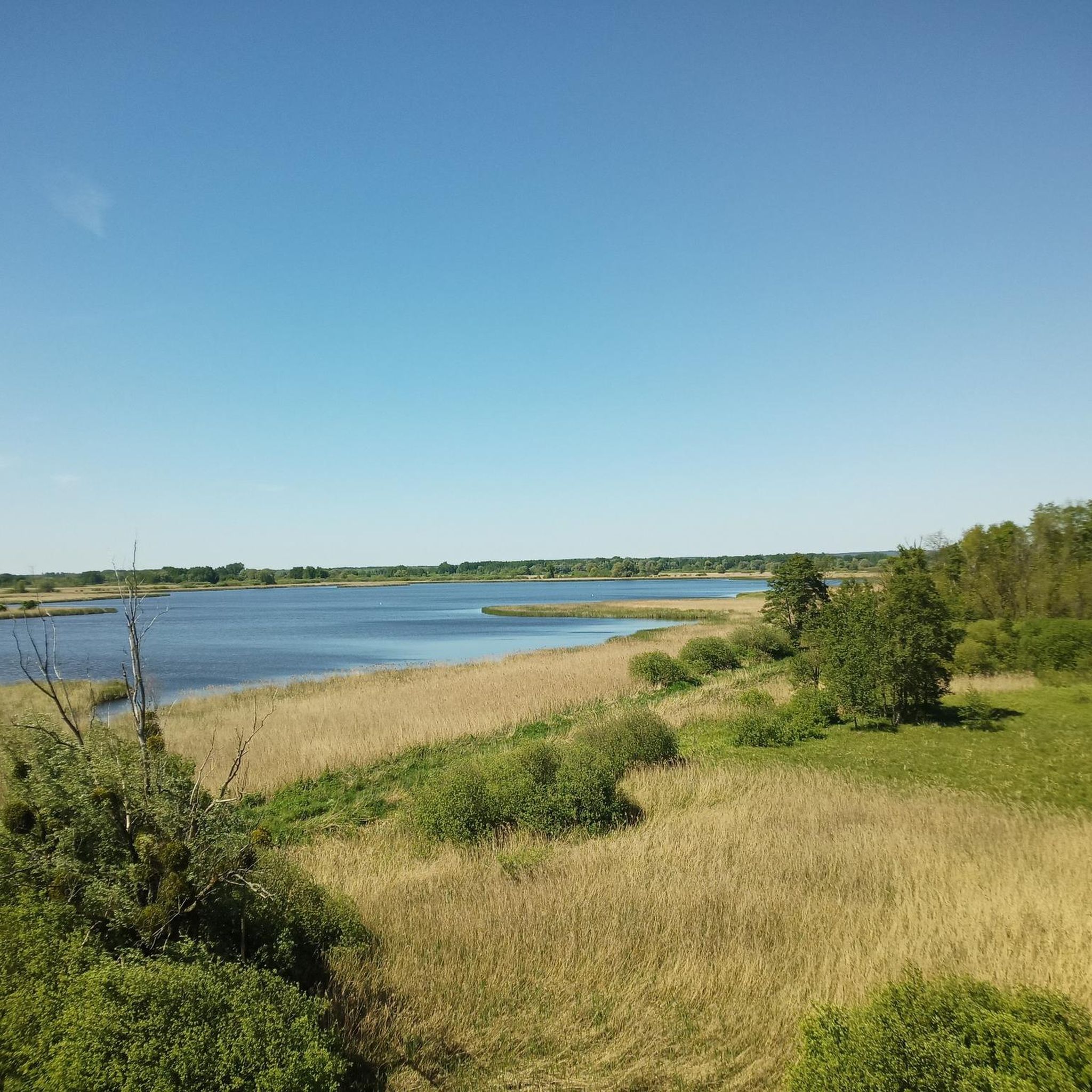
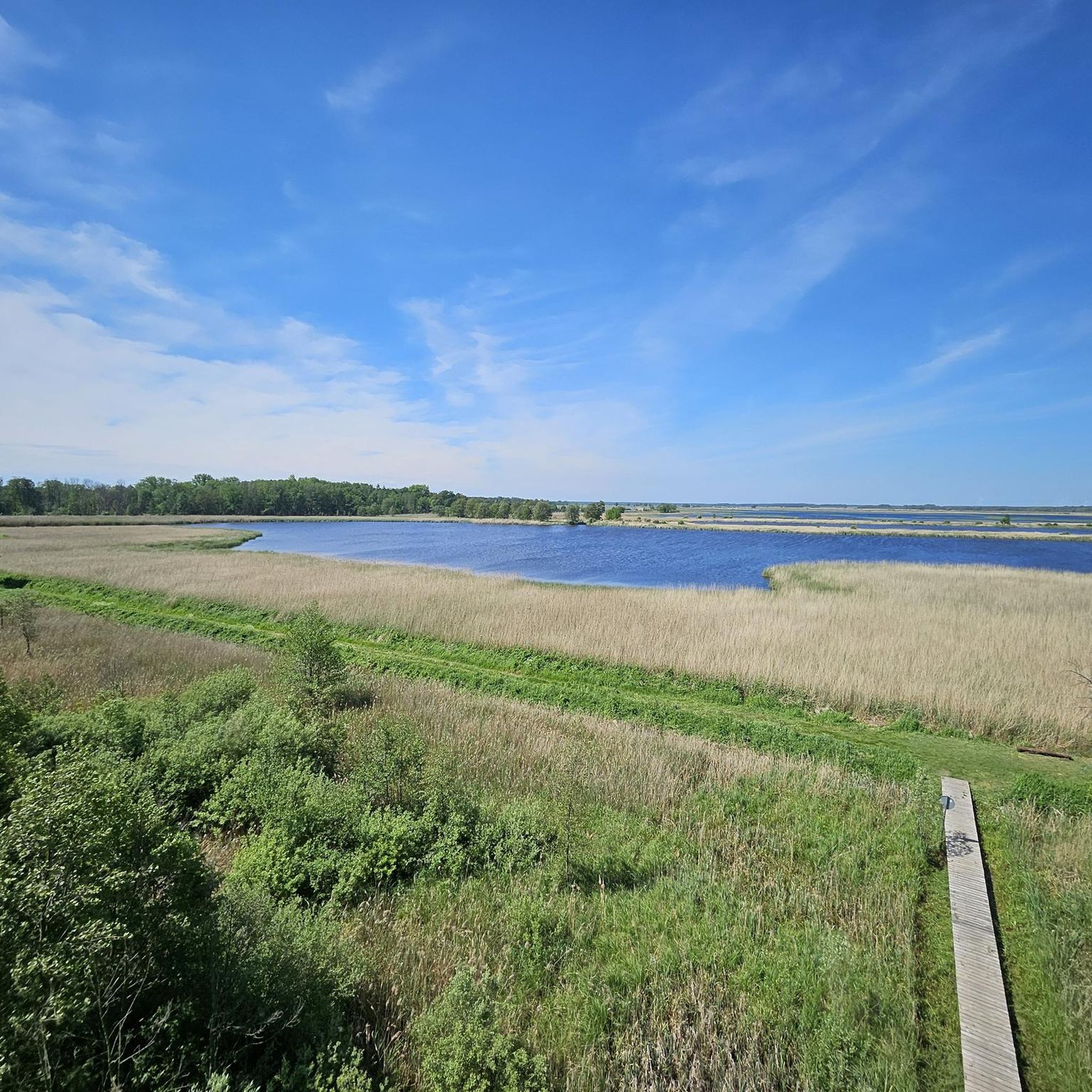
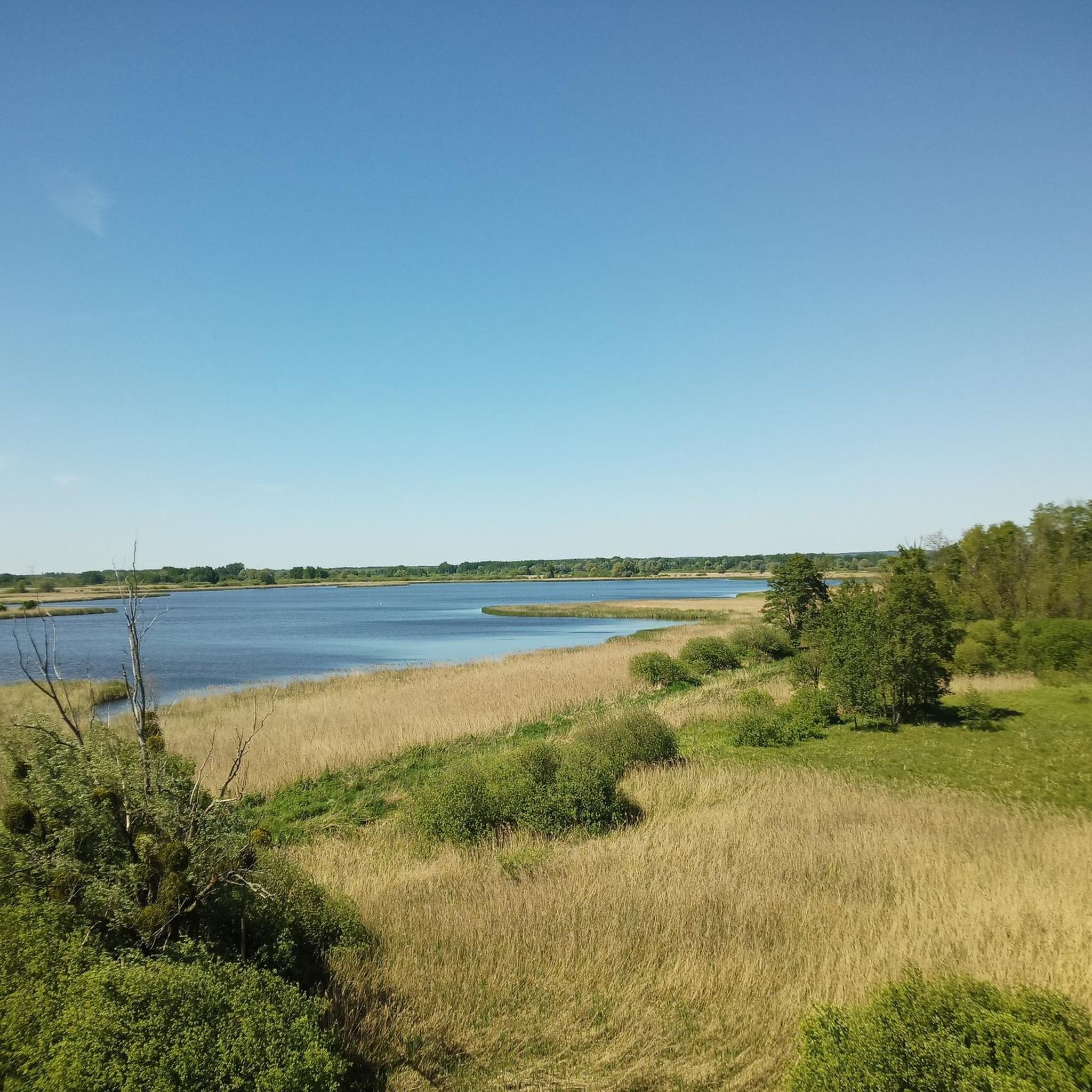
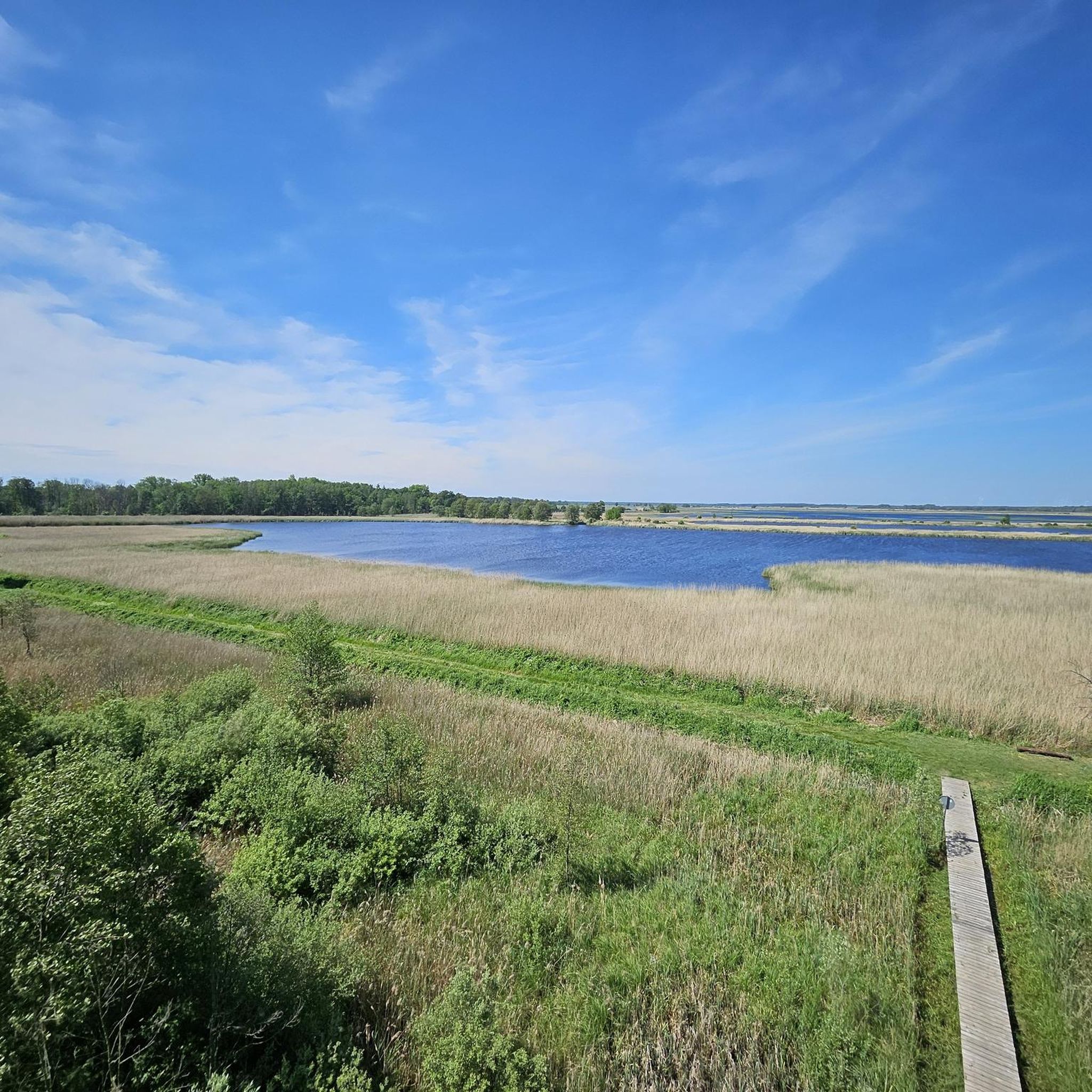
Observation tower with a view of the Przemkowski Park Krajobrazowy wetlands
Highlight • Viewpoint
Translated by Google •
Tip by
The forests of Przemkowski Landscape Park
Highlight (Segment) • Forest
Translated by Google •
Tip by

Beautiful forests south of Wikocin
Highlight (Segment) • Forest
Translated by Google •
Tip by
Start today with a free account
Your next adventure awaits.
Login or Signup


Tips from the Community

Great view of the Szprotawa floodplains. A paradise for bird lovers. The tower is new, large, safe
0
0

A miraculous spring. A large plaque in the main tower entrance catches the eye: "THE MIRACLE-FOUNDED SPRING OF ST. JACOB IN JACOBÓW." To reach it, however, you must cross the sanctuary grounds and exit through the gate on the sacristy side. Head left toward the wooded area, where you'll notice steps leading down the ravine behind the sanctuary. The area is wooded and heavily overgrown, or rather, overgrown with bushes. A small square, a few benches, and the goal of our pilgrimage: the miraculous spring. It gushes at the foot of the hill on which the church stands. For centuries, the number of pilgrims to the church has been increased by those for whom St. JACOBÓW was an important additional destination. This was the case when, in the mid-14th century, King John II Casimir visited the church to discuss the future of Silesia with Charles IV, King of Bohemia and Emperor of the Holy Empire. Pilgrims from Silesia, Greater Poland, Bohemia, and Moravia came here. The water flowing from the spring was widely believed to have healing properties, particularly valued for healing wounds, improving eyesight, and treating infertility. Jakubów, with its miraculous spring, began to lose its importance as a pilgrimage destination in the mid-18th century, when Silesia fell under Prussian rule. Pilgrimages still occurred during the Second Polish Republic, but they disappeared completely after World War II. They have only returned in a grand way in recent years, but Prussian and communist barbarism deprived Jakubów of its testimonies and documents of grace. Source: https://cudownezrodelka.pl/miejsce/jakubow/
0
0

A fantastic place: the tower offers really beautiful views of the area - marshes and ponds. It's worth spending a few minutes here.
0
0
South of Wikocin there are exceptionally beautiful and peaceful forests and an opportunity to relax in the company of trees.
0
0
Beautiful and peaceful forests of this landscape park. The roads are comfortable and straight as a bullet. Generally, you walk on flat ground - the surrounding hills are so low that you can not notice them at all. Peace and quiet... you can almost forget that Przemków exists...
0
0

On foot or by bike (road bike can be taken from Piotrowice). There is a roofed shelter with a place for a bonfire by the tree.
0
0
Access via a wooden footbridge, where you need to be careful (it varies depending on the level of maintenance). In theory, cycling is prohibited.
2
0
Frequently Asked Questions
What kind of natural features can I expect to see around Radwanice?
The Radwanice area is rich in diverse natural features, including historic parks, ancient forests, and significant old trees. You can explore unique fragments of old beech and deciduous forests, deeply carved slopes, ravines, and wetlands. Notable features include the St. James' Spring, known for its historical beliefs, and the extensive Przemkowski Park Krajobrazowy wetlands.
Are there any nature reserves near Radwanice?
Yes, the Buczyna Jakubowska Nature Reserve is located very close to Radwanice, near the village of Jakubów. This reserve protects unique fragments of old beech and diverse deciduous forests, along with a rich ground flora. It's also home to the legendary St. James' Spring and an educational path for visitors.
What are some historically significant natural monuments in the region?
The Park in Radwanice, established in the first half of the 19th century, is a historic natural monument featuring a rich variety of old trees and two ponds. Additionally, the 'Buczek' Oak, a 380-year-old pedunculate oak, stands in a former manor park in Buczyna and is protected for its cultural and landscape value. The St. James' Spring also has a long history of associated healing legends.
Are there family-friendly natural monuments around Radwanice?
Absolutely. The historic Park in Radwanice is ideal for families, offering a playground, an outdoor gym, and stylish benches for relaxation. The Observation tower with a view of the Przemkowski Park Krajobrazowy wetlands is also considered family-friendly, providing beautiful views. The Chrobry Oak is another great spot, with a sheltered area perfect for a family picnic.
What outdoor activities can I do near these natural monuments?
The area around Radwanice offers various outdoor activities. You can enjoy cycling, mountain biking, and road cycling on numerous routes. For example, there are several moderate cycling routes like the 'Folwark Jerzmanowa – Palace in Obiszówek loop' or MTB trails such as the 'Jerzmanowa Church – Jerzmanowa Palace loop'. You can find more details on these activities in the Cycling around Radwanice, MTB Trails around Radwanice, and Road Cycling Routes around Radwanice guides.
Are there hiking or walking trails near the natural monuments?
Yes, the Buczyna Jakubowska Nature Reserve features an educational path, perfect for nature walks and learning about forest ecology. The Park in Radwanice also offers pleasant walking paths. Additionally, the forests of Przemkowski Landscape Park, including areas like The forests of Przemkowski Landscape Park and Beautiful forests south of Wikocin, provide comfortable and peaceful trails for walking on generally flat ground.
What is the 'Heart of the Dalkowskie Hills' Beech Tree?
The 'Heart of the Dalkowskie Hills' Beech Tree, located in Dalków, is a remarkable 300-year-old common beech known for its distinctive red leaves. It has become a significant symbol and gathering place for the community, hosting various events and attracting tourists who believe it makes wishes come true. This tree was even nominated for the European Tree of the Year contest in 2025.
What kind of wildlife can I see in the natural monuments area?
The Buczyna Jakubowska Nature Reserve is a sanctuary for many bird species, including the song thrush, stock dove, common chaffinch, wood warbler, blackbird, great spotted woodpecker, common starling, Eurasian nuthatch, Eurasian blue tit, and black woodpecker. The ponds in the Park in Radwanice also attract various bird species, making the region a good spot for birdwatching.
What do visitors enjoy most about the natural monuments around Radwanice?
Visitors particularly appreciate the beautiful views from the Observation tower with a view of the Przemkowski Park Krajobrazowy wetlands, describing it as a fantastic place to spend a few minutes. The peaceful and beautiful forests, such as those in Przemkowski Landscape Park, are also highly valued for their tranquility and comfortable paths. The Chrobry Oak is noted for its impressive size and the convenient shelter nearby.
Is there parking available near the natural monuments?
While specific parking details for every monument are not always listed, popular sites like the Chrobry Oak are accessible by foot or bike, suggesting nearby parking options for visitors. For the Park in Radwanice and Buczyna Jakubowska Nature Reserve, local parking facilities in Radwanice or Jakubów would be the most likely options.
What is the best time to visit the natural monuments around Radwanice?
The natural monuments around Radwanice offer beauty throughout the year. Spring brings vibrant flora, especially in the Park in Radwanice with its spring anemones and flower clearings. Summer is ideal for enjoying the recreational facilities and lush greenery. Autumn showcases the rich colors of the deciduous forests in Buczyna Jakubowska and the 'Heart of the Dalkowskie Hills' Beech Tree. Even winter can offer serene, peaceful landscapes, though some paths might be less accessible.
Most popular routes around Radwanice
Most popular attractions around Radwanice

Get inspired with the komoot mobile app


Explore more
Extend your search for the best caves by checking out these guides of the top ones around Radwanice:
