Top 11 Natural Monuments around Hajnówka
Natural monuments around Hajnówka are primarily found within the ancient Białowieża Forest, a UNESCO World Heritage site. This region is renowned for its primeval character and exceptional biodiversity, making it a significant natural landscape. The area features centuries-old trees, including numerous ancient oaks, and several erratic boulders. Hajnówka serves as a gateway to exploring these unique natural wonders.
Best natural monuments around Hajnówka
- The most popular natural monuments is Krynoczka Holy Spring and Chapel, a holy spring and chapel…
Last updated: July 13, 2026
Krynoczka Holy Spring and Chapel
Highlight • Religious Site
Krynoczka (a spring, a source), was formerly known as …
Translated by Google •
Tip by

Dębowy Grąd Nature Reserve
Highlight • Forest
Translated by Google •
Tip by

Sign up now to discover places like this
Get recommendations on the best single tracks, peaks, & plenty of other exciting outdoor places.
Sign up for free
Michnówka Nature Reserve
Highlight • Forest
Translated by Google •
Tip by
Sacred Spring and Chapel of the Seven Maccabean Brothers
Highlight • Religious Site
There was also an early medieval cemetery nearby.
Translated by Google •
Tip by

Bison Monument
Highlight • Monument
Translated by Google •
Tip by

Sign up for free to discover even more natural monuments around Hajnówka.
Sign up for free
Already have an account?
Start today with a free account
Your next adventure awaits.
Login or Signup

Tips from the Community


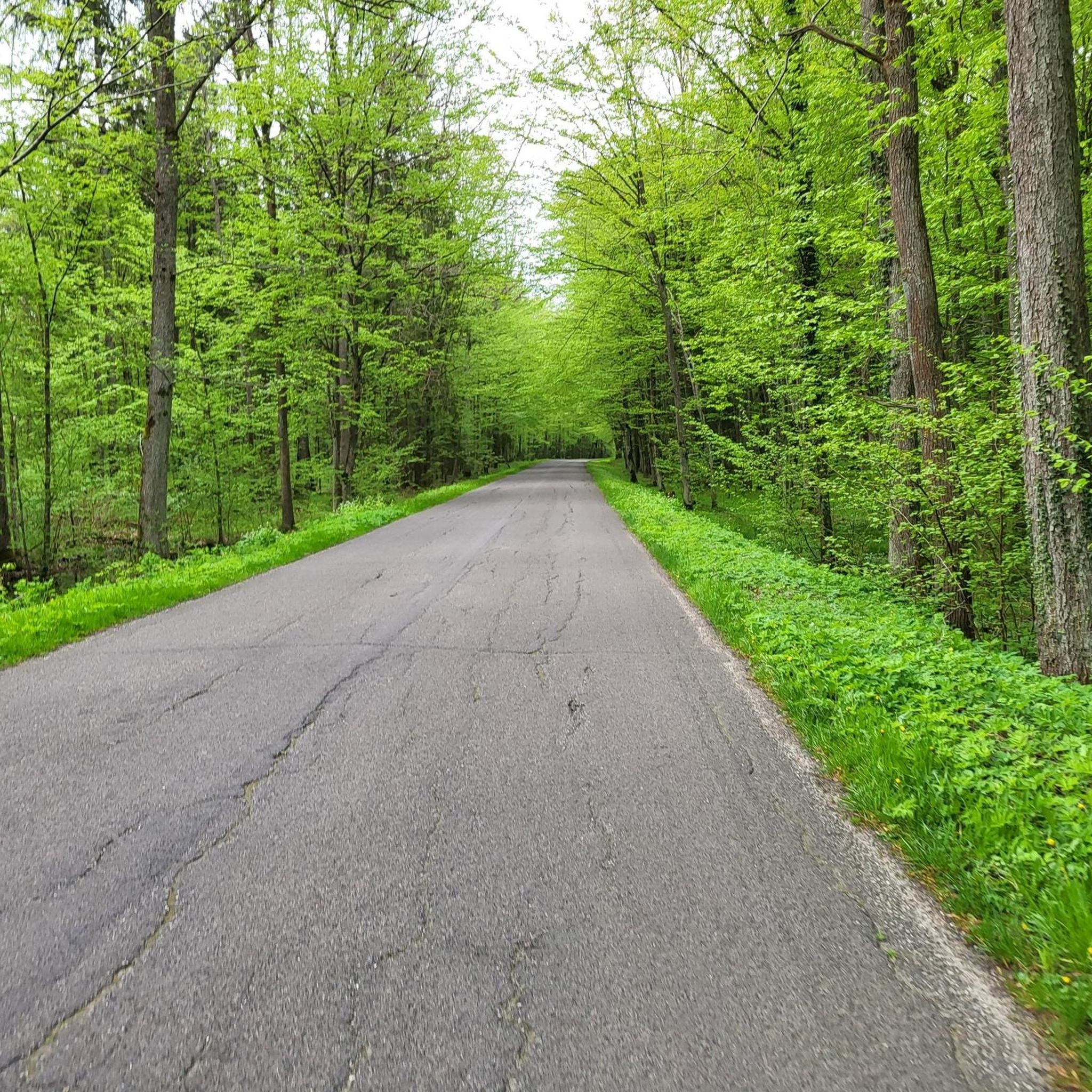
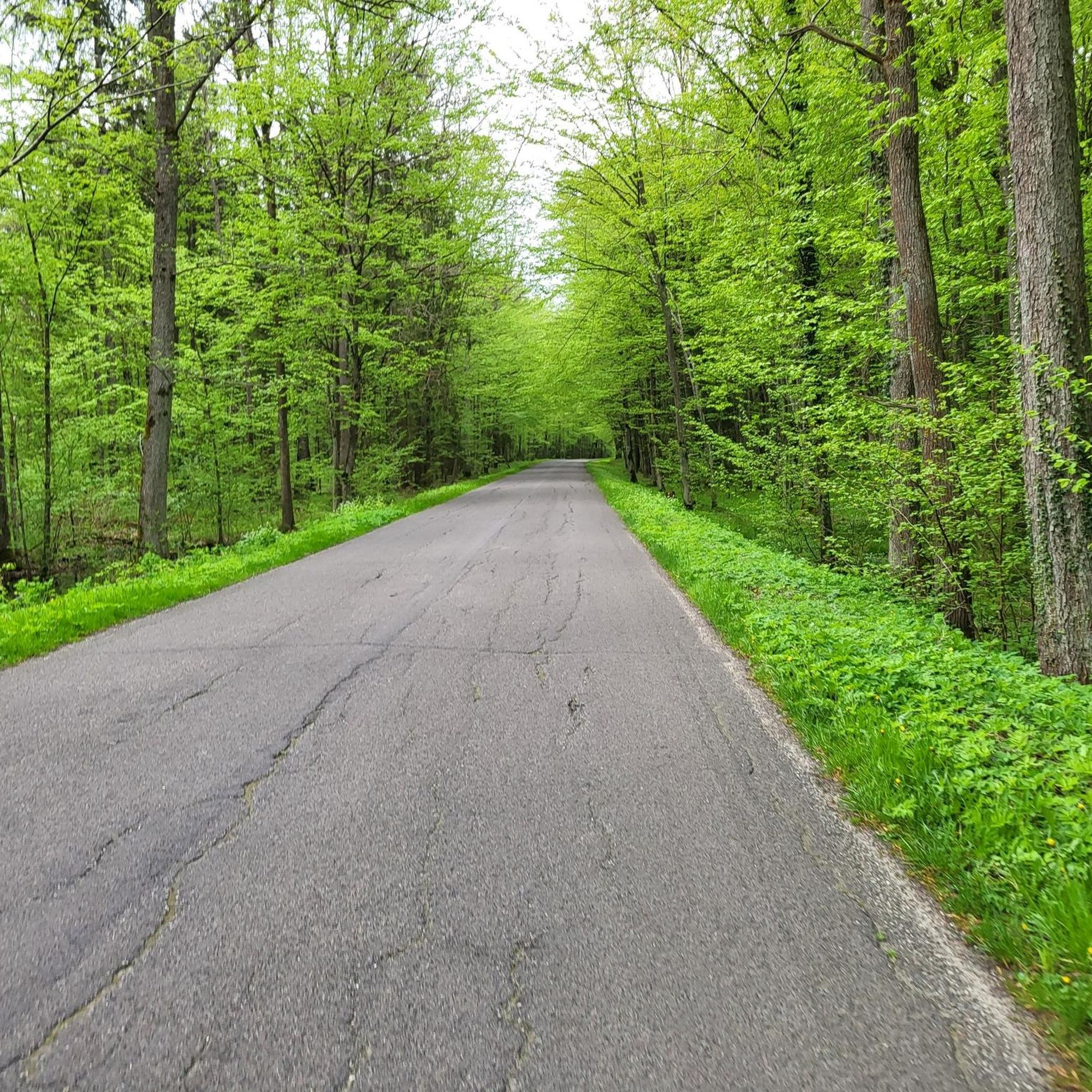
The Dębowy Grąd nature reserve is a picturesque part of the Białowieża Forest protecting natural oak-hornbeam forests with a predominance of oaks and ash trees and the peat bog valley of the Dubitka River. It was established in 1985 and covers over 100 hectares. It is a great place for a peaceful trip among wild nature, especially for lovers of forest landscapes. It lies on the Green Velo route.
2
0
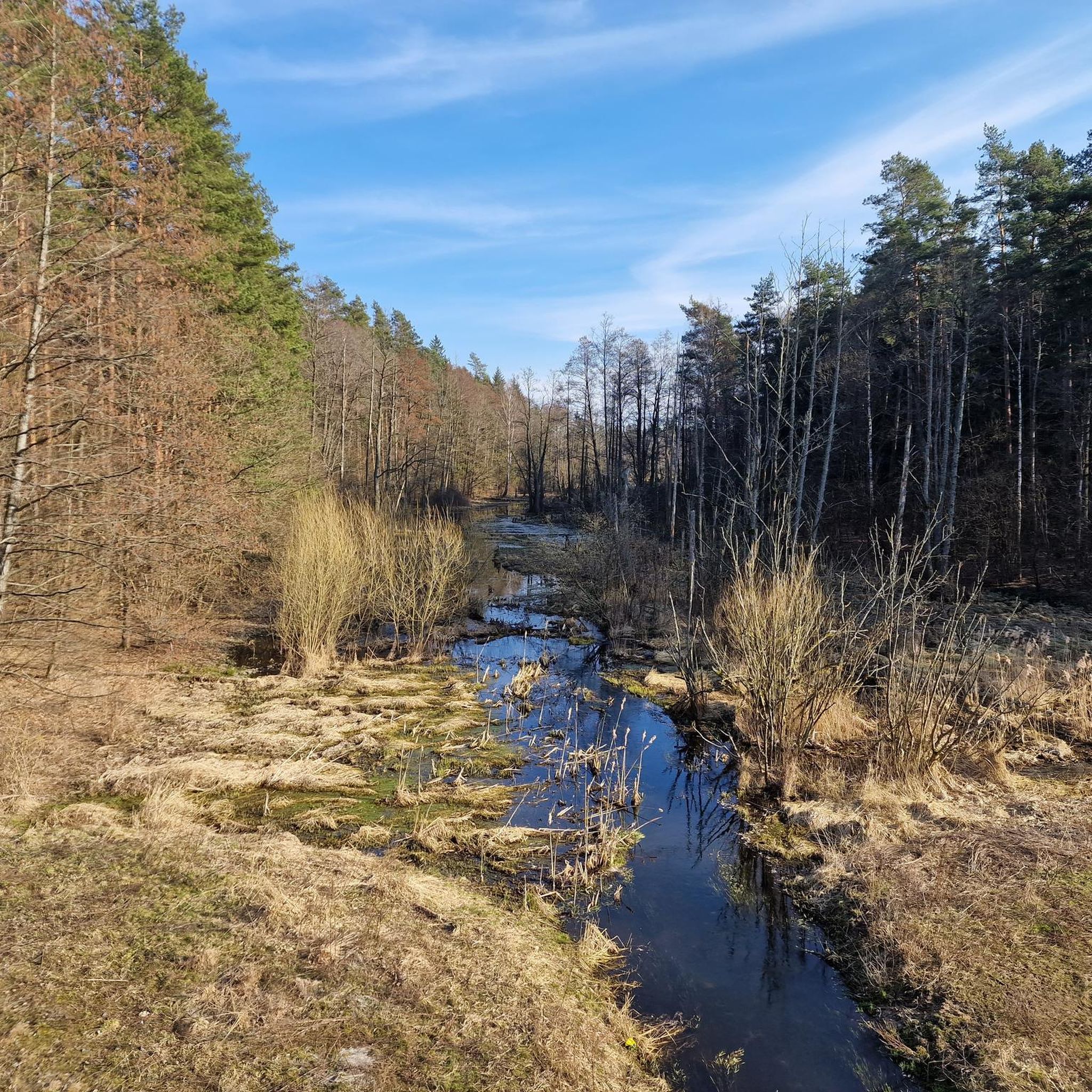
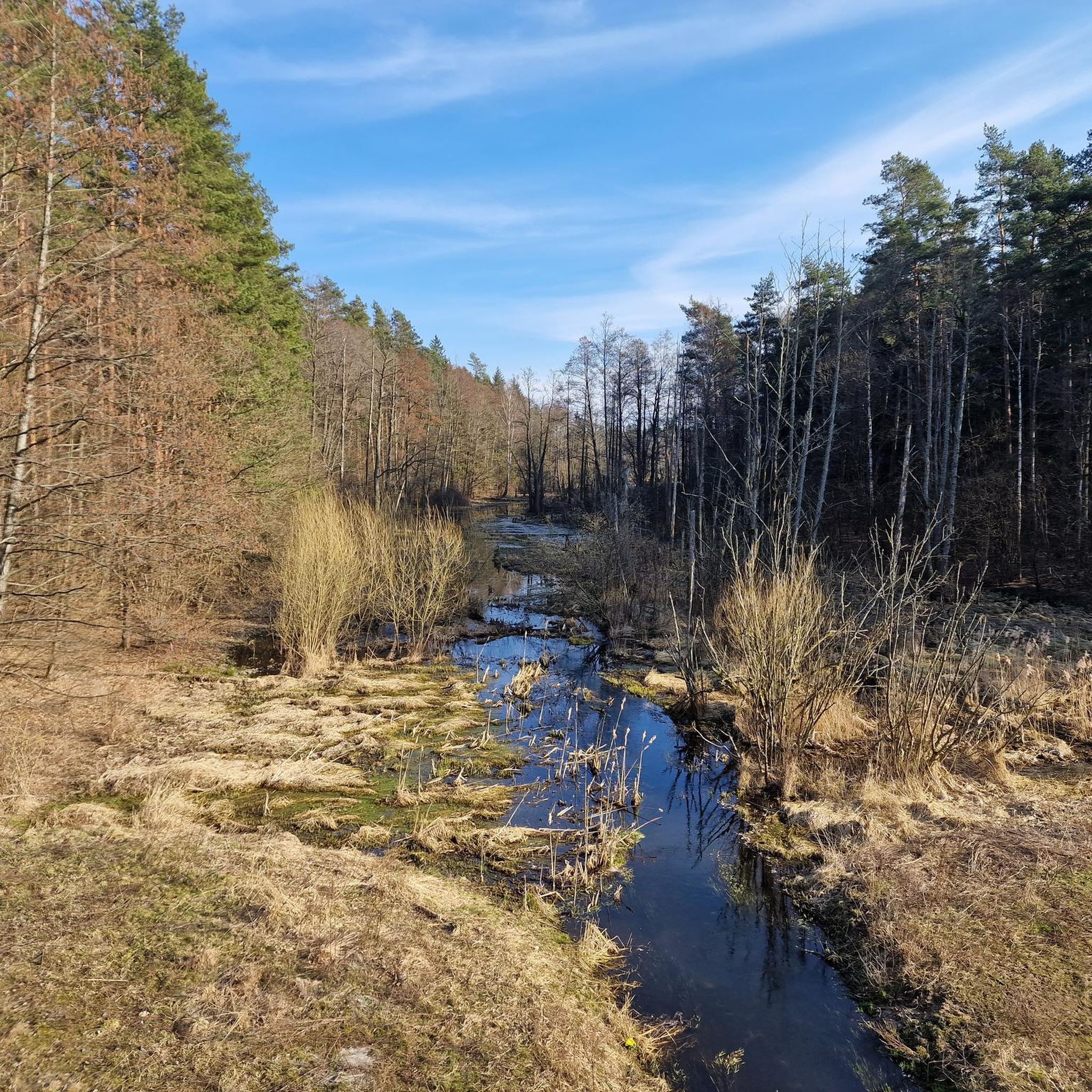
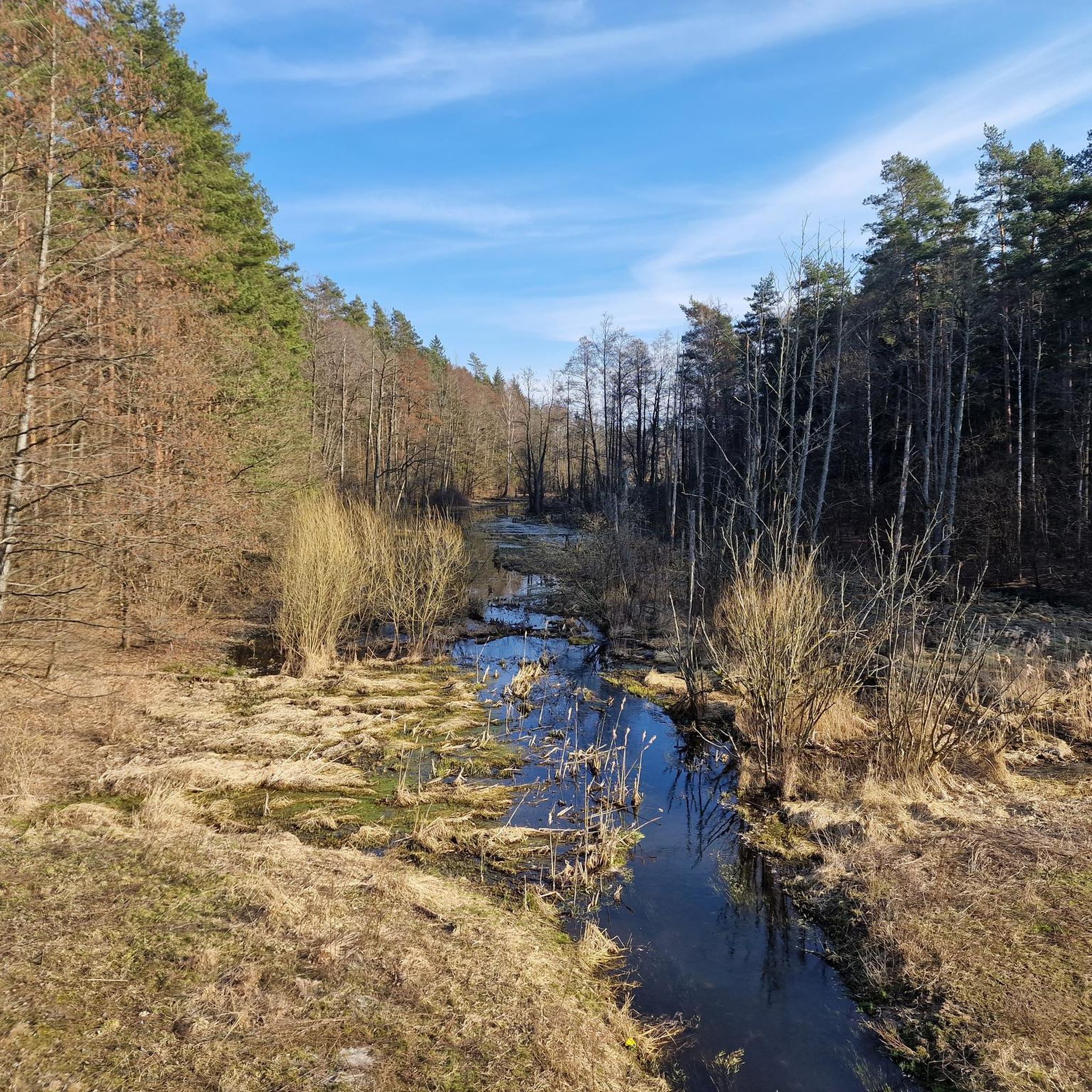
The Michnówka Reserve in the Białowieża Forest protects valuable wetlands and alder and ash forests, which are a refuge for many rare birds, such as cranes and black storks. The trails can be boggy in places, so wider tires and waterproof panniers will be a good idea. The area is peaceful and there is little tourist traffic, which is conducive to contact with nature and a peaceful ride.
1
0

A spring in the Białowieża Forest, located 3 km from Hajnówka on the Hajnówka-Białowieża route, considered miraculous by the Orthodox Church. Krynoczka (a spring, a source), was formerly known as the Miednoje forest, from the name of a stream flowing nearby. It is a place of annual pilgrimage for the feast of the Holy Trinity. Nearby stands a wooden church, built in 1846, dedicated to the Holy Brothers Maccabees, belonging to the parish of the Dormition of the Most Holy Mother of God in Dubiny. By the well (currently located under a shelter), a small wooden chapel was built in 1848 from donations from local believers. According to legends cultivated by the Orthodox, the cult of the holy spring in the Miednoje forest was known in the 13th century and was associated with the existence of a small monastery there, founded by monks fleeing the Tatar invasion. Another legend tells of a miraculous revelation of the icon of the Mother of God on a nearby tree. The cult of the spring, documented in the 19th century, was only local, and the Holy Liturgies in the local chapel were held only on the day of the commemoration of the Brothers Maccabees and on the feast of the Exaltation of the Lord's Cross. Since 1894, the third day of liturgical celebrations has been the second day of the Holy Trinity. Krynoczka was also known to monks from the Monastery of the Holy Spirit in Vilnius, who, on pilgrimage to the monastery in Wirów and to the monastery in Leśna, stopped there to pray with the local residents. Pilgrims visiting Krynoczka traditionally wipe the sick place with a handkerchief moistened in its water, and then leave it on the fence behind the well, thus symbolically getting rid of the disease. The place is included in the travel plan in the tab - Recommended trips, weekend in Podlasie. https://jadenapodlasie.pl/oferty/krynoczka-swieta-krynoczka-zrodlo-w-pusty-bialowieskiej
4
0

Krynoczka, Orthodox church from 1848
0
0

The bronze bison monument weighs over 800 kg. The hunters, having collected 6,000 scales, handed them over for scrap and finalized the casting of the monument - a faithful copy of the bison obelisk from 1862.
0
0
a wonderful place on the Hajnówka - Białowieża route.
0
2
Krynoczka was formerly known as the Miednoje wilderness
0
0
Frequently Asked Questions
What are some of the most popular natural monuments around Hajnówka?
Visitors frequently enjoy the Krynoczka Holy Spring and Chapel, known for its miraculous waters and historical legends. Another highly regarded spot is the Michnówka Nature Reserve, which protects valuable wetlands and alder and ash forests, offering a peaceful environment for observing rare birds. The Bison Monument is also a significant attraction, highlighting the region's role as a sanctuary for European bison.
Are there family-friendly natural monuments around Hajnówka?
Yes, several natural monuments are suitable for families. The Krynoczka Holy Spring and Chapel is accessible and offers a unique cultural experience. The Dębowy Grąd Nature Reserve provides a peaceful setting for walks through ancient oak-hornbeam forests. Additionally, the Bison Monument is an engaging stop for all ages, and the Gate of the Two Oaks offers an impressive view along a pleasant trail.
What unique natural features can I expect to see in the Hajnówka area?
The Hajnówka area is dominated by the Białowieża Forest, a UNESCO World Heritage site. You can expect to see ancient, primeval forests with centuries-old trees, particularly majestic English oaks, some over 300 years old. The forest is also home to several erratic boulders, remnants from the ice age. Its unique ecosystem includes significant 'dead wood' which supports a vast array of fungi and insects, contributing to its exceptional biodiversity.
Can I spot wildlife near the natural monuments in Hajnówka?
Yes, the Białowieża Forest is a biodiversity hotspot. It is most famous as the sanctuary for the world's largest population of European bison. You may also encounter a wide variety of bird species, including rare ones like cranes and black storks, particularly in reserves like Michnówka Nature Reserve. The forest also hosts numerous other mammals, amphibians, reptiles, and thousands of invertebrate species.
Do any natural monuments around Hajnówka have historical or cultural significance?
Absolutely. The Krynoczka Holy Spring and Chapel is a site of annual pilgrimage for the Orthodox Church, with legends dating back to the 13th century. The ancient oaks themselves, especially those along the Royal Oaks Trail, are living testaments to the forest's long history and its protection by Polish kings and Lithuanian princes. The entire Białowieża Forest holds deep historical significance as one of Europe's last primeval forests.
What outdoor activities can I do near these natural monuments?
The region around Hajnówka offers diverse outdoor activities, primarily within the Białowieża Forest. You can explore numerous trails for mountain biking, such as the 'Białowieża Gravel Roads – Dębowy Grąd Nature Reserve loop from Hajnówka'. There are also dedicated running trails, including 'Białowieża Gravel Roads loop from Hajnówka', and road cycling routes like the 'Orthodox Church in Białowieża – Hunter's Inn "U Kolarza" loop from Hajnówka'. For more details on these activities, you can refer to the MTB Trails around Hajnówka, Running Trails around Hajnówka, and Road Cycling Routes around Hajnówka guides.
Are there hiking trails near the natural monuments in Hajnówka?
Yes, the Białowieża Forest offers extensive opportunities for hiking. A notable example is the Royal Oaks Trail (Szlak Dębów Królewskich), where you can walk among some of the oldest and most impressive oaks. Many forest paths and trails connect the various natural monuments and reserves, allowing for peaceful walks and immersion in nature. While specific hiking guides are not listed, the general outdoor activity guides mentioned above often include routes suitable for walking or can be adapted for hiking.
What is the best time of year to visit the natural monuments around Hajnówka?
The natural monuments around Hajnówka, particularly within the Białowieża Forest, are beautiful year-round. Spring brings lush greenery and blooming flora, while summer offers warm weather ideal for longer explorations. Autumn transforms the forest with vibrant colors, making it a picturesque time for visits. Even winter has its charm, with snow-covered landscapes offering a serene and unique experience, though some trails might be more challenging.
Are the natural monuments around Hajnówka generally accessible or challenging?
Most natural monuments, especially those within Hajnówka town or along well-maintained trails like the Royal Oaks Trail, are generally accessible. However, some areas within the Białowieża Forest, such as parts of the Michnówka Nature Reserve, can be boggy, especially after rain, requiring appropriate footwear. The Gate of the Two Oaks trail is described as smooth with small gravel, making it pleasant to ride or walk.
What makes the Białowieża Forest, near Hajnówka, so significant?
The Białowieża Forest is globally significant as the last natural forest in the European Lowlands, preserving a primeval character with undisturbed areas. It is a UNESCO World Heritage site and a Biosphere Reserve, renowned for its exceptional biodiversity, including 809 vascular plant species, over 3,000 fungi, and nearly 200 moss species. It's also critical for the conservation of the European bison, hosting the world's largest population.
Are there any specific ancient trees to look out for in Hajnówka?
Yes, Hajnówka and its surroundings are famous for their ancient oaks. Within the town itself, there are about 60 protected trees, 51 of which are noble English oaks, some ranging from 100 to 300 years old. You can find clusters of these majestic trees at the Forest Railways, the Catholic cemetery, the cemetery of Soviet soldiers, and within the city park. The Royal Oaks Trail in the Białowieża Forest also features some of the oldest and most impressive named oaks.
What is the significance of 'dead wood' in the Białowieża Forest?
The abundance of 'dead wood' (decaying trees, brushwood, and fallen leaves) is a unique and vital feature of the Białowieża National Park. It constitutes about 25% of the total tree mass in strictly protected areas. This decaying biomass provides crucial habitat for countless species of mushrooms, molds, bacteria, and insects, including many rare and endangered species, making it essential for the forest's ecosystem and biodiversity.
Most popular routes around Hajnówka
Most popular attractions around Hajnówka

Get inspired with the komoot mobile app


Explore more
Extend your search for the best caves by checking out these guides of the top ones around Hajnówka:
