Top 18 Natural Monuments around Ventosa
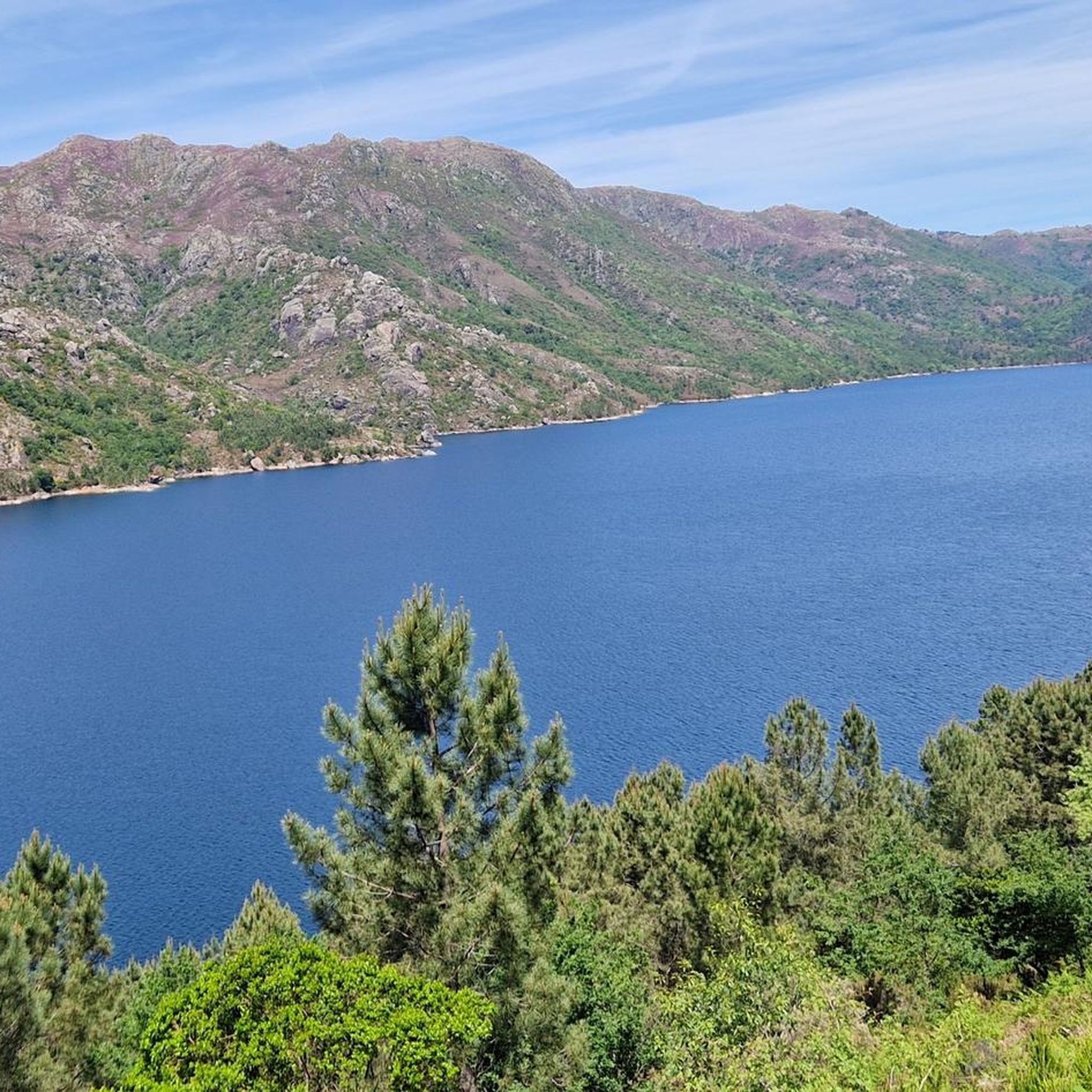
Best natural monuments around Ventosa are found in the broader La Rioja region, a landscape shaped by its location in the foothills of the Sierra de Moncalvillo, between the Najerilla and Iregua rivers. This area features mountainous terrain, river valleys, and extensive vineyards. While Ventosa itself does not host officially designated natural monuments, its surroundings offer diverse geological and ecological features.
Best natural monuments around Ventosa
- The most popular natural monuments is Blue Pool, a natural monument known for…
Last updated: June 29, 2026
Blue Pool
Highlight • Natural Monument
Tip by

Fecha de Barjas Waterfall (Tahiti)
Highlight • Waterfall
Translated by Google •
Tip by

Sign up now to discover places like this
Get recommendations on the best single tracks, peaks, & plenty of other exciting outdoor places.
Sign up for free
Tahiti Waterfall
Highlight • Waterfall
Translated by Google •
Tip by

Fenda da Calcedónia
Highlight • Gorge
Translated by Google •
Tip by

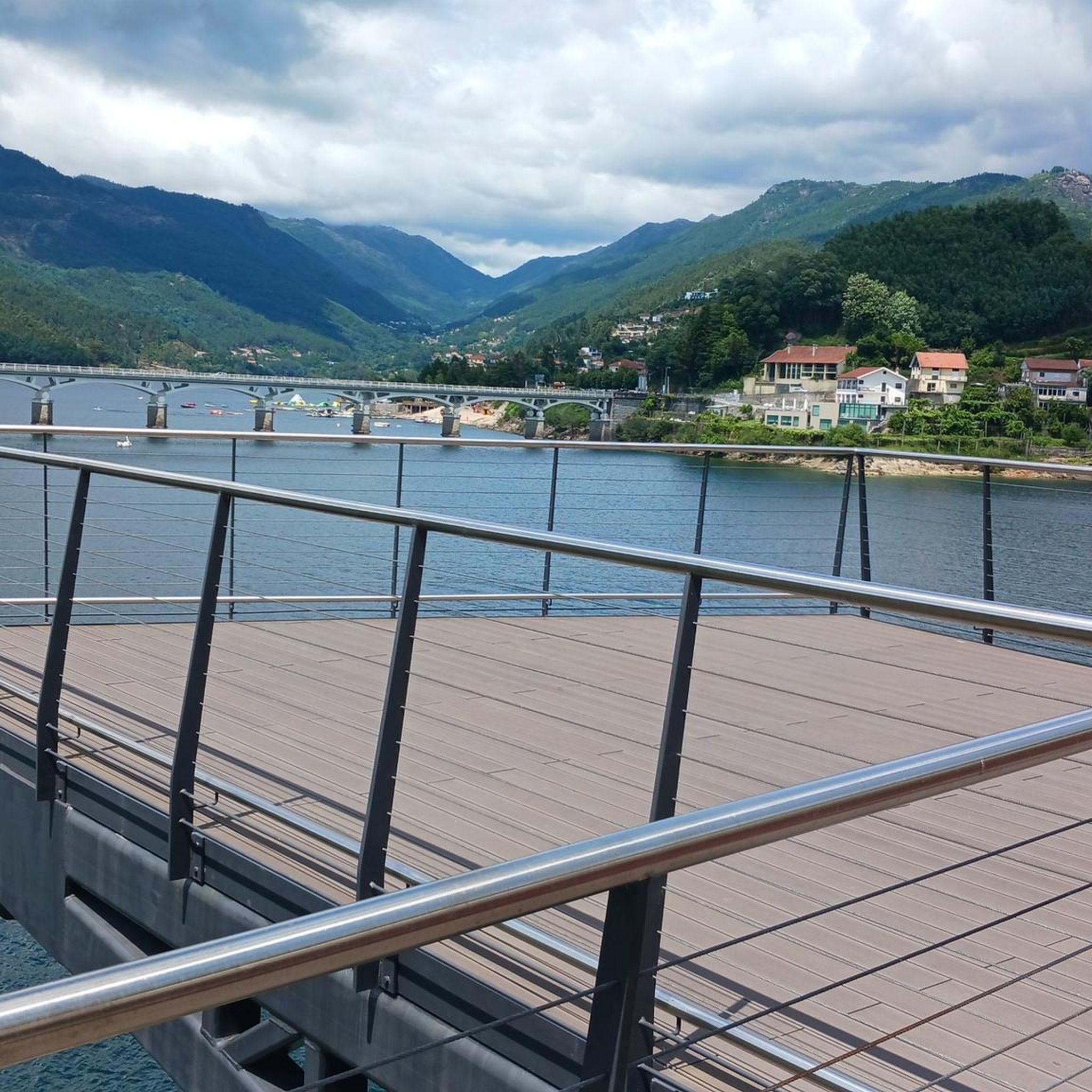
View of Cascata do Arado
Highlight • Viewpoint
Translated by Google •
Tip by

Sign up for free to discover even more natural monuments around Ventosa.
Sign up for free
Already have an account?
Start today with a free account
Your next adventure awaits.
Login or Signup
Tips from the Community

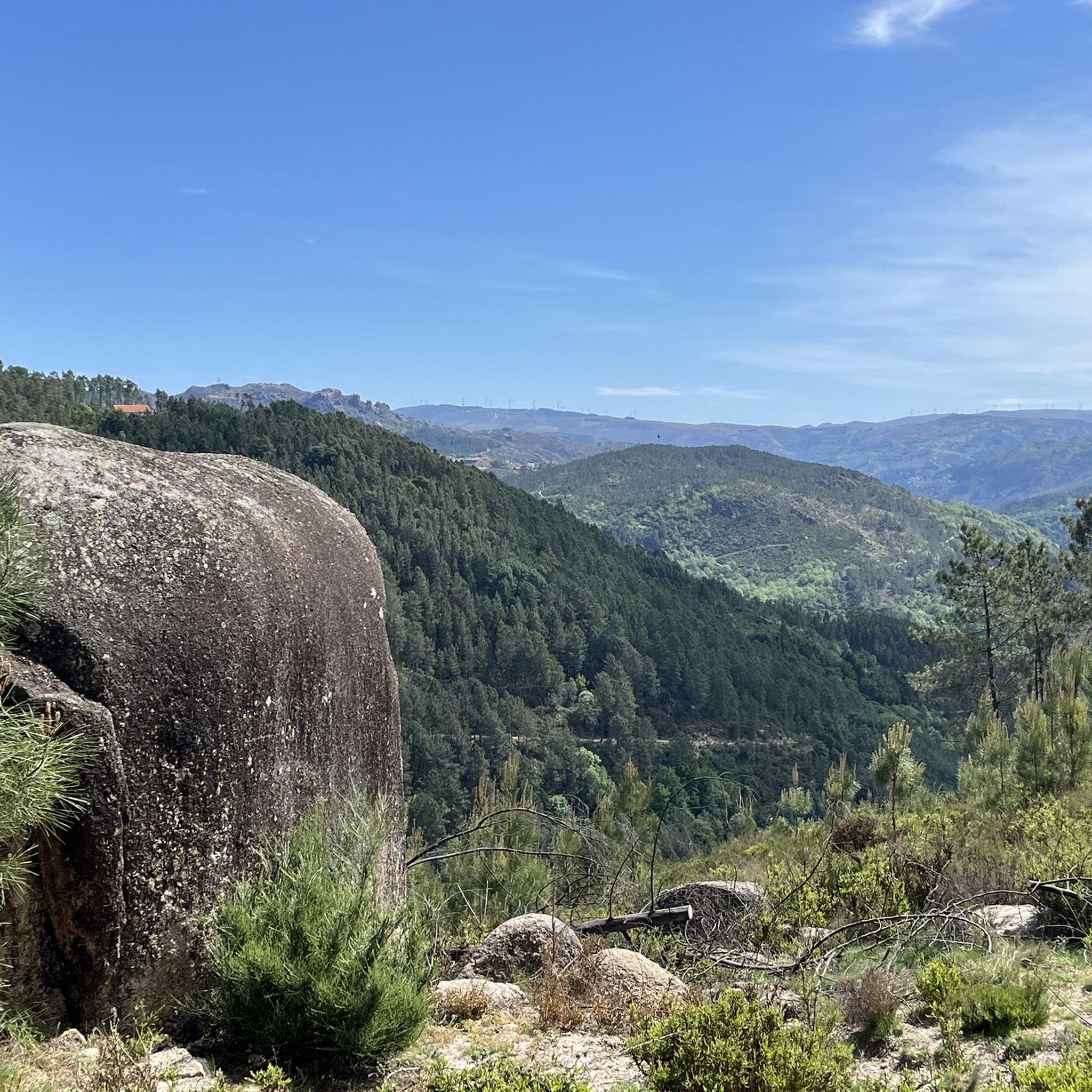
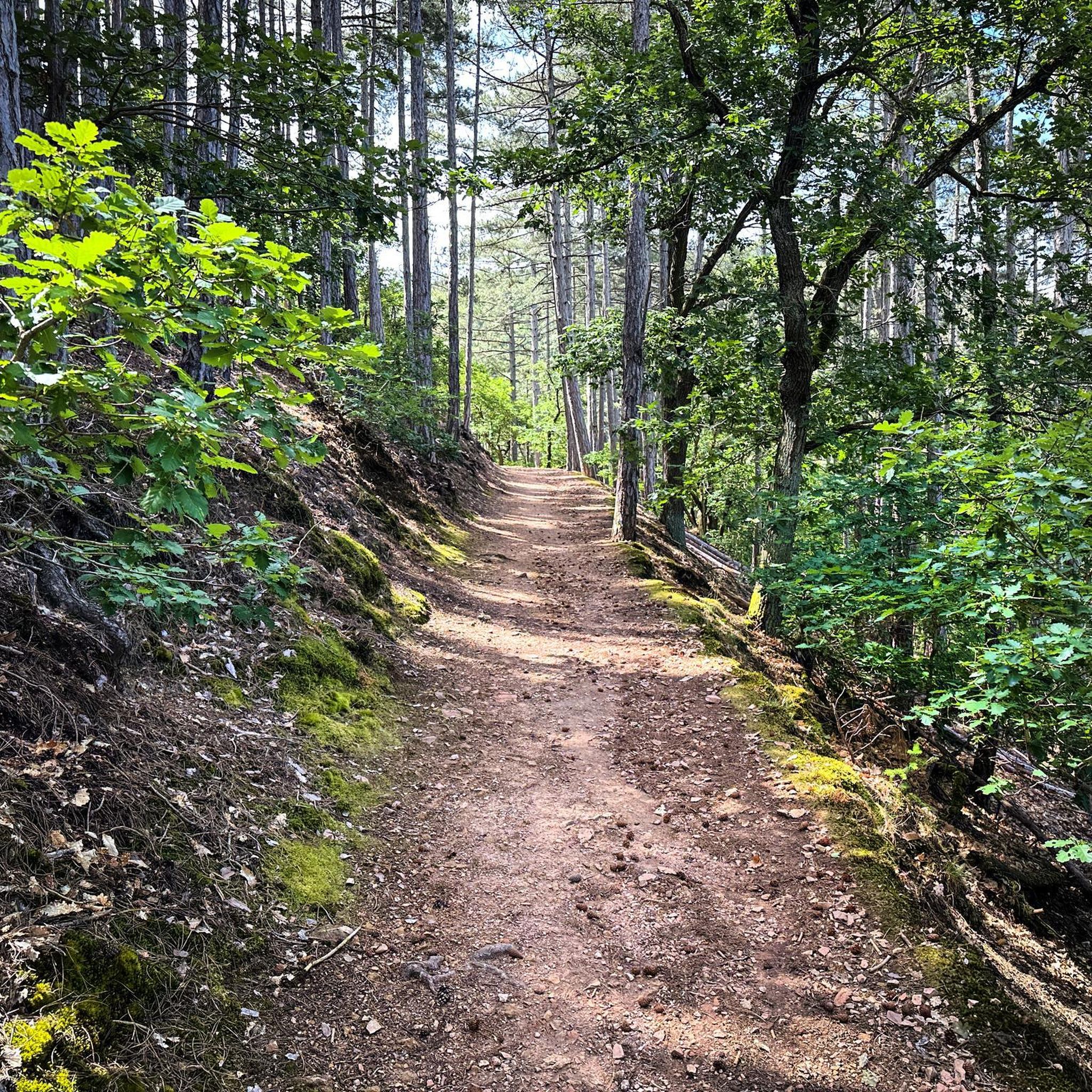
The Chalcedony Trail (PR1 TBR – Trilho da Cidade da Calcedonia) is one of the most iconic routes in Peneda-Gerês National Park, located in Covide (Braga), within the municipality of Terras de Bouro. It leads to the ruins of the City of Chalcedony, an ancient pre-Roman hill fort high in the mountains. It offers panoramic views over the Homem River valley and the Gerês mountains. The trail passes through native forests, rocky areas, and natural viewpoints.
2
0

Warning: This is an extremely dangerous location, with a significant risk of falling. Due to erosion, the rocks are extremely smooth, making them slippery even in dry weather.
0
0


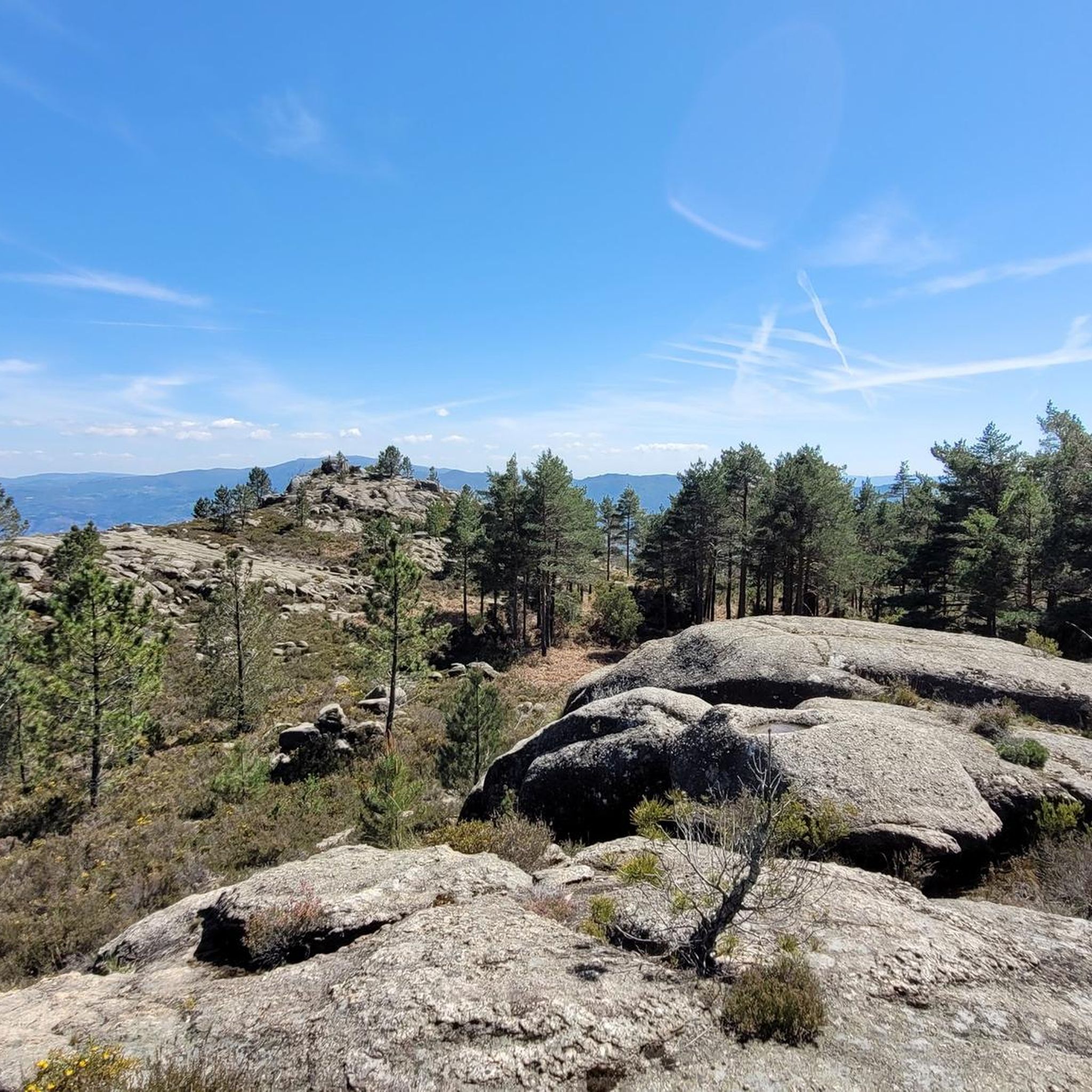
The Calcedonia Crack is one of those passages that seems to have come straight out of an old fairy tale: a monumental crack between two granite giants. For those who like a challenge, the route involves climbing and jumping between huge blocks fitted together at the base. Going up is easier than going down: there is more support, more traction, and less hesitation. There is no need to cross it (the trail elegantly skirts the crack) but, for the more adventurous, facing this crack is almost a ritual: a mix of adrenaline, vertigo and raw landscape that leaves its mark on those who pass by.
1
1

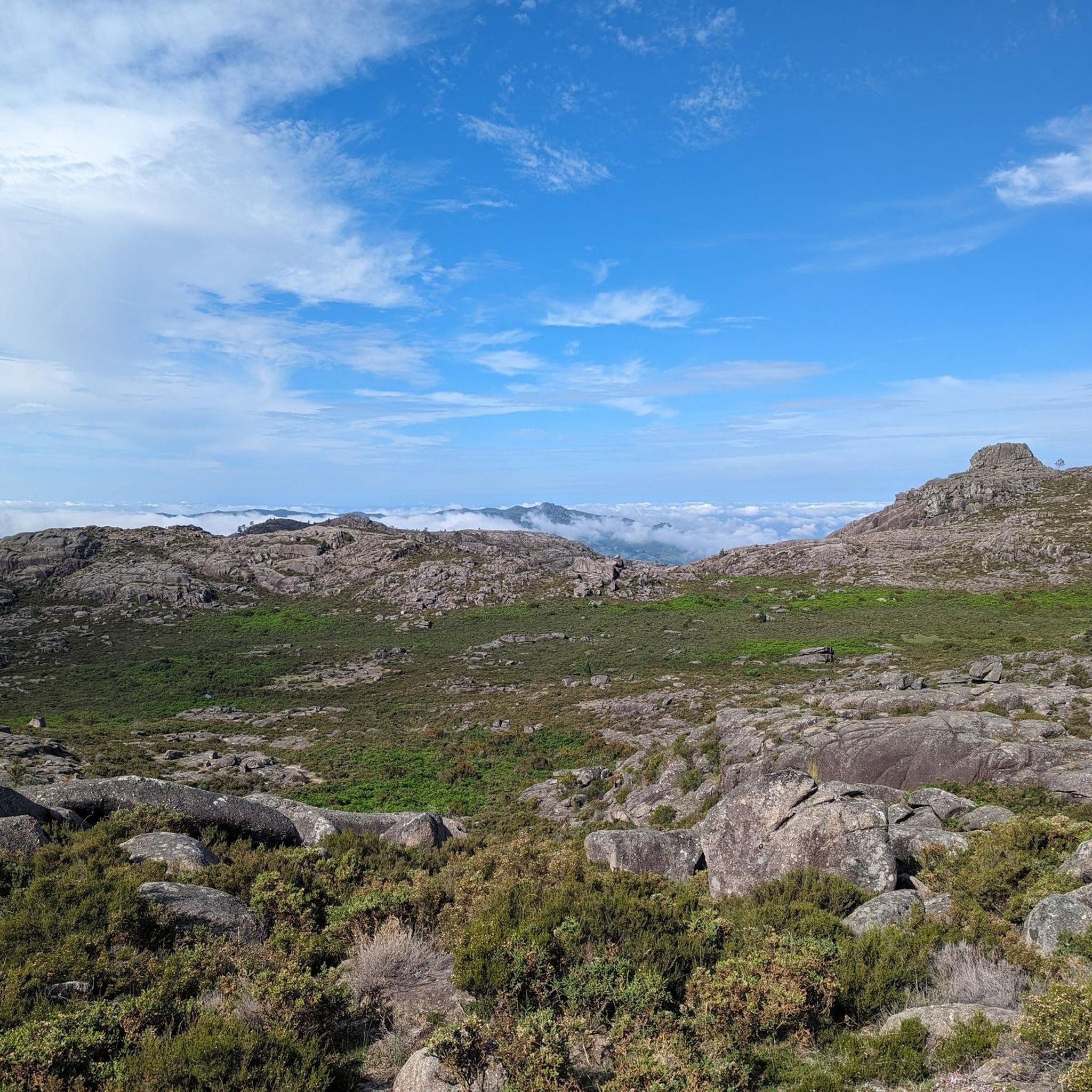
We hiked the Covid loop (yellow and red lines) clockwise. The ascent was OK. The rocky landscape was spectacular. The Slut was also impressive, but considering the many rocks, it was just another somewhat more exclusive highlight among many. The descent, however...described in Komoot as well-maintained hiking trails, no special skills required. It's an overgrown trail with (very) high steps and scree sections. Very good fitness and surefootedness are required to safely navigate it. The less than three hours for the loop is also very ambitious. At the end of the descent, there was a dog park with some very aggressive dogs running loose on the trail; we felt like we barely made it through unscathed. Next time, I'd turn around at the Slut and take the same route back. Be sure to bring plenty of drinks. Great scenery, very tiring.
2
0

The tour indicated is twice as long, so not 12, but 24km. For a round trip, I expected the entire route to be 12km. So we had to find a shortcut. It's a shame, but it was still nice.
1
3


Frequently Asked Questions
What are some unique natural features to explore around Ventosa?
The Ventosa area, nestled within the Aigüestortes i Estany de Sant Maurici National Park, is rich in natural wonders. You can marvel at the iconic Estany de Sant Maurici, a pristine lake set against the dramatic backdrop of the Els Encantats mountains. The park is also famous for its 'Aigüestortes' or winding waters, particularly in the Sant Nicolau river valley, showcasing unique natural flow. Beyond these, you can discover the clear, cold waters of the Blue Pool, a natural swimming spot, or explore the impressive rocky landscape of Fenda da Calcedónia, a notable gorge.
Are there many waterfalls to visit near Ventosa?
Yes, the region around Ventosa is known for its beautiful waterfalls. A must-see is the Tahiti Waterfall, which features fantastic pools over four levels, accessible with some scrambling. Another popular spot is Pincães Waterfall, which also has a small swimming pool and is reached via a short, scenic hike along a levada.
What kind of hiking terrain can I expect around the natural monuments?
The terrain around Ventosa, especially within Aigüestortes i Estany de Sant Maurici National Park, is diverse and can range from easy strolls to challenging multi-day treks. You'll encounter high-mountain landscapes shaped by ancient glaciers, with rocky passages, forest trails, and paths alongside lakes and rivers. Some areas, like the descent to certain waterfalls, can be steep and require sturdy shoes and surefootedness. The park's elevation ranges from 1,200 to over 3,000 meters, offering varied experiences.
What is the best time of year to visit the natural monuments around Ventosa?
The best time to visit the natural monuments around Ventosa largely depends on your preferred activities. Summer (June to September) offers pleasant weather for hiking and swimming in natural pools, though popular spots can be busy. Spring (April to May) and autumn (October) provide cooler temperatures, vibrant foliage, and fewer crowds, ideal for hiking. Winter transforms the landscape into a snowy wonderland, suitable for snowshoeing or cross-country skiing, but some areas may be inaccessible due to snow.
Are there family-friendly natural monuments or trails near Ventosa?
While many trails in Aigüestortes i Estany de Sant Maurici National Park can be challenging, there are options for families. The park features well-signposted routes, and some areas around the main lakes like Estany de Sant Maurici offer easier paths suitable for shorter walks. When planning, look for trails described as 'easy' or 'moderate' in difficulty. For specific family-friendly hiking routes, you can explore the Hiking around Ventosa guide for options like the 'Silhas Viewpoint – Rajada Waterfall loop from Ermida' which is rated easy.
Can I bring my dog to the natural monuments and trails?
Aigüestortes i Estany de Sant Maurici National Park has specific regulations regarding dogs to protect its wildlife and natural environment. Generally, dogs are not allowed on trails within the core protected areas of the National Park, even on a leash. However, they might be permitted in peripheral zones or on certain access roads. It's crucial to check the most current regulations from the park authorities before your visit to ensure compliance and avoid fines. Always keep your dog on a leash where permitted and clean up after them.
What outdoor activities can I do near these natural monuments?
Beyond exploring the natural monuments themselves, the Ventosa area offers a wide range of outdoor activities. Hiking is paramount, with numerous trails catering to all skill levels, including the famous 'Carros de Foc' circuit. You can find detailed hiking routes in the Hiking around Ventosa guide. Cycling is also popular, with routes like the 'Albufeira da Caniçada loop' for touring bicycles, as seen in the Cycling around Ventosa guide. For runners, there are dedicated trails, such as those listed in the Running Trails around Ventosa guide.
What are the parking and public transport options for visiting the natural monuments?
Access to Aigüestortes i Estany de Sant Maurici National Park, where many natural monuments are located, often involves specific transport arrangements. During peak seasons, private vehicle access to certain valleys (like Sant Maurici or Aigüestortes) may be restricted, requiring visitors to use park-operated taxis or buses from designated parking areas outside the core zones. Parking is usually available at the park entrances or nearby villages. For detailed and up-to-date information on parking, public transport, and any necessary permits, it's best to consult the official park website or local tourist information centers before your visit.
What kind of wildlife can I spot in the Ventosa area?
The diverse ecosystems of Aigüestortes i Estany de Sant Maurici National Park support a rich array of wildlife. Keep an eye out for Pyrenean chamois, marmots, and roe deer. Birdwatchers might be lucky enough to spot impressive species such as the bearded vulture (lammergeier) and the golden eagle soaring overhead. European otters can also be found in the protected aquatic areas. The park's varied habitats, from forests to alpine pastures, provide homes for many species.
Are there any hidden natural gems or less-known spots worth discovering?
While iconic sites like Estany de Sant Maurici draw crowds, the park's vastness means there are many quieter corners. Exploring the numerous glacial lakes beyond the most famous ones, such as Llac Long, Ratera, Amitges, or Estany Negre, can offer a more serene experience. The less-traveled sections of the 'Aigüestortes' winding waters in the Sant Nicolau river valley also provide tranquil beauty away from the main tourist paths. Venturing onto trails that require a bit more effort often leads to breathtaking views and a deeper connection with nature.
What do visitors enjoy most about the natural monuments around Ventosa?
Visitors consistently praise the unspoiled natural beauty and the sense of wilderness found around Ventosa. The clear, cold waters of spots like the Blue Pool are a highlight for swimming and relaxation. The impressive waterfalls, such as Tahiti Waterfall, with their multi-level pools, are also highly appreciated for their visual impact and the opportunity for a refreshing dip. Many enjoy the varied hiking experiences, from challenging rocky passages to scenic levada walks, and the overall peaceful atmosphere of the high mountains.
What should I wear for hiking around the natural monuments?
Given the varied terrain and high-mountain environment, it's essential to dress in layers and wear sturdy, comfortable hiking shoes with good grip. The weather in the Pyrenees can change rapidly, so waterproof and windproof outer layers are recommended, even in summer. Sun protection (hat, sunglasses, sunscreen) is crucial due to the high altitude. For trails involving scrambling or steep descents, shoes with excellent ankle support are advisable. Always check the weather forecast before heading out.
Most popular attractions around Ventosa

Get inspired with the komoot mobile app


Explore more
Extend your search for the best caves by checking out these guides of the top ones around Ventosa:
