Top 10 Natural Monuments around Carragosa
Natural monuments around Carragosa include a variety of natural features in the wider region of Bragança, Portugal. Carragosa is a civil parish in the municipality of Bragança, situated in the Norte region. While Carragosa itself is a small, rural area, the surrounding landscapes offer diverse natural attractions. These natural features provide opportunities for exploring the region's geology and ecosystems.
Best natural monuments around Carragosa
- The most popular natural monuments is View of the Montesinho Hills, a viewpoint that offers…
Last updated: June 29, 2026
European chestnut (Castanea sativa)
Highlight • Natural Monument
Translated by Google •
Tip by

Scenic landscape in Parque Natural de Montesinho
Highlight • Natural Monument
Translated by Google •
Tip by

Sign up now to discover places like this
Get recommendations on the best single tracks, peaks, & plenty of other exciting outdoor places.
Sign up for free
Serra Serrada Reservoir
Highlight • Lake
Translated by Google •
Tip by
Tejedelo Forest
Highlight • Forest
Translated by Google •
Tip by

Ancient Sweet Chestnut Trees
Highlight • Natural Monument
Translated by Google •
Tip by

Sign up for free to discover even more natural monuments around Carragosa.
Sign up for free
Already have an account?
Start today with a free account
Your next adventure awaits.
Login or Signup

Tips from the Community

Considered the “bread tree” in the regions north of the Tagus, the chestnut tree was the staple food before the arrival of the potato and the main source of carbohydrates in the north of the Iberian Peninsula. This deciduous tree can grow up to 30 to 35 metres in height and reach diameters of up to 12 metres, although the trunk becomes hollow as the tree ages. It is very long-lived and can live for over a thousand years. The European chestnut tree (Castanea sativa Miller) belongs to the Castanea genus and the Fagaceae family, the same family that includes cork oaks and oaks in general. The genus includes 12 to 13 species, five of which are of Asian origin and seven of which are North American. The common chestnut tree is the only one native to Europe. This is a tree that managed to survive the last glacial period (Würms glaciation) in some parts of central and Mediterranean Europe and is currently found all over the world, including North and South America and Australia. Several studies indicate that the natural distribution of the European chestnut tree corresponds to these refuge zones, where it remained during the glacial events. These areas later served as starting points for the colonization of other regions, before humanity dedicated itself to cultivating the species. One of these refuges is located in the Picos de Europa region and another between the south of Galicia and the north of Portugal, which is why the chestnut tree is considered an indigenous or native species of our country. The chestnut tree grows well in temperate climates and the ideal conditions for its development are found in places with average temperature and humidity, where rainfall reaches at least 600 mm per year – more than 100 mm in the summer. It is, however, sensitive to late frosts and very low temperatures. It prefers soils at least 50 cm deep, loose and rich in nutrients, slightly acidic (pH between 4.5 and 6.5) and not calcareous. Although it can grow in less suitable conditions, it develops and produces best in coastal or mountainous areas, at medium altitude, with hot and humid summers and mild winters.
2
0
The chestnut tree is a tall deciduous tree that can reach 35 m in height, generally imposing when adult and isolated; it has a broad, leafy crown, wide in isolated individuals. The trunk, thick, covered by rhytidome that changes color and texture with age, is thick and straight; the lower branches are compact and wide-spanning, while the upper branches are twisted.
0
0
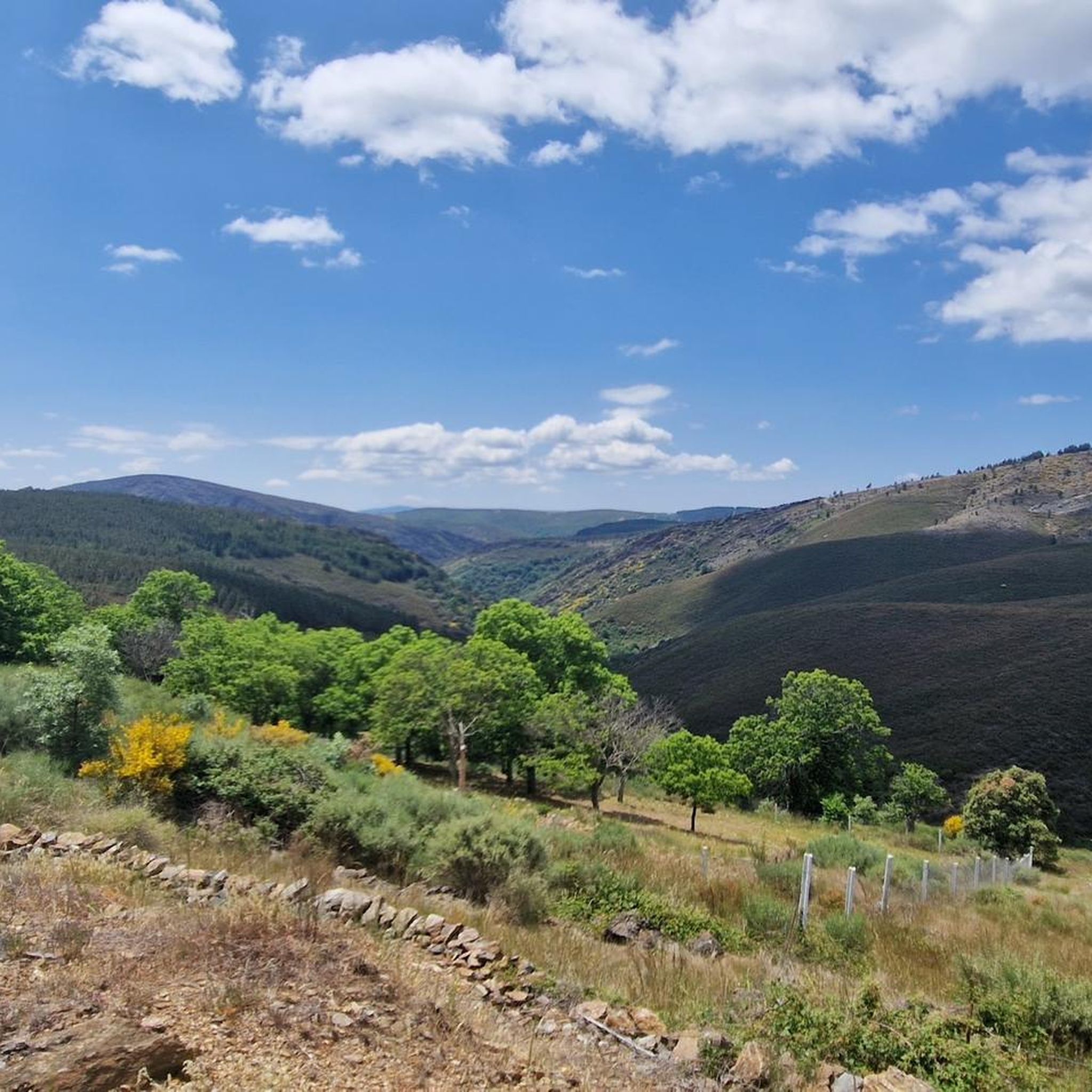
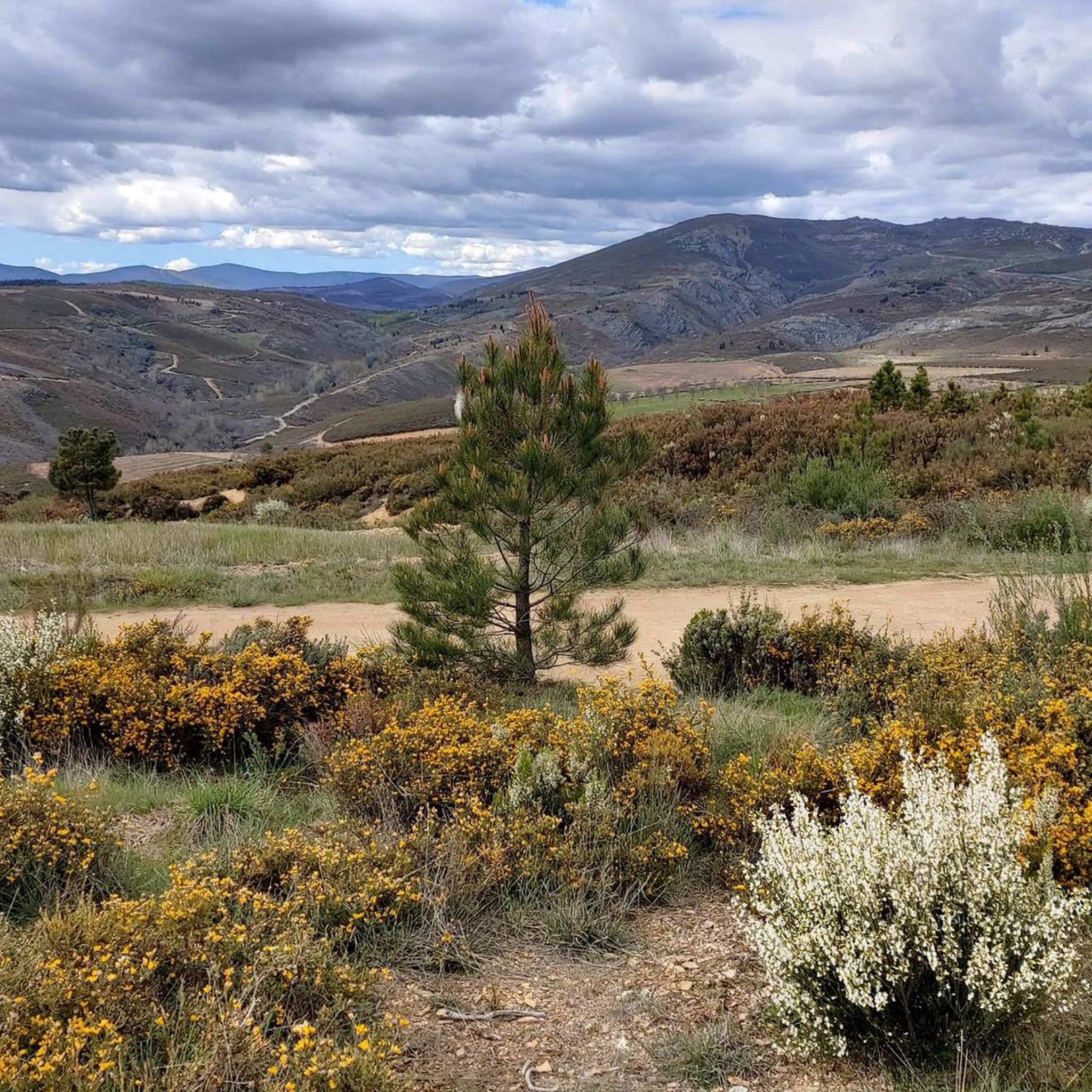
The Montesinho Natural Park covers an area of approximately 75 thousand hectares and is located in the Terra Fria Transmontana region, in the extreme northeast of Portugal, bordering the Spanish communities of Galicia and Castile-Leon. It covers the territories of two municipalities, namely Bragança and Vinhais. As a curiosity, you should know that there are more than 90 villages within the Montesinho Natural Park and that the highest point in the park is the Serra do Montesinho, whose peak is 1,486 metres above sea level.
2
0
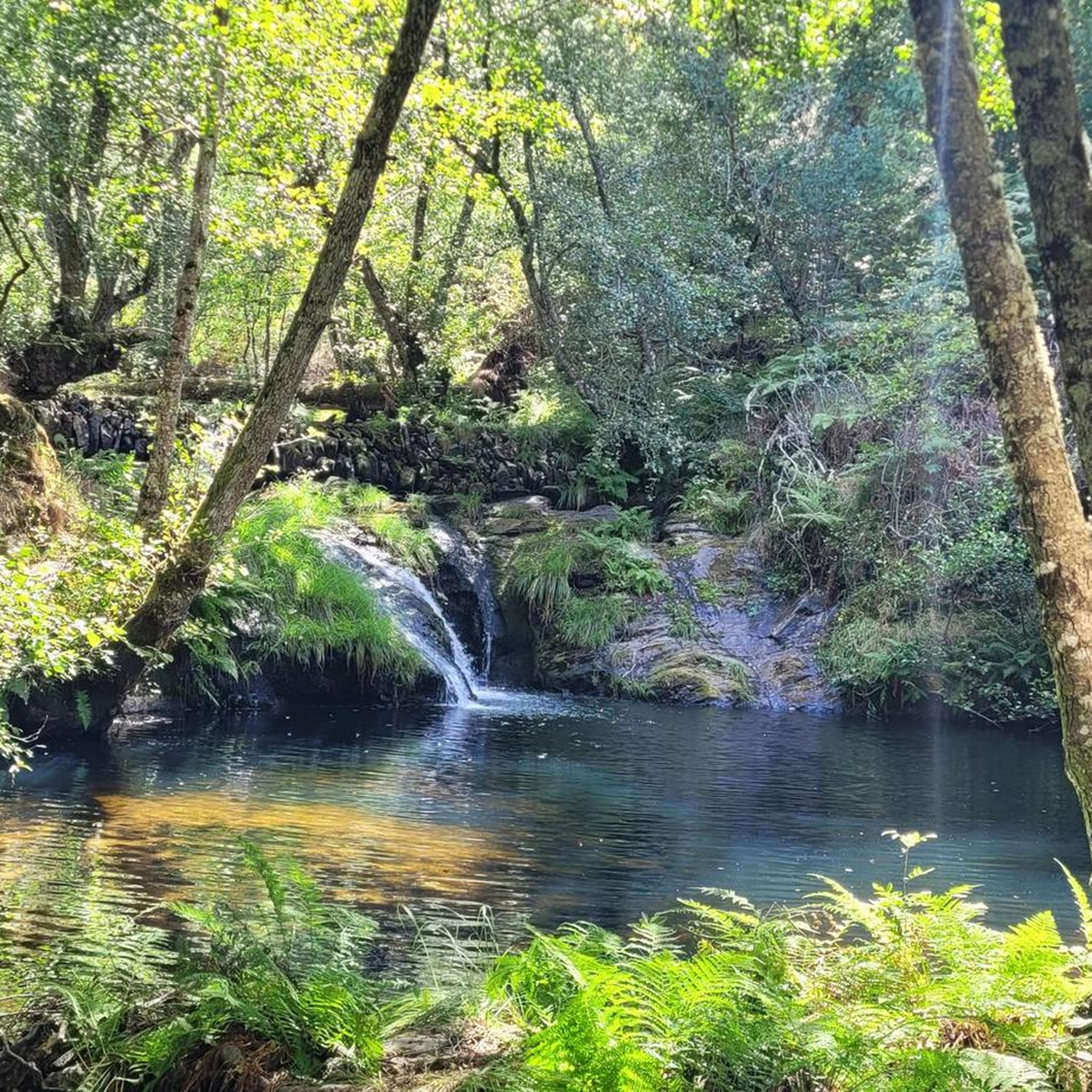
The Serra Serrada Dam, built on the bed of the Andorinhas river, is located in the parish of França, in the municipality of Bragança, Bragança District, in Portugal. The dam was designed in 1986 and began operating in 1989.
3
0

The Tejedelo Forest, located in Requejo de Sanabria, Zamora, is a magical place that transports you to a fairy tale among ancient beings. Here, more than a hundred ancient yew trees, up to a thousand years old, surround you and invite you to recharge your energy in their haven of peace and beauty.
1
0

Impressive set of yews. Although the most spectacular are those in the area of the wooden walkways, there are other beautiful specimens on the descent from the Peñas de Veladero viewpoint.
1
1

Following the path marked with the beacons, we enter the forest of "El Tejedelo" where we will be accompanied by majestic ancient yew trees, which appear like giants on the sides of the path.
2
0

always exciting rock formations
2
0
Frequently Asked Questions
What kind of natural monuments can I expect to find around Carragosa?
Around Carragosa, you can discover a variety of natural features within the wider Bragança region. These include expansive viewpoints like View of the Montesinho Hills, tranquil lakes such as Serra Serrada Reservoir, and ancient forests like the Tejedelo Forest, home to majestic yew trees. The area also features unique rock formations and serene landscapes within the Montesinho Natural Park.
Are there any family-friendly natural monuments in the area?
Yes, the Serra Serrada Reservoir is considered family-friendly, offering a tranquil landscape built on the Andorinhas river. Additionally, the Tejedelo Forest provides an enchanting experience for families, with its ancient yew trees and marked paths.
Where can I find the best views of the landscape near Carragosa?
For stunning panoramic views, head to the View of the Montesinho Hills. This viewpoint offers expansive vistas of the Montesinho Natural Park, which covers a vast area in northeast Portugal. Another excellent spot for scenic beauty is the Scenic landscape in Parque Natural de Montesinho, known for its quiet and relaxing natural scenery.
What outdoor activities are available near the natural monuments around Carragosa?
The region around Carragosa is excellent for various outdoor activities. You can find numerous routes for hiking, mountain biking, and running. For detailed information on trails and their difficulty, explore the dedicated guides for Hiking around Carragosa, MTB Trails around Carragosa, and Running Trails around Carragosa.
Are there specific hiking trails I can explore near these natural monuments?
Yes, there are several hiking trails. For example, you can explore the PR3 Porto Furado Trail or the PR4 Ornal Trail. The Trail of the Poço Negro Waterfall in Parque Natural de Montesinho is another popular option. For a comprehensive list of routes, including their distances and difficulty, refer to the Hiking around Carragosa guide.
Can I find ancient trees or forests among the natural monuments?
Absolutely. The Tejedelo Forest is a magical place known for its ancient yew trees, some up to a thousand years old. You can also find the impressive European chestnut (Castanea sativa), a long-lived deciduous tree that was historically vital to the region.
What do visitors enjoy most about the natural monuments around Carragosa?
Visitors frequently highlight the quiet and relaxing atmosphere, especially at the Scenic landscape in Parque Natural de Montesinho, where they enjoy immersing themselves in nature. The dreamlike landscapes and minimal tourism at places like the Serra Serrada Reservoir are also highly appreciated for their tranquility and beauty.
What is the best time of year to visit the natural monuments around Carragosa?
The region generally experiences temperate climates. Spring and autumn are often ideal for visiting, offering pleasant temperatures for outdoor activities and showcasing the changing colors of the landscape. Summers can be warm, while winters are mild, but it's always best to check local weather forecasts before your trip.
Are there options for mountain biking near these natural monuments?
Yes, the area offers several mountain biking routes. You can find trails ranging from moderate to difficult, such as the View of the Montesinho Hills – Montesinho Village loop or the Rio Bujardas – Santa Comba de Rossas loop. For a full list of routes and their details, consult the MTB Trails around Carragosa guide.
What kind of natural features define the Montesinho Natural Park area?
The Montesinho Natural Park, which encompasses several natural monuments around Carragosa, is characterized by its diverse landscapes. These include extensive forests, rolling hills, and unique rock formations. It's a region where you can find quiet, relaxing nature and expansive views, such as those from the View of the Montesinho Hills.
How accessible are the natural monuments around Carragosa?
Carragosa is a small, rural parish, and while specific public transport details to each natural monument are limited, many are accessible by car. Parking availability can vary, so it's advisable to plan your route and check for specific access information for each highlight you intend to visit. The natural monuments are generally located in the wider Bragança municipality, requiring some travel from Carragosa itself.
Most popular attractions around Carragosa

Get inspired with the komoot mobile app


Explore more
Extend your search for the best caves by checking out these guides of the top ones around Carragosa:
