Top 11 Natural Monuments around Montenegro
Best natural monuments around Montenegro offer a diverse range of landscapes, from dramatic mountain peaks and deep canyons to expansive lakes and ancient forests. This Balkan nation is characterized by its rugged karst formations and a rich blend of Mediterranean and alpine ecosystems. These sites provide opportunities to explore unique geological features and significant biodiversity. The variety of natural monuments to see and explore includes UNESCO World Heritage sites and pristine virgin forests.
Best natural monuments around Montenegro
- The most…
Last updated: July 13, 2026
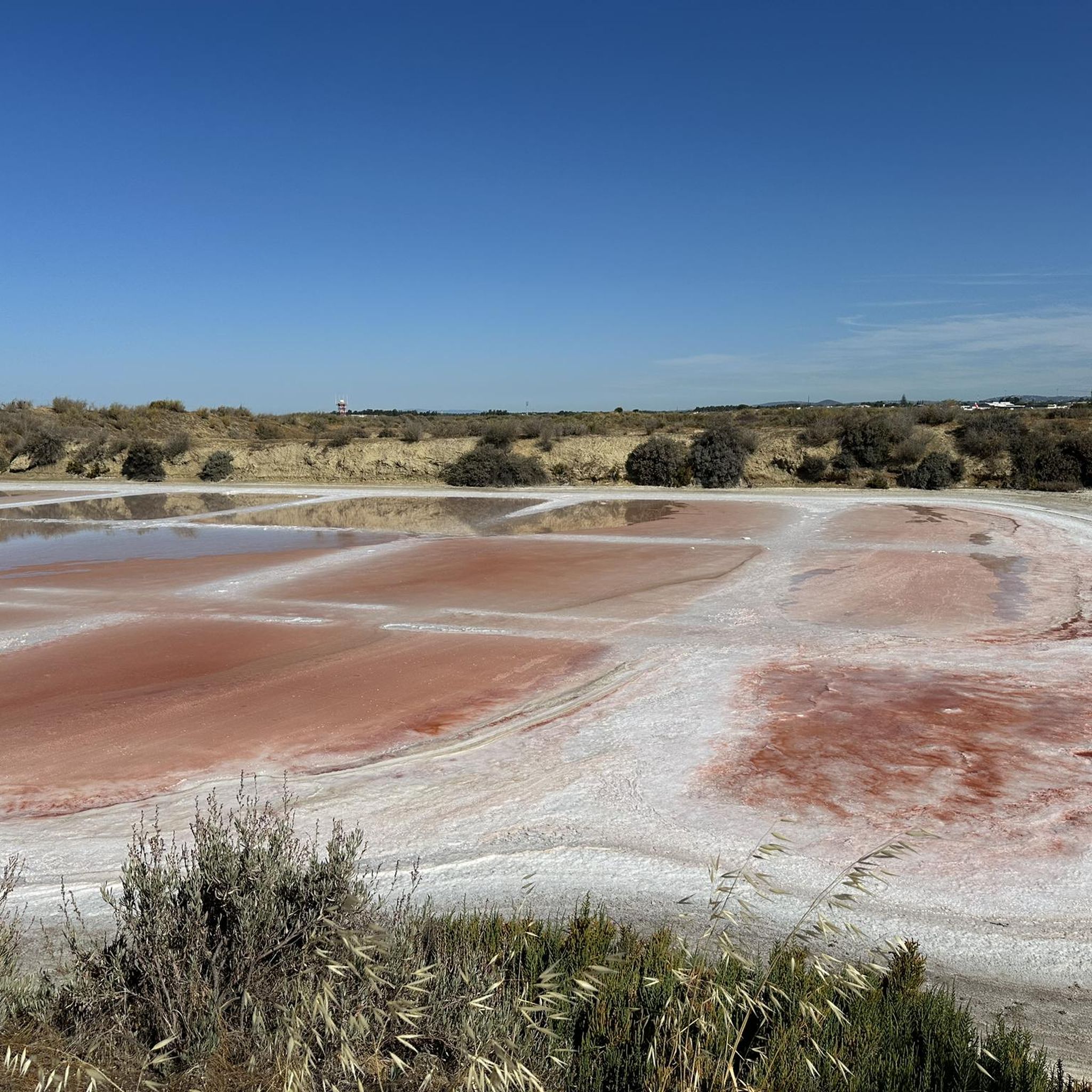
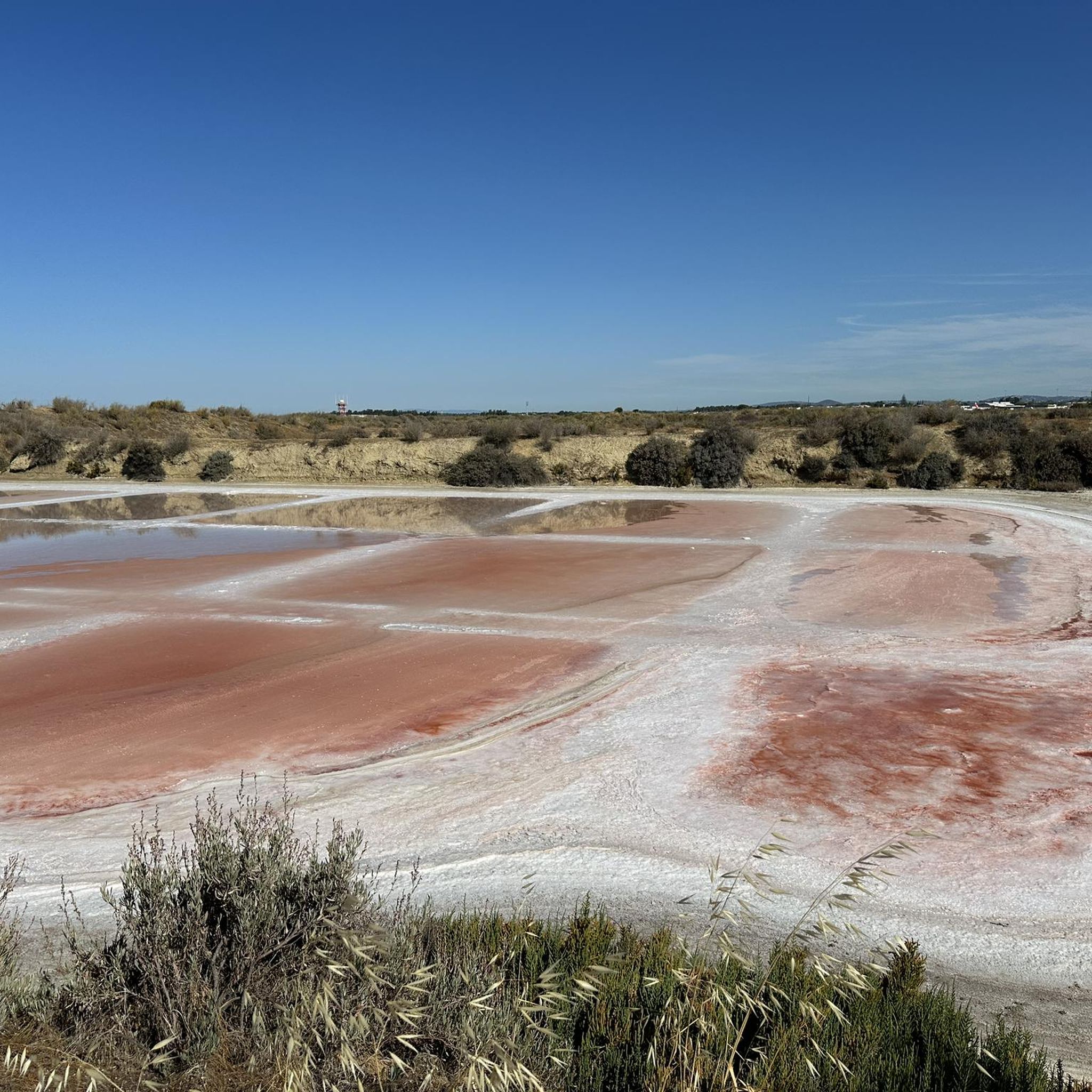
Ria Formosa Natural Park
Highlight • Natural Monument
Tip by

Ria Formosa Natural Park
Highlight • Natural Monument
Translated by Google •
Tip by

Sign up now to discover places like this
Get recommendations on the best single tracks, peaks, & plenty of other exciting outdoor places.
Sign up for free
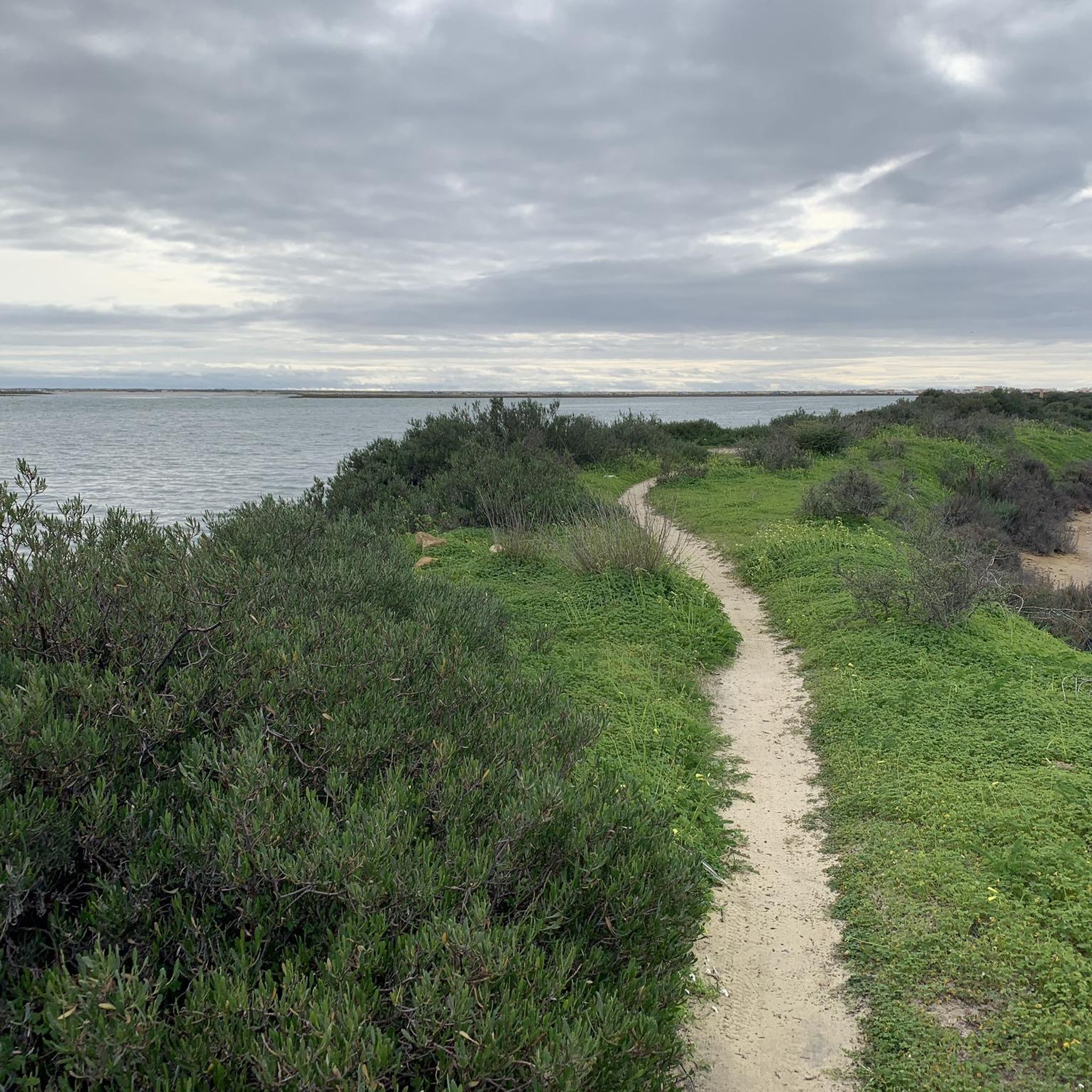
Birdwatching 🐦 Ancão Estuary, Natural Park
Highlight • Viewpoint
Tip by

Ria Formosa Natural Park
Highlight (Segment) • Natural Monument
Translated by Google •
Tip by

Culatra Beach
Highlight • Beach
Translated by Google •
Tip by

Sign up for free to discover even more natural monuments around Montenegro.
Sign up for free
Already have an account?
Start today with a free account
Your next adventure awaits.
Login or Signup
Tips from the Community

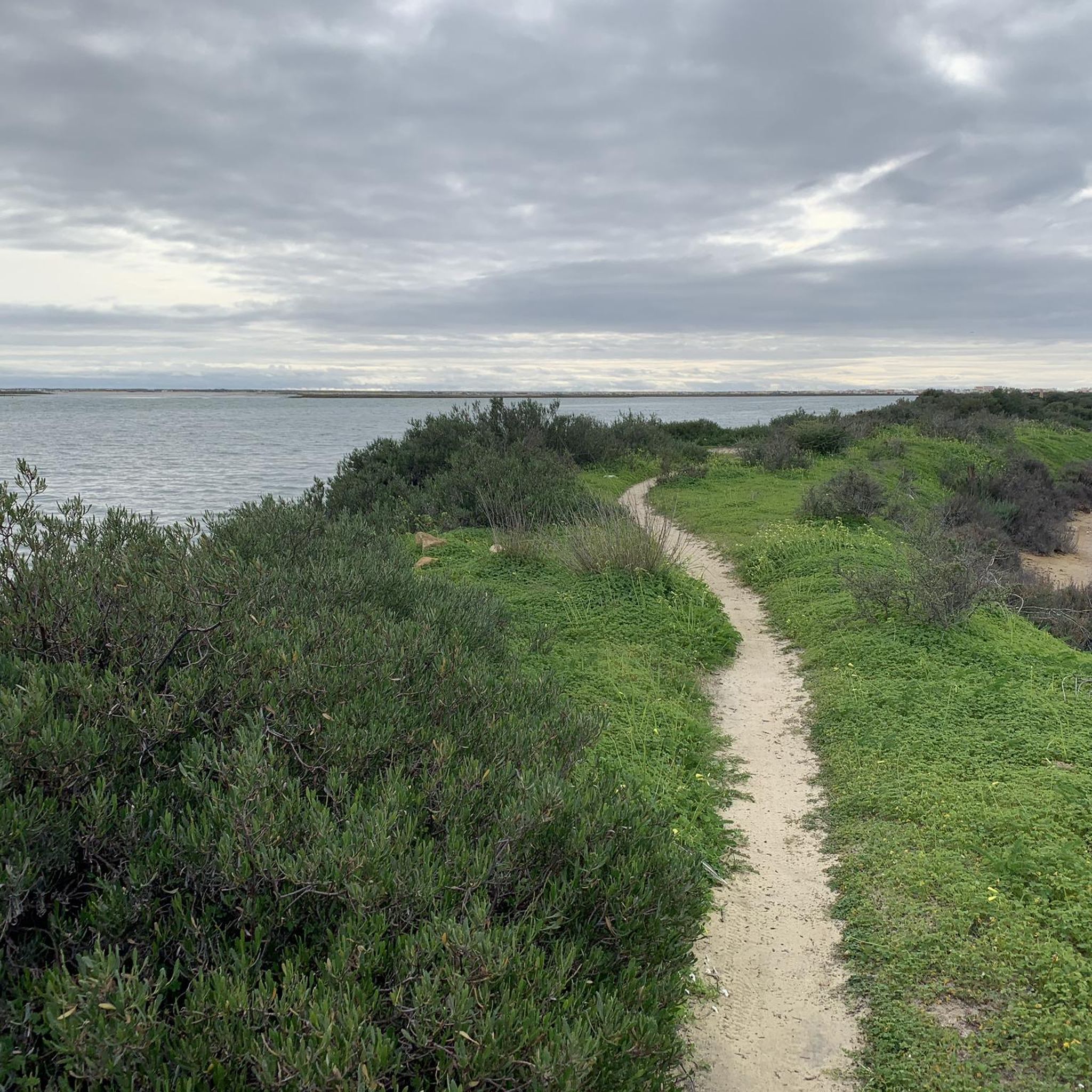
Culatra Island lies within the Ria Formosa Natural Park in the Gulf of Cádiz. Together with its neighboring islands, it forms a chain of islands, interrupted only by a few channels and tidal creeks, creating a natural barrier for the lagoon between the islands and the mainland. The island boasts a beautiful sandy beach 🏖️ and offers several places to eat and drink! 🍺😋
2
0

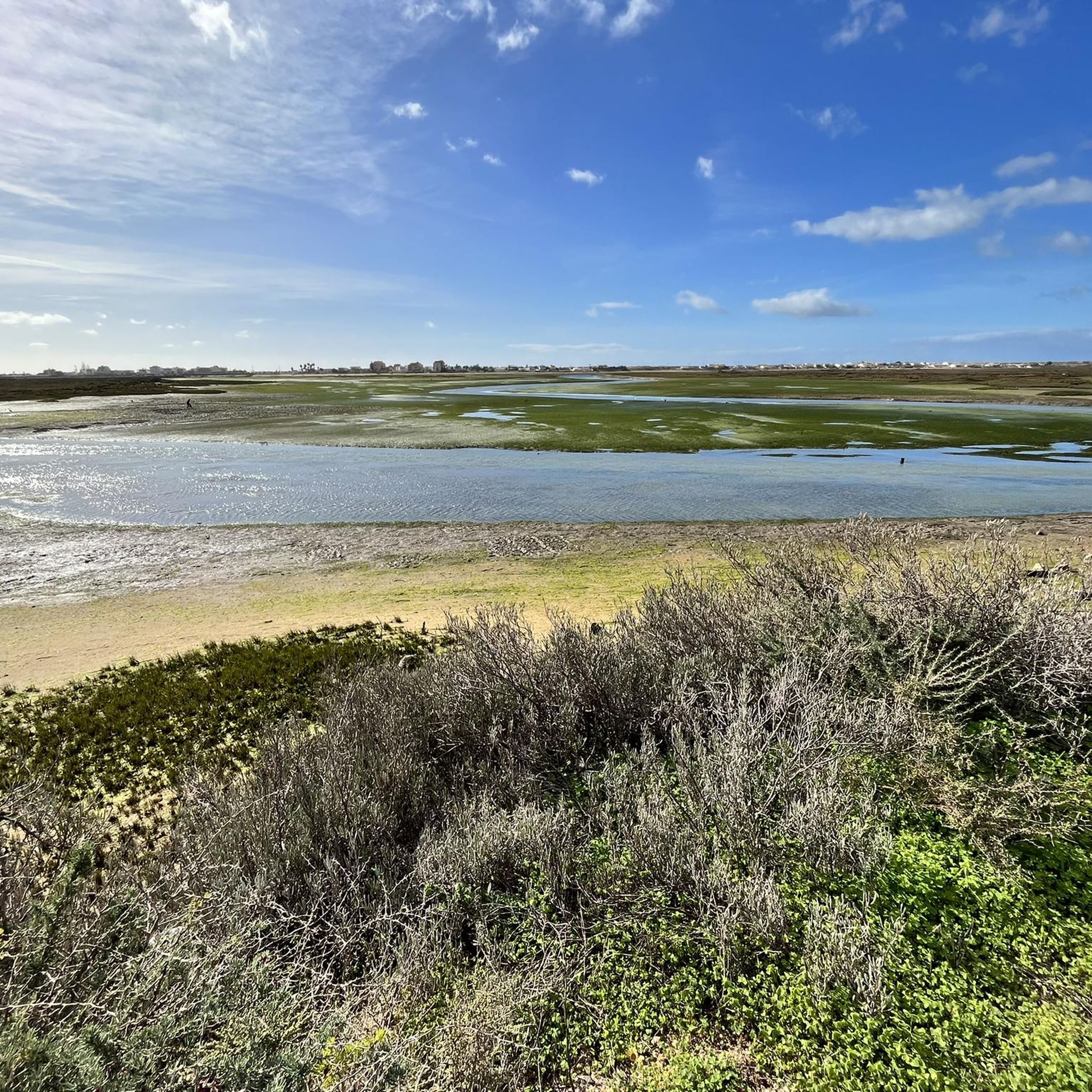
This park is definitely worth a visit. We discovered so much! Herons, all kinds of ducks and geese, flamingos, and there are also turtles and crabs to see. Beautiful!
5
0

At low tide it is teeming, crabs are active everywhere 🦀
0
0

Beautiful interesting surroundings, you can watch birds here by bike or on foot
6
0

The Ria Formosa, a wetland of international importance, is a labyrinth of channels, islands, marshes and sandbanks that stretches for 60 km, specifically between the beaches of Garrão and Manta Rota, on the Algarve coast. Its diverse ecosystems attract a wide variety of animals, including, of course, numerous species of birds such as the purple crake, the park's symbol. If you want to admire this bird with its magnificent plumage and learn all about the protected area, start your visit with a visit to the Marim Environmental Education Centre. There you will receive information on the most suitable hiking trails and the shelters where you can hide to observe the different species in their natural environment. The park also organizes trips on an old boat that was originally used for tuna fishing. https://www.visitportugal.com/en/content/parque-natural-da-ria-formosa
1
1
Giant replica of a shore crab.
1
0
Great lagoon, besides flamingos we could also observe storks and various heron species (including little egrets).
5
0
Its diverse ecosystems attract a wide variety of animals, including numerous bird species such as the purple crake, the park's symbol. If you want to admire this bird with its magnificent plumage and learn all about the protected area, start your visit with a visit to the Marim Environmental Education Centre. There you will receive information on the best hiking trails and the shelters where you can hide to observe the different species in their natural environment. The park also organises trips on an old boat originally used to catch tuna. One of the friendliest and most trusting animals you will come across here is the Portuguese Water Dog. This is a long-haired breed of dog that used to help fishermen with their work, diving to the nets and bringing in the fish that got caught in them. In addition to fishing, salt production and the gathering of mollusks and shellfish are traditional activities of the inhabitants of the estuary, who have never lacked ingenuity and craftsmanship. This is how the recipes for delicious gastronomic specialties such as fish soup and rice with razor clams were created, which you can try in the restaurants by the sea. visitportugal.com/de/content/parque-natural-da-ria-formosa
3
0
Frequently Asked Questions
What are the most popular natural monuments to visit in Montenegro?
Montenegro boasts several highly popular natural monuments. Among them are Durmitor National Park, a UNESCO World Heritage site known for its dramatic peaks and the Tara River Canyon; the stunning Bay of Kotor, a unique ria surrounded by mountains; Lovćen National Park, considered the spiritual heart of Montenegro; Skadar Lake National Park, the largest lake in the Balkans and a birdwatching paradise; and Biogradska Gora National Park, home to one of Europe's last virgin forests.
Are there family-friendly natural attractions in Montenegro?
Yes, many of Montenegro's natural monuments offer family-friendly activities. Skadar Lake National Park is excellent for boat trips, birdwatching, and easy kayaking. The Bay of Kotor offers gentle boat tours and charming medieval towns to explore. Even within Durmitor National Park, there are accessible trails around Black Lake suitable for families, and the zipline over Đurđevića Bridge can be an exciting experience for older children.
What unique geological features can I see in Montenegro's natural monuments?
Montenegro's natural monuments are rich in unique geological features. You can witness the dramatic karst formations and glacial lakes in Durmitor National Park, including the deepest canyon in Europe, the Tara River Canyon. The Bay of Kotor is a rare ria, a submerged river canyon often mistaken for a fjord. Lovćen National Park features rugged karst landscapes and deep sinkholes, while Skadar Lake has unique sublacustrian springs called 'oka'.
What outdoor activities can I do near Montenegro's natural monuments?
The natural monuments offer a wide range of outdoor activities. In Durmitor National Park, you can enjoy hiking, mountaineering, white-water rafting in the Tara River Canyon, and ziplining. The Bay of Kotor is perfect for boat tours and hiking to panoramic viewpoints. Lovćen National Park provides diverse hiking trails. Skadar Lake National Park is ideal for birdwatching, boat trips, and kayaking. Biogradska Gora National Park offers hiking through ancient forests and around glacial lakes. For more general outdoor activity ideas, you can explore guides like Road Cycling Routes around Montenegro, Cycling around Montenegro, and Easy hikes around Montenegro.
When is the best time of year to visit Montenegro's national parks and natural monuments?
The best time to visit Montenegro's national parks largely depends on the activities you plan. For hiking and mountaineering in areas like Durmitor and Lovćen, late spring (May-June) and early autumn (September-October) offer pleasant temperatures and fewer crowds. Summer (July-August) is ideal for water activities on Skadar Lake and exploring the Bay of Kotor, though it can be busier. Winter offers opportunities for snow sports in the northern parks.
Are there opportunities for birdwatching at Montenegro's natural monuments?
Absolutely. Skadar Lake National Park is renowned as one of Europe's most important habitats for wetland birds, including rare species like the Dalmatian pelican. It's a paradise for birdwatchers, with numerous boat tours available to navigate through its reed beds and floating islands. Biogradska Gora National Park also boasts exceptional biodiversity, making it a good spot for observing various bird species within its ancient forests.
Can I explore ancient forests in Montenegro?
Yes, Biogradska Gora National Park is famous for containing one of Europe's last remaining virgin forests. Despite being one of Montenegro's smaller national parks, it features ancient trees reaching heights of 60 meters and ages up to 400 years. It offers a unique opportunity to explore a pristine rainforest ecosystem with exceptional biodiversity.
What cultural or historical sites are integrated with Montenegro's natural monuments?
Several natural monuments in Montenegro have significant cultural and historical value. The Bay of Kotor is a UNESCO World Heritage site recognized for its exceptional natural and cultural-historical region, featuring charming medieval towns like Kotor and Perast. Lovćen National Park is considered the spiritual heart of Montenegro, housing the Njegoš Mausoleum on Jezerski Vrh, dedicated to a revered Montenegrin poet and ruler. Skadar Lake also features hidden monasteries and medieval fortifications on its islands.
What are the highlights of visiting Durmitor National Park and the Tara River Canyon?
Durmitor National Park, a UNESCO World Heritage site, is characterized by its dramatic peaks, 18 glacial lakes (like Black Lake), and the spectacular Tara River Canyon. The canyon, often called the 'Tear of Europe,' is the deepest in Europe and offers world-class white-water rafting. Visitors can also enjoy hiking to peaks like Bobotov Kuk, horseback riding, and ziplining over the Đurđevića Bridge.
What makes the Bay of Kotor a unique natural monument?
The Bay of Kotor is unique because it's a ria – a submerged river canyon – rather than a fjord, despite its dramatic appearance. It's encircled by the Dinaric Alps, with the Orjen and Lovćen mountains creating a stunning backdrop of steep cliffs plunging into the Adriatic Sea. This UNESCO World Heritage site offers breathtaking panoramic views and a blend of natural beauty with historic towns.
Are there less crowded natural monuments in Montenegro?
While popular sites can get busy, some areas or times of year offer a more tranquil experience. Biogradska Gora National Park, though smaller, provides a deep immersion into a virgin forest ecosystem, which can feel less crowded than more expansive, well-known parks. Visiting during the shoulder seasons (spring or autumn) can also help you experience the beauty of any of Montenegro's natural monuments with fewer people.
What can I expect when visiting Lovćen National Park?
Lovćen National Park, known as the 'Black Mountain,' offers magnificent natural scenery and diverse hiking trails. It features rugged karst formations and a rich variety of flora and fauna. A central feature is the Njegoš Mausoleum on Jezerski Vrh, which provides stunning panoramic views that, on clear days, can extend as far as Italy. The park holds significant cultural and historical value as the spiritual heart of Montenegro.
Most popular routes around Montenegro
Most popular attractions around Montenegro

Get inspired with the komoot mobile app


Explore more
Extend your search for the best caves by checking out these guides of the top ones around Montenegro:
