Top 19 Natural Monuments around Monchique
Natural monuments around Monchique offer a diverse landscape in the Serra de Monchique mountain range, Algarve, Portugal. This region is characterized by a unique microclimate and rich flora, contributing to its verdant environment. Visitors can explore a variety of natural features, from high peaks with panoramic views to ancient forests and thermal springs. The area provides opportunities for outdoor activities amidst its distinctive natural beauty.
Best natural monuments around Monchique
- The most popular natural monuments is Cork oak grove in Monchique, a forest known for its abundance of cork oaks. These trees are significant to the Portuguese economy and form a valuable ecosystem.
- Another must-see spot is Picota Summit, a summit that is the second-highest point in the Algarve at 774 meters. It offers 360-degree panoramic views of the Serra de Monchique and the southern coastline.
- Visitors also love Foia Summit, a summit and the highest point in the Algarve at 902 meters. On clear days, the view from the summit reaches the Atlantic Ocean.
- Monchique is known for its summits, forests, and thermal springs. The region offers a variety of natural monuments to see and explore, including 12 highlights in total.
- The natural monuments around Monchique are appreciated by the komoot community, with more than 550 upvotes and over 300 photos shared by visitors.
Last updated: June 29, 2026
Foia Summit
Highlight • Summit
Translated by Google •
Tip by

Cork oak grove in Monchique
Highlight • Forest
Translated by Google •
Tip by

Sign up now to discover places like this
Get recommendations on the best single tracks, peaks, & plenty of other exciting outdoor places.
Sign up for free
Picota Summit
Highlight • Summit
Here, it's worth stopping, taking a deep breath, and letting your gaze wander across the 360° landscape: rolling mountains and even the Alentejo region in the distance, if the day is clear. It's a magical feeling of almost touching the clouds.
Translated by Google •
Tip by
Cork oak in Monchique
Highlight • Natural Monument
Translated by Google •
Tip by

Monchique Cork Oak Forest
Highlight • Forest
Cork, the greatest wealth of these lands, is harvested here with mastery and respect, in an ancestral gesture that unites tradition and sustainability.
Translated by Google •
Tip by
Sign up for free to discover even more natural monuments around Monchique.
Sign up for free
Already have an account?
Start today with a free account
Your next adventure awaits.
Login or Signup
Other adventures around Monchique

Tips from the Community

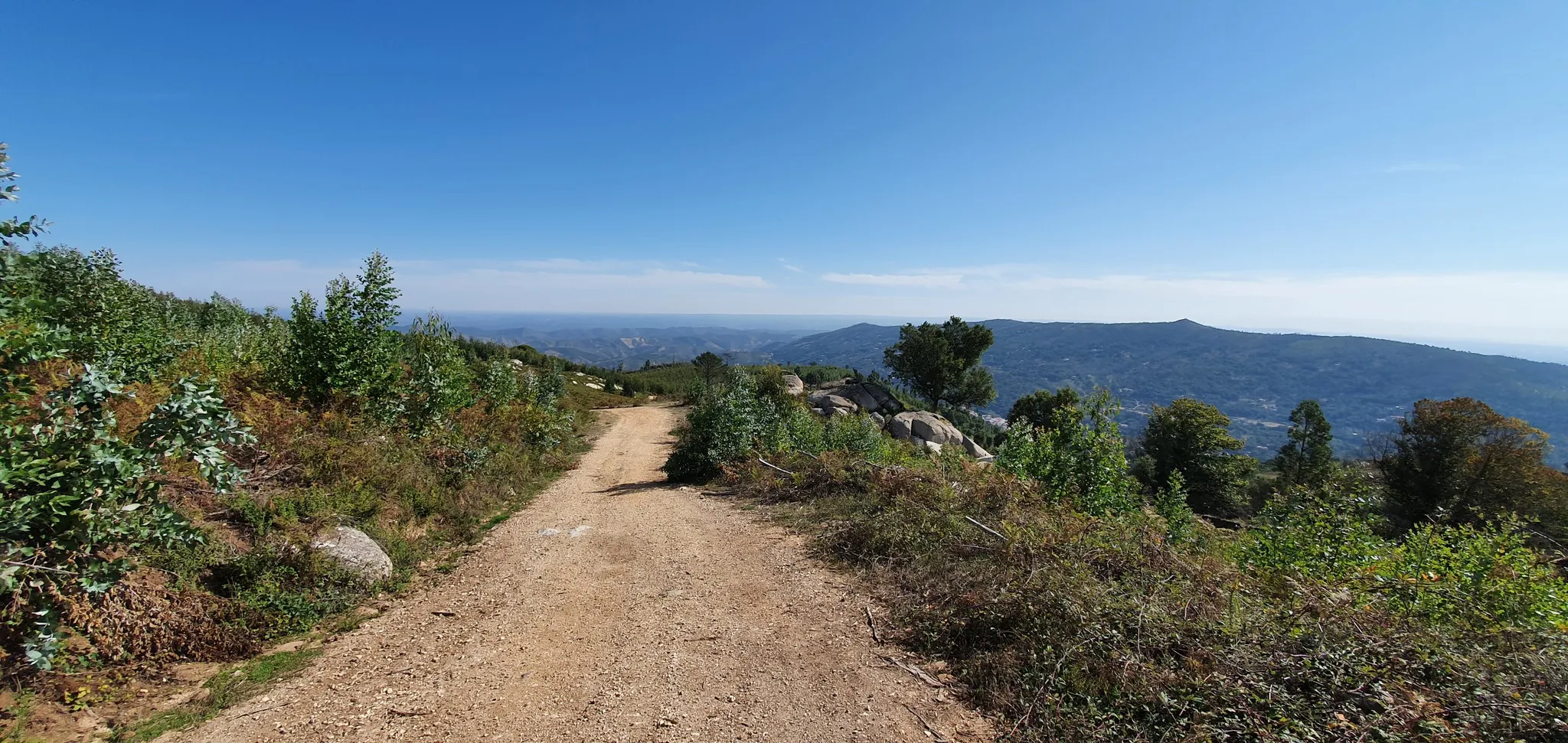
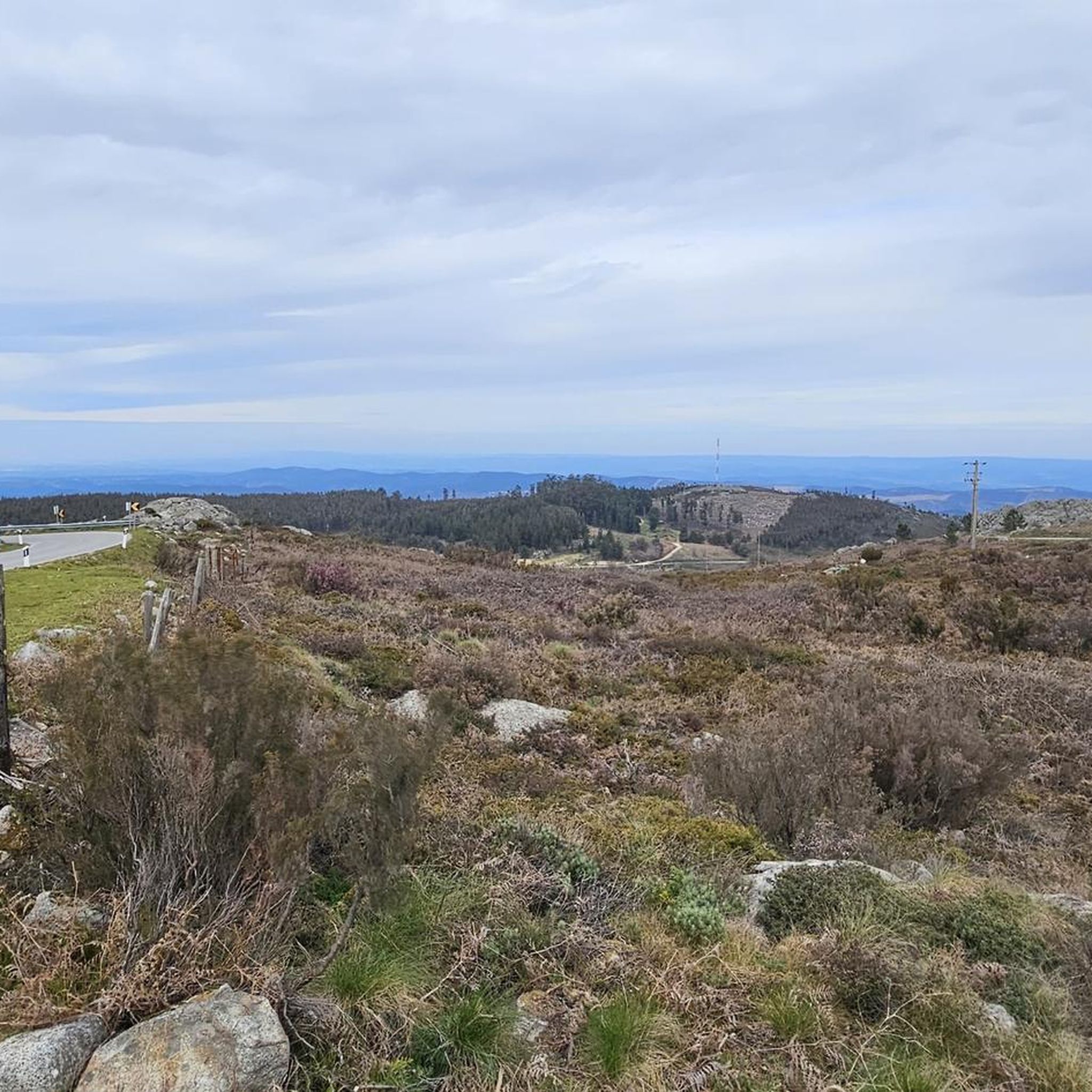
At the top of the Monchique mountain range rises Foia, the highest point in the Algarve, at 902 meters altitude. Its antennas mark the summit where the sky seems closest and, on clear days, the view reaches the Atlantic. Up here, the wind blows freely and the view is simply unforgettable.
2
0
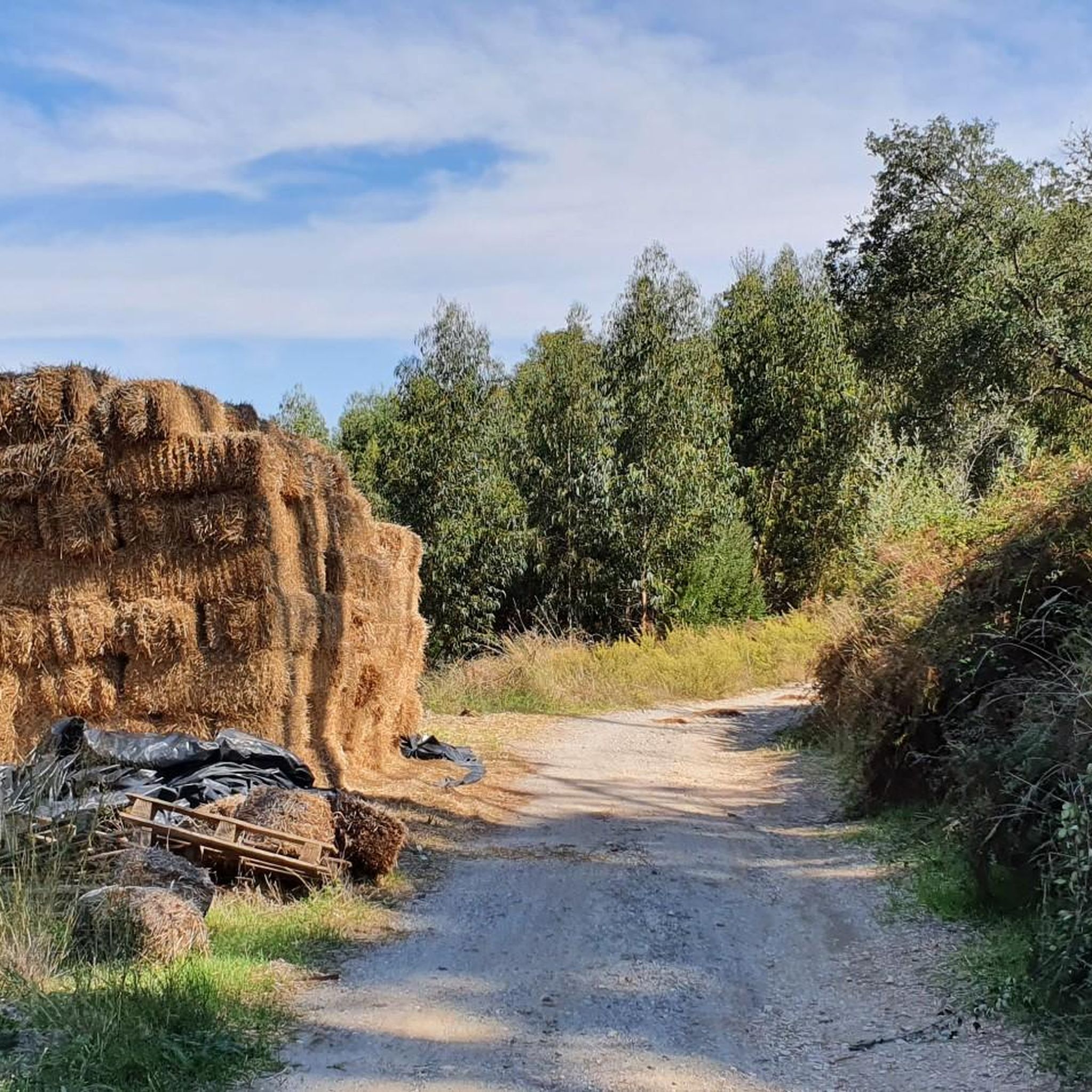
A dense and imposing cork oak forest stretches before you, a scene worthy of a fairy tale, where nature displays its splendor. Cork, the greatest wealth of these lands, is harvested here with mastery and respect, in an ancestral gesture that unites tradition and sustainability.
3
0
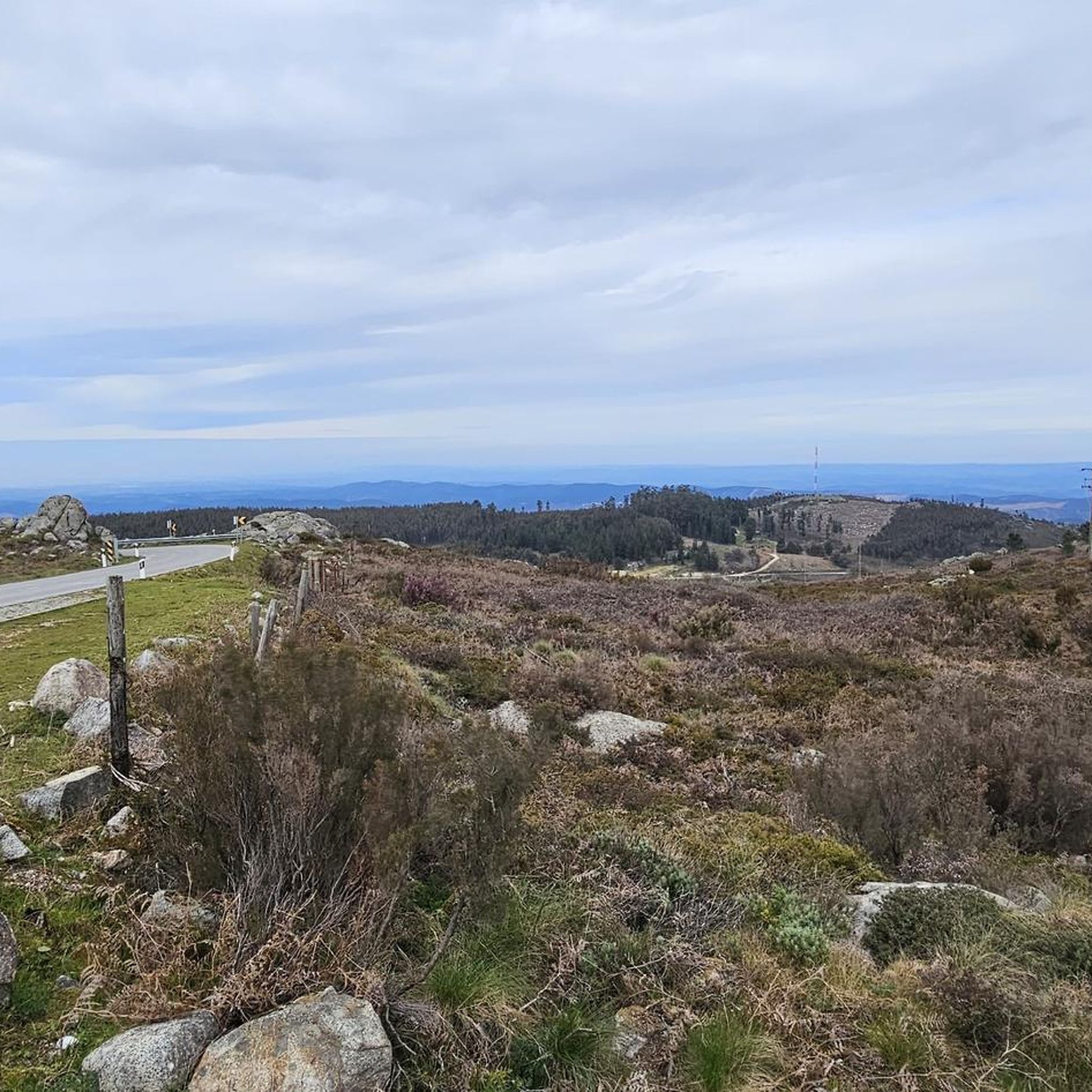
Picota, at 774 meters, is the second highest point in the Algarve and one of the most breathtaking. Here, it's worth stopping, taking a deep breath, and letting your gaze wander across the 360° landscape: rolling mountains and even the Alentejo region in the distance, if the day is clear. It's a magical feeling of almost touching the clouds.
3
0

So if you still have the energy, you can enjoy the beautiful oak trees.
1
0

In the Algarve, especially around Monchique, cork oaks (Quercus suber), a tree species typical of southern Portugal, grow in abundance. These trees are important to the Portuguese economy because their bark can be harvested every nine years to make cork – Portugal is the world's largest producer. Cork oak forests also form a valuable ecosystem that contributes to biodiversity and soil conservation. You can often recognize old trees by their bare, reddish-brown trunks with a date inscribed on them.
5
1
In the Algarve, especially around Monchique, cork oaks (Quercus suber), a tree species typical of southern Portugal, grow in abundance. These trees are important to the Portuguese economy because their bark can be harvested every nine years to make cork – Portugal is the world's largest producer. Cork oak forests also form a valuable ecosystem that contributes to biodiversity and soil conservation. You can often recognize old trees by their bare, reddish-brown trunks with a date inscribed on them.
8
0

Cork oaks you can touch. The path leads directly past the oaks. We collected acorns... maybe a cork oak will grow in northern Germany soon 😊
1
1

Here, cork is extracted from cork oaks. The "peeled" trees look very rustic.
3
0
Frequently Asked Questions
What are some of the most popular natural monuments to visit in Monchique?
Monchique offers several highly-rated natural monuments. Among the most popular are Foia Summit, the highest point in the Algarve with stunning views, and Picota Summit, the second-highest, also known for its magnificent 360-degree panoramas. The Cork oak grove in Monchique is another cherished spot, highlighting the region's significant cork industry and unique ecosystem.
Which natural monuments in Monchique offer the best panoramic views?
For breathtaking panoramic views, you should visit Foia Summit and Picota Summit. Foia, at 902 meters, provides 360-degree vistas of the mountains, the Algarve coastline, and even the Alentejo region on clear days. Picota, at 774 meters, offers equally stunning views, often considered more serene, encompassing the Serra de Monchique and the southern coast.
Are there family-friendly natural monuments or activities in Monchique?
Yes, several natural monuments in Monchique are suitable for families. The Cork oak grove in Monchique offers pleasant walks through a unique forest ecosystem. Caldas de Monchique Thermal Baths provide a relaxing experience with its natural springs and surrounding trails. Additionally, Barranco de Pisões is a wonderful spot for shaded woodland walks and picnics by mountain streams, perfect for a family outing.
What kind of outdoor activities can I do near the natural monuments in Monchique?
The area around Monchique's natural monuments is ideal for various outdoor activities. You can enjoy extensive hiking trails, including routes to the summits of Fóia and Picota. There are also numerous cycling routes, popular with enthusiasts, and dedicated running trails. The Barranco do Demo Boardwalk offers an adventurous experience with a suspension bridge and elevation changes.
Where can I experience the unique flora of Monchique?
The Serra de Monchique is known for its rich and unique flora. To best experience this, consider exploring the Monumental Trees Route. This route highlights imposing trees throughout the region, including cork oaks, and is divided into three circuits: Town, Fóia, and Picota, all starting from Largo de São Sebastião. You can find more information about this route at visitmonchique.pt.
Are there any natural thermal springs in Monchique?
Yes, the village of Caldas de Monchique is famous for its natural geothermal springs. The waters maintain a temperature of around 31-32ºC (88-90°F) and are rich in minerals, historically used for their therapeutic properties. The area features a spa where you can enjoy thermal circuit passes and explore surrounding trails.
What is the best time of year to visit the natural monuments in Monchique?
The Serra de Monchique has a unique microclimate with higher rainfall, contributing to its verdant landscapes. While beautiful year-round, visiting during spring (March to May) or autumn (September to November) offers pleasant temperatures for hiking and exploring, with lush scenery. Even in summer, it can be chilly and windy at higher elevations like Fóia, so warm clothing is advisable.
Can I find shaded walks and picnic spots among Monchique's natural monuments?
Yes, Barranco de Pisões is an excellent choice for shaded woodland walks. It features century-old plane trees and clear mountain streams, making it an ideal and peaceful spot for picnicking and enjoying nature away from direct sun.
What makes the cork oak forests in Monchique special?
The cork oak forests, such as the Cork oak grove in Monchique, are special due to the abundance of cork oaks (Quercus suber), a tree species vital to Portugal's economy. These trees are harvested for their bark every nine years and form a valuable ecosystem that supports biodiversity and soil conservation. You can often see old trees with their reddish-brown trunks marked with the date of their last harvest.
Are there any adventurous natural attractions in Monchique?
For an adventurous experience, consider the Barranco do Demo Boardwalk (Passadiços Barranco do Demo). This relatively new attraction includes a boardwalk and a 50-meter-long suspension bridge spanning a deep gorge near the village of Alferce. It offers impressive views and a challenging walk with many steps and elevation changes.
What should I bring when visiting the natural monuments, especially the summits?
When visiting natural monuments like Foia Summit or Picota Summit, it's advisable to bring layers of clothing, as it can be chilly and windy even in summer. Comfortable hiking shoes are essential for exploring trails. Don't forget water, snacks, sunscreen, and a camera to capture the stunning views.
Most popular routes around Monchique
Most popular attractions around Monchique

Get inspired with the komoot mobile app


Explore more
Extend your search for the best caves by checking out these guides of the top ones around Monchique:
