Top 20 Natural Monuments around São Bento
Best natural monuments around São Bento are situated within a landscape featuring significant natural parks and diverse geological formations. The area is known for its caves, waterfalls, and extensive trail networks, offering opportunities to explore its natural wealth. This region provides a setting for discovering various natural monuments, from impressive rock formations to flowing water features. The natural environment supports a range of outdoor activities focused on appreciating its unique geological and ecological characteristics.
Best natural monuments around São Bento
…Last updated: July 13, 2026
Fórnea Waterfall
Highlight • Waterfall
Tip by

Buraco Roto Cave-Necropolis
Highlight • Cave
Translated by Google •
Tip by

Sign up now to discover places like this
Get recommendations on the best single tracks, peaks, & plenty of other exciting outdoor places.
Sign up for free
PR3 Hiking Trail – Serras de Aire e Candeeiros Natural Park
Highlight • Trail
Translated by Google •
Tip by

Pia da Ovelha Cave
Highlight • Cave
Translated by Google •
Tip by

Peão Fountain - Monsanto
Highlight • Natural Monument
Translated by Google •
Tip by

Sign up for free to discover even more natural monuments around São Bento.
Sign up for free
Already have an account?
Start today with a free account
Your next adventure awaits.
Login or Signup
Tips from the Community

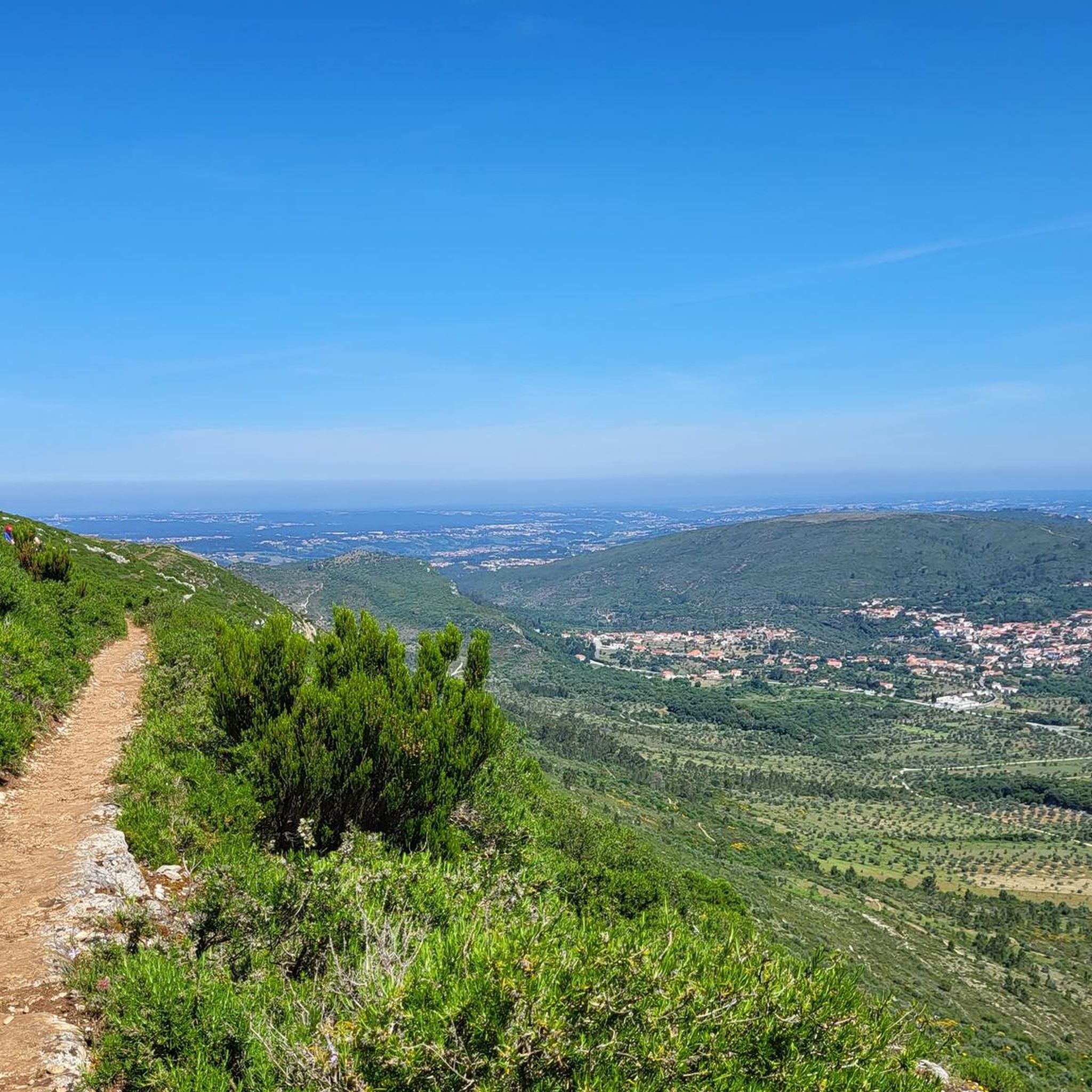
Although the tour is quite short, it thrilled us. On warm days (it was 32 degrees for us) the tour was sweaty. Currently, the authorities have closed the path, a short section of 15 meters has slipped. However, the spot can be easily and safely bypassed.
1
0

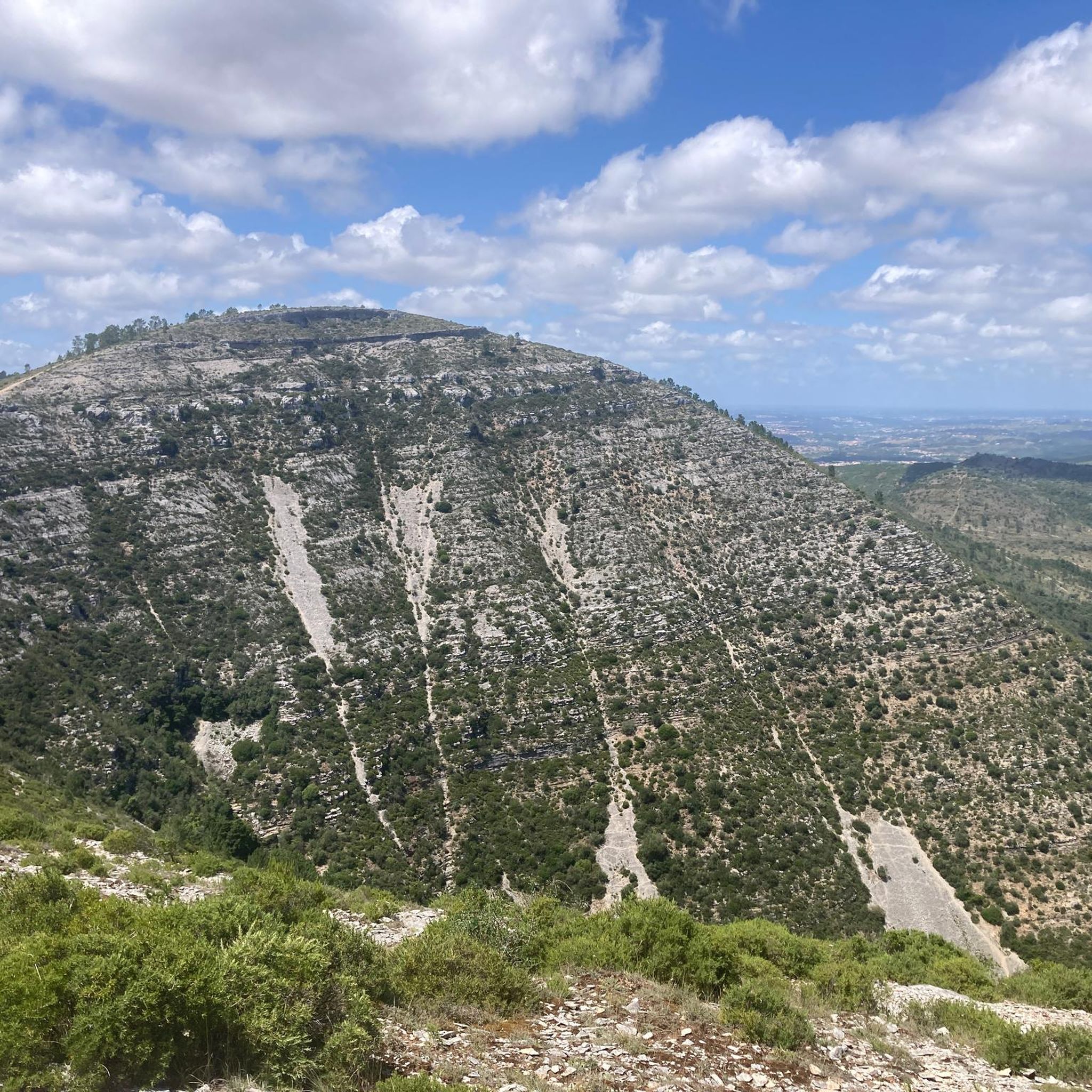
The Sheep's Sink is an imposing natural cavity, named after the sink carved under a stalactite that, in the rainy months, pours out abundant water. In the past, this natural refuge served as a drinking trough for cattle.
1
1
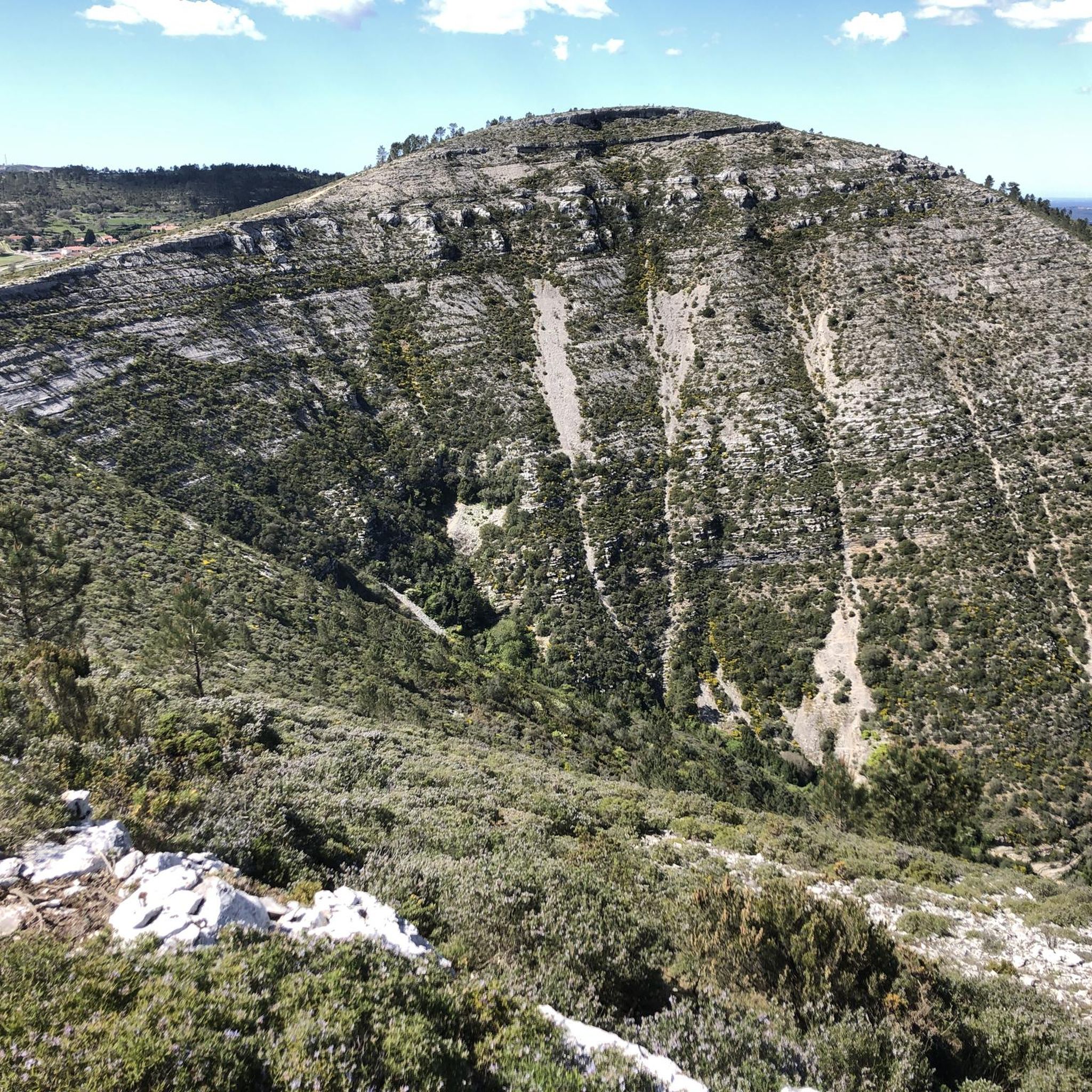
The Buraco Roto is a necropolis of singular beauty, hidden in a lush forest of oak, laurel and cork oak trees. In the rainy months, it becomes a natural spectacle, spilling large quantities of water and forming an impressive waterfall.
4
0

The Fórnea Waterfall is located right in the heart of the Serras de Aire e Candeeiros Natural Park, and is fed by the Fórnea Stream, which in turn flows from the Cova da Velha cave.
2
0

Nice quiet route. No water at the waterfall, unfortunately. Because that would give a different experience, certainly worth it for the beautiful views
0
0

The waterfall only appears after heavy rain! Fórnea waterfall just appear after intense rain!
1
0

Actually, there is supposed to be a waterfall here. Unfortunately dried out due to the drought in July.
1
1

Pia da Ovelha, point of interest inserted in the PR2 BTL trail
2
0
Frequently Asked Questions
What are some of the most popular natural monuments to visit around São Bento?
The São Bento region offers several notable natural monuments. Among the most popular are the Pia da Ovelha Cave, an imposing natural cavity known for its unique sink carved under a stalactite. Another must-see is the Fórnea Waterfall, especially impressive after periods of rain, located within the Serras de Aire e Candeeiros Natural Park. Visitors also enjoy the PR3 Hiking Trail – Serras de Aire e Candeeiros Natural Park, which offers many natural spectacles and elevated views.
Are there family-friendly natural monuments in the São Bento area?
Yes, the São Bento area has options suitable for families. The Fórnea Waterfall is considered family-friendly, offering a beautiful natural setting. Additionally, the Peão Fountain - Monsanto is a family-friendly spot with facilities, where you can enjoy spring water and historical tiles depicting rural life.
What kind of geological formations can I expect to see around São Bento?
The region around São Bento is rich in geological formations, primarily due to its location within the Serras de Aire e Candeeiros Natural Park, known for its limestone landscape. You can explore impressive caves like the Pia da Ovelha Cave and Cova da Velha, which features a natural spring and underground galleries. The area also boasts various natural springs and rock formations.
What outdoor activities can I do near these natural monuments?
The natural monuments around São Bento are excellent starting points for various outdoor activities. You can find numerous hiking trails, such as the hiking routes around São Bento, including easy and moderate loops like the Fórnea Waterfall – Cova da Velha loop. For more adventurous options, there are also dedicated MTB trails and cycling routes that allow you to explore the diverse landscapes.
What is the best time to visit the Fórnea Waterfall?
The Fórnea Waterfall is particularly notable and reveals its full grandeur after periods of heavy rain. While it's beautiful year-round, visiting during the wetter seasons (typically autumn and winter) will offer the most impressive flow. The Fórnea Stream, which feeds the waterfall, originates from the Cova da Velha cave, where a natural spring flows almost all year round.
Are there any natural monuments that involve caves or underground features?
Yes, the São Bento region is well-known for its caves. The Pia da Ovelha Cave is a significant natural cavity with a unique sink. Another important site is Cova da Velha, a cave where the Fórnea stream originates from a natural spring, with water traveling through underground galleries due to the limestone soil.
What makes the Serras de Aire e Candeeiros Natural Park special for natural monuments?
The Serras de Aire e Candeeiros Natural Park is a crucial area for natural monuments around São Bento. It is Portugal's most important protected area, characterized by its limestone landscape, which has led to the formation of numerous caves, sinkholes, and natural springs. It's home to diverse flora and fauna, and offers extensive trail networks, providing deep contact with nature and historical significance.
Can I find natural springs or sources of drinking water at the natural monuments?
Yes, you can. The Peão Fountain - Monsanto is fed by a spring and its water is considered good for human consumption, flowing regularly throughout the year. Additionally, the Cova da Velha cave features a natural spring that flows almost all year round, though its water infiltrates the ground to feed the Fórnea stream.
What do visitors particularly enjoy about the natural monuments around São Bento?
Visitors to the natural monuments around São Bento appreciate the deep contact with nature and the unique geological features. They enjoy the impressive sights of waterfalls like Fórnea Waterfall, especially after rain, and the intriguing formations within caves such as Pia da Ovelha Cave. The extensive trail networks, like the PR3 Hiking Trail, are also highly valued for offering natural spectacles and fantastic views from elevated positions.
Are there any natural monuments that are also historically significant?
Yes, some natural monuments in the region carry historical significance. The Pia da Ovelha Cave, for instance, features a sink that historically served as a drinking trough for cattle, reflecting past agricultural practices. The Peão Fountain - Monsanto, built in 1884, is a historical landmark adorned with tiles depicting rural life, serving as a symbol of the parish.
Can I find circular walks that include natural monuments?
Yes, the region offers circular walks that incorporate natural monuments. For example, the hiking guide for São Bento includes routes like the 'Fórnea Waterfall – Fornea Waterfall loop from Alcaria' which is an easy 3.7 km loop, and the 'Fórnea Waterfall – Cova da Velha loop from Alcaria', an easy 5.1 km route. These allow you to experience the natural beauty and specific monuments in a convenient loop format.
Most popular attractions around São Bento

Get inspired with the komoot mobile app


Explore more
Extend your search for the best caves by checking out these guides of the top ones around São Bento:
