Top 10 Natural Monuments around Atouguia
Natural monuments around Atouguia da Baleia showcase Portugal's coastline and geological formations. The region, part of the Peniche municipality, features diverse landscapes from dramatic cliffs to protected areas. These sites offer insights into the area's natural history and provide opportunities for outdoor activities. The geology includes the Late Jurassic Lourinhã Formation, known for paleontological discoveries.
Best natural monuments around Atouguia
- The most popular natural monuments is Buraco Roto Cave-Necropolis, a cave that is a necropolis of singular beauty, hidden…
Last updated: May 18, 2026
Source of the Lis River
Highlight • River
Tip by

Pia da Ovelha Cave
Highlight • Cave
Translated by Google •
Tip by

Sign up now to discover places like this
Get recommendations on the best single tracks, peaks, & plenty of other exciting outdoor places.
Sign up for free
Serras de Aire e Candeeiros Natural Park
Highlight (Segment) • Natural Monument
Tip by

Buraco Roto Cave-Necropolis
Highlight • Cave
Translated by Google •
Tip by

Carvalho do Padre Zé
Highlight • Natural Monument
Translated by Google •
Tip by
Sign up for free to discover even more natural monuments around Atouguia.
Sign up for free
Already have an account?
Start today with a free account
Your next adventure awaits.
Login or Signup

Tips from the Community

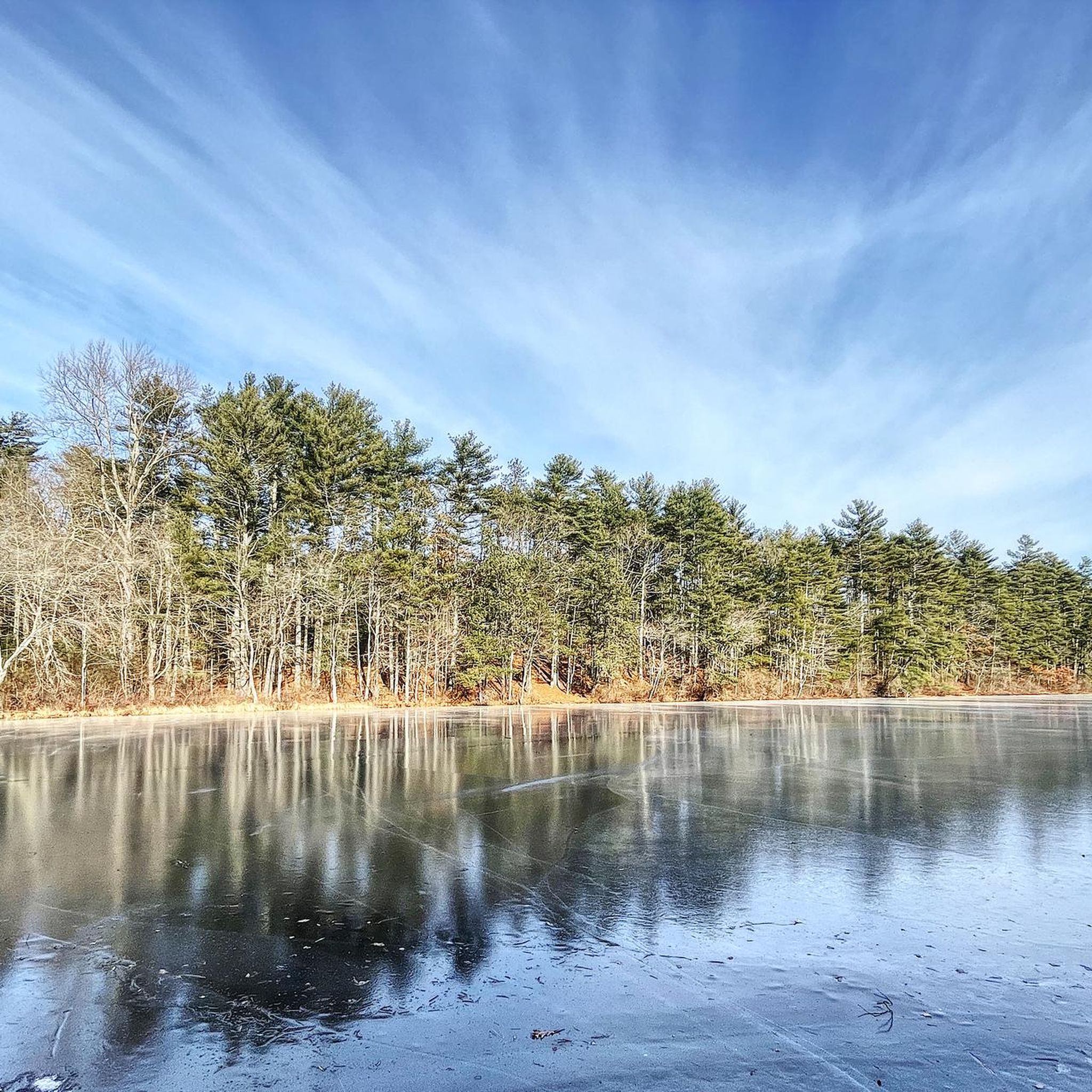
The Lis River, whose source is in the town of Fontes, Cortes, is one of the few rivers in the country whose current flows from south to north and, in the final kilometres, from east to west. In winter and early spring, it is possible to see water emerging from the ground in surprising quantities. In the summer months, the source is usually dry.
3
0

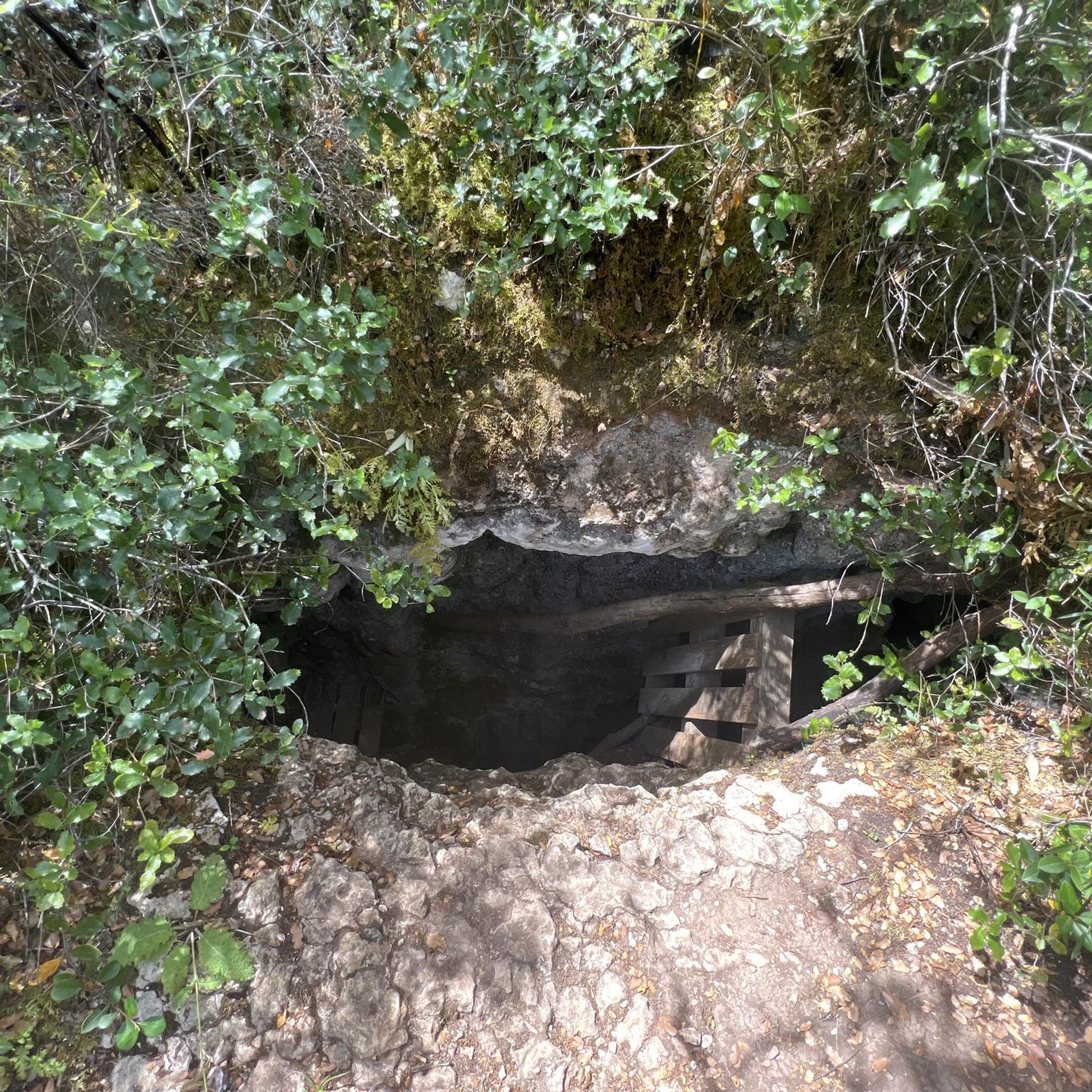
The Sheep's Sink is an imposing natural cavity, named after the sink carved under a stalactite that, in the rainy months, pours out abundant water. In the past, this natural refuge served as a drinking trough for cattle.
1
1
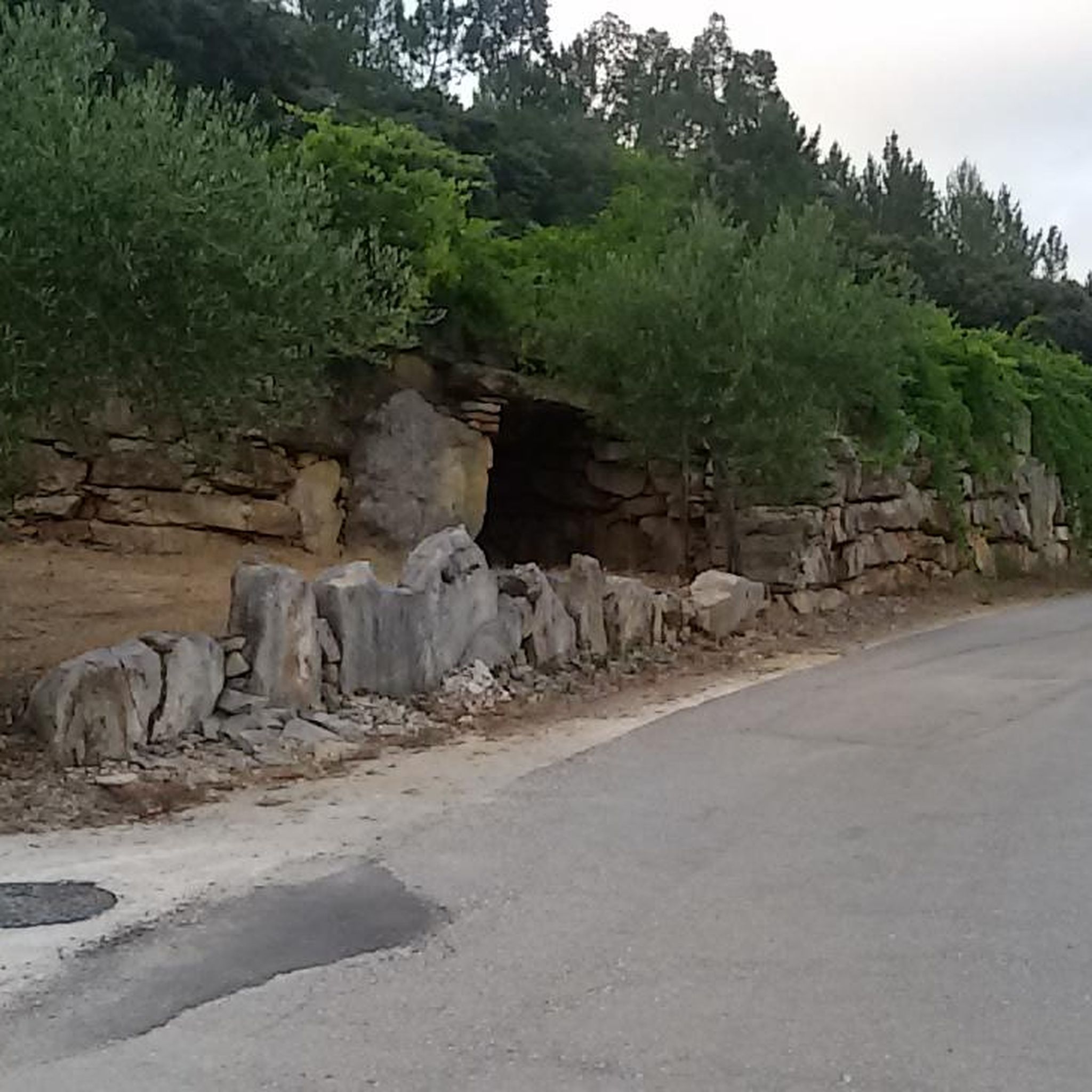
The Buraco Roto is a necropolis of singular beauty, hidden in a lush forest of oak, laurel and cork oak trees. In the rainy months, it becomes a natural spectacle, spilling large quantities of water and forming an impressive waterfall.
3
0

I recommend it to cyclists who want to push the limits.
3
0

While the spring itself is dry in summer it must be spectacular when the rains are back in November. But the Rio Lis is also fed by water coming from inside the mountain and ground-water from the area, so water starts flowing a few hundred meters further down the riverbed, nice and fresh. There is a lovely path following it, and those who did some walking on a lovely summers day will really enjoy a little dip, maybe some swimming, but at least a bit of wading through it. There is easy access in several places, have fun 😀!
2
0

Pia da Ovelha, point of interest inserted in the PR2 BTL trail
2
0

headwater of the Lis river, a river that cross the city of Leiria and flows into Praia da Vieira. An amazing place to visit during the winter and after some heavy raisn, where you can see the water coming from the earth.
3
0
An imposing example of an oak, the so-called 'Carvalho do Padre Zé' with 5.87 meters in perimeter and 20.90 meters in height. This beautiful and huge tree deserves to be visited.
3
0
Frequently Asked Questions
What unique geological features can I explore around Atouguia da Baleia?
The region boasts several unique geological features. You can visit the dramatic cliffs and rock formations at Buraco Roto Cave-Necropolis, which also features a waterfall during rainy months. Another impressive site is Pia da Ovelha Cave, a large natural cavity with a unique sink. Further afield, Cabo Carvoeiro offers heavily eroded limestone cliffs and the famous Nau dos Corvos rock formation, while Ilhéu da Papôa showcases rugged cliffs shaped by erosion. The area is also part of the Late Jurassic Lourinhã Formation, significant for paleontological discoveries.
Are there any natural monuments with historical significance?
Yes, several natural monuments in the area have historical ties. The Buraco Roto Cave-Necropolis is a cave that served as a necropolis, offering a glimpse into ancient burial practices. The Berlengas Islands Nature Reserve features the 17th-century Fort of São João Baptista, dramatically perched on the rocks. Additionally, Ilhéu da Papôa holds a haunting history of shipwrecks, adding a touch of mystery to its natural beauty.
What outdoor activities can I do near these natural monuments?
The region around Atouguia da Baleia offers a variety of outdoor activities. You can explore numerous hiking trails, including those around Cabo Carvoeiro, which provide stunning coastal views. For more challenging climbs and panoramic vistas, consider visiting Serras de Aire e Candeeiros Natural Park. The nearby coastline is also famous for surfing, especially at Praia dos Supertubos and Baleal Beach. For more detailed route information, you can check out guides like Hiking around Atouguia or Road Cycling Routes around Atouguia.
Are there family-friendly natural monuments around Atouguia?
Absolutely. The Source of the Lis River is a fascinating spot where water emerges from the earth, especially after heavy rains, making it an interesting visit for all ages. Another great option is Carvalho do Padre Zé, an imposing and beautiful ancient oak tree that's easy to access. Many of the local beaches, such as Baleal Beach, also offer calm waters and a relaxed atmosphere suitable for families.
When is the best time to visit the natural monuments around Atouguia da Baleia?
The best time to visit depends on your interests. For seeing the Source of the Lis River at its most impressive, with water emerging abundantly, winter and early spring after heavy rains are ideal. For hiking and enjoying the coastal scenery at places like Cabo Carvoeiro and the Berlengas Islands, spring and autumn offer pleasant temperatures. Summer is perfect for beach activities and water sports, though it can be busier.
Where can I find the best viewpoints for photography?
For breathtaking views, Cabo Carvoeiro is a prime location, especially at sunset, offering expansive ocean vistas from Pilate's Balcony. The Berlengas Islands also provide panoramic Atlantic views from their hiking trails. Within the mainland, Serras de Aire e Candeeiros Natural Park offers mountain climbs with scenic outlooks towards Torres Novas.
What kind of wildlife can I expect to see?
The Berlengas Islands Nature Reserve is a UNESCO Biosphere Reserve renowned for its diverse marine life and is an excellent spot for birdwatching, supporting a variety of seabirds. Cabo Carvoeiro's cliffs are also significant for birdwatching, as many seabirds nest there. The marine environments around the coast are rich, making diving and snorkeling popular activities.
Are there any natural monuments suitable for challenging hikes or climbs?
Yes, if you're looking for a challenge, Serras de Aire e Candeeiros Natural Park involves mountain climbs and offers rewarding panoramic views. The Pia da Ovelha Cave is also categorized as an intermediate to challenging natural monument, and the Buraco Roto Cave-Necropolis is noted for its challenging access.
What are the most popular natural monuments around Atouguia?
Visitors frequently enjoy the Buraco Roto Cave-Necropolis, a beautiful cave hidden in a lush forest that forms an impressive waterfall in rainy months. Another highly appreciated site is Serras de Aire e Candeeiros Natural Park, known for its varied landscapes and mountain climbs. The Source of the Lis River is also a popular choice, especially for witnessing water emerging from the earth after heavy rains.
Can I go surfing or enjoy other water sports near Atouguia da Baleia?
Absolutely. The coastline around Atouguia da Baleia, particularly the Peniche peninsula, is world-renowned for surfing. Praia dos Supertubos is famous for its powerful, tubular waves and hosts international surfing competitions. Baleal Beach is also ideal for surfers of all levels with medium-sized waves. The crystal-clear waters around the Berlengas Islands are perfect for diving, snorkeling, and kayaking.
Are there any natural monuments that are particularly good for geology enthusiasts?
Yes, geology enthusiasts will find several points of interest. The Late Jurassic Lourinhã Formation, which underlies the region, is significant for its paleontological discoveries, including dinosaur fossils. Cabo Carvoeiro and Ilhéu da Papôa showcase dramatic cliffs and unique rock formations shaped by years of erosion, providing excellent examples of coastal geological processes.
What do visitors enjoy most about the natural monuments in this area?
Visitors particularly appreciate the dramatic coastal scenery, the unique geological formations, and the opportunities for diverse outdoor activities. The natural spectacle of water emerging from the earth at the Source of the Lis River and the impressive waterfall at Buraco Roto Cave-Necropolis during rainy months are often highlighted. The panoramic views from places like Cabo Carvoeiro and the hiking trails in Serras de Aire e Candeeiros Natural Park are also highly valued.
Most popular attractions around Atouguia

Get inspired with the komoot mobile app


Explore more
Extend your search for the best caves by checking out these guides of the top ones around Atouguia:
