Top 5 Natural Monuments in Schwanheimer Wald
Best natural monuments in Schwanheimer Wald include ancient trees and unique geological formations within Frankfurt's city forest. This area features significant ecological and historical sites, offering insights into past land use and natural processes. Visitors can explore the rare inland dune and centuries-old oaks, which are designated natural monuments. The landscape provides a blend of natural beauty and historical context.
Best natural monuments in Schwanheimer Wald
- The most popular natural monuments is Schwanheim Old Oaks, a natural monument featuring…
Last updated: July 14, 2026
Schwanheim Old Oaks
Highlight • Natural Monument
Translated by Google •
Tip by

Kelsterbach Terrace Bronze Age Settlement
Highlight • Historical Site
Translated by Google •
Tip by
Sign up now to discover places like this
Get recommendations on the best single tracks, peaks, & plenty of other exciting outdoor places.
Sign up for free
Oak Tree with Monster Children
Highlight • Structure
Translated by Google •
Tip by

Ancient Oak Root with Historical Plaques
Highlight • Natural Monument
Translated by Google •
Tip by

Steilhang and Tannacker Burial Mounds
Highlight • Historical Site
disturbed. In the area of the steep slope there is a …
Translated by Google •
Tip by

Sign up for free to discover even more natural monuments in Schwanheimer Wald.
Sign up for free
Already have an account?
Start today with a free account
Your next adventure awaits.
Login or Signup
Tips from the Community

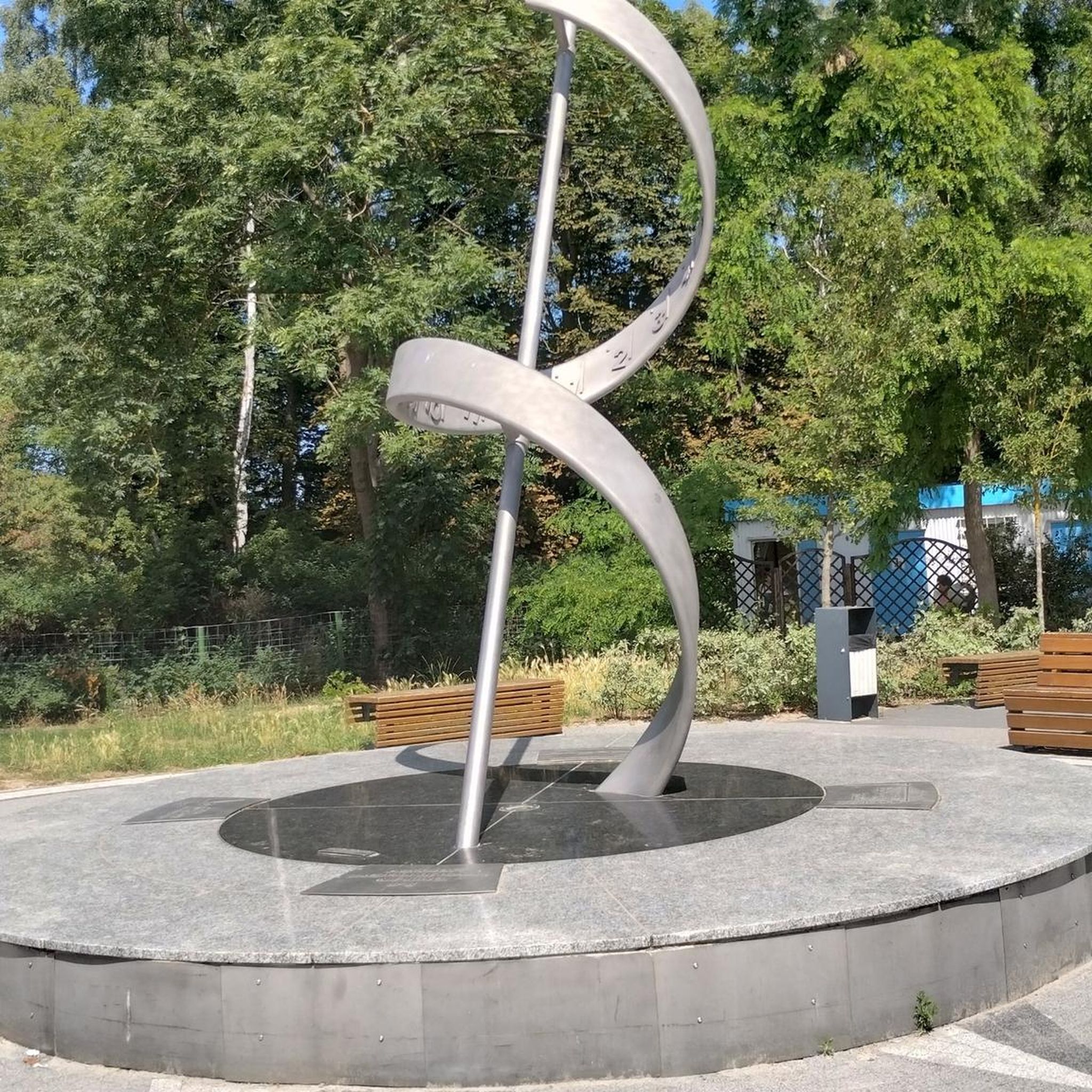
Here is a covered stump of a 300-year-old oak tree! Year markers are carved into the trunk in the form of beautiful metal plaques.
14
0

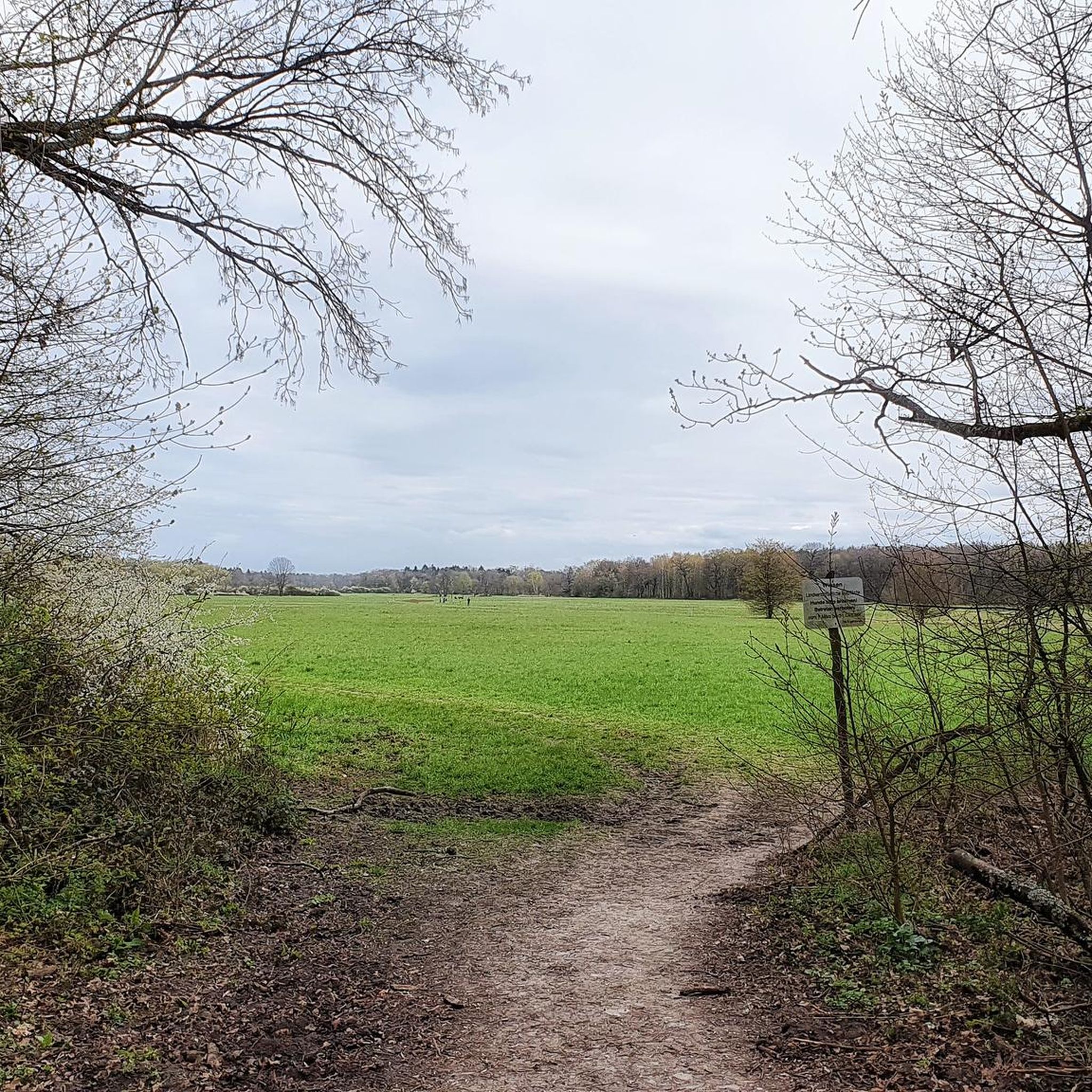
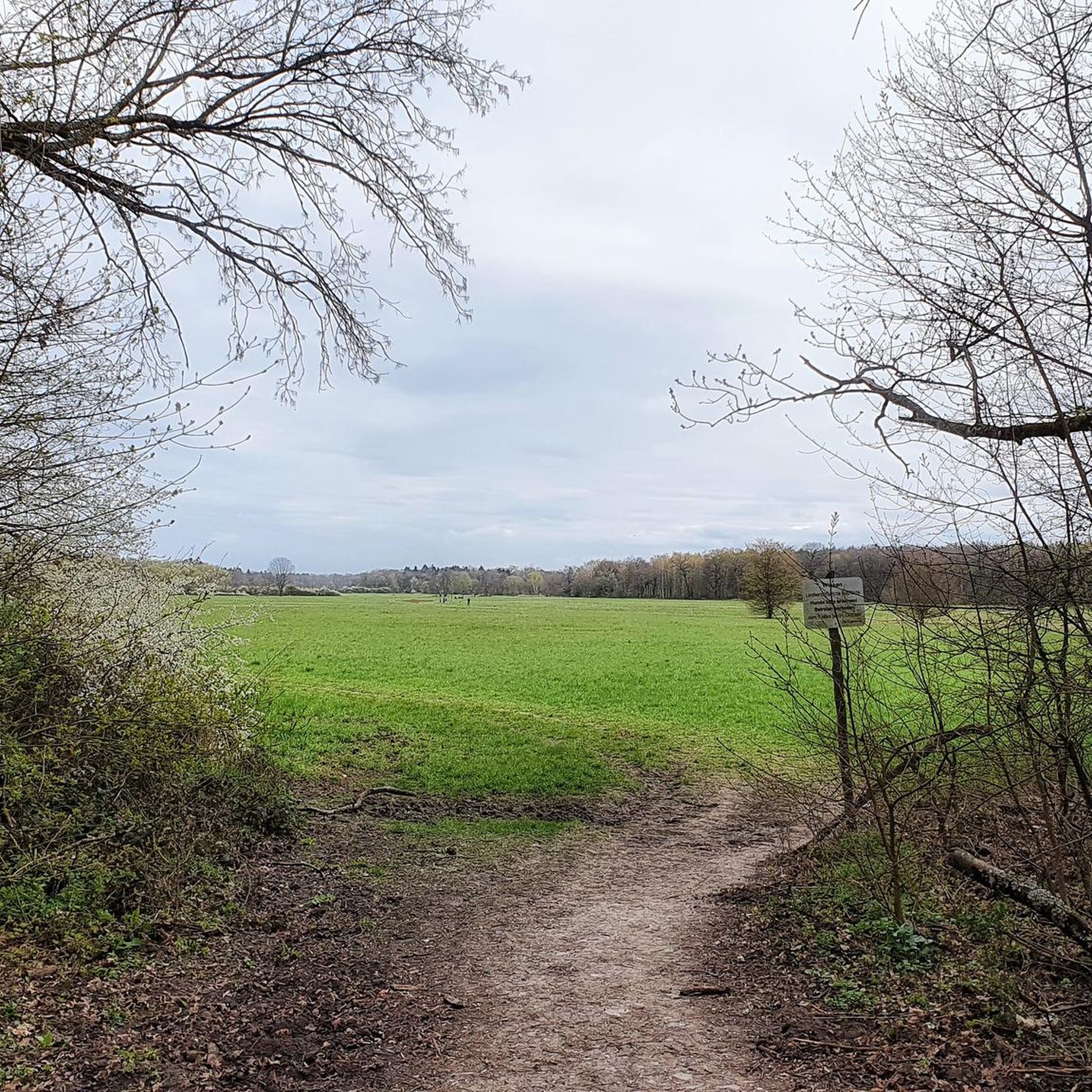
In prehistoric times, the Main River flowed at the foot of this slope, carrying and depositing vast amounts of rock as a torrent. The southern river terrace of the ancient Main River, formed as a slope edge, now lies in the heart of Frankfurt's city forest. This up to 17-meter-high "Kelsterbach Terrace" runs from Kelsterbach in a west-east direction through the forest.
0
0

The Kelsterbach Terrace is wooded throughout its entire length, making cycling a relaxing experience even in summer weather. If it's still too hot, you can enjoy a cold drink at the Kelsterbar with a view of the Main River.
0
0

Settlement from the Middle Bronze Age
0
0

A very nice rest stop.
1
1
Very worthwhile to cycle there. Very beautiful area in the Frankfurt city forest.
2
2

If you are interested in history, you should check it out. Race track that was actually in operation and then also a test track from Opel
2
1

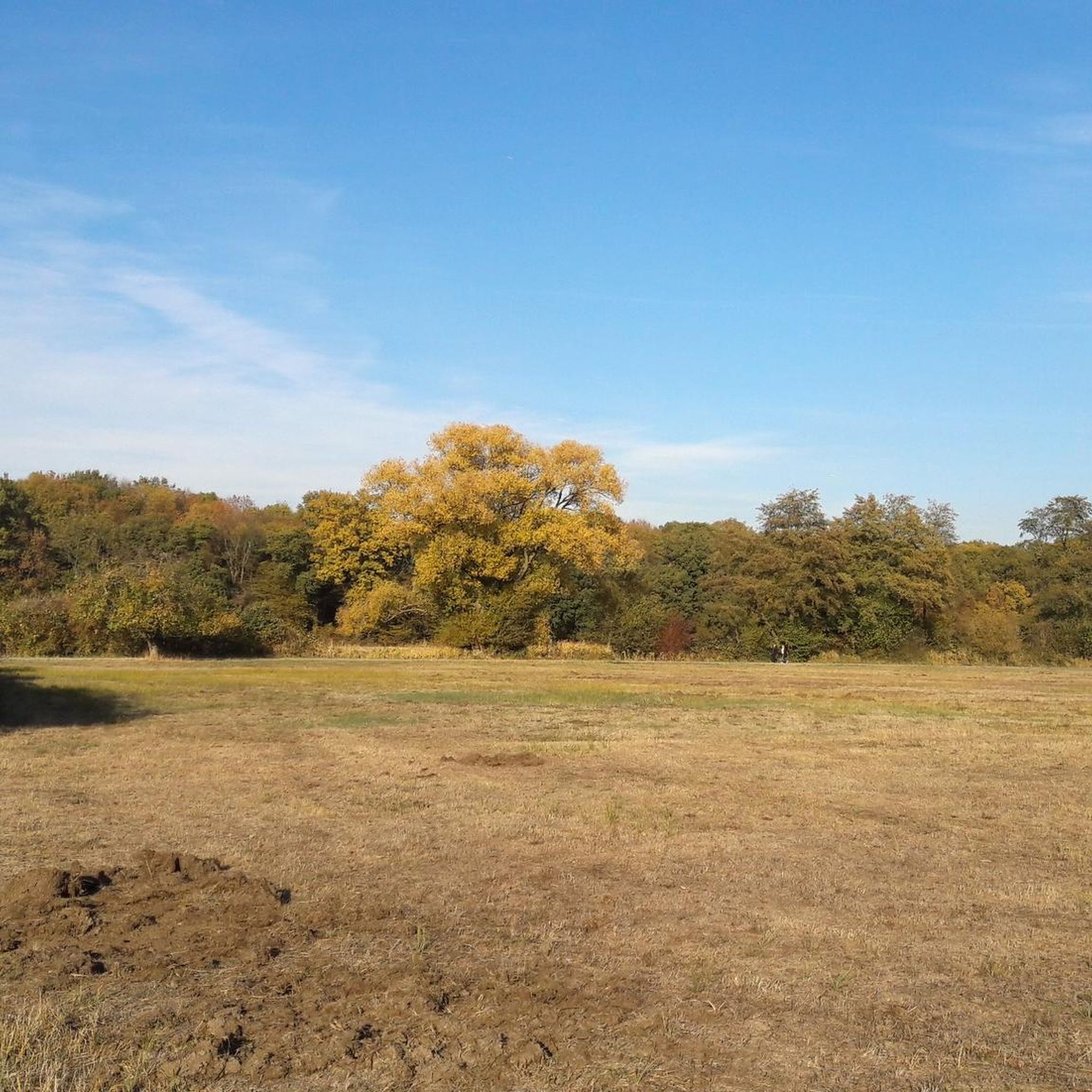
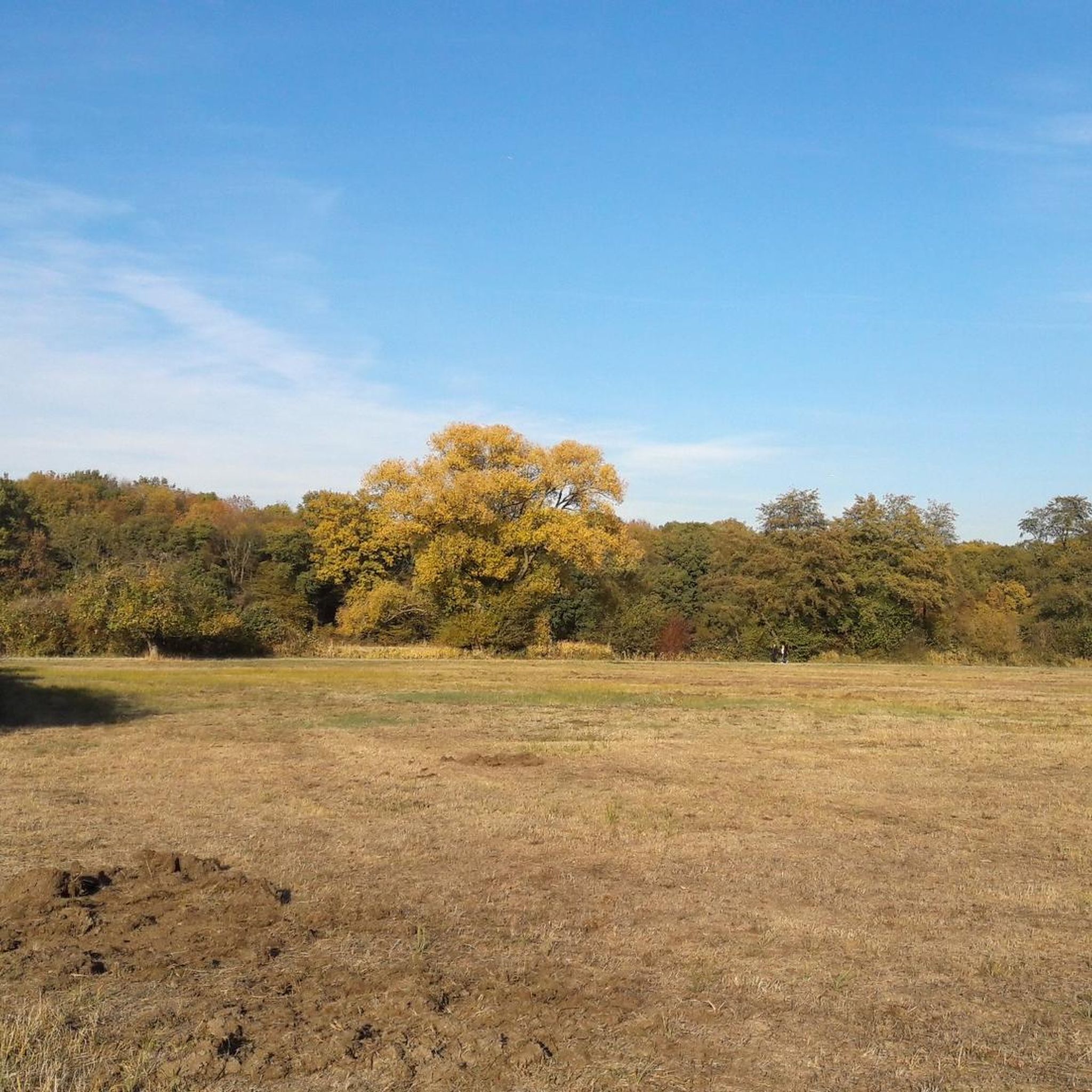
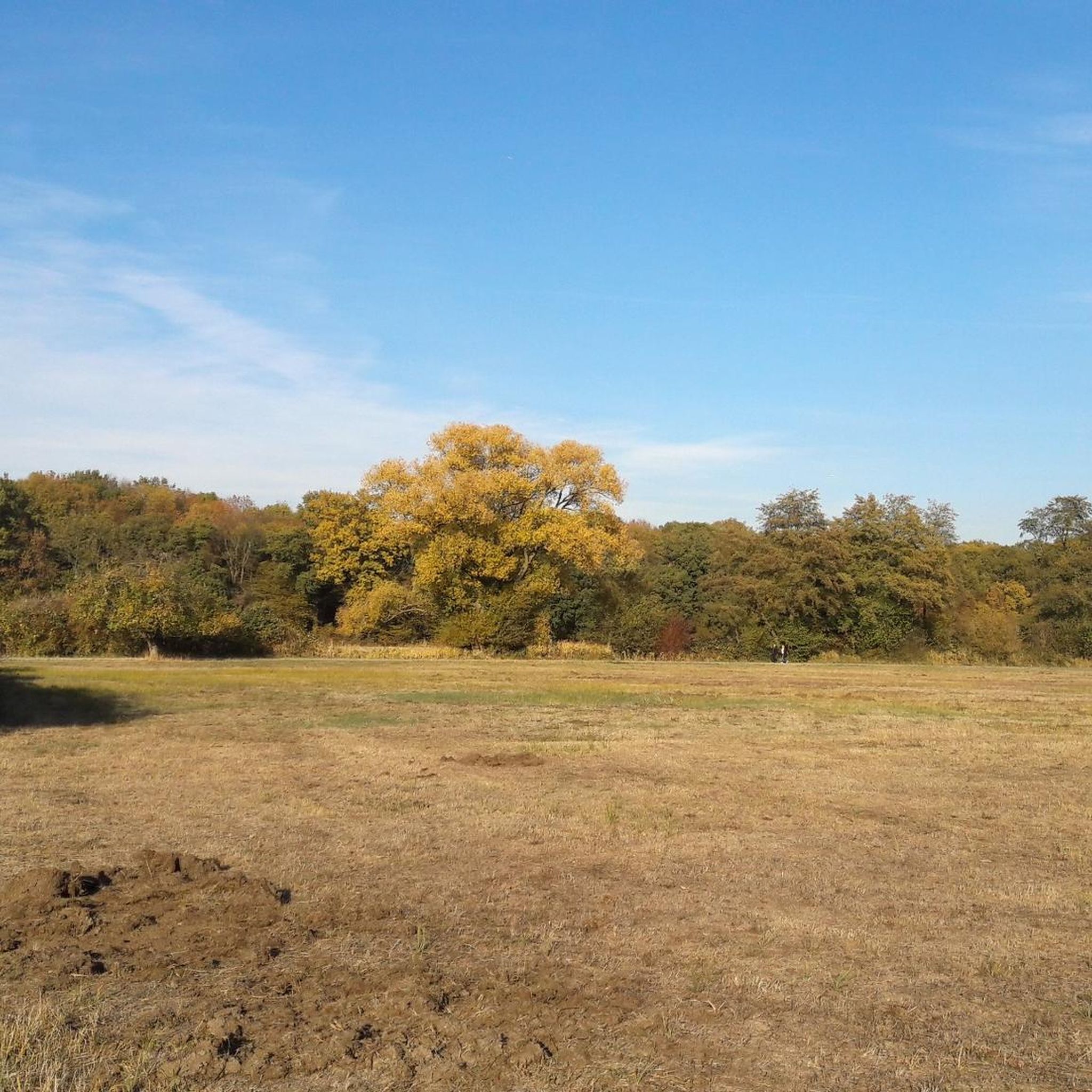
The mighty pedunculate oaks often served as a model for the members of the Kronberg painters' colony. The fact that these "1000-year-old oaks" stand there so gnarled and decorative as solitaires is due to natural circumstances, but also to the centuries-old hat industry. In earlier times it was common practice to drive the pigs into the forest to be fattened. Old oak stands were particularly suitable as a shelter forest. They delivered 600 to 1200 kilos of acorns per hectare. The Schwanheim forest was so fertile that swineherds even drove their animals there from the Vordertaunus. Once the Wutze were released, there was no stopping them: They literally milled their way through the undergrowth and rummaged around the ground in search of tasty grubs. Result: The forest could not rejuvenate. It became lighter, only a few older trees remained. The fact that the oaks are so bizarre and gnarled at this location just behind the Schwanheim development line is due to the subsoil. It's sandy and lean. Just a little further, on the Schwanheimer Wiesen, there is fatter clay soil - and the oaks are taller and straighter in growth. However, these also do not have the proverbial 1000 years under their belt. The trees are usually a good 500 years old.
2
0
Frequently Asked Questions
What unique natural features can I explore in Schwanheimer Wald?
Schwanheimer Wald is home to several unique natural features. You can visit the Schwanheim Old Oaks, a collection of approximately 30 pedunculate oaks, many around 500 years old, known for their gnarled appearance. Another remarkable site is the Schwanheim Dune, a rare inland dune formed after the last ice age, featuring open sand areas, sparse pine trees, and unique silver grass flora. This dune is a designated nature reserve and FFH area.
Are there historical sites among the natural monuments in Schwanheimer Wald?
Yes, several natural monuments also have significant historical value. The Ancient Oak Root with Historical Plaques features a covered stump of a 300-year-old oak tree, with historical events marked on its annual rings. Additionally, the Steilhang and Tannacker Burial Mounds area includes a natural terrace where tools from the Old and New Stone Age were found, alongside burial mounds from the Hallstatt culture.
What kind of wildlife can be observed near the natural monuments?
The natural monuments in Schwanheimer Wald are rich in biodiversity. The Schwanheim Old Oaks are a crucial habitat for rare beetle species like the stag beetle, great rose chafer, and the endangered great capricorn beetle. The Schwanheim Dune, a sensitive ecosystem, provides ideal living conditions for rare birds such as the oriole, as well as various amphibians, lizards, pheasants, yellowhammers, and woodlarks.
Are the natural monuments in Schwanheimer Wald suitable for families with children?
Many natural monuments in Schwanheimer Wald are family-friendly. The Schwanheim Old Oaks area has an informative 'Alteichen-Pfad' trail. The Oak Tree with Monster Children, an art installation with huge wooden acorns, is particularly popular with children. The Schwanheim Dune also features a boardwalk, making it accessible for a pleasant family stroll while protecting the sensitive environment.
What is the best time to visit the natural monuments in Schwanheimer Wald?
The natural monuments in Schwanheimer Wald can be enjoyed year-round. Spring and autumn offer pleasant temperatures for walking and vibrant foliage. Summer is ideal for exploring the dune and forest, though it can be warmer. Even in winter, the gnarled Schwanheim Old Oaks and the unique dune landscape offer a serene experience.
Are there hiking trails near these natural monuments?
Yes, there are several hiking trails that allow you to explore the natural monuments. For example, you can take the 'Old Oaks of Schwanheim – Schwanheim Ancient Oaks loop' or the 'Schwanheimer Dune Boardwalk – View of Höchst loop'. You can find more details and routes in the Hiking in Schwanheimer Wald guide.
What is the significance of the Schwanheim Dune?
The Schwanheim Dune is highly significant as one of Europe's rare inland dunes, formed approximately 10,000 years ago. It is a designated nature reserve and a Flora-Fauna-Habitat (FFH) area, providing a unique habitat for numerous rare and endangered plant and animal species adapted to dry, nutrient-poor soils. A boardwalk guides visitors through this surprising 'coastal' landscape within the city.
Can I learn about ancient civilizations near the natural monuments?
Yes, the Kelsterbach Terrace Bronze Age Settlement offers insights into ancient civilizations. Extensive finds of potsherds, animal bones, tools, and flint from the Middle Bronze Age (14th to 13th century BC) were made here. Additionally, the Steilhang and Tannacker Burial Mounds contain tools from the Old and New Stone Age and burial mounds from the Hallstatt culture.
What kind of cycling routes are available near the natural monuments?
The area around the natural monuments offers various cycling opportunities. You can find easy to moderate routes like the 'Eintracht Frankfurt Mural loop' or the 'Schwanheimer Meadows – Leunabrücke loop'. For more options, explore the Cycling in Schwanheimer Wald guide or the Road Cycling Routes in Schwanheimer Wald guide.
How did the Schwanheim Old Oaks get their distinctive gnarled appearance?
The Schwanheim Old Oaks developed their unusually gnarled and decorative appearance due to centuries of use as 'Hutewald' or wood-pasture until the 19th century. Livestock grazing prevented young shoots from growing, allowing the oaks to develop robust, wide growth without competition for sunlight. The sandy and lean soil in the area also contributed to their unique, twisted forms.
Is there an art installation related to the natural monuments?
Yes, you can find the Oak Tree with Monster Children on the Lichtetalschneise. This installation features three huge wooden acorns under an oak tree, based on a design by the Frankfurt caricaturist F. K. Waechter. It's part of a series of comical tree art found in the city forest.
What do visitors enjoy most about the natural monuments in Schwanheimer Wald?
Visitors particularly enjoy the unique blend of natural beauty and historical context. The ancient, gnarled Schwanheim Old Oaks are visually striking and inspire many. The surprising 'coastal' landscape of the Schwanheim Dune offers a distinct experience. The historical elements, such as the plaques on the Ancient Oak Root and the archaeological finds at the Steilhang and Tannacker Burial Mounds, also add depth to the visit.
Most popular routes in Schwanheimer Wald
Most popular attractions in Schwanheimer Wald

Get inspired with the komoot mobile app


Explore more
Extend your search for the best caves by checking out these guides of the top ones in Schwanheimer Wald:
