Top 4 Natural Monuments around Dysart
Best natural monuments around Dysart include coastal rock formations, ancient caves, and historical stone circles. This region offers a diverse landscape shaped by geological processes and human history. Visitors can explore unique geological features, evidence of ancient seas, and significant archaeological sites. The area provides opportunities to discover natural beauty and historical intrigue.
Best natural monuments around Dysart
- The most popular natural monuments is Wemyss Caves, a cave system forged by the power of the ocean around 8,000 years…
Last updated: August 24, 2026
Rock Formations with Evidence of Ancient Tropical Seas
Highlight (Segment) • Natural
Tip by

Wemyss Caves
Highlight • Cave
Tip by

Sign up now to discover places like this
Get recommendations on the best single tracks, peaks, & plenty of other exciting outdoor places.
Sign up for free
Balbirnie Stone Circle
Highlight • Natural Monument
Tip by

The Binn Cup and Ring Marks
Highlight • Historical Site
Number 6
Tip by

Rowan Tree Growing Through Gate Post
Highlight • Natural
Tip by

Start today with a free account
Your next adventure awaits.
Login or Signup
Tips from the Community

Neolithic stone circle. This one has a hearth and some graves inside. The whole circle was relocated from nearby when the road was built.
0
0

I guess the post must already have been split to allow a rowan seed to enter the centre of the post.
0
0
Located here: https://goo.gl/maps/9R9hgc5a9BwRk7gf8
0
0

More information: https://www.welcometofife.com/inspire-me-post/top-6-archaeological-sites-to-visit-in-fife Number 6
0
0

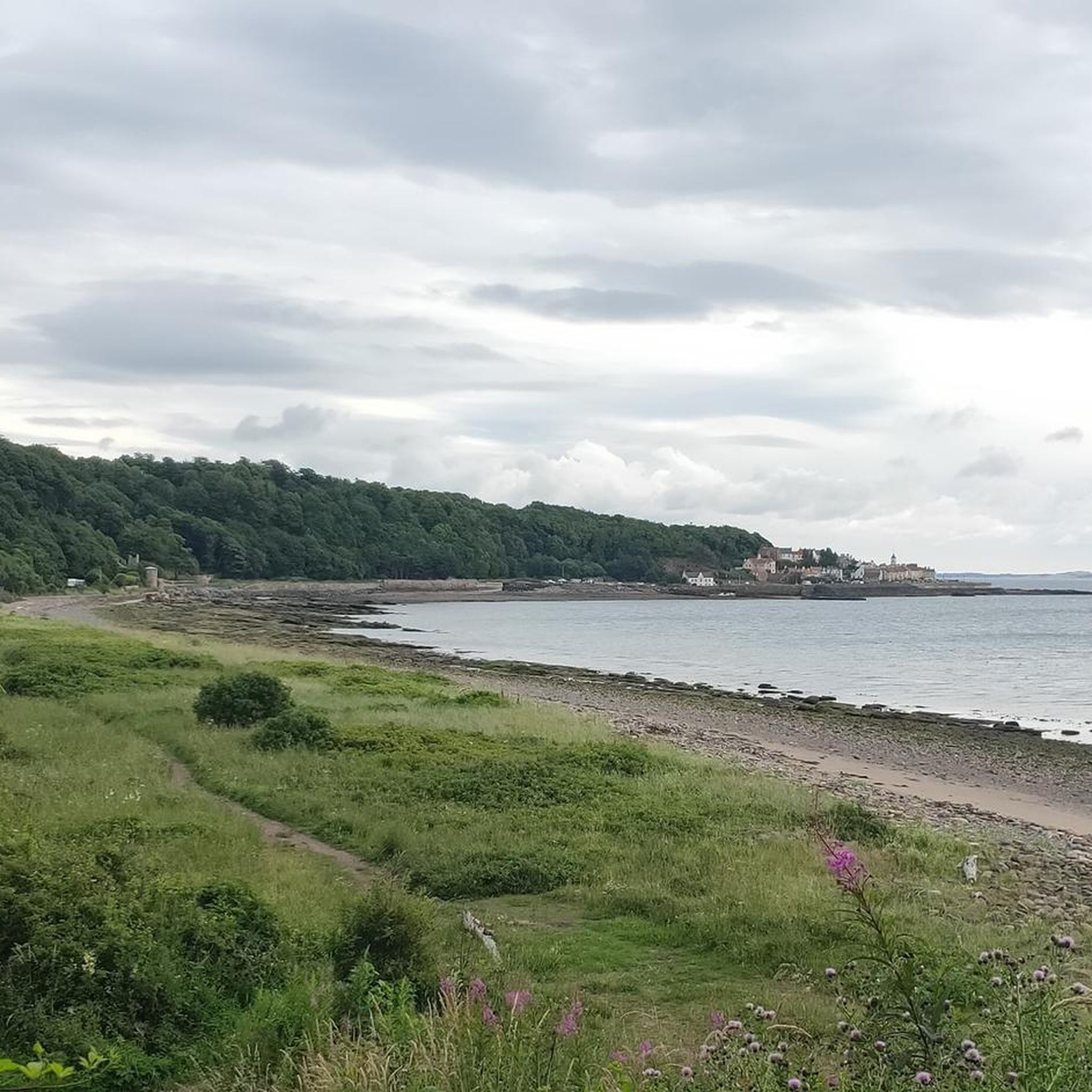
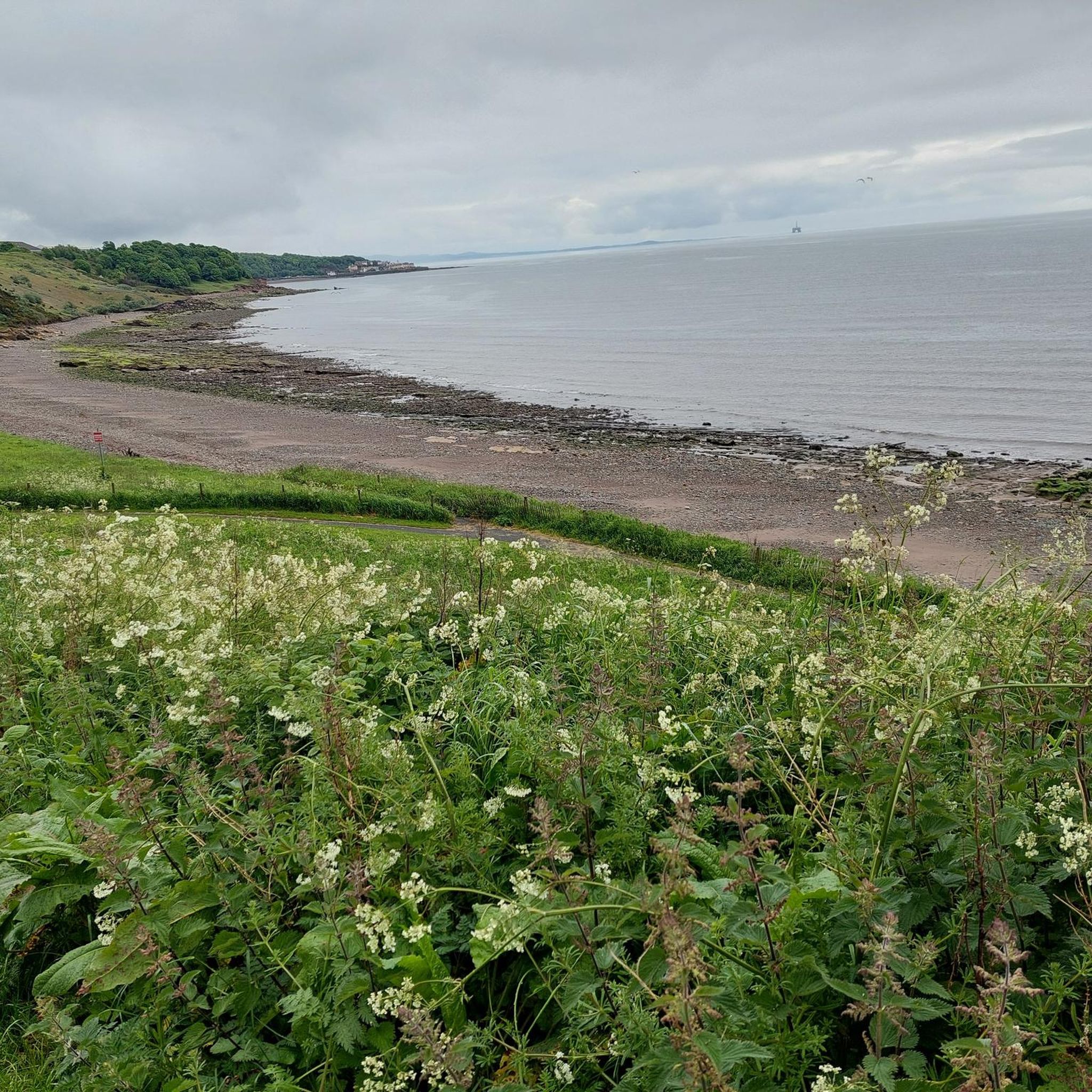
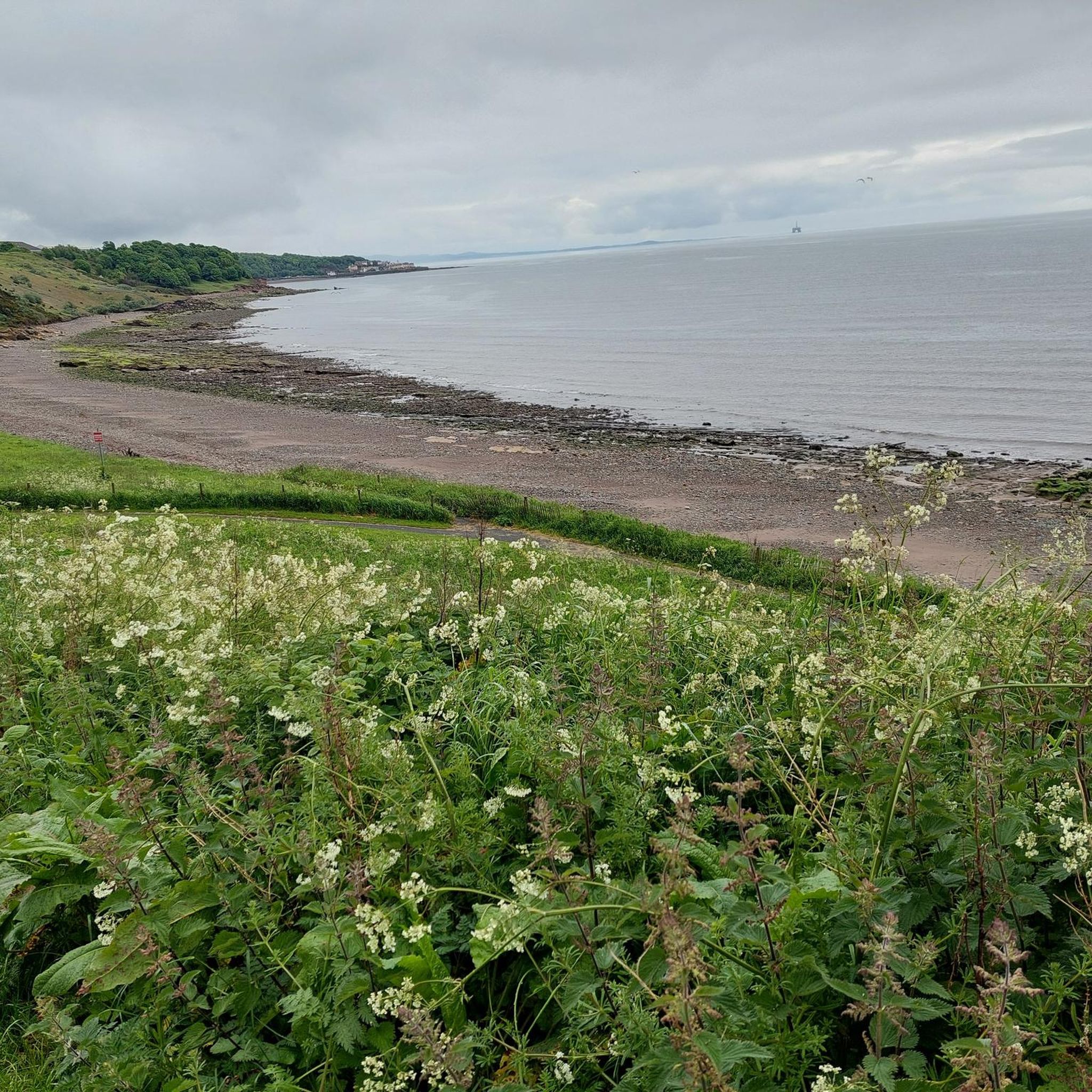
This part of the coastal path towards Seafield tower where the formation of rocks, are created from the molten lava and underneath these rocks are the evidence of tropical seas teeming with corals at the time when this part of the world was near the equator about 325 million years ago. There are volcanoes spewing out molten lava around here, later earthquakes cracked the rocks to create faults which you can see preserve today. The area has been categorised to SSSI (Site of Special Scientific Interest) is a formal conservation designation. Usually, it describes an area that's of interest to science due to the rare species of fauna or flora it contains - or even important geological or physiological features that may lie in its boundaries.
0
0

The Wemyss Caves were forged by the power of the ocean around 8,000 years ago. You can see six caves on the coastline below the ruins of MacDuff’s Castle; many of which have immense historical importance due to the high number of carvings which are inscribed on their walls—the earliest of which are thought to date to the Bronze Age. Under threat from coastal erosion, structural instability, and vandalism, the caves have been designated as a scheduled monument.
1
0
Frequently Asked Questions
What kind of natural monuments can I explore around Dysart?
Dysart offers a unique blend of geological and historical natural monuments. You can discover ancient rock formations, sea caves, and even prehistoric stone circles. These sites showcase the region's rich natural history, from tropical seas to volcanic activity.
Are there any natural monuments with historical significance near Dysart?
Yes, the Wemyss Caves are a prime example. Forged by the ocean, these caves contain numerous carvings, some dating back to the Bronze Age, making them a scheduled monument of immense historical importance. Another significant site is the Balbirnie Stone Circle, a Neolithic monument with a hearth and graves inside.
What geological features can I observe in the natural monuments around Dysart?
You can observe fascinating geological features such as the Rock Formations with Evidence of Ancient Tropical Seas. This area of the coastal path reveals rocks formed from molten lava, with evidence of tropical seas teeming with corals from 325 million years ago. Earthquakes later cracked these rocks, creating visible faults. The area is designated as a Site of Special Scientific Interest (SSSI).
Are there family-friendly natural monuments to visit in Dysart?
Absolutely. The Balbirnie Stone Circle is categorized as family-friendly, offering an accessible glimpse into Neolithic history. Additionally, the unique Rowan Tree Growing Through Gate Post is a curious natural sight that can delight visitors of all ages.
What outdoor activities can I do near these natural monuments?
The area around Dysart is excellent for outdoor activities. You can enjoy various hiking routes, including easy loops like "Ravenscraig Park & Castle loop from Dysart Harbour" or moderate ones like "MacDuff's Castle – West Wemyss Coastal Path loop from West Wemyss." For more options, explore the Hiking around Dysart guide. There are also road cycling routes available, such as the "Markinch Parish Church – View from Bowden Hill loop from Glenrothes with Thornton," detailed in the Road Cycling Routes around Dysart guide.
Are there any natural monuments that are also archaeological sites?
Yes, the The Binn Cup and Ring Marks are a notable example. These ancient markings are considered a historical site and a natural monument, offering insights into prehistoric human activity in the landscape.
What makes the Wemyss Caves a significant natural monument?
The Wemyss Caves are significant due to their formation by the ocean approximately 8,000 years ago and the wealth of ancient carvings found within them. These carvings, some dating to the Bronze Age, provide a unique historical record, leading to their designation as a scheduled monument.
Can I find easy walking trails near Dysart's natural monuments?
Yes, many of the natural monuments are accessible via walking trails. For instance, you can find easy hiking routes like the "Ravenscraig Park & Castle loop from Dysart Harbour" which can take you near some coastal features. For more family-friendly options, check out the Family-friendly hikes around Dysart guide.
What is the best way to experience the natural beauty of Dysart's coastline?
To best experience the natural beauty of Dysart's coastline, consider exploring the coastal path where you can find the Rock Formations with Evidence of Ancient Tropical Seas and the Wemyss Caves. These locations offer stunning views and a chance to observe unique geological and historical features shaped by the sea.
Are there any unique or unusual natural sights around Dysart?
Yes, the Rowan Tree Growing Through Gate Post is a particularly unusual and charming natural sight. It's a testament to nature's resilience, with a tree growing directly through the center of an old gate post.
Most popular attractions around Dysart

Get inspired with the komoot mobile app


Explore more
Extend your search for the best caves by checking out these guides of the top ones around Dysart:
