Top 4 Natural Monuments around Royal Burgh Of Crail And District
Best natural monuments around Royal Burgh Of Crail And District are found along its coastline, offering geological features and historical sites. The region's coastal path provides access to various natural formations shaped by sea erosion and volcanic activity. These sites offer insights into the area's ancient past and geological processes. The Royal Burgh Of Crail And District features a blend of natural formations and historical intrigue.
Best natural monuments around Royal Burgh Of Crail And District
- The most popular natural monuments is Rock and Spindle, a viewpoint that is a well-known rock formation on the Fife Coastal Path. It is formed by a weathered volcanic plug with twisted basalt columns.
- Another must-see spot is St. Monans Caves and Rock Formations, natural monuments featuring caves and rock formations directly alongside the coastal path. Visitors can explore these dramatic coastal geological features.
- Visitors also love Rock Formation on the Coast, a viewpoint that exhibits geological evidence of past disruptions along the coastline. This site offers a view of the area's dynamic geological history.
- Royal Burgh Of Crail And District is known for its caves, distinctive rock formations, and fossil sites. These natural monuments provide a diverse range of geological and historical points of interest to see and explore.
- The natural monuments around Royal Burgh Of Crail And District are appreciated by the komoot community, with 48 upvotes and 19 photos contributing to their appeal.
Last updated: October 4, 2026
Rock and Spindle
Highlight • Viewpoint
Tip by

St. Monans Caves and Rock Formations
Highlight • Natural Monument
Tip by

Sign up now to discover places like this
Get recommendations on the best single tracks, peaks, & plenty of other exciting outdoor places.
Constantine's Cave
Highlight • Natural Monument
Tip by

Rock Formation on the Coast
Highlight • Viewpoint
Tip by

St Adrian's Cave and Rock Arches, Fife Coastal Path
Highlight • Cave
These caves were formed by erosion from the sea before the land level was changed and you can now see them raised to their current elevated height.
Tip by

Start today with a free account
Your next adventure awaits.
Popular around Royal Burgh Of Crail And District
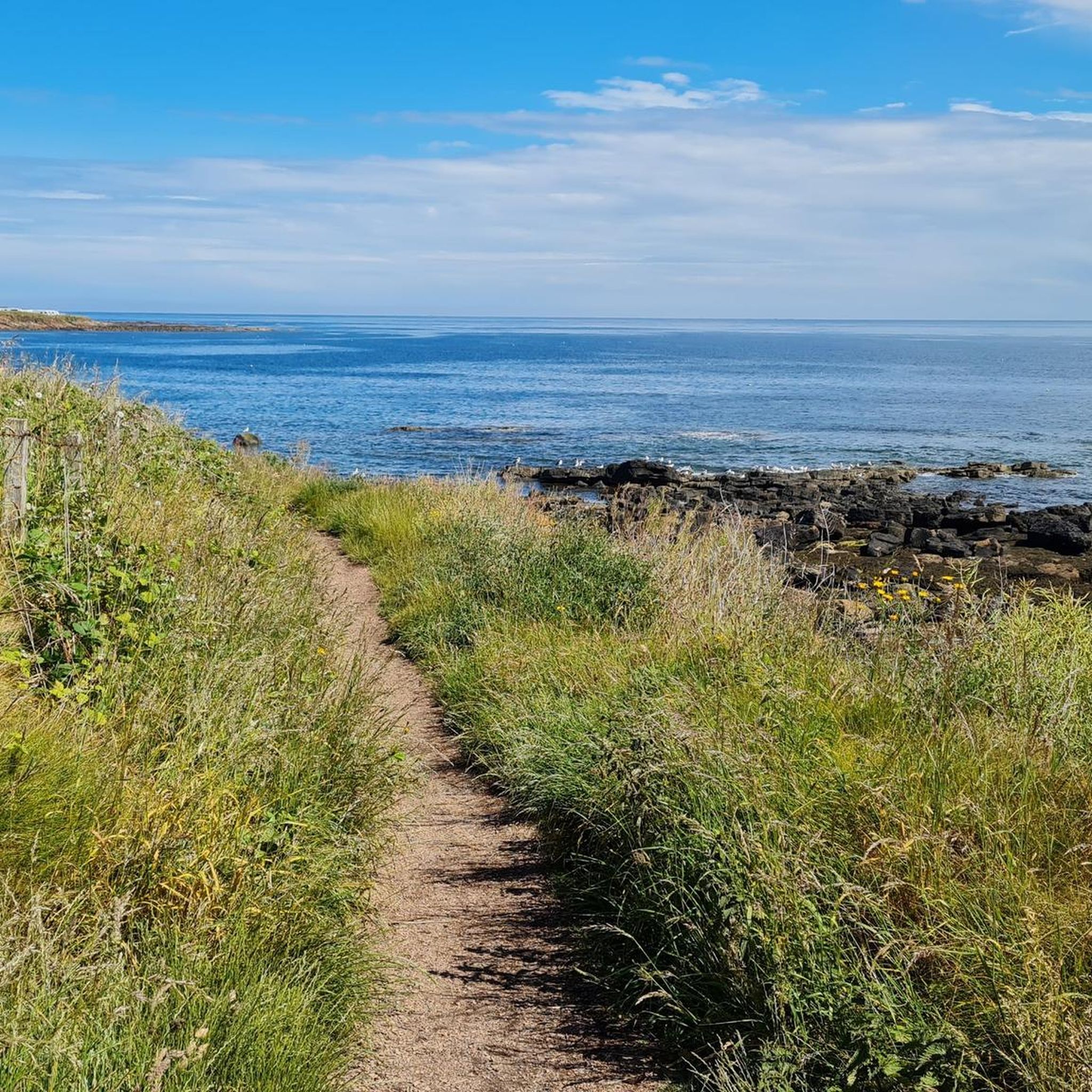
Hiking around Royal Burgh Of Crail And District
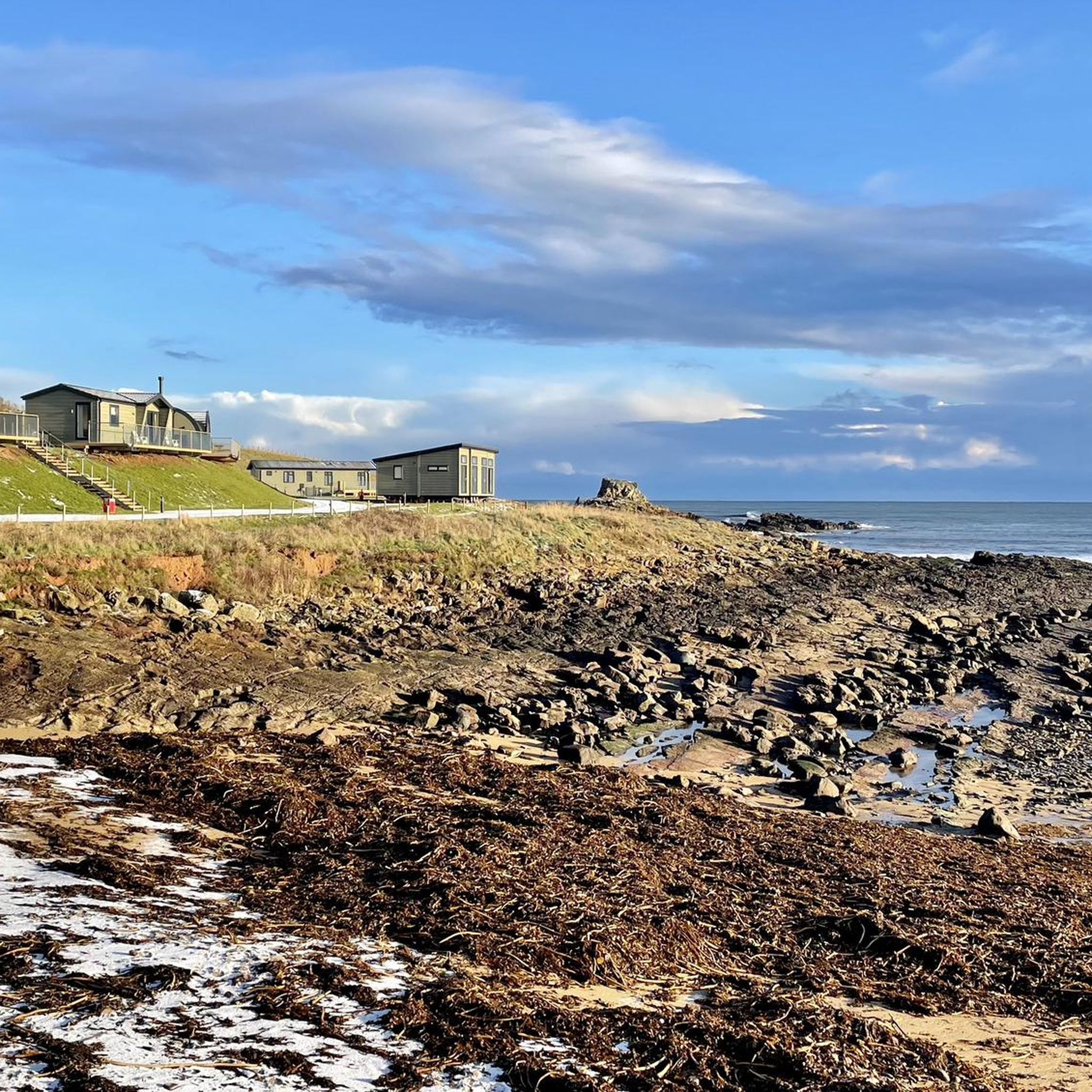
Running Trails around Royal Burgh Of Crail And District
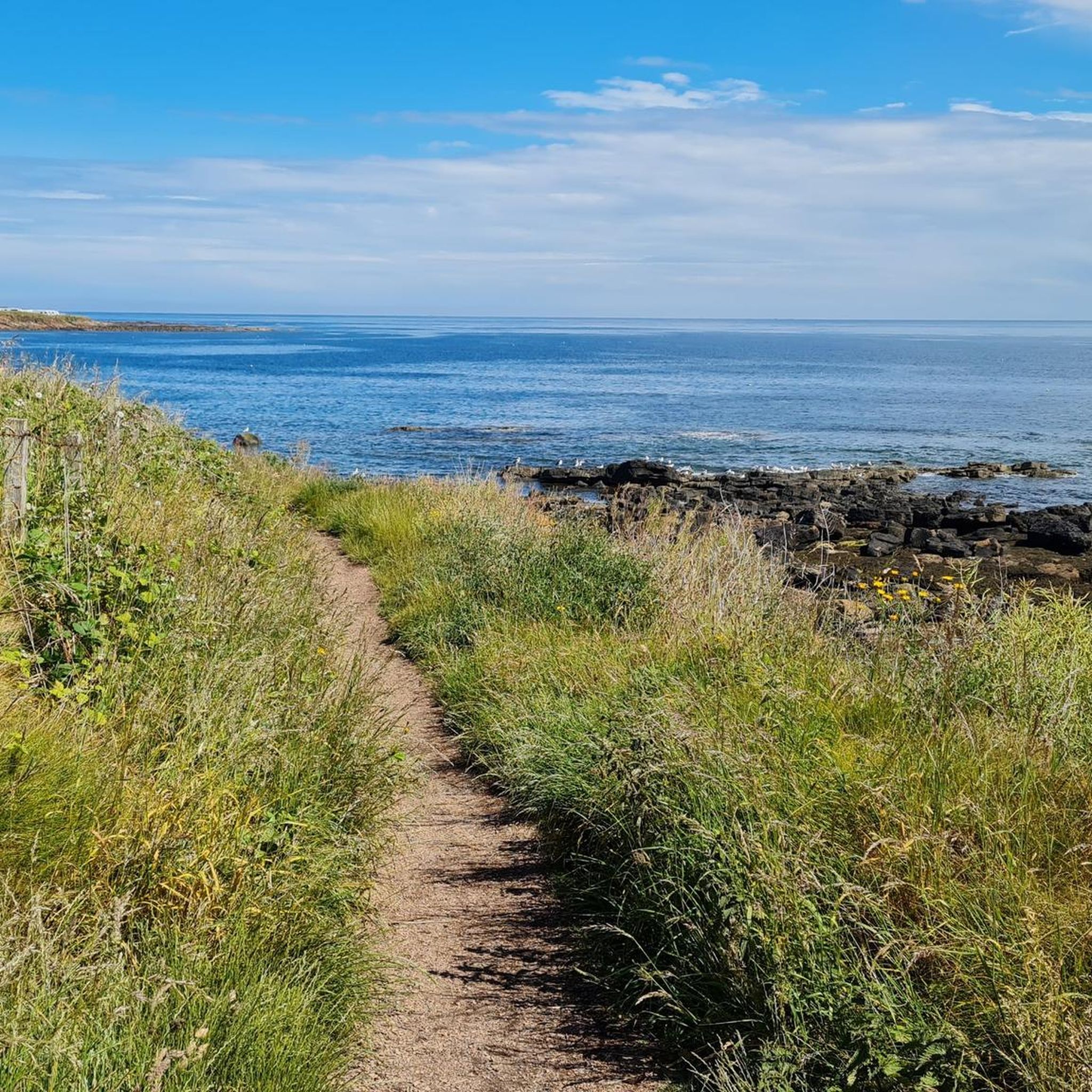
Cycling around Royal Burgh Of Crail And District
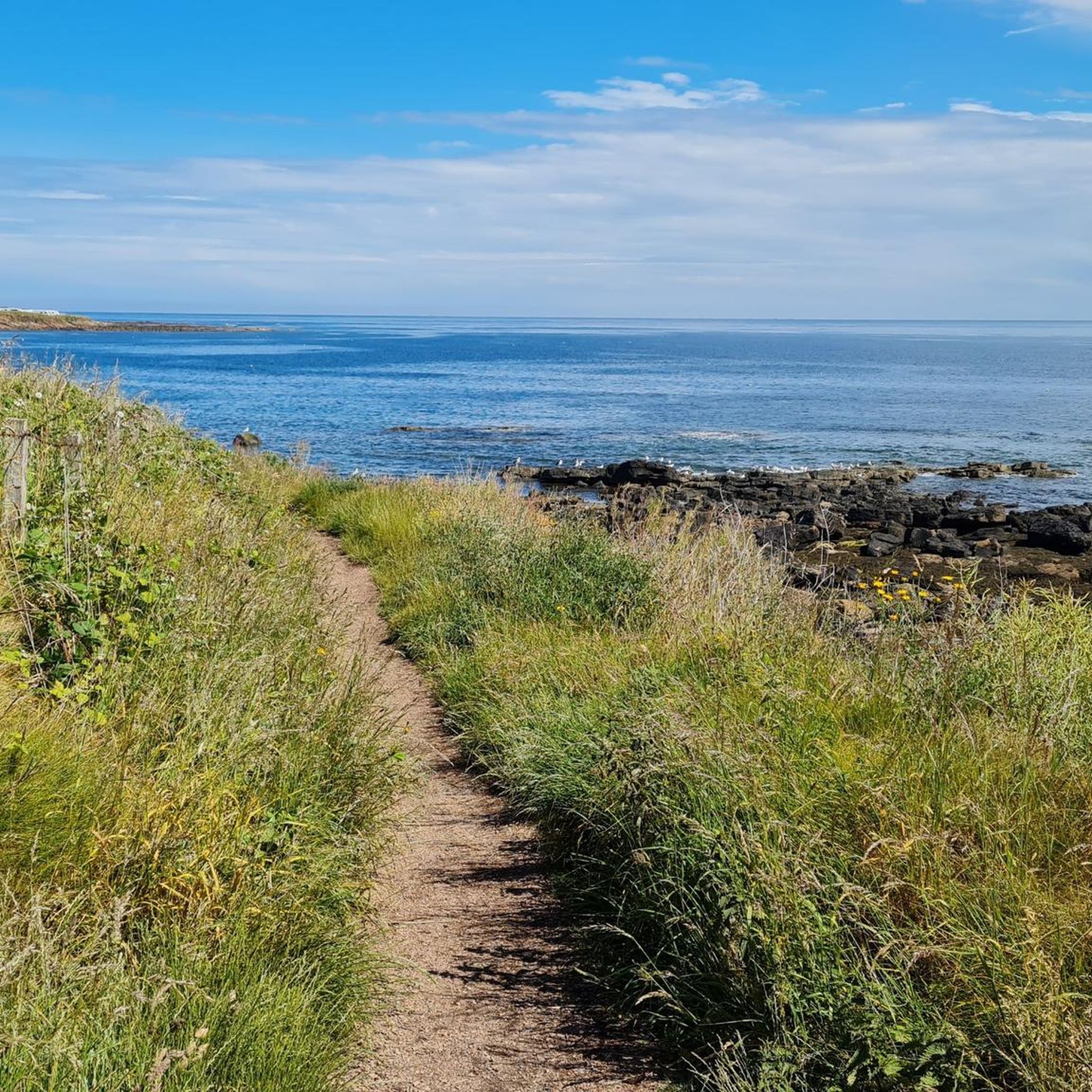
Road Cycling Routes around Royal Burgh Of Crail And District
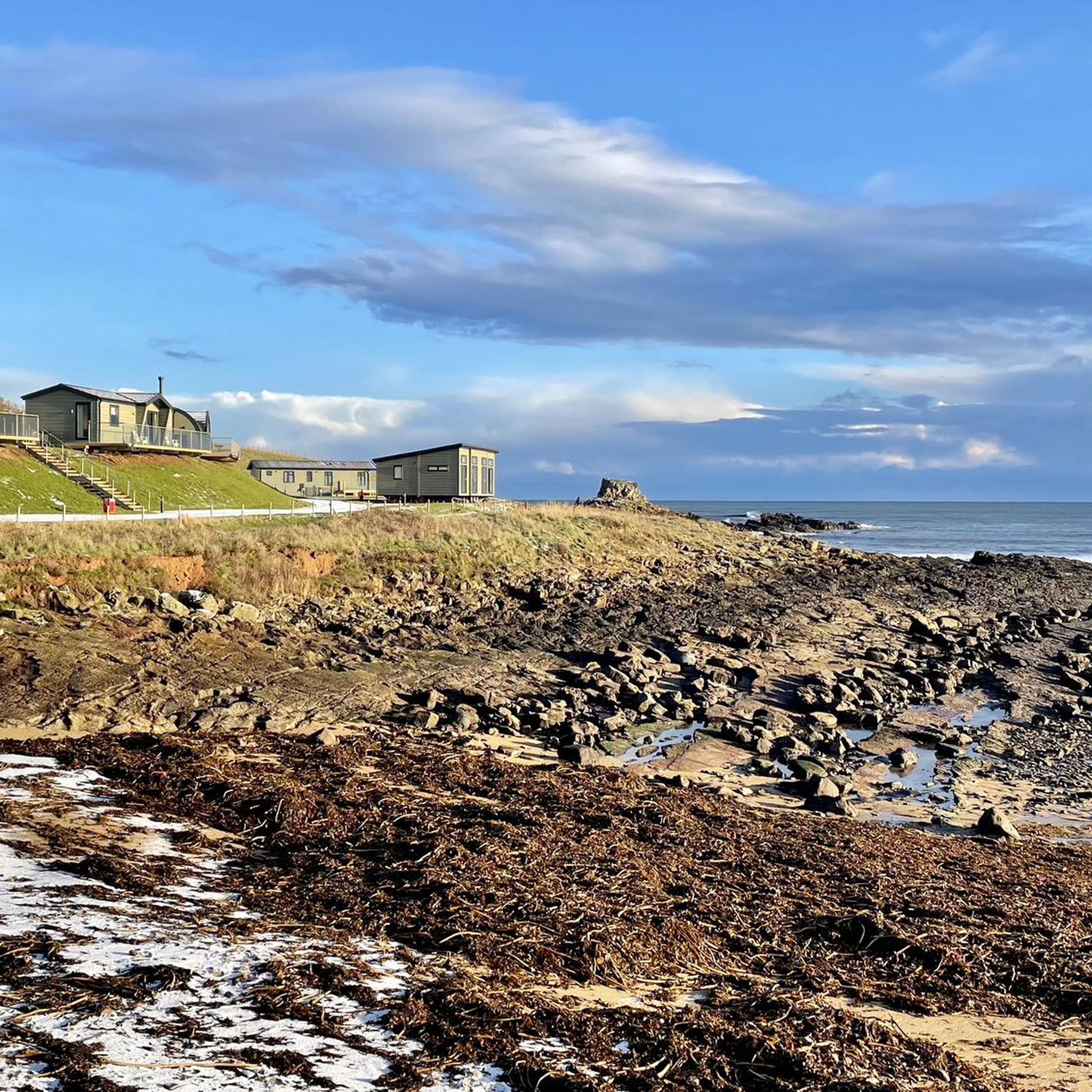
MTB Trails around Royal Burgh Of Crail And District
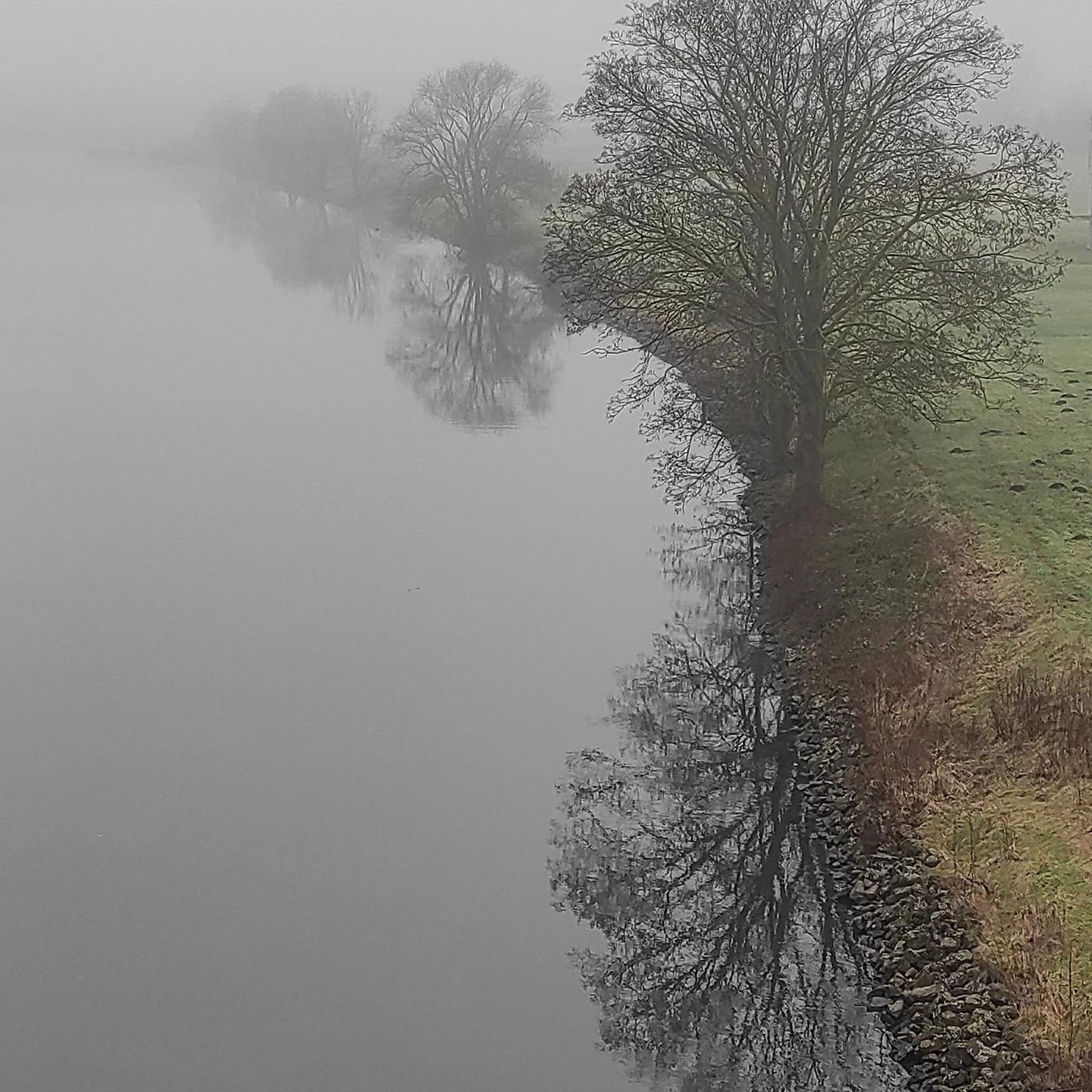
Gravel biking around Royal Burgh Of Crail And District
Tips from the Community

The Rock and Spindle is a well known rock formation on the Fife Coastal path near St Andrews. It's formed by a weathered volcanic plug. It's named after the twisted basalt columns which form a round block at the base of the stack, best viewed from the southeast of the formation.
1
0

The cave is easy to come across on the Fife costal path and a short walk down from the golf club.
0
0

Not a peaceful place, geologically anyway. Evidence of huge disruptions in the past litter the coastline
0
0

A short uphill walk from Constantine's cave takes you to Crail Golfing Society clubhouse. A perfect stop for Sunday lunch. https://crailgolfingsociety.co.uk/restaurant-bar
0
0

Incredible caves and rock formations right alongside the coastal path, worth stopping and exploring while passing
2
0

Legend has it if you manage to throw a stone straight through the small hole in the cliff, without touching the sides, you will have some good luck 🍀
0
0

These shallow caves and limestone arches along the Fife coastal trail are a must visit if you're passing by. It's said that one of these caves housed St Adrian, and you can see many crosses carved into the rock inside. He was later killed by invading Danes in 875 AD. These caves were formed by erosion from the sea before the land level was changed and you can now see them raised to their current elevated height.
1
0
Frequently Asked Questions
What unique geological features can I explore in the Royal Burgh Of Crail And District?
The region is rich in geological marvels. You can visit The Rock and Spindle, a distinctive weathered volcanic plug with twisted basalt columns. Other notable features include the limestone arches at St Adrian's Cave and Rock Arches, and the dramatic coastal formations at St. Monans Caves and Rock Formations. Roome Bay also features channels cut into Carboniferous sandstones and a large boulder of algal limestone.
Are there any natural monuments with historical or ancient significance in the area?
Yes, several sites offer a glimpse into the past. St Adrian's Cave and Rock Arches are said to have housed an early Christian missionary and feature ancient carved crosses. Near Crail foreshore, you can find well-preserved Arthropleura trackways, fossilized imprints left by giant centipedes from 335 million years ago. Fossilized trees can also be found on the seashore near Crail harbour, and 'The Blue Stane' near Crail Church is a glacial erratic with local folklore attached.
What kind of outdoor activities can I do near these natural monuments?
Many natural monuments are located along the scenic Fife Coastal Path, making them ideal for walking and hiking. You can explore various trails, including family-friendly options. For specific routes, consider checking out the Family-friendly hikes around Royal Burgh Of Crail And District or Running Trails around Royal Burgh Of Crail And District guides.
Are there hiking trails that connect the natural monuments?
Absolutely. The Fife Coastal Path is the primary route connecting many of the natural monuments in the Royal Burgh Of Crail And District. This path allows you to walk between sites like St Adrian's Cave and Rock Arches, The Rock and Spindle, Constantine's Cave, and St. Monans Caves and Rock Formations, offering stunning coastal views along the way.
What are some family-friendly natural monuments to visit?
Many of the natural monuments are accessible for families, especially those along the Fife Coastal Path. Exploring the shallow caves and rock arches at St Adrian's Cave and Rock Arches can be an engaging experience. The dramatic formations at St. Monans Caves and Rock Formations also offer interesting exploration opportunities. For specific family-friendly routes, consult the Family-friendly hikes around Royal Burgh Of Crail And District guide.
What is the best time of year to visit the natural monuments around Crail?
The natural monuments along the coast are best enjoyed during milder weather conditions, typically from spring through autumn (April to October). This period generally offers more pleasant temperatures for walking the Fife Coastal Path and exploring the outdoor sites. Always check local weather forecasts before your visit, as coastal conditions can change rapidly.
Are dogs allowed at the natural monuments in the Royal Burgh Of Crail And District?
Most natural monuments along the Fife Coastal Path are dog-friendly, allowing you to enjoy the scenery with your canine companion. However, it's always recommended to keep dogs on a lead, especially near cliff edges, wildlife, or livestock, and to clean up after them to preserve the natural environment for everyone.
Where can I find parking when visiting the natural monuments?
Parking is generally available in the towns and villages along the Fife Coastal Path, such as Crail, St Monans, and near St Andrews. For example, parking is available near Crail Harbour, which provides access to nearby coastal features and the Fife Coastal Path. Specific parking details may vary by location, so it's advisable to check local signage.
What makes the Rock and Spindle a notable natural monument?
The Rock and Spindle is a well-known rock formation on the Fife Coastal Path, distinguished by its unique geological structure. It's a weathered volcanic plug, named for its twisted basalt columns that form a round block at its base. It's best viewed from the southeast and offers a compelling sight for those interested in volcanic activity and erosion.
What can I expect to see at St. Monans Caves and Rock Formations?
At St. Monans Caves and Rock Formations, you can expect to find incredible caves and dramatic rock formations situated directly alongside the coastal path. These features are a result of sea erosion and offer ample opportunities to stop, explore, and appreciate the striking coastal geology of the area.
Are there options for public transport to reach the natural monuments?
Yes, public transport options, primarily local bus services, connect the towns and villages along the Fife Coastal Path, including Crail. This allows visitors to access various points along the coast and reach many of the natural monuments without a car. You can also find specific hiking routes designed to start from bus stations in the area, such as those listed in the Hikes from bus stations around Royal Burgh Of Crail And District guide.
Most popular routes around Royal Burgh Of Crail And District
Most popular attractions around Royal Burgh Of Crail And District

Get inspired with the komoot mobile app


Explore more
Extend your search for the best caves by checking out these guides of the top ones around Royal Burgh Of Crail And District:
