Top 11 Natural Monuments around Newtown And Eildon
Best natural monuments around Newtown And Eildon include the Eildon Hills, a distinctive trio of peaks located in the Scottish Borders. These hills are geological formations of igneous rock, formed approximately 352 million years ago. The area is also notable for its historical significance, having hosted a large Iron Age hill fort and a Roman signal station.
Best natural monuments around Newtown And Eildon
- The most popular natural monuments is Eildon Hill North, a summit that is an iconic part of the Scottish Borders landscape. This peak was the site of the largest Iron Age hill fort in Scotland and a Roman signal station.
- Another must-see spot is Eildon Mid Hill Summit, a viewpoint standing at 422 m. It offers views of the surrounding countryside and the towns below.
- Visitors also love Eildon Wester Hill, a summit that is the smallest of the three Eildon peaks. It provides views back towards the other Eildon Hills and Melrose.
- Newtown And Eildon is known for its prominent summits, historical sites, and viewpoints. The region offers a variety of natural monuments to see and explore, from ancient geological formations to sites of historical human activity.
- The natural monuments around Newtown And Eildon are appreciated by the komoot community. These highlights have received 89 upvotes and feature 59 photos, showcasing their appeal to outdoor enthusiasts.
Last updated: November 14, 2026
Eildon Hill North
Highlight • Summit
Tip by

Lilliard's Stone and Lilliot Cross
Highlight • Historical Site
According to legend, the fair maiden Lilliard followed her lover to this battle and when he was killed, took up his sword and set about slaying the English until she died of her own wounds. There is no evidence of this event, though.
Tip by
Sign up now to discover places like this
Get recommendations on the best single tracks, peaks, & plenty of other exciting outdoor places.
Crystal Well Pump House
Highlight • Natural Monument
Tip by

Priorwood Orchard
Highlight • Natural
Translated by Google •
Tip by

Lindean Loch
Highlight • Lake
Tip by

Sign up for free to discover even more natural monuments around Newtown And Eildon.
Already have an account?
Start today with a free account
Your next adventure awaits.
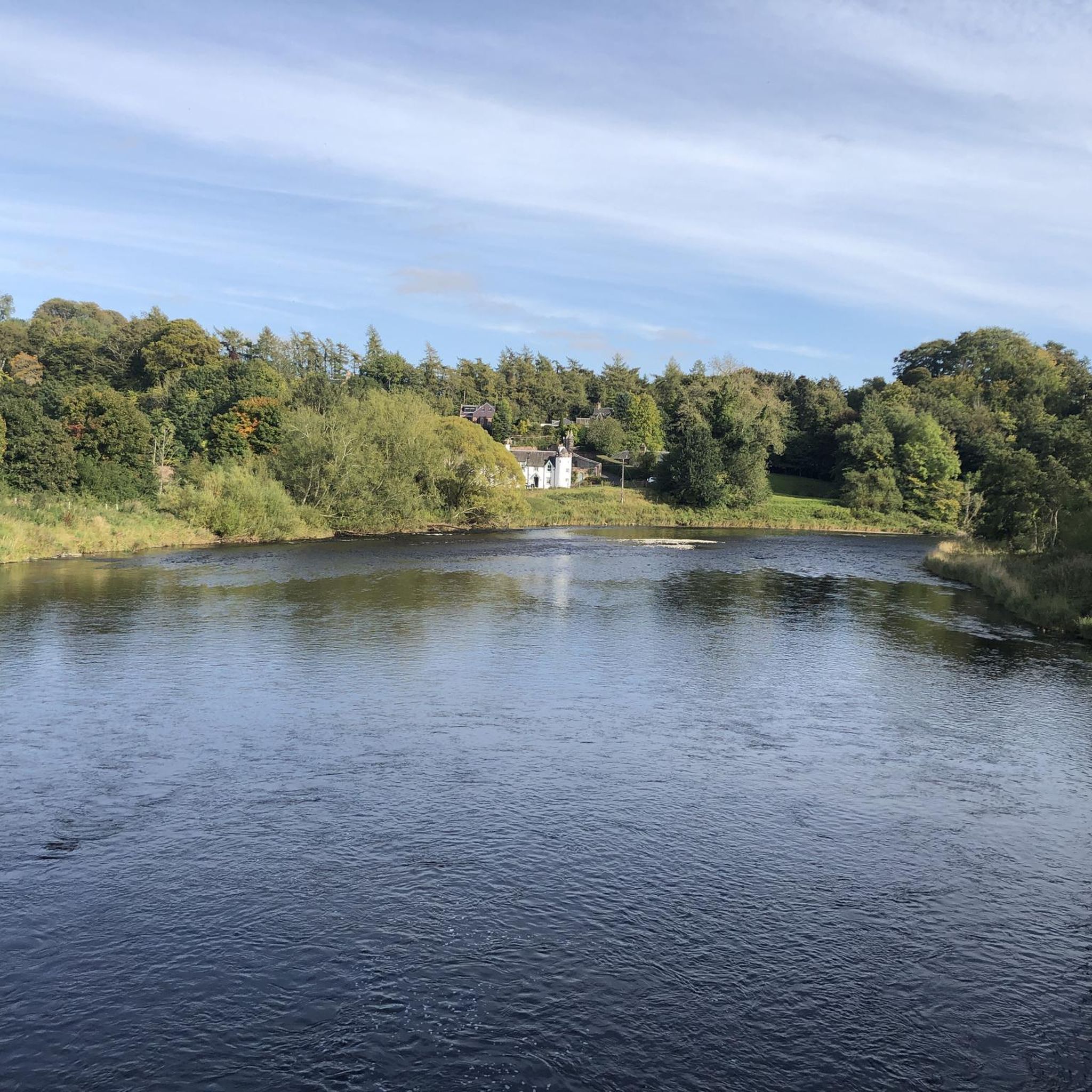
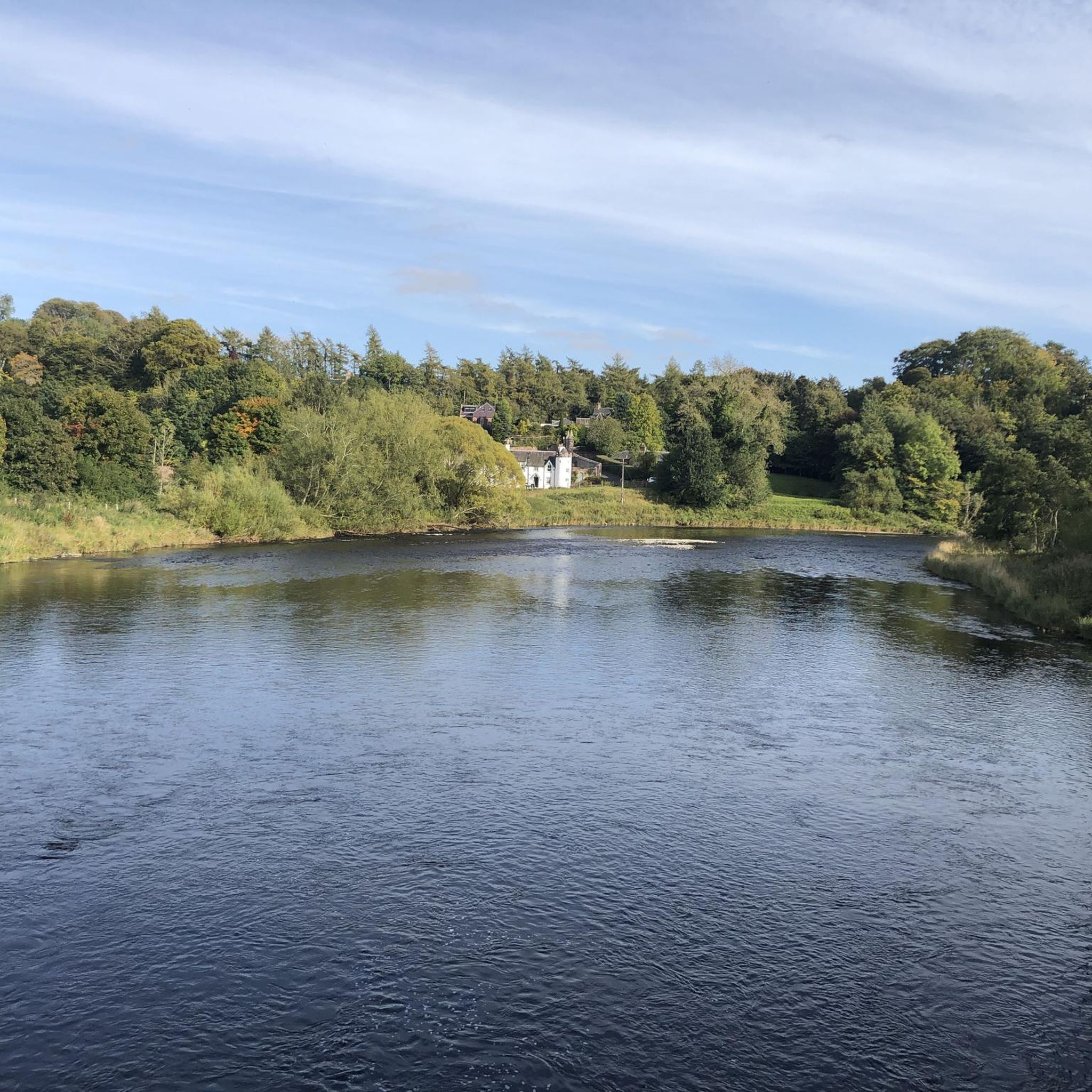
Other adventures around Newtown And Eildon

Tips from the Community


The selection of apple trees is considerable
2
0

In the orchard of the garden you can admire numerous apple varieties, some of which are still rare today.
3
0

Some say Maid Lilliard fought at Lilliard’s Edge during the Battle of Ancrum Moor to avenge her slain lover, while others believe she sought revenge for her lost family. According to legend, she either killed the ruthless English leaders Sir Ralph Evers and Sir Brian Laiton or rallied the outnumbered Scots to victory. After the battle, searchers found her body near the fallen English leaders. Though badly injured, she was recognized by her golden hair and white plume. Whether she truly struck down Laiton remains unknown, but she was given an individual burial, and a memorial was later erected in her honor.
0
0

Eildon Hill North is an historic, photogenic and widely visible landmark in the Scottish Borders. At 1325 feet (404 m) this peak is the second highest of the three Eildon (pronounced ‘Eeldon’) Hills located just south of Melrose. The significance of Eildon Hill North was recognised by Bronze Age and Iron Age peoples and by the Romans. This peak was the site of the largest Iron Age hill fort in Scotland. Up to 2000 people are thought to have lived here at the same time. Today the pockmarks from hundreds of roundhouse platforms and nearly 1-mile of defences are still visible. When the Romans came in about 80 AD they built their mighty garrison fort called ‘Trimontium’ (named after the three Eildon peaks) immediately below Eildon Hill North and also placed a signal station on this summit. Trimontium was the largest Roman settlement north of Hadrian’s Wall. The short but steep climb up Eildon Hill North is well worth the effort! On a clear day you will be rewarded with stunning views. The popular St Cuthbert’s Way that runs from Melrose Abbey to Holy Island in Northumberland climbs over the col in the Eildon Hills and provides a pleasant way up Eildon Hill North.
2
0

Lindean Loch is a beautiful small loch that is now part of a nature reserve. It’s a lovely little spot for a wild swim and is situated next to a small car park.
1
0

Crystal Well is the romantic name for the spring here, which was a good source of water for the Benrig House at the top of the hill. In the mid-1800s, the Elliot family built a pump to help with the carrying of the water back to the house. The old pumping house can be seen here, and there is a good information plaque placed here as well.
1
0
Frequently Asked Questions
What are the main natural features of the Eildon Hills?
The Eildon Hills are a distinctive trio of peaks: Eildon Hill North, Eildon Mid Hill, and Eildon Wester Hill. They are geological formations of igneous rock, specifically laccoliths, formed approximately 352 million years ago when magma intruded into sedimentary strata and later eroded. This gives them their striking conical shapes.
What kind of views can I expect from the Eildon Hills?
From the summits of the Eildon Hills, you can expect breathtaking panoramic views across the Scottish Borders. On a clear day, these vistas can extend to the Cheviot Hills and even the North Sea. For example, Eildon Mid Hill Summit, standing at 422 m, offers sumptuous views of the surrounding countryside and the towns below.
Are there any unique historical sites among the natural monuments?
Yes, the Eildon Hills are rich in history. Eildon Hill North was the site of one of the largest Iron Age hill forts in Scotland, and the Romans established a signal station there, naming their nearby fort 'Trimontium' (meaning 'three mountains'). You can still see remnants of these structures. Additionally, Lilliard's Stone and Lilliot Cross marks a spot of historical significance related to the Battle of Ancrum Moor.
What wildlife might I encounter around the Eildon Hills?
The Eildon Hills area is known for its diverse flora and fauna. While specific species are not detailed, the dramatic landscapes provide habitats for various native plants and animals typical of the Scottish Borders. Visitors often appreciate the natural beauty and opportunities for peaceful riverside strolls along the River Tweed.
Are there hiking trails suitable for different skill levels in the Eildon Hills?
Yes, the Eildon Hills offer numerous hiking trails ranging from moderate to challenging. For instance, the climb up Eildon Hill North is steep but rewarding. You can find various hiking routes, including a moderate 7.2 km loop covering Eildon Hill North and Eildon Mid Hill Summit from Newtown St Boswells. For more options, explore the hiking guide for Newtown And Eildon.
What other outdoor activities can I do near the natural monuments?
Beyond hiking, the area around Newtown And Eildon offers opportunities for cycling and mountain biking. You can find moderate cycling routes like the 'Leaderfoot Viaduct – Melrose Abbey loop from St Boswells' or mountain biking trails such as the 'Eildons Hill loop from St Boswell's'. For detailed routes, check the cycling guide and MTB trails guide for the region.
When is the best time of year to visit the natural monuments in Newtown And Eildon?
The Eildon Hills can be visited year-round, but late summer, particularly August, is a glorious time when the heather is in full bloom, adding vibrant color to the hills. Clear days offer the best panoramic views. Always check local weather conditions before your visit, as Scottish weather can be unpredictable.
Are the natural monuments in Newtown And Eildon family-friendly?
Yes, many of the natural monuments, especially the Eildon Hills, can be enjoyed by families. While some climbs are steep, there are also easier sections and rewarding views that make the effort worthwhile for older children. Shorter, less strenuous walks are also available in the surrounding area.
Can I bring my dog to the natural monuments?
The Eildon Hills are generally dog-friendly, offering open spaces for walks. However, it's important to keep dogs under control, especially during lambing season or when livestock are present, and to follow the Scottish Outdoor Access Code. Always carry waste bags and dispose of them responsibly.
How can I get to the Eildon Hills by public transport?
The Eildon Hills are located just south of Melrose. Newtown St Boswells and Melrose are well-connected by local bus services within the Scottish Borders. From these towns, you can access various walking routes leading up to the Eildon Hills. It's advisable to check current bus schedules for the most up-to-date information.
Is there parking available for visitors to the Eildon Hills?
Yes, parking is available in nearby towns such as Melrose and Newtown St Boswells, which serve as common starting points for exploring the Eildon Hills. Specific car parks may be available closer to trailheads, but it's always good to plan your route and check for parking options in advance.
Are there any accessible natural monuments for wheelchair users?
The Eildon Hills themselves, with their steep and uneven terrain, are not generally wheelchair accessible. However, the surrounding areas may offer more accessible paths or viewpoints. For specific accessible routes, it is recommended to consult local tourism resources or accessibility guides for the Scottish Borders.
What do visitors particularly enjoy about the natural monuments in this area?
Visitors frequently praise the Eildon Hills for their stunning panoramic views, historical significance, and the rewarding experience of reaching the summits. The dramatic landscapes and the opportunity for peaceful walks are also highly valued. The komoot community has shown its appreciation with 89 upvotes and 59 photos of these highlights.
Most popular routes around Newtown And Eildon
Most popular attractions around Newtown And Eildon

Get inspired with the komoot mobile app


Explore more
Extend your search for the best caves by checking out these guides of the top ones around Newtown And Eildon:
