Top 11 Natural Monuments around Carnforth
Natural monuments around Carnforth are characterized by a distinctive lowland limestone landscape, featuring limestone hills, woodlands, pavements, and rich wetlands. This region, bordering the Arnside and Silverdale Area of Outstanding Natural Beauty (AONB), offers diverse geological formations and natural features. The area provides access to a variety of natural settings, from prominent crags to serene lakes. It is a location where natural beauty and unique habitats converge.
Best natural monuments around Carnforth
- The most popular natural monuments is Fairy Steps…
Last updated: July 1, 2026
Arnside Knott
Highlight • Summit
Tip by

Fairy Steps
Highlight • Natural Monument
Tip by

Sign up now to discover places like this
Get recommendations on the best single tracks, peaks, & plenty of other exciting outdoor places.
Sign up for free
Hawes Water
Highlight • Lake
Tip by

Warton Crag Road Climb
Highlight • Natural Monument
It's managed by the Wildlife Trust due to the important habitat for …
Tip by

Humphrey Head Trig Point
Highlight • Natural Monument
The …
Tip by

Sign up for free to discover even more natural monuments around Carnforth.
Sign up for free
Already have an account?
Start today with a free account
Your next adventure awaits.
Login or Signup
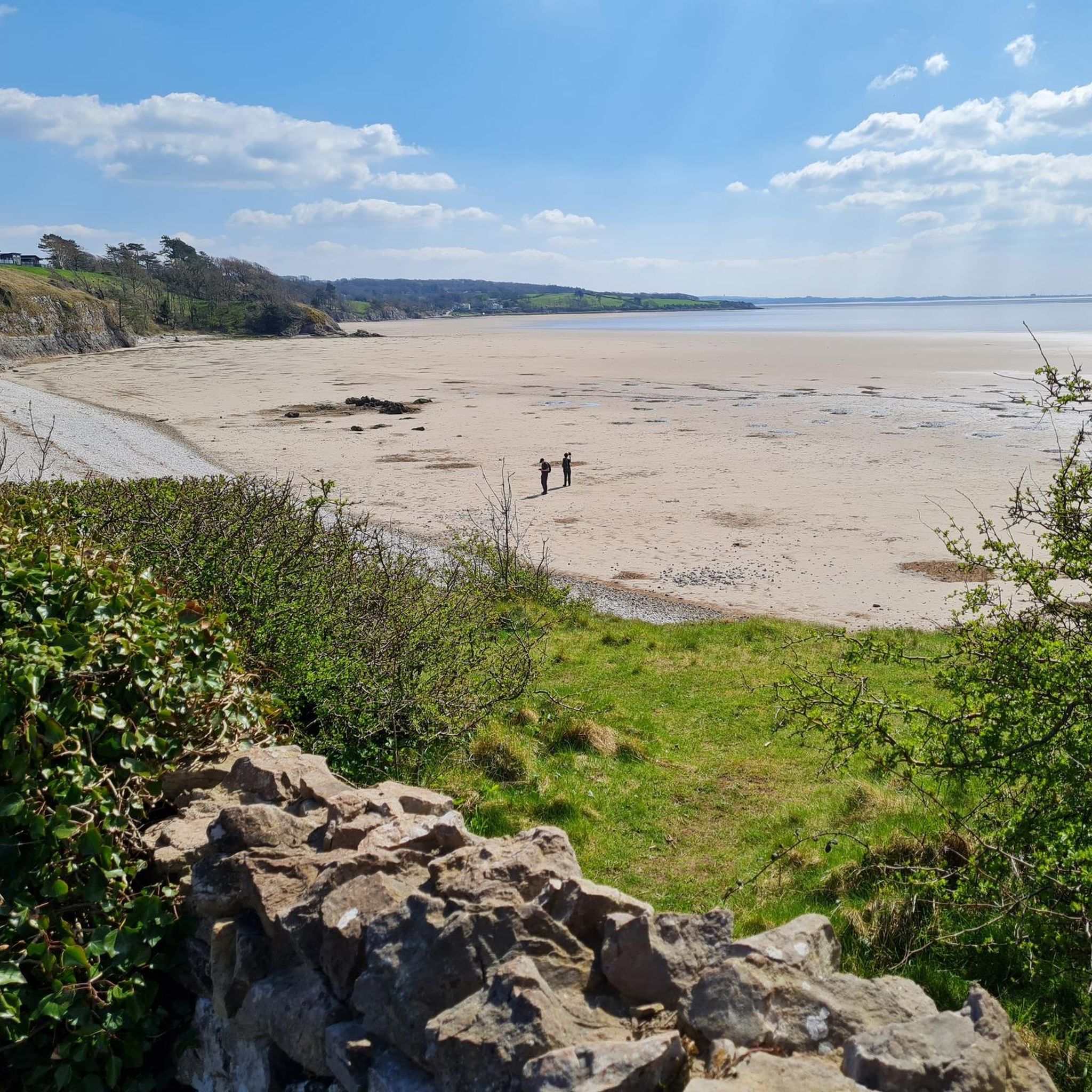
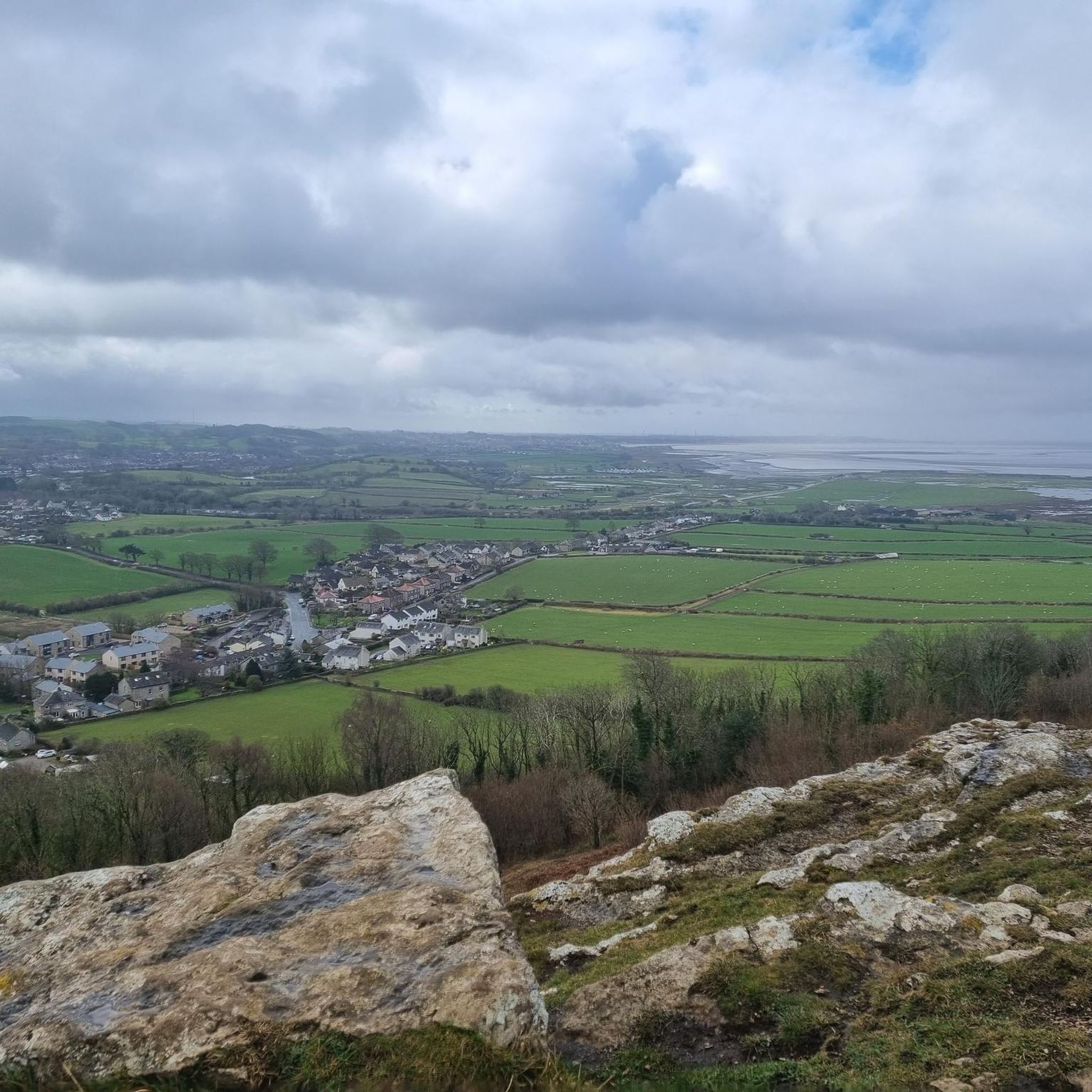
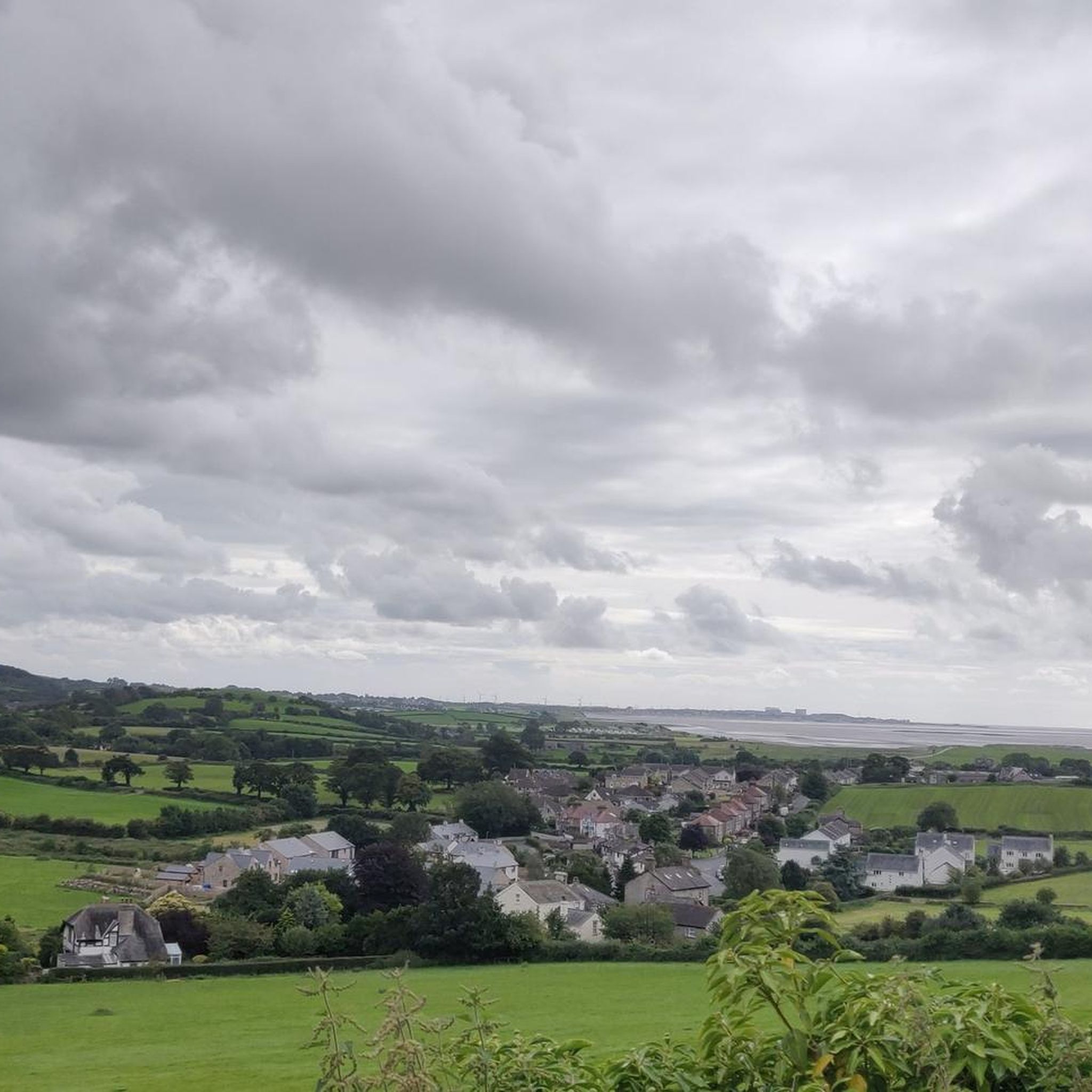
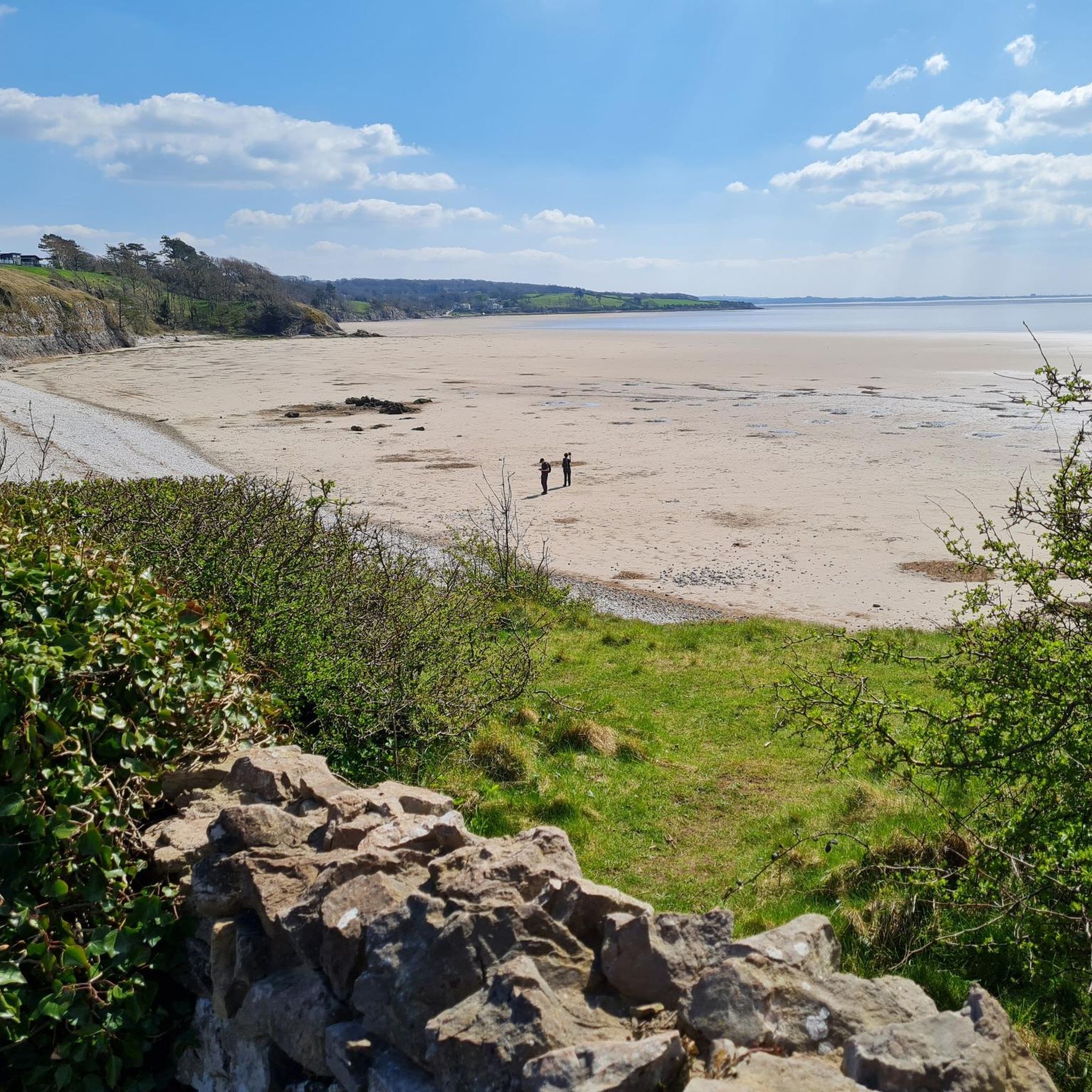
Tips from the Community


Good fun but a bit of a squeeze. You can walk around instead.
0
0

good fun! just beware, going down, it can be a bit slippy. Down is in the south west direction.
0
0


Named the Fairy Steps because of a legend that if you ascend or descend the steps without touching the sides you are granted a wish by the fairies. Though as at parts the sides a just a foot apart at shoulder height there is not much chance of that!
1
0
I think Kenny's above tip refers to the Hawes Water in the Lake District.
2
0
Frequently Asked Questions
What unique geological features can I explore around Carnforth?
The Carnforth area is renowned for its distinctive lowland limestone landscape. You can explore fascinating geological formations such as limestone pavements, which are exposed expanses of limestone scored with deep fissures called 'grikes'. These grikes create unique micro-climates supporting diverse flora. A great example can be found at Warton Crag, a prominent limestone hill that is largely designated as a Site of Special Scientific Interest (SSSI).
Are there any natural monuments suitable for families near Carnforth?
Yes, several natural monuments around Carnforth are family-friendly. Arnside Knott offers accessible paths and beautiful views, while Hawes Water, located within the Gait Barrows National Nature Reserve, is a tranquil spot perfect for observing birdlife and insects. RSPB Leighton Moss is also an excellent choice, offering nature trails and hides for wildlife spotting that are engaging for all ages.
Where can I find the best panoramic views of the surrounding landscape?
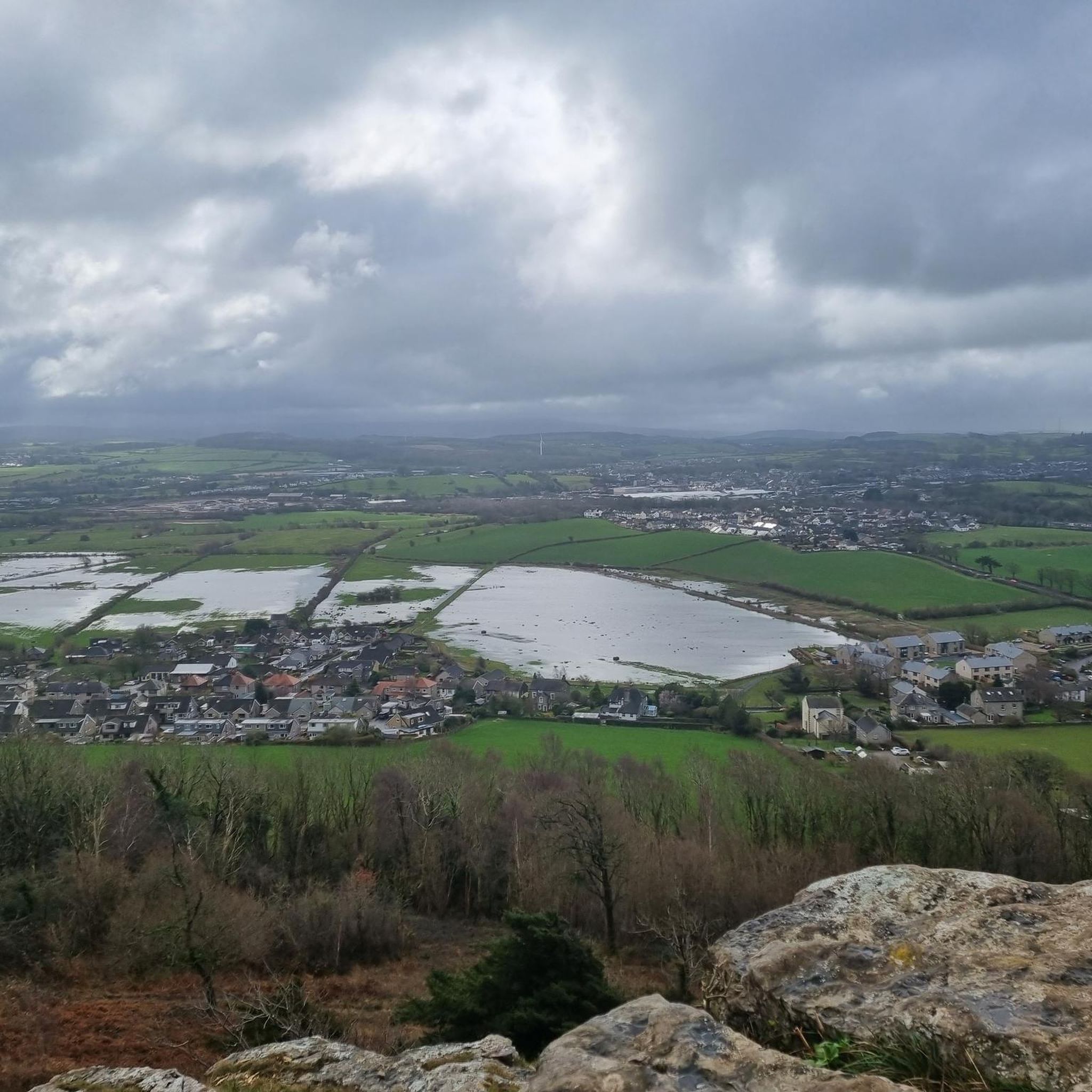
For breathtaking panoramic views, head to Arnside Knott. This low limestone hill offers extensive vistas of the Lakeland Fells and the Yorkshire Dales. Another excellent spot is Warton Crag, which provides spectacular views over Morecambe Bay and the surrounding countryside. Humphrey Head also offers fantastic views of the Coniston Fells, Fairfield range, and Morecambe Bay from its trig point.
What kind of wildlife can I expect to see at the natural monuments?
The natural monuments around Carnforth are rich in wildlife. Warton Crag is a haven for butterflies, including the rare pearl-bordered and high brown fritillaries, and is a breeding site for peregrine falcons. RSPB Leighton Moss, the largest reedbed in northwest England, is internationally important for birdwatching, home to great bitterns, western marsh harriers, bearded tits, otters, and red deer. Arnside Knott also boasts beautiful butterflies and wildflowers in spring and summer.
Are there challenging walks or climbs among the natural monuments?
Yes, if you're looking for a challenge, the Fairy Steps present a unique, narrow gorge with steps that can be quite challenging to navigate without touching the sides. Warton Crag also offers opportunities for hiking, climbing, and abseiling, with the Warton Crag Road Climb providing a steep but rewarding ascent with great views.
What outdoor activities can I do near these natural monuments?
Beyond exploring the natural monuments themselves, the area around Carnforth offers a variety of outdoor activities. You can find numerous cycling routes, including the 'Carnforth to Arnside loop' and 'Gravel Trails to Hawes Water', which are detailed in the Cycling around Carnforth guide. For mountain biking, consider routes like the 'Arnside Knott and RSPB Leighton Moss loop' found in the MTB Trails around Carnforth guide.
What is the significance of the Arnside and Silverdale Area of Outstanding Natural Beauty (AONB)?
The Arnside and Silverdale AONB, bordering Carnforth, is a nationally important landscape recognized for its unique character and natural beauty. Designated in 1972, it features a diverse mosaic of low limestone hills, extensive limestone pavements, ancient woodlands, meadows, rich wetlands, and an impressive coastline. It's a paradise for walkers and wildlife enthusiasts, boasting almost 100km of well-maintained footpaths and supporting rare butterflies and wildflowers.
What is the best time of year to visit the natural monuments around Carnforth?
Spring and summer are particularly rewarding times to visit. During these seasons, you'll find wildflowers in bloom and a vibrant display of butterflies at sites like Arnside Knott and Warton Crag. Birdwatching at RSPB Leighton Moss is excellent year-round, but migratory birds add extra interest during spring and autumn. The views from the various viewpoints are stunning in clear weather, which is more common in warmer months.
Are there any historical elements associated with the natural monuments?
Yes, some natural monuments in the area have historical significance. Warton Crag, for instance, features the remains of an Iron Age hillfort at its summit, offering a glimpse into ancient history amidst the natural beauty. The Fairy Steps are also steeped in local legends and folklore, adding a touch of historical mystique to your visit.
What do visitors enjoy most about the natural monuments near Carnforth?
Visitors frequently praise the stunning views, diverse wildlife, and the tranquility of the area. Many enjoy the unique geological formations like the limestone pavements and the challenge of navigating the Fairy Steps. The extensive network of paths and trails, offering everything from easy strolls to more challenging climbs, is also a major draw, allowing visitors to immerse themselves in the natural beauty of the region.
Can I find any natural lakes or water features in the area?
Yes, the area features beautiful water bodies. Hawes Water, located within the Gait Barrows National Nature Reserve, is a small but deep freshwater lake known for its significant birdlife and insects. Additionally, RSPB Leighton Moss includes saltwater lagoons along Morecambe Bay, offering a diverse wetland habitat.
Most popular routes around Carnforth
Most popular attractions around Carnforth

Get inspired with the komoot mobile app


Explore more
Extend your search for the best caves by checking out these guides of the top ones around Carnforth:
